How to Plant and Care for Pothos
Pothos is one of those houseplants that gives you plenty of green growth without asking for constant attention. Its trailing vines look lovely on shelves, in hanging baskets, or climbing up a moss pole.
Learning how to plant and care for pothos mostly comes down to getting three things right: indirect light, well-draining soil, and sensible watering. Pothos can handle the occasional missed watering, but constantly wet soil is much harder on the roots.
This guide covers planting, watering, light, feeding, pruning, repotting, propagation, and the common problems you may notice along the way.
Pothos Plant at a Glance
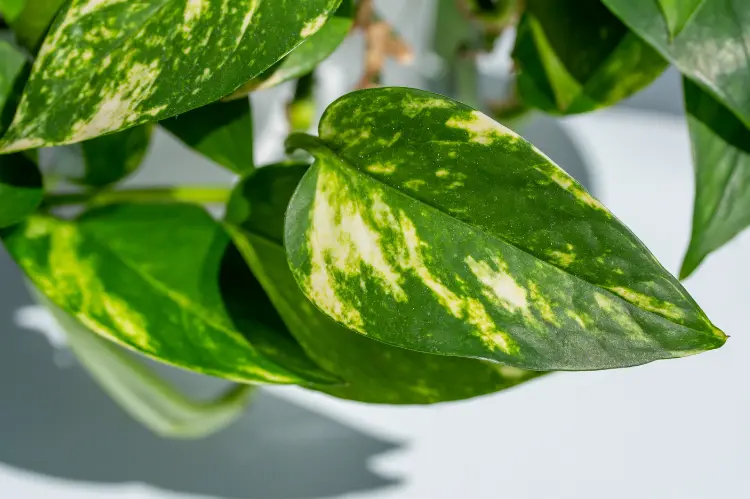
- Botanical name: Epipremnum aureum
- Common names: Pothos, Golden Pothos, Devil’s Ivy
- Plant type: Tropical evergreen vine
- Best light: Bright to medium indirect light
- Water: Let part of the soil dry before watering again
- Soil: Loose, well-draining indoor potting mix
- Growth habit: Trailing or climbing
- Best use: Shelves, hanging baskets, plant stands, moss poles
- Difficulty: Easy
How to Plant Pothos
Planting pothos is simple, but the pot and soil matter more than many beginners realize.
A pot that is too large or has poor drainage can leave the roots sitting in wet soil. That is one of the easiest ways to turn a healthy pothos into a struggling plant.
1. Choose a Pot With Drainage
Start with a container that has at least one drainage hole at the bottom.
If you’re moving an established pothos into a larger pot, go only slightly bigger than its current container. You don’t need to give a small root system a huge amount of extra soil.
Decorative pots without drainage are better used as outer covers. Keep the pothos in a draining nursery pot inside them.
2. Use Loose, Well-Draining Soil
A regular quality indoor potting mix works well for pothos as long as it drains freely.
If your mix feels dense and stays wet for a long time, you can make it lighter with ingredients such as perlite or fine orchid bark.
The finished mix should hold some moisture without staying soggy.
Avoid filling the bottom of the pot with rocks as a replacement for drainage holes. A draining container and suitable potting mix are much more useful.
3. Remove the Pothos From Its Old Pot
Gently slide the plant out while supporting the base of the stems.
Look at the root ball before planting.
Healthy roots are usually firm. If roots are tightly circling the outside of the root ball, loosen them gently with your fingers.
If you’re repotting because of watering problems, check carefully for soft or damaged roots before placing the plant into fresh soil.
4. Place It at the Same Depth
Add a layer of potting mix to the new container and position the pothos in the center.
Keep the original soil line roughly level with where it was growing before. Avoid burying the stems deeply.
Fill around the root ball with fresh potting mix.
Press the soil lightly with your fingers. Don’t pack it down hard because roots still need air around them.
5. Water and Let It Drain
Water the newly planted pothos until excess water starts leaving the drainage holes.
Allow the pot to drain fully before placing it back in a saucer or decorative pot.
After repotting, keep the plant in its normal bright, indirect light rather than moving it into harsh sun.
How Much Light Does Pothos Need?
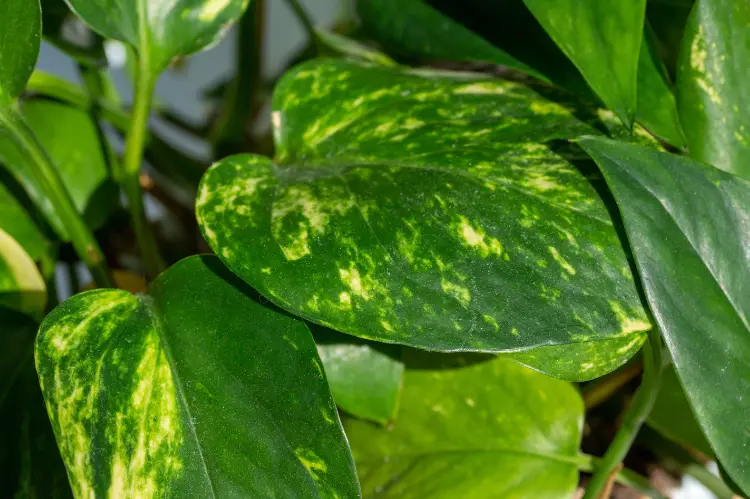
Bright indirect light is the best choice for pothos.
A position close to a bright window often works well, especially where the plant gets plenty of daylight without strong afternoon sun hitting its leaves for hours.
Pothos can survive lower-light rooms, but surviving isn’t the same as growing its best. Low light can lead to smaller leaves, slower growth, longer spaces between leaves, and reduced coloring on variegated varieties.
Good Locations for Pothos
Try placing pothos:
- Near an east-facing window
- A short distance from a bright south or west window
- On a bright bookshelf
- On top of a cabinet where vines can trail
- In a bright bathroom
- In a hanging planter near indirect light
Rotate the pot occasionally if most of the light comes from one direction. Pothos naturally grows toward its light source.
How Often Should You Water Pothos?
Don’t water pothos according to a strict calendar.
Check the soil instead.
Push your finger into the upper part of the potting mix. When it feels dry, give the plant a thorough watering and let excess water drain away.
Signs Your Pothos Needs Water
You may notice:
- Dry potting mix
- Slightly drooping leaves
- A noticeably lighter pot
- Leaves beginning to lose firmness
Don’t purposely wait until the plant becomes severely wilted every time. Use the soil as your main clue.
Signs You May Be Overwatering
Watch for:
- Soil staying wet for many days
- Repeated yellow leaves
- Soft stems near the soil
- Unpleasant-smelling soil
- Dark or soft roots
- Leaves yellowing while the soil is still wet
If the soil is constantly damp, check the drainage before simply watering less often.
The pot may be too large, the soil may be too dense, or the container may not have enough drainage.
Temperature and Humidity
Normal indoor temperatures usually suit pothos well.
Penn State recommends average room temperatures around 60°F to 80°F (16°C to 27°C).Keep the plant away from cold drafts, heating vents, and sudden temperature changes.
Pothos also handles normal household humidity fairly well.
If your home becomes very dry, especially during winter, slightly higher humidity can help keep the foliage looking fresh. Grouping plants together or using a room humidifier is generally more dependable than repeatedly misting the leaves.
How to Fertilize Pothos
Pothos doesn’t need heavy feeding to grow well.
Use a balanced houseplant fertilizer according to the product label while the plant is actively producing new growth.
I would avoid using extra fertilizer simply because a pothos looks weak. Check its light, watering, roots, and soil first.
Fertilizer won’t fix root rot, poor drainage, or a plant sitting in a dark corner.
You can also reduce feeding when growth naturally slows.
How to Make Pothos Fuller
Long pothos vines sometimes become thin or bare near the pot while most of the leaves remain farther down the stem.
Pruning helps.
Cut a long vine just above a node. A node is the small point along the stem where a leaf and aerial root can grow.
Trimming long vines encourages a tidier plant and keeps it from becoming overly stretched.
For an even fuller look, root some of your cuttings and plant them back into the same container.
That’s one of the easiest ways to turn a sparse pothos into a fuller pot over time.
Growing Pothos Up a Moss Pole
Pothos doesn’t have to trail downward.
Give it something to climb and you’ll get a completely different look.
A moss pole, coir pole, wooden support, or similar structure can hold the vines upright. Secure the stems loosely while the plant begins attaching itself with aerial roots.
When to Repot Pothos
Don’t repot simply because you’ve owned the plant for a certain number of months.
Look at the roots and growth.
Your pothos may be ready for a new container when:
- Roots grow through drainage holes
- Roots circle tightly around the pot
- Water runs straight through a root-packed container
- The plant dries unusually quickly
- Growth has slowed despite good care
- The root ball has filled most of the container
Spring is a convenient time to repot because the plant is entering an active growth period.
Move into a slightly larger container rather than jumping several pot sizes at once.
How to Propagate Pothos
Pothos is one of the easiest houseplants to propagate from stem cuttings.
Propagating Pothos in Water
- Choose a healthy vine.
- Cut just below a node.
- Remove leaves that would sit underwater.
- Place at least one node in clean water.
- Put the cutting in bright indirect light.
- Refresh the water regularly.
- Move the cutting into potting mix once it has developed a useful root system.
The node matters because this is where new roots develop.
You can also place cuttings directly into moist potting mix instead of rooting them in water.
For a fuller mother plant, add several rooted cuttings around the edges of the original pot.
Common Pothos Problems
Yellow Leaves
One occasional old yellow leaf isn’t usually a problem.
Several yellow leaves appearing together deserve a closer look.
Check the soil first. If it remains wet for long periods, overwatering or poor drainage is a likely cause.
Also check whether the plant recently experienced a sudden environmental change.
Brown Crispy Edges
Dry leaf edges can happen when the plant stays dry for too long, receives very dry air, or experiences stress from strong sunlight.
Check moisture before automatically adding more water.
Pothos Is Growing Long Bare Vines
Long spaces between leaves often point to insufficient light.
Move the plant gradually into brighter indirect light and prune stretched vines.
Use the cut sections for propagation rather than throwing them away.
Variegation Is Disappearing
Variegated pothos usually needs brighter light than solid green forms to maintain strong coloring.
A plant kept in very low light may produce greener growth.
Try brighter indirect light rather than direct afternoon sun.
Leaves Look Pale or Scorched
Strong sunlight can burn pothos leaves.
If you’re moving the plant to a brighter location, make the change gradually rather than placing it immediately in intense sun.
Black or Soft Roots
This often points toward root rot.
Remove the plant from its container and inspect the root system. Cut away badly damaged roots with clean tools and repot into fresh, well-draining soil.
Then correct the watering or drainage problem that caused the soil to remain wet.
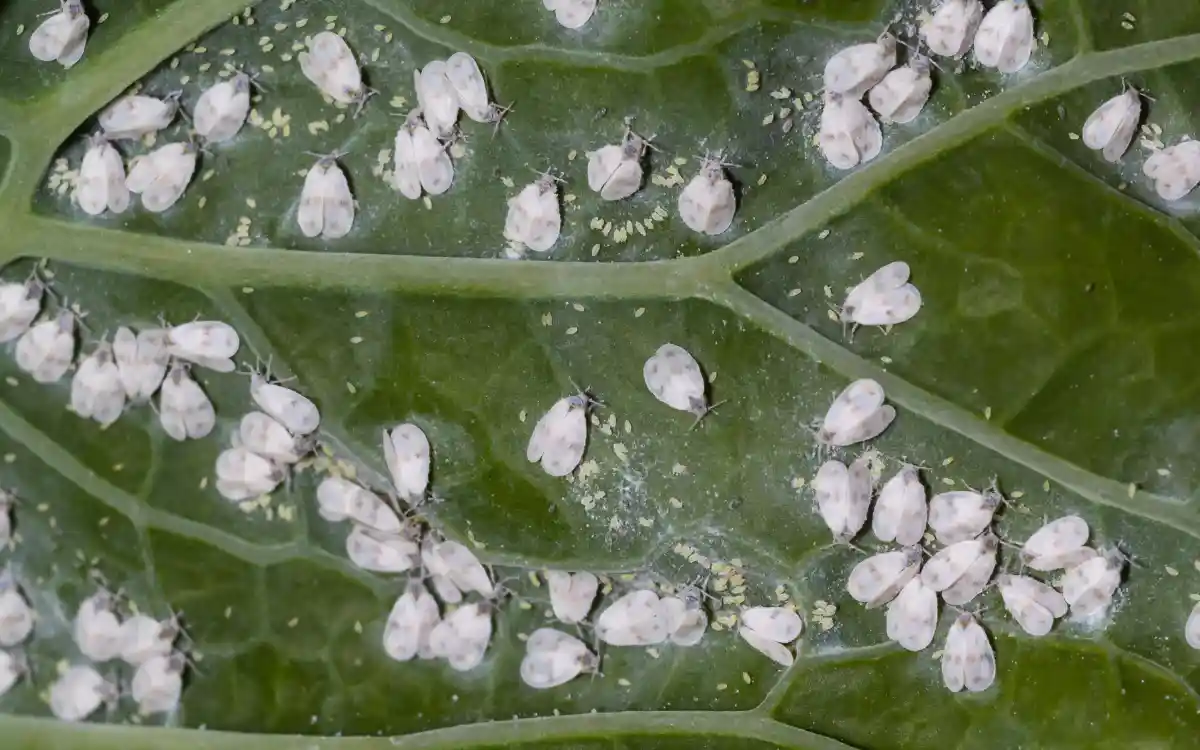
Mealybugs or Scale
Pothos is fairly trouble-free, but mealybugs and scale can occur. NC State lists both among pests worth watching for.
Check stems, leaf undersides, nodes, and places where leaves join the vine.
Isolate an affected plant from your other houseplants while treating the problem.
More plants :
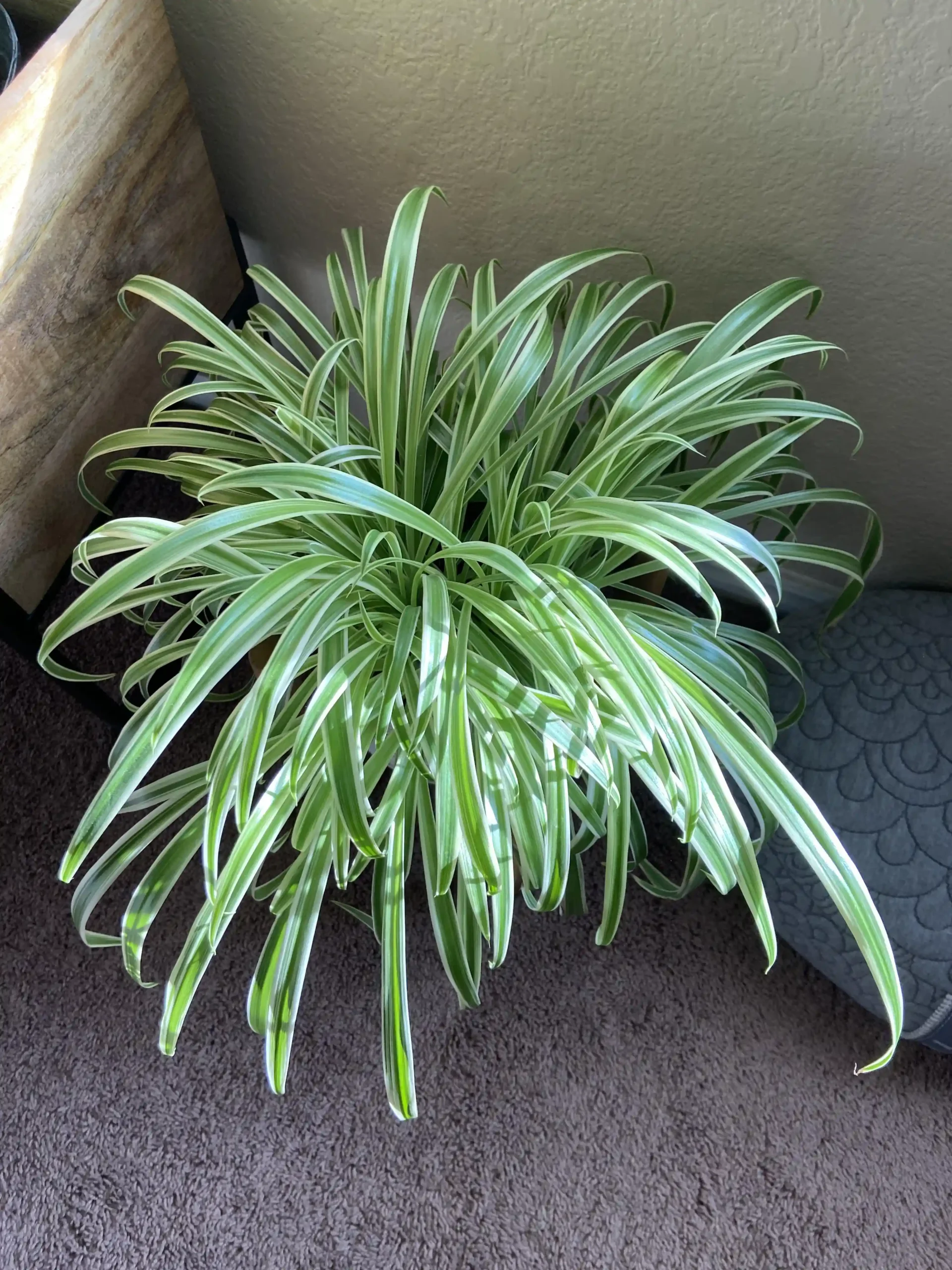
- Spider Plant Care: How to Keep It Healthy Indoors
- ZZ Plant Care: A Complete Indoor Growing Guide
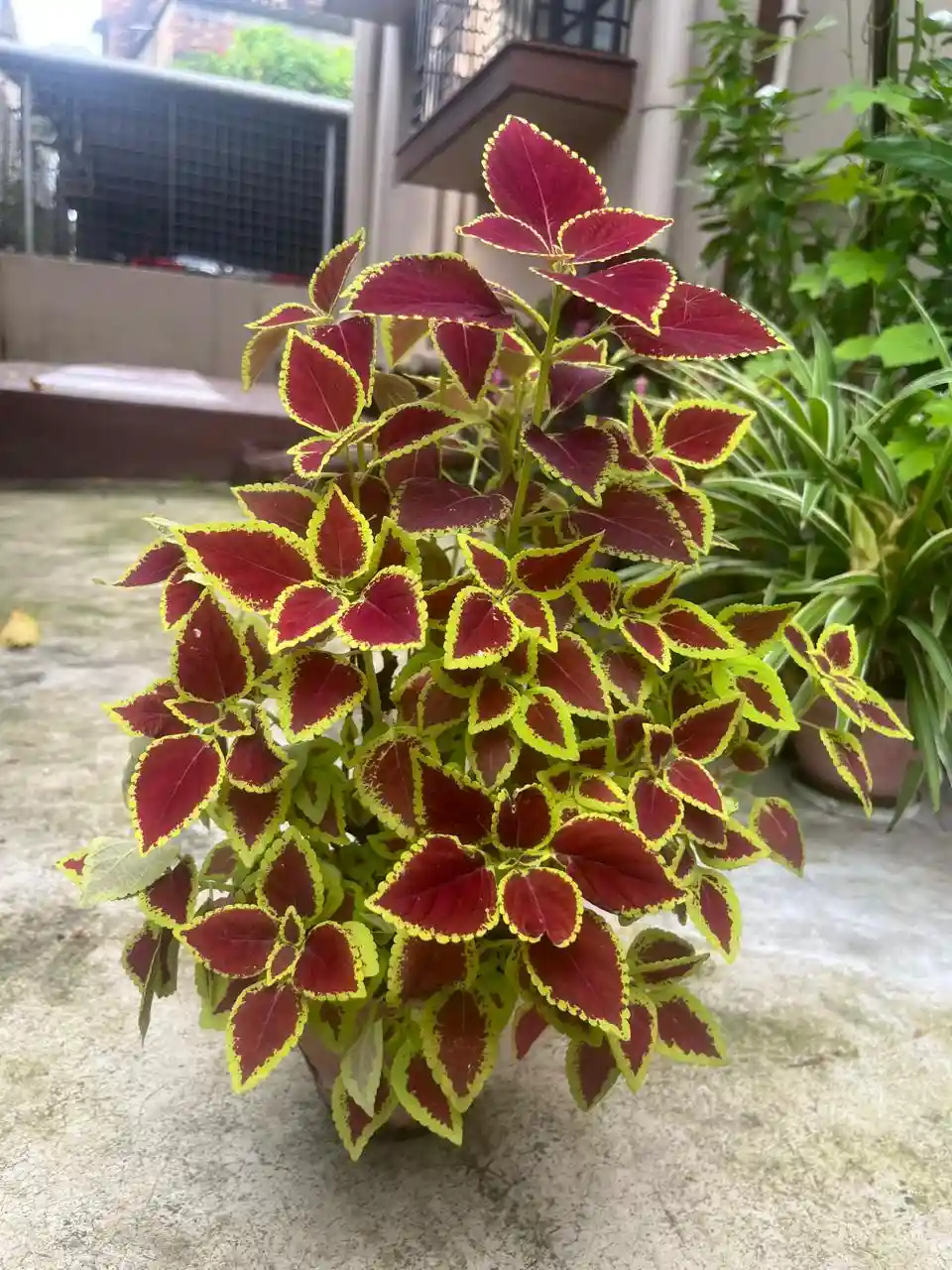
- How to Grow Coleus: Care Guide
Popular Pothos Varieties
Once you’ve grown one pothos, it is very easy to end up wanting several.
Some common choices include:
Golden Pothos
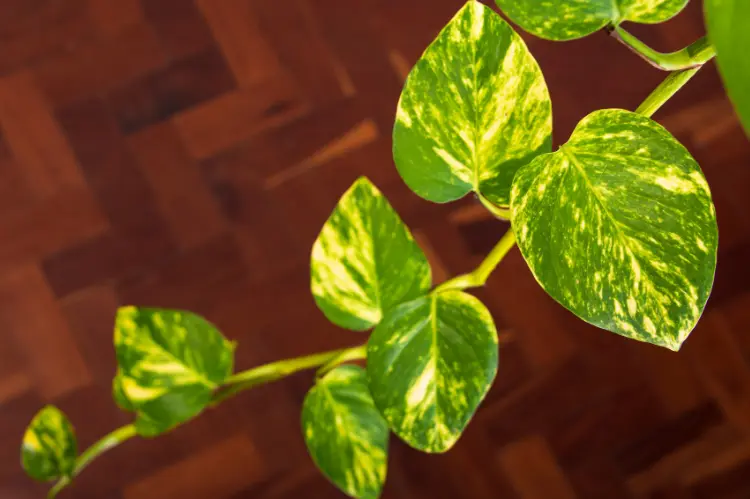
The classic variety has green leaves marked with yellow or gold.
It’s a good starting plant because it grows readily and adapts to many indoor spaces.
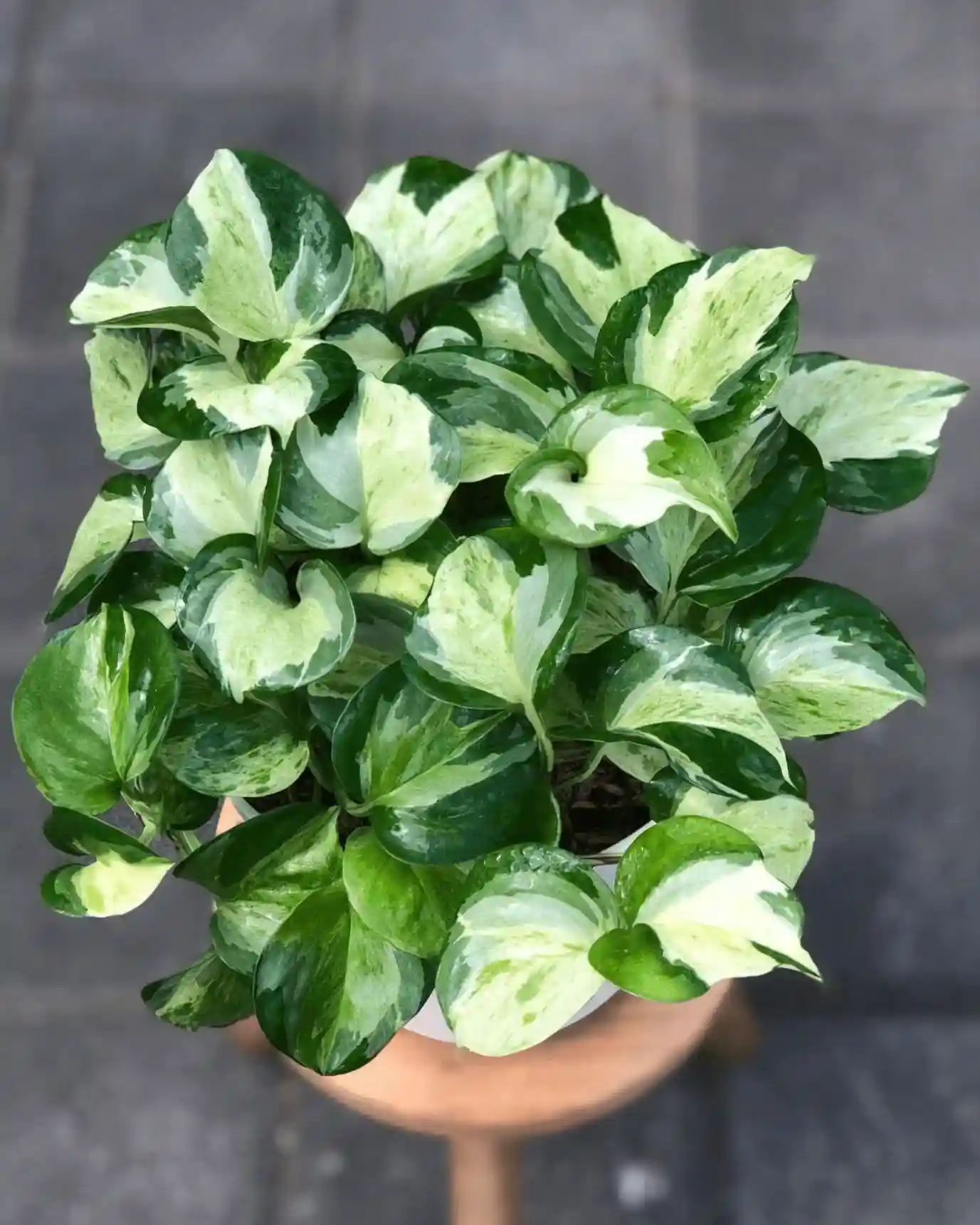
Marble Queen Pothos
Marble Queen has creamy white and green marbled foliage.
Give it plenty of bright indirect light to keep the variegation looking strong.
Neon Pothos
Neon pothos has bright chartreuse leaves that immediately catch the eye.
Its solid coloring makes it easy to mix with darker green houseplants.
Jade Pothos
Jade pothos has simple, deep green leaves.
It’s a useful option when you want the pothos growth habit without heavy variegation.
N’Joy Pothos
N’Joy produces smaller green leaves with crisp areas of cream or white.
Its compact leaf pattern looks particularly nice in small pots and on shelves.
if you want to know more about there varieties read this: 20 Pothos Varieties Worth Growing at Home
Is Pothos Toxic to Pets?
Yes. Pothos is toxic to cats and dogs if chewed or eaten.
The plant contains insoluble calcium oxalate crystals that can cause irritation of the mouth and digestive tract. Keep pothos where pets cannot chew the vines or leaves.
A high shelf isn’t always enough for cats if long vines hang within reach, so trim or position trailing stems carefully.
If you want to know more read this :- 25 Pet Safe Houseplants
FAQs
Does pothos need direct sunlight?
No. Pothos generally grows best in bright to medium indirect light. Strong direct sunlight can damage its leaves, while very low light may slow growth and reduce variegation.
Can pothos grow in low light?
Yes, pothos can tolerate lower light levels, but growth is usually slower. Variegated types may also become greener when they don’t receive enough light.
Should I water pothos once a week?
Not automatically.
Check the potting mix first. Water when it has partly dried rather than watering simply because seven days have passed.
Does pothos like small pots?
Pothos can grow comfortably when slightly snug, but severely root-bound plants eventually need more room. Move up only one reasonable pot size when repotting.
Why is my pothos turning yellow?
Wet soil is one of the first things to check. Yellowing can also happen from natural leaf aging or environmental stress, so look at the whole plant before changing your care routine.
Can pothos live in water forever?
Cuttings can root and continue growing in water for a long time. However, a pothos grown permanently in water will need a different nutrient routine than one grown in potting mix.
Should pothos climb or hang?
Either works.
Let it trail from a hanging basket for long flowing vines, or train it upward if you prefer a taller plant with climbing growth.