25 Pet Safe Houseplants That Won’t Harm Your Cats or Dogs
If your cat likes chewing leaves or your dog investigates every fallen clipping, houseplants can feel like a constant worry. Thankfully, you don’t have to give up greenery. Plenty of beautiful, easy-care, pet-safe houseplants are considered non-toxic to cats and dogs.
In this guide, you’ll find reliable plants for shelves, windowsills, and low-light corners, along with a few popular varieties you should check carefully before bringing them home.
Why Pet Safety Matters More Than You’d Think
The ASPCA’s Animal Poison Control Center tracks hundreds of plant species that are toxic to cats and dogs, ranging from mild stomach upset to, in rare cases, organ failure. Some of the most popular houseplants sold at garden centers pothos, peace lilies, philodendrons, sago palms fall into that toxic category, even though they’re marketed as “easy” beginner plants with no mention of pet risk on the tag.
Cats are particularly prone to nibbling on leaves out of curiosity or boredom, while dogs are more likely to dig into soil or chew on a plant that’s fallen within reach. Even a completely non-toxic plant can cause mild vomiting if a pet eats a large amount of fibrous leaf material that’s a digestive reaction, not poisoning, but it’s still worth keeping plants trimmed back and out of constant reach.
If you’re ever unsure about a specific plant, the ASPCA maintains a searchable toxic and non-toxic plant database that’s worth bookmarking before you bring anything new home.
25 Houseplants Safe for Cats and Dogs
Non-toxic doesn’t mean a plant is suitable for eating. Cats and dogs may still develop mild vomiting or diarrhea after chewing a large amount of any plant material. Correct identification also matters, especially with palms, ferns, and plants sold under broad common names. The entries below focus on houseplants considered non-toxic to cats and dogs.
1. Spider Plant (Chlorophytum comosum)
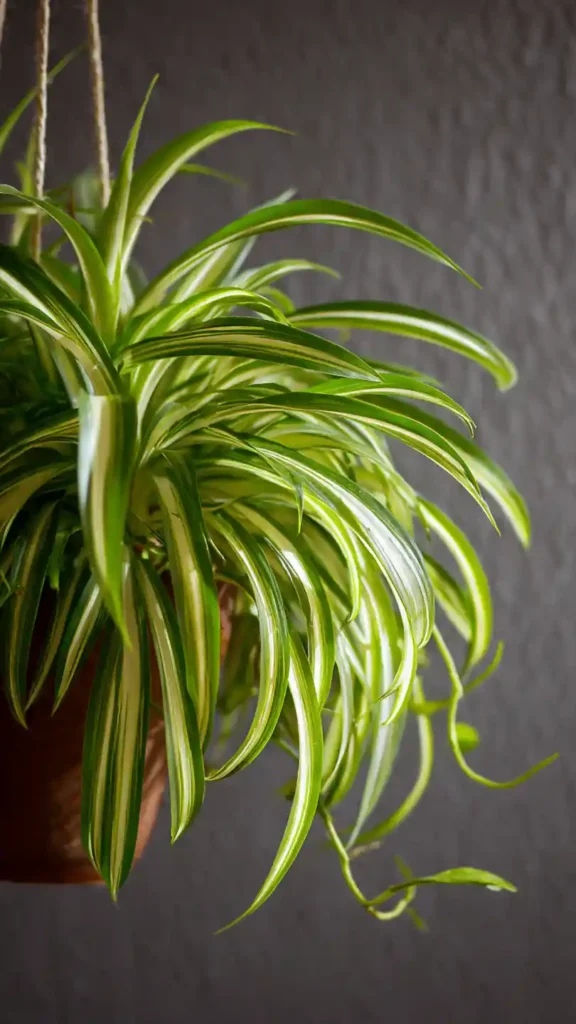
Spider plants are among the easiest pet-safe houseplants for beginners. Their striped, arching leaves look especially good in hanging baskets, where the small plantlets can trail over the sides. They tolerate missed waterings and average household conditions. Cats are sometimes attracted to the moving leaves, so hang the plant higher if yours keeps chewing it.
- Light: Bright to medium indirect light
- Water: Water when the top inch of soil feels dry
- Care level: Easy
- Toxicity: Non-toxic to cats and dogs (ASPCA)
2. Boston Fern (Nephrolepis exaltata)
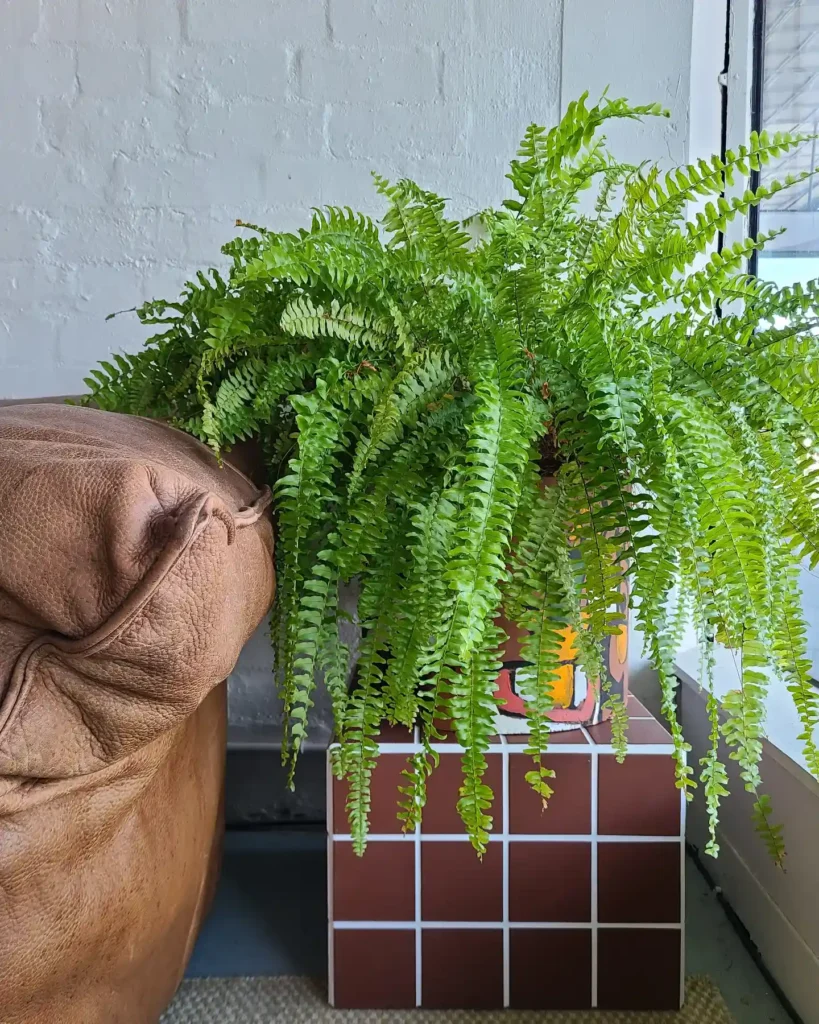
A Boston fern fills an empty corner with soft, feathery greenery without putting curious pets at risk. It grows best in a humid bathroom, kitchen, or room with a humidifier. Dry air can quickly turn the frond tips brown. Keep its soil evenly moist, but make sure the pot drains freely so the roots don’t stay waterlogged.
- Light: Medium to bright indirect light
- Water: Keep the soil consistently moist
- Care level: Moderate — needs humidity
- Toxicity: Non-toxic to cats and dogs (ASPCA)
3. Parlor Palm (Chamaedorea elegans)
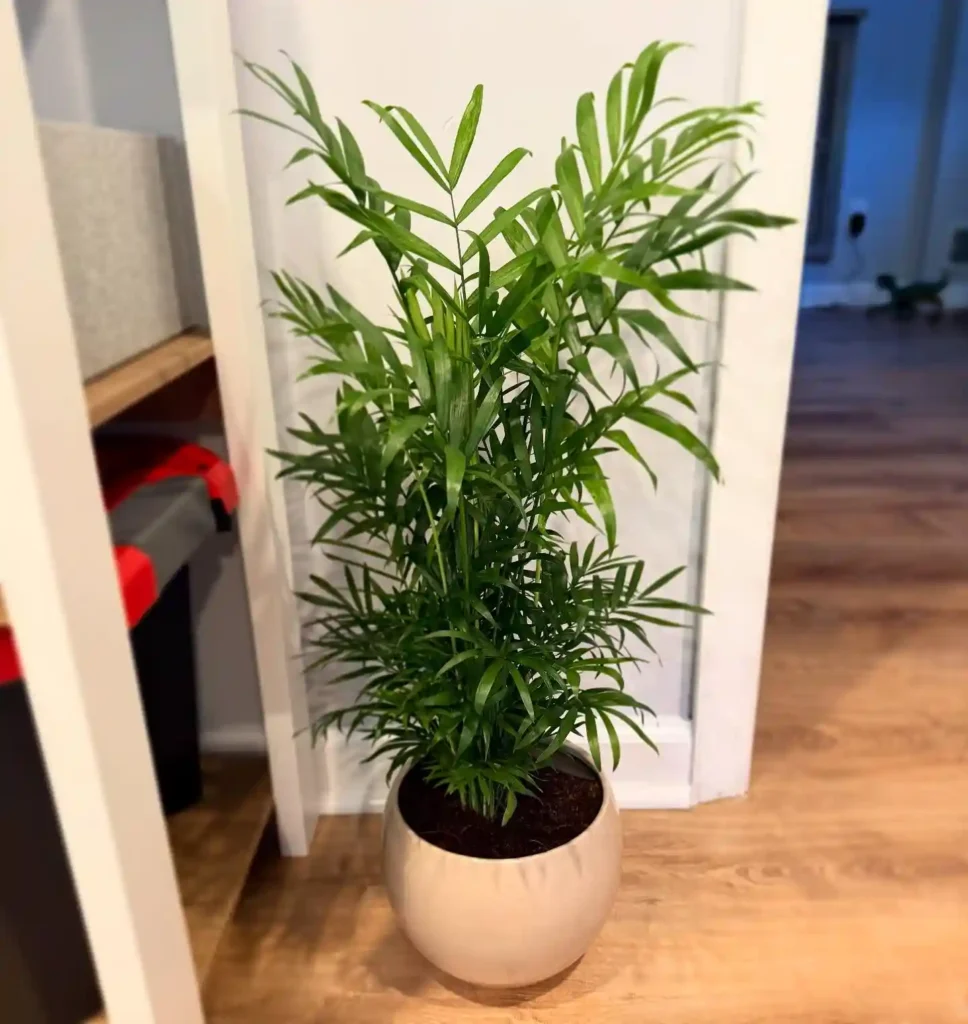
The parlor palm is a useful choice when you want a taller pet-safe plant that doesn’t need intense sunlight. Its slender stems and fine green fronds fit easily beside a sofa, desk, or bedroom dresser. Growth is slow indoors, which helps it stay manageable. Let the upper layer of soil dry slightly before watering to prevent root problems.
- Light: Low to bright indirect light
- Water: Water when the top 1–2 inches feel dry
- Care level: Easy
- Toxicity: Non-toxic to cats and dogs (ASPCA)
4. Calathea (various species)
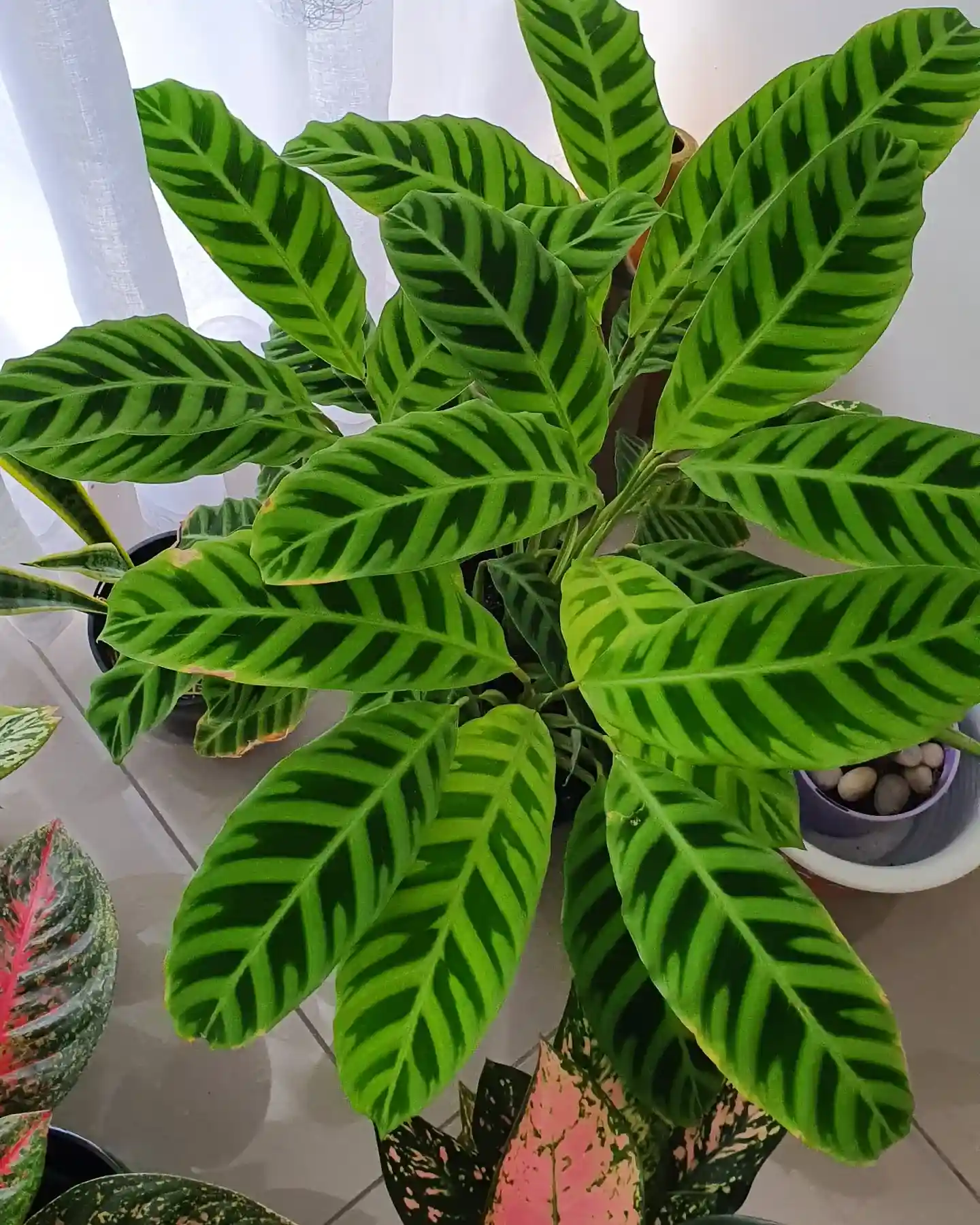
Calatheas bring patterned leaves and rich color into a pet-friendly room. Depending on the variety, the foliage may have stripes, spots, or deep purple undersides. These plants can be fussy about dry air, hard tap water, and sudden temperature changes. Place yours away from heaters and cold drafts, and use filtered or rainwater if the leaf edges keep browning.
- Light: Medium to bright indirect light
- Water: Keep the soil lightly and evenly moist
- Care level: Moderate — humidity-loving
- Toxicity: Non-toxic to cats and dogs (ASPCA)
5. Money Tree (Pachira aquatica)
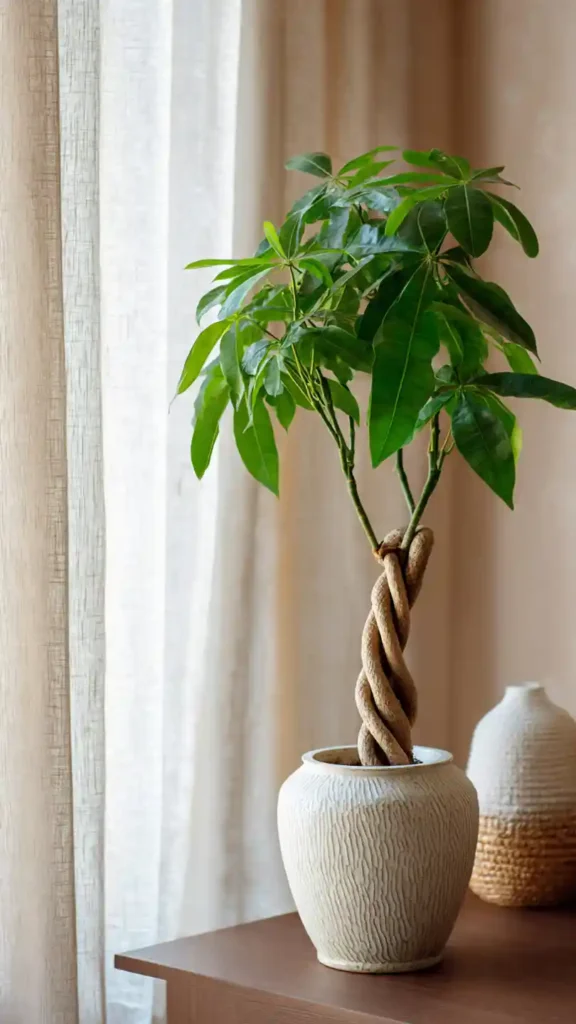
A money tree gives a room some height without taking up much floor space, especially when it has a braided trunk. It prefers a stable position near a bright window but away from strong afternoon sun. Water thoroughly, then wait until the upper soil dries. Although it is non-toxic, eating a large amount may still cause nausea or loose stool.
- Light: Bright, indirect light
- Water: Water when the top 1–2 inches feel dry
- Care level: Easy to moderate
- Toxicity: Non-toxic to cats and dogs (ASPCA)
6. Areca Palm (Dypsis lutescens)
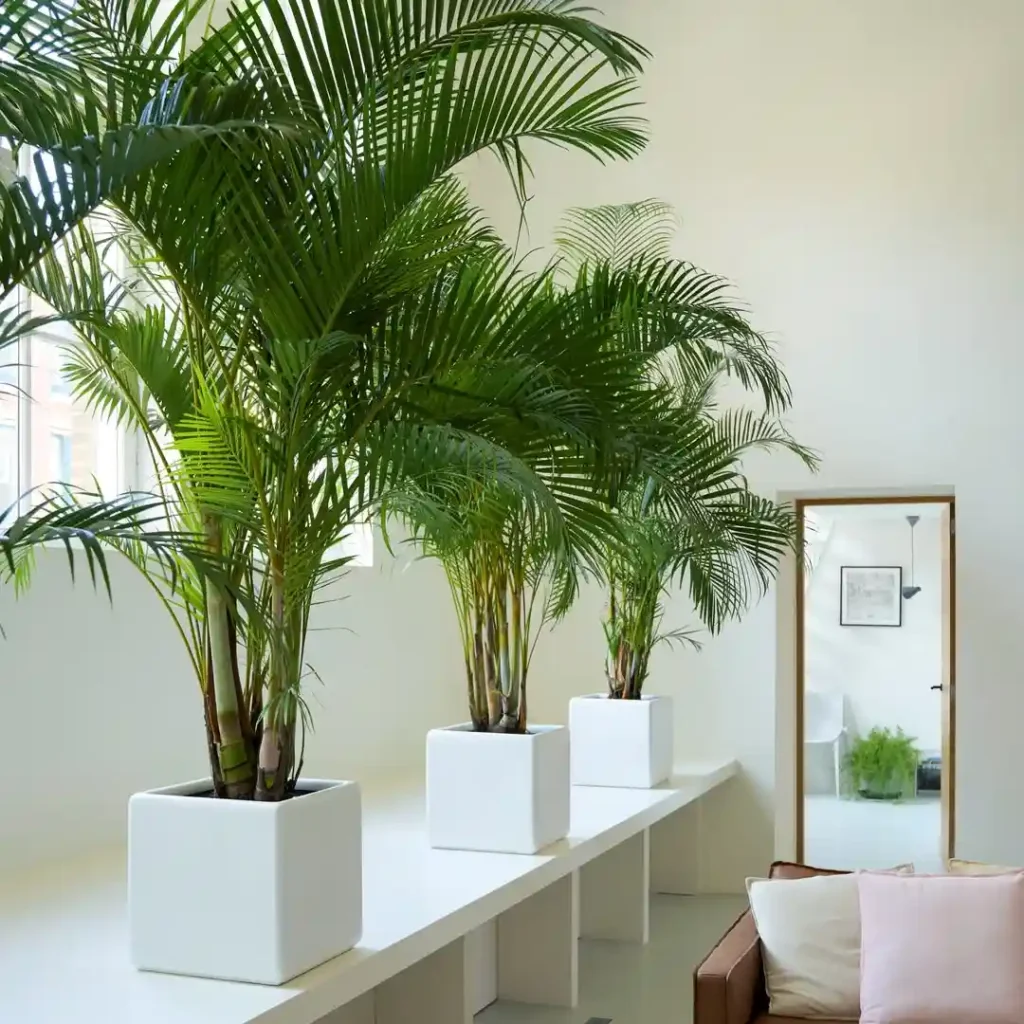
Areca palms have tall, feathery fronds that can soften a plain living room or brighten an indoor corner. They need more light than a parlor palm and may become thin in a dark space. Turn the pot every couple of weeks for balanced growth. Keep the soil lightly moist during warmer months, but reduce watering when growth slows in winter.
- Light: Bright, indirect light
- Water: Water when the top inch feels slightly dry
- Care level: Moderate
- Toxicity: Non-toxic to cats and dogs (ASPCA)
7. Haworthia
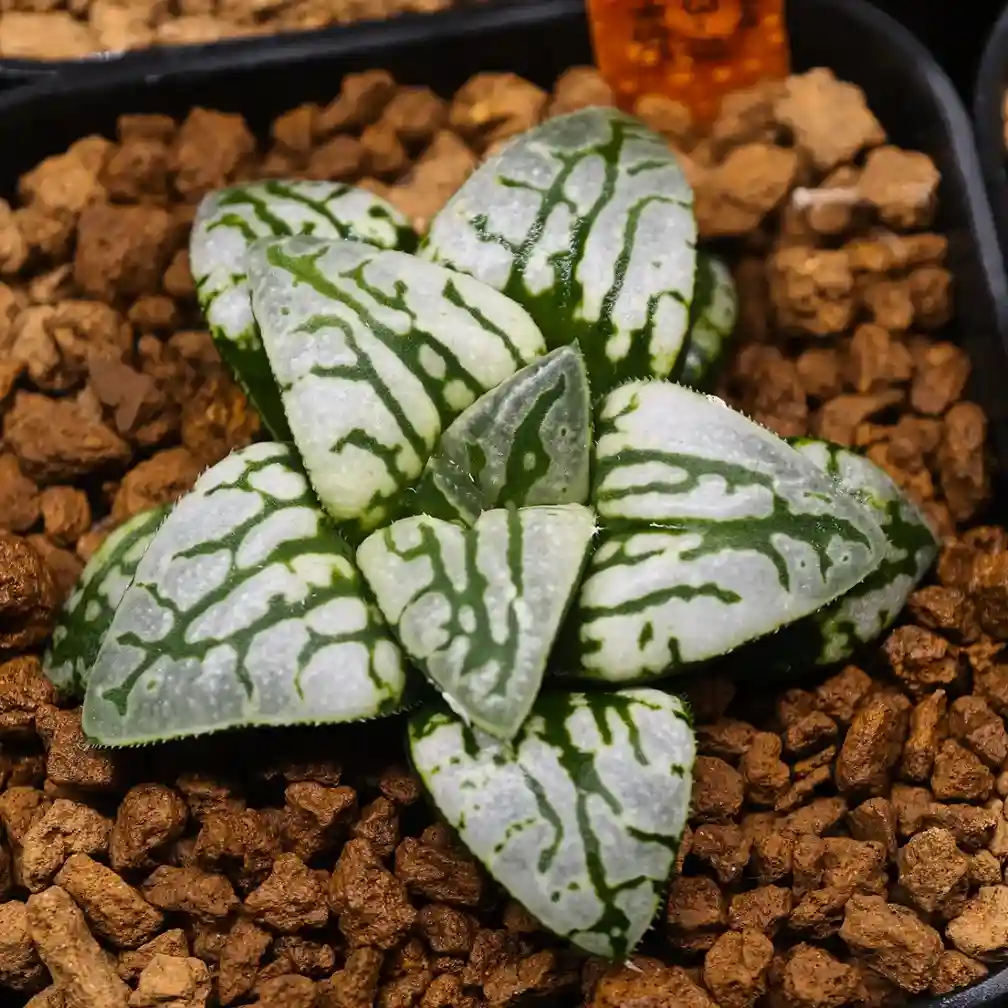
Haworthias are small pet-safe succulents that fit neatly on sunny shelves, desks, and narrow windowsills. Many have firm, pointed leaves marked with white ridges or translucent sections. They store water in their foliage, so overwatering causes more trouble than temporary dryness. Use gritty succulent soil and never let water collect inside a decorative outer pot.
- Light: Bright, indirect light with gentle morning sun
- Water: Let the soil dry fully between waterings
- Care level: Easy
- Toxicity: Common Haworthia species are considered non-toxic to cats and dogs
8. Echeveria
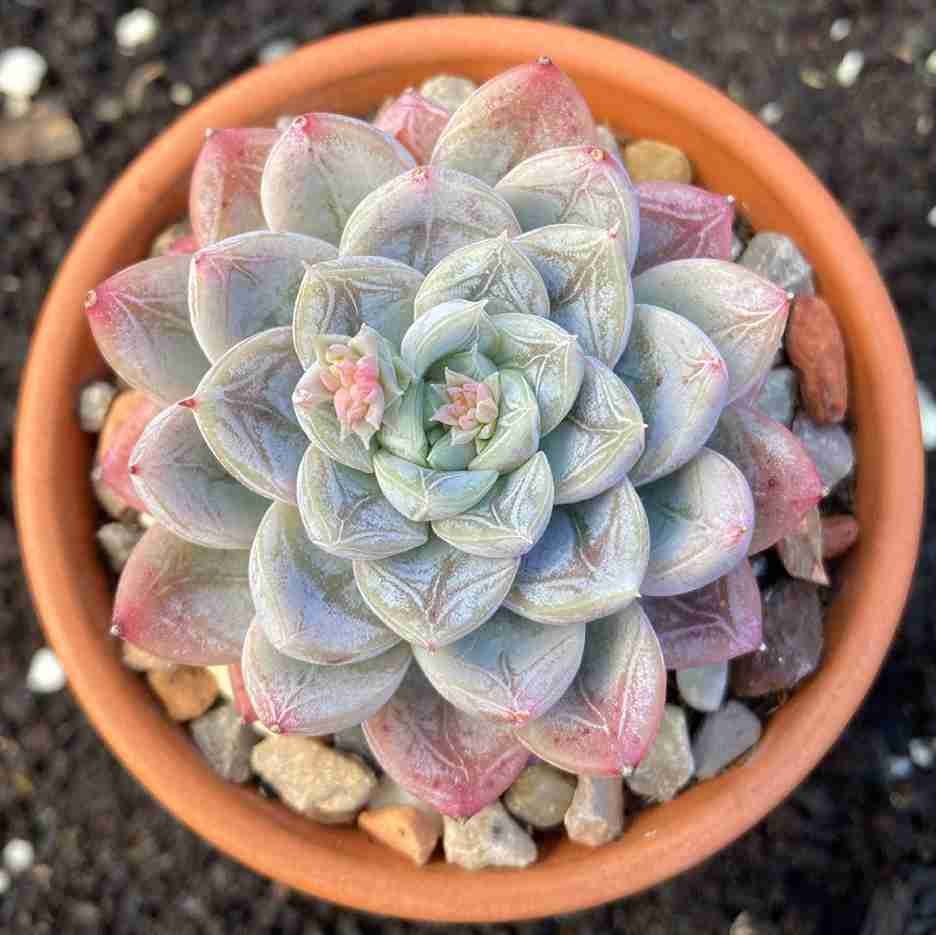
Echeverias grow in tidy rosettes with fleshy leaves in green, blue, pink, or silvery shades. They are pet-safe, compact, and well suited to a bright windowsill. Insufficient light can make the rosette stretch and lose its tight shape. Water the soil rather than pouring into the center, since trapped moisture can lead to rot around the crown.
- Light: Very bright light with some gentle direct sun
- Water: Allow the soil to dry completely
- Care level: Easy
- Toxicity: Common Echeveria species are considered non-toxic to cats and dogs
9. Phalaenopsis Orchid
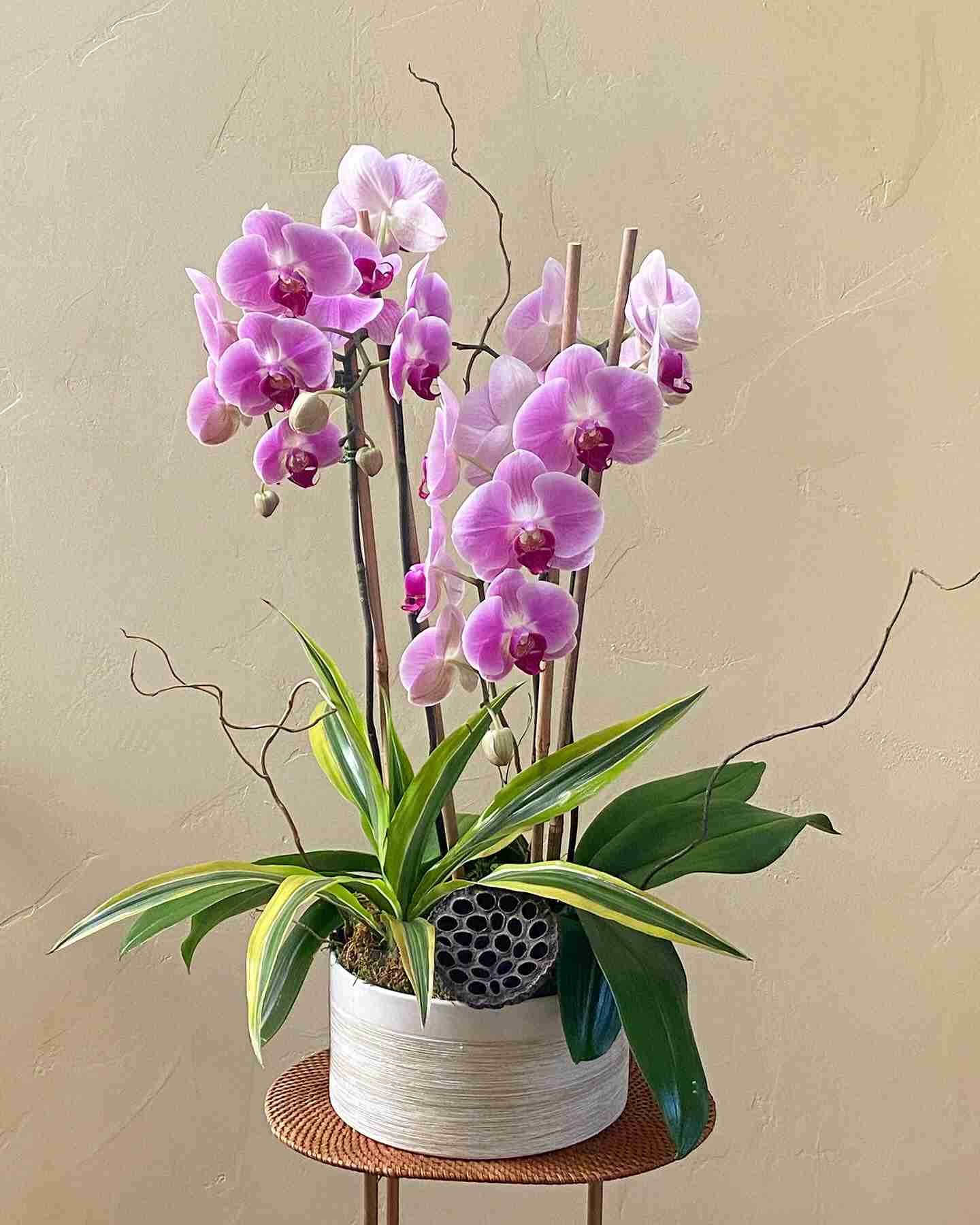
Phalaenopsis, commonly called the moth orchid, is a pet-safe flowering plant with blooms that can last for several weeks. It prefers a warm room and bright light filtered through a curtain. Water when the roots look silvery rather than green. Always let excess water drain, and keep moisture out of the crown to reduce the chance of rot.
- Light: Bright, indirect light
- Water: Water when the potting mix is nearly dry
- Care level: Moderate
- Toxicity: Non-toxic to cats and dogs (ASPCA)
10. Cast Iron Plant (Aspidistra elatior)
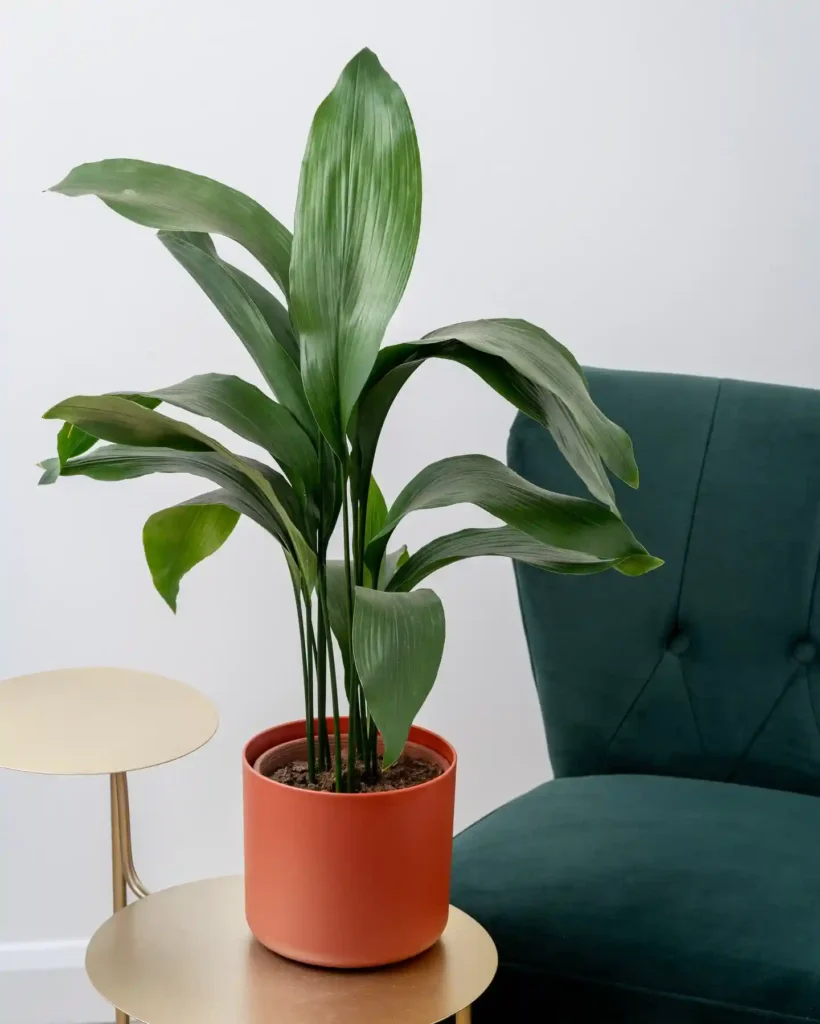
The cast iron plant suits pet-friendly homes with dim rooms or owners who occasionally forget to water. Its wide, upright leaves grow slowly and can collect dust, so wipe them with a damp cloth now and then. Avoid placing it in harsh direct sun, which can bleach or scorch the foliage. It prefers drying slightly before its next drink.
- Light: Low to medium indirect light
- Water: Water when the top 1–2 inches feel dry
- Care level: Easy
- Toxicity: Non-toxic to cats and dogs (ASPCA)
11. Bromeliad
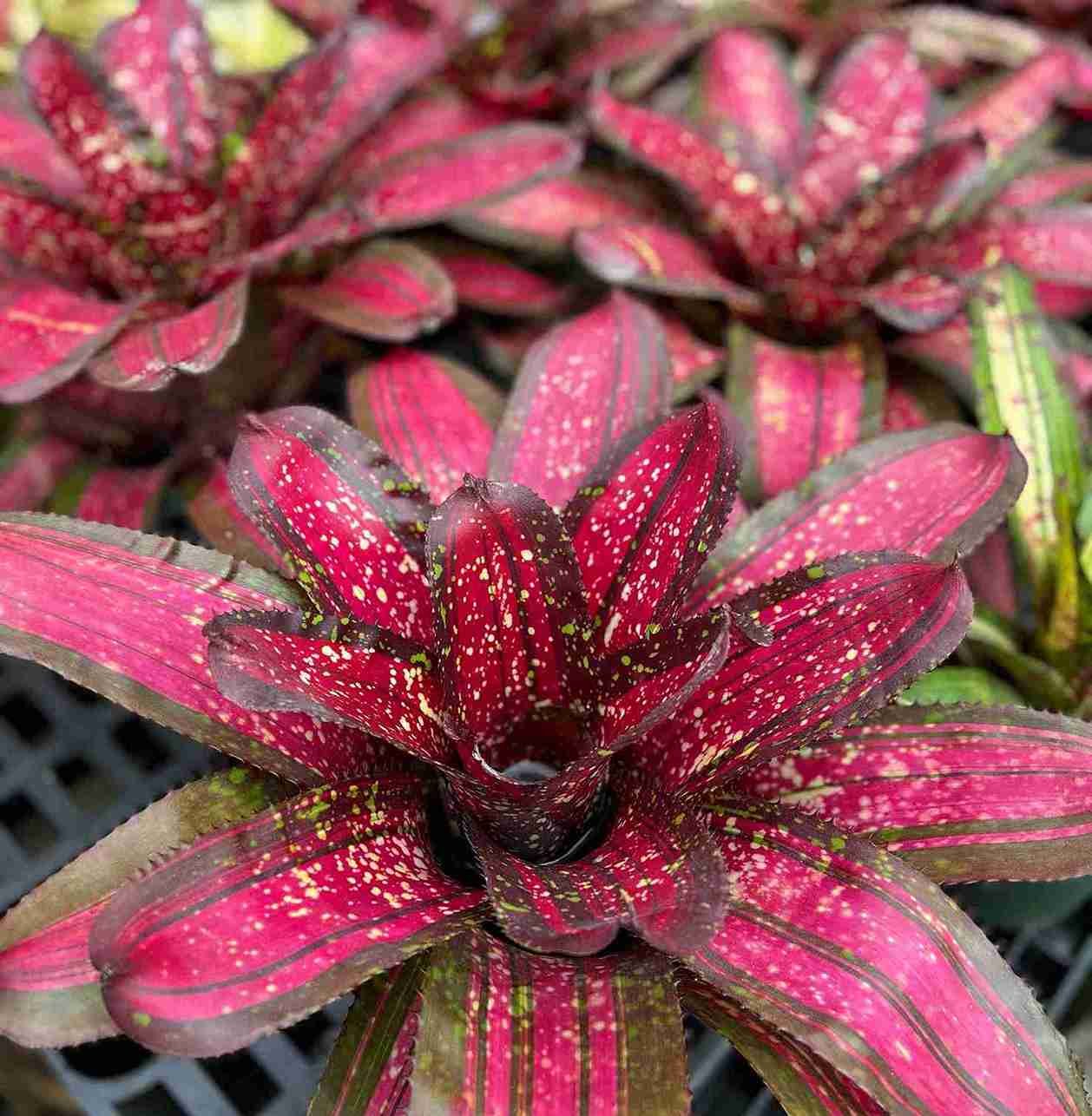
Bromeliads add strong color through their long-lasting flower bracts and neatly arranged leaves. Many common indoor bromeliads, including Guzmania and Neoregelia, are considered pet-safe. Their exact watering needs vary, so check the plant label before following a care routine. Give them warmth, filtered light, and moving air rather than cold, constantly wet soil.
- Light: Bright, indirect light
- Water: Water lightly when the potting mix begins drying
- Care level: Easy to moderate
- Toxicity: Common indoor bromeliads are considered non-toxic to cats and dogs
12. Ponytail Palm (Beaucarnea recurvata)
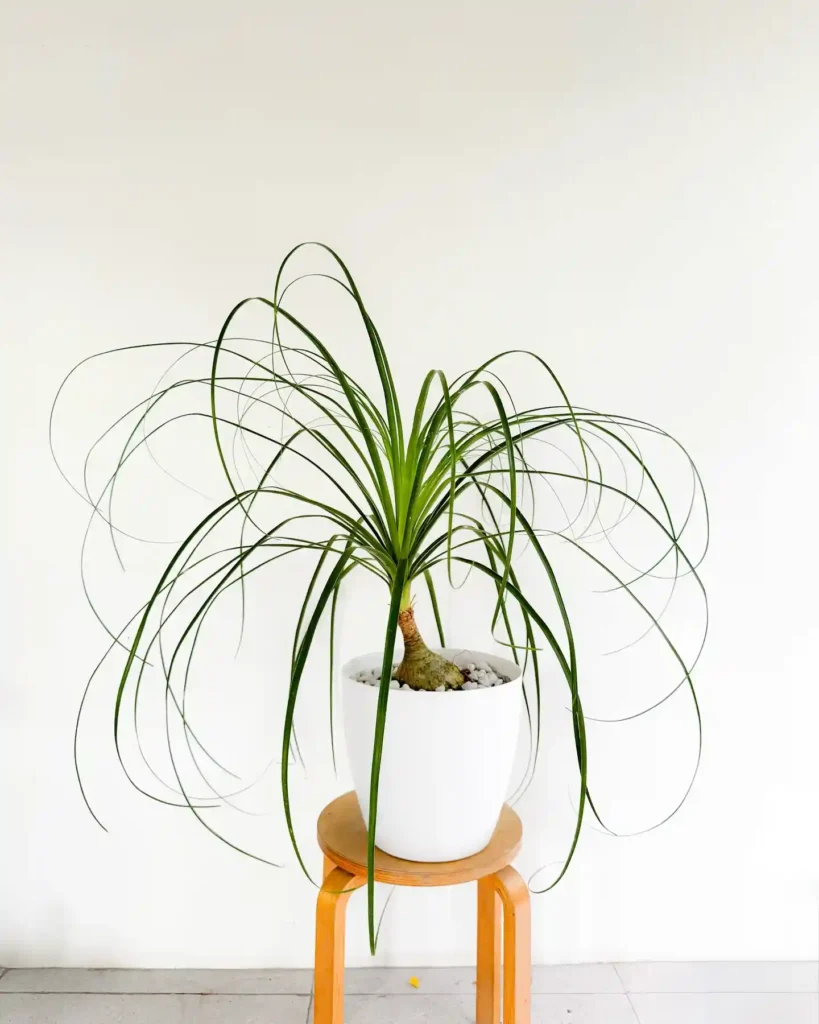
Despite its common name, the ponytail palm isn’t a true palm. It stores water inside its swollen trunk, making it far more tolerant of dry soil than frequent watering. The long, curling leaves give it a playful shape, though cats may find them tempting. Place it where it receives plenty of light and use fast-draining soil.
- Light: Bright light with some direct sun
- Water: Let the soil dry fully between waterings
- Care level: Easy
- Toxicity: Non-toxic to cats and dogs (ASPCA)
13. Peperomia (various species)
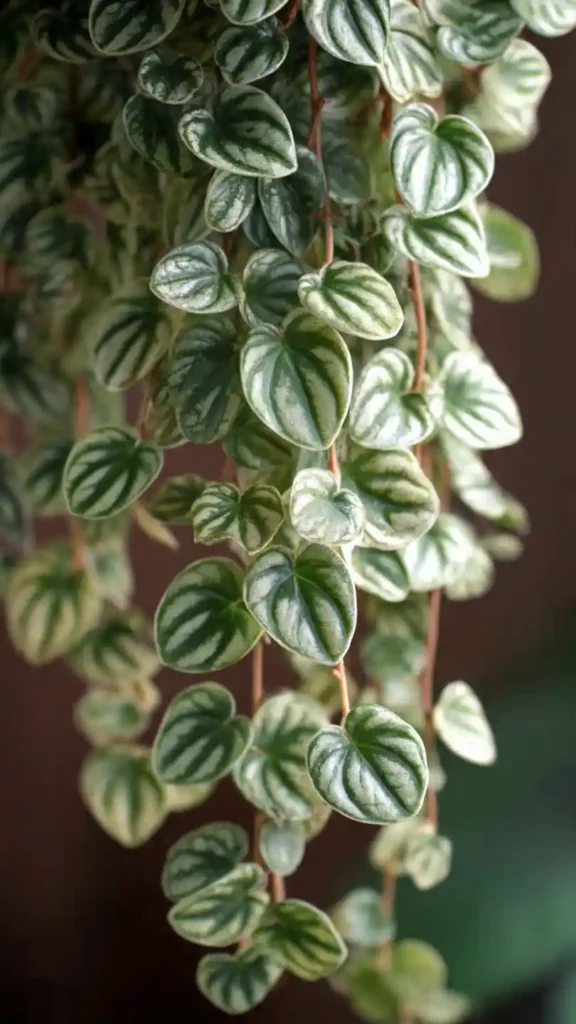
Peperomias come in many pet-safe forms, from rippled foliage to thick, glossy leaves. Most remain compact enough for bookshelves, side tables, and office desks. Their slightly succulent leaves hold moisture, so they don’t need constantly damp soil. Choose a pot with drainage and allow the upper layer to dry before watering again, particularly during cooler months.
- Light: Medium to bright indirect light
- Water: Water when the top 1–2 inches feel dry
- Care level: Easy
- Toxicity: Peperomia species are considered non-toxic to cats and dogs (ASPCA)
14. African Violet (Saintpaulia)
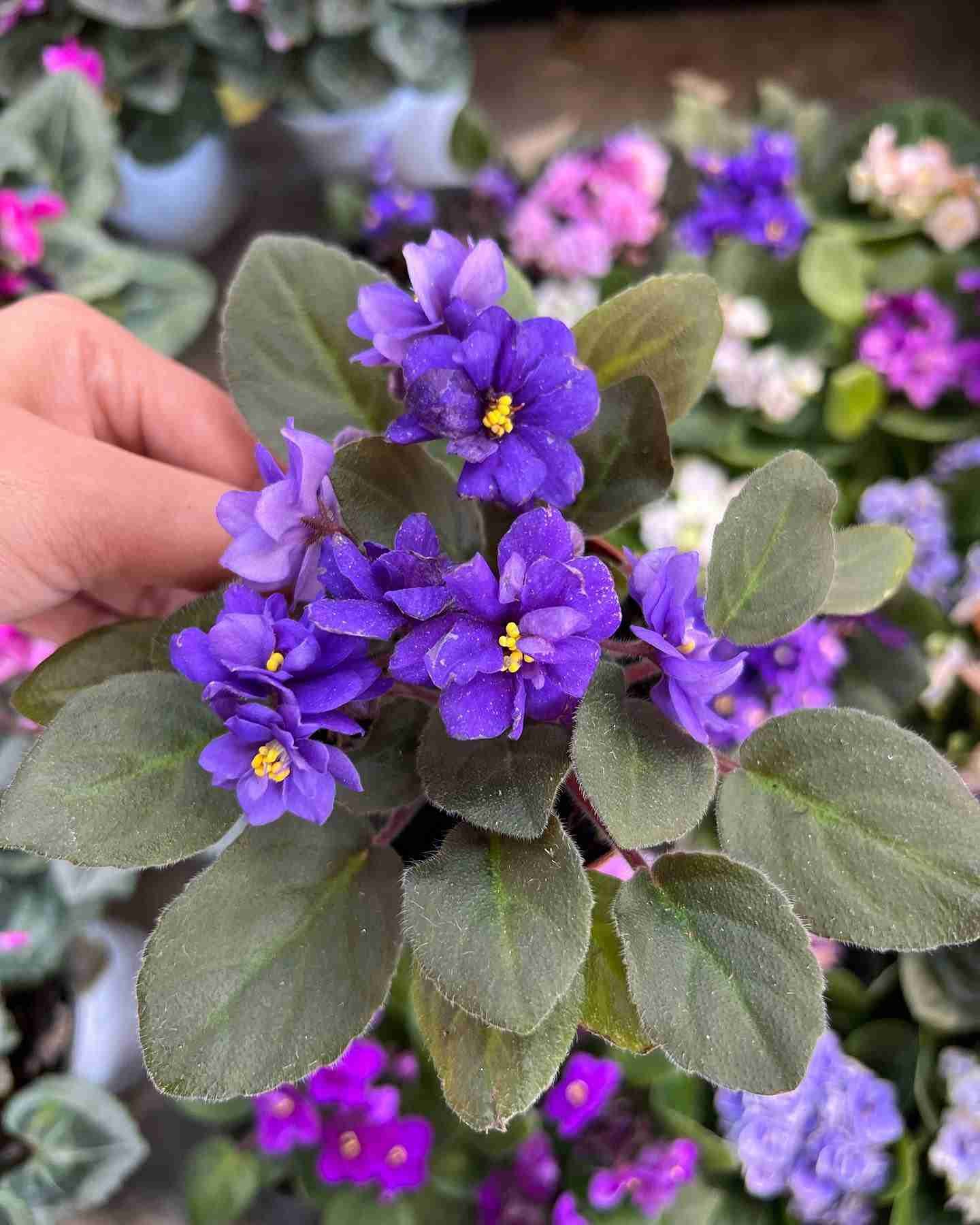
African violets are small pet-safe plants that can flower repeatedly indoors when they receive enough filtered light. Their fuzzy leaves dislike cold water and may develop marks when splashed. Water from below or carefully around the soil’s edge, then drain the saucer. A small pot and an airy African violet mix usually produce better results than an oversized container.
- Light: Bright, indirect light
- Water: Water when the surface feels slightly dry
- Care level: Moderate
- Toxicity: Non-toxic to cats and dogs (ASPCA)
15. Baby Rubber Plant (Peperomia obtusifolia)
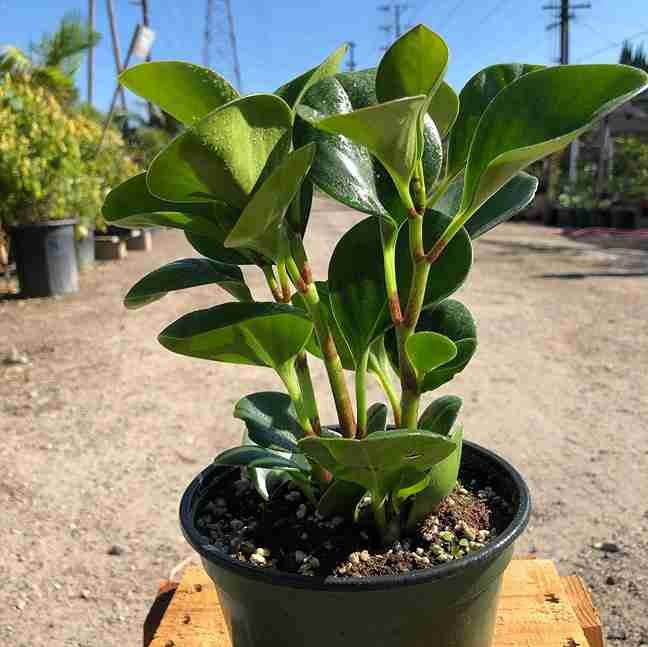
The baby rubber plant has rounded, glossy leaves and a neat growth habit that works well in smaller rooms. Green and variegated forms are commonly available, and both prefer filtered light over harsh afternoon sun. Don’t confuse this peperomia with the rubber tree, Ficus elastica, which has a different safety rating and is not a suitable pet-safe substitute.
- Light: Medium to bright indirect light
- Water: Allow the top half of the soil to dry
- Care level: Easy
- Toxicity: Non-toxic to cats and dogs (ASPCA)
16. Prayer Plant (Maranta leuconeura)
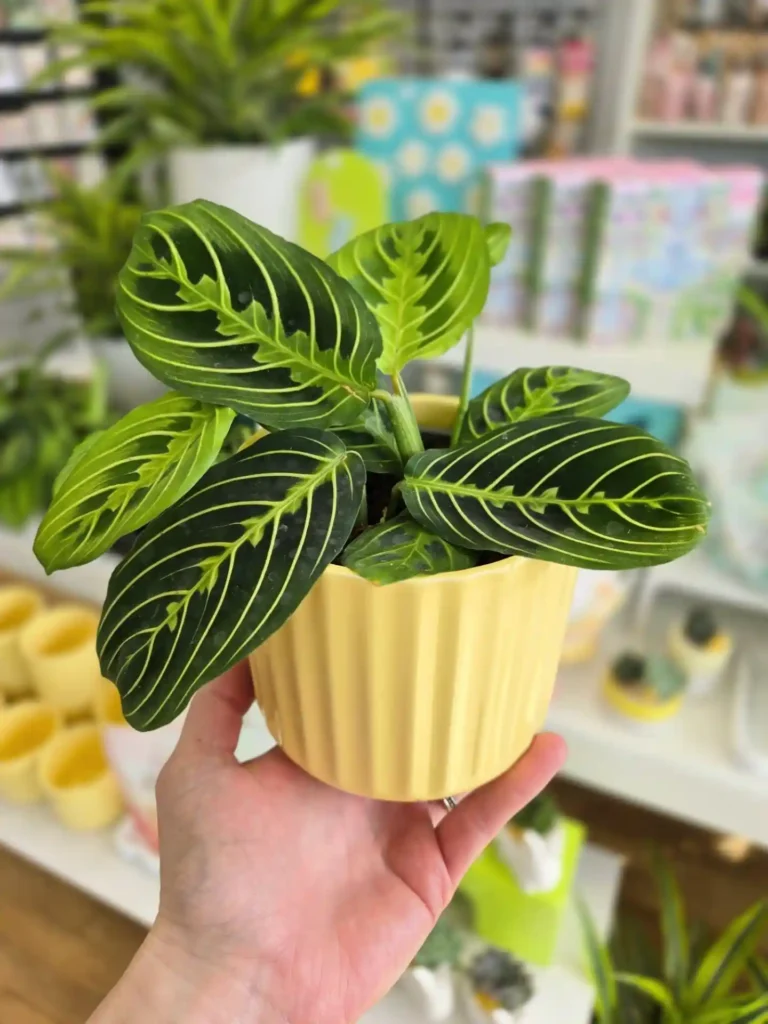
Prayer plants earn their name from leaves that lift and fold upward at night. Their red veins and painted-looking patterns bring plenty of color without relying on flowers. They prefer a warm, humid position with gentle light. Dry air, direct sun, and mineral-heavy water may leave the edges curled or brown, so filtered water can be helpful.
- Light: Medium, indirect light
- Water: Keep the soil lightly and consistently moist
- Care level: Moderate — enjoys humidity
- Toxicity: Non-toxic to cats and dogs (ASPCA)
17. Polka Dot Plant (Hypoestes phyllostachya)
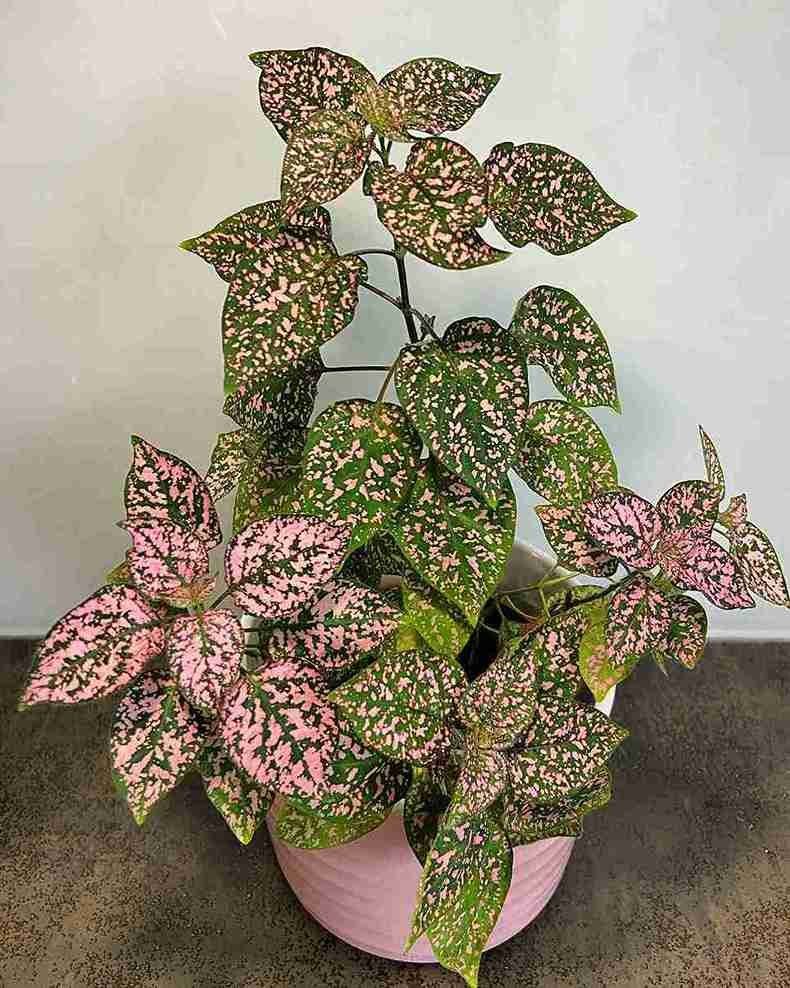
The polka dot plant has spotted leaves in pink, white, red, or pale green. It stays compact and works nicely in a mixed display of pet-safe houseplants. Pinch the stem tips occasionally to stop the plant from becoming thin and leggy. Its soil shouldn’t dry completely, although leaving the roots constantly soaked may cause wilting and rot.
- Light: Bright, indirect light
- Water: Keep the soil lightly moist
- Care level: Easy to moderate
- Toxicity: Non-toxic to cats and dogs (ASPCA)
18. Staghorn Fern (Platycerium)
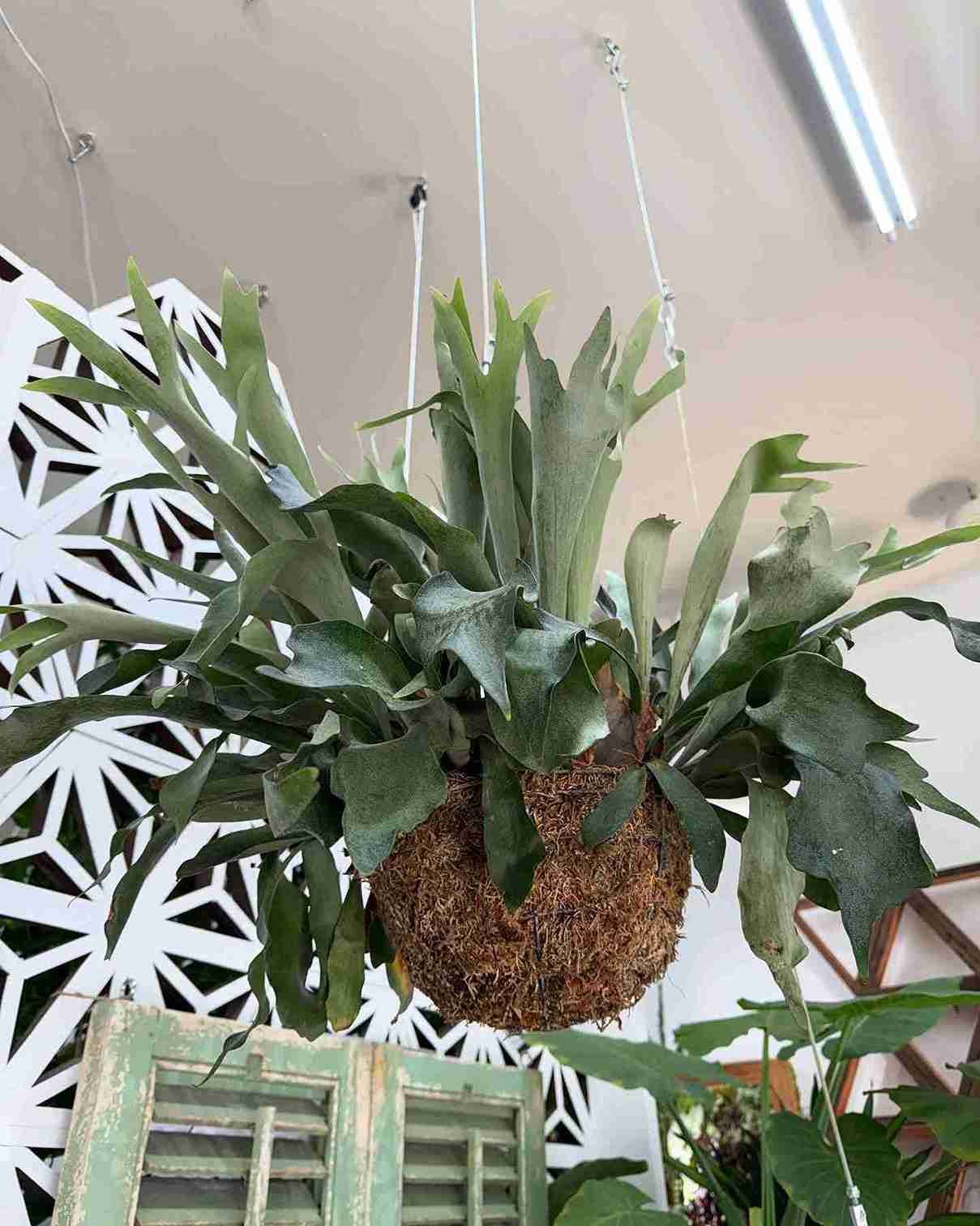
Staghorn ferns have broad, antler-shaped fronds and can be grown in a basket or mounted on a board. This keeps them off the floor while turning the plant into living wall decor. They take in moisture through their roots and fronds, so occasional soaking works well. Let the mounting material dry slightly before watering it again.
- Light: Bright, indirect light
- Water: Soak when the growing material is nearly dry
- Care level: Moderate — needs humidity
- Toxicity: Non-toxic to cats and dogs (ASPCA)
19. Watermelon Peperomia (Peperomia argyreia)
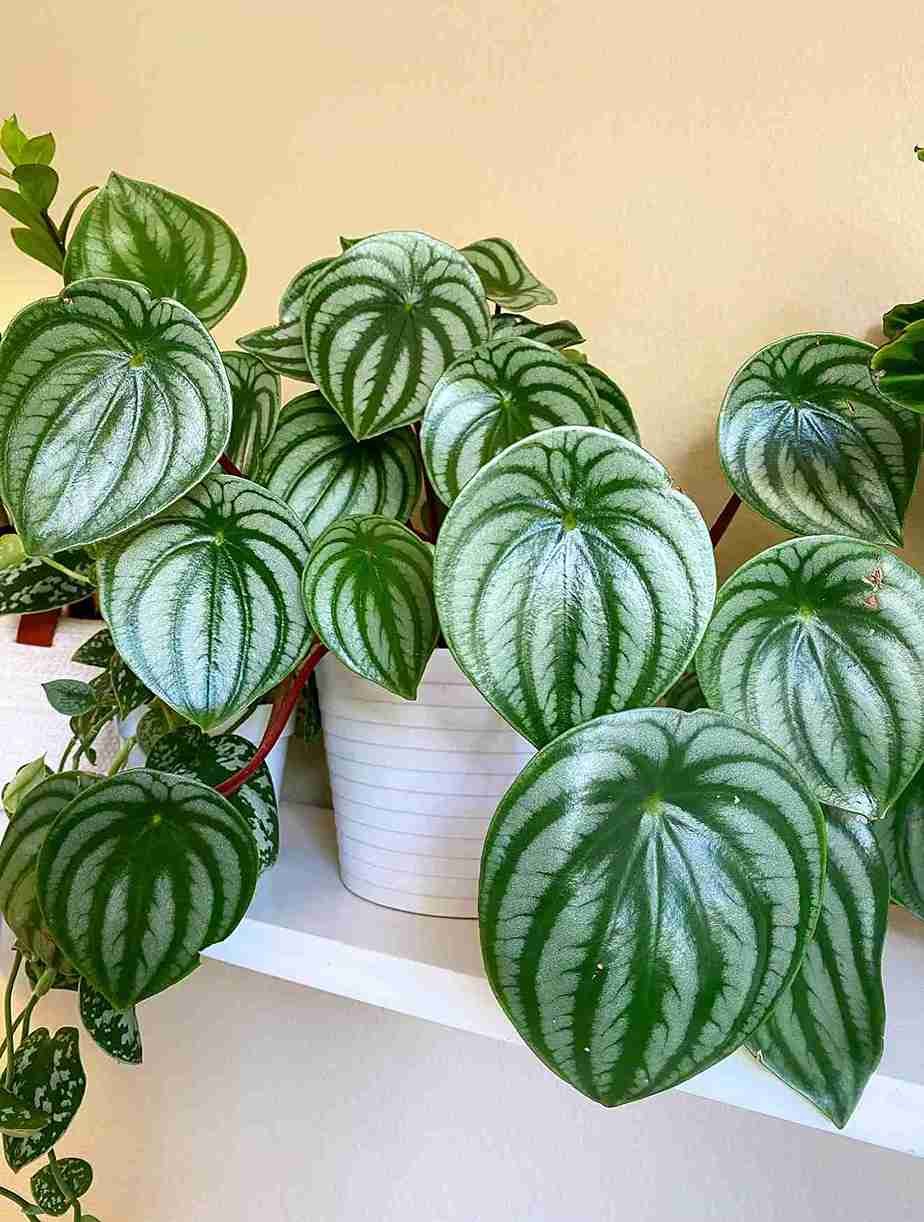
Watermelon peperomia gets its name from the silver and green stripes across its rounded leaves. Red stems add another layer of color, making the plant attractive even without flowers. Keep it in an airy potting mix because its fine roots can rot in dense, wet soil. Bright filtered light helps maintain the markings and keeps the stems from stretching.
- Light: Bright, indirect light
- Water: Water when the top 1–2 inches feel dry
- Care level: Easy to moderate
- Toxicity: Non-toxic to cats and dogs (ASPCA)
20. Hens and Chicks (Sempervivum)
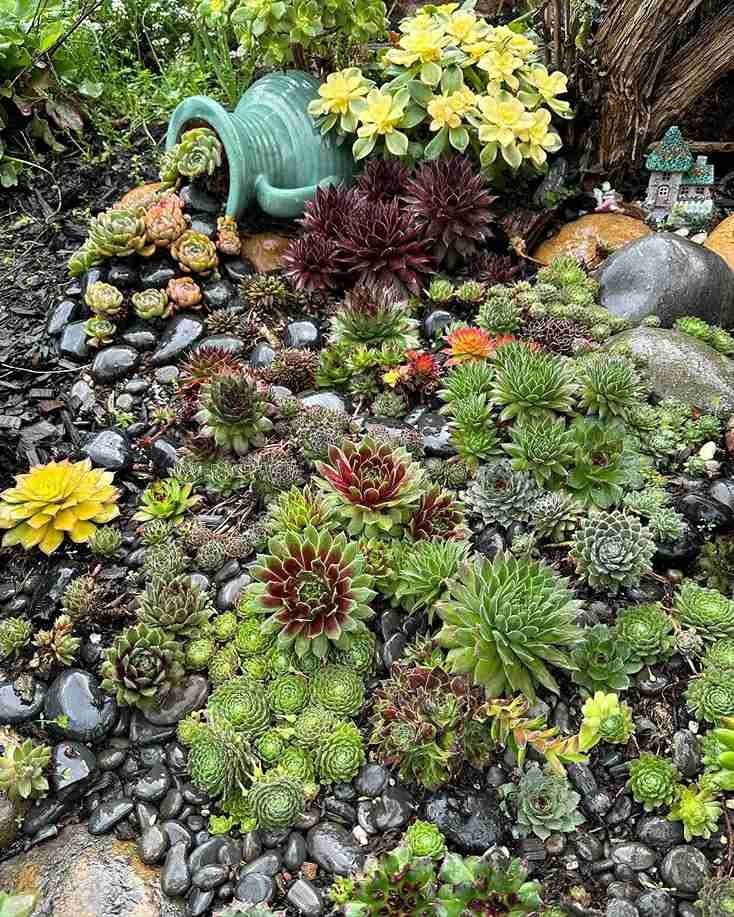
Hens and chicks form a central rosette surrounded by smaller offsets, creating a spreading cluster over time. These pet-safe succulents need strong light and very free-draining soil. They generally grow better outdoors than inside because indoor rooms may not provide enough sun. If kept indoors, place them beside your brightest window and avoid frequent watering.
- Light: Full sun or several hours of direct light
- Water: Let the soil dry completely
- Care level: Easy in strong light
- Toxicity: Common Sempervivum species are considered non-toxic to cats and dogs
21. Bird’s Nest Fern (Asplenium nidus)
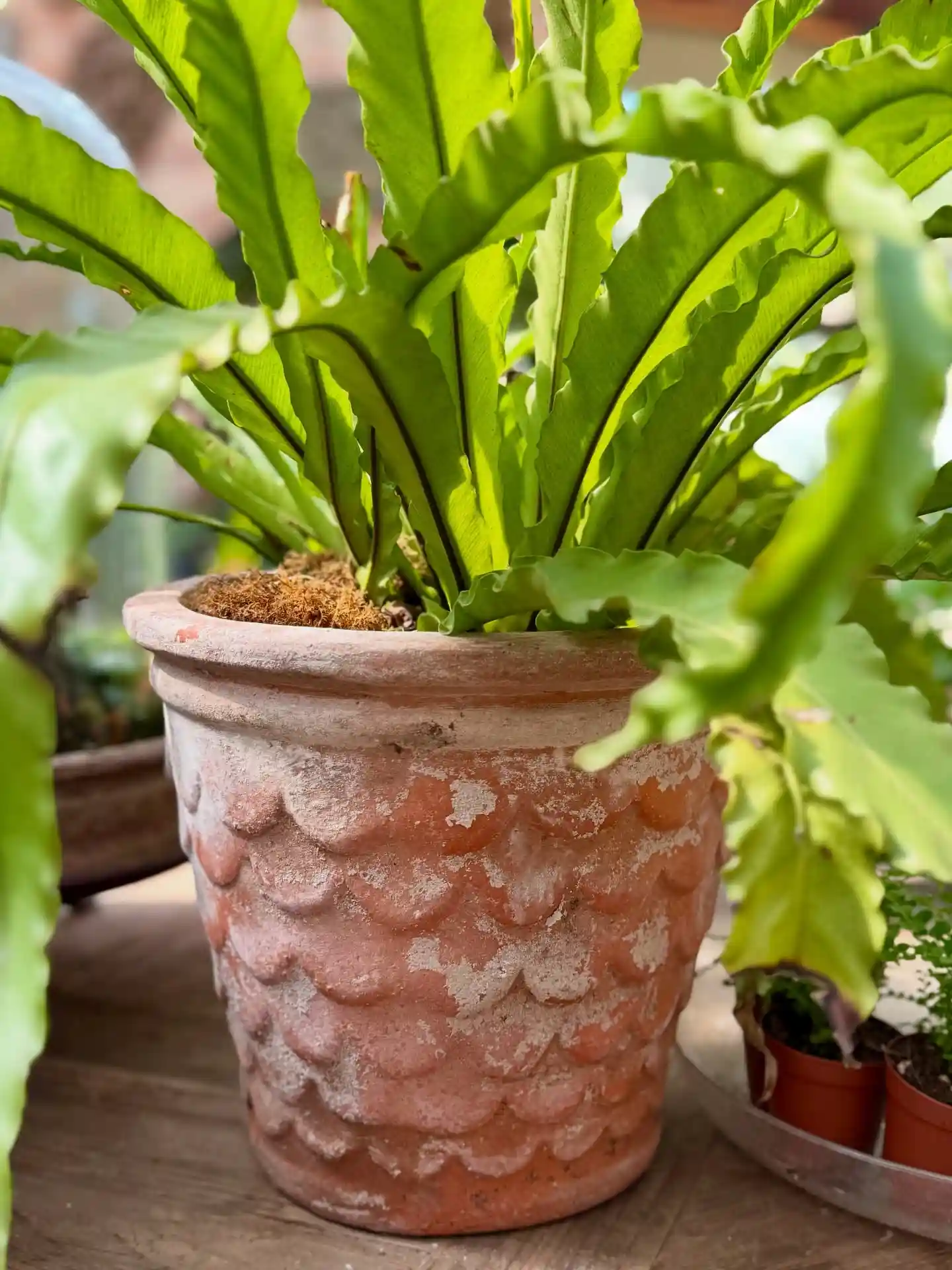
The bird’s nest fern grows wide, wavy fronds from a central rosette. Its smooth leaves give it a cleaner appearance than fine-textured ferns and are easier to wipe. Water around the soil rather than directly into the center, where trapped moisture can cause crown rot. A humid bathroom with filtered window light is often a comfortable position.
- Light: Medium to bright indirect light
- Water: Keep the soil evenly moist but not soggy
- Care level: Moderate — humidity-loving
- Toxicity: Non-toxic to cats and dogs
22. Swedish Ivy (Plectranthus verticillatus)
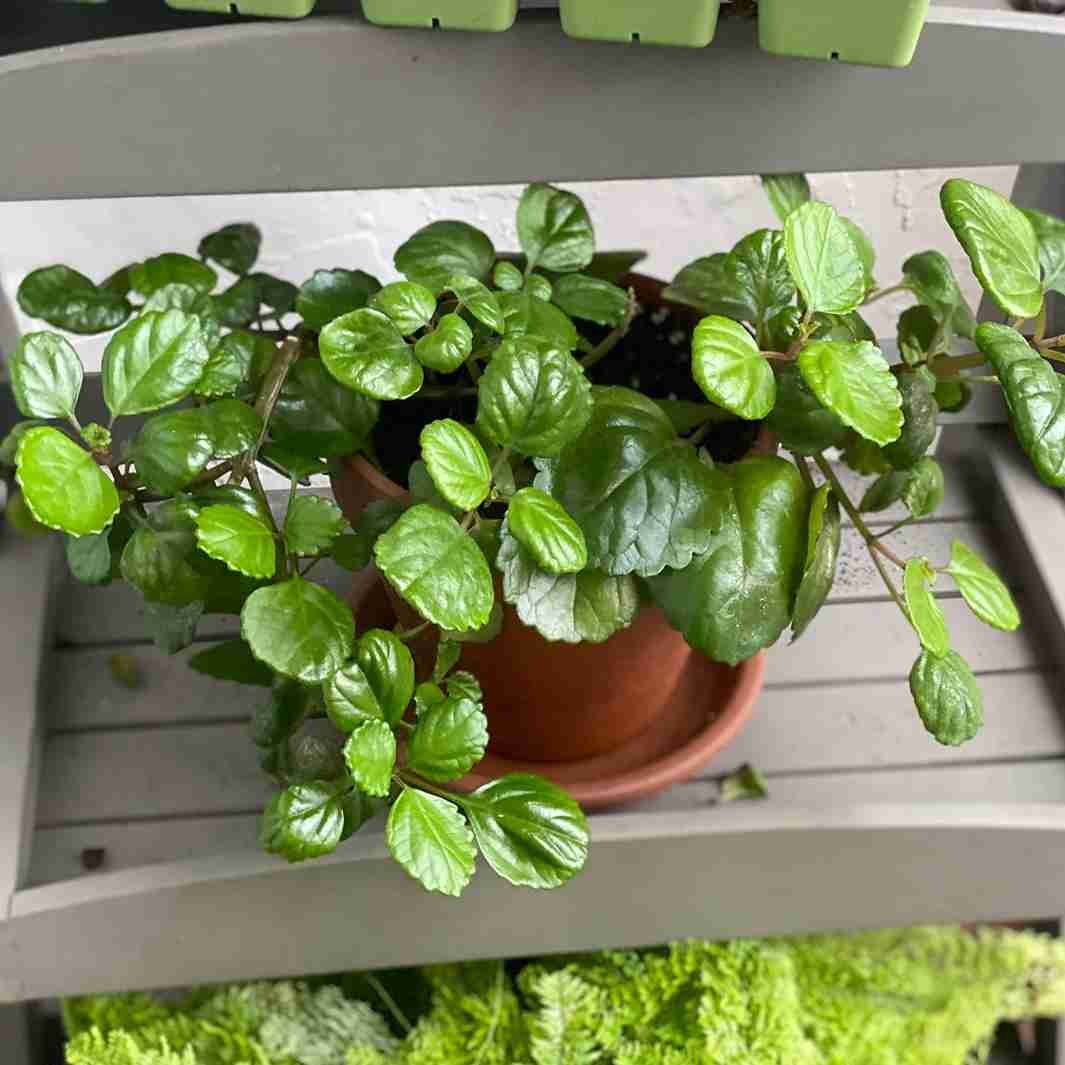
Swedish ivy is a fast-growing trailing plant with rounded, scalloped leaves. It works well in a hanging basket, where the stems can spill over the rim. Pinching the tips encourages fuller growth, and healthy cuttings root easily in water. Keep the plant away from strong afternoon sun, and don’t confuse it with toxic true ivy species such as English ivy.
- Light: Medium to bright indirect light
- Water: Water when the top inch feels dry
- Care level: Easy
- Toxicity: Non-toxic to cats and dogs (ASPCA)
23. Cat Grass / Wheatgrass
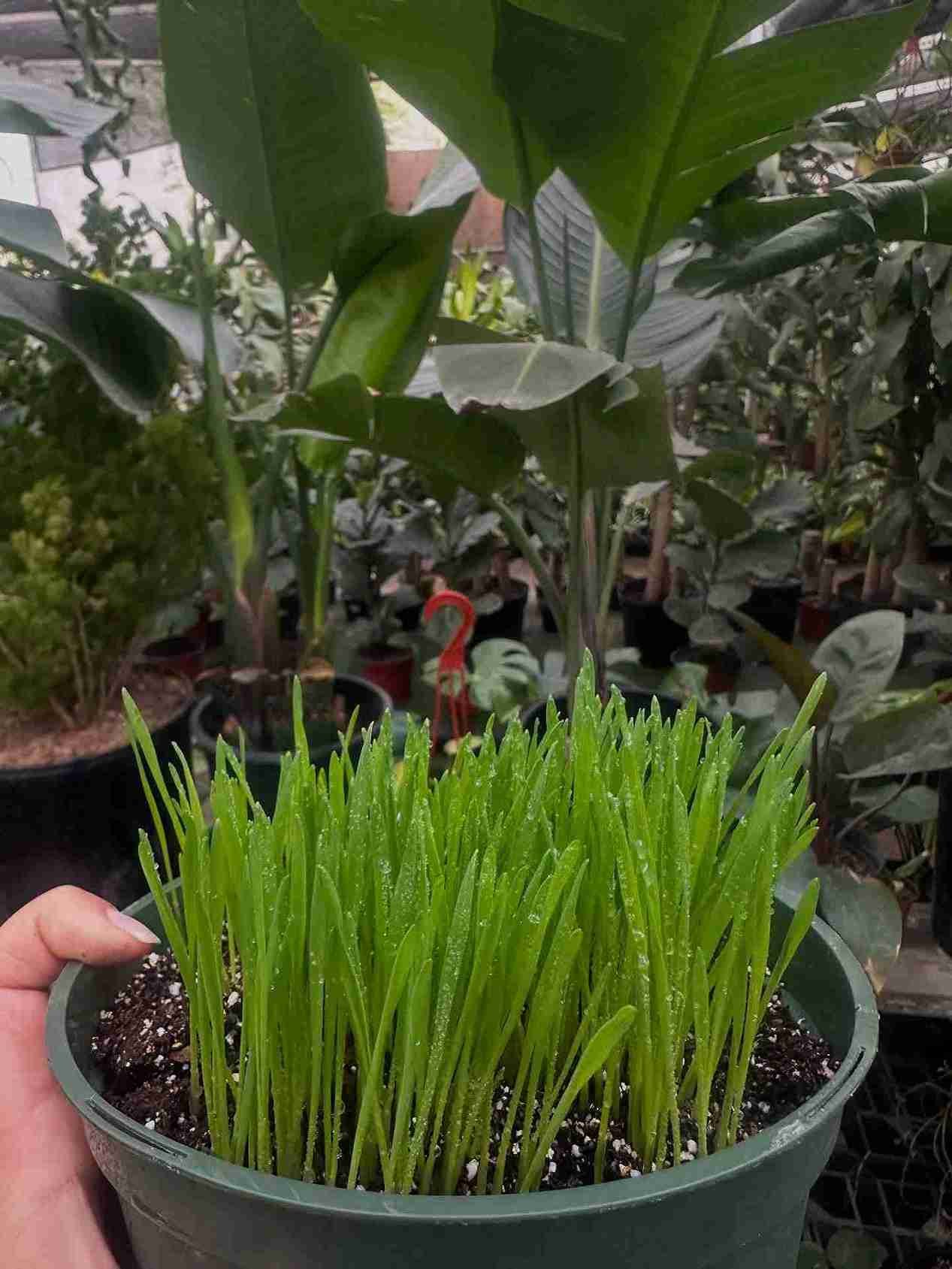
Cat grass is usually grown from wheat, oat, barley, or rye seeds and gives cats a safer plant to nibble. Use untreated seeds sold specifically for growing edible grass. Keep the container clean and replace it if the soil becomes moldy or smells sour. Although marketed for cats, dogs may also chew it, so avoid chemical fertilizers and pesticides.
- Light: Bright, indirect light or gentle morning sun
- Water: Keep the growing mix lightly moist
- Care level: Easy
- Toxicity: Non-toxic to cats and dogs when grown from untreated wheatgrass or cat-grass seed
24. Venus Flytrap
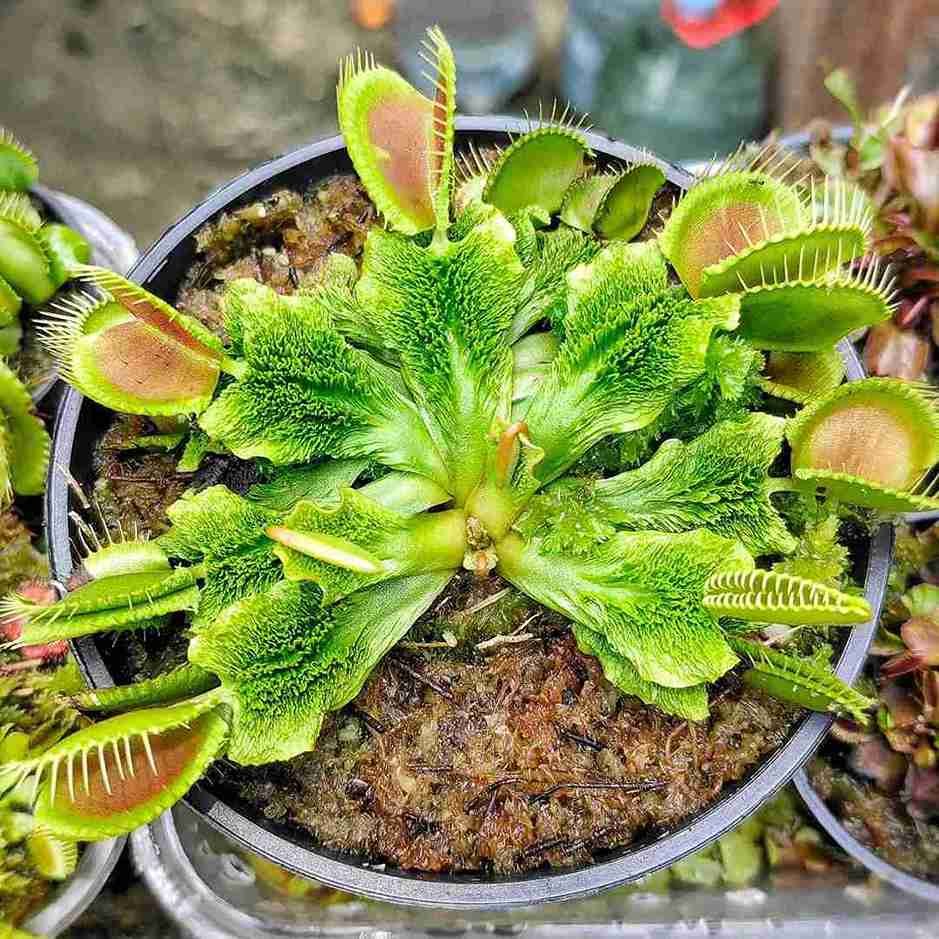
A Venus flytrap is safe around cats and dogs, though rough play can easily damage its delicate traps. It needs stronger light and more exact care than most houseplants. Grow it in nutrient-poor carnivorous plant mix and use rainwater, distilled water, or reverse-osmosis water. Regular tap water and standard houseplant fertilizer can slowly kill it.
- Light: Very bright light with several hours of direct sun
- Water: Keep the growing medium consistently moist with mineral-free water
- Care level: Advanced
- Toxicity: Considered non-toxic to cats and dogs
25.Banana Tree
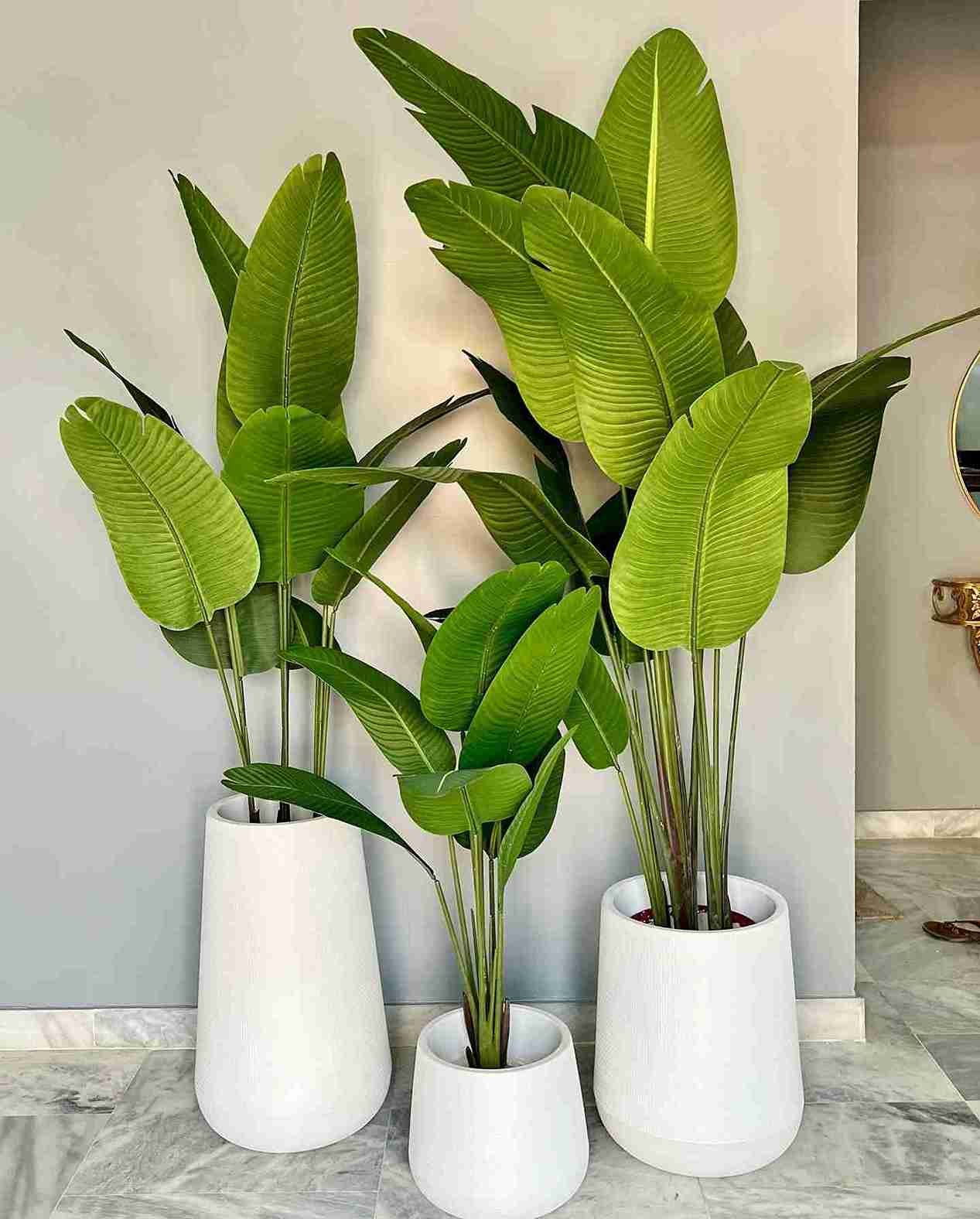
A banana tree brings a bold tropical look indoors with its large, paddle-shaped leaves. True banana plants from the Musa genus are generally considered non-toxic to cats and dogs, making them a good choice for pet-friendly homes.
Place yours near a bright window where it receives plenty of indirect light. Keep the soil lightly moist, but don’t leave the roots sitting in water. Banana plants also enjoy warmth and higher humidity. Their leaves can tear naturally as they grow, so a few split edges usually aren’t a sign that anything is wrong.
- Light: Bright, indirect light
- Water: Keep the soil consistently moist but not waterlogged
- Care level: Moderate — enjoys warmth and humidity
- Toxicity: Non-toxic to cats and dogs (ASPCA)
Common Houseplants to Avoid or Relocate
A few widely sold houseplants are toxic to cats, dogs, or both, and are worth knowing on sight:
- Pothos (Epipremnum aureum) — toxic to cats and dogs
- Peace Lily (Spathiphyllum) — toxic to cats and dogs; true lilies (tiger, Easter, Asiatic, daylilies) are especially dangerous to cats and can cause kidney failure
- Philodendron — toxic to cats and dogs
- Sago Palm (Cycas revoluta) — highly toxic to cats and dogs; among the most dangerous common houseplants
- Dieffenbachia — toxic to cats and dogs
- Rubber Plant (Ficus elastica) — toxic to cats and dogs
- Aloe Vera — toxic to cats and dogs (despite its reputation as a “healing” plant)
- Jade Plant (Crassula ovata) — toxic to cats and dogs
- Lucky Bamboo (Dracaena sanderiana) — despite the name, this is not true bamboo and is toxic to pets; true bamboo (family Bambusoideae) is safe
If you already own any of these, you don’t necessarily need to get rid of them — moving them to a room your pet can’t access, or a high shelf well out of jumping range, is usually enough.
Tips for a Pet-Safe Plant Setup
Research before you buy, not after. Check a plant’s toxicity status before it comes home, not once it’s already on your shelf.
Use hanging planters and high shelves strategically. Even non-toxic plants benefit from being out of constant reach, since curious pets can knock over pots or make a mess of soil regardless of toxicity.
Give cats an outlet. A pot of cat grass or catnip nearby often reduces interest in your other plants cats frequently chew out of boredom or an urge for fiber, not because they’re targeting a specific plant.
Watch for overeating, even with safe plants. “Non-toxic” doesn’t mean “meant to be eaten in bulk.” A pet that eats a large quantity of any plant material can experience vomiting or diarrhea from fiber alone.
Bookmark a toxicity reference. The ASPCA’s plant database and the Pet Poison Helpline’s poison list are both maintained by veterinary toxicologists and are worth checking any time you’re considering a new species.