How to Plant and Care for Peace Lily
Peace lilies are loved for their glossy green leaves and white flowers, but their biggest advantage is how well they adapt to indoor spaces. They don’t need direct sun, and they usually tell you when something in their routine is off.
Good peace lily care starts with bright indirect light, evenly moist but well-drained soil, and a pot that lets extra water escape. Get those basics right and a peace lily can stay leafy, full, and flower again throughout the year.
Peace Lily at a Glance
- Botanical name: Spathiphyllum
- Common name: Peace lily
- Plant type: Tropical perennial houseplant
- Light: Bright to medium indirect light
- Water: Keep lightly moist without leaving the soil soggy
- Soil: Loose, organic, well-draining potting mix
- Temperature: Warm indoor conditions
- Humidity: Average to moderately high
- Propagation: Division
- Difficulty: Easy to moderate
Peace lilies aren’t true lilies. They belong to the Araceae family, along with pothos, philodendrons, and many other popular tropical houseplants.
How to Plant a Peace Lily
A peace lily doesn’t need a complicated setup.
The main goal is to give its roots enough moisture without trapping them in wet soil.
1. Choose a Pot With Drainage
Always use a container with drainage holes.
Peace lilies like moisture, but that doesn’t mean their roots should sit in water. A pot without drainage makes it much harder to keep moisture balanced.
If you’re using a decorative planter without holes, keep the plant inside a plastic nursery pot and place that inside the decorative container.
Empty any collected water after watering.
2. Use a Moisture-Retentive but Draining Soil
A quality indoor potting mix works well.
You want soil that holds some moisture around the roots but doesn’t become dense or muddy.
A useful mix can include:
- Indoor potting soil
- Perlite
- Fine orchid bark
- Coco coir or peat-based material
You don’t need a complicated homemade recipe. Good drainage matters more than having many ingredients.
3. Plant at the Same Depth
Remove the peace lily gently from its current container.
Place it into the new pot so the crown sits at approximately the same depth as before.
Fill around the root ball with fresh potting mix and gently firm it with your fingers.
Don’t compress the soil heavily.
4. Water Thoroughly
Water after planting until excess water drains from the bottom.
Let the pot finish draining before returning it to its saucer or decorative container.
Place the newly potted plant somewhere with gentle indirect light while it settles in.
How Much Light Does a Peace Lily Need?
Peace lilies tolerate lower light better than many flowering houseplants, but there is an important difference between surviving in low light and flowering in low light.
For healthy growth and better flowering, I prefer giving peace lilies plenty of bright indirect light.
Direct afternoon sun can scorch their leaves. NC State Extension recommends partial to deep shade and warns against direct sun.
Good locations include:
- Near an east-facing window
- Several feet from a south-facing window
- Near a window with a sheer curtain
- In a bright bathroom
- In a room with plenty of filtered daylight
If your peace lily grows plenty of leaves but rarely produces flowers, light is one of the first things I would check.
How Often Should You Water a Peace Lily?
This is where most peace lily problems begin.
Don’t automatically water every seven days.
Check the soil instead.
Feel the upper inch or so of potting mix. If it is beginning to feel dry, water thoroughly until excess water drains through the bottom.
Peace lilies prefer soil that stays lightly moist, but they shouldn’t remain waterlogged. NC State recommends moist, well-draining conditions while allowing some drying between waterings.
Signs Your Peace Lily Needs Water
You may notice:
- Slightly drooping leaves
- Dry upper soil
- A lighter-feeling pot
- Leaves beginning to lose firmness
Peace lilies are famous for dramatically drooping when dry.
They often recover after watering, but I wouldn’t use severe wilting as your regular watering reminder. Repeatedly letting the plant become extremely dry can stress it.
Signs of Too Much Water
Look for:
- Yellow leaves
- Soil that remains wet for many days
- Soft or dark roots
- A musty smell
- Drooping despite wet soil
- Weak growth
A drooping peace lily doesn’t always need water.
Check the soil before reaching for the watering can. A plant with damaged roots can wilt even when its soil is soaking wet.
What Water Is Best for Peace Lilies?
Peace lilies can develop brown leaf tips when minerals or fertilizer salts build up in the soil.
If your plant repeatedly develops brown tips despite good watering and humidity, your water quality may be worth checking.
Rainwater or filtered water can be useful if your tap water is very hard.
You can also occasionally water the soil thoroughly and allow plenty of water to drain through the pot. This helps wash accumulated salts from the potting mix.
Never leave the plant sitting in the drained water afterward.
Temperature and Humidity
Peace lilies come from warm tropical environments and don’t enjoy cold drafts.
Normal indoor temperatures suit them well.
NC State lists daytime temperatures of roughly 68°F to 85°F (20°C to 29°C) as suitable and notes that cold, drafty conditions can slow growth.
Keep your peace lily away from:
- Air-conditioning vents
- Cold winter windows
- Frequently opened exterior doors
- Heating vents
- Strong temperature swings
Does a Peace Lily Need High Humidity?
Peace lilies appreciate humidity, but you don’t need to turn your home into a greenhouse.
Normal household humidity often works.
If your indoor air becomes very dry, especially during winter, you can place a humidifier nearby.
I prefer this to constantly misting leaves because a humidifier changes the humidity around the plant for longer.
How to Fertilize a Peace Lily
Peace lilies aren’t heavy feeders.
Too much fertilizer can actually cause more trouble than too little.
Use a balanced houseplant fertilizer at a reduced strength during active spring and summer growth.
NC State recommends using fertilizer at about one-quarter of the label strength and warns that overfeeding or salt buildup can damage roots and leaf tips.
You can reduce or stop feeding during periods when your plant isn’t actively producing new growth.
Never add extra fertilizer because a peace lily isn’t flowering.
Check its light first.
How to Get a Peace Lily to Bloom
Healthy leaves don’t automatically mean you’ll get flowers.
If your peace lily hasn’t bloomed for a long time, check these areas.
Give It Brighter Indirect Light
Low light is one of the biggest reasons peace lilies remain leafy without flowering.
Move the plant gradually into a brighter position while keeping it away from harsh direct sun.
Don’t Overfeed
Too much fertilizer can encourage leafy growth without improving flowering.
Stick to light feeding rather than repeatedly adding fertilizer.
Give It Time
Small or recently divided plants may simply need more time to establish themselves.
Keep the plant healthy rather than trying to force flowers.
Don’t Repot Constantly
Peace lilies can handle being somewhat snug in their pots.
Repot when the roots genuinely need more room rather than automatically moving the plant into a bigger container every year.
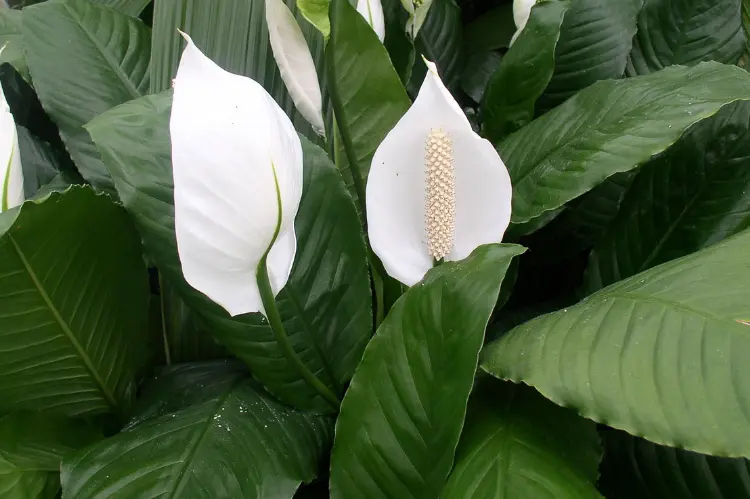
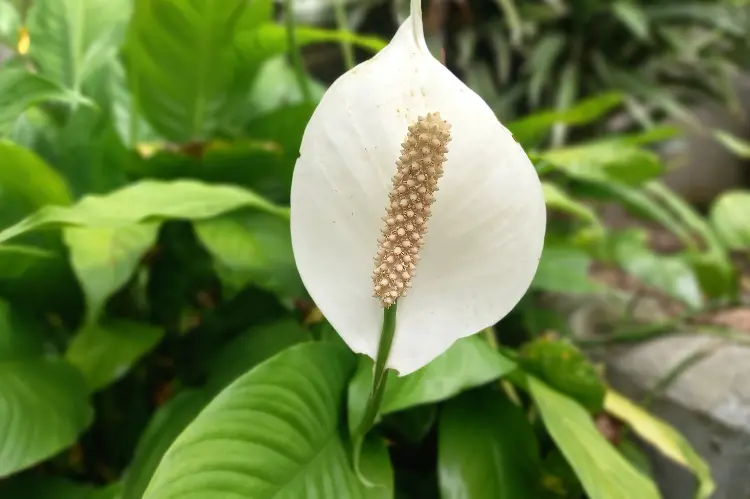
What Is the White Peace Lily Flower?
That white part isn’t actually a typical flower petal.
The white structure is called a spathe, which surrounds the central spike called the spadix.
As the bloom ages, the white spathe may gradually turn pale green.
That’s normal.
Once an old flower becomes unattractive, cut its stalk near the base with clean scissors or pruning shears.
How to Prune a Peace Lily
Peace lilies don’t need heavy pruning.
Most pruning simply involves removing old leaves and spent flowers.
Remove:
- Fully yellow leaves
- Damaged leaves
- Dead foliage
- Finished flower stalks
Cut damaged leaves close to their base.
Avoid cutting healthy green leaves just to make the plant smaller unless you have a clear reason.
If the plant has become too large for its space, dividing it is usually better than cutting away large amounts of healthy foliage.
How to Clean Peace Lily Leaves
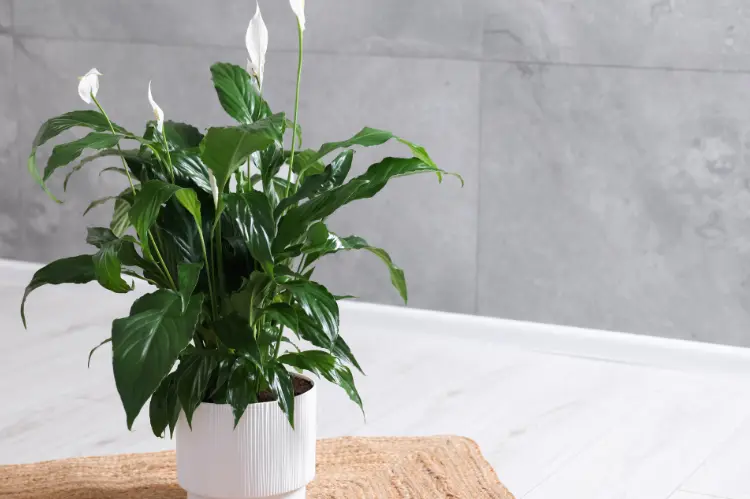
Those broad, dark leaves collect dust.
Wipe them gently with a soft damp cloth every few weeks.
Cleaning the foliage keeps the plant looking better and stops a thick dust layer from blocking light.
Support each leaf with one hand while wiping it with the other.
I wouldn’t use oily leaf-shine products. Plain water is enough.
When to Repot a Peace Lily
Peace lilies generally don’t need a new container until their roots begin filling the current pot.
Signs that repotting may be needed include:
- Roots growing through drainage holes
- A tightly packed root ball
- Water running straight through the container
- Soil drying unusually quickly
- The plant becoming too large for its pot
- Crowded growth that you want to divide
Choose a new pot only slightly larger than the old one.
Jumping to a very large pot can leave too much wet soil surrounding the roots.
Penn State also recommends moving root-bound houseplants into larger containers when roots begin emerging through drainage holes or fill the pot.
How to Propagate a Peace Lily
Peace lilies are normally propagated by division, not by placing individual leaves in water.
This is easiest with a mature plant that has developed several separate clumps.
How to Divide a Peace Lily
- Water the plant the day before dividing.
- Remove the whole plant from its container.
- Gently loosen soil around the root ball.
- Find natural sections with their own leaves and roots.
- Carefully separate the sections by hand or with a clean knife.
- Pot each division into fresh potting mix.
- Water thoroughly.
- Keep the new plants in bright indirect light.
Don’t make every division tiny.
Larger divisions usually recover faster because they already have a stronger root system and several healthy leaves.
NC State lists division as the recommended propagation method for peace lilies.
Common Peace Lily Problems
Peace Lily Drooping
The first thing to check is soil moisture.
If the soil is dry, the plant may need water.
If the soil is already very wet, don’t add more. Wet soil plus drooping may mean the roots aren’t functioning properly.
Also check for cold drafts and sudden temperature changes.
Yellow Leaves
A single old yellow leaf near the bottom isn’t usually worrying.
Several yellow leaves appearing together can point to:
- Too much water
- Poor drainage
- Root problems
- Stress after repotting
- Natural aging of older foliage
Check the roots and moisture before making other changes.
Brown Leaf Tips
Brown tips are common on peace lilies.
Possible causes include:
- Letting the plant become too dry
- Very dry indoor air
- Too much direct sunlight
- Fertilizer salt buildup
- Mineral-heavy water
NC State specifically lists direct sun, underwatering, and low humidity among causes of brown leaf tips.
Don’t immediately cut off an entire healthy leaf because its tip has browned.
You can trim only the dry brown area if its appearance bothers you.
Brown or Scorched Patches
Check how much direct sunlight reaches the leaves.
A peace lily sitting in intense sunlight can develop pale or brown damaged areas.
Move it farther from the window or add a sheer curtain.
No Flowers
A peace lily that produces healthy green leaves but no flowers often needs brighter indirect light.
Also check whether you’re using too much fertilizer.
Green Flowers
Older white flowers naturally fade toward green.
You may also see greener flowers when the plant receives low light.
If an old bloom has finished, remove the flower stalk from the base.
Black Leaves
Blackening foliage deserves a closer look.
Possible causes include:
- Cold damage
- Severely wet soil
- Root rot
- Sudden environmental stress
Check the roots if the soil remains constantly wet.
Small Leaves
Small new leaves can appear when the plant isn’t receiving enough light or nutrition.
Before fertilizing, move it gradually into better indirect light and check whether its roots are overcrowded.
Common Peace Lily Pests
Peace lilies aren’t usually difficult houseplants, but pests can still appear.
Watch for:
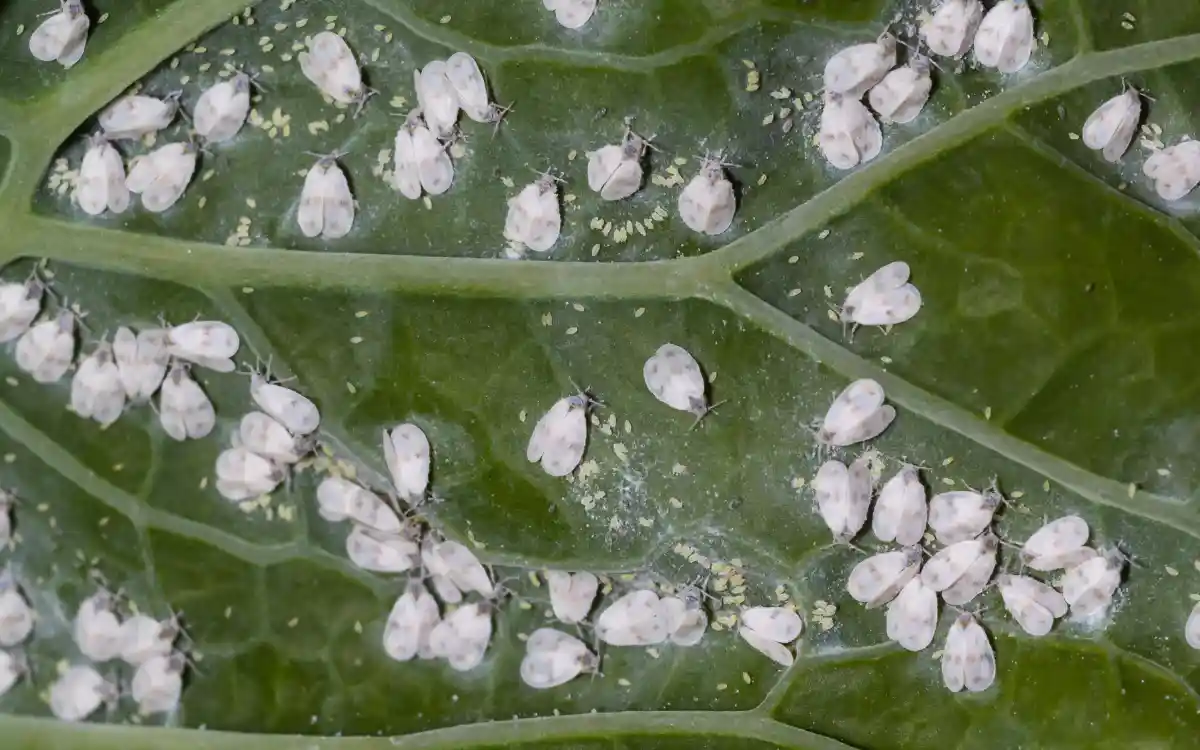
- Mealybugs
- Spider mites
- Scale
- Fungus gnats
Mealybugs are among the more common indoor pests reported on peace lilies.
Inspect where leaf stems meet the base of the plant and check the undersides of leaves.
If you find pests, separate the affected plant from your other houseplants while treating it.
Popular Peace Lily Varieties
Mauna Loa
‘Mauna Loa’ is a larger peace lily with broad leaves and large white blooms.
It works well when you want a more noticeable floor plant.
Sensation
‘Sensation’ is one of the largest commonly grown peace lilies.
Its huge, deeply textured leaves make it attractive even when it isn’t flowering.
Domino
‘Domino’ has green foliage marked with cream or pale green streaks.
Because of its variegation, give it plenty of indirect light.
Petite
As the name suggests, ‘Petite’ stays much smaller.
It’s a good choice for desks, shelves, and areas where a large peace lily would eventually become difficult to manage.
Are Peace Lilies Toxic to Cats and Dogs?
Yes. Keep peace lilies away from pets that chew houseplants.
They contain insoluble calcium oxalate crystals, which can cause irritation of the mouth, lips, tongue, and digestive tract if chewed. The ASPCA lists peace lily as toxic to both cats and dogs.
One important distinction is that a peace lily is not a true lily from the Lilium or Hemerocallis groups. True lilies pose a much more serious kidney risk to cats.
Still, peace lilies should be kept somewhere pets cannot reach them.
FAQs
Does a peace lily need direct sunlight?
No.
Peace lilies prefer indirect light and can develop damaged foliage in strong direct sun.
Can peace lilies grow in low light?
Yes, they tolerate low light reasonably well.
However, growth may be slower and flowering may be less frequent. Brighter indirect light usually gives better results.
How often should I water a peace lily?
Check the soil rather than following a fixed schedule.
Water when the upper layer begins to dry, then let excess water drain fully from the pot.
Why does my peace lily droop even after watering?
If the soil is already wet, root problems may be preventing the plant from absorbing water properly.
Check drainage and inspect the roots before watering again.
Should I cut brown tips from peace lily leaves?
You can trim dry brown tips for appearance.
Leave as much healthy green tissue as possible.
Should I mist a peace lily?
Misting isn’t required.
If your house is very dry, a humidifier provides a more consistent increase in humidity.
Can I grow a peace lily in water?
Peace lily divisions can adapt to water culture, but long-term water-grown plants need proper nutrients and water management.
For simple indoor care, potting mix is usually easier.
Why won’t my peace lily flower?
Low light is often the first thing to check.
Move it toward brighter indirect light, avoid excessive fertilizer, and give a recently divided or repotted plant time to settle.