How to Grow and Care for a Money Tree
A money tree (Pachira aquatica) grows best indoors with bright, indirect light, a pot that drains well, and careful watering that lets the soil partly dry between drinks. It likes warmth and some humidity, but the biggest mistake is keeping its roots wet for too long.
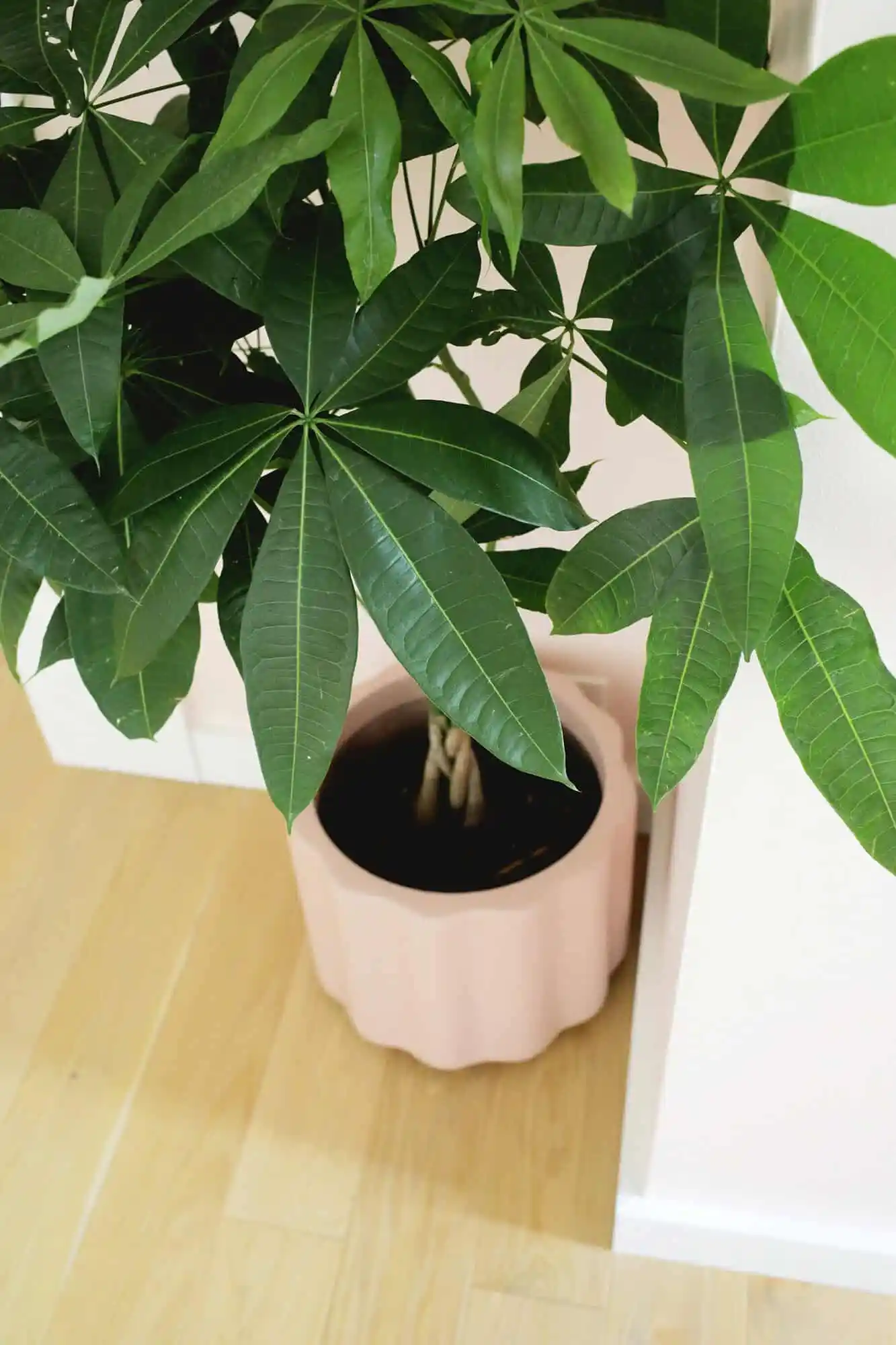
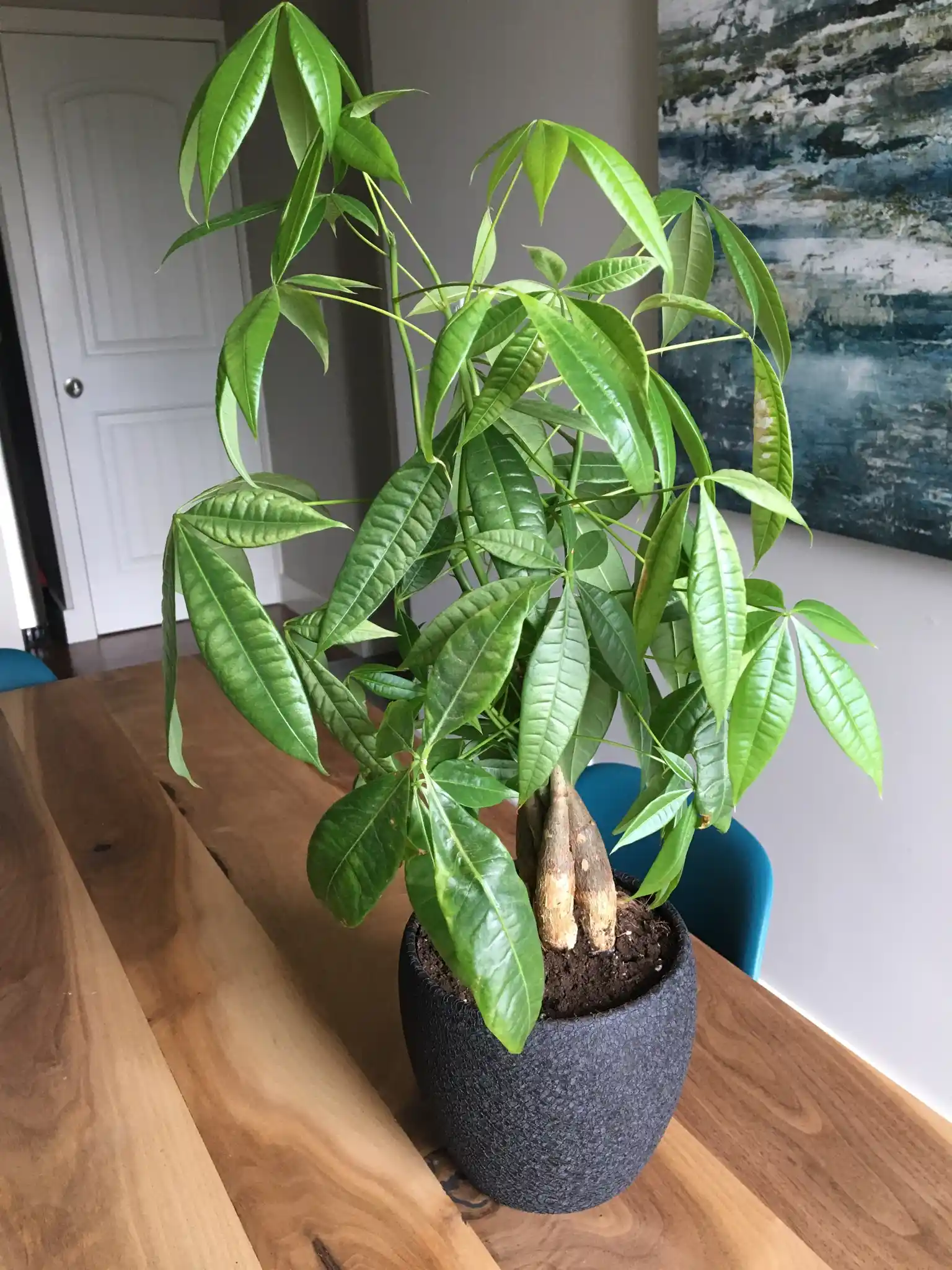
Money trees are sold in many sizes, often with several young trunks braided together. Their glossy, hand-shaped leaves give them the look of a small indoor tree without demanding constant attention.
The trick is not watering on a fixed schedule. Learn what the soil and leaves are telling you, and money tree care becomes much easier.
Money Tree Care at a Glance
| Care Need | Best Conditions |
| Botanical name | Pachira aquatica |
| Plant type | Tropical evergreen tree |
| Light | Bright, indirect light |
| Water | Water after the upper soil begins drying |
| Soil | Loose, moisture-retentive but fast-draining mix |
| Temperature | Warm indoor temperatures, ideally around 65–75°F |
| Humidity | Average to moderately humid |
| Feeding | Light feeding during active growth |
| Pruning | Spring or early growing season |
| Repotting | When root-bound or soil no longer drains well |
| Outdoor hardiness | USDA Zones 10–12 |
| Pet safety | Listed by ASPCA as non-toxic to cats and dogs |
In its natural tropical setting, Pachira aquatica can become a real tree. Indoors, container size, pruning, light, and growing conditions keep it much smaller.
How to Grow a Money Tree Indoors
If you have just brought home a money tree, resist the urge to immediately repot, fertilize, prune, and water it.
First, give it a stable spot.
Place it where it gets plenty of daylight without sitting in harsh afternoon sun. Check whether the nursery pot has drainage holes, then feel the soil before adding water.
A simple starting routine is:
- Place the plant in bright, indirect light.
- Keep it away from cold drafts and strong heat sources.
- Check the soil with your finger before watering.
- Water thoroughly when the upper layer has started drying.
- Empty any water left in the saucer or decorative pot.
- Watch new growth and leaf color before making other changes.
Money trees usually handle normal indoor conditions better when those conditions stay fairly steady.
Give Your Money Tree Bright, Indirect Light
Light has a big effect on how full and balanced a money tree looks.
A position close to an east-facing window is often easy to work with. A bright room near a south- or west-facing window can also work if the plant is protected from strong midday or afternoon rays.
Money trees tolerate partial shade, but a very dark corner is not ideal for long-term growth.
Strong direct sunlight through glass can scorch the foliage. North Carolina Extension recommends indirect sun or a combination of sun and shade and notes that excessive direct sunlight can cause leaf scorch.
Signs the light may be too strong
Watch for:
- Pale or washed-out areas
- Crispy brown patches
- Scorched-looking leaf edges
- Damage mainly on the window-facing side
Move the plant a little farther from the window rather than shifting it into a dark room.
Signs your money tree needs more light
Very low light may lead to:
- Sparse growth
- Long gaps between leaves
- Growth leaning strongly toward the window
- Slower production of new leaves
Rotate the pot about a quarter turn every week or two if one side continually faces the window. This can help the canopy grow more evenly.
How Often Should You Water a Money Tree?
There is no useful universal answer such as “every seven days.”
How fast a money tree dries depends on its pot size, soil, temperature, season, humidity, and amount of light.
Instead, check the soil.
Push a finger into the top inch or two. If the surface has dried while the soil lower down still has some moisture, it may be time to water. If it still feels clearly wet, check again later.
When you do water, soak the soil until excess water drains from the bottom. Then empty the saucer.
This wets the root ball more evenly than giving the plant tiny amounts of water every day.
Related: How to Plant and Care for Peace Lily
Why overwatering causes so many problems
Money trees like moisture, but that does not mean the roots should constantly sit in wet soil.
Roots need both moisture and air.
When dense soil stays saturated, the air spaces around the roots fill with water. Root problems can follow, including rot. North Carolina Extension specifically warns that standing water is not tolerated by Pachira aquatica.
Water less often during slower growth
Indoor plants often use less water during darker, cooler months.
Do not keep the same watering schedule all year just because it worked during summer.
Check the soil each time.
Use Loose, Fast-Draining Soil
The best money tree soil holds enough moisture for the roots without staying soggy.
A good indoor potting mix can be improved with materials that add air space, such as:
- Perlite
- Fine orchid bark
- Coarse horticultural material designed for potting mixes
You do not need a complicated homemade recipe.
The more important point is that water should move through the mix instead of remaining trapped around the roots. Pachira aquatica is suited to moist but well-drained growing media.
Very dense soil can remain wet long after the surface looks dry.
Always Choose a Pot With Drainage
A beautiful decorative planter cannot make up for poor drainage.
Use a pot with at least one proper drainage hole. If you prefer a decorative container without holes, keep the money tree in a removable nursery pot inside it.
Take the nursery pot out when watering and let it drain before putting it back.
Avoid placing a small money tree into a huge pot. Extra unused soil can remain wet much longer than the root ball needs.
When moving up a pot size, choose one only slightly larger than the current container.
Keep Your Money Tree Warm
Money trees come from warm tropical regions and perform best when indoor temperatures remain fairly stable.
North Carolina Extension lists about 65–75°F as a suitable temperature range and recommends protecting the plant from low temperatures.
Try not to place the plant:
- Beside a cold winter window
- Directly under an air-conditioning vent
- Against a radiator
- Beside a frequently opened exterior door
A spot that swings from hot to cold throughout the day can be harder on the plant than a slightly cooler but stable room.
Does a Money Tree Need High Humidity?
Money trees appreciate humid conditions, but you do not need to turn your room into a greenhouse.
Normal household humidity may be enough when the plant is otherwise healthy.
Dry indoor air can become more noticeable during winter when heating systems are running. If the plant repeatedly develops dry leaf edges while watering and light appear correct, humidity may be worth checking.
You can:
- Keep it away from heating vents
- Group several houseplants together
- Use a room humidifier if your home is very dry
Do not compensate for dry air by constantly soaking the soil. Humidity around the leaves and moisture around the roots are two different things.
How to Fertilize a Money Tree
A money tree growing indoors does not need heavy feeding.
Use a balanced houseplant fertilizer during the main growing period in spring and summer. Follow the product’s label rather than assuming more fertilizer means faster growth.
Feeding once every few weeks during active growth is usually plenty for a container-grown plant.
Reduce or pause feeding when growth slows during the darker part of the year.
Houseplants make best use of fertilizer while actively growing. Applying too much fertilizer can leave salts in the potting mix and damage roots.
Never use fertilizer as a treatment for every yellow leaf. First check watering, drainage, light, and pests.
How to Prune a Money Tree
Money trees respond well to pruning when they become tall, uneven, or too large for their space.
Spring is a good time for more noticeable shaping. The RHS also recommends cutting back shoots as needed to control the plant’s size in spring.
Use clean pruning shears and cut just above a leaf node or branching point.
Pruning can help:
- Control height
- Remove damaged growth
- Encourage branching
- Improve an uneven shape
- Keep the canopy from becoming too crowded
Do not remove a large amount of healthy foliage from a struggling plant. Solve the underlying care problem first.
Should you keep braiding a money tree?
The braided trunks commonly seen in shops are created while young stems are still flexible.
You do not need to continue braiding them.
If ties or bands were placed around the trunks, check them as the plant grows. Anything that becomes tight enough to press into the stems should be removed or loosened.
When to Repot a Money Tree
Do not repot simply because a year has passed.
Repot when the plant actually needs more root space or the old potting mix is no longer working well.
Signs may include:
- Roots circling tightly inside the pot
- Roots coming through drainage holes
- Water rushing straight through badly compacted soil
- Very slow growth despite good light and care
- Soil that has broken down and remains wet too long
- The plant becoming unstable in its container
Spring is usually a convenient time because the plant is entering active growth.
Move it into a pot only a little larger than the old one. RHS guidance for container plants also warns that moving into an unnecessarily large container can cause problems because of the extra wet growing medium around the root ball.
How to Repot a Money Tree
- Water lightly a day or so before repotting if the soil is completely dry.
- Gently slide the root ball from its old container.
- Inspect the roots.
- Remove dead, black, or mushy roots with clean tools if present.
- Add fresh potting mix to the new container.
- Set the plant at roughly the same depth it was growing before.
- Fill around the root ball without packing the soil extremely tightly.
- Water thoroughly and allow the pot to drain.
Do not bury the braided trunks deeper just to make the plant stand taller.
How to Propagate a Money Tree
Money trees can be propagated from cuttings, seed, or by air layering. For most indoor growers, stem cuttings are the easiest method to try. The RHS and North Carolina Extension both list cuttings among propagation options for Pachira aquatica.
Propagating from a cutting
Choose a healthy young stem with several leaves.
Cut below a node with clean pruners, remove the lowest leaves, and place the cutting into a moist, airy propagation mix.
Keep it warm and in bright indirect light.
The mix should stay lightly moist rather than waterlogged while roots develop.
Propagation is not always fast, so do not keep adding water because nothing appears to be happening above the soil.
Why Are My Money Tree Leaves Turning Yellow?
Yellow leaves are a symptom, not a diagnosis.
Start with the soil.
If it remains wet for a long time, poor drainage or overwatering should be your first concern.
Other possible reasons include low light, changes in growing conditions, nutrient problems, or natural loss of older leaves.
Before watering again, check below the surface.
If several leaves yellow at once
Check:
- Is the soil still wet days after watering?
- Does the pot have a drainage hole?
- Is water collecting inside a decorative pot?
- Has the plant recently been moved?
- Is it receiving enough daylight?
- Are pests hiding under the leaves?
Changing three or four things at once makes the problem harder to diagnose. Start with the most likely cause.
Why Are Money Tree Leaves Turning Brown?
Brown leaves can mean different things depending on where the damage appears.
Dry brown tips: The plant may be getting too dry between waterings or sitting in very dry air.
Crispy pale patches: Strong direct sunlight may be scorching the leaf.
Dark or soft brown areas: Check for excess moisture and root problems.
Look at the whole plant instead of treating every brown mark the same way.
Why Is My Money Tree Dropping Leaves?
A money tree may drop leaves when its conditions change quickly.
Possible reasons include:
- Soil becoming extremely dry
- Soil remaining too wet
- Sudden temperature changes
- Cold drafts
- Major changes in light
- Moving the plant to a new location
- Root trouble
A few older leaves occasionally falling is different from rapid leaf loss across the whole canopy.
North Carolina Extension notes that overly dry soil can contribute to leaf drop.
Common Money Tree Pests
Money trees can sometimes attract common houseplant pests such as:
- Mealybugs
- Scale insects
- Aphids
- Spider mites
- Fungus gnats
North Carolina Extension lists aphids, mealybugs, scale, and fungus gnats among pests that may affect the plant, while the RHS also lists aphids, scale, and spider mites.
Check the undersides of leaves and the points where leaves meet stems.
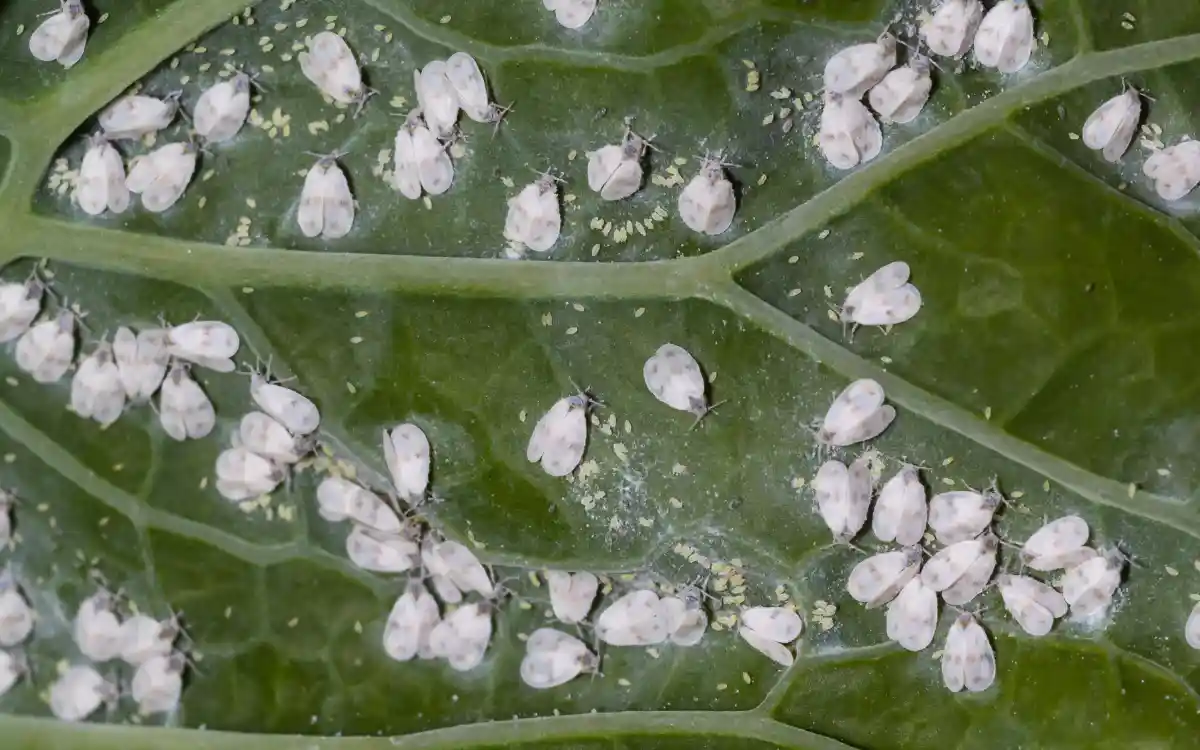
A sticky surface can suggest sap-feeding pests such as scale or aphids. White cottony patches often point toward mealybugs.
Fungus gnats around the pot can also be a warning that the growing mix is staying wet for too long.
Can You Grow a Money Tree Outdoors?
Yes, but climate matters.
Pachira aquatica is a tropical plant suited to outdoor growing in roughly USDA Zones 10–12.
In colder areas, grow it as a houseplant or move a container outdoors only during warm weather.
If an indoor money tree spends summer outside, do not immediately put it in strong sunlight.
Indoor leaves have not been conditioned for that much sun and may scorch quickly. Start in a shaded, sheltered location and adjust gradually.
Is a Money Tree Safe for Cats and Dogs?
Pachira aquatica is listed by the ASPCA as non-toxic to dogs and cats.
The scientific name matters here.
Several unrelated plants are called “money plant” or “money tree.” For example, jade plant (Crassula ovata) is also sometimes sold under similar common names but is a different plant.
Even non-toxic plant material can cause stomach upset if a pet eats enough of it, so keeping pets from chewing houseplants is still sensible.
Money Tree Care Mistakes to Avoid
Most money tree problems can be traced back to a few habits.
Watering by calendar: Check the soil instead.
Leaving water inside a cover pot: Let excess water drain completely.
Using a pot with no drainage: Roots can remain wet long after watering.
Moving into an oversized pot: Extra soil takes longer to dry.
Putting it in harsh direct sun: Bright light is useful, but intense sunlight can burn foliage.
Keeping it in a very dark corner: Tolerating lower light does not mean darkness is ideal.
Fertilizing a stressed plant: Find the reason for the stress before adding fertilizer.
Changing everything at once: Adjust one likely cause, then watch how the plant responds.
Frequently Asked Questions
Is a money tree easy to care for?
A money tree can be a beginner-friendly houseplant when it has good drainage and enough light. Watering is the part that needs the most attention because constantly wet soil can cause root problems.
Where is the best place to put a money tree?
Choose a bright room with filtered or indirect daylight. Keep the plant away from harsh afternoon sun, heating vents, cold drafts, and areas with sudden temperature changes.
How do I know when my money tree needs water?
Feel the soil instead of following a weekly calendar. Water when the upper portion has started drying, then soak the root ball thoroughly and let all excess water escape.
Should I mist my money tree?
Misting is not required for a healthy money tree. If your home is very dry, a humidifier provides a more steady rise in humidity than occasional misting.
Can a money tree grow in low light?
It can tolerate some lower-light conditions, but growth may become slower or thinner. Bright, indirect light is a better choice for steady indoor growth.
How big can a money tree get indoors?
Container-grown money trees can become several feet tall, although their final size varies with pot size, pruning, light, and age. They stay far smaller indoors than trees growing outdoors in tropical climates.
Why is my money tree leaning?
Plants naturally grow toward their strongest light source. Rotate the pot periodically and make sure the plant receives enough light from more than one direction when possible.