15 Air Purifying Plants for a Greener Home

Air-purifying plants bring natural color into a room and may capture a little settling dust on their leaves. Some plants have also removed certain airborne compounds during sealed laboratory tests. However, ordinary houseplants cannot clean a real home as efficiently as ventilation or a suitable air purifier.
Choose plants for their beauty, care needs, and fit with your available light. Treat any possible air-cleaning activity as a small extra rather than the main reason for growing them.
1. Spider Plant
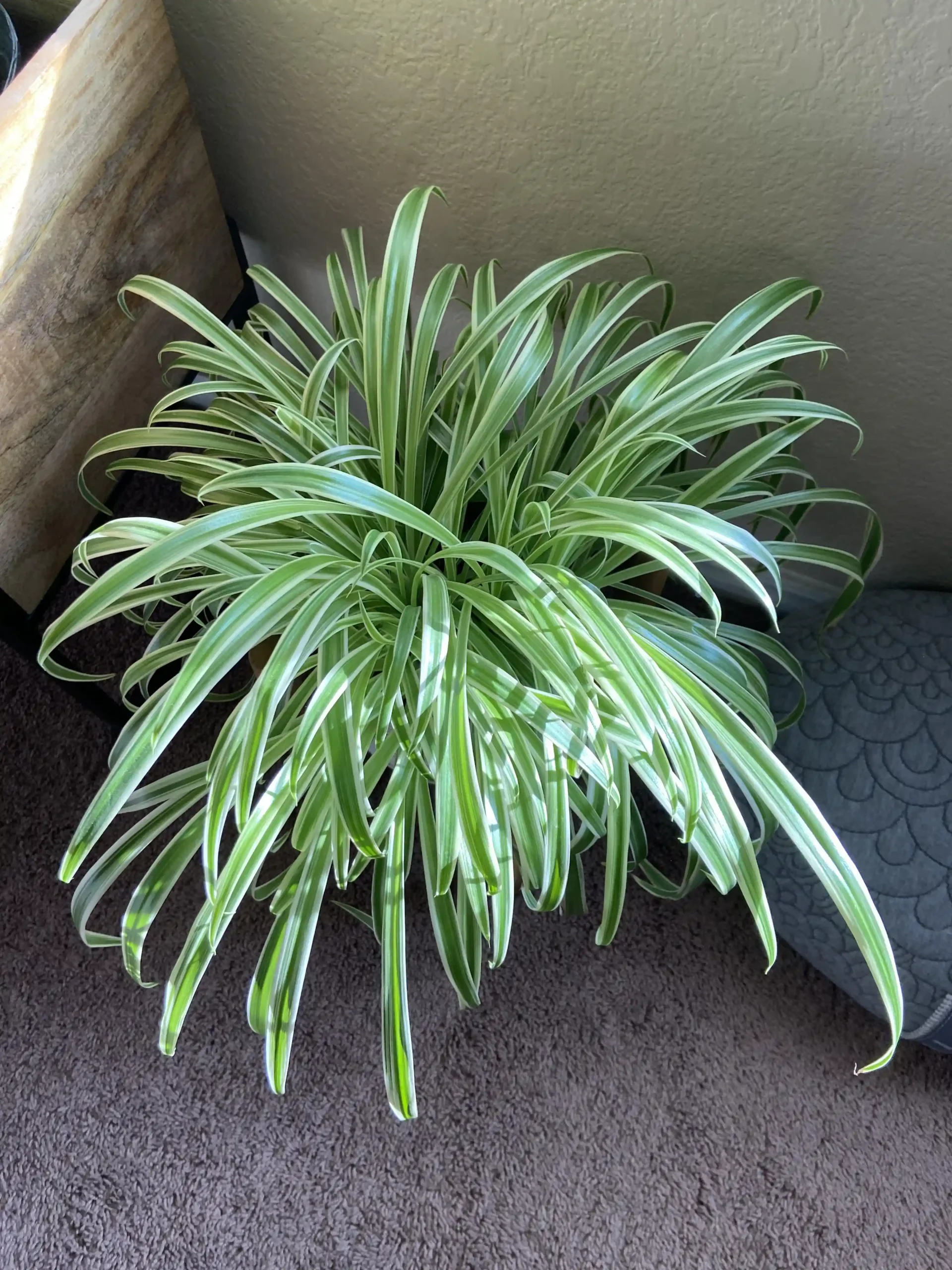
The spider plant is a practical choice for shelves, hanging baskets, and bright corners. Its long striped leaves expose plenty of surface area and may catch small amounts of settling dust. Spider plants have also removed certain airborne compounds in controlled laboratory tests, although they cannot replace ventilation or an air purifier.
Their arching shape softens plain rooms, while mature plants produce small offshoots that are easy to propagate. This easygoing plant works especially well for beginners, renters, and busy households.
- Why It Is Good for Air: Its leaves and root-zone microorganisms interacted with certain airborne compounds during controlled tests.
- Best Light: Bright, indirect light produces full growth, but medium light is acceptable.
- Watering: Water when the top 2 inches of soil feel dry.
- Best Soil: Use loose indoor potting soil mixed with perlite.
- Ideal Placement: Place it on a shelf or hang it near an east-facing window.
- Maintenance: Remove brown leaves and wipe away dust monthly.
- Common Problem: Brown tips can come from mineral buildup, dry air, or uneven watering.
- Best For: Beginners, renters, small rooms, and hanging displays.
2. Snake Plant
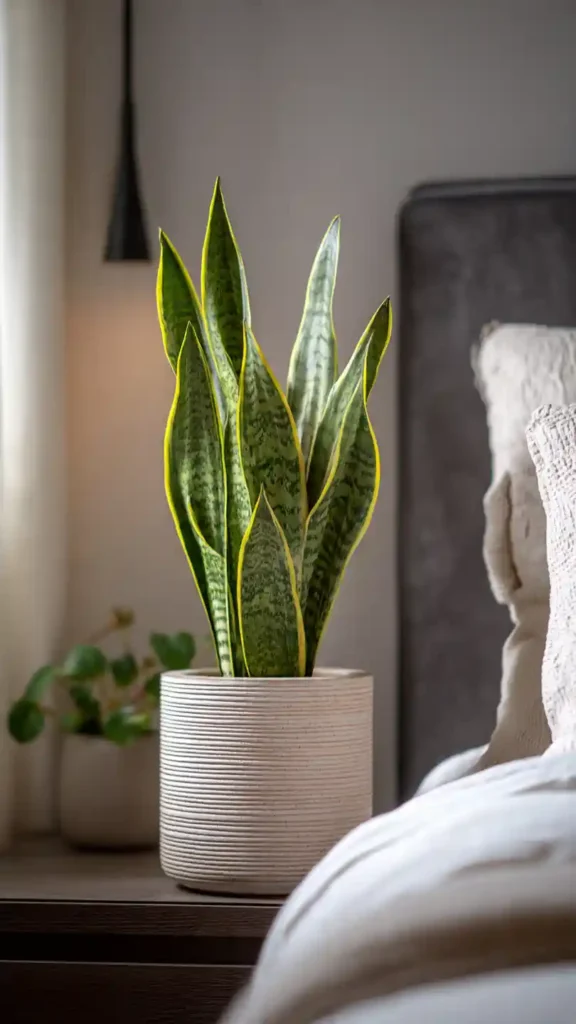
The snake plant has tall, sword-shaped leaves that add strong vertical lines without occupying much floor space. Its deep green, silver, or yellow-edged foliage works well in bedrooms, home offices, entryways, and modern living rooms.
Snake plants are regularly included in discussions about air-purifying plants because they were used in controlled chamber tests. Their greater everyday benefit is durability. Thick leaves and underground rhizomes store water, helping the plant survive missed watering and changing indoor conditions.
- Why It Is Good for Air: It has been studied for its interaction with certain volatile organic compounds in sealed conditions.
- Best Light: Medium to bright indirect light is best, although it tolerates lower light.
- Watering: Let the soil dry completely before watering again.
- Best Soil: Choose a gritty cactus or succulent mix.
- Ideal Placement: Use it in a narrow corner or beside a desk.
- Maintenance: Wipe the upright leaves and rotate the pot monthly.
- Common Problem: Soft, yellow leaves usually point to overwatering.
- Best For: Busy owners, travelers, low-light homes, and small apartments.
3. Peace Lily
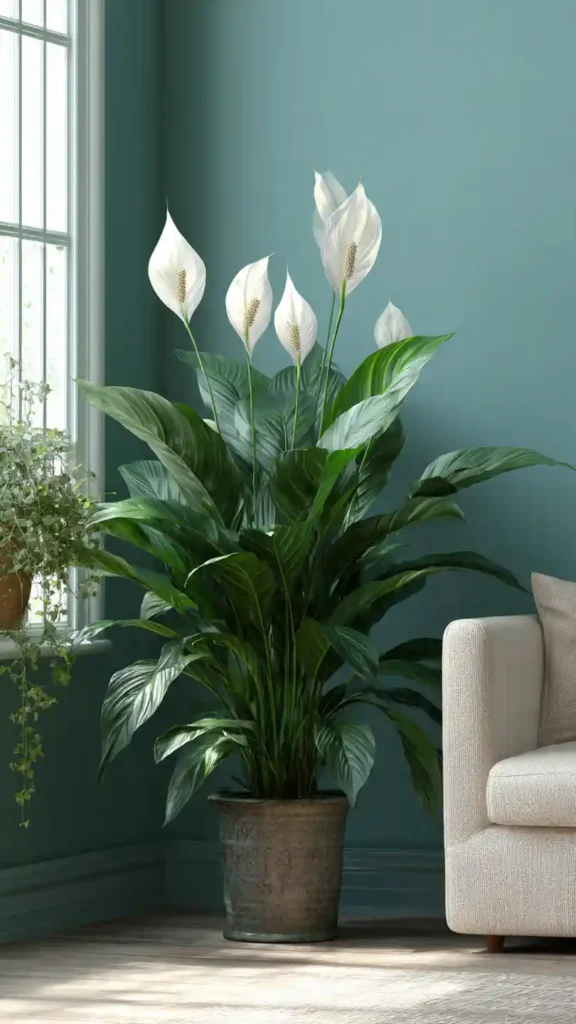
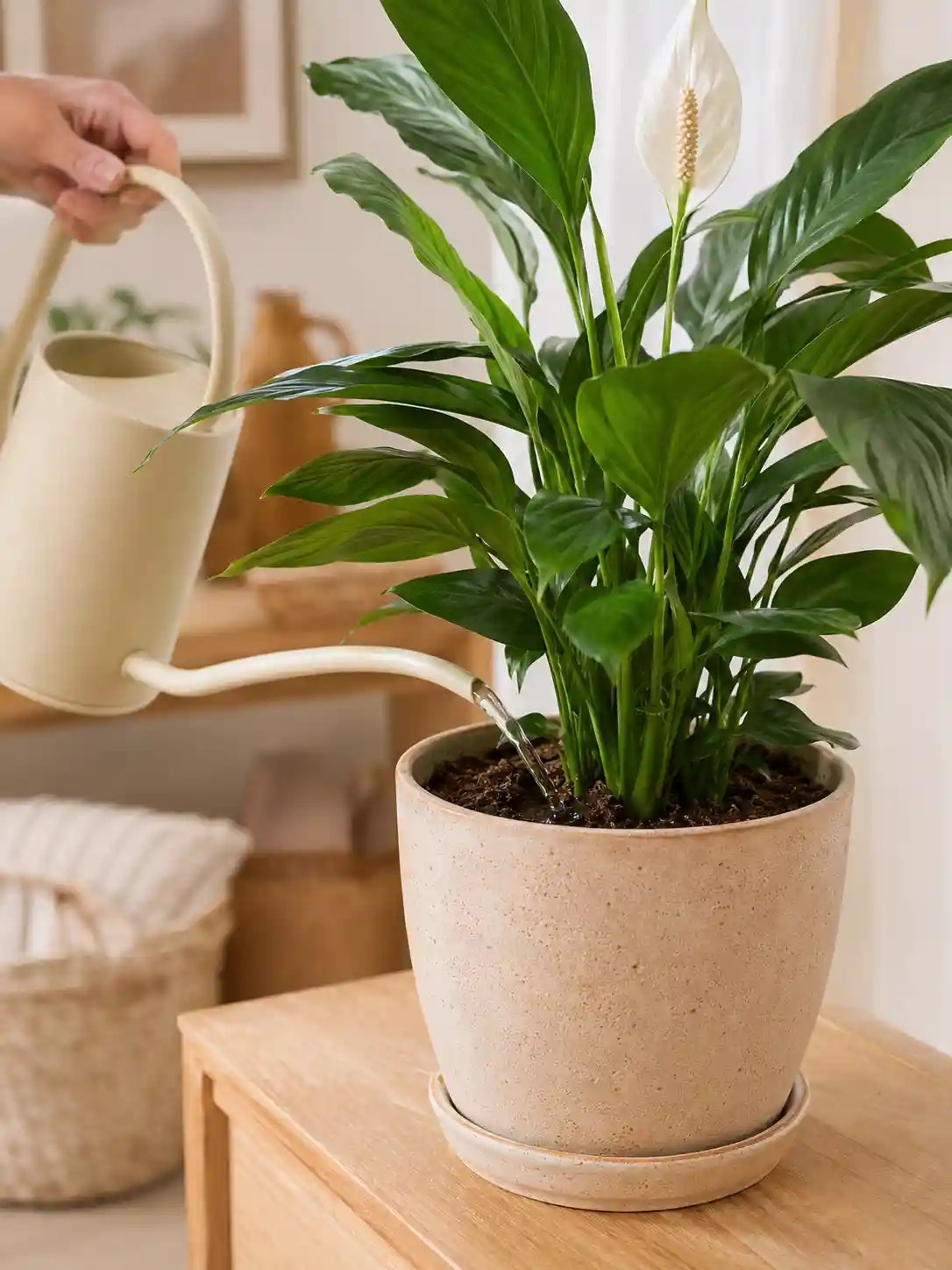
The peace lily combines glossy green foliage with elegant white flower-like spathes. Its broad leaves create a full, leafy display on a plant stand or in an empty corner. It prefers more consistent moisture than snake plants, but it clearly shows when it is thirsty by lowering its leaves.
Peace lilies have been tested with certain airborne compounds in laboratory chambers. They may also collect dust on their broad foliage, so regular cleaning keeps the plant attractive and allows more light to reach the leaves.
- Why It Is Good for Air: It has removed certain airborne compounds during sealed laboratory testing.
- Best Light: Medium to bright indirect light encourages healthy foliage and flowers.
- Watering: Water when the top inch of soil feels dry.
- Best Soil: Use a moisture-retentive mix that still drains freely.
- Ideal Placement: Set it near a filtered window away from direct afternoon sun.
- Maintenance: Wipe the leaves and remove spent flowers at their base.
- Common Problem: Persistent yellowing can result from overly wet soil.
- Best For: Shaded living rooms, bedrooms without pets, and attentive beginners.
Related article: 30 Easy Care Indoor Plants for Beginners
4. Golden Pothos
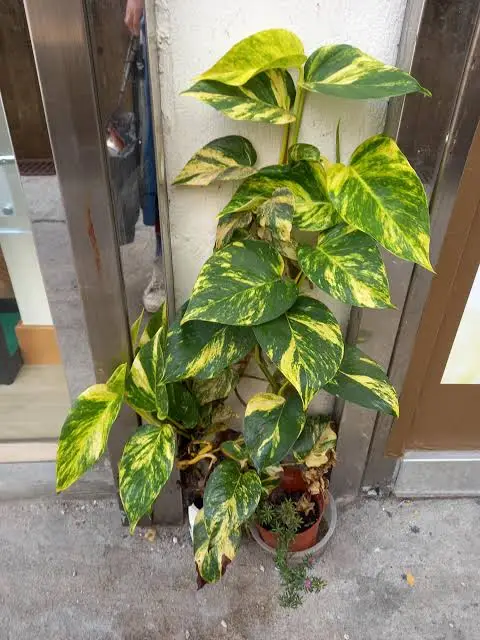
Golden pothos has heart-shaped leaves marked with yellow or cream. Its trailing stems look attractive on bookshelves, kitchen cabinets, wall-mounted planters, and hanging baskets. The plant can also climb a moss pole, creating larger leaves and a more upright display.
Its fast growth creates plenty of leaf surface, which is one reason pothos often appears on lists of plants studied for air-cleaning activity. It is also forgiving when watering is occasionally delayed, making it suitable for people growing houseplants for the first time.
- Why It Is Good for Air: Its foliage and root zone have been examined in controlled tests involving airborne compounds.
- Best Light: Bright indirect light maintains stronger yellow markings.
- Watering: Water after the top half of the soil has dried.
- Best Soil: Use indoor potting soil with bark and perlite.
- Ideal Placement: Let it trail from a high shelf near filtered daylight.
- Maintenance: Trim thin stems and return rooted cuttings to the pot.
- Common Problem: Large yellow patches may indicate overly wet soil.
- Best For: Beginners, renters, shelves, hanging baskets, and offices.
5. Rubber Plant
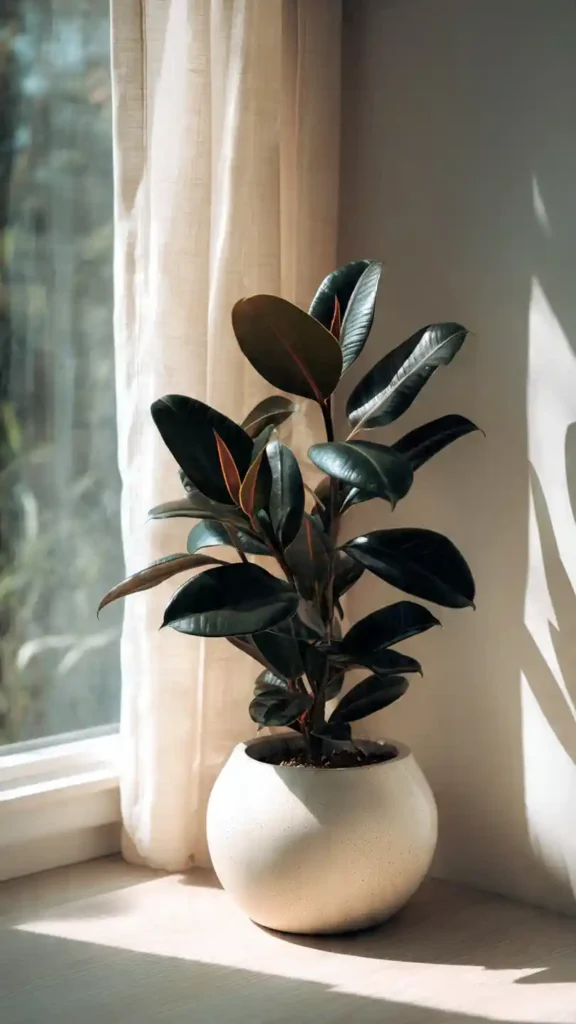
The rubber plant has large, glossy leaves and a strong upright form. Deep burgundy varieties add contrast to cream walls, while green forms suit warm wood and neutral interiors. A young plant fits on a side table, but an established rubber plant can grow into a striking floor feature.
Its broad leaves provide a large surface where dust may settle. Rubber plants have also been discussed in controlled plant and air-quality research. Clean foliage matters because a heavy layer of dust blocks light and reduces the plant’s ability to photosynthesize.
- Why It Is Good for Air: Its large leaves and root system have been studied for interaction with airborne compounds.
- Best Light: Give it bright, indirect light for compact growth.
- Watering: Water when the upper 2 to 3 inches of soil are dry.
- Best Soil: Use a well-draining mix containing soil, bark, and perlite.
- Ideal Placement: Position it near a bright window with filtered sunlight.
- Maintenance: Clean both sides of the leaves with a damp cloth.
- Common Problem: Sudden leaf drop can follow cold drafts, moving, or overwatering.
- Best For: Homeowners, bright living rooms, and people wanting a floor plant.
Related article: 30 Rare House Plants Worth Adding to Your Collection
6. Boston Fern
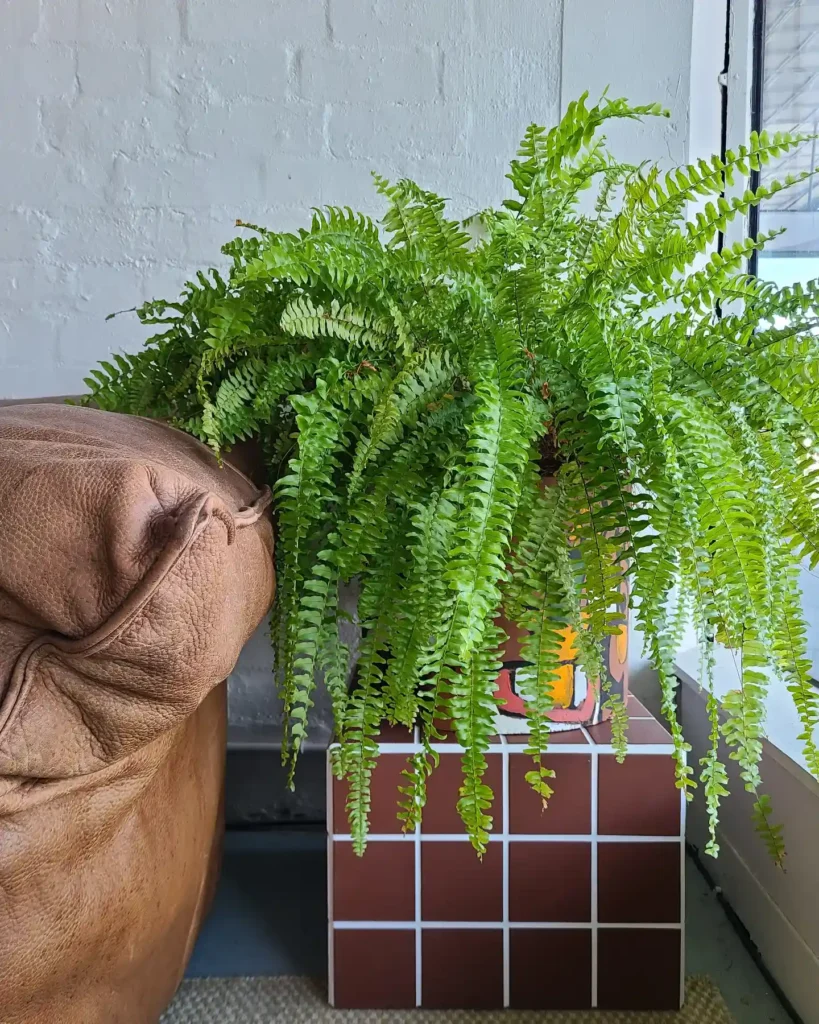
Boston ferns produce soft, arching fronds that give a room a fresh, leafy feeling. Their full shape suits hanging baskets, plant stands, and bright bathrooms. The fine foliage can catch settling dust, although its many small leaflets require more cleaning than a rubber plant.
Ferns release moisture through transpiration, which may slightly affect the air immediately around the plant. They cannot humidify an entire room, though. Boston ferns need more regular attention than many plants on this list, especially in homes with dry air.
- Why It Is Good for Air: Its foliage has been included in research involving airborne compounds and plant transpiration.
- Best Light: Bright, filtered light without hot direct sun.
- Watering: Keep the soil lightly moist, but never waterlogged.
- Best Soil: Choose a rich mix that drains while holding moderate moisture.
- Ideal Placement: Use it in a bright bathroom or near a humidifier.
- Maintenance: Remove brown fronds and shower off accumulated dust.
- Common Problem: Crispy leaves usually indicate dry air or dry soil.
- Best For: Humid homes and plant owners who check soil regularly.
7. Bamboo Palm
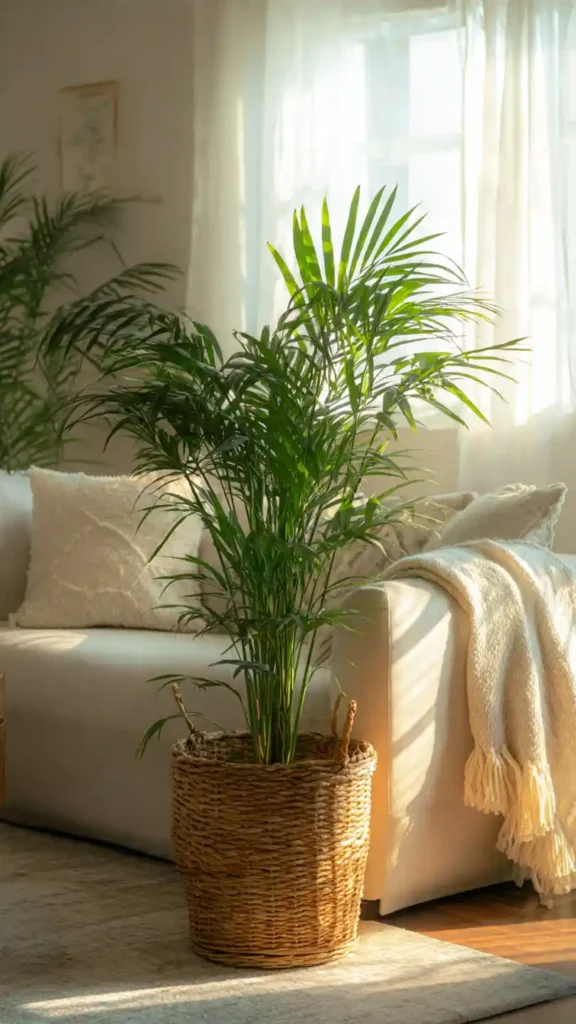
The bamboo palm has slender stems topped with soft, feather-like fronds. It fills an empty corner without creating the heavy visual weight of a broad-leaved floor plant. Its layered green foliage pairs well with woven baskets, pale walls, rattan furniture, and relaxed tropical interiors.
Bamboo palms have appeared in laboratory studies involving volatile organic compounds. Their many leaflets also offer a large surface where dust can settle. Keeping those leaves clean supports the plant and makes the room look better, even if the practical air-cleaning effect remains limited.
- Why It Is Good for Air: It has been tested for its response to certain airborne compounds under controlled conditions.
- Best Light: Medium to bright indirect light supports dense growth.
- Watering: Water when the upper 1 to 2 inches of soil dry.
- Best Soil: Use rich indoor potting soil with added perlite.
- Ideal Placement: Give it an open corner away from strong afternoon sun.
- Maintenance: Wipe the fronds and remove only completely brown stems.
- Common Problem: Spider mites may appear in hot, dry conditions.
- Best For: Larger rooms, tropical interiors, and homes with filtered light.
8. English Ivy
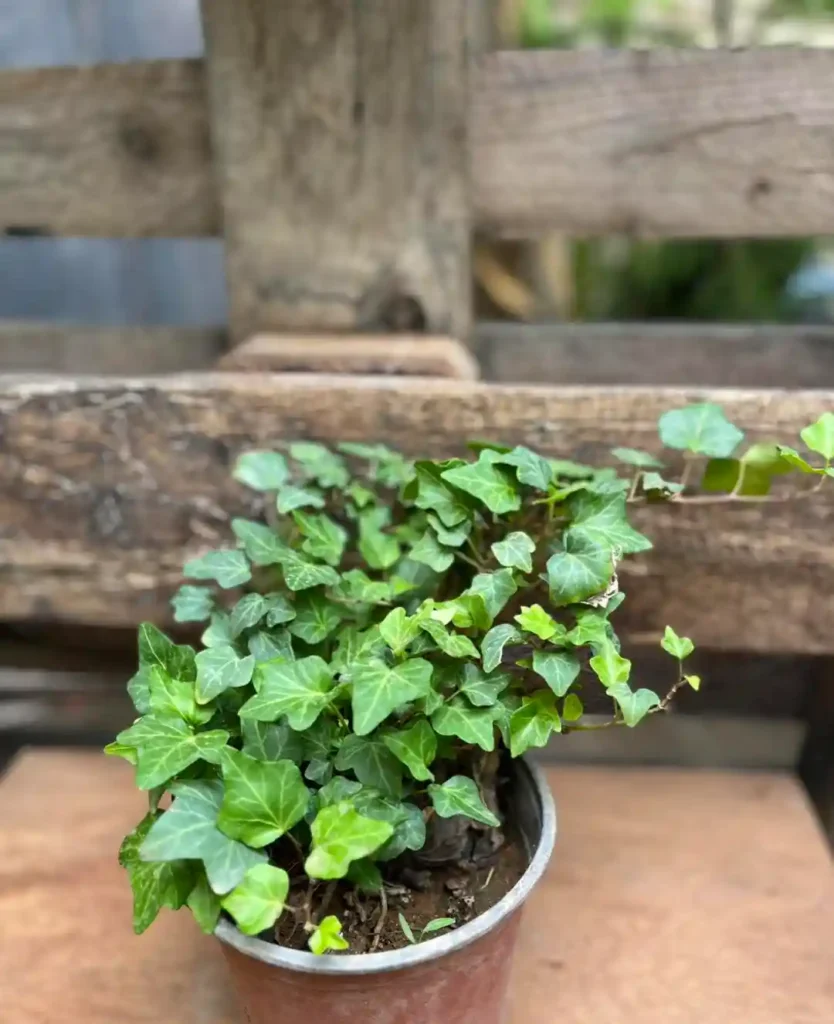
English ivy grows on flexible stems covered with small, lobed leaves. It can trail from a hanging basket or climb a small indoor frame. Its dense foliage creates texture without requiring a large container, making it useful in rooms where floor space is limited.
English ivy has been tested under controlled conditions involving airborne chemicals and biological particles. Indoor ivy is not as carefree as pothos, however. It prefers bright light, cooler temperatures, and steady airflow. Frequent inspection is necessary because spider mites can spread quickly through its dense growth.
- Why It Is Good for Air: Controlled studies have examined its interaction with airborne compounds and particles.
- Best Light: Bright indirect light keeps growth full and compact.
- Watering: Water when the surface begins to dry.
- Best Soil: Use a loose, well-draining indoor mix.
- Ideal Placement: Hang it near a bright window in a cooler room.
- Maintenance: Trim long stems and rinse the leaves periodically.
- Common Problem: Dry, speckled leaves often signal spider mites.
- Best For: Experienced plant owners, hanging displays, and cooler homes.
9. Dracaena
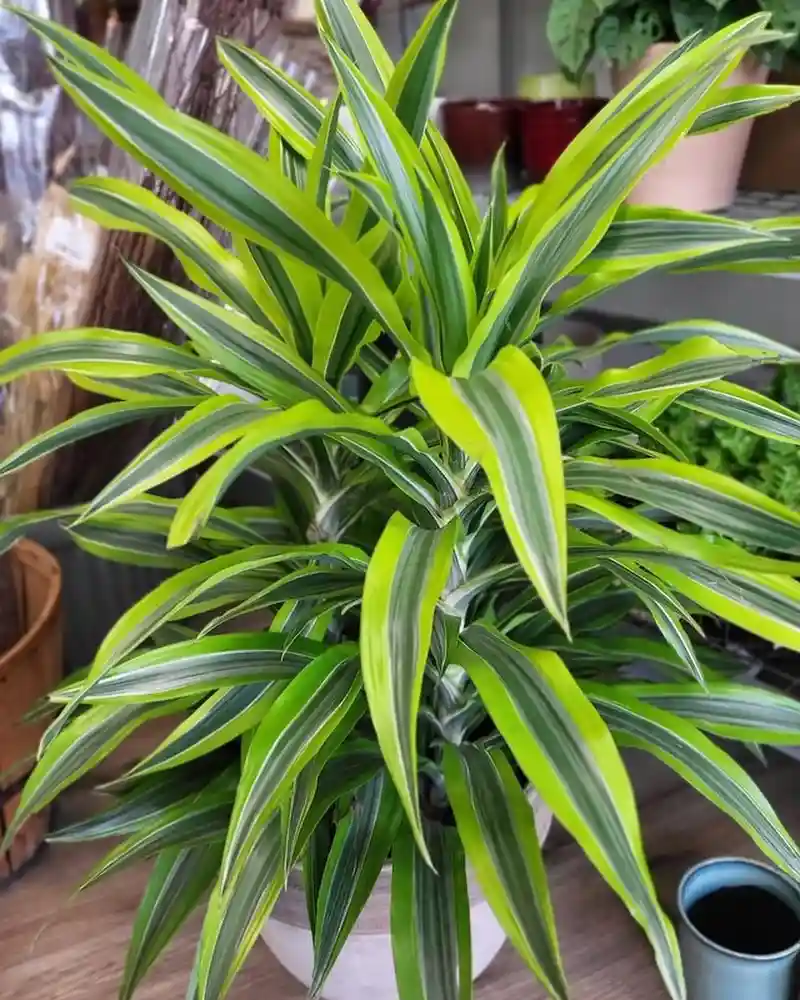
Dracaena includes several indoor plants with narrow striped leaves or broader green foliage growing from cane-like stems. Their upright shape brings height beside sofas, desks, and storage cabinets without spreading far across the floor.
Several dracaena species have been used in sealed chamber tests involving particular volatile organic compounds. They are also relatively easy to maintain when protected from overwatering and cold drafts. Some varieties tolerate lower light, but brighter filtered conditions create denser foliage and stronger coloring.
- Why It Is Good for Air: Several dracaena species have been examined in laboratory air-removal studies.
- Best Light: Medium to bright indirect light is ideal.
- Watering: Let the upper third of the soil dry before watering.
- Best Soil: Use regular indoor potting soil with added drainage material.
- Ideal Placement: Place it beside a window with filtered light.
- Maintenance: Remove dust and flush the potting mix occasionally.
- Common Problem: Brown tips may come from mineral buildup, dry air, or inconsistent watering.
- Best For: Offices, living rooms, narrow spaces, and intermediate plant owners.
10. Chinese Evergreen
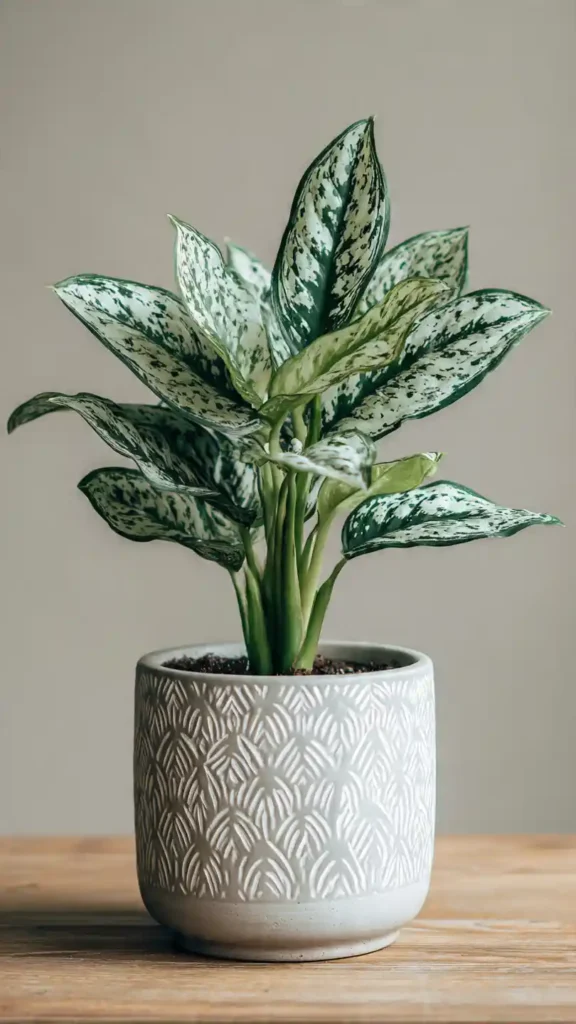
Chinese evergreen produces broad foliage patterned in green, silver, cream, or pink. Its colorful leaves make it useful in rooms where flowering plants receive too little light. Compact varieties work on tables, while taller forms can fill a shaded corner.
The plant has been included in controlled studies involving certain airborne chemicals. Its more useful household qualities are shade tolerance and dependable growth. Green varieties generally cope with lower light better than heavily variegated or pink forms. Protect all varieties from cold air and wet soil.
- Why It Is Good for Air: It has been studied under sealed conditions for its interaction with certain airborne compounds.
- Best Light: Medium indirect light suits most varieties.
- Watering: Water after the upper 2 inches of soil become dry.
- Best Soil: Use a loose mix containing potting soil, bark, and perlite.
- Ideal Placement: Set it in a warm bedroom, office, or shaded living room.
- Maintenance: Clean the broad leaves and rotate the pot regularly.
- Common Problem: Cold drafts may cause leaf damage or stalled growth.
- Best For: Lower-light homes, beginners, and compact indoor gardens.
11. Aloe Vera
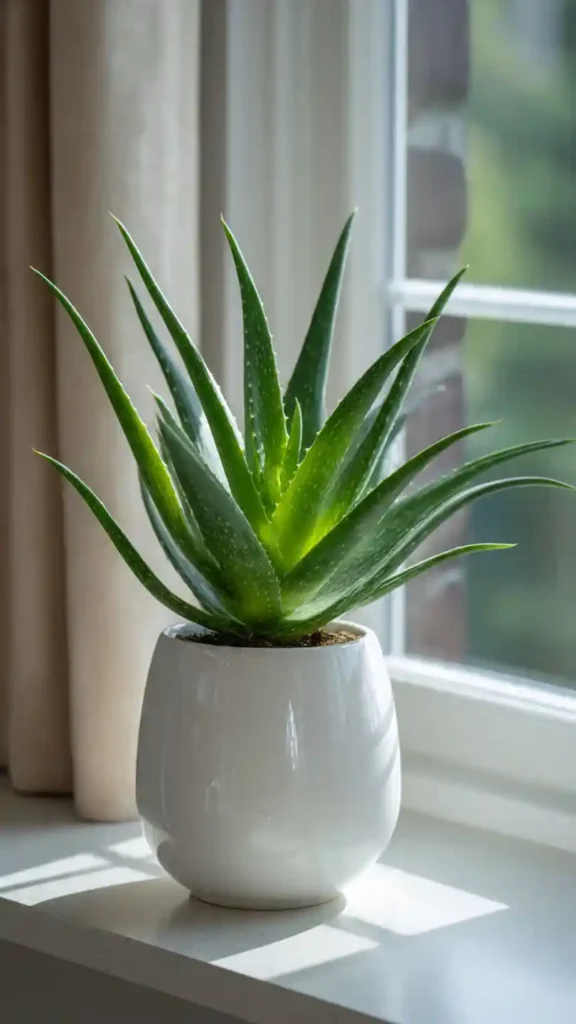
Aloe vera forms a tidy rosette of thick, pointed leaves. Its blue-green coloring looks natural beside terracotta, pale stone, and warm timber. Because it remains compact, aloe fits easily on a sunny kitchen windowsill or a bright bedroom shelf.
Aloe carries out photosynthesis and normal gas exchange like other green plants, but it should not be presented as a replacement for an air purifier. Its real strengths are low water needs and a clean sculptural appearance. Bright light and fast drainage are necessary for long-term indoor growth.
- Why It Is Good for Air: It exchanges gases through its leaves and has appeared in discussions about indoor plant testing.
- Best Light: Provide several hours of bright light or gentle direct sun.
- Watering: Soak the soil, then let it dry completely.
- Best Soil: Use a gritty cactus or succulent mix.
- Ideal Placement: Keep it on a bright windowsill.
- Maintenance: Remove dead lower leaves and separate crowded offsets.
- Common Problem: Soft leaves and a weak base suggest overwatering.
- Best For: Sunny homes, small spaces, and forgetful plant owners.
12. Florist’s Chrysanthemum
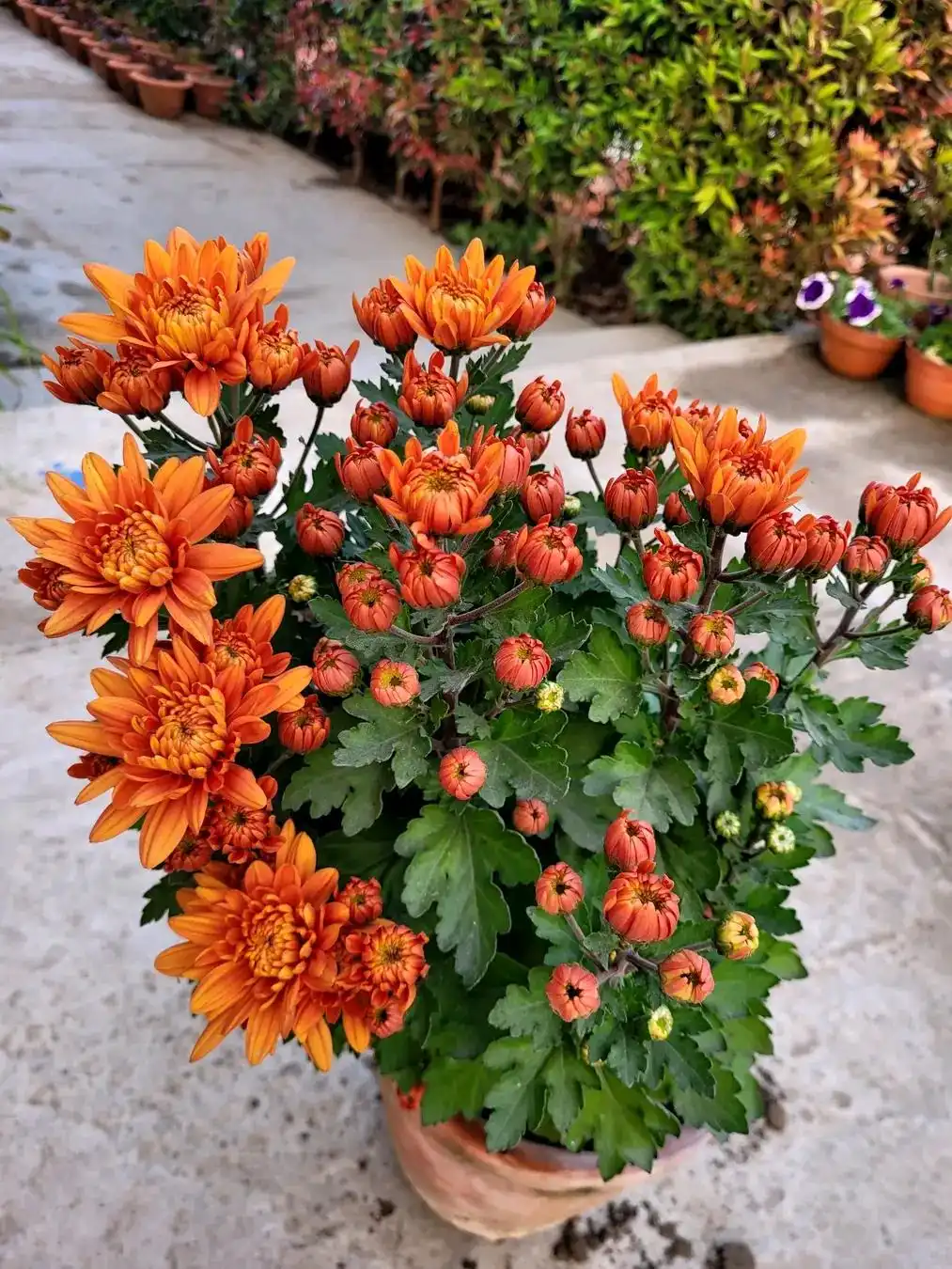
Florist’s chrysanthemums produce dense green foliage and colorful flowers in white, yellow, pink, red, or purple. They make cheerful seasonal displays on tables, sunny windowsills, and kitchen counters. Unlike snake plants, these flowering plants need strong natural light to remain healthy indoors.
Chrysanthemums were among the plants tested in well-known sealed-chamber studies involving several airborne chemicals. This does not mean one flowering pot can clean a room. Treat it as temporary living décor and enjoy its color while providing enough light, airflow, and careful watering.
- Why It Is Good for Air: It removed certain compounds during controlled laboratory chamber tests.
- Best Light: Strong light and some gentle morning sun support flowering.
- Watering: Water when the surface begins to dry.
- Best Soil: Use fertile potting soil with reliable drainage.
- Ideal Placement: Set it beside a sunny window away from heating vents.
- Maintenance: Remove spent flowers and yellowing leaves.
- Common Problem: Decorative foil can trap runoff and cause root rot.
- Best For: Bright rooms, seasonal displays, and attentive plant owners.
13. Lady Palm
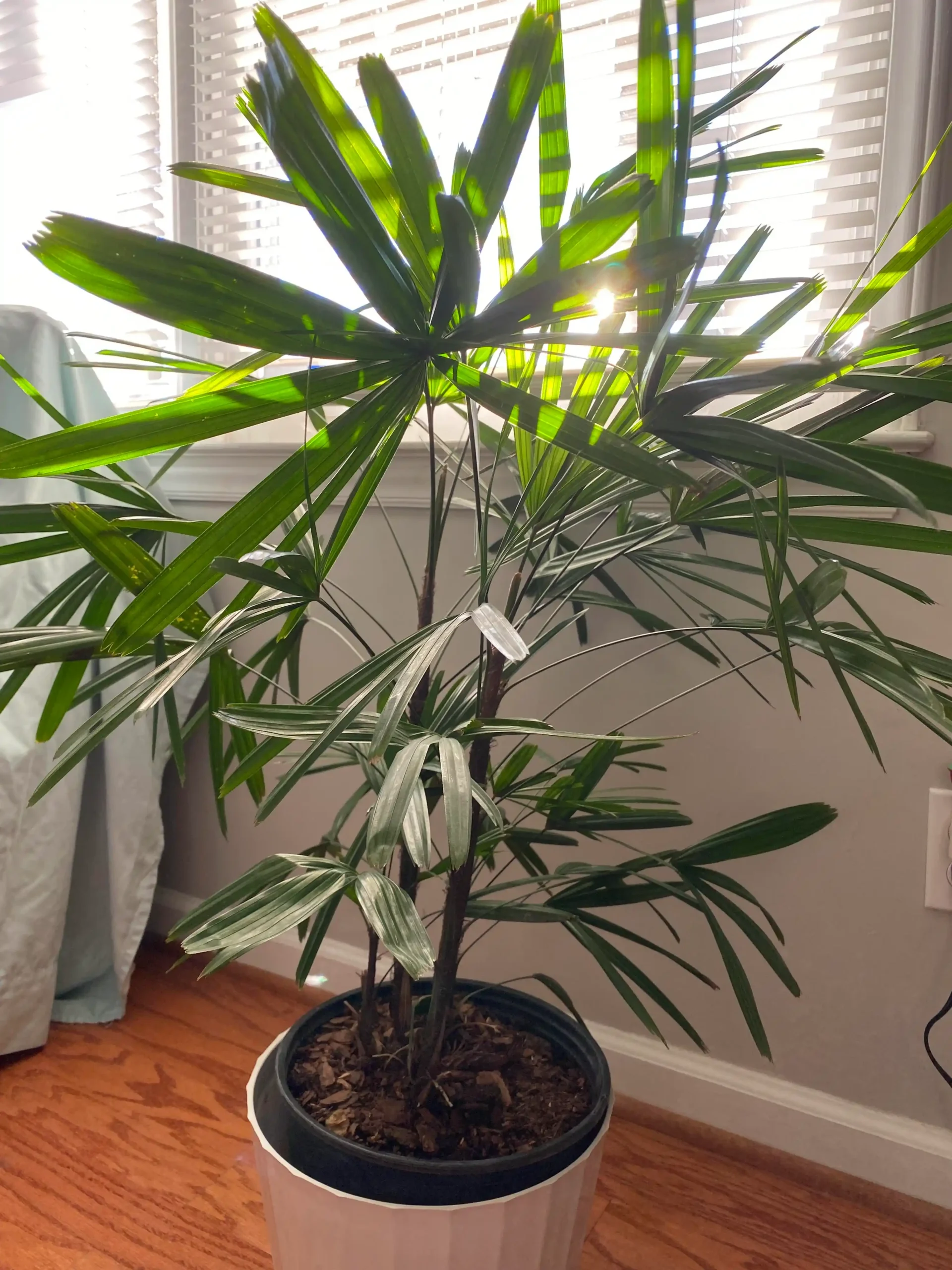
The lady palm grows clusters of upright canes topped with divided, fan-shaped leaves. Its structured foliage suits entryways, home offices, and formal living rooms. Mature specimens create a strong floor-level display without looking as loose or feathery as an areca palm.
Lady palms have appeared in research and conversations about plant-based removal of airborne compounds. Their large divided leaves can also collect settling dust. Growth is slow, so buying the correct size is often easier than waiting for a small plant to fill a large corner.
- Why It Is Good for Air: It has been included in controlled research involving indoor airborne compounds.
- Best Light: Medium to bright indirect light works best.
- Watering: Water when the top section of soil dries.
- Best Soil: Choose a rich but freely draining palm mix.
- Ideal Placement: Give it an open corner protected from direct afternoon sun.
- Maintenance: Clean the divided leaves and inspect their joints for pests.
- Common Problem: Scale insects may hide along stems and leaf bases.
- Best For: Homeowners, larger rooms, and long-term indoor displays.
14. Gerbera Daisy
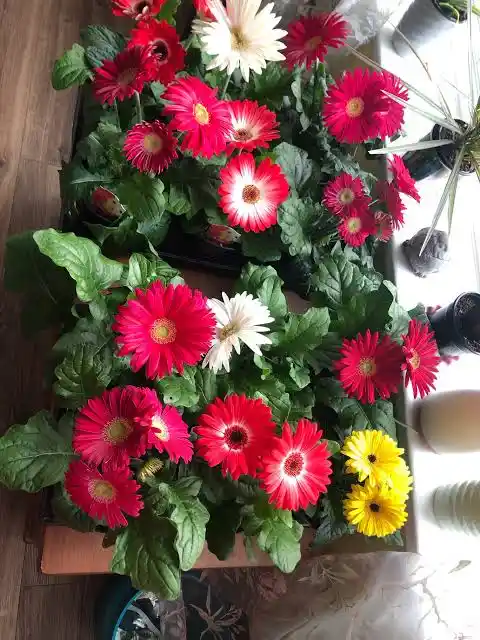
Gerbera daisies produce large, cheerful flowers above low clusters of green leaves. Their bright colors make them attractive on sunny windowsills, breakfast tables, and kitchen counters. They are best treated as seasonal indoor plants because maintaining repeat flowering inside can be difficult.
Gerberas were used in controlled chamber studies involving particular airborne compounds. The plant’s most reliable household benefit is visual. Its flowers can brighten a room, but they cannot clean its air at a useful rate. Strong light and careful watering are needed to keep the crown healthy.
- Why It Is Good for Air: It has been studied for airborne compound removal inside sealed test chambers.
- Best Light: Give it bright light and gentle direct morning sun.
- Watering: Water when the top inch of soil dries.
- Best Soil: Use a rich mix that drains quickly.
- Ideal Placement: Place it beside a bright east- or south-facing window.
- Maintenance: Remove faded blooms at the base of their stems.
- Common Problem: A wet, buried crown may develop rot.
- Best For: Sunny kitchens, colorful seasonal décor, and attentive growers.
15. Areca Palm
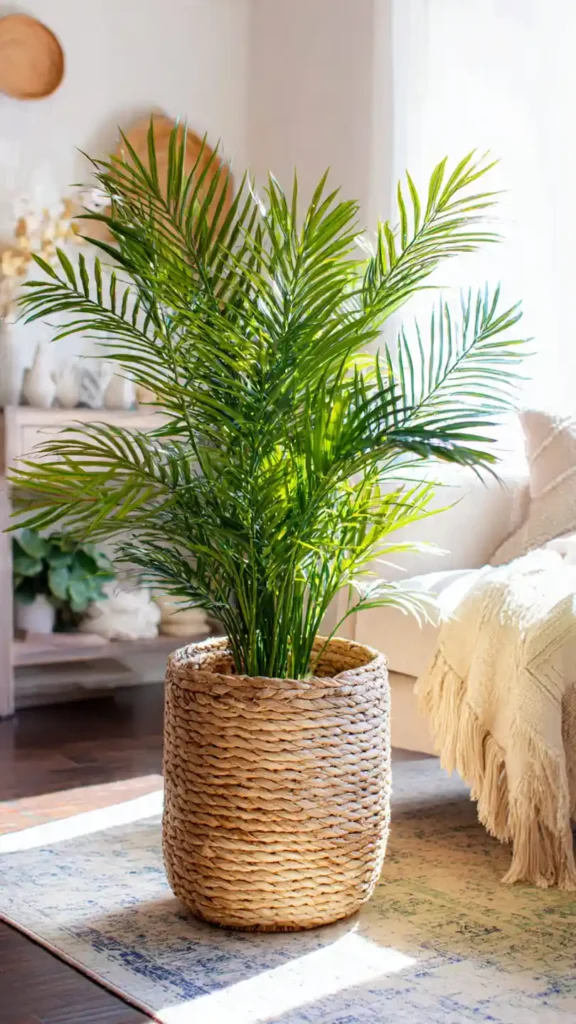
The areca palm has multiple golden-green stems and long, feathery fronds. Its layered foliage brings movement and a relaxed tropical mood to a living room, bedroom, or bright entryway. Mature specimens need space because their fronds spread outward as they grow.
The plant releases moisture through transpiration and has often appeared on air-purifying plant lists. Any change in room humidity or pollutant levels will depend on the plant’s size and surrounding conditions. It should be grown for its appearance rather than treated as indoor air-cleaning equipment.
- Why It Is Good for Air: Its foliage has been studied for gas exchange, transpiration, and interaction with airborne compounds.
- Best Light: Bright indirect light encourages even, healthy growth.
- Watering: Water when the surface of the soil begins to dry.
- Best Soil: Use a well-draining palm mix with added perlite.
- Ideal Placement: Give it a bright, open corner away from intense midday sun.
- Maintenance: Rotate the pot and check the fronds for dust and pests.
- Common Problem: Brown tips can follow dry air, salt buildup, or uneven watering.
- Best For: Larger rooms, bright homes, and tropical decorating styles.
How to Get the Most From Indoor Plants
Healthy plants exchange gases and grow more actively than plants struggling in dark corners or waterlogged soil. Match each plant to the light available in your home and use pots with open drainage holes.
Clean broad leaves every few weeks, remove dead growth, and avoid crowding pots tightly together. Good spacing allows light to reach more foliage and makes it easier to notice pests before they spread.
Never rely on houseplants to solve smoke, mold, chemical fumes, or poor ventilation. Remove the source of pollution, open windows when outdoor conditions are suitable, use exhaust fans, and choose a suitable air cleaner when necessary.
Frequently Asked Questions
Do air-purifying plants really clean indoor air?
Some houseplants removed certain airborne compounds during sealed laboratory experiments. Real homes are much larger and have regular air exchange, so an ordinary number of plants does not remove pollutants quickly enough to create a meaningful change.
Which air-purifying plant is easiest to maintain?
Snake plants, spider plants, and golden pothos are among the easiest options. They tolerate occasional missed watering and adapt to common indoor conditions, although all three grow better with filtered natural light.
How many plants are needed to purify one room?
There is no practical number of ordinary potted plants proven to purify a typical room. Ventilation and suitable filtration work much faster than passive houseplants.
Can houseplants remove dust?
Leaves may catch a small amount of dust as it settles. They do not pull large quantities of dust from the air, so regular vacuuming, surface cleaning, and filtration remain necessary.
Can indoor plants make air quality worse?
Overwatered pots may support mold, fungus gnats, and unwanted microorganisms. Use containers with drainage, empty standing water, remove dead leaves, and allow the soil to dry according to the needs of each plant.