7 Common Houseplant Pests and How to Get Rid of Them

Houseplant pests rarely announce themselves with an obvious swarm. The first clue may be a sticky shelf or tiny flies lifting from the soil when you water. Sometimes a new leaf simply opens pale and twisted.
The sooner you identify the pest, the easier it is to stop it from reaching nearby plants. This guide covers seven common houseplant pests and how to get rid of them with washing, pruning, moisture changes, traps, and labeled treatments. Isolate the plant first, then match the damage to the pest below.
Houseplant Pest Identification Chart
| Pest | Main clue | Where to look |
| Fungus gnats | Tiny dark flies around moist soil | Soil surface and drainage holes |
| Spider mites | Pale speckles and fine webbing | Leaf undersides and stem joints |
| Mealybugs | White cotton-like clusters | Leaf joints, stems, and roots |
| Scale | Brown, gray, or white bumps | Stems and leaf veins |
| Aphids | Soft clusters and sticky residue | New leaves, buds, and stems |
| Thrips | Silvery streaks and black specks | Young leaves and flowers |
| Whiteflies | Small white insects that fly when disturbed | Undersides of leaves |
Use a bright light and check the underside of every damaged leaf. A phone camera with zoom or a small magnifying lens can reveal mites, eggs, and young insects that are easy to miss.
What to Do Before Treating a Plant
Move the affected plant away from the rest of your collection. Pests can crawl, fly, or travel on hands, tools, and watering cans. Check the plants that were beside it, even if their leaves still look healthy.
University of Minnesota Extension recommends inspecting leaf undersides, pot rims, saucers, and growing points. It also suggests isolating newly purchased plants for one to two weeks so hidden pests have time to appear.
Start with simple physical control:
- Remove leaves or stems that are heavily covered.
- Rinse sturdy plants in a sink or shower, paying attention to leaf undersides.
- Wipe large leaves with a damp paper towel, using a fresh section for each leaf.
- Clean the shelf, pot exterior, saucer, and tools.
- Identify the pest before choosing a spray or soil treatment.
A single treatment rarely reaches every egg or hidden insect. Continue checking the plant after it looks clean and repeat any product only as directed on its label.
1. Fungus Gnats
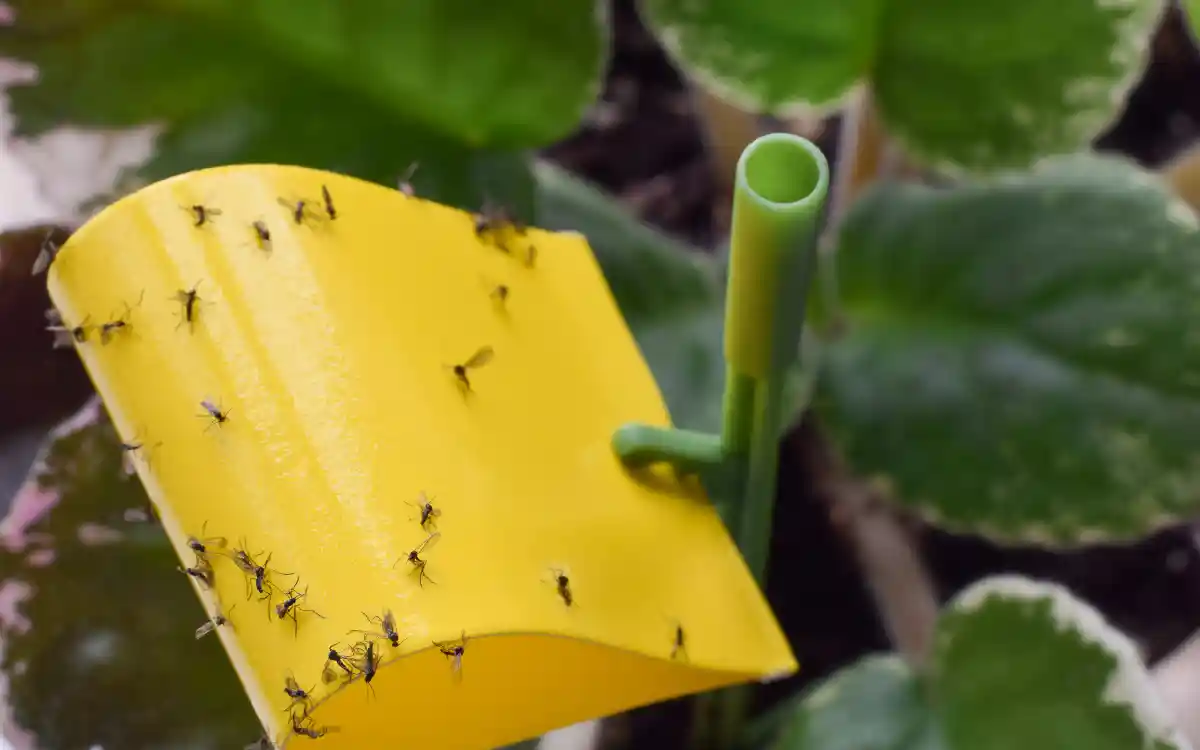
Fungus gnats are small, dark flies that hover near potting soil or windows. The adults are mostly a nuisance. Their larvae live in damp soil and feed on fungi and decaying material.
A large population may bother weak or young roots, but the bigger clue is that the potting mix is staying wet too long.
Let the upper layer of soil dry as much as the plant safely allows. Empty standing water and clear blocked drainage holes. Yellow sticky cards catch adults and help you track the population, but they do not kill larvae in the soil.
For a persistent infestation, use a houseplant product containing Bacillus thuringiensis subspecies israelensis (Bti) that is labeled for fungus gnat larvae. Severe cases may need fresh potting mix and a clean container.
Do not cover the soil with decorative sand or stones, which can make moisture harder to judge.
2. Spider Mites
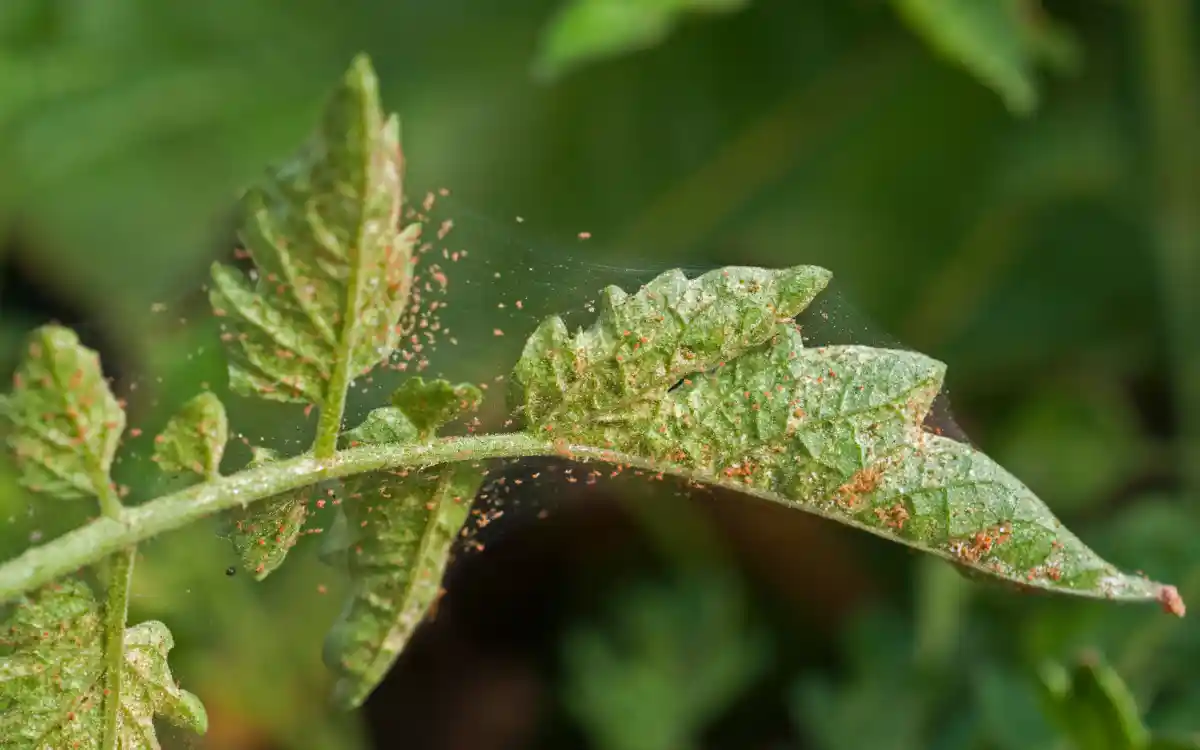
Spider mites are tiny relatives of spiders, not insects. Their feeding leaves pale dots or a dull, mottled look across the foliage. Fine webbing often appears between leaves and stems once the population grows.
Warm, dry conditions help them multiply quickly.
Hold a sheet of white paper beneath a leaf and tap it gently. Tiny moving specks suggest mites. Isolate the plant and rinse both sides of the leaves with water. Remove badly damaged foliage so you have less surface area to treat.
Use an insecticidal soap or horticultural oil labeled for spider mites and the plant species. Coverage matters because these products must touch the mites.
Spray the undersides carefully and repeat according to the label. Keep checking nearby plants because mites can spread before their webbing becomes obvious.
3. Mealybugs
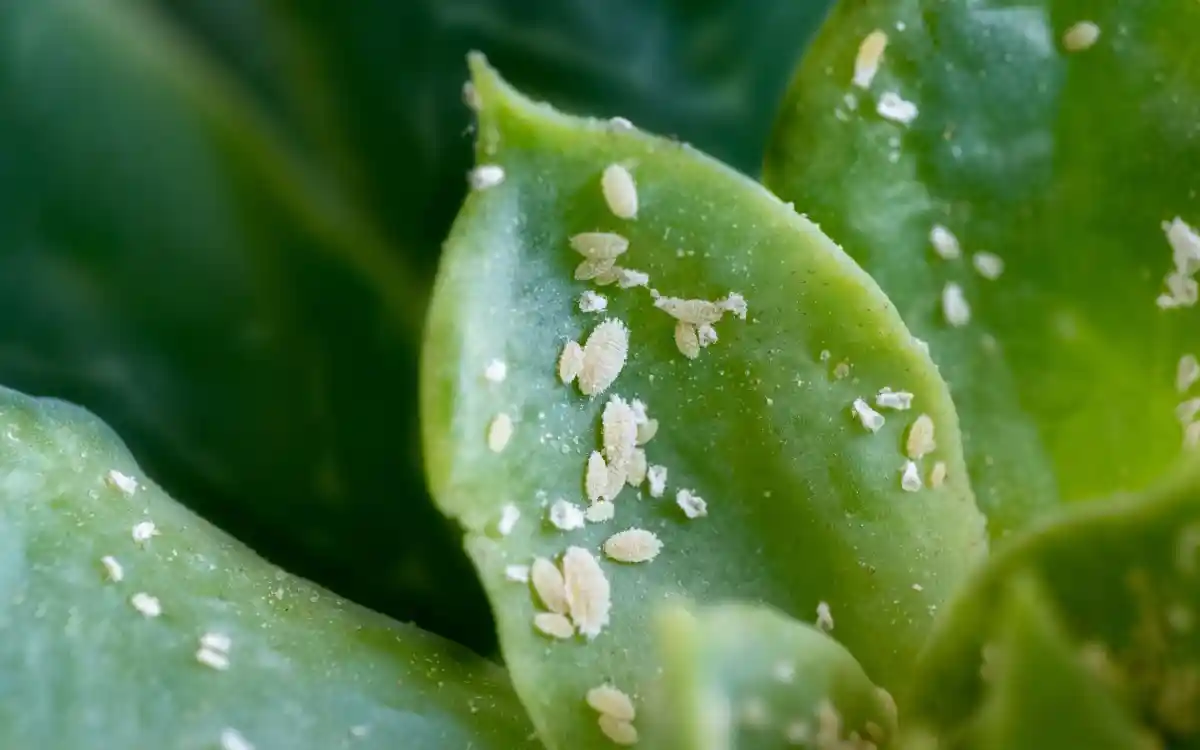
Mealybugs look like small white insects covered with cotton or wax. They hide where leaves meet stems, beneath sheaths, and inside tight new growth.
Sticky honeydew on leaves or furniture may appear before you find the insects. Heavy feeding can cause yellowing, weak growth, and leaf drop.
Small numbers can be lifted away with tweezers or touched with a cotton swab dipped in rubbing alcohol. Alcohol can burn some plants, so test one hidden area first and keep it on the insect instead of soaking the leaf.
Colorado State University Extension advises caution because alcohol sprays may injure foliage.
Rinse the plant, remove badly infested parts, and use a labeled insecticidal soap or horticultural oil when physical removal is not enough. Check leaf joints weekly.
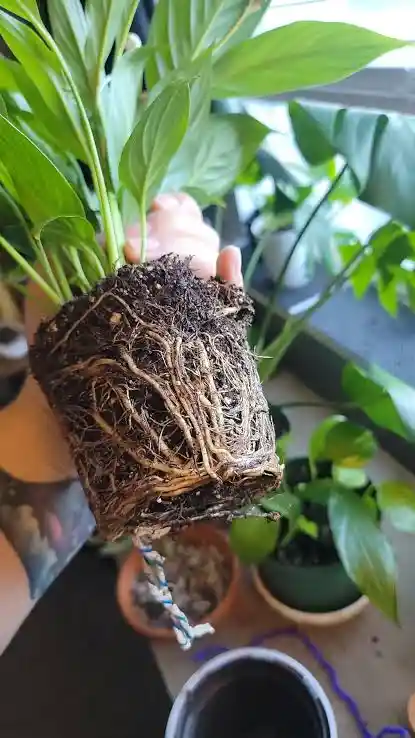
If mealybugs keep returning after the top growth looks clean, inspect the root ball for root-feeding mealybugs.
4. Scale Insects
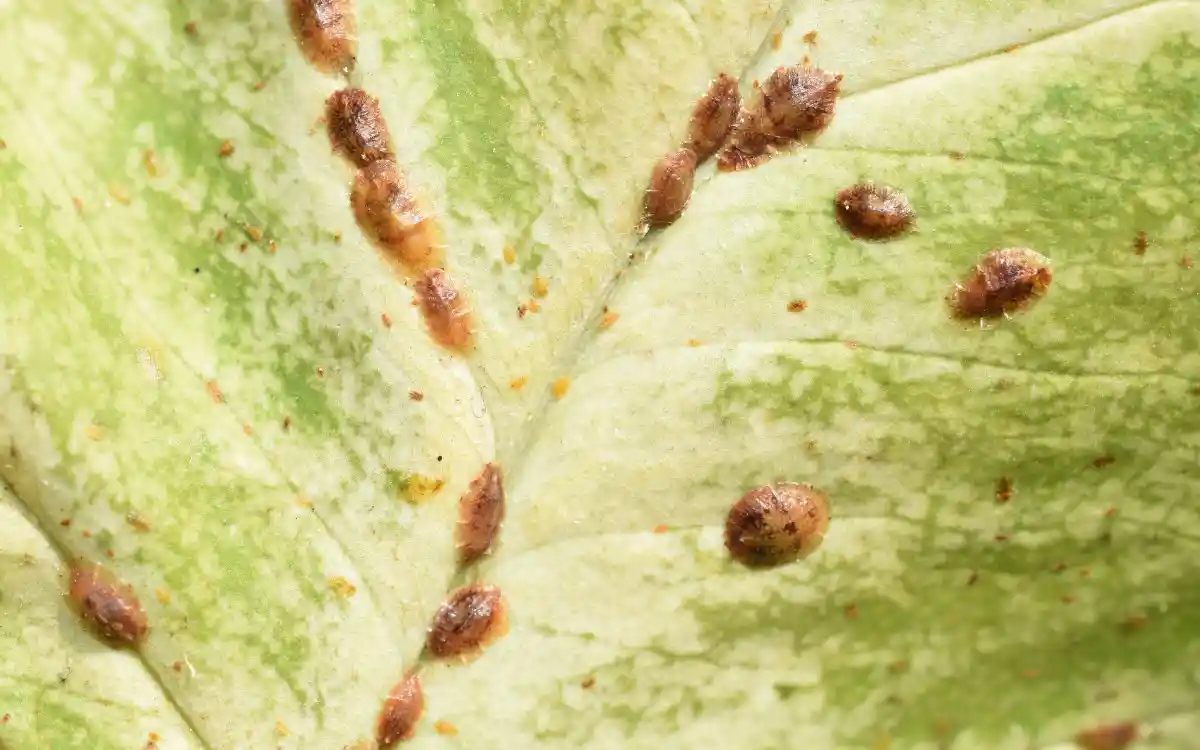
Scale insects resemble fixed bumps more than living pests. They may be brown, gray, tan, or white and often sit along stems and leaf veins.
Soft scales produce sticky honeydew, while armored scales usually do not. Ants indoors may also lead you to honeydew-producing scale.
Test a suspicious bump with a fingernail or dull tool. Scale can often be lifted from the plant, while natural stem tissue will not come away. Scrape off small groups gently and wipe the area clean.
For a larger infestation, apply a horticultural oil or another indoor-plant product labeled for scale. The young mobile stage, called crawlers, is easier to kill than protected adults, so repeat treatment at the label interval.
Prune stems that are heavily covered. A plant with scale must stay isolated until repeated inspections find no new bumps or sticky residue.
5. Aphids
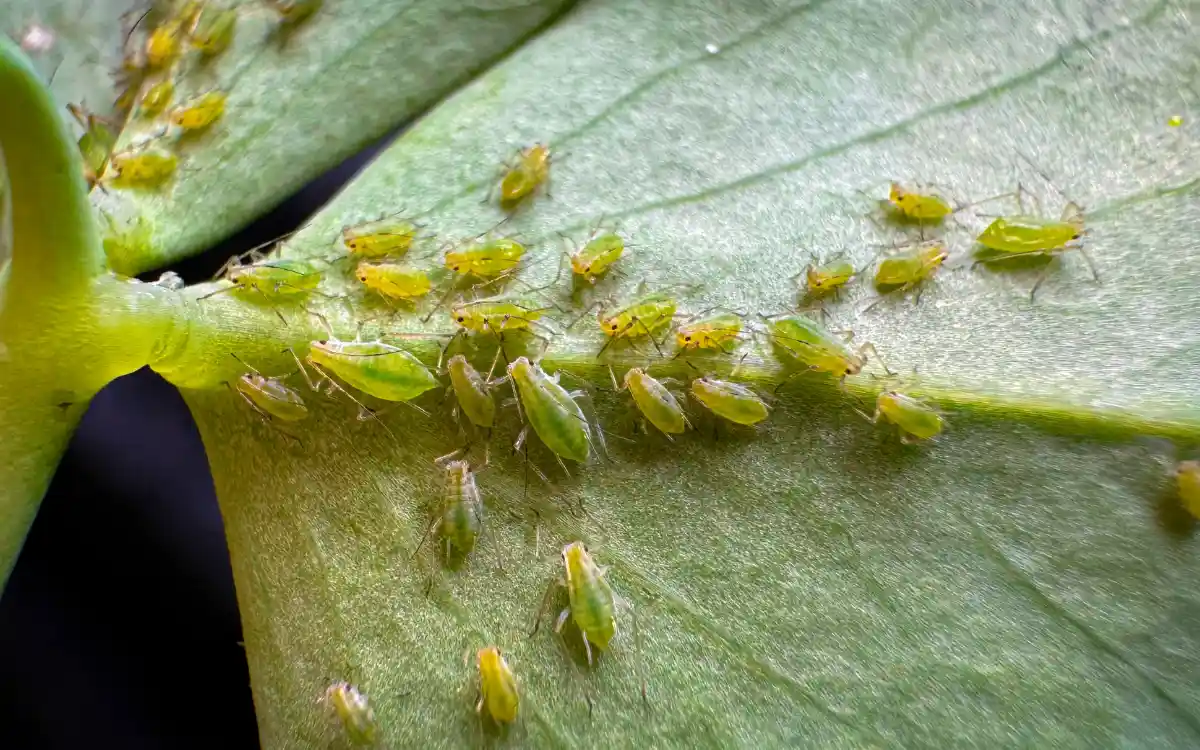
Aphids are soft, pear-shaped insects that gather on tender stems, flower buds, and unfolding leaves. They may be green, black, brown, yellow, or pink.
Curled new growth, sticky honeydew, and pale shed skins are common clues.
Take the plant to a sink and knock the aphids off with a firm stream of water. Wipe any sticky residue from the leaves and surrounding surface. Prune a badly covered flower stalk or growing tip if removing it will not spoil the plant.
If aphids return, use insecticidal soap, horticultural oil, neem, or another product labeled for indoor aphid control. Coat the insects directly, including those hidden beneath leaves.
Continue checking new growth because surviving aphids can rebuild a population quickly.
6. Thrips
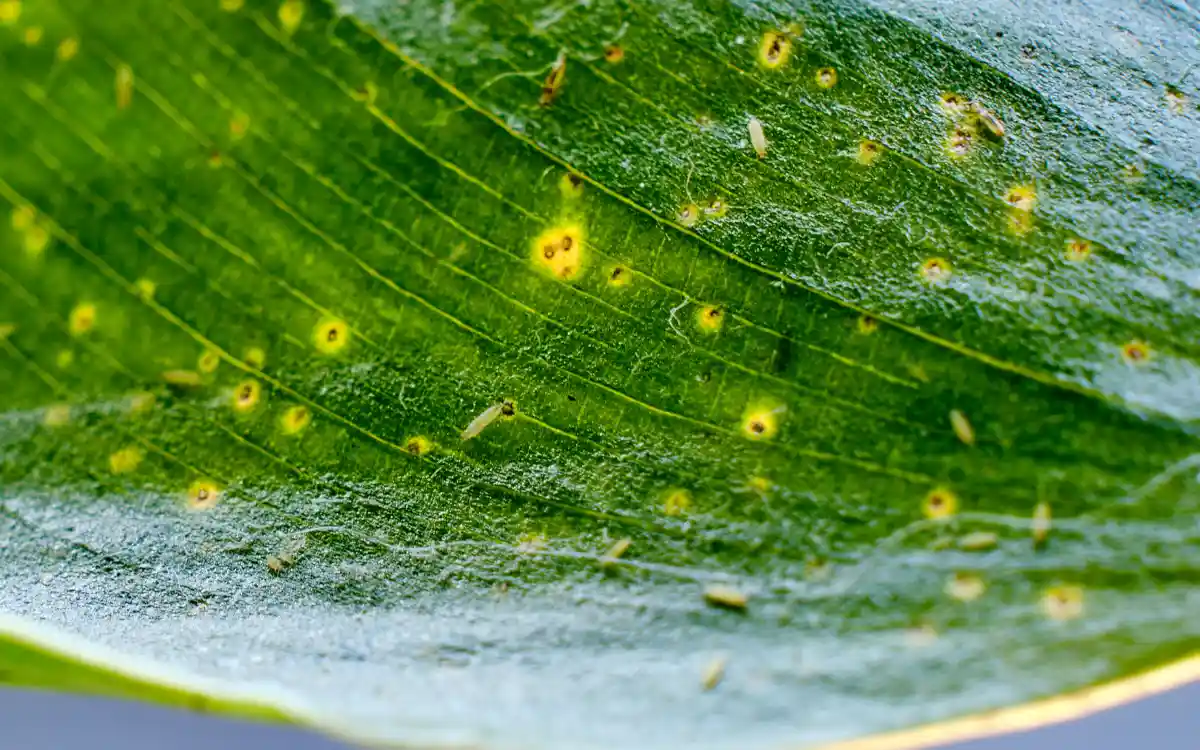
Thrips are narrow, fast-moving insects that scrape plant tissue and drink the released fluid. Their damage looks different from simple yellowing.
Watch for irregular silver streaks, rough patches, distorted flowers, and tiny dark droppings on leaves.
Thrips often hide inside buds or tightly folded new leaves, where sprays do not reach easily. Remove badly damaged flowers and leaves, then rinse the plant.
Blue or yellow sticky cards can catch flying adults and help confirm their presence, but traps will not remove insects living on the plant.
Use a product labeled for thrips and indoor houseplants, such as an appropriate insecticidal soap, horticultural oil, or neem product. Treat the leaf undersides and growing points without flooding the soil.
Repeat only at the label interval, since several life stages may be present at once.
7. Whiteflies
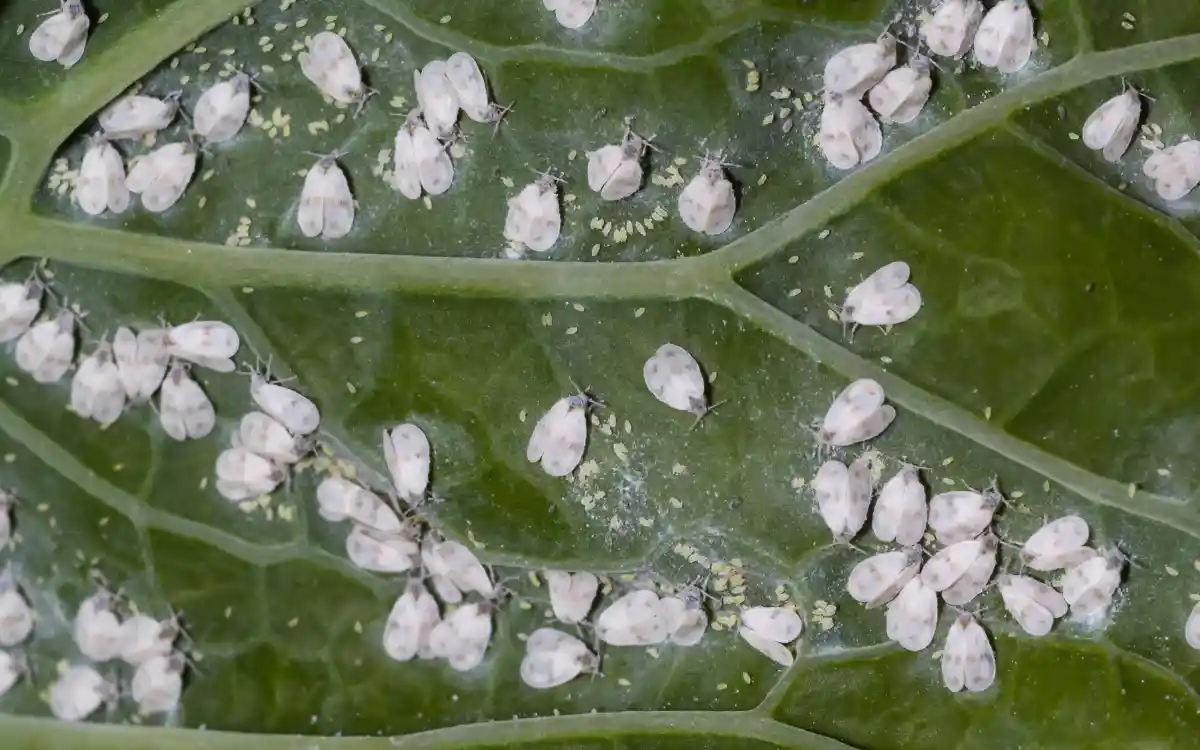
Whiteflies are tiny white insects that gather beneath leaves and flutter upward when the plant is moved. Both adults and young stages feed on plant sap.
Leaves may turn yellow, weaken, or drop, and sticky honeydew can collect below an infestation.
Isolate the plant before carrying it through a room because disturbed adults fly readily. Rinse the leaf undersides and remove leaves that hold large numbers of immature whiteflies.
Yellow sticky cards help catch and monitor adults but do not reach the young insects fixed to the leaves.
Apply a product labeled for whiteflies on indoor plants, coating the underside of each leaf. Insecticidal soap, horticultural oil, neem, or pyrethrin products may be options when the label includes both the plant and pest.
Repeat as directed until new adults stop appearing.
How to Use Houseplant Pest Sprays Safely
Use a commercial insecticidal soap instead of mixing dish detergent with water. Household detergents contain fragrances, degreasers, and other ingredients that may burn leaves.
Even labeled soaps and oils can mark sensitive foliage, so test a small area and wait before treating the entire plant.
Read the label before every application. The product must allow indoor use and list the plant or site being treated. Apply it in a well-ventilated place, keep it away from children and pets as directed, and do not spray a drought-stressed plant.
Never assume that a stronger mixture will work faster.
Contact products work only where the spray reaches. Coat hidden leaf surfaces while avoiding runoff. Repeat applications are often needed, but using them more frequently than the label permits can damage the plant and increase exposure inside the home.
How to Prevent Houseplant Pests
Inspect plants before buying them. Look beneath leaves and around stems, pot rims, and drainage holes. Keep new plants separate for one to two weeks before placing them beside an established collection.
Check for pests whenever you water. This makes it easier to notice webbing, sticky leaves, pale spots, or insects moving on the wet soil. Remove fallen leaves and faded flowers instead of letting them decay on the potting mix.
Use clean containers and fresh indoor potting mix. Garden soil and open bags stored outside may bring unwanted insects indoors.
Avoid keeping soil constantly wet, which encourages fungus gnats. Do not overfeed plants because soft new growth can attract sap-feeding pests.
FAQs
Where Do Houseplant Pests Come From?
They often arrive on a new plant, cutting, flower arrangement, or a plant brought indoors after summer. Flying pests can also enter through windows, while eggs or soil pests may be present in contaminated potting material.
Can Houseplant Pests Spread to Other Plants?
Yes. Adults may fly or crawl, and small pests can travel on hands, sleeves, tools, and watering cans. Isolate an infested plant and inspect everything that stood nearby.
Should I Repot a Plant With Pests?
Not automatically. Repotting adds stress and does little against pests living on leaves.
Replace the mix when pests are living in the soil or roots, or when a fungus gnat problem continues because the old mix remains wet.
Will Neem Oil Kill Every Houseplant Pest?
No. Neem may help with some aphids, thrips, and whiteflies, but it is not a universal cure. Correct coverage and repeat timing still matter, and the product must be labeled for the pest and plant.
Are Springtails Harmful to Houseplants?
Springtails are tiny jumping creatures found in damp soil. They mainly feed on fungi and decaying material and rarely damage houseplants. Letting the soil surface dry usually reduces their numbers.
When Should I Throw Away an Infested Plant?
Discarding a plant can be the sensible choice when it is badly damaged, pests cover most of it, or repeated treatment risks the rest of your collection.
Bag it before moving it through the home so pests do not spread.
Identify First, Then Treat
The same spray will not solve every houseplant pest problem. Fungus gnats need soil moisture control, while mites and sap-feeding insects require careful treatment of leaves and hiding places.
Isolate the plant, identify the pest, and begin with washing or physical removal. If a product is needed, choose one labeled for that exact use and follow its timing.
Weekly inspections after treatment matter as much as the first cleanup because a few hidden eggs can restart the infestation.