21 Low Light Houseplants for Rooms
Not every room gets bright sunshine, and that is completely normal. Some bedrooms feel a little shaded, bathrooms may only have a small window, and entryways can feel plain because they do not get much natural light.
That does not mean you have to skip plants. The right low light houseplants can still bring softness, color, and a fresh feeling to darker rooms. They usually grow slower than plants in bright light, but many are easy to care for and look beautiful with simple styling.
What “Low Light” Really Means
Low light does not mean no light. A plant still needs some natural light from a window or steady artificial light to stay healthy.
A low-light room usually means the plant is away from direct sun, near a shaded window, or placed in a room that gets soft indirect light. These plants are more forgiving than sun-loving plants, but they still need a little brightness during the day.
Here are a few simple things to remember:
- Low light plants usually grow slowly.
- Water less often in darker rooms.
- Avoid windowless corners unless you use a grow light.
- Rotate plants every few weeks so growth stays even.
- Dust the leaves so they can take in more light.
- Use pots with drainage holes to prevent soggy roots.
If you are new to indoor plants, start with ZZ plant, snake plant, pothos, or cast iron plant. They are some of the easiest choices for shaded rooms.
1. ZZ Plant
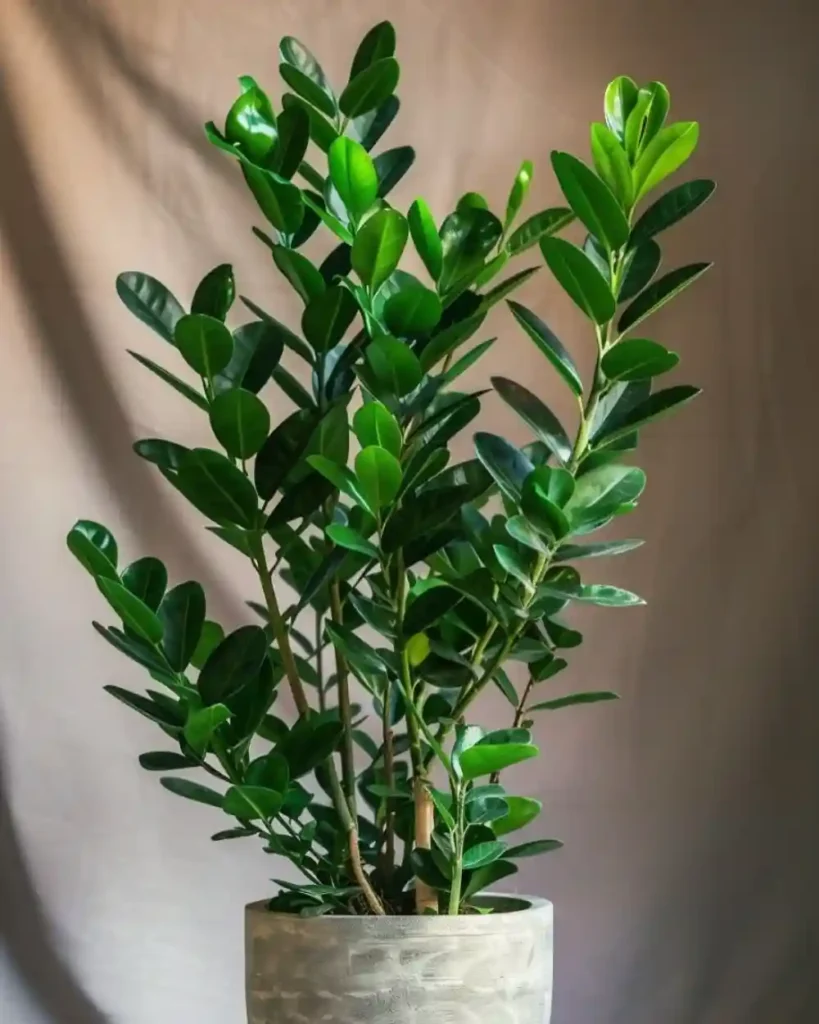
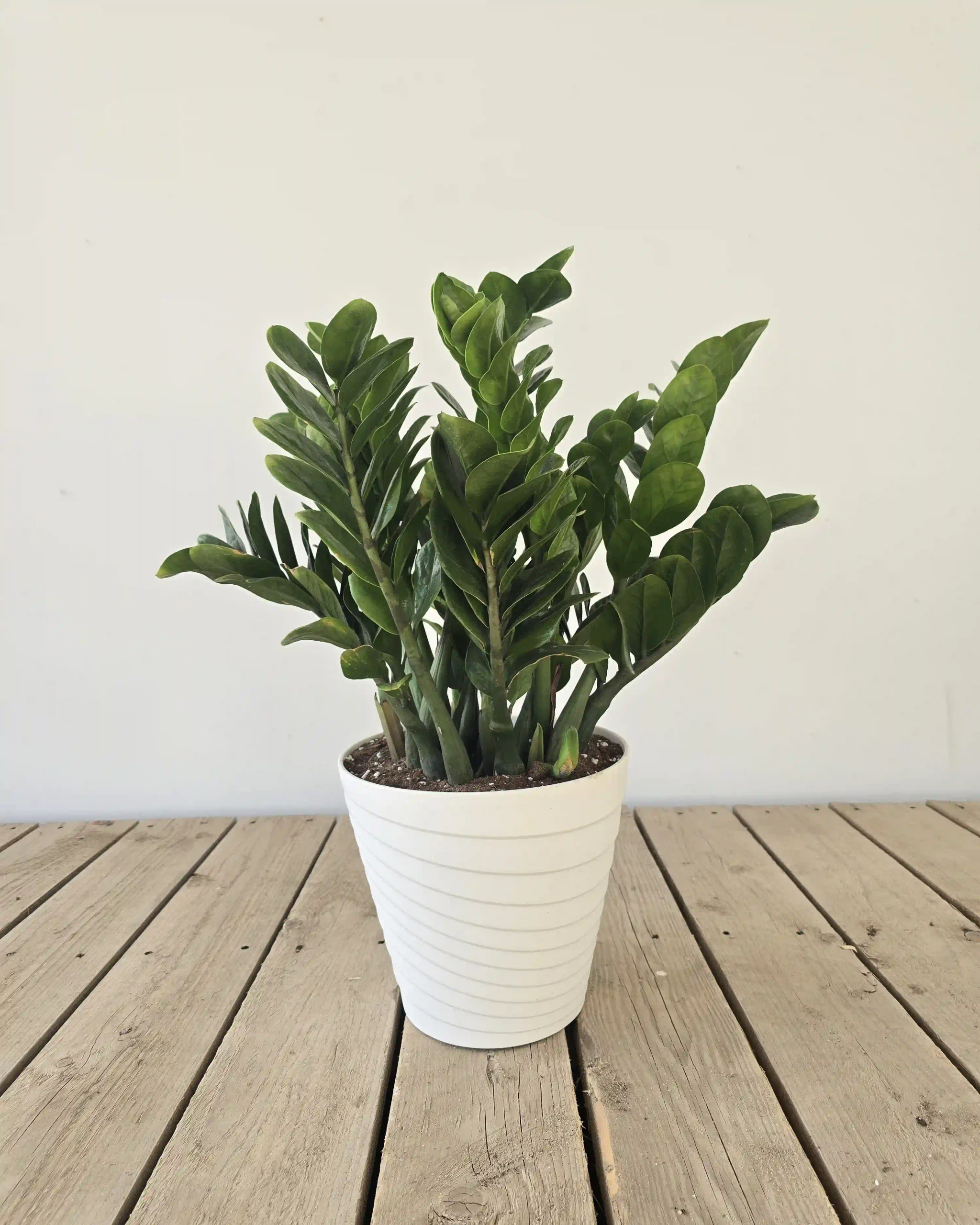
ZZ plant is one of the best low light houseplants for beginners. It has glossy, deep green leaves that look neat and polished, even when you barely fuss over it.
This plant works well in bedrooms, offices, hallways, and entryways where sunlight is limited. It stores water in thick underground stems, so it does not need frequent watering.
Place it in a simple ceramic pot or a woven basket to make a dark corner feel more finished. Let the soil dry out before watering again, because ZZ plants do not like sitting in wet soil.
Best room: hallway, office, bedroom
Light: low to medium indirect light
Water: every 2–3 weeks, or when soil is dry
2. Snake Plant
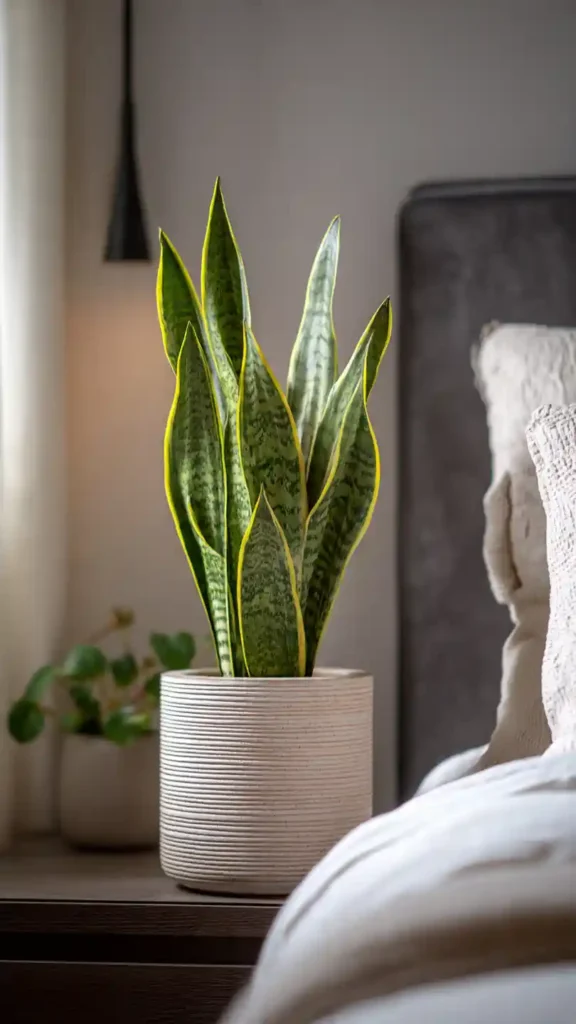
Snake plant is another strong choice for low-light rooms. Its tall, upright leaves add structure, which makes it perfect for empty bedroom corners, entryways, and living rooms.
It can handle low light, but it will grow better with some indirect brightness. The main thing to avoid is overwatering. Snake plants prefer dry soil and can handle missed waterings better than many houseplants.
I like using snake plants as floor plants because they add height without taking up much space. They also work well beside a dresser, console table, or reading chair.
Best room: bedroom, entryway, living room
Light: low to bright indirect light
Water: every 2–4 weeks
3. Pothos
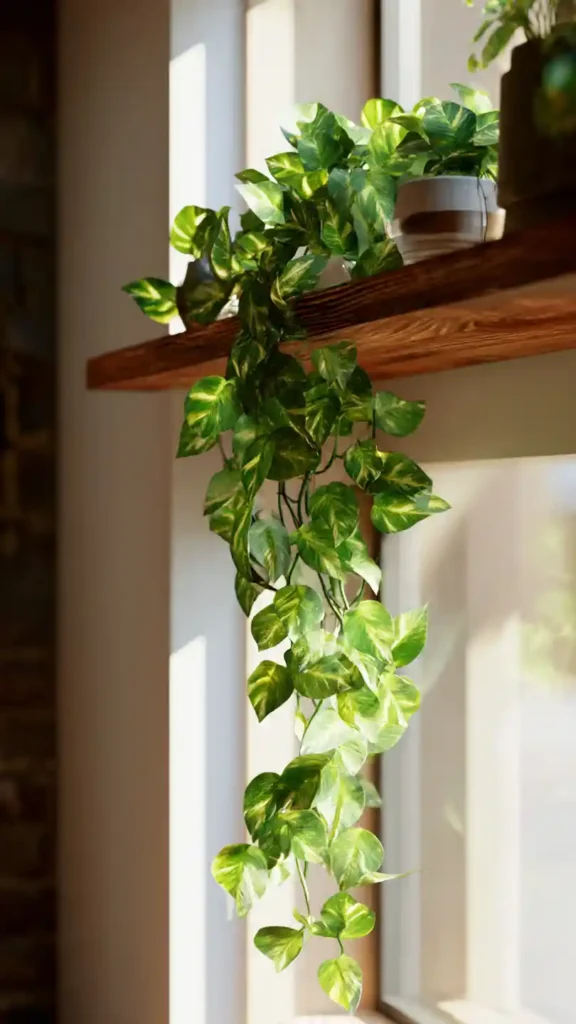
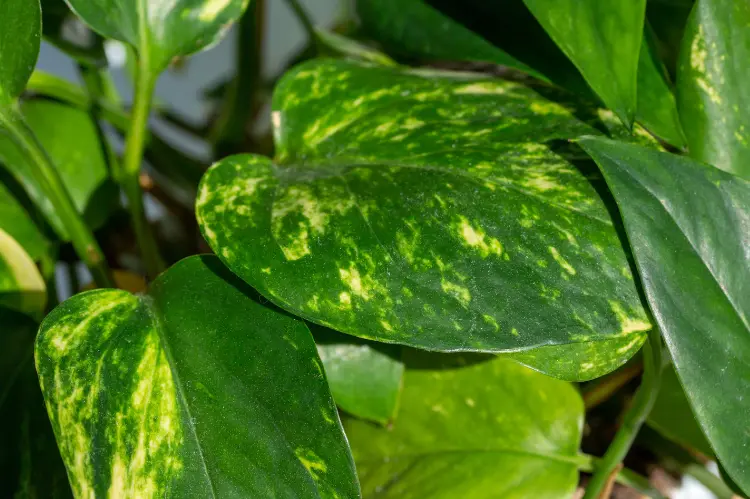
Pothos is a beautiful trailing plant for shelves, cabinets, hanging baskets, and kitchen corners. It can handle lower light better than many vining plants, which makes it easy to use around the home.
The leaves may grow more slowly in low light, and variegated types may lose some color, but the plant can still look full and fresh with basic care.
Water when the top few inches of soil feel dry. Let the vines trail from a shelf for a relaxed look, or trim them back if you prefer a cleaner shape.
For more trailing plant ideas, you can also read: Hanging Plants.
Best room: kitchen, bathroom, living room
Light: low to bright indirect light
Water: when the top soil feels dry
4. Heartleaf Philodendron
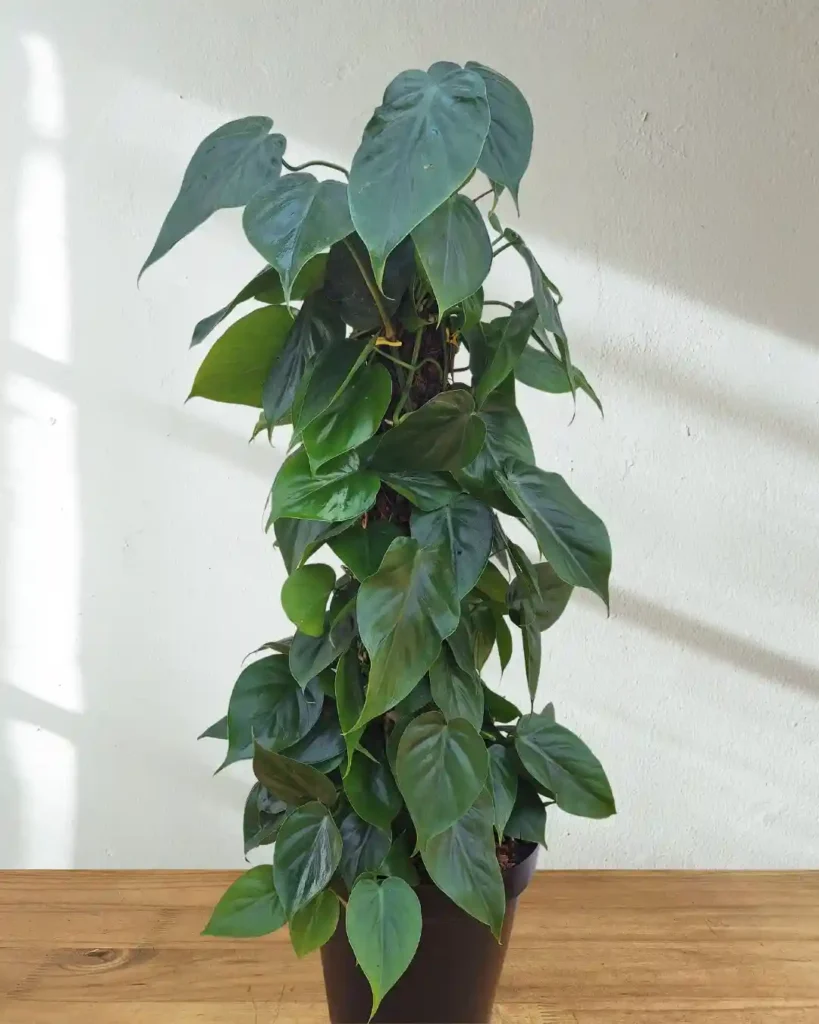
Heartleaf philodendron has soft, heart-shaped leaves that bring a cozy feeling to shaded rooms. It is a lovely choice for bedrooms, offices, bookshelves, and plant stands.
This plant is easy to grow and does not need bright sun. It prefers indirect light and only needs water when the top part of the soil dries out.
Use it where you want gentle trailing greenery without a bold look. It pairs well with wood shelves, white walls, soft bedding, and warm neutral decor.
Best room: bedroom, office, bookshelf
Light: low to medium indirect light
Water: when the top inch or two dries
5. Cast Iron Plant
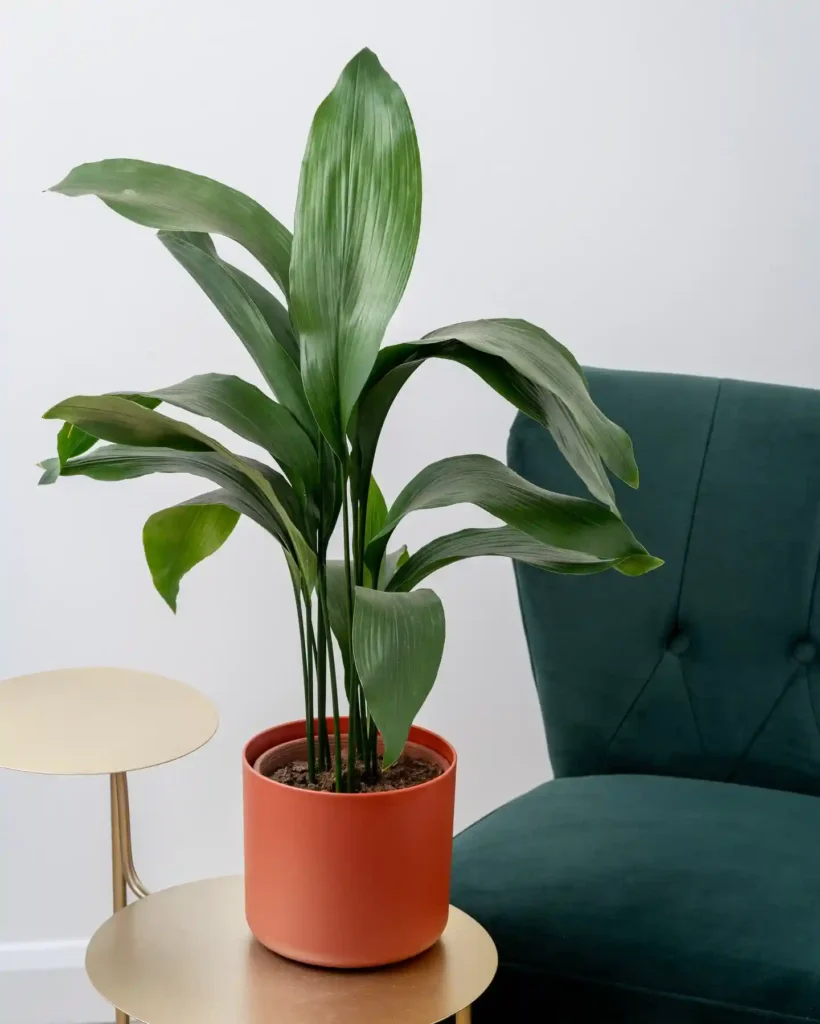
Cast iron plant is a tough, classic houseplant that handles low light better than many others. It grows slowly, but that also means it does not need constant pruning or repotting.
The deep green leaves look simple and calm, which makes this plant easy to style in hallways, shaded living rooms, and entryways. It is a good choice for anyone who wants a plant that does not demand much attention.
Avoid direct sun, which can burn the leaves. Water only when the soil starts to dry out.
Best room: hallway, shaded living room, entryway
Light: low to medium indirect light
Water: when soil dries partly
6. Chinese Evergreen
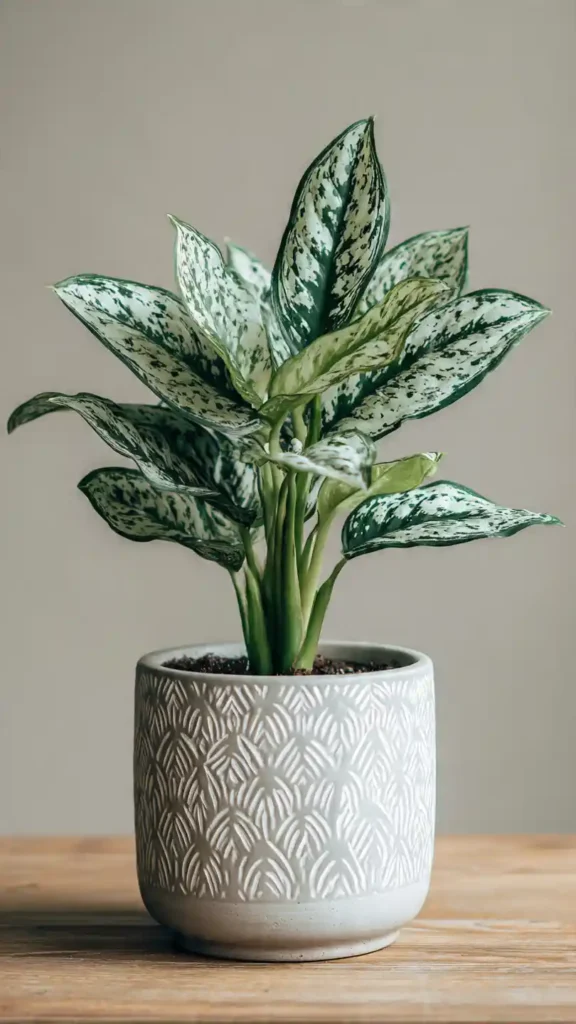
Chinese evergreen is a great plant for rooms that need color but do not get strong sunlight. Its leaves can have green, silver, cream, pink, or red tones, depending on the variety.
It handles low to medium light well and does not need daily care. This makes it a good fit for bedrooms, offices, and living rooms that feel a little plain.
Keep the soil lightly moist, but not wet. Also keep it away from cold drafts, because it prefers a warm, steady room.
Best room: office, bedroom, living room
Light: low to medium indirect light
Water: when the top soil dries
7. Peace Lily
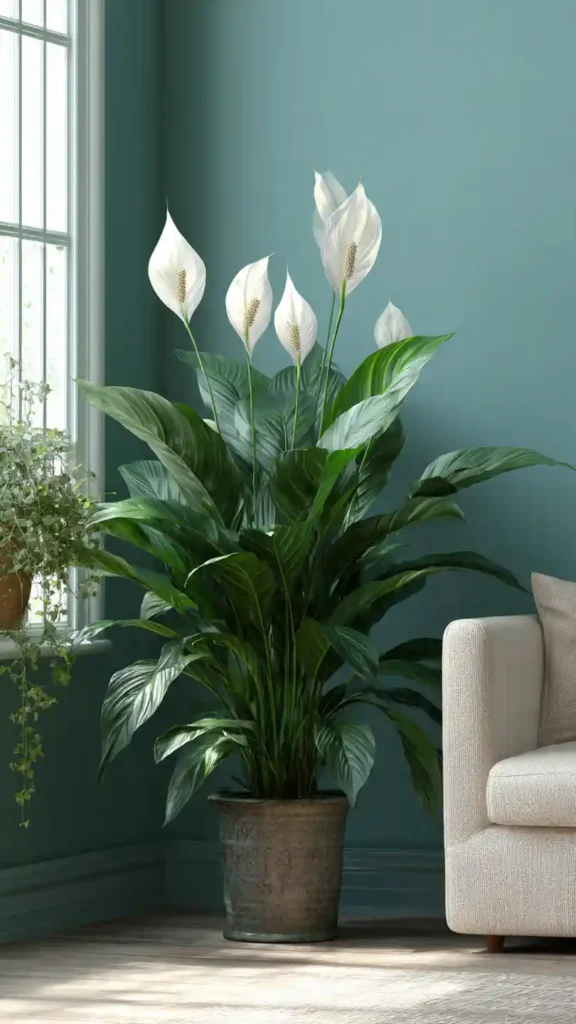
Peace lily is a soft, elegant plant with dark green leaves and white blooms. It can grow in lower light, although it usually flowers better when it gets bright indirect light.
This plant is a nice choice for bedrooms, bathrooms, and quiet living room corners. It likes more consistent moisture than snake plant or ZZ plant, so check the soil regularly.
One helpful thing about peace lily is that it droops when thirsty. After watering, it usually perks back up. Keep this plant away from pets, since it is not pet-safe if chewed.
Best room: bedroom, bathroom, living room
Light: low to bright indirect light
Water: when soil starts to feel dry
8. Parlor Palm
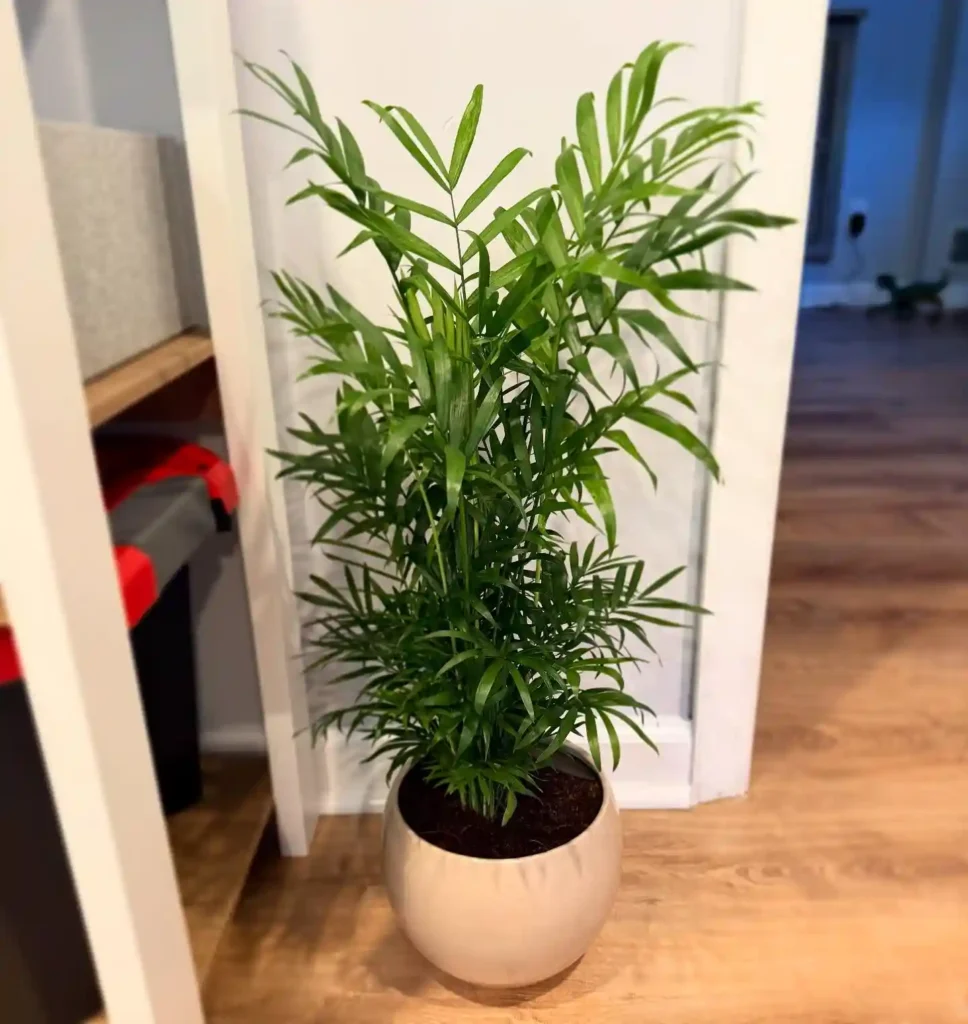
Parlor palm has soft, feathery leaves that make a room feel calm and relaxed. It is one of the easier palms for indoor spaces and does not need direct sun.
This plant works nicely in bedrooms, living rooms, bathrooms, and reading corners. It looks especially good in woven baskets, clay pots, or simple neutral planters.
Keep the soil lightly moist, but do not let it stay soggy. In a darker room, water less often because the soil will dry more slowly.
Best room: bedroom, living room, bathroom
Light: low to medium indirect light
Water: when the top soil dries slightly
9. Dracaena
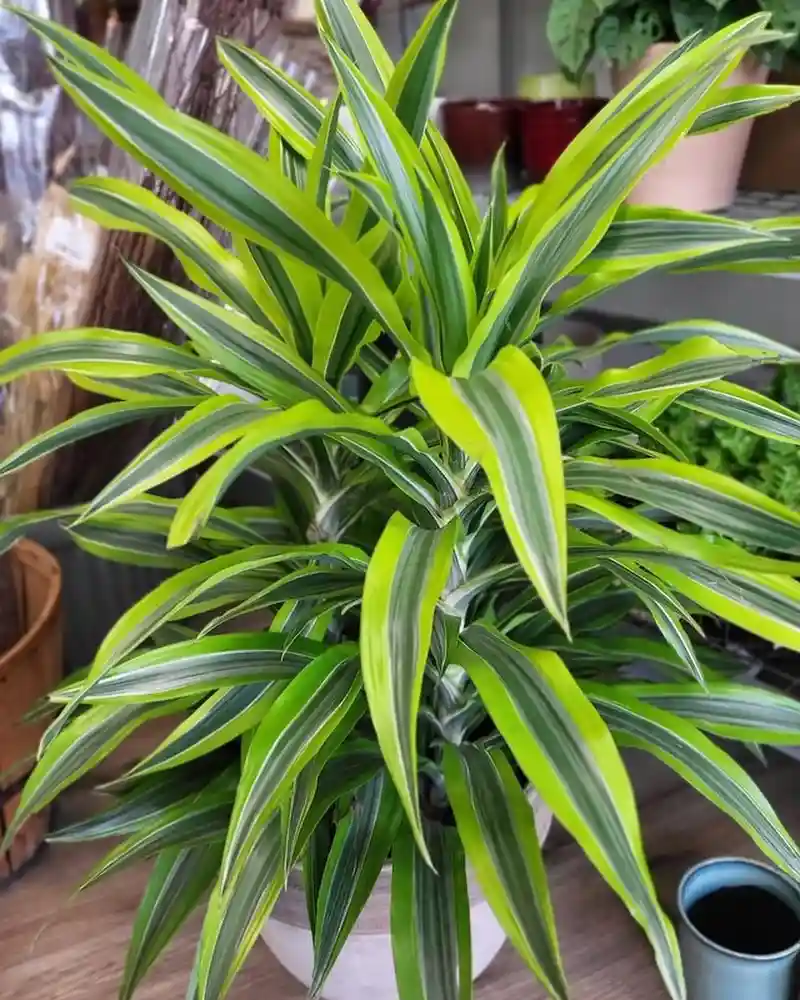
Dracaena is great when you want height in a low-light room without using a large, wide plant. Many types grow upright with long leaves, so they fit nicely in corners and narrow spaces.
It works well in entryways, offices, and living room corners. Some varieties have green, yellow, red, or striped leaves, which adds interest without needing flowers.
Let the soil dry partly before watering. Dracaena can be sensitive to overwatering, so it is better to keep it a little dry than too wet.
Best room: entryway, office, living room corner
Light: low to bright indirect light
Water: when the top few inches dry
10. Spider Plant
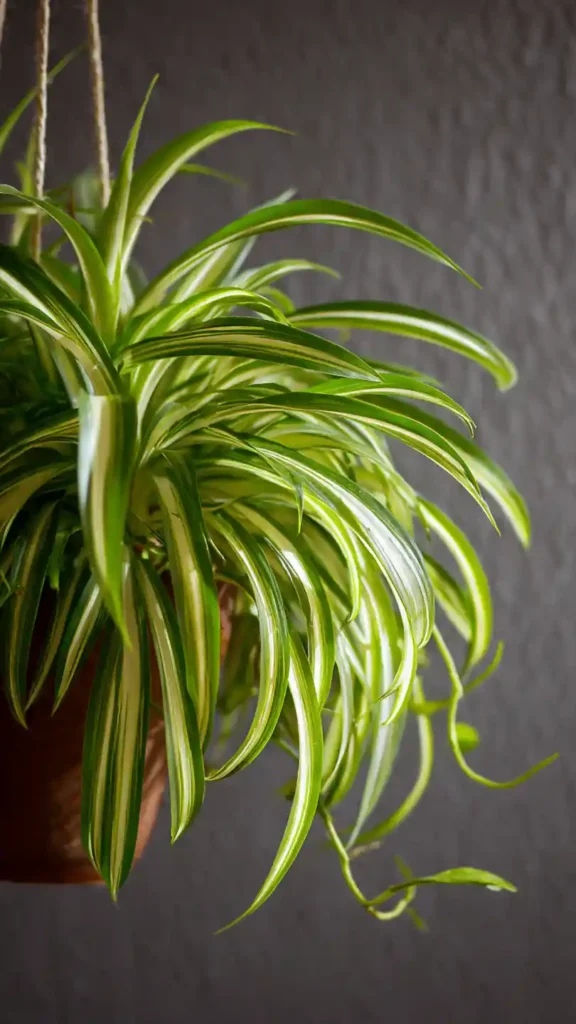
Spider plant is cheerful, easy, and great for hanging planters. Its arching green-and-white leaves add movement to kitchens, bathrooms, shelves, and small corners.
It prefers bright indirect light, but it can handle medium to lower light too. In low light, it may grow more slowly, but it can still stay healthy with the right watering.
Water when the top inch of soil dries. Spider plants are also a better choice for homes with pets compared with many common houseplants.
Best room: bathroom, kitchen, hanging planter
Light: medium to low indirect light
Water: when the top inch dries
11. Prayer Plant
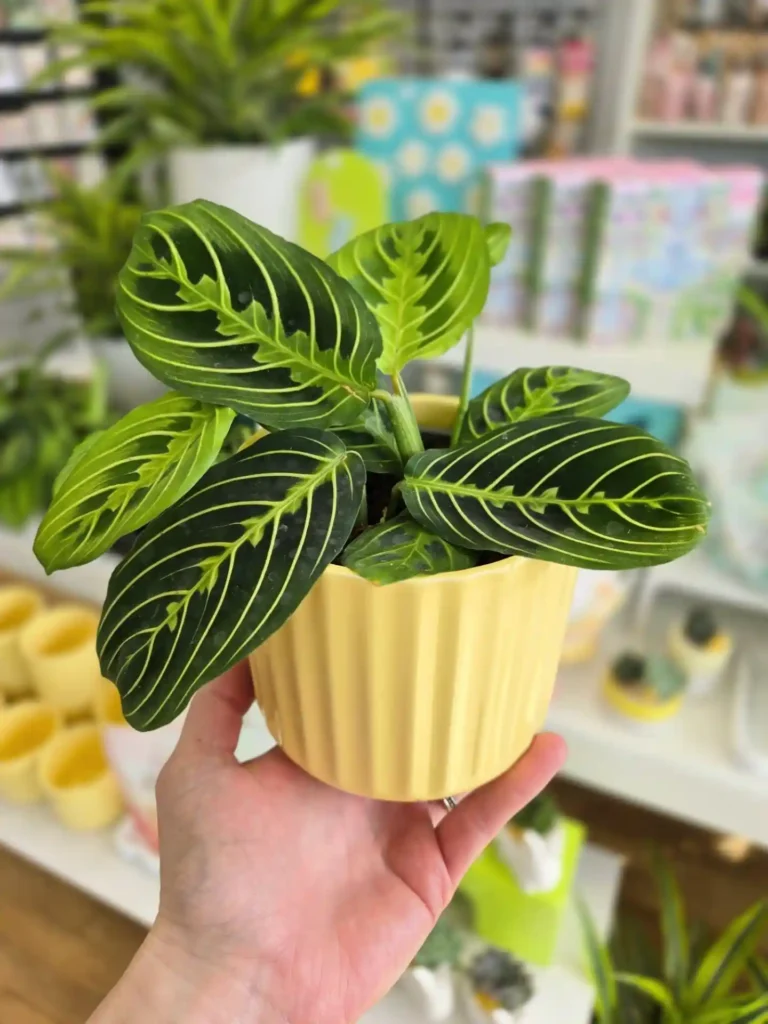
Prayer plant is known for its patterned leaves that fold slightly at night. It adds color and texture to rooms without needing flowers.
This plant can work in low to medium light, especially in bedrooms, bathrooms, and shaded shelves. It does like humidity, so it may do better in a bathroom than in a very dry room.
Keep the soil lightly moist, but not soaked. Avoid direct sun, which can fade or burn the leaves.
Best room: bathroom, bedroom, shaded shelf
Light: low to medium indirect light
Water: when the top soil begins to dry
12. Bird’s Nest Fern
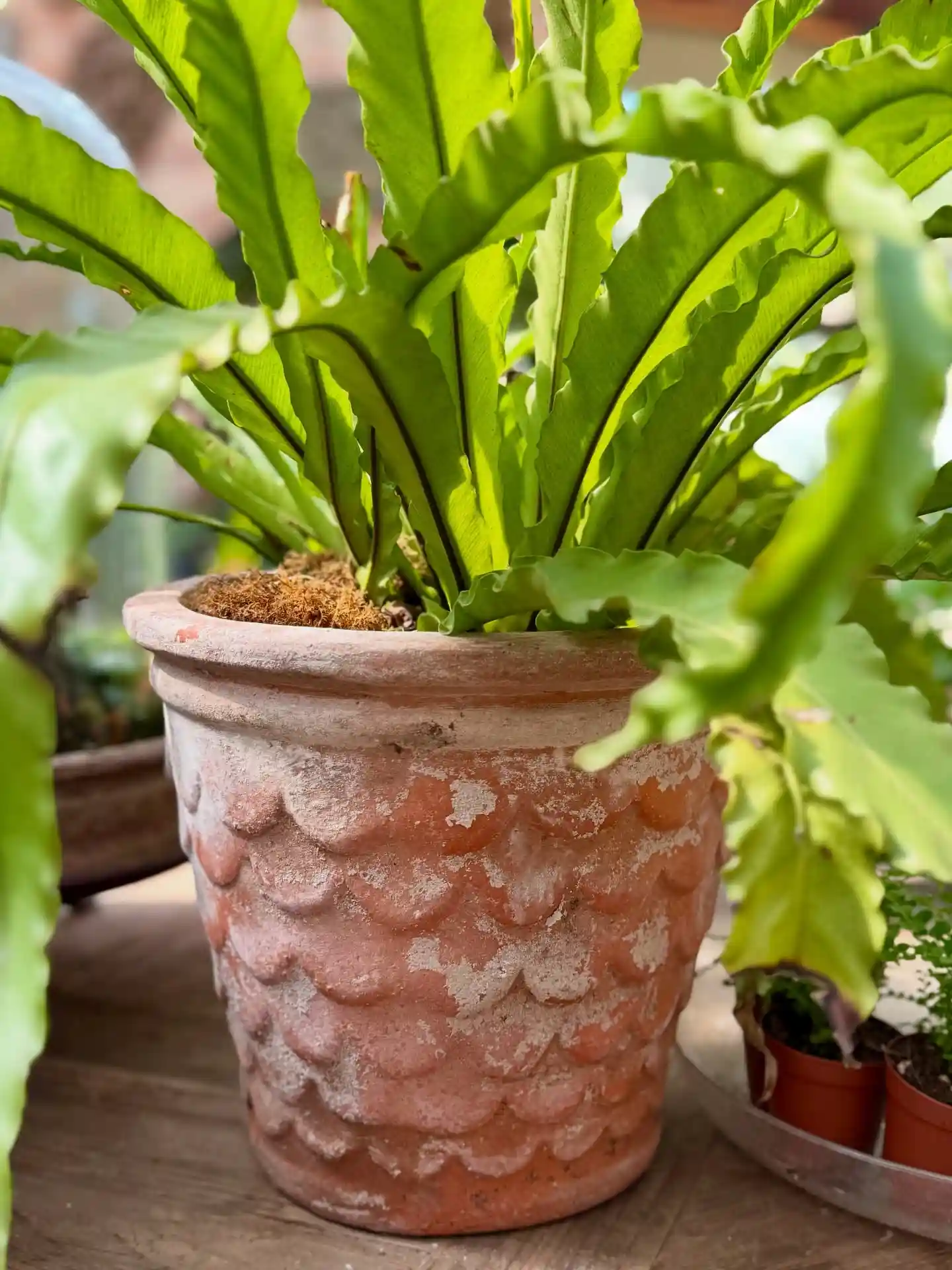
Bird’s nest fern has fresh, wavy leaves that look soft and clean. It is a lovely plant for bathrooms, kitchens, and shaded shelves where the air is not too dry.
It likes indirect light and does not need direct sun. Keep the soil lightly moist, and avoid pouring water into the center of the plant because that can cause problems.
This fern looks beautiful in a simple pot on a counter or open shelf. It adds texture without making the space feel cluttered.
Best room: bathroom, kitchen, soft-light corner
Light: low to medium indirect light
Water: keep lightly moist
13. English Ivy
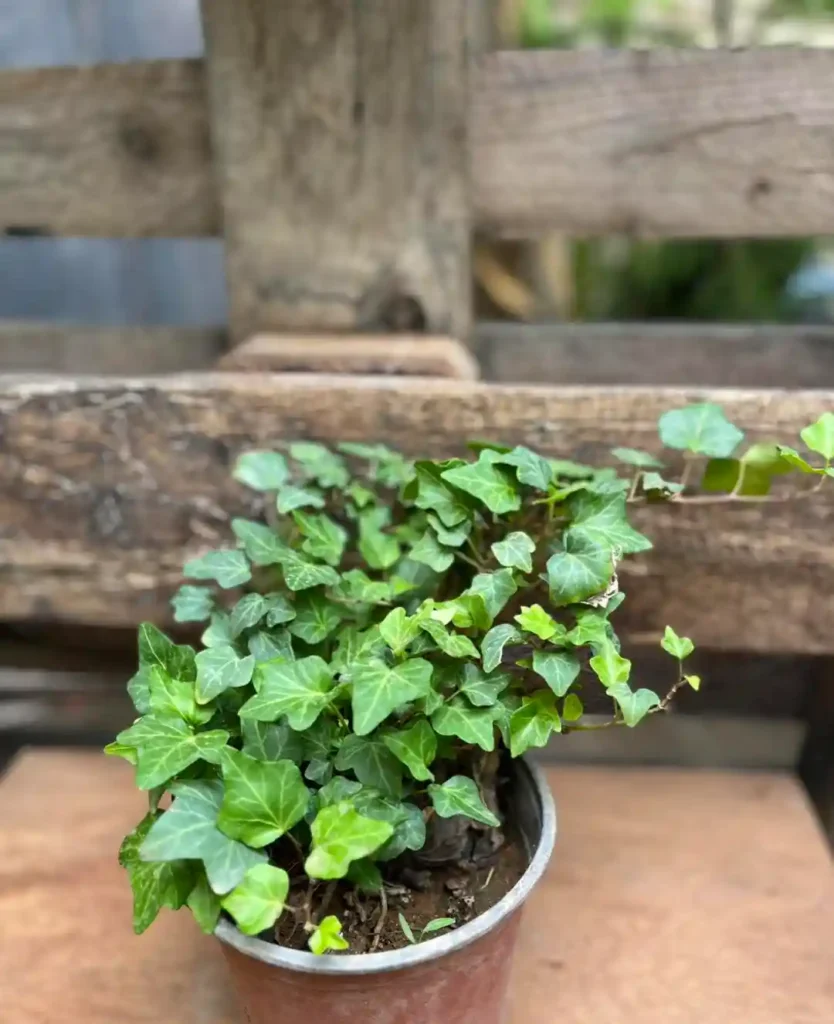
English ivy is a trailing plant that can grow well in cooler rooms with indirect light. It looks pretty in hanging baskets, on high shelves, or near a bathroom window.
It does not like dry air, so it may need a little more care than pothos. Keep the soil lightly moist and give it good airflow.
English ivy can be toxic to pets, so place it safely out of reach. If you love trailing plants but want something easier, pothos may be a better first choice.
Best room: bathroom, shelf, hanging basket
Light: low to medium indirect light
Water: when the top soil starts to dry
14. Lucky Bamboo
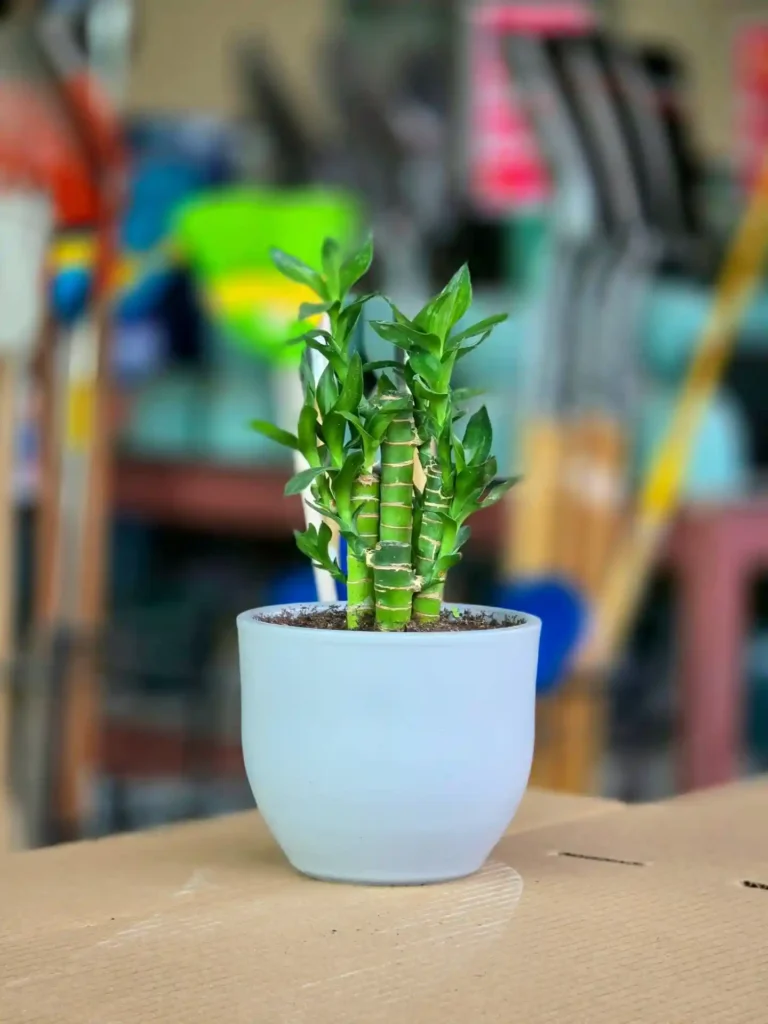
Lucky bamboo is a simple plant for desks, entry tables, bathroom counters, and small shelves. It can grow in water or soil, which makes it easy to style in small spaces.
Place it in bright, indirect light or soft low light. Avoid harsh sun, which can yellow the leaves.
If you grow it in water, keep the roots covered and change the water regularly. A glass vase with stones gives it a clean, minimal look.
Best room: desk, entry table, bathroom counter
Light: low to bright indirect light
Water: change water regularly if grown in water
15. Peperomia
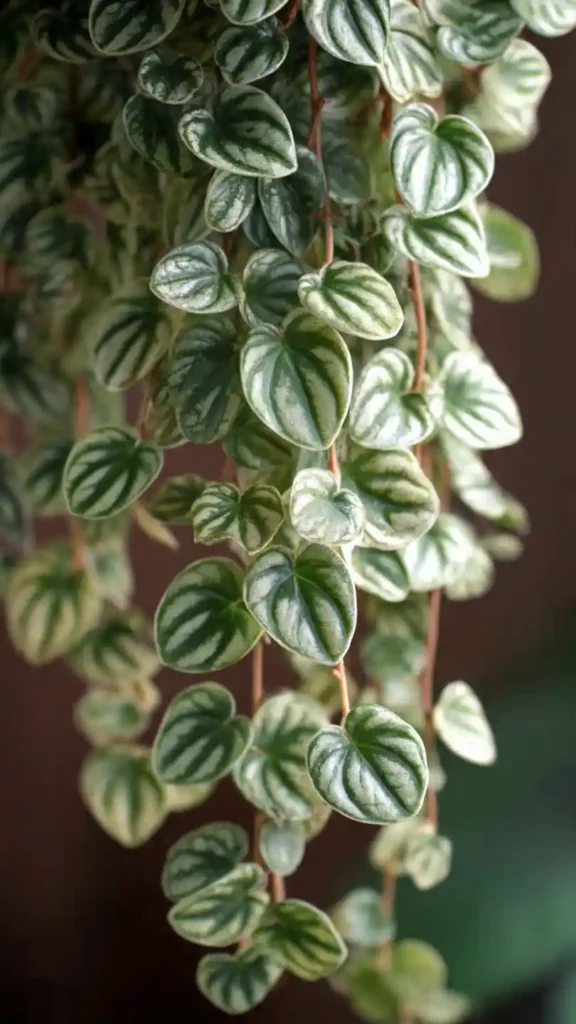
Peperomia is a small, low-care plant that fits beautifully on nightstands, desks, bathroom counters, and small shelves. It is a good choice when you want greenery but do not have much space.
Some types have round leaves, while others have rippled or striped leaves. Most stay compact, so they are easy to manage in apartments and small rooms.
Peperomia prefers medium indirect light, but many types can handle lower light. Let the soil dry partly before watering again.
Best room: nightstand, desk, small shelf
Light: low to medium indirect light
Water: when soil dries partly
16. Dumb Cane
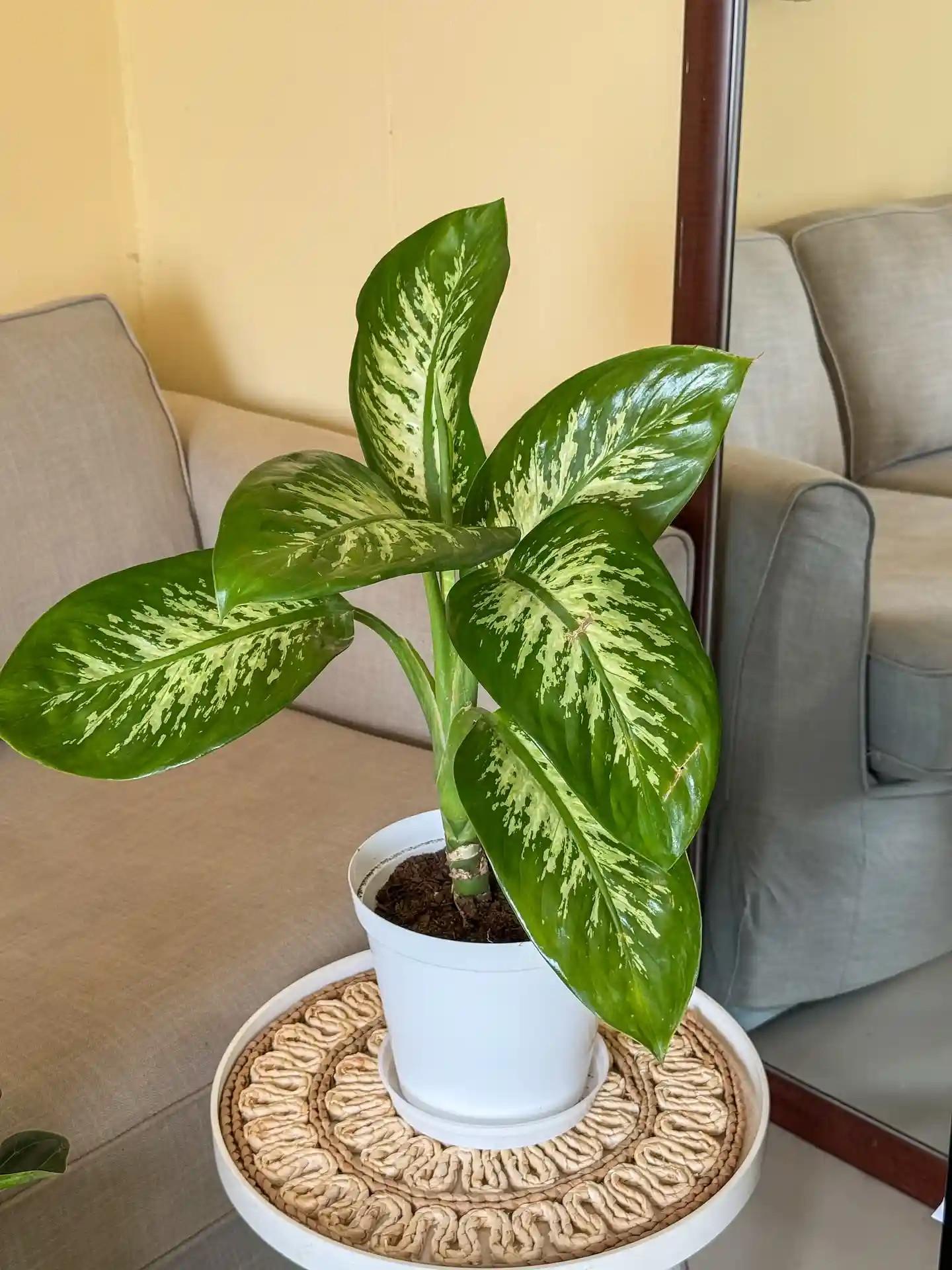
Dumb cane, also called dieffenbachia, has large patterned leaves that can brighten a shaded room. It works well in living rooms, bedrooms, and offices with soft indirect light.
This plant likes the soil to dry slightly between waterings. Avoid letting it sit in water, especially in darker rooms where soil dries slowly.
Keep dumb cane away from pets and small children because the plant can irritate the mouth and skin if chewed or handled roughly.
Best room: living room, office, bedroom corner
Light: low to medium indirect light
Water: when the top soil dries
17. Nerve Plant
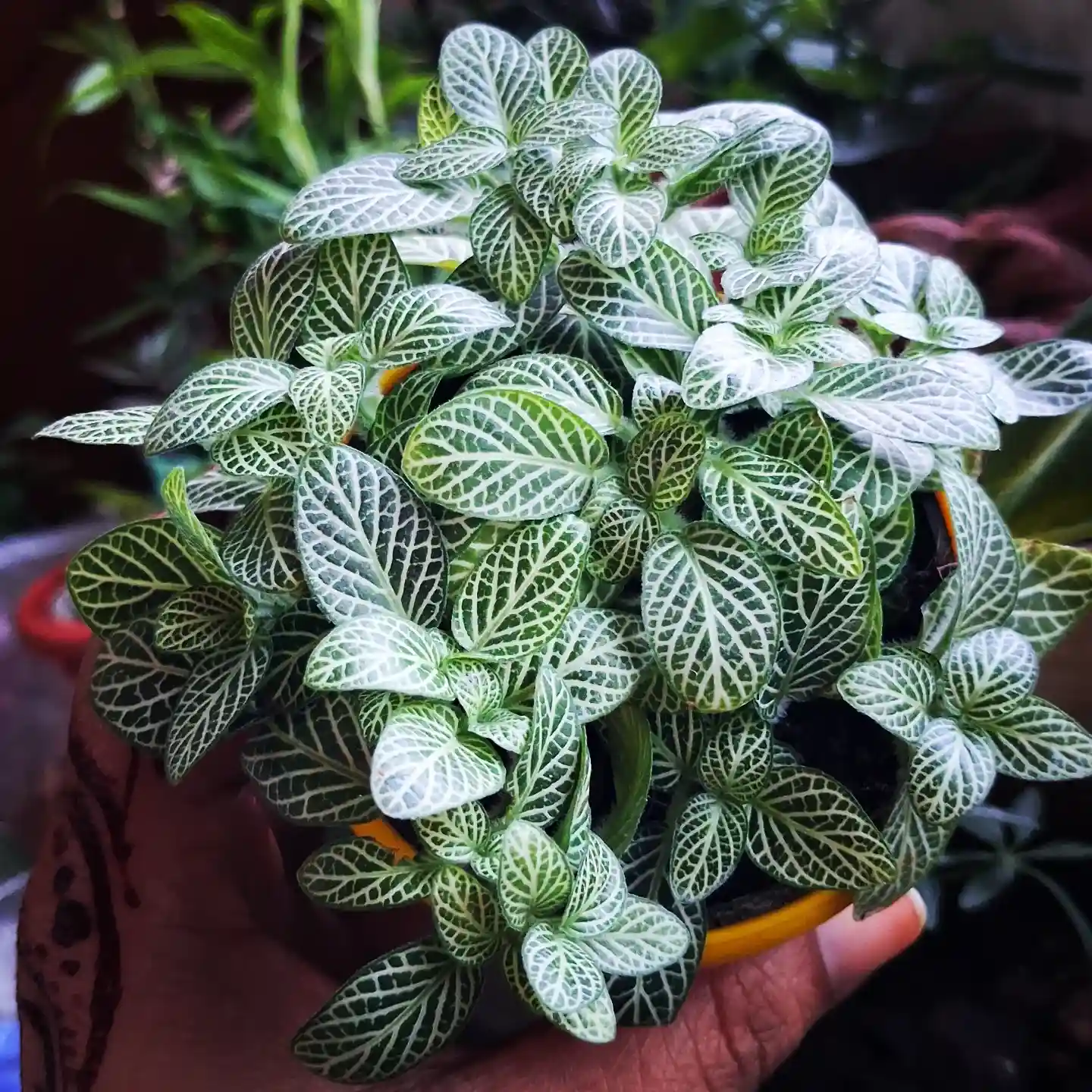
Nerve plant is small, colorful, and perfect for bathrooms, terrariums, and small shelves. Its leaves often have pink, white, or red veining, which gives it a pretty patterned look.
It can handle low to medium light, but it does like humidity and steady moisture. This plant is not as forgiving as ZZ plant or snake plant, but it is manageable in the right spot.
Use nerve plant when you want a small pop of color in a shaded area.
Best room: bathroom, terrarium, small shelf
Light: low to medium indirect light
Water: keep lightly moist
18. Silver Satin Pothos
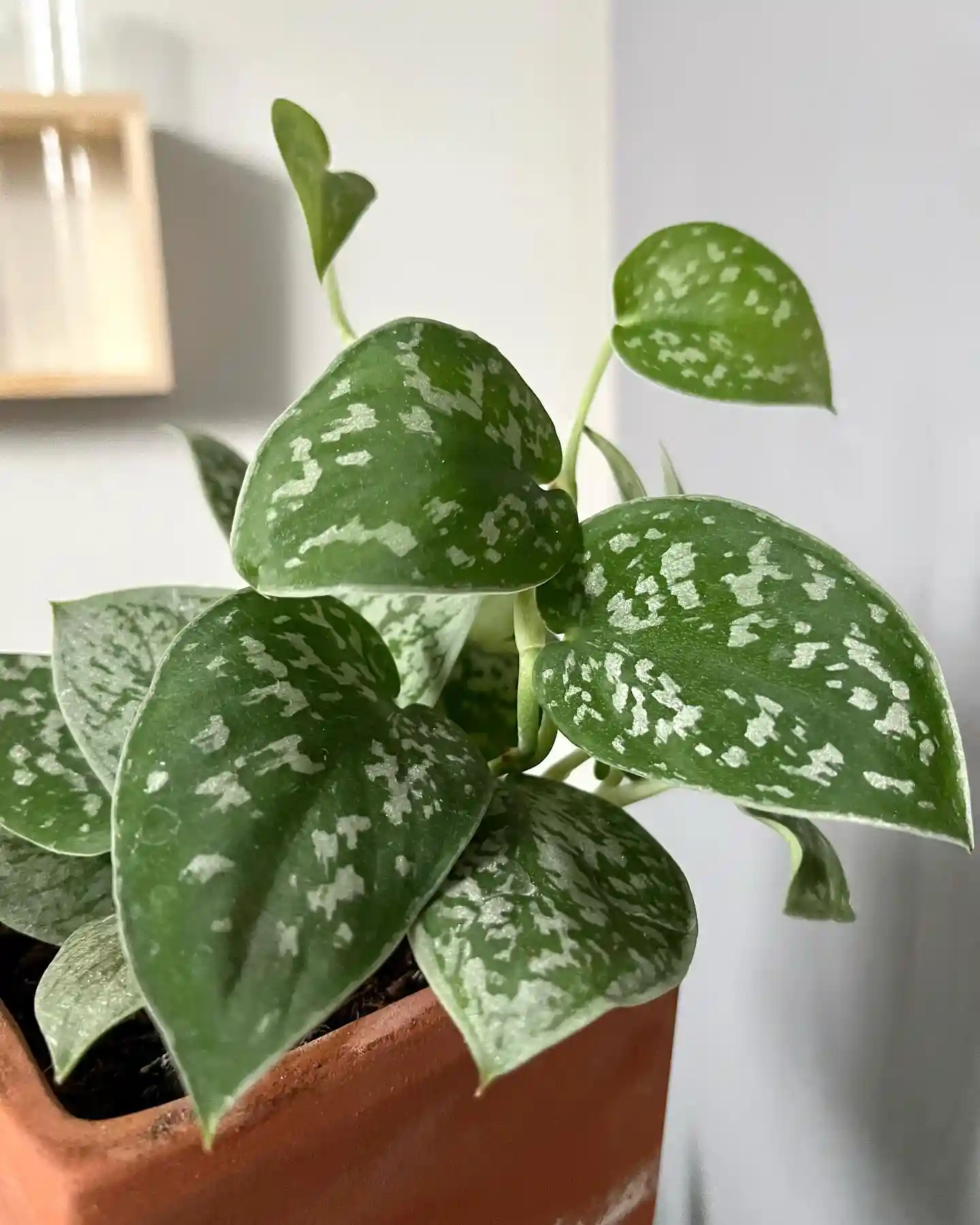
Silver satin pothos has soft green leaves with silvery markings. It looks beautiful with white, beige, wood, and neutral decor, especially on shelves or in hanging pots.
It can handle lower light, though the silver pattern may look stronger with bright indirect light. Let the soil dry partly before watering.
This plant is a good choice if you like trailing greenery but want something a little more special than standard pothos.
Best room: bedroom, shelf, office
Light: low to bright indirect light
Water: when the top few inches dry
19. Rex Begonia
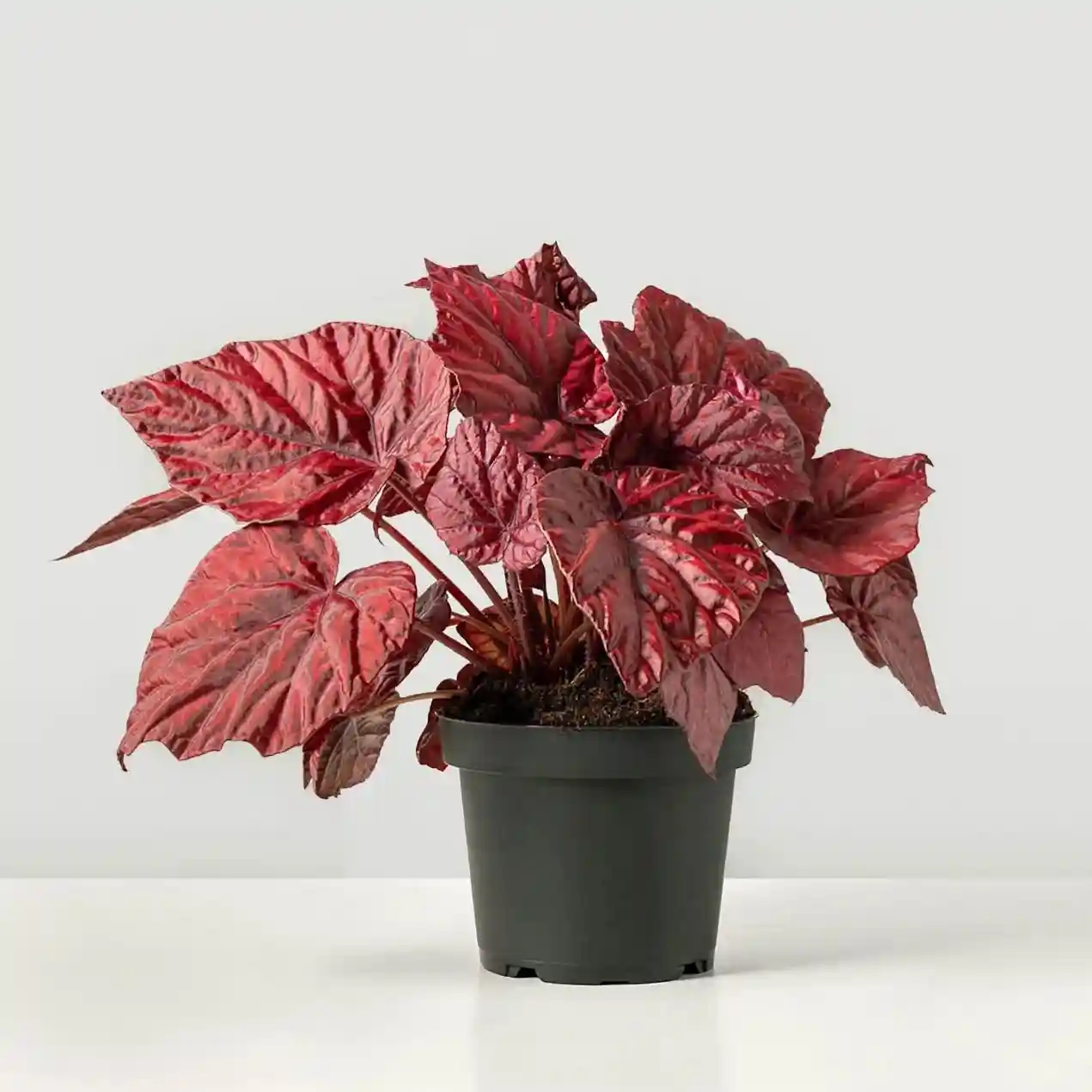
Rex begonia is loved for its colorful leaves. Some varieties have silver, burgundy, green, pink, or purple tones, which makes them feel decorative even without flowers.
It can grow in low to medium indirect light, but it does not like soggy soil. Water carefully and avoid splashing the leaves too much.
This plant is best for someone who already has a little plant experience. It looks beautiful on a bedroom shelf, bathroom counter, or plant stand.
Best room: bedroom, bathroom, plant shelf
Light: low to medium indirect light
Water: when the top soil dries
20. Maidenhair Fern
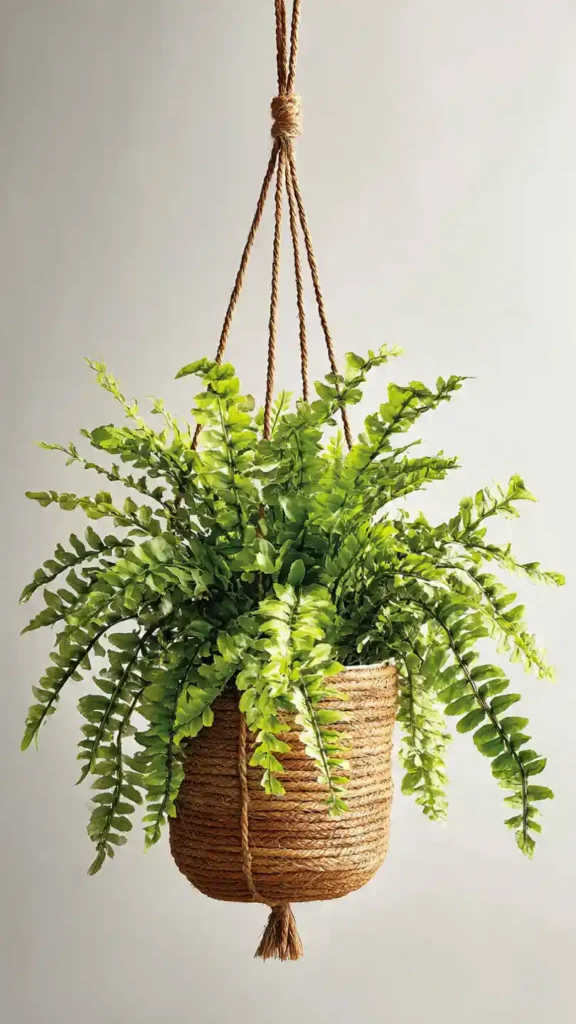
Maidenhair fern has delicate, soft leaves that bring a light, airy feeling to a room. It is beautiful in bathrooms, shaded shelves, and humid corners.
This plant can live in lower light, but it does need steady moisture and humidity. It is not the easiest plant on this list, so it is better for someone who enjoys checking plants often.
Use it where you want a gentle, romantic look. A bathroom with a small window is usually better than a dry bedroom corner.
Best room: bathroom, humid corner, shaded shelf
Light: low to medium indirect light
Water: keep soil evenly moist
21. Philodendron Brasil
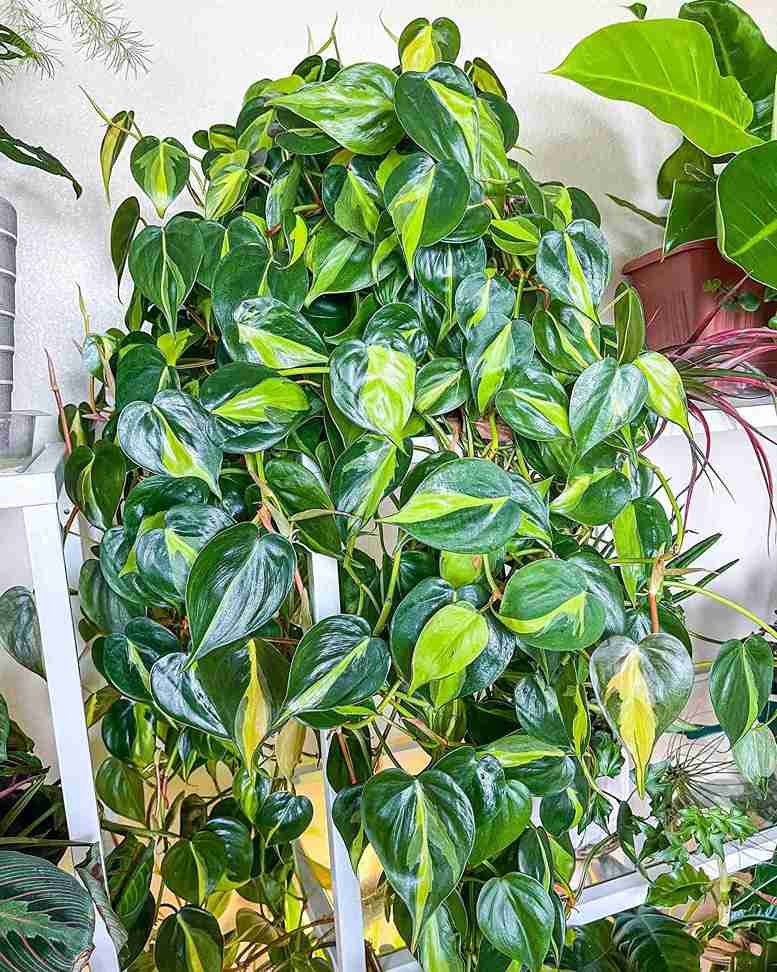
Philodendron Brasil has trailing green leaves with yellow-green streaks. It brings color to shelves, offices, and living rooms without needing bright direct sun.
It can handle low to medium light, but the variegation looks better with bright indirect light. Water when the top part of the soil dries out.
Let it trail from a shelf or train it along a small support. It is easy to style and adds a softer, more relaxed look to plain walls and corners.
Best room: shelf, living room, home office
Light: low to bright indirect light
Water: when the top soil dries
Best Low Light Houseplants by Room
Choosing low light houseplants by room makes the process easier. Think about how much light the room gets, how dry the air feels, and how much space you have.
| Room | Best Low Light Houseplants |
| Bedroom | Snake Plant, ZZ Plant, Peace Lily, Parlor Palm |
| Bathroom | Bird’s Nest Fern, Spider Plant, Prayer Plant, Nerve Plant |
| Living Room | Cast Iron Plant, Dracaena, Chinese Evergreen |
| Entryway | Snake Plant, ZZ Plant, Cast Iron Plant |
| Kitchen | Pothos, Spider Plant, Lucky Bamboo |
| Office | ZZ Plant, Peperomia, Heartleaf Philodendron |
| Shelf or Small Space | Peperomia, Silver Satin Pothos, Lucky Bamboo |
Low Light Plant Care Tips
Low light plants are usually easy, but they need slightly different care than plants in bright rooms.
Water Less Often
Plants use water more slowly in low light. Always check the soil before watering. If the soil still feels damp, wait a few more days.
Dust the Leaves
Dust can block light from reaching the leaves. Wipe larger leaves with a soft damp cloth every few weeks.
Use a Grow Light for Very Dark Rooms
If a room has no window, a low light plant may still struggle. A small grow light can help keep the plant healthier.
Avoid Cold Drafts
Many houseplants dislike sudden temperature changes. Keep them away from cold windows, heaters, and air-conditioning vents.
Do Not Expect Fast Growth
Low light houseplants often grow slowly. That does not mean anything is wrong. Slow growth is normal in shaded rooms.
Common Mistakes to Avoid
Low light plants are forgiving, but a few mistakes can still cause yellow leaves, soft stems, or weak growth.
Thinking Low Light Means No Light
No plant can live in total darkness forever. A low-light room still needs some natural or artificial light.
Overwatering Slow-Growing Plants
This is the biggest mistake. In darker rooms, soil stays wet longer. Too much water can damage the roots.
Choosing Plants That Need Bright Light
Succulents, cacti, and many colorful plants usually need more sun. They may stretch, fade, or weaken in low light.
Using Pots Without Drainage
A pot without drainage can trap water at the bottom. Use a nursery pot inside a decorative planter if needed.
Moving Plants Too Often
Plants need time to adjust. Pick a good spot and give the plant a few weeks before moving it again.
Ignoring Yellow Leaves
One yellow leaf is normal sometimes. Many yellow leaves may mean too much water, poor drainage, or not enough light.
FAQ
What is the best houseplant for a dark room?
ZZ plant is one of the best choices for a darker room because it handles low light and missed watering well. Snake plant and cast iron plant are also strong options.
Can plants grow in a room with no windows?
Most houseplants cannot stay healthy in a windowless room without help. If the room has no natural light, use a grow light for a few hours each day.
What low light houseplants need the least water?
ZZ plant, snake plant, cast iron plant, and dracaena need less water than many other houseplants. Always let the soil dry partly before watering.
Are low light houseplants good for bedrooms?
Yes, low light houseplants can work well in bedrooms. Snake plant, ZZ plant, peace lily, pothos, and parlor palm are good options for calm bedroom styling.
What is the easiest low light plant for beginners?
ZZ plant is probably the easiest low light plant for beginners. It does not need much water, handles shaded rooms well, and looks good with very little care.
How often should I water low light indoor plants?
There is no fixed schedule for every plant. Check the soil first. In low light, many plants need water less often because the soil dries more slowly.