How to Grow Begonias: Care Guide

Begonias bring months of color to shaded beds, porch containers, hanging baskets, and bright indoor spaces. Some varieties are grown for their flowers, while others have patterned leaves that look beautiful even when the plant isn’t blooming.
Learning how to grow begonias mostly comes down to balancing light, moisture, and drainage.
They enjoy bright light but dislike harsh afternoon sun, and they need moist soil without sitting in water.
This guide covers choosing a variety, planting, watering, feeding, winter care, propagation, and common problems.
Key Begonia Growing Facts
| Feature | Growing Requirement |
| Botanical name | Begonia species and hybrids |
| Plant type | Annual, tender perennial, or houseplant |
| Mature size | 6 inches to 3 feet, depending on variety |
| Light | Partial shade or bright indirect light |
| Soil | Loose, fertile, well-draining soil |
| Soil pH | Slightly acidic, around 5.5–6.5 |
| Water | Keep lightly moist; never waterlogged |
| Blooming season | Late spring through fall |
| Hardiness | Often USDA zones 9–11, depending on type |
| Fertilizer | Balanced or bloom-supporting diluted fertilizer |
| Toxicity | Toxic to dogs and cats if eaten |
Main Types of Begonias You Shoud know
Begonias are a large plant group, so care can differ slightly between varieties. Choosing a plant suited to your growing space makes the rest of the job much easier.
Wax Begonias
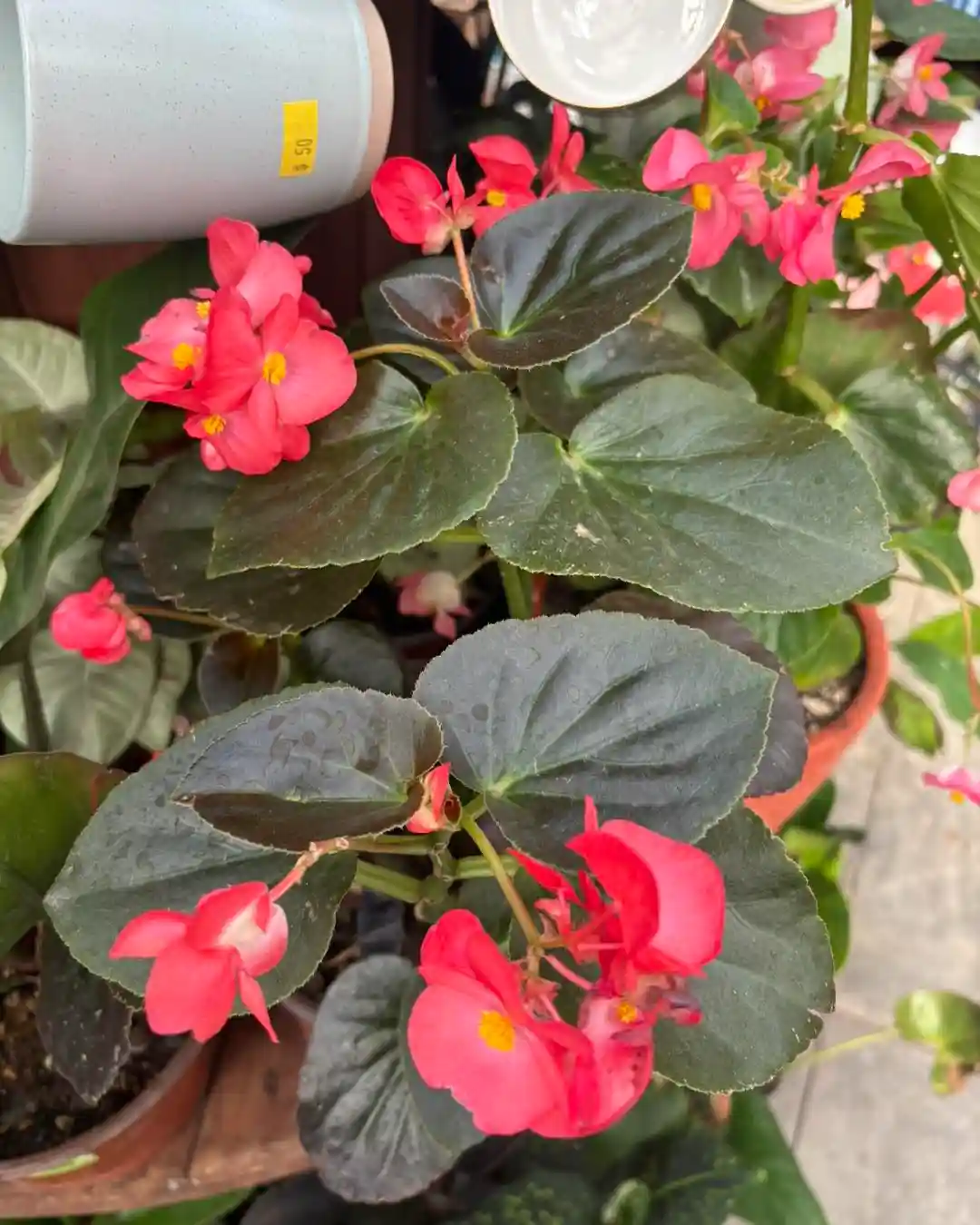
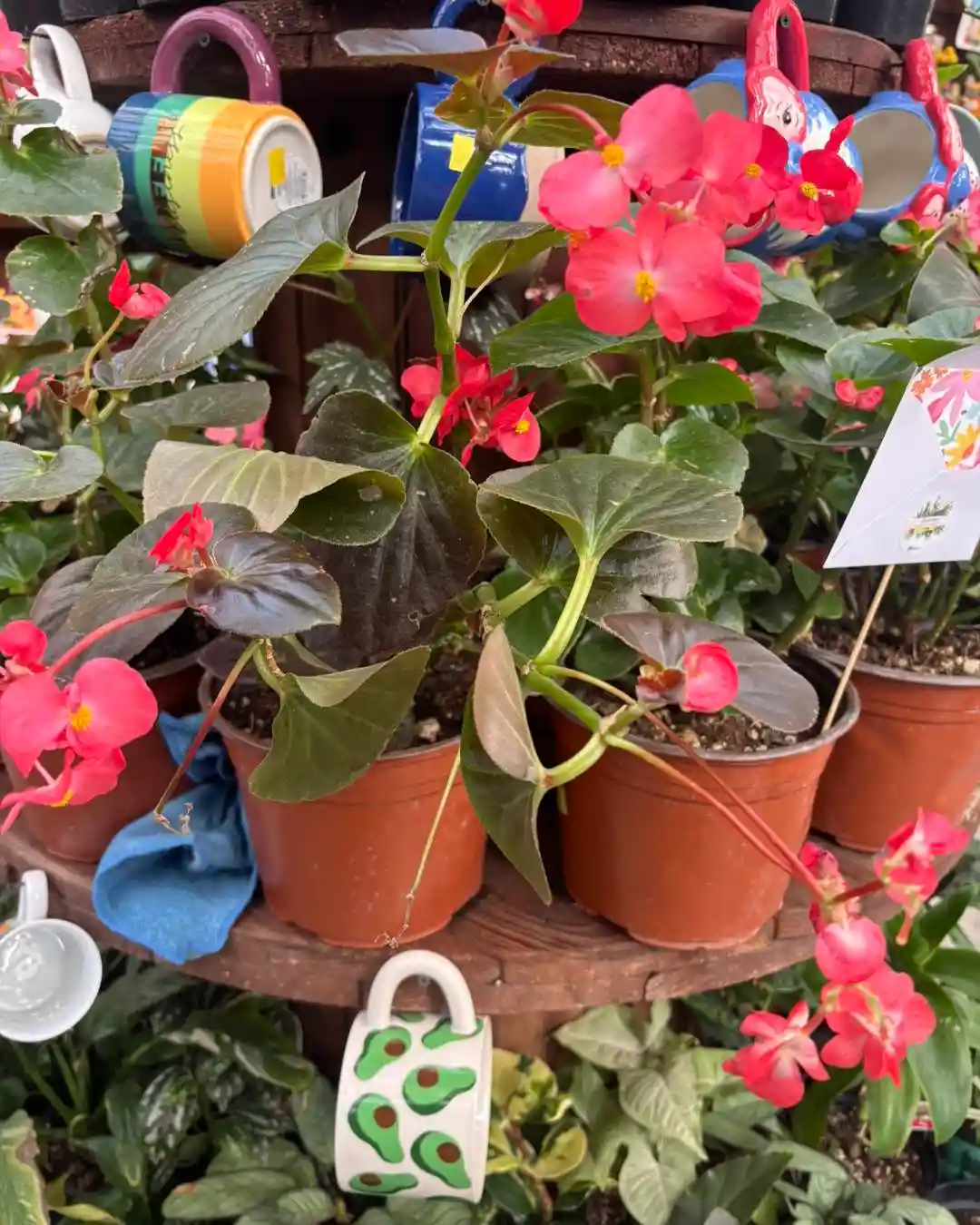
Wax begonias are compact plants with rounded, glossy leaves and clusters of small flowers. They’re commonly planted along borders, in window boxes, and in mixed containers.
These begonias handle more sun than many other types, especially in cooler climates. In warm regions, morning sun followed by afternoon shade keeps their foliage from scorching.
Tuberous Begonias
Tuberous begonias produce large, full flowers in vivid shades of red, orange, yellow, pink, and white. Their trailing forms work especially well in hanging baskets.
They prefer cool conditions, filtered light, and good air movement. The plants grow from flattened tubers that can be lifted and stored during winter in areas with freezing temperatures.
Rex Begonias
Rex begonias are grown mainly for their dramatic foliage. Leaves may be silver, burgundy, green, pink, or purple, often with spirals, spots, or metallic markings.
These plants are usually kept indoors because they enjoy stable temperatures and bright indirect light. Their leaves can develop brown edges when the air is very dry.
Cane Begonias
Cane begonias have tall, bamboo-like stems and attractive leaves, sometimes marked with silver dots. Angel wing begonias belong to this group.
They can grow several feet tall indoors and may need support as they mature. Pinching the stem tips helps create a fuller plant instead of one with a few long, bare canes.
Rhizomatous Begonias
Rhizomatous begonias grow from thick stems that spread along or just beneath the soil surface. Many are valued for textured, colorful foliage.
Their shallow roots make wide, low containers a better choice than deep pots. Avoid burying the rhizome deeply because this can lead to rot.
Choosing the Right Begonia
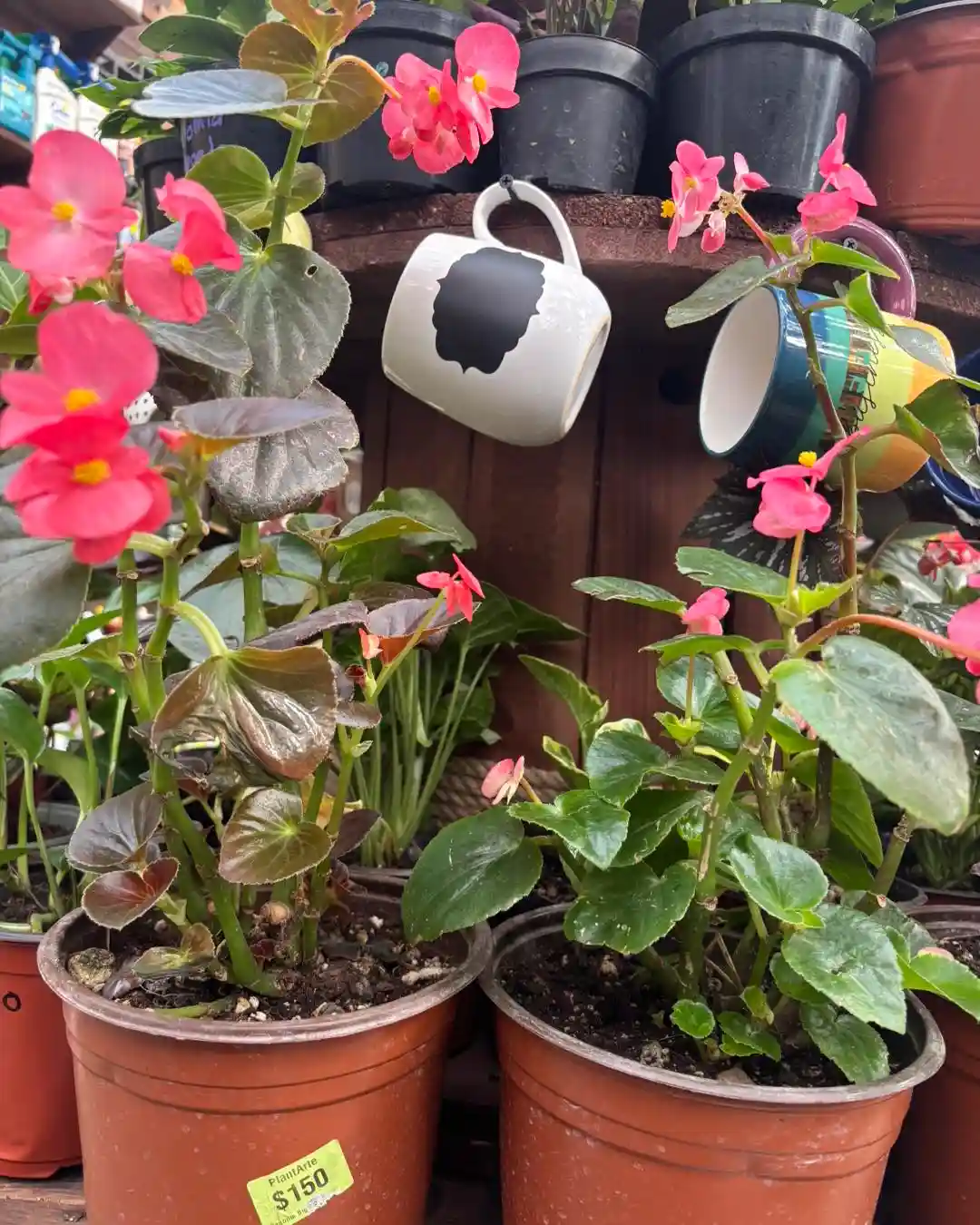
The best begonia depends on where you plan to grow it and whether flowers or foliage matter most to you.
| Begonia type | Best feature | Ideal location | Light tolerance |
| Wax | Long-lasting flowers | Borders and containers | Morning sun to partial shade |
| Tuberous | Large, colorful blooms | Baskets and shaded pots | Filtered light |
| Rex | Patterned foliage | Indoor displays | Bright indirect light |
| Cane | Tall shape and spotted leaves | Large indoor pots | Bright indirect light |
| Rhizomatous | Textured foliage | Shallow indoor containers | Medium to bright indirect light |
| Trailing | Cascading growth | Hanging baskets | Partial shade |
Wax begonias are one of the easiest choices for beginners. They tolerate small changes in light and moisture better than many decorative foliage types.
Choose tuberous begonias when you want large flowers in a shaded outdoor spot. Rex or cane begonias are better options for adding year-round color indoors.
Where to Grow Begonias
A suitable location protects begonias from harsh sunlight while giving them enough light to grow and flower. Deep shade may keep the leaves healthy, but it often reduces blooming.
Outdoor Light
Most begonias grow well with two to four hours of gentle morning sunlight or a full day of dappled light. An east-facing garden bed, covered porch, or position beneath an open-branched tree usually works well.
Avoid strong midday and afternoon sun, particularly in hot climates. Pale brown patches, crispy edges, and faded leaves often mean the plant is receiving too much direct light.
Wax begonias can usually handle more sun than tuberous or foliage begonias. Even wax types benefit from afternoon shade when summers are hot.
Indoor Light
Place indoor begonias near an east- or north-facing window where they receive bright, indirect light. A position a few feet back from a bright south- or west-facing window can also work.
If the stems stretch toward the window or new leaves become smaller, the plant needs more light. Thin curtains can soften direct rays that would otherwise burn the leaves.
Turn the pot by a quarter every week or two. This keeps the plant from leaning strongly in one direction.
The Best Soil for Begonias
Begonia roots need both moisture and air. Dense garden soil stays wet too long, while very sandy soil can dry before the roots absorb enough water.
For outdoor beds, work compost or well-rotted leaf mold into the top 6 to 8 inches of soil. Raised beds can help when the garden has heavy clay or poor drainage.
For containers, use a loose commercial potting mix rather than soil taken from the garden. You can improve drainage by adding perlite, fine orchid bark, or coarse coco chips.
A useful container mixture is:
- Two parts high-quality potting mix
- One part perlite
- One part fine orchid bark or coco chips
Aim for a slightly acidic soil pH between 5.5 and 6.5. Most packaged indoor potting mixes already fall close to this range.
When to Plant Begonias
Plant begonias outdoors after the danger of frost has passed and the soil has begun to warm. Cold, wet soil can damage young roots and tubers before active growth starts.
In many areas, this means planting from mid-to-late spring. Wait until nighttime temperatures regularly remain above 50°F (10°C).
Tuberous begonias can be started indoors eight to twelve weeks before the final frost. This gives the plants time to develop shoots before they’re moved outside.
How to Plant Begonias in the Garden
Proper planting depth and spacing help prevent rot, mildew, and crowded growth.
- Choose a sheltered location. Find a site with morning sun, filtered light, or partial shade. Protection from strong wind prevents damage to brittle stems.
- Prepare the soil. Loosen the soil and mix in compost. If water remains in a test hole after several hours, select another location or use a raised bed.
- Dig a suitable hole. Make it slightly wider than the root ball but no deeper than the plant’s current container.
- Remove the begonia carefully. Support the stem base and ease the root ball from the pot. Begonia stems snap easily, so avoid pulling them.
- Set it at the original depth. Keep the crown level with the surrounding soil. Planting too deeply traps moisture around the stem.
- Backfill the hole. Return the soil and press it lightly around the roots without compacting it.
- Water thoroughly. Water around the base to settle the soil and remove large air pockets.
Space compact wax begonias about 6 to 10 inches apart. Larger cane, tuberous, or spreading varieties may need 12 to 18 inches.
Good spacing isn’t only about appearance. Air moving between the plants helps the foliage dry and lowers the chance of powdery mildew and leaf spot.
How to Plant Begonias in Containers
Choose a container with one or more open drainage holes. A decorative pot without drainage may look attractive, but it creates a high risk of root rot.
The pot only needs to be 1 to 2 inches wider than the root ball. Oversized containers hold a large amount of wet soil around a small root system.
Fill the pot with a loose potting mixture and set the begonia at the same depth at which it was previously growing. Water until excess moisture runs from the bottom, then empty the saucer.
For mixed containers, pair begonias with plants that prefer similar shade and moisture. Avoid combining them with drought-loving plants that need the soil to dry completely.
How to Start Tuberous Begonias
Tuberous begonias need a slightly different planting method because their tubers can rot when buried too deeply.
- Fill a shallow tray or pot with damp, well-draining potting mix.
- Find the hollow or indented side of the tuber.
- Set the tuber with the hollow side facing upward.
- Cover it lightly, leaving the upper surface close to soil level.
- Place it in bright indirect light at around 65–70°F (18–21°C).
- Water sparingly until shoots appear.
- Move the plant into its final pot once the shoots and roots are established.
A common mistake is planting a tuber upside down or covering it with several inches of soil. The hollow side faces upward, and only a light layer of mix should cover it.
How Often to Water Begonias
Begonias prefer soil that remains lightly moist without becoming soaked. Water when the top inch of soil feels dry.
Check the soil with your finger rather than watering on a fixed schedule. A plant may need water every few days during hot weather but much less during a cool, cloudy week.
Water slowly at the base until the entire root area is moist. Container plants should be watered until a little water drains from the bottom.
Try to keep the leaves dry, particularly late in the day. Wet foliage combined with poor air movement creates favorable conditions for fungal disease.
Signs a Begonia Needs Water
A thirsty begonia may show:
- Dry soil pulling away from the pot
- Soft or drooping leaves
- Crispy brown leaf edges
- Flowers falling early
- Slow growth during warm weather
Water promptly when the soil is dry, but don’t flood a badly wilted plant repeatedly. Give it one thorough watering, let it drain, and check its condition several hours later.
Signs of Overwatering
Too much water may cause:
- Yellow lower leaves
- Soft, darkened stems
- Permanently wet soil
- A sour smell from the pot
- Mushy roots or tubers
- Sudden leaf and flower drop
If the soil stays wet for many days, inspect the drainage holes and roots. Remove rotten roots, replace the waterlogged mixture, and use a smaller pot if the container is too large.
Fertilizing Begonias
Begin feeding begonias after they show active new growth. Fertilizing a dormant plant or a newly planted tuber can damage tender roots.
Use a balanced liquid fertilizer, such as a houseplant formula with similar nitrogen, phosphorus, and potassium levels. Apply it at half the label strength every two to four weeks during active growth.
Flowering begonias may benefit from a fertilizer made for blooming plants once buds begin to form. Avoid formulas with excessive nitrogen, which can produce large leaves at the expense of flowers.
Outdoor begonias growing in compost-rich soil may need less fertilizer than plants in containers. Stop or reduce feeding in fall as growth slows.
White crust on the soil or around the pot rim can be a sign of fertilizer salt buildup. Flush the pot with plain water and allow it to drain completely before feeding again.
Temperature and Humidity
Most begonias grow best between 60°F and 75°F (16–24°C). Protect them from cold drafts, heaters, and sudden temperature changes.
Outdoor plants may stop growing when nighttime temperatures fall below 50°F (10°C). Frost can quickly kill their soft leaves and stems.
Average indoor humidity is often enough for wax and cane begonias. Rex begonias may develop dry edges when humidity remains very low.
To raise humidity, group plants together or run a humidifier nearby. A pebble tray offers only a small local change and should never leave the bottom of the pot sitting in water.
Avoid misting the leaves as a regular humidity treatment. Constantly wet foliage may lead to spots or mildew without raising room humidity for long.
More flower to grow:-
Pruning and Deadheading
Remove damaged, yellow, or diseased leaves whenever you find them. Use clean scissors and cut the leaf stem close to the main plant without damaging healthy tissue.
Deadheading spent flowers keeps container displays tidy. It can also direct the plant’s energy away from seed production and toward new flowers.
Pinch the growing tips of wax and cane begonias when the plants are young. This encourages side shoots and creates a fuller shape.
Tall cane begonias may become bare near the base. Cut an overgrown cane just above a leaf node in spring, then use the healthy cutting to grow another plant.
Always clean pruning tools before moving between plants. Begonias can carry bacterial and fungal problems that spread through contaminated blades.
Growing Begonias Through the Seasons
Spring
Spring is the main planting and repotting period. Start tubers indoors, refresh tired potting soil, and gradually increase watering as new growth appears.
Move indoor-started plants outside slowly. Give them an hour or two in a shaded position at first, then lengthen their outdoor time over seven to ten days.
Summer
Check container begonias frequently because pots dry faster during warm weather. Water early in the day and protect the plants from strong afternoon sun.
Remove faded flowers and watch for powdery mildew, thrips, and spider mites. Good spacing becomes especially helpful during hot, humid weather.
Fall
Bring indoor varieties back inside before cold nights arrive. Inspect the leaves, stems, and soil for insects so pests aren’t carried into the house.
Reduce fertilizer as growth slows. Tuberous begonias can be prepared for dormancy after their foliage begins to yellow naturally.
Winter
Many indoor begonias continue growing slowly through winter if they receive enough light. Water less often because cooler temperatures and shorter days slow moisture loss.
Tuberous begonias normally rest during winter. Their tubers should be stored rather than forced to keep producing leaves in weak seasonal light.
How to Overwinter Tuberous Begonias
In frost-free climates, tuberous begonias may remain in the ground if the soil drains well. In colder areas, lift and store the tubers.
After the first light frost damages the foliage, cut the stems back to about 2 or 3 inches. Carefully lift each tuber with a garden fork, avoiding cuts and punctures.
Allow the tubers to dry in a sheltered, ventilated place for several days. Brush away loose soil, but don’t wash them before storage.
Place the dry tubers in a box filled with peat-free potting mix, vermiculite, or dry wood shavings. Keep them in a dark, dry location at about 40–50°F (4–10°C).
Check them once a month. Discard any tuber that becomes soft, moldy, or badly shriveled so the problem doesn’t spread.
How to Propagate Begonias
Begonias can be propagated from stem cuttings, leaf cuttings, division, or seed. Stem cuttings are usually the simplest method for home gardeners.
Propagating from Stem Cuttings
- Choose a healthy, nonflowering stem about 3 to 5 inches long.
- Cut just below a leaf node using clean scissors.
- Remove the leaves from the lower half of the stem.
- Place the cutting in water or moist potting mix.
- Keep it in bright indirect light.
- Maintain light moisture until roots form.
- Pot it separately once the roots are about an inch long.
Water propagation lets you see the roots develop, but roots formed in water can take time to adjust to soil. Planting directly into a light potting mix avoids that transition.
Propagating Rex Begonias from Leaves
Select a mature, healthy leaf and cut it with a short section of stem attached. Insert the stem into damp propagation mix, keeping the leaf above the surface.
You can also cut a leaf into sections, making sure each piece contains a strong vein. Lay the sections against moist mix and hold them in place with small pins or stones.
Keep the setup warm and humid, but allow some airflow. New plantlets may take several weeks to appear along the cut veins.
Common Begonia Problems
| Problem | Likely cause | What to do |
| Yellow leaves | Overwatering or poor drainage | Let the soil dry slightly and check the roots |
| Brown leaf edges | Dry soil, low humidity, or strong sun | Adjust watering and move away from direct sun |
| Few flowers | Too little light or too much nitrogen | Provide brighter filtered light and change fertilizer |
| Long, weak stems | Insufficient light | Move the plant closer to a bright window |
| White powder on leaves | Powdery mildew | Remove affected leaves and improve airflow |
| Soft stem base | Stem or root rot | Remove rotten tissue and replace wet soil |
| Pale, scorched patches | Excessive direct sunlight | Provide afternoon shade |
| Buds dropping | Moisture or temperature changes | Keep conditions more stable |
Powdery Mildew
Powdery mildew creates a white or gray coating on the leaves. Crowded plants, damp foliage, and weak air movement make it more common.
Remove badly affected leaves and place the plant where air can circulate around it. Water the soil instead of the foliage and avoid placing many pots tightly together.
Root and Stem Rot
Rot usually begins when the soil stays saturated. Roots turn brown or black, while stems may become soft near the soil line.
Take the plant out of its pot and cut away damaged roots with sterile scissors. Repot it in fresh, well-draining mix and reduce watering.
A severely rotted plant may not recover. In that case, save healthy stem or leaf cuttings before discarding the affected base.
Spider Mites
Spider mites cause pale speckling, dull leaves, and fine webbing around stems. They’re more likely to appear in warm, dry indoor conditions.
Isolate the plant and rinse the leaf surfaces carefully. Follow with insecticidal soap if needed, treating the undersides of the leaves and repeating according to the product label.
Mealybugs
Mealybugs look like small pieces of white cotton in leaf joints and along stems. A small group can be removed with a cotton swab lightly dampened with rubbing alcohol.
Check the plant weekly because young insects can be difficult to see. Heavier infestations may require repeated insecticidal soap treatments.
Why Isn’t My Begonia Blooming?
Low light is one of the most common reasons a healthy begonia produces leaves without flowers. Move it to a brighter location, but keep it away from harsh midday sun.
Too much nitrogen may also reduce blooming. Switch from frequent high-nitrogen feeding to a balanced or bloom-supporting formula.
Other possible reasons include:
- Planting in an oversized container
- Constantly wet or extremely dry soil
- Cold nighttime temperatures
- Recent transplant stress
- Removing flower buds accidentally
- A tuber that hasn’t completed its rest period
Give the plant time after a move or repotting. Frequently changing its location can create more stress and delay flowering further.
Good Companion Plants for Begonias
Begonias mix well with other plants that enjoy partial shade and consistently moist, well-draining soil.
Good companions include:
- Coleus: Adds strong foliage color behind compact begonias.
- Impatiens: Produces extra flowers in shaded garden beds.
- Caladium: Brings large, patterned leaves to tropical container displays.
- Lobelia: Trails over container edges around upright begonias.
- Ferns: Add soft texture without competing for bright sunlight.
- Heuchera: Provides colorful perennial foliage in outdoor shade gardens.
- Torenia: Flowers well in partial shade and works in baskets.
- Sweet alyssum: Creates a low flowering edge in cooler conditions.
Leave enough room between different plants for air to move. A container packed tightly at planting time can become crowded and disease-prone within a few weeks.
Are Begonias Toxic to Pets?
Begonias contain soluble calcium oxalates and are considered toxic to dogs and cats when eaten. The underground portions, including roots and tubers, contain the greatest concentration.
Eating begonia tissue may cause mouth irritation, drooling, vomiting, or difficulty swallowing. Keep indoor plants and stored tubers away from curious pets.
Contact a veterinarian or animal poison service if you believe your pet has eaten part of a begonia. Don’t attempt to make the animal vomit unless a veterinary professional tells you to do so.
Frequently Asked Questions
Do begonias prefer sun or shade?
Most begonias prefer partial shade or bright indirect light. Gentle morning sun can support flowering, but strong afternoon sun often burns the foliage. Wax begonias generally tolerate more direct light than Rex and tuberous types.
Do begonias come back every year?
Begonias are tender perennials, but their ability to return depends on the variety and climate. They may survive outdoors year-round in warm regions. Gardeners in colder areas usually grow them as annuals, bring them indoors, or store tubers over winter.
Can begonias grow indoors?
Rex, cane, and rhizomatous begonias make good houseplants when given bright indirect light and well-draining soil. Keep them away from cold drafts and avoid leaving the potting mix constantly wet.
How often should potted begonias be watered?
Water when the top inch of potting mix feels dry. The exact timing changes with the temperature, light, container size, and season, so check the soil rather than following a fixed weekly schedule.
Can begonias grow in full shade?
Begonias can survive in bright shade, but flowering may decrease when the location is too dark. Dappled light or a few hours of morning sun usually produces stronger growth and more flowers.
Should begonias be deadheaded?
Deadheading isn’t required for every variety, but removing faded flowers keeps plants neat and may support continued blooming. Pinch or cut the old flowers without damaging nearby buds.
Why are my begonia leaves turning brown?
Brown edges can come from dry soil, low humidity, fertilizer buildup, or too much direct sun. Check the soil first, then review the plant’s light and feeding routine before changing several conditions at once.
Do begonias like small pots?
Begonias usually grow better when their pots are only slightly larger than their roots. A very large pot holds excess moisture and raises the risk of root rot.