How to Grow Yarrow: Easy Planting & Care Guide
Yarrow is one of the easiest perennials to grow if you want color, texture, and pollinator activity without constant watering. Its flat flower clusters, fern-like leaves, and tough nature make it a smart choice for sunny borders, cottage gardens, wildflower beds, and low-water landscapes. If you want a flower that handles heat, poor soil, and dry spells, learning how to grow yarrow is a great place to start.
The best part is that yarrow looks delicate but grows like a strong garden workhorse. Give it sun, drainage, and enough space, and it can bloom beautifully with very little fuss.
Yarrow Quick Facts
| Plant Name | Yarrow |
| Botanical Name | Achillea millefolium |
| Plant Type | Herbaceous perennial |
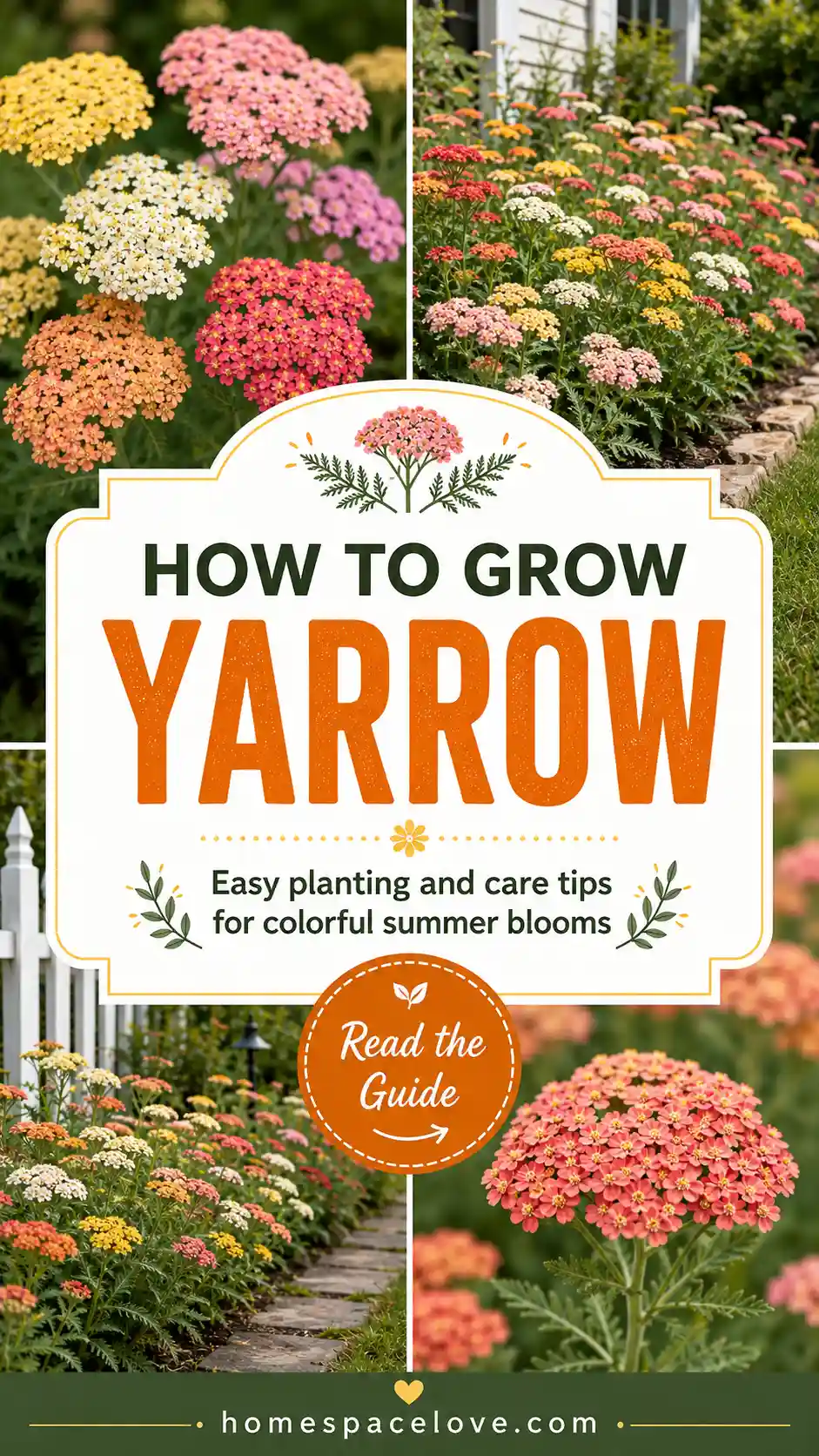
| Bloom Colors | White, yellow, pink, red, orange, peach |
| Bloom Time | Late spring through summer |
| Sunlight | Full sun |
| Height | Usually 1–3 feet |
| Soil | Dry to medium, well-draining soil |
| USDA Zones | Commonly grown in zones 3–9 |
| Best For | Pollinator gardens, borders, cottage gardens, dry gardens, cutting gardens |
What Is Yarrow?
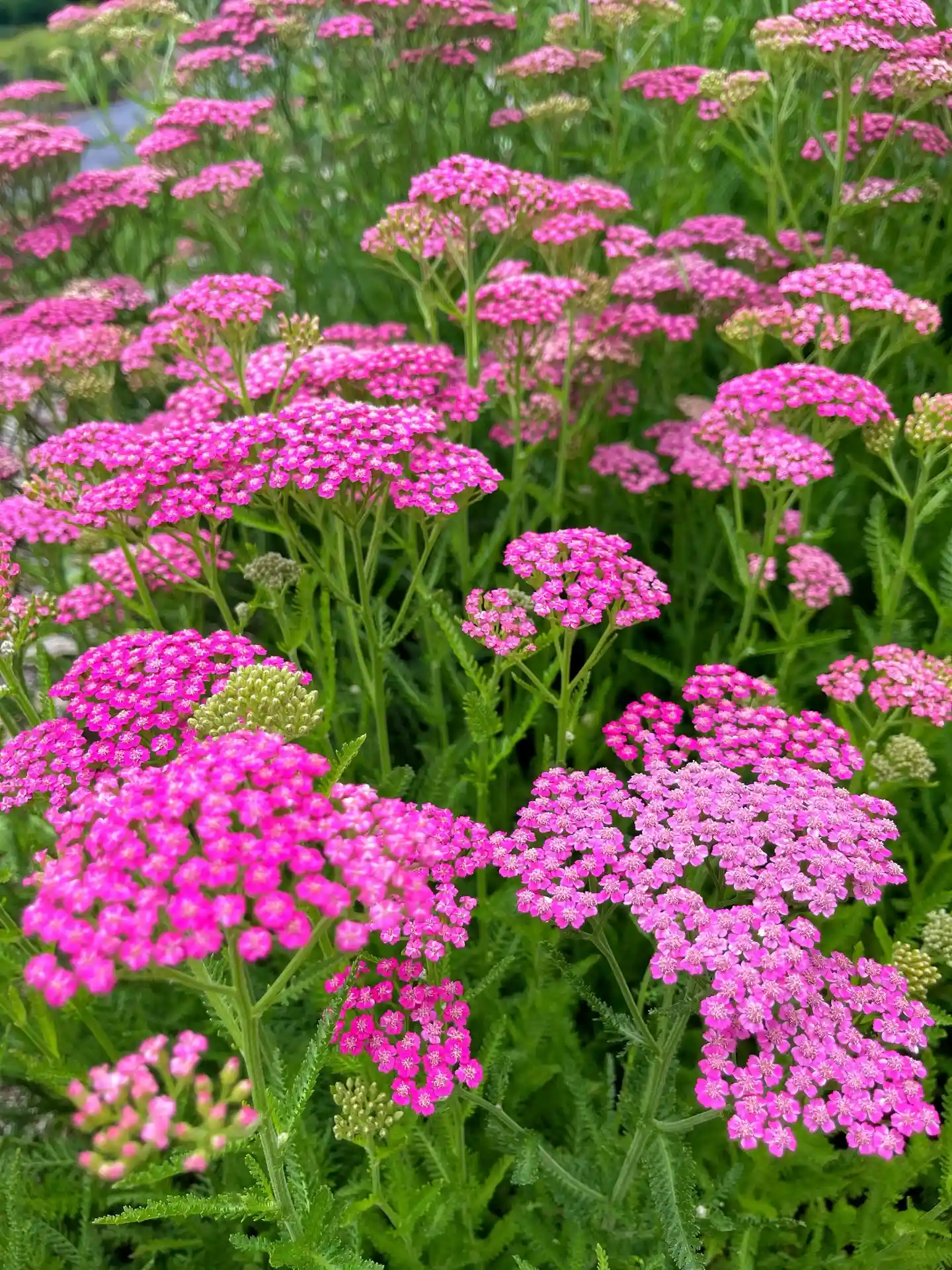
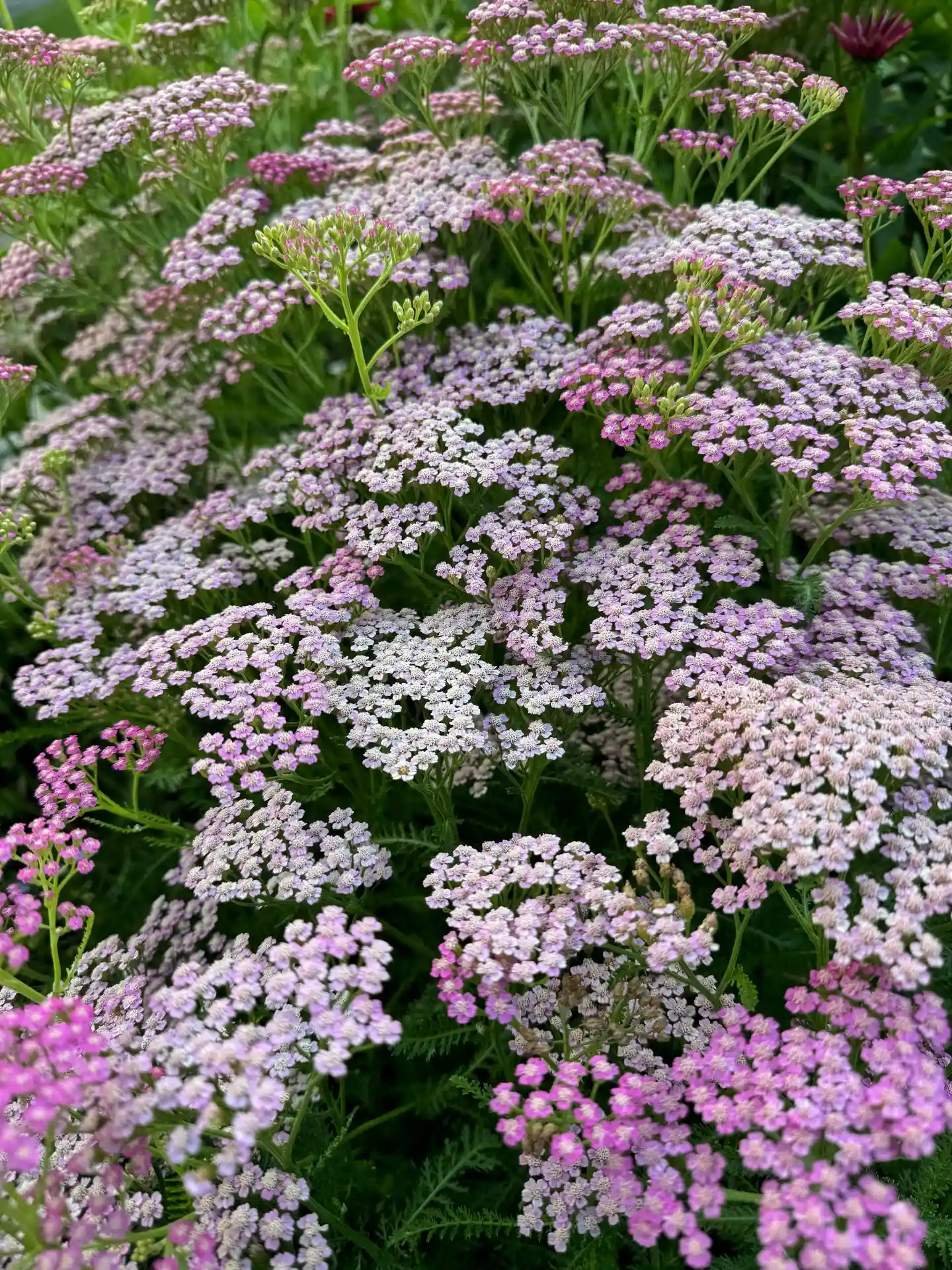
Yarrow is a hardy perennial known for its soft, feathery foliage and flat-topped flower clusters. The flowers may look tiny up close, but together they create a bold, colorful landing pad for bees, butterflies, and other helpful insects.
Common yarrow usually has white flowers, but garden varieties now come in shades of yellow, red, pink, peach, and orange. This makes it easy to fit into warm cottage beds, naturalistic plantings, and sunny perennial borders.
In my own garden, yarrow is one of those plants I use when a spot gets too hot and dry for fussier flowers. It does not need rich soil, and it often looks better when you do not over-care for it.
Yarrow pairs beautifully with other sun-loving perennials like coneflowers, black-eyed Susans, and salvia.
Best Yarrow Varieties to Grow
Yarrow comes in many colors and heights. Some varieties stay compact, while others grow taller and spread more freely.
| Yarrow Variety | Flower Color | Height | Best For |
| Moonshine | Soft yellow | 18–24 inches | Sunny borders and dry gardens |
| Paprika | Red with yellow centers | 18–24 inches | Warm cottage beds |
| Cerise Queen | Pink | 18–30 inches | Bright perennial borders |
| Coronation Gold | Golden yellow | 2–3 feet | Cut flowers and back borders |
| Appleblossom | Soft pink | 18–24 inches | Romantic garden palettes |
| Summer Pastels | Mixed pastel shades | 18–24 inches | Cottage gardens |
| Saucy Seduction | Rose-pink | 18–24 inches | Pollinator beds |
| Common Yarrow | White | 1–3 feet | Natural gardens and meadow-style planting |
For beginners, Moonshine, Paprika, and Summer Pastels are easy choices. They give reliable color, handle dry soil well, and mix nicely with other summer perennials.
If you want a softer garden look, choose pink, cream, or pastel yarrow. If you want a bold border, yellow and red varieties stand out beautifully.
Where to Plant Yarrow
Yarrow grows best in full sun. Aim for at least 6 hours of direct sunlight each day.
Too much shade can make the stems weak and floppy. It can also reduce the number of flowers. If your yarrow leans badly or barely blooms, lack of sun may be the reason.
Soil drainage is very important. Yarrow does not like heavy, wet soil. In fact, rich and soggy soil can make the plant grow too soft, flop over, or rot at the roots.
The best soil is loose, average, and well-draining. Yarrow can handle dry and poor soil better than many garden flowers.
Space most yarrow plants about 18–24 inches apart. Taller varieties may need a little more room so air can move around the leaves.
Pro Tip: Do not plant yarrow in a low, wet spot. It is much happier in a sunny, dry bed than in soil that stays damp after rain.
How to Plant Yarrow Step by Step
You can plant yarrow in spring after the danger of hard frost has passed. Early fall can also work if your climate gives the roots enough time to settle before winter.
- Choose a sunny location
Pick a spot with full sun. More sun usually means stronger stems and more flowers. - Check the drainage
Avoid areas where water sits after rain. If needed, improve drainage with compost or plant in a raised bed. - Dig the planting hole
Make the hole slightly wider than the root ball. The plant should sit at the same depth it was growing in the pot. - Place the plant
Set the yarrow in the hole and keep the crown level with the soil surface. - Backfill gently
Fill around the roots and press the soil lightly. - Water after planting
Water deeply once to help the roots settle. - Mulch lightly
Add a thin mulch layer if needed, but do not bury the crown.
The biggest mistake with yarrow is giving it rich, wet conditions. This plant does not want to be pampered. In many gardens, lean soil and full sun give the best results.
Yarrow Care Through the Seasons
Yarrow is low-maintenance, but a little seasonal care keeps it neat, healthy, and full of flowers.
Spring Care
In spring, cut away any old stems left from winter. Watch for fresh new growth at the base of the plant.
If the clump is crowded, spring is a good time to divide it. You can also add a light layer of compost, but avoid heavy fertilizer.
Summer Care
Summer is yarrow’s main blooming season. Deadhead faded flowers to keep the plant looking fresh and to encourage more blooms.
If the plant gets too tall or floppy, cut it back by about one-third. This can help it regrow in a neater shape.
Fall Care
In fall, you can cut back the stems after flowering ends. Some gardeners leave dry seed heads for winter texture and wildlife.
If your yarrow self-seeds too much, remove spent flower heads before they drop seeds.
Winter Care
Yarrow dies back in colder areas during winter. This is normal.
Avoid heavy wet mulch over the crown. Yarrow is hardy, but wet winter soil can cause more trouble than cold weather.
Watering Yarrow
Newly planted yarrow needs regular watering for the first few weeks. Keep the soil lightly moist until the plant settles in.
Once established, yarrow is drought tolerant. It usually needs water only during long dry spells.
Water deeply when needed, then let the soil dry out. Frequent shallow watering can make the roots weaker and increase the risk of rot.
If your yarrow is in a pot, it will dry out faster than plants in the ground. Check container soil more often during hot weather.
Fertilizing Yarrow
Yarrow does not need much fertilizer. Too much feeding can make the plant tall, leafy, and floppy.
In most gardens, a small amount of compost in spring is enough. If your soil is extremely poor, use a light dose of balanced slow-release fertilizer.
Avoid high-nitrogen fertilizer. It can push leaf growth at the expense of flowers.
My honest advice is to feed yarrow less than you feed most flowering perennials. It blooms better when it is not spoiled.
How to Keep Yarrow Blooming
Yarrow can bloom for a long time when it gets sun and regular deadheading.
To get more flowers:
- Plant in full sun
- Deadhead faded blooms
- Avoid rich, wet soil
- Do not overfertilize
- Divide crowded clumps
- Cut back floppy stems
- Choose strong blooming varieties
If the first flush of flowers fades, trim the plant lightly. Many varieties will send up fresh growth and bloom again.
Yarrow also looks beautiful beside lavender because both enjoy sunny, well-drained spots and a relaxed garden style.
Common Yarrow Problems
Yarrow is usually easy, but problems can happen when the plant gets too much shade, water, or fertilizer.
| Problem | Likely Cause | What To Do |
| Floppy stems | Too much shade, rich soil, or fertilizer | Move to more sun and reduce feeding |
| Few flowers | Not enough sun | Plant in a brighter spot |
| Yellow leaves | Overwatering or poor drainage | Let soil dry and improve drainage |
| Root rot | Wet soil | Replant in a drier, better-drained area |
| Powdery leaves | Poor airflow or humid weather | Space plants better and remove infected leaves |
| Spreading too much | Self-seeding or rhizomes | Deadhead early and divide clumps |
| Brown crispy growth | Severe drought or heat stress | Water deeply during long dry spells |
In my experience, yarrow rarely fails because of neglect. It usually struggles when gardeners water or feed it too much.
How to Divide Yarrow
Yarrow can spread over time, so division helps keep it tidy. Dividing also refreshes older clumps and gives you more plants.
The best time to divide yarrow is early spring or early fall.
Here is how to do it:
- Water the plant the day before.
- Dig around the clump with a shovel or garden fork.
- Lift the plant from the soil.
- Shake off loose soil.
- Pull or cut the clump into smaller sections.
- Keep healthy roots and shoots on each section.
- Replant at the same depth.
- Water well after planting.
Divide yarrow every 2–3 years if it spreads too much or starts looking thin in the center.
Can You Grow Yarrow in Pots?
Yes, yarrow can grow in pots, especially compact varieties. This is a good choice for patios, balconies, and small sunny spaces.
Choose a container with drainage holes. Yarrow hates soggy roots, so drainage is not optional.
Use a light, well-draining potting mix. Avoid heavy soil that holds too much water.
Place the pot in full sun and water when the top inch or two of soil feels dry. Do not keep the soil constantly wet.
Compact varieties are better for containers because taller types may flop or need support.
Is Yarrow Good for Pollinators?
Yes, yarrow is a great pollinator plant. Its flat flower clusters make it easy for bees, butterflies, and other beneficial insects to land and feed.
Yarrow also works well in natural garden beds because it adds both flowers and fine texture. The fern-like leaves soften the look of bolder plants.
For a pollinator-friendly border, plant yarrow with coneflowers, black-eyed Susans, and salvia. This mix gives color, movement, and a long bloom season.
Best Companion Plants for Yarrow
Yarrow mixes well with plants that enjoy sun and good drainage. It looks especially good with flowers that have bold shapes or upright spikes.
Good companion plants include:
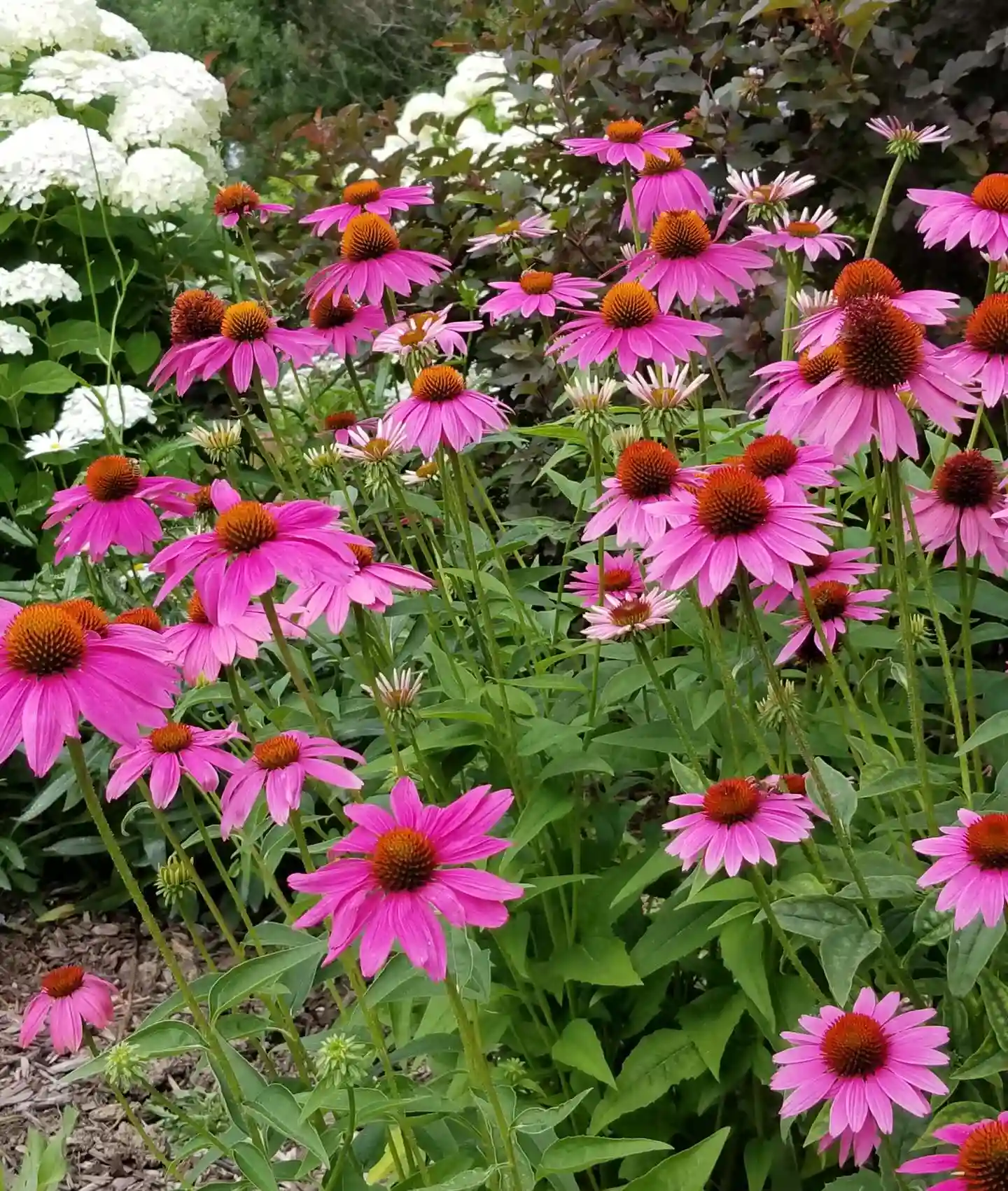
- Coneflowers for bold daisy-like blooms and pollinator appeal.
- Black-eyed Susans for warm yellow color and summer garden energy.
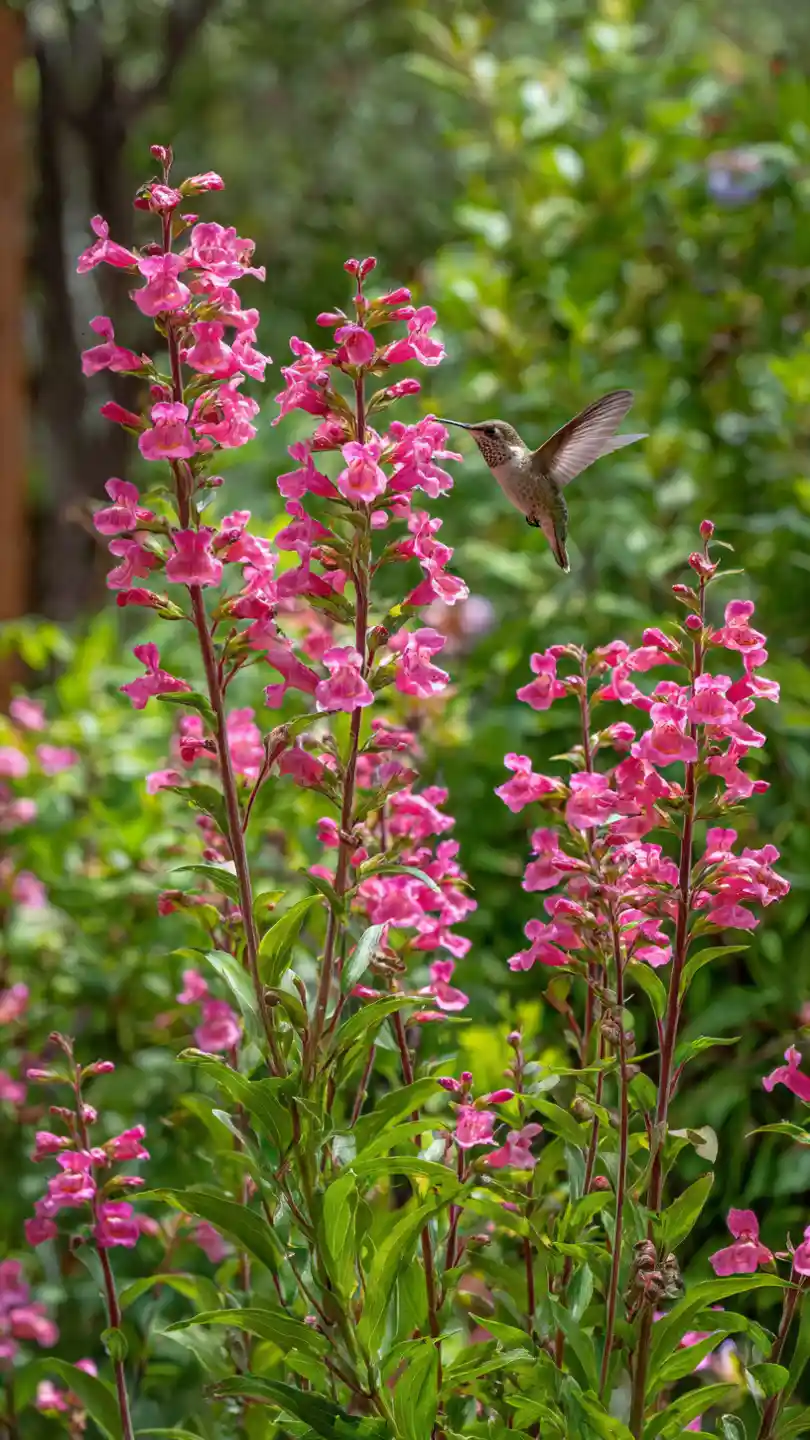
- Salvia for upright purple, blue, or pink flower spikes.
- Lavender for fragrance and silver-green foliage.
- Shasta daisies for classic white flowers.
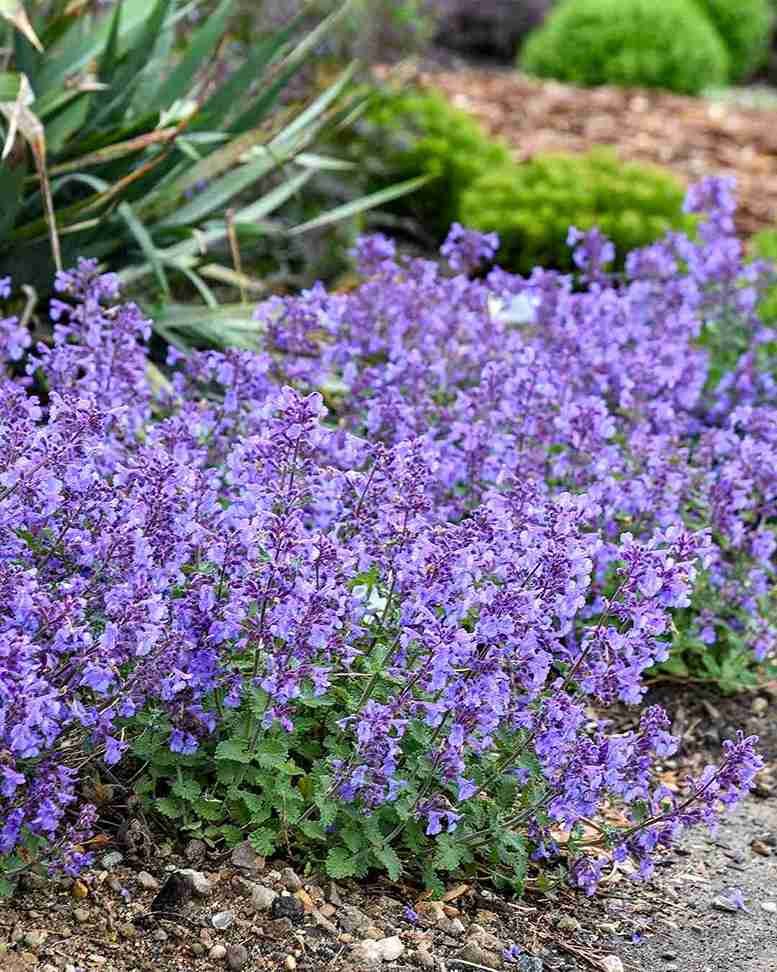
- Catmint for soft blue-purple color and long bloom time.
- Ornamental grasses for movement and dry-garden texture.
- Daylilies for bold summer flowers and grassy leaves.
Yarrow is best in sunny beds. For nearby shade areas, you can use hostas where yarrow would not get enough light.
Does Yarrow Spread?
Yes, yarrow can spread by rhizomes and seeds. In relaxed cottage gardens or meadow-style beds, this can be a good thing.
In smaller gardens, it may need control. Deadhead flowers before they go to seed, and divide clumps when they spread too far.
If you want a tidy border, choose compact varieties and keep the plant trimmed after flowering.
Is Yarrow Deer Resistant?
Yarrow is usually considered deer resistant because of its aromatic foliage. Deer often avoid it, but no plant is completely deer-proof.
If deer are very hungry, they may still nibble young plants. Planting yarrow with lavender, salvia, catmint, and other scented plants can help protect the bed.
Is Yarrow Safe for Pets?
Yarrow can be toxic to pets if eaten in large amounts. It may cause stomach upset, vomiting, or skin irritation in sensitive animals.
If you have dogs or cats that chew garden plants, grow yarrow where they cannot easily reach it. If your pet eats yarrow and seems unwell, contact your vet.
FAQ
Does yarrow come back every year?
Yes, yarrow is a perennial, so it can come back each year in the right growing zones. It performs best in sunny spots with well-drained soil.
Does yarrow need full sun?
Yes, yarrow grows and blooms best in full sun. It may survive in part sun, but too much shade can make it floppy and reduce blooms.
How often should I water yarrow?
Water new plants regularly until they settle in. Once established, yarrow is drought tolerant and usually needs water only during long dry spells.
Should I deadhead yarrow?
Yes, deadheading keeps the plant neat and can encourage more blooms. It also helps reduce self-seeding if you do not want yarrow to spread.
Why is my yarrow falling over?
Yarrow often flops when it gets too much shade, rich soil, fertilizer, or water. Move it to more sun and avoid overfeeding.
Can yarrow grow in poor soil?
Yes, yarrow can grow well in poor or lean soil as long as it drains well. It often performs worse in rich, wet soil.
Is yarrow invasive?
Yarrow can spread in some gardens, especially by seed and rhizomes. It is easy to manage if you deadhead spent flowers and divide clumps when needed.