How to Grow Salvia: Easy Care Tips for Beautiful Garden Blooms
Salvia is one of the easiest perennials to grow if you want bright color, long blooms, and more pollinators in your garden. Bees, butterflies, and hummingbirds love the tall flower spikes, and gardeners love how little care salvia needs once it settles in.
Most salvia plants grow best in sunny spots with soil that drains well. They look beautiful in flower borders, cottage gardens, pollinator beds, walkway edges, and patio containers.
In this guide, you’ll learn how to grow salvia, where to plant it, how to care for it, and how to keep the flowers blooming longer.
What Is Salvia?
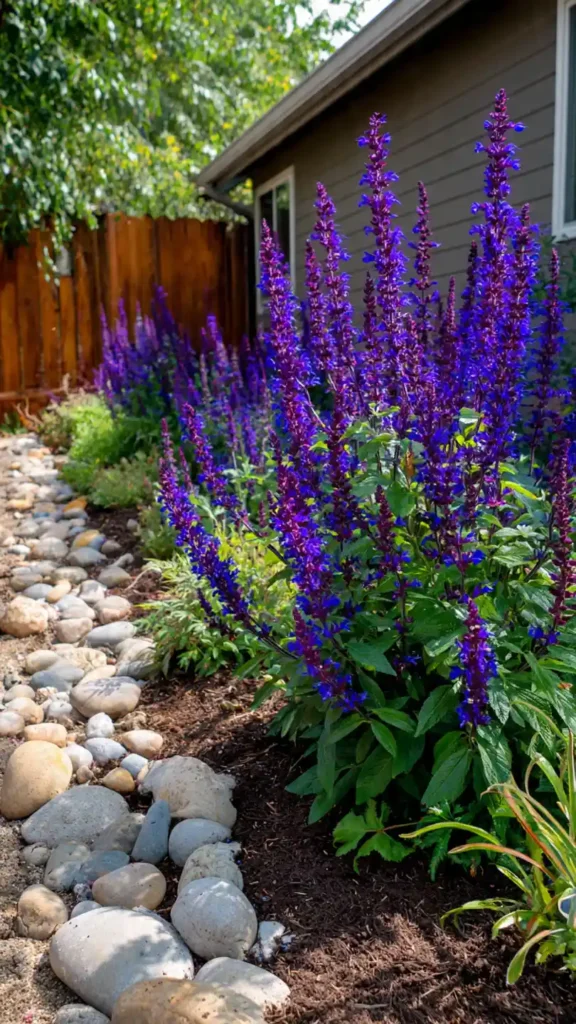
Salvia is a flowering plant often called sage. Some types are grown as herbs, while many garden salvias are grown for their colorful flowers and scented leaves.
Most salvias bloom in shades of purple, blue, pink, red, or white. Their upright flower spikes add height and shape to the garden without making the space feel too busy.
Some salvias are perennials, which means they can come back every year in the right growing zone. Others grow as annuals in colder areas. Before planting, check the plant tag so you know what type you are buying.
Quick Salvia Plant Facts
| Salvia Needs | Details |
| Common name | Salvia, sage, perennial sage |
| Plant type | Perennial, annual, or tender perennial |
| Best light | Full sun |
| Soil | Well-draining soil |
| Water | Moderate when young, less once established |
| Bloom time | Late spring to fall, depending on type |
| Flower colors | Purple, blue, pink, red, white |
| Best use | Borders, containers, pollinator gardens |
| Deer resistant | Usually yes |
| Beginner friendly | Yes |
Types of Salvia Plants
Salvia comes in many forms, so it helps to know the basic types before you plant.
Perennial salvia is the best choice if you want flowers that return year after year. It works well in sunny garden beds, borders, cottage-style gardens, and pollinator gardens. Once the roots settle, many perennial salvias can handle dry weather better than many other flowering plants.
Annual salvia grows for one season in many gardens. It still gives you bright color, but it may not survive winter in colder areas. This type is great for pots, seasonal flower beds, and empty garden spaces where you want quick color.
Tender salvia may come back in warm areas but can struggle in cold winters. Some gardeners grow tender salvias in containers so they can move them to a protected spot when cold weather arrives.
Culinary sage and ornamental salvia are related, but they are not always used the same way. Culinary sage is usually grown for cooking, while ornamental salvia is grown for flowers, color, and garden design.
Best Salvia Varieties to Grow
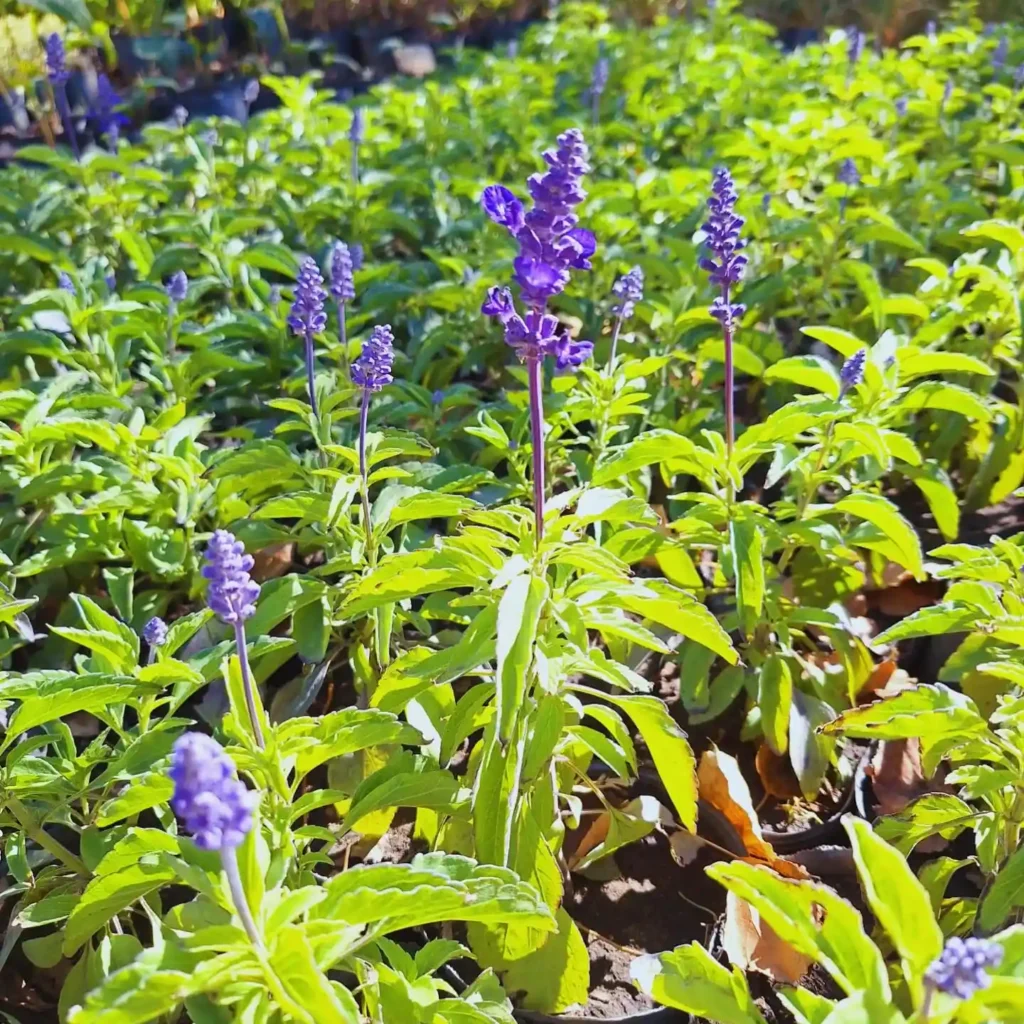
There are many beautiful salvia varieties, but a few are especially popular for home gardens.
May Night salvia has deep purple-blue flowers and a neat shape. It looks great along walkways, borders, and mixed flower beds. It is a good choice if you want bold color without a high-maintenance plant.
Caradonna salvia has dark stems and rich purple flowers. The dark stems give the plant a stronger look and help the flowers stand out. It pairs beautifully with yellow, white, and soft pink blooms.
Blue Hill salvia has soft blue flowers and a calm garden look. It works well in cottage gardens, mixed borders, and softer planting designs.
East Friesland salvia stays more compact than some other types. It is a good option for smaller beds or the front of a sunny border.
Hot Lips salvia has red and white flowers that feel bright and playful. It can bring a cheerful look to sunny borders and patio pots. It is also a lovely choice if you want to attract hummingbirds.
Mexican bush sage has soft purple flower spikes and a relaxed shape. It can grow larger than many other salvias, so give it enough space.
Pineapple sage has red flowers and lightly scented leaves. It is often grown for both color and fragrance, especially near patios and walkways.
When and Where to Plant Salvia
Plant salvia in spring after the last frost. This gives the plant time to grow strong roots before hot weather arrives.
You can also plant salvia in early fall if your weather is mild. Avoid planting during extreme heat because new plants can dry out quickly.
Choose a sunny spot with good airflow. Salvia grows best when it gets plenty of light and does not sit in wet soil.
A flower border, raised bed, sunny path edge, cottage garden bed, or large container can all work well.
Salvia can handle a little light shade, but it blooms best in full sun. If your plant gets too much shade, it may grow weak, lean over, or produce fewer flowers.
How to Plant Salvia
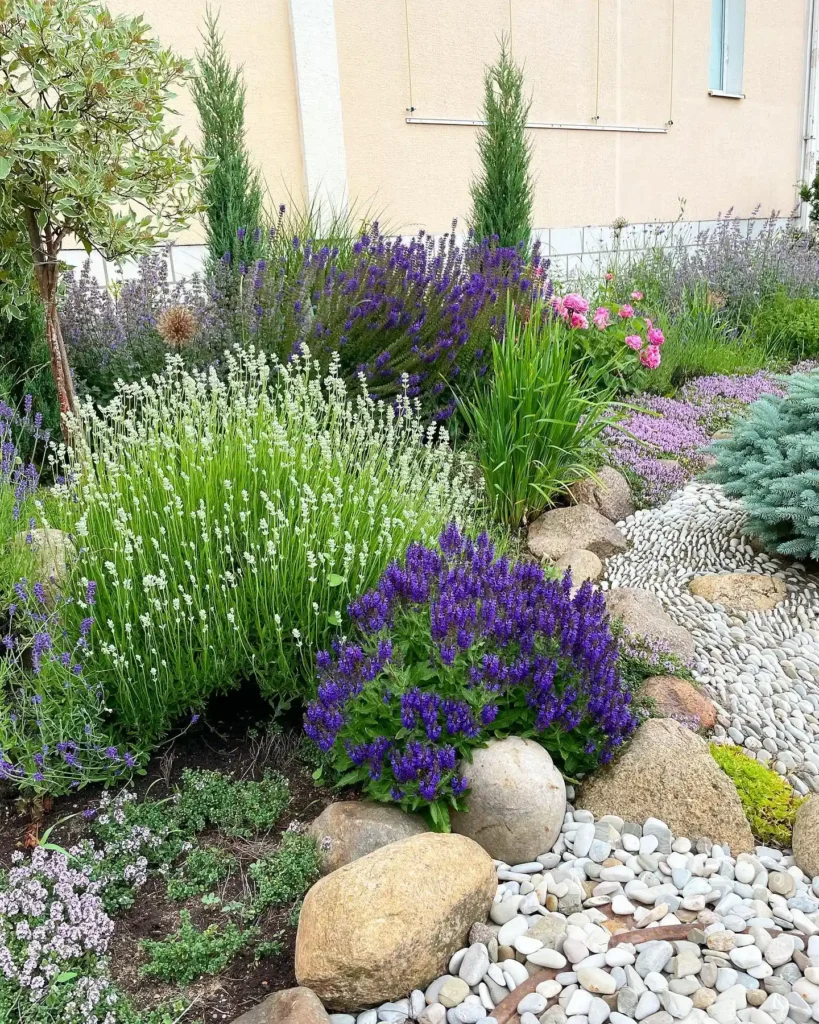
Start by loosening the soil where you want to plant. If the soil feels poor or heavy, mix in a little compost.
Salvia does not like heavy, wet soil. If your garden holds too much water, plant salvia in a raised bed, on a small slope, or in a container with drainage holes.
Dig a hole slightly wider than the root ball. Place the plant in the hole at the same depth it was growing in the pot. Do not bury the crown too deep.
Fill the hole with soil and press gently around the roots. Water well after planting to help the soil settle.
Give each salvia plant enough room to grow. Most salvias need around 12 to 24 inches of space, but larger types may need more. Good spacing helps air move around the plant and keeps the leaves healthier.
If you plant salvia in a pot, choose a container with drainage holes. Use a light potting mix and place the pot in a sunny spot.
Salvia Care Guide
Salvia is easy to care for when you give it the right growing conditions. The most important things are sun, drainage, and simple pruning.
Salvia grows best in full sun. Try to give it at least 6 hours of sunlight each day. More sun usually means stronger stems and more flowers.
Water new salvia plants often enough to help the roots settle. Once the plant is established, you can water less often.
Let the top of the soil dry a little between watering. Too much water can cause weak growth, yellow leaves, or root rot.
Salvia likes soil that drains well. It does not need rich, wet soil to look good. If your garden soil is heavy clay, add compost or grow salvia in a raised bed.
Salvia does not need heavy feeding. Too much fertilizer can make the plant leafy but weak. A light feeding in spring is usually enough for most garden salvias.
Trim salvia to keep the plant neat and full. After the first round of flowers fades, cut the old flower stems back to healthy leaves. This helps the plant look fresh and may encourage more blooms.
Deadheading means removing spent flowers. This keeps the plant from looking messy and can help it bloom again. Use clean garden snips and cut the old flower stem back to a healthy set of leaves.
In cold areas, leave some growth in place until late winter, or add a light layer of mulch around the base. Do not pile thick, wet mulch over the crown because that can trap moisture.
How to Keep Salvia Blooming Longer
To keep salvia blooming, plant it in enough sun and avoid overwatering. A healthy plant in a sunny spot will usually flower better than one growing in shade or soggy soil.
Remove old flowers as they fade. This keeps the plant tidy and may encourage fresh flower spikes.
After the first big flush of blooms, cut the flower stems back lightly. Many salvia plants will send up new growth and bloom again.
Do not overfeed the plant. Too much fertilizer can lead to lots of leaves but fewer flowers.
You can also choose long-blooming salvia varieties if you want color for more of the season.
Common Salvia Problems
Salvia is usually a simple plant, but a few problems can happen.
If your salvia is not blooming, it may not be getting enough sun. Too much fertilizer can also cause leafy growth with fewer flowers. Move the plant to a sunnier spot if needed and avoid heavy feeding.
If your salvia is flopping, it may be growing in too much shade, too much water, or very rich soil. Trim it lightly after flowering to help it grow back stronger.
If the leaves are turning yellow, check the soil first. Yellow leaves often happen from too much water, poor drainage, or stress after planting. If the soil stays wet for too long, water less often or improve drainage.
If your salvia is wilting, the plant may be too dry, too wet, or stressed from recent planting. Feel the soil before watering. If it is dry, water deeply. If it is wet, wait before watering again.
Powdery mildew can show up as a white dusty layer on the leaves. It often happens when plants sit too close together or do not get enough airflow. Space your plants well and water near the soil instead of over the leaves.
Root rot can happen when salvia sits in wet soil for too long. Good drainage is the best way to prevent it.
Is Salvia Deer Resistant?
Salvia is usually deer resistant because many types have scented leaves. Deer often avoid plants with strong fragrance.
Still, no plant is completely deer-proof. If deer are very hungry, they may nibble almost anything. But salvia is still a smart choice if deer often visit your garden.
Is Salvia Good for Pollinators?
Yes, salvia is a great plant for pollinators. Bees, butterflies, and hummingbirds often visit the flowers.
The tall flower spikes are easy for pollinators to find, especially when you plant salvia in groups. If you want a pollinator-friendly garden, salvia is one of the easiest plants to add.
It pairs well with other pollinator plants like coneflower, bee balm, lavender, yarrow, catmint, black-eyed Susan, and coreopsis.
Best Companion Plants for Salvia
Salvia looks beautiful with other sun-loving perennials. Choose plants that like similar soil, light, and watering needs.
Lavender is a lovely companion because it also likes sun and well-draining soil. The soft purple flowers and silvery leaves look beautiful beside salvia.
Coneflower adds larger daisy-like blooms that contrast nicely with salvia’s upright flower spikes.
Black-eyed Susan brings warm yellow color and looks especially pretty with purple or blue salvia.
Yarrow works well in sunny, dry gardens. Its flat flower clusters create a nice shape beside salvia’s tall spikes.
Catmint gives a soft, relaxed look around salvia. It has a lower growing habit and blends well in cottage-style beds.
Coreopsis adds cheerful yellow flowers and a light, airy feel.
Shasta daisy gives a clean white contrast and helps darker salvia flowers stand out.
Ornamental grasses add movement and texture, especially in natural-style garden beds.
How to Use Salvia in Garden Design
Salvia works well in flower borders because of its upright shape. Plant shorter types near the front and taller types near the middle or back of the bed.
Purple salvia looks especially pretty with yellow, white, pink, and soft orange flowers. It can also calm down brighter plantings and make the garden feel more balanced.
In cottage gardens, salvia adds color without looking too formal. Mix it with daisies, lavender, coneflowers, catmint, and roses for a soft, full look.
In pollinator gardens, plant salvia in groups of three or more. Larger groups are easier for bees, butterflies, and hummingbirds to find.
Salvia also grows well in containers. Choose compact varieties for pots and place them in a sunny spot. Make sure the container has drainage holes so the roots do not sit in water.
You can also plant salvia along walkways. The upright flowers create a pretty edge, and the scented leaves add interest when you brush past the plant.
Salvia vs Sage: Are They the Same?
Salvia and sage are closely related. Salvia is the plant group, and sage is a common name used for some plants in that group.
Culinary sage is the type many people use in cooking. Ornamental salvia is usually grown for flowers, color, and pollinators.
So yes, they are related, but not every salvia is the same as the sage you use in the kitchen.
Annual Salvia vs Perennial Salvia
Annual salvia grows for one season in many gardens. It gives quick color but usually does not return after winter in colder areas.
Perennial salvia can come back year after year if it is hardy in your growing zone. This makes it a better long-term choice for garden beds.
Tender salvia may return in warm areas but act like an annual in colder places. Always check the plant tag for hardiness before planting.
How to Propagate Salvia
You can grow more salvia plants from cuttings, seeds, or division.
Cuttings are a common way to grow new plants. Take a healthy stem cutting, remove the lower leaves, and place it in moist potting mix. Keep it in bright, indirect light until roots form.
Some salvia types can grow from seed. You can start seeds indoors before the growing season or sow them outside when the soil warms, depending on the variety.
You can also divide mature perennial salvia. Dig up the clump, split it into smaller sections, and replant the healthiest pieces in sunny spots.
FAQs
Is salvia a perennial?
Some salvia plants are perennials, while others are annuals or tender perennials. It depends on the variety and your growing zone.
Does salvia come back every year?
Perennial salvia can come back every year when planted in the right climate and well-draining soil.
Does salvia need full sun?
Yes, most salvia plants bloom best in full sun. They can handle light shade, but too much shade can reduce flowers.
How often should you water salvia?
Water new salvia plants often until the roots settle. Once established, water when the top of the soil starts to dry.
Should you cut back salvia?
Yes, cutting back old flower stems helps salvia look cleaner and may encourage more blooms.
Should you deadhead salvia?
Yes, deadheading can keep salvia neat and help it bloom again. Cut old flower spikes back to healthy leaves.
Why is my salvia not blooming?
Salvia may not bloom if it gets too much shade, too much fertilizer, or too much water. Give it full sun and well-draining soil.
Is salvia deer resistant?
Salvia is usually deer resistant because many types have scented leaves. Still, hungry deer may nibble almost any plant.
Can salvia grow in pots?
Yes, salvia can grow well in pots. Use a container with drainage holes, light potting mix, and a sunny location.
Is salvia safe for pets?
Some salvia types may bother pets if eaten. If you have curious pets, check the exact variety before planting and keep pets from chewing garden plants.