How to Grow Cosmos: Care Guide
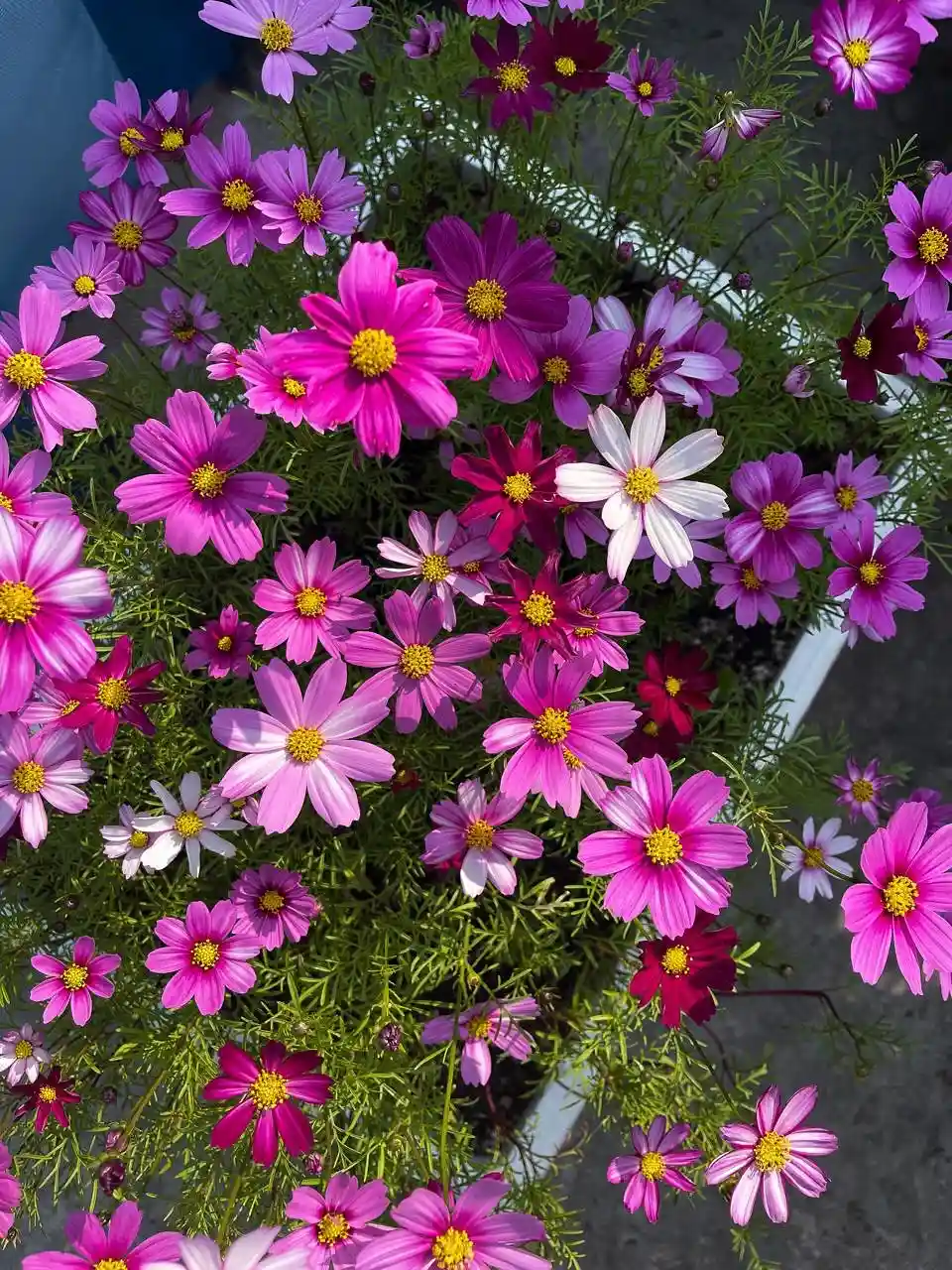
Cosmos are the kind of flowers that make a garden feel full without asking for constant attention. Their soft, fern-like foliage and cheerful flowers fit naturally into cottage gardens, borders, containers, and cutting beds.
Learning how to grow cosmos is simple because these flowers tolerate average soil, warm weather, and short dry periods once established. Give them plenty of sunlight, avoid feeding them too much, and remove fading flowers regularly.
With those basics covered, cosmos can bloom from early summer until the first hard frost.
Cosmos Plant Care at a Glance
| Care requirement | What cosmos need |
| Plant type | Mostly warm-season annuals |
| Light | Full sun, preferably 6 or more hours |
| Soil | Average, loose, well-draining soil |
| Water | Regular moisture while young; less once established |
| Planting time | After the final spring frost |
| Blooming period | Early summer until frost |
| Common height | Around 1 to 4 feet, depending on variety |
| Feeding | Usually little or no fertilizer |
| Maintenance | Deadheading and occasional support |
| Good for | Borders, cutting gardens, containers, and pollinator gardens |
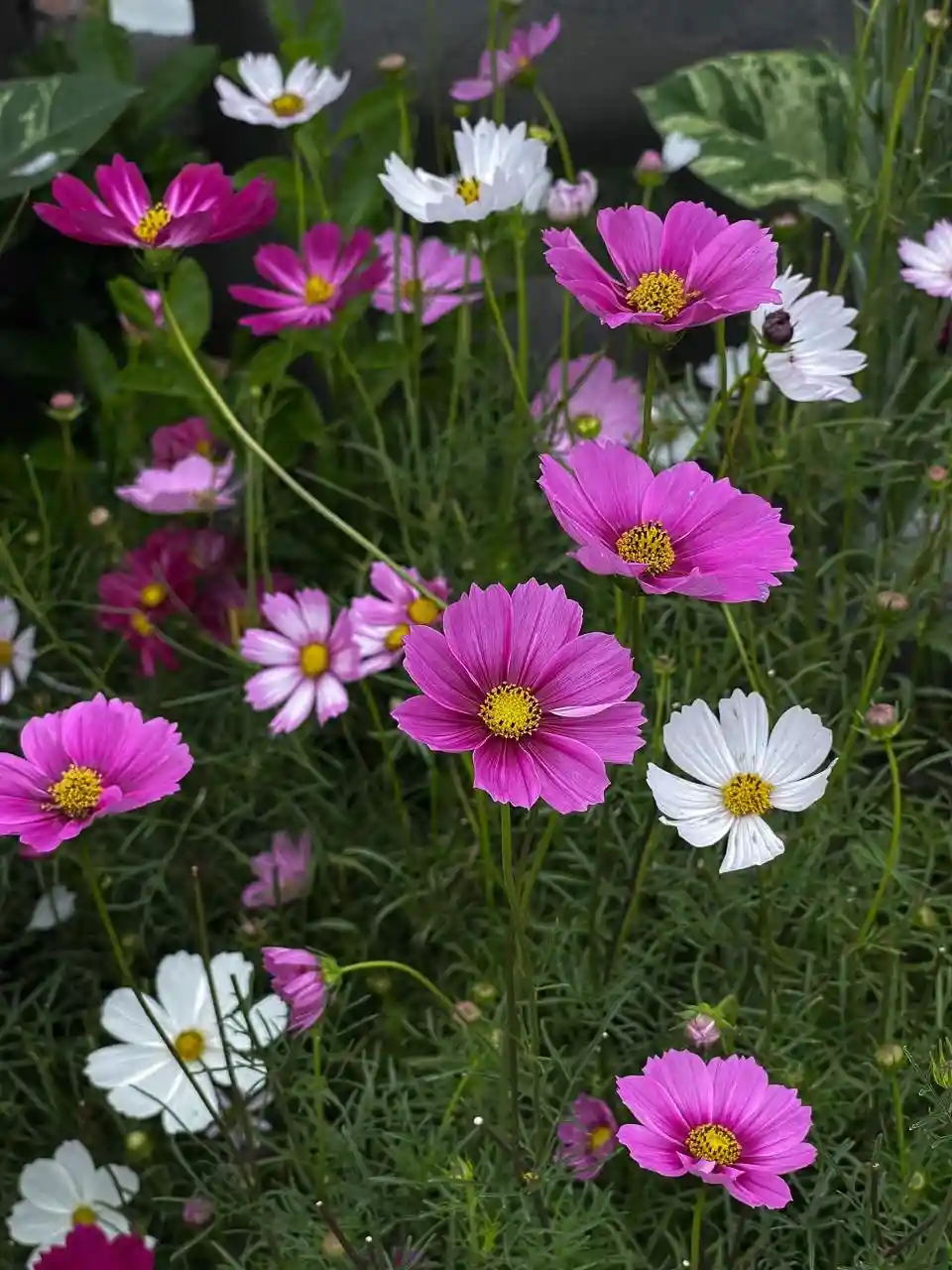
Garden cosmos usually refers to Cosmos bipinnatus, which produces pink, white, burgundy, and bicolored flowers. Orange and yellow varieties are often Cosmos sulphureus. Both are easy-to-grow annual flowers that prefer sunny, well-drained locations.
What Are Cosmos Flowers?
Cosmos are daisy-like flowers from the Asteraceae family. Most varieties grown in home gardens complete their life cycle within one season. They sprout, flower, produce seeds, and die after cold weather arrives.
Their narrow, feathery leaves create a soft background for flowers held on long, slender stems. Depending on the variety, plants may stay compact or grow several feet tall. Taller cosmos move gently in the wind and work especially well near fences, at the back of flower beds, or in loose cottage-style plantings.
Garden cosmos are native to Mexico and nearby warm regions. They have since become popular in gardens because they grow quickly from seed and need little attention once their roots settle into the soil.

Choosing the Right Type of Cosmos
Not every cosmos plant has the same size, flower shape, or growing habit. Check the mature height before buying seeds, especially when planting in containers or near shorter flowers.
| Cosmos type | Typical color | Approximate height | Best use |
| Sensation Mix | Pink, white, and burgundy | 3–4 feet | Back borders and cutting gardens |
| Sonata Series | Pink, white, and mixed shades | 18–24 inches | Containers and small gardens |
| Double Click | Pink, white, cranberry, and bicolors | 3–4 feet | Bouquets and decorative beds |
| Sea Shells | Pink, white, and carmine | 3–4 feet | Cottage gardens |
| Cupcakes Series | White, pink, and blush | 3–4 feet | Cutting gardens |
| Bright Lights | Orange, yellow, and red | 2–4 feet | Hot, sunny borders |
| Xanthos | Soft yellow | Around 2 feet | Pots and front borders |
| Chocolate Cosmos | Deep burgundy | Around 2 feet | Containers and sheltered beds |
For a first planting, a mixed packet of Cosmos bipinnatus is an easy choice. It gives you several flower colors and usually grows well from direct-sown seed.
Chocolate cosmos needs different treatment. Unlike common annual cosmos, it grows from a fleshy tuber and may need frost protection or winter storage in colder areas.
When to Plant Cosmos
Cosmos love warmth and dislike frost. Wait until the final expected frost has passed before sowing seeds outdoors. The soil should also be warming rather than cold and waterlogged.
North Carolina State Extension recommends sowing after frost danger has passed and once the soil has warmed to about 65°F. In cooler climates, seeds may be started indoors six to eight weeks before the final frost, although cosmos often grow best when their roots are disturbed as little as possible.
Direct Sowing Outdoors
Direct sowing is usually the easiest method.
Plant seeds after the weather has settled, cover them lightly, and keep the top layer of soil damp during germination. Avoid burying the seeds deeply because this can slow or prevent sprouting.
Seeds commonly germinate within 7 to 21 days, depending on temperature and moisture. Keep the soil gently moist for the first several days, but do not leave it soaked.
Starting Cosmos Indoors
Indoor sowing is useful when summers are short or when you want flowers earlier.
Start the seeds in small pots or individual cells. Place one or two seeds in each container and cover them with a thin layer of seed-starting mix. Keep the mix moist and place the containers somewhere warm and bright.
Once the seedlings have several true leaves, thin them to one plant per pot. Harden them off gradually before planting outside. This means placing them outdoors for a few hours each day and increasing the time over about a week.
Where to Plant Cosmos
Choose the planting location before opening the seed packet. Cosmos grow quickly, and tall varieties can shade smaller plants if placed at the front of a bed.
Give Them Full Sun
Cosmos flower best in full sun. Aim for at least six hours of direct sunlight each day.
Plants can survive with some light shade, but they may become tall, weak, and less floriferous. A bright, open position also helps moisture dry from the foliage after rain.
Both North Carolina State Extension and the Missouri Botanical Garden recommend full sun for dependable flowering.
Use Well-Draining Soil
Cosmos are not heavy feeders. Average garden soil often works better than rich, heavily amended soil.
Loose sandy soil, loam, and even relatively poor soil can support healthy plants as long as excess water drains away. Very rich soil or repeated high-nitrogen feeding may produce lots of leafy growth with fewer flowers.
The Missouri Botanical Garden advises avoiding overly fertile soil, while the RHS recommends ordinary to moderately fertile soil that drains well.
Protect Tall Plants from Wind
Tall cosmos have slim stems that can lean or snap during strong wind and heavy rain. Place them near a fence, grow them among sturdy neighboring plants, or add discreet supports before they become difficult to manage.
Planting tall varieties reasonably close together can allow the stems to support one another. Do not pack them so tightly that air cannot move through the foliage.
How to Plant Cosmos Seeds Step by Step

1. Clear the planting area
Remove weeds, stones, and large pieces of debris. Break up the top few inches of soil with a hand fork or rake.
Cosmos do not need a deeply prepared bed, but young roots establish more easily in loose soil.
2. Avoid adding too much compost
A small amount of compost is fine when the soil is extremely sandy or compacted. Skip heavy applications of manure and rich fertilizer.
Too much nutrition often gives you tall green plants rather than the mass of flowers you expected.
3. Sow the seeds lightly
Scatter seeds for an informal drift or plant them in shallow rows. Press them into the soil and cover them with only a thin layer.
Follow the spacing instructions on the seed packet because dwarf and tall varieties need different amounts of room. Around 12 to 18 inches works for many garden varieties.
4. Water gently
Use a watering can with a fine rose or a gentle hose setting. Strong water pressure can wash the lightweight seeds into one area.
Keep the surface from drying completely while the seeds are germinating.
5. Thin crowded seedlings
Once seedlings are a few inches tall, remove the weakest plants where they are growing too close together.
Thinning may feel wasteful, but it gives the remaining cosmos better airflow, stronger roots, and more room to branch.
6. Add support early
Install small stakes, rings, or twiggy branches beside tall varieties while the plants are still young. Early support is easier to hide and less likely to damage mature roots.
How to Water Cosmos
Newly planted seeds and seedlings need steady moisture. Water gently whenever the top layer begins to dry, especially during warm or windy weather.
Once established, cosmos tolerate short dry periods better than constantly wet soil. Water deeply during extended dry weather, then allow the upper soil to begin drying before watering again.
Plants in containers dry faster than those growing in garden beds. Check pots regularly by pressing a finger into the top inch of soil.
Avoid watering automatically every day. Soggy soil can weaken roots, cause yellowing, and increase the chance of rot. Cosmos appreciate even moisture but can tolerate some dryness after establishment.
Should You Fertilize Cosmos?
In most garden beds, cosmos need little or no fertilizer.
If the soil is extremely poor or container plants look weak, use a diluted, balanced liquid feed occasionally. Do not use strong, nitrogen-heavy fertilizer. It may produce oversized plants with soft stems and disappointing flower numbers.
This is one flower where extra feeding can work against you. Start with less, watch the plant, and only feed when its growth clearly suggests that it needs help.
Pinching Cosmos for Bushier Growth
Pinching is optional, but it can help tall cosmos develop more branches.
When a young plant has formed several sets of leaves and is growing strongly, remove the soft tip just above a pair of leaves. New side shoots should begin growing below the cut.
This can create a fuller plant with more flowering stems. Pinching may delay the first flowers slightly, so leave a few plants untouched when you want the earliest possible blooms.
Do not pinch weak, newly transplanted, or drought-stressed seedlings. Let them settle first.
How to Keep Cosmos Blooming
Remove Faded Flowers
Deadheading is one of the best ways to keep cosmos flowering.
Follow the stem of a faded flower down to a healthy leaf or side shoot, then make a clean cut. Removing only the petals and leaving the developing seed head behind will not give the same result.
Regular deadheading prevents the plant from putting all its energy into mature seeds. Both the RHS and Missouri Botanical Garden recommend removing old flowers to lengthen the blooming period.
Cut Flowers for Bouquets
Picking flowers for the house also works as a form of deadheading. Cut in the morning when the stems are well hydrated and choose blooms that have recently opened.
Use clean snips and place the stems in water soon after cutting. Cosmos have an airy shape that mixes well with zinnias, herbs, ornamental grasses, and other informal flowers.
Allow Some Seeds to Mature
Near the end of the season, stop deadheading a few healthy plants. Let the seed heads turn dry and brown before collecting them.
Place the seed heads in a paper bag and rub them gently to release the long, narrow seeds. Store fully dried seeds in a labeled paper envelope somewhere cool and dry.
Cosmos may also self-seed. Seedlings appearing the following year may not look exactly like the parent plant, particularly when several varieties grew close together.
Growing Cosmos in Containers
Cosmos can grow in pots, but variety selection matters. Dwarf types are easier to manage than four-foot plants on an exposed balcony.
Choose a container with drainage holes and use a loose potting mix. A pot at least 12 inches wide is suitable for one compact plant, while larger containers can hold a small group.
Place the pot in a sunny location and turn it occasionally if light comes mainly from one direction. Container-grown plants may need more frequent watering, but they still dislike sitting in water.
Use fertilizer lightly. Potting mix contains fewer nutrients than garden soil, yet too much feeding can still produce excessive foliage.
Common Cosmos Problems
Cosmos generally have few serious pest or disease troubles when planted in sun and well-drained soil.
| Problem | Likely reason | What to do |
| Tall plants with few flowers | Too much fertilizer or too little sunlight | Stop feeding and improve light where possible |
| Plants falling over | Wind, heavy rain, or weak growth | Add supports and avoid high-nitrogen fertilizer |
| Yellow lower leaves | Wet soil or poor drainage | Reduce watering and loosen compacted soil |
| Seedlings disappearing | Slugs, snails, or other pests | Check plants in the evening and protect young growth |
| White coating on leaves | Powdery mildew | Improve airflow and water near the soil |
| Brown, crispy foliage | Long dry periods | Water deeply and mulch lightly |
| Poor germination | Seeds planted too deeply or soil too cold | Resow shallowly after the soil warms |
| Flowers stop forming | Mature seed heads left on the plant | Deadhead regularly |
Aphids
Aphids may collect around tender new growth and flower buds. A firm spray of water often removes a small group.
Check the undersides of leaves every few days. Treating the problem early is easier than waiting until several stems are covered.
Powdery Mildew
Powdery mildew appears as pale or white patches on leaves. It is more common when plants are crowded and air movement is poor.
Thin dense growth, avoid soaking the leaves late in the day, and remove badly affected foliage. The plant may continue flowering even when older leaves look untidy.
Slugs and Snails
Slugs and snails can eat young cosmos seedlings close to the ground. Remove hiding places such as damp boards, thick debris, and overturned pots near the planting area.
Check after dark or early in the morning when these pests are easier to find.
Why Are My Cosmos Not Flowering?
The most common cause is soil that is too rich.
A cosmos plant covered in healthy green leaves but carrying few buds has probably received more nitrogen than it needs. Stop fertilizing and give it time to redirect its growth toward flowers.
Insufficient sunlight can cause a similar problem. Cosmos planted in partial shade may stretch toward the light and produce fewer buds.
Young plants may also need more time. Many cosmos varieties begin flowering in early summer and continue until frost once blooming starts.
Good Companion Plants for Cosmos
Cosmos look best beside plants that enjoy similar sunny conditions.
Zinnias
Zinnias add stronger flower shapes and bold colors beside the soft foliage of cosmos. Both are easy annuals for cutting gardens.
Read our guide on how to grow zinnias before planning a mixed summer flower bed.
Marigolds
Compact marigolds can fill the lower space around tall cosmos. Their rounded habit creates a useful contrast with the loose, airy stems.
See our marigold growing guide for planting and care tips.
Petunias
Petunias work well near shorter cosmos varieties, especially along sunny borders and in large containers.
Our guide on how to grow petunias explains how to keep them flowering through summer.
Other Useful Companions
Sunflowers, salvia, verbena, ornamental grasses, calendula, and dwarf dahlias can all share a sunny planting area with cosmos. Leave enough space between mature plants so each one receives light and moving air.
Seasonal Cosmos Care
Spring
Prepare a sunny planting area and sow seeds after frost danger has passed. Protect tender seedlings from slugs and thin crowded growth early.
Start indoor seeds only when you need a head start. Large, root-bound cosmos seedlings may take longer to settle after transplanting.
Summer
Water during long dry spells, cut flowers regularly, and remove spent blooms before they form seed.
Watch tall plants after storms. Add support before leaning stems become badly bent.
Fall
Continue picking flowers until cold weather ends the display. Leave selected seed heads to mature when you want to save seed or feed visiting birds.
After frost blackens the plants, pull them up and add healthy material to the compost pile.
Winter
Annual cosmos will not remain alive outdoors through freezing winter weather. Store collected seeds in a dry place and plan the next planting.
Chocolate cosmos may be lifted and stored like other tender tubers in cold climates, depending on local winter conditions.
Frequently Asked Questions
Do cosmos come back every year?
Common garden cosmos are annuals, so the same plant does not return after winter. However, mature seeds may fall to the ground and produce new seedlings the following season.
Do cosmos prefer sun or shade?
Cosmos prefer full sun, ideally six or more hours of direct light. They may grow in partial shade, but flowering is usually lighter and stems may become weak.
How long do cosmos take to germinate?
Seeds often germinate in about 7 to 21 days. Warm soil and steady, light moisture usually lead to better results.
How long do cosmos bloom?
Cosmos commonly flower from early summer until the first hard frost. Removing old blooms can keep new buds forming for longer.
Can cosmos grow in poor soil?
Yes. Average or relatively poor soil is often suitable as long as it drains well. Extremely fertile soil can produce more foliage and fewer flowers.
Should cosmos be cut back?
Remove fading flowers throughout the season. You can also shorten untidy or leaning stems above a healthy side shoot to encourage fresh growth.
Are cosmos good cut flowers?
Yes. Their long stems and light flower shape work well in informal bouquets. Frequent cutting also encourages the plants to keep producing buds.