How to Grow Petunias: Easy Guide for Colorful Blooms
Petunias are one of the easiest flowers to grow when you want bright color in garden beds, containers, window boxes, and hanging baskets. They bloom for a long season, come in many colors, and can make even a small patio feel full and cheerful. This easy guide covers how to grow petunias, where to plant them, how often to water, how to keep them blooming, and simple petunia care tips for beginners.
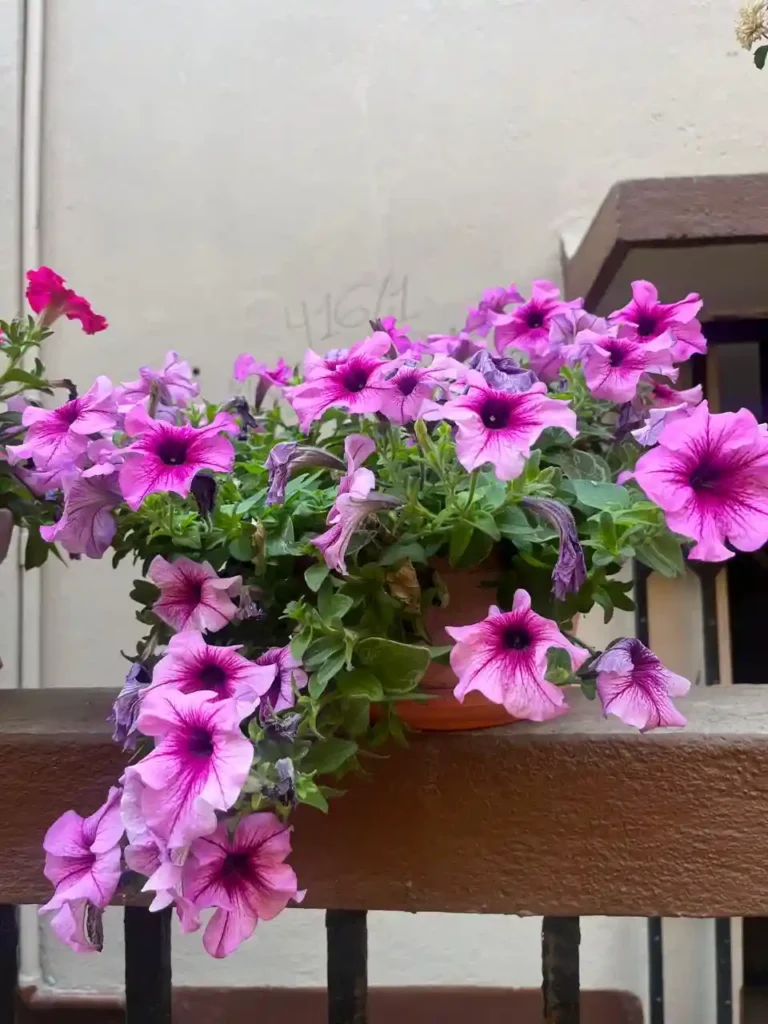
Petunia Plant Profile
| Feature | Details |
| Common Name | Petunia |
| Botanical Name | Petunia |
| Plant Type | Tender perennial, usually grown as an annual |
| Flower Colors | Pink, purple, white, red, yellow, blue, striped, bi-color |
| Sunlight | Full sun |
| Soil Type | Well-draining, fertile soil |
| Bloom Time | Spring to fall |
| Mature Size | 6 to 24 inches tall, depending on type |
| Best For | Pots, hanging baskets, borders, window boxes |
| Care Level | Easy |
How to Grow Petunias
Petunias grow best in full sun, well-draining soil, and a spot where they get regular water without sitting in wet soil.
They are usually grown as annual flowers, which means they grow, bloom, and finish in one season in most climates. In warm areas, some petunias may last longer, but most gardeners treat them as seasonal flowers.
Petunias are great for beginners because they grow quickly and flower heavily with basic care. The main things they need are sunlight, water, feeding, and light trimming when they start to look tired.
Best Place to Plant Petunias
Petunias need plenty of sun to bloom well. Choose a spot that gets at least 6 hours of direct sunlight each day.
They can handle a little light shade, especially in very hot climates, but too much shade will lead to fewer flowers and longer, weaker stems.
Petunias work beautifully in front garden beds, borders, raised planters, window boxes, porch pots, and hanging baskets. Trailing types are especially good for spilling over the edge of containers.
If you are planting petunias in the ground, choose an open spot with good air movement. This helps the leaves dry faster after rain and lowers the chance of disease.
Best Soil for Petunias
Petunias like loose, fertile, well-draining soil. They do not like heavy wet soil around their roots.
Before planting in the garden, mix compost into the soil. This helps improve drainage and adds gentle nutrients.
For containers, use a good-quality potting mix instead of garden soil. Garden soil can become too heavy in pots and may hold too much water.
Petunias also do better when the soil is slightly moist but not soggy. If water pools around the plant after rain, the area may need better drainage.
Good soil additions for petunias include:
- Compost
- Worm castings
- Aged manure
- Organic flower fertilizer
- Lightweight potting mix for containers
When to Plant Petunias
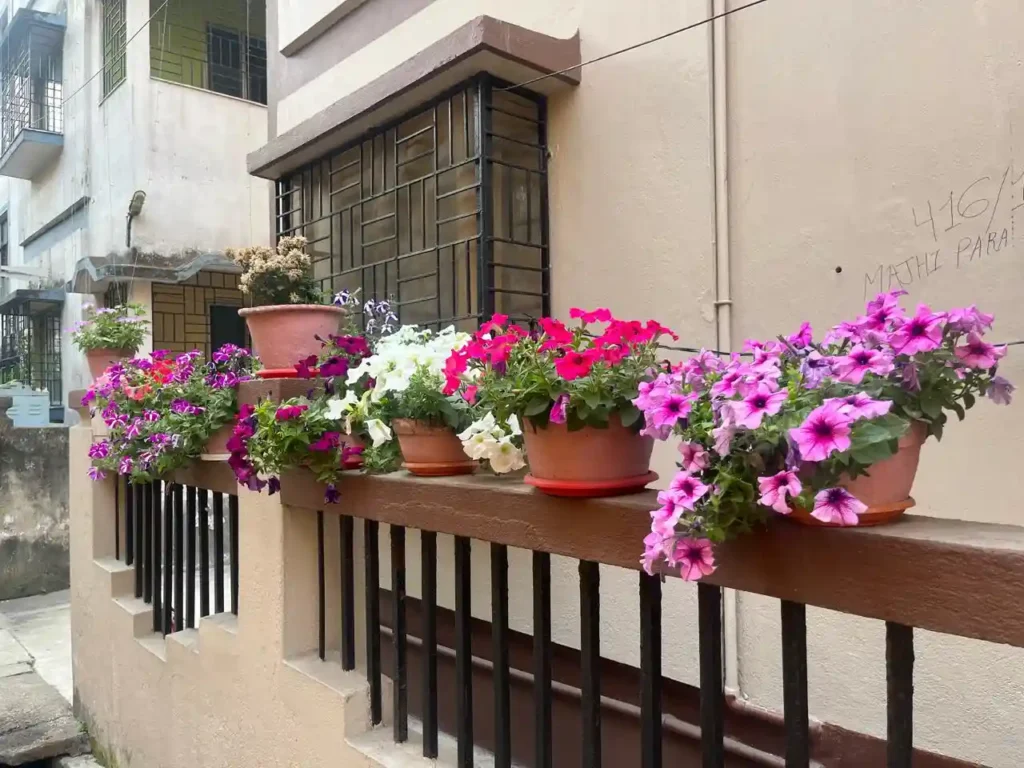
Plant petunias outdoors in spring after the danger of frost has passed.
Petunias do not like cold weather, so wait until the soil has warmed and night temperatures are comfortable. If you plant them too early, they may stop growing or become stressed.
Most gardeners buy young petunia plants from a nursery because they are easy to transplant and bloom quickly. You can also grow petunias from seed, but the seeds are tiny and need more patience.
In warm climates, petunias may grow best during cooler seasons, especially if summers are very hot.
Types of Petunias
There are several types of petunias, and the right one depends on where you want to grow them.
Grandiflora Petunias
Grandiflora petunias have large, showy flowers. They look beautiful in containers and garden beds.
Their blooms can be more sensitive to heavy rain, so they may need a little cleanup after storms.
Multiflora Petunias
Multiflora petunias have smaller flowers, but they usually bloom heavily and handle rain better than grandiflora types.
They are a good choice for garden beds, borders, and mass planting.
Milliflora Petunias
Milliflora petunias are compact plants with many small flowers.
They are perfect for small pots, window boxes, edging, and tight spaces where you want neat color without too much spreading.
Spreading Petunias
Spreading petunias grow wide and trail beautifully. These are often used in hanging baskets, large containers, and groundcover-style plantings.
They can fill space quickly and create a full, flowing look.
Wave Petunias
Wave petunias are popular spreading petunias known for strong growth and lots of blooms.
They are great for hanging baskets, raised planters, and wide garden beds where you want a carpet of color.
How to Plant Petunias
Start by watering the petunia plants before removing them from their nursery pots. This helps reduce transplant stress.
Dig a hole about the same depth as the root ball and slightly wider. Place the plant in the hole so it sits at the same level it was growing in the pot.
Backfill with soil and press gently around the base. Do not bury the crown too deeply.
Water well after planting. This helps settle the soil around the roots.
If you are planting several petunias together, leave enough space between them so they can spread and breathe.
How Far Apart to Plant Petunias
Spacing depends on the type of petunia.
Compact petunias can be planted about 8 to 12 inches apart. Larger spreading petunias may need 12 to 24 inches of space.
In containers, you can plant them a little closer for a full look, but do not overcrowd them too much. Crowded plants dry out faster and may get poor airflow.
For hanging baskets, use fewer plants than you think at first. Petunias grow quickly and will fill in with proper care.
How Often to Water Petunias
Petunias need regular water, especially in containers and hanging baskets.
In garden beds, water when the top inch of soil feels dry. In hot weather, this may mean watering several times a week.
Potted petunias dry out faster than plants in the ground. Hanging baskets can dry even faster because air moves around the container.
Water deeply until water drains from the bottom of the pot. This helps the roots get moisture evenly.
Try to water near the base of the plant instead of soaking the flowers and leaves. Wet blooms can look messy, and wet leaves may invite disease.
Do Petunias Need Fertilizer?
Yes, petunias bloom better with regular feeding.
Because they produce so many flowers, they use nutrients quickly, especially in pots and hanging baskets.
Mix slow-release fertilizer into the soil when planting, or feed with a liquid flower fertilizer every 1 to 2 weeks during the growing season.
Do not overfeed with high-nitrogen fertilizer. Too much nitrogen can create lots of leaves but fewer flowers.
A balanced flower fertilizer or bloom booster can help keep petunias colorful through summer.
Do Petunias Need Deadheading?
Some petunias need deadheading, while newer varieties are often self-cleaning.
Deadheading means removing faded flowers before they form seeds. This helps the plant put energy into more blooms.
Older petunia varieties often bloom better when deadheaded regularly. Many spreading and Wave-type petunias need less deadheading, but they still benefit from occasional cleanup.
When deadheading, remove the faded flower and the small seed pod behind it. If you only pull off the petals, the plant may still make seeds.
How to Keep Petunias Blooming
Petunias bloom best when they get sun, water, nutrients, and occasional trimming.
If your petunias stop blooming, they may need more sunlight, more feeding, or a light haircut.
By midsummer, some petunias can become long and leggy. Trim back about one-third of the plant to encourage fresh growth.
After trimming, water well and feed lightly. New leaves and blooms usually return within a couple of weeks.
To keep petunias blooming:
- Give them full sun
- Water before they dry out completely
- Feed regularly
- Deadhead when needed
- Trim leggy stems
- Remove damaged flowers after rain
Growing Petunias in Pots
Petunias are excellent container flowers.
Choose a pot with drainage holes. Petunias do not like sitting in water, so drainage is very important.
Use fresh potting mix and avoid heavy garden soil. A light potting mix helps roots breathe and keeps the container from becoming compacted.
Place the pot where it gets full sun. If the container is on a hot patio, check the soil often because it may dry quickly.
Petunias in pots usually need more fertilizer than petunias in the ground because nutrients wash out when you water.
Growing Petunias in Hanging Baskets
Petunias are one of the best flowers for hanging baskets because they spill beautifully over the sides.
Trailing and spreading petunias are the best choice for this style.
Hanging baskets dry out quickly, especially in summer wind and heat. Check them often and water deeply when the soil feels dry.
Feed hanging basket petunias regularly to keep the blooms strong.
If the basket starts looking thin or stringy, trim the stems back. This helps the plant grow fuller again.
Growing Petunias from Seed
You can grow petunias from seed, but it takes more time than buying young plants.
Petunia seeds are very small and need light to germinate. Start them indoors about 10 to 12 weeks before your last frost date.
Sprinkle the seeds on top of moist seed-starting mix and press them gently into the surface. Do not cover them with soil.
Keep the tray warm and moist, but not soaked. Once seedlings grow, give them bright light so they do not become weak.
Transplant them outdoors after frost danger has passed.
Common Petunia Problems
Petunias are easy flowers, but a few problems can happen during the growing season.
Petunias Not Blooming
If petunias are not blooming, they may not be getting enough sun. They need strong light to flower well.
Other causes include too much nitrogen fertilizer, dry soil, poor feeding, or plants becoming too leggy.
Move containers to a sunnier spot, feed with flower fertilizer, and trim long stems to refresh the plant.
Leggy Petunias
Leggy petunias have long stems with fewer leaves and flowers.
This often happens in midsummer or when the plant does not get enough sun.
Cut back the long stems by about one-third. This may feel harsh, but it helps the plant grow fuller and produce new blooms.
Yellow Leaves
Yellow leaves can happen from overwatering, underwatering, poor drainage, lack of nutrients, or old growth.
Check the soil first. If it is soggy, let it dry slightly and improve drainage. If it is very dry, water deeply.
If container petunias have yellow leaves and weak blooms, they may need fertilizer.
Sticky Leaves
Petunias naturally have slightly sticky leaves and stems, so this is usually normal.
However, if you see tiny insects, curling leaves, or sticky residue, check for aphids or whiteflies.
Aphids
Aphids are small insects that gather on tender new growth.
You can often remove them with a strong spray of water. For heavier problems, insecticidal soap may help.
Powdery Mildew
Powdery mildew looks like white powder on the leaves.
It can happen when plants are crowded or airflow is poor. Space plants properly, avoid wetting the leaves, and remove badly affected growth.
Root Rot
Root rot happens when petunias sit in wet soil for too long.
Make sure pots have drainage holes and avoid overwatering. In garden beds, avoid low spots where water collects.
Why Are My Petunias Dying?
Petunias may start dying because of poor drainage, too much water, extreme heat, lack of fertilizer, or severe pest problems.
The first thing to check is the soil. If the roots are sitting in soggy soil, the plant may wilt even though the soil is wet.
If the plant is dry and crispy, it may need deeper watering or more shade during the hottest part of the day.
For tired midsummer petunias, trimming and feeding can often bring them back.
Best Companion Plants for Petunias
Petunias mix well with many warm-season flowers and foliage plants.
Good companion plants for petunias include:
- Marigolds
- Geraniums
- Verbena
- Sweet alyssum
- Salvia
- Lantana
- Zinnias
- Coleus
- Dusty miller
- Calibrachoa
- Lobelia
- Bacopa
For containers, pair trailing petunias with upright plants and soft filler flowers. This creates a full planter with height, color, and movement.
Petunias vs Calibrachoa
Petunias and calibrachoa look similar, but they are not exactly the same.
Calibrachoa has smaller flowers and is often called million bells. It works beautifully in hanging baskets and containers.
Petunias usually have larger blooms and can be more dramatic in garden beds and pots.
Both like sun, good drainage, and regular feeding. Calibrachoa is often a little more sensitive to soggy soil, so drainage matters even more.
Are Petunias Annuals or Perennials?
Petunias are usually grown as annuals in most gardens.
They do not survive freezing winter weather in cold climates. Gardeners plant them in spring and enjoy them through summer and fall until frost.
In warm frost-free areas, petunias may live longer, but they can still become tired over time. Many people replace them seasonally for the best display.
Are Petunias Good for Beginners?
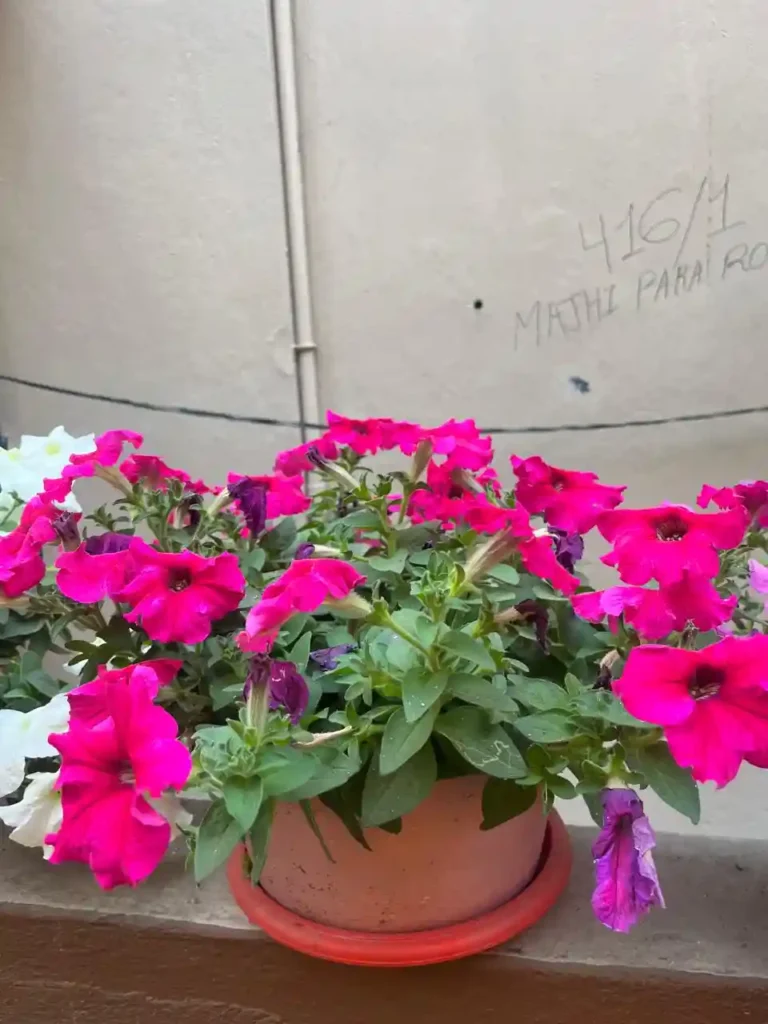
Yes, petunias are great for beginners.
They grow quickly, bloom for a long time, and work in many spaces. You can grow them in the ground, in pots, in window boxes, or in hanging baskets.
For the easiest care, choose newer self-cleaning varieties or Wave-style petunias. They usually need less deadheading and give a fuller look with simple care.
Seasonal Petunia Care
Spring Petunia Care
Plant petunias after frost danger has passed. Choose healthy young plants with green leaves and no signs of pests.
Mix compost into garden soil or use fresh potting mix for containers. Water well after planting.
Summer Petunia Care
In summer, water regularly and feed often. Remove faded blooms if your variety needs deadheading.
Trim leggy stems when the plant starts looking thin. This keeps petunias fresh and full.
Fall Petunia Care
Petunias can keep blooming into fall if the weather stays mild.
Remove tired growth, keep feeding lightly, and protect containers from early cold nights if possible.
Once frost arrives, most petunias will finish for the season.
Conclusion
Petunias are easy, colorful flowers that can brighten almost any sunny space. Give them full sun, well-draining soil, regular water, and steady feeding, and they will reward you with blooms for months. Whether you plant them in garden beds, pots, window boxes, or hanging baskets, petunias are one of the best beginner-friendly flowers for long-lasting color.
FAQs
Are petunias easy to grow?
Yes, petunias are easy to grow and are great for beginners. They need full sun, well-draining soil, regular water, and light feeding to bloom well.
Do petunias need full sun?
Yes, petunias bloom best with at least 6 hours of direct sun each day. They can handle light shade, but too much shade can reduce flowers.
How often should I water petunias?
Water petunias when the top inch of soil feels dry. Petunias in pots and hanging baskets may need water more often than plants in the ground.
Should I deadhead petunias?
Some petunias need deadheading, while newer self-cleaning types need less. Removing faded blooms can help many petunias keep flowering.
Why are my petunias getting leggy?
Petunias can get leggy from low light, age, or midsummer stress. Trim the stems back by about one-third, then water and feed to help fresh growth return.
Can petunias grow in pots?
Yes, petunias grow very well in pots. Use a container with drainage holes, fresh potting mix, and regular feeding for the best blooms.
Do petunias come back every year?
In most climates, petunias are grown as annuals and do not come back after frost. In warm areas, they may last longer, but many gardeners replant them each year.