How to Grow Roses: Easy Guide
Roses may look fancy, but they are not as hard to grow as many beginners think. Once you understand sunlight, soil, watering, pruning, and basic care, roses can become one of the most rewarding flowers in your garden. This easy guide will walk you through how to grow roses from planting to blooming, with simple tips for keeping your rose bushes healthy, full, and colorful through the growing season.
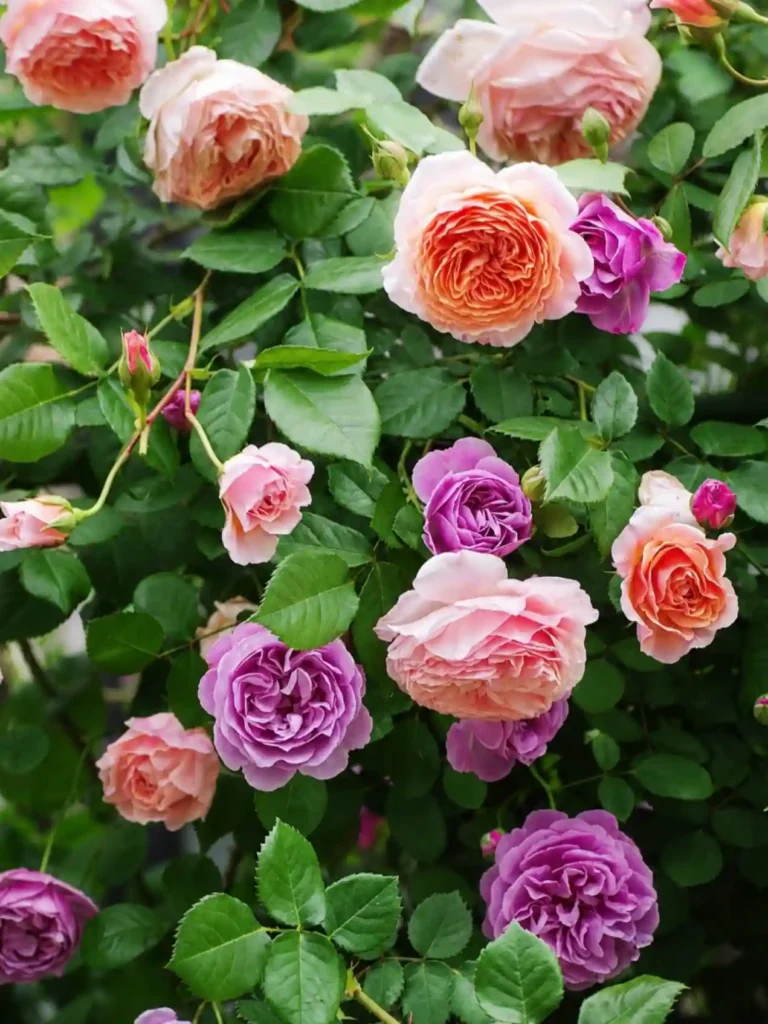
How to Grow Roses
Roses grow best when they get the right start. The most important things are sunlight, good soil, steady watering, and enough space for air to move around the plant.
Most rose plants need at least 6 hours of direct sun each day. Morning sun is especially helpful because it dries the leaves early and lowers the chance of fungal problems.
Before planting, choose a spot that is open, bright, and not too crowded by trees, walls, or large shrubs. Roses do not like sitting in wet soil, so drainage matters just as much as sunlight.
Best Place to Plant Roses
Choose a sunny garden bed where your roses can get plenty of light and fresh air. A south-facing or east-facing spot often works well because the plant gets strong morning light without too much late-day stress.
Avoid planting roses too close to large trees. Tree roots can take water and nutrients away from the rose bush. Shady areas can also lead to weak stems, fewer flowers, and more leaf disease.
Leave enough room between plants so the leaves can dry after rain or watering. This simple step helps prevent black spot, powdery mildew, and other common rose problems.
Best Soil for Roses
Roses prefer rich, well-draining soil. The soil should hold some moisture but never stay soggy.
A loose, loamy soil is ideal because it lets roots spread easily while still holding enough nutrients. If your soil is heavy clay, mix in compost to improve texture. If your soil is sandy, compost will help it hold moisture better.
A slightly acidic soil is usually best for roses, with a pH around 6.0 to 6.5. You do not need to worry too much at the start, but if your roses are struggling, a simple soil test can tell you what needs to be fixed.
Good soil additions for roses include:
- Compost
- Aged manure
- Leaf mold
- Worm castings
- Organic rose fertilizer
Avoid fresh manure because it can burn young roots.
When to Plant Roses
The best time to plant roses is usually in spring after the danger of hard frost has passed. This gives the plant time to grow strong roots before hot summer weather arrives.
In warmer climates, you can also plant roses in fall. Fall planting works well because the soil is still warm, and the weather is cooler, which helps reduce stress on the plant.
Bare root roses are often planted in early spring while they are still dormant. Potted roses can be planted in spring, early summer, or fall, as long as you water them well after planting.
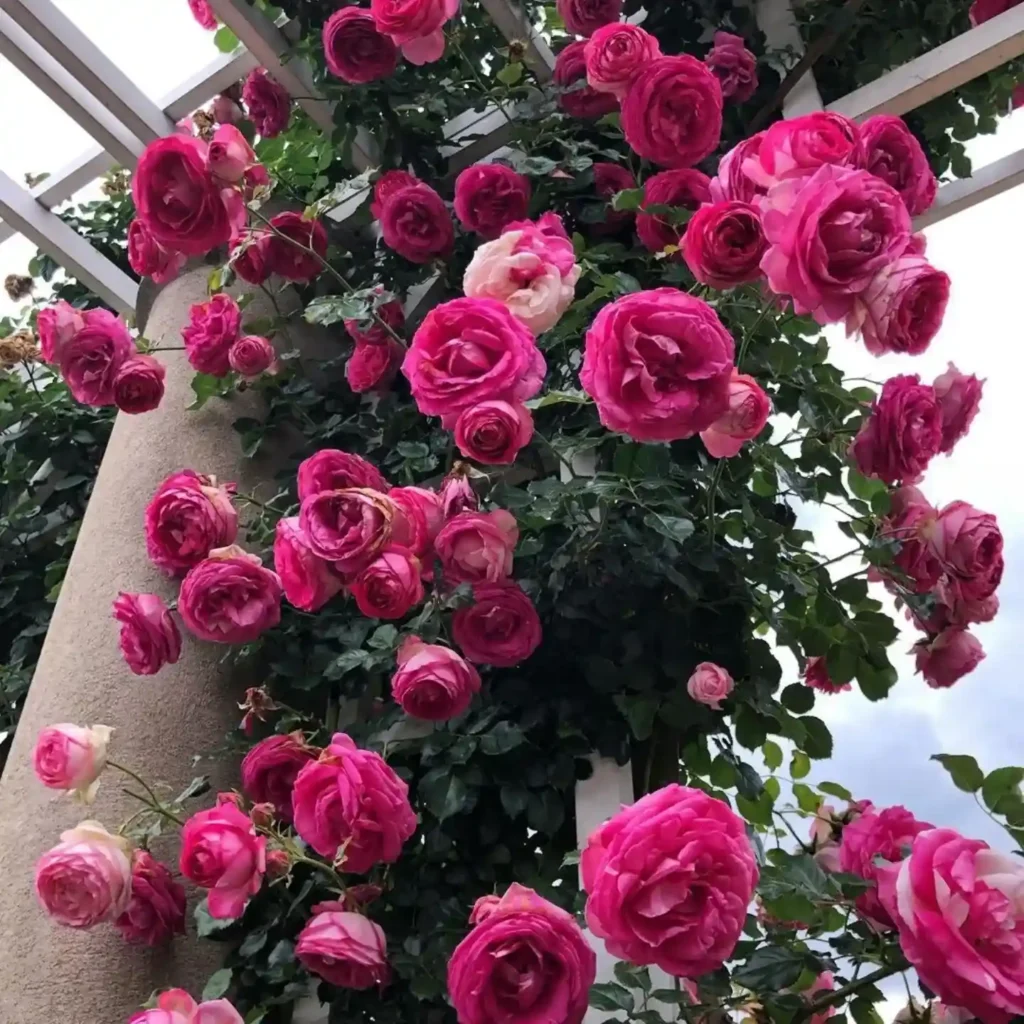
Types of Roses to Grow
There are many types of roses, and the best one depends on your garden style, space, and care level.
Hybrid Tea Roses
Hybrid tea roses are known for large, classic blooms on long stems. They are often used for cutting gardens and flower arrangements.
They look beautiful, but they may need more care than some other types. They often need regular pruning, feeding, and disease control.
Floribunda Roses
Floribunda roses produce clusters of flowers, so they give a fuller look in the garden. They are a good choice if you want color through the season.
They usually bloom more freely than hybrid tea roses and can be easier for beginners.
Grandiflora Roses
Grandiflora roses combine traits from hybrid tea and floribunda roses. They often have tall growth with large flowers in clusters.
They work well in larger garden beds or as a strong focal plant.
Shrub Roses
Shrub roses are one of the best choices for beginners. They are usually hardy, full, and easier to care for than many formal rose types.
They look natural in cottage gardens, mixed borders, and front yard flower beds.
Climbing Roses
Climbing roses grow long canes that can be trained on fences, arches, trellises, and pergolas.
They do not climb by themselves like vines, so you need to tie the canes gently to a support. With proper training, they can create a romantic garden look.
Groundcover Roses
Groundcover roses stay low and spread outward. They are useful for slopes, borders, and low-maintenance flower beds.
They can help fill empty spaces with color while needing less shaping than taller rose bushes.
Miniature Roses
Miniature roses are compact and work well in containers, small gardens, patios, and balconies.
They still need sunlight, water, and feeding like larger roses, but their smaller size makes them easier to fit into tight spaces.
Bare Root Roses vs Potted Roses
Bare root roses are sold without soil around the roots. They usually look like dry sticks when you buy them, but they can grow beautifully once planted correctly.
Before planting bare root roses, soak the roots in water for a few hours. This helps wake the plant up and gives it a better start.
Potted roses are sold in containers with soil. They are easier for beginners because you can see leaves, stems, and sometimes flowers already growing.
Both types can grow well. Bare root roses are often cheaper, while potted roses are easier to plant anytime during the growing season.
How to Plant Roses Step by Step
Start by digging a hole that is wider than the root ball. The hole should give the roots room to spread without bending or crowding.
Mix compost into the soil you removed from the hole. This improves drainage and adds slow, natural nutrients.
Place the rose in the hole so the crown or graft union sits at the right level. In colder areas, the graft union is often planted slightly below the soil line for winter protection. In warmer areas, it may sit just above the soil line.
Backfill the hole with soil and press gently around the base. Do not pack the soil too tightly because roots need air.
Water deeply after planting. Add mulch around the base, but keep mulch a few inches away from the main stems to prevent rot.
How Deep to Plant Roses
Planting depth depends on your climate and the type of rose.
For grafted roses, the swollen part near the base is called the graft union or bud union. In cold climates, planting it slightly below the soil can help protect it from freezing weather.
In mild or warm climates, the graft union is often kept at or just above the soil level.
Own-root roses do not have a graft union, so you can plant them at the same depth they were growing in the pot.
How Far Apart to Plant Roses
Spacing depends on the rose type and mature size.
Most shrub roses need around 3 to 5 feet of space. Hybrid tea roses and floribundas often need around 2 to 3 feet. Climbing roses may need more room, especially if they are trained along a fence or arch.
Do not plant roses too close together. Crowded plants stay damp longer after rain, which can lead to fungal disease.
Good spacing also makes pruning, feeding, and deadheading much easier.
How Often to Water Roses
Roses need deep watering, especially during the first year after planting. Deep watering helps roots grow downward, which makes the plant stronger in dry weather.
Most roses do well with about 1 to 2 inches of water per week, depending on your climate, soil, and weather.
Water at the base of the plant instead of spraying the leaves. Wet leaves can increase the chance of black spot and mildew.
Early morning is the best time to water because the plant can take up moisture before the heat of the day.
Mulching Roses
Mulch is one of the easiest ways to help roses grow better. It keeps the soil cool, holds moisture, and helps reduce weeds.
Use organic mulch such as shredded bark, compost, pine straw, leaf mold, or wood chips.
Spread mulch around the base of the rose, but do not pile it against the stems. Leave a small gap around the crown so air can move and the base does not stay too wet.
Refresh mulch once or twice a year as it breaks down.
Fertilizing Roses
Roses are heavy feeders, which means they need regular nutrients to keep blooming well.
Start feeding roses in spring when new growth begins. Use a balanced rose fertilizer or organic feed made for flowering plants.
Many gardeners feed roses again after the first bloom cycle to support more flowers. Stop heavy feeding late in the season so the plant can slow down before winter.
Good natural fertilizers for roses include compost, fish emulsion, seaweed feed, bone meal, and alfalfa meal.
Do not overfeed roses. Too much fertilizer can cause lots of leafy growth with fewer flowers.
How to Prune Roses
Pruning helps roses stay healthy, open, and full of fresh growth. It also removes dead, weak, or crossing branches.
The best time to prune most roses is late winter or early spring, just before strong new growth begins.
Use sharp, clean pruning shears. Cut out dead or damaged wood first. Then remove thin, weak stems and any branches rubbing against each other.
For many bush roses, you can shape the plant into an open vase form. This lets sunlight and air reach the center of the plant.
Always cut just above an outward-facing bud. This encourages the new stem to grow outward instead of into the center.
Deadheading Roses
Deadheading means removing faded flowers. This helps many repeat-blooming roses produce more flowers.
Cut the spent bloom back to a healthy set of leaves. Many gardeners cut above a five-leaflet leaf, but the exact spot can depend on the rose type and how you want to shape the plant.
Do not deadhead roses in late fall if you want rose hips to form. Rose hips can add winter interest and provide food for birds.
Training Climbing Roses
Climbing roses need support and shaping. They do not grip walls or trellises by themselves, so you need to tie the canes loosely.
Train the long main canes as horizontally as possible along a fence, trellis, arbor, or pergola. Horizontal training helps side shoots grow, and those side shoots often produce more flowers.
Use soft garden ties, fabric strips, or flexible plant ties. Avoid wire that can cut into the stems.
Prune climbing roses after flowering if they bloom once, or in early spring if they repeat bloom.
Growing Roses in Pots
Roses can grow well in containers if the pot is large enough. Choose a deep pot with drainage holes because roses need room for roots.
A pot at least 18 to 24 inches wide is a good starting size for many compact roses. Larger shrub roses need bigger containers.
Use high-quality potting mix, not heavy garden soil. Garden soil can compact in pots and cause drainage problems.
Container roses dry out faster than roses in the ground, so check moisture often during hot weather.
Good roses for pots include miniature roses, patio roses, compact shrub roses, and smaller floribundas.
Growing Roses from Cuttings
Some roses can be grown from cuttings, especially own-root types. This is a slower method, but it can be rewarding.
Take a healthy stem cutting from new growth that is firm but not too woody. Remove the lower leaves and place the cutting in moist potting mix.
Keep the cutting in bright, indirect light and maintain steady moisture. Covering it loosely with a clear plastic bag can help hold humidity, but make sure there is some airflow.
Not every cutting will root, so take several cuttings at once.
Common Rose Problems
Roses can face a few common problems, but many are easier to manage when the plant is healthy and well-spaced.
Black Spot
Black spot causes dark spots on leaves, often followed by yellowing and leaf drop. It is common in humid or wet conditions.
To reduce black spot, water at the base, improve airflow, remove infected leaves, and avoid overcrowding.
Powdery Mildew
Powdery mildew looks like a white powder on leaves, buds, or stems. It often appears when days are warm and nights are cool.
Good airflow, proper spacing, and avoiding overhead watering can help reduce it.
Aphids
Aphids are small soft insects that gather on tender new growth and flower buds. They can make leaves curl and weaken young stems.
You can often remove aphids with a strong spray of water. Ladybugs and other helpful insects also feed on aphids.
Japanese Beetles
Japanese beetles chew rose leaves and flowers. They can damage blooms quickly when present in large numbers.
Hand-picking them into soapy water early in the morning can help in small gardens.
Spider Mites
Spider mites are tiny pests that often appear in hot, dry weather. Leaves may look dusty, speckled, or webbed.
Rinsing the plant and keeping it watered during dry spells can help reduce stress.
Why Roses Are Not Blooming
If your roses are not blooming, the most common reason is not enough sunlight. Roses need strong light to produce flowers.
Other reasons include too much nitrogen fertilizer, poor pruning, young plants that need more time, lack of water, or pest stress.
Check these basics first:
- Is the rose getting 6 or more hours of sun?
- Is the soil draining well?
- Are you watering deeply?
- Are you feeding too much nitrogen?
- Are faded flowers being removed from repeat bloomers?
Once these basics are fixed, many roses start blooming better.
Best Companion Plants for Roses
Companion plants can make a rose garden look fuller and more balanced. They also help cover bare stems near the base of the rose.
Good companion plants for roses include:
- Lavender
- Salvia
- Catmint
- Geranium
- Foxglove
- Allium
- Nepeta
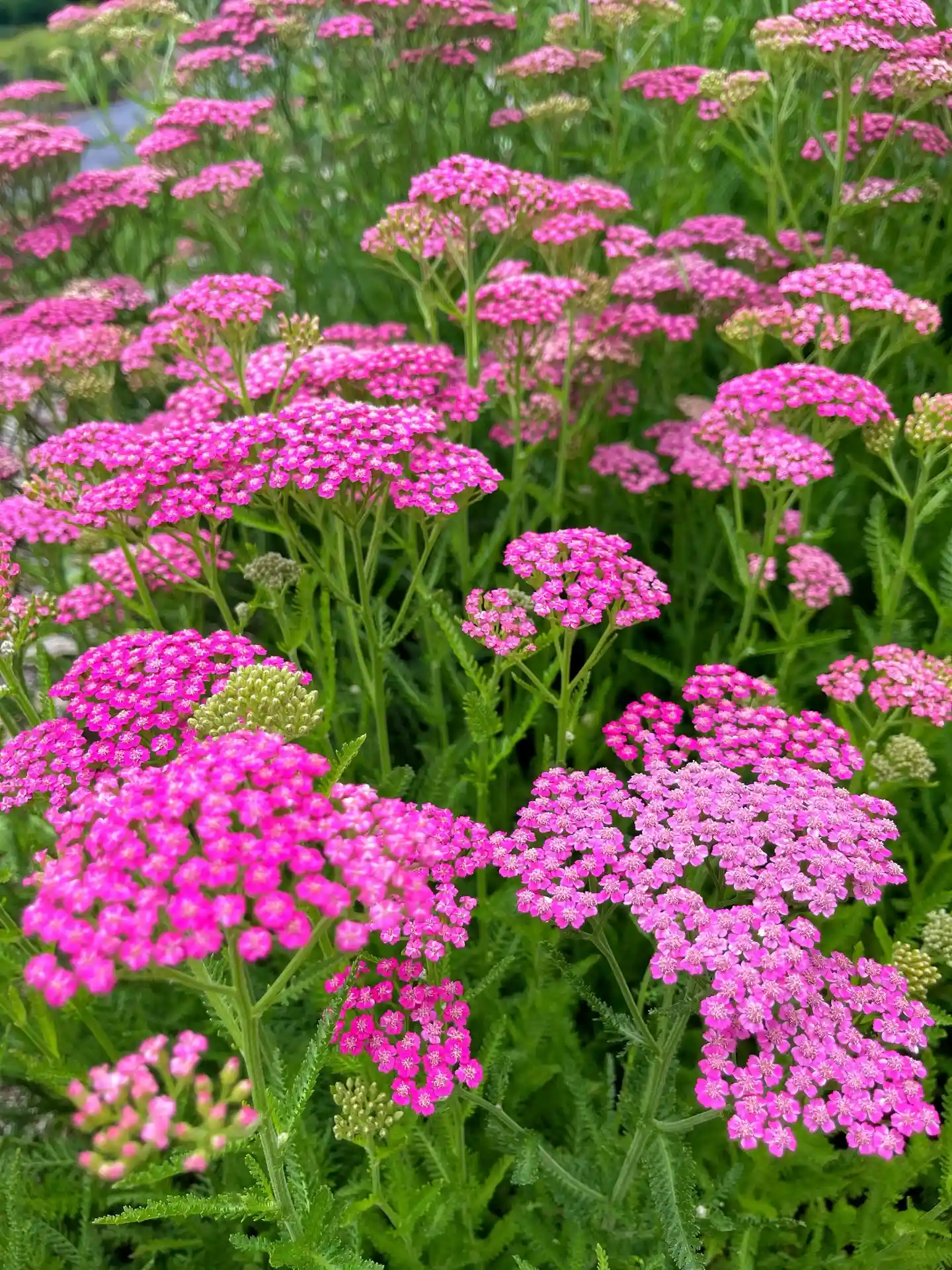
- Yarrow
- Lady’s mantle
- Coreopsis
- Coneflowers
Choose companions that like similar sunlight and soil. Avoid planting anything too close to the rose roots.
Seasonal Rose Care
Roses need slightly different care through the year.
Spring Rose Care
In spring, remove winter protection, prune dead wood, feed the plant, refresh mulch, and watch for early pests.
This is also a good time to plant new roses.
Summer Rose Care
In summer, water deeply, deadhead faded blooms, check for pests, and keep mulch in place.
During very hot weather, container roses may need extra water.
Fall Rose Care
In fall, stop heavy feeding and let the plant slow down. Remove diseased leaves from the ground so problems do not carry into next year.
You can allow rose hips to form if you want a natural winter look.
Winter Rose Care
In cold climates, protect the base of the rose with mulch, compost, or soil after the ground begins to cool.
Climbing roses may need their canes secured so winter wind does not damage them.
Easy Rose Care Tips for Beginners
Start with disease-resistant rose varieties if you are new to growing roses. Shrub roses and landscape roses are often easier than formal hybrid tea roses.
Give your roses full sun, deep watering, and yearly pruning. These three habits solve many common problems before they start.
Do not panic over a few yellow leaves or insects. A healthy rose plant can handle small issues. Focus on steady care instead of overcorrecting with too much fertilizer or spraying.
Best Roses for Beginners
Beginner gardeners should look for roses that are known for strong growth, repeat blooms, and disease resistance.
Good beginner-friendly rose types include shrub roses, landscape roses, groundcover roses, and compact floribundas.
These roses are usually more forgiving and do not need as much careful pruning as hybrid tea roses.
Conclusion
Growing roses becomes much easier when you focus on the basics: full sun, rich soil, deep watering, mulch, feeding, and simple pruning. Choose the right rose type for your space, give it room to breathe, and keep an eye on common problems before they spread. With a little regular care, roses can reward you with beautiful blooms year after year.
FAQs
Are roses easy to grow?
Yes, roses can be easy to grow when they are planted in the right spot. Choose a sunny area, use well-draining soil, water deeply, and prune once a year. Beginner-friendly shrub roses are usually easier than hybrid tea roses.
How much sun do roses need?
Most roses need at least 6 hours of direct sun each day. Morning sun is especially helpful because it dries the leaves and can lower the risk of fungal problems.
How often should I water roses?
Most roses need deep watering once or twice a week, depending on heat, rainfall, and soil type. Water at the base of the plant instead of spraying the leaves.
What is the best fertilizer for roses?
A balanced rose fertilizer works well for most garden roses. Compost, aged manure, fish emulsion, and alfalfa meal can also support healthy growth. Avoid too much nitrogen because it can lead to more leaves and fewer flowers.
When should roses be pruned?
Most roses are pruned in late winter or early spring before strong new growth begins. Remove dead, damaged, weak, or crossing stems first, then shape the plant for better airflow.
Can roses grow in pots?
Yes, roses can grow in pots if the container is large, deep, and has drainage holes. Use good potting mix and water regularly because container roses dry out faster than roses planted in the ground.
Why are my rose leaves turning yellow?
Rose leaves can turn yellow from overwatering, underwatering, poor drainage, lack of nutrients, pests, or disease. Check the soil moisture first, then look for spots, insects, or weak growth.