How to Grow Peonies
Peonies are one of the most loved perennial flowers because they come back year after year with large, soft, romantic blooms. Once planted in the right spot, peonies can live for many years with very little care. This easy guide covers how to grow peonies, where to plant them, when to cut them back, how to get more blooms, and how to keep your peony plants healthy through the seasons.
How to Grow Peonies
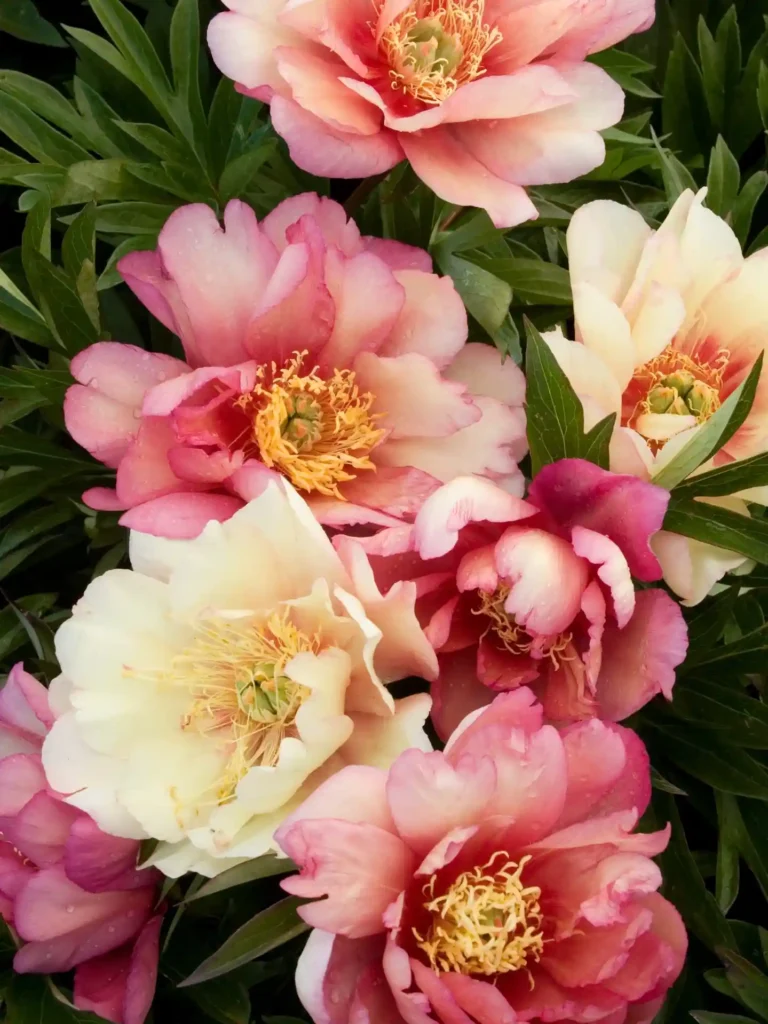
Peonies are long-lived perennial plants that grow best in full sun, rich soil, and a spot where they will not be disturbed often.
They are not fast plants in the beginning. A new peony may take 2 to 3 years to bloom well, but once it settles in, it can reward you with flowers every spring for decades.
The biggest mistake beginners make is planting peony roots too deep. Peonies need their “eyes,” or growing buds, close to the soil surface. If they are buried too deeply, the plant may grow leaves but no flowers.
Best Place to Plant Peonies
Peonies need a sunny garden spot with good air movement. Most peonies bloom best with at least 6 hours of direct sunlight each day.
Morning sun is especially helpful because it dries moisture from the leaves and keeps the plant healthier. In very hot climates, a little afternoon shade can help protect the blooms from fading too quickly.
Avoid planting peonies too close to large trees or shrubs. Tree roots can steal water and nutrients, and too much shade can lead to weak stems and fewer flowers.
Choose the planting spot carefully because peonies do not like being moved often. Once they are happy, leave them there.
Best Soil for Peonies
Peonies grow best in rich, well-draining soil. They like soil that holds some moisture but does not stay soggy.
Before planting, mix compost into the garden bed. This improves soil texture and gives the roots a better start.
If your soil is heavy clay, compost can help loosen it. If your soil is sandy, compost helps it hold moisture longer.
Peonies prefer neutral to slightly acidic soil. You do not need to worry too much unless your plants are not growing well, but a soil test can help if the bed has problems.
Good soil additions for peonies include:
- Compost
- Aged manure
- Leaf mold
- Bone meal
- Organic flower fertilizer
Avoid fresh manure because it can burn roots and create too much soft growth.
When to Plant Peonies
The best time to plant peonies is in fall. Fall planting gives the roots time to settle before spring growth begins.
You can also plant potted peonies in spring, but they may take longer to adjust. Spring-planted peonies often need extra watering during their first growing season.
Bare root peonies are usually planted in fall. They may look dry and simple when you buy them, but they can grow into strong plants once they are planted correctly.
If you already have a potted peony from a garden center, plant it at the same depth it was growing in the pot.
Types of Peonies

There are several types of peonies, and each one gives the garden a different look.
Herbaceous Peonies
Herbaceous peonies are the most common garden peonies. They die back to the ground in winter and return in spring.
They are loved for their large, soft flowers and full green foliage. These are great for perennial borders, cottage gardens, and cutting gardens.
Tree Peonies
Tree peonies have woody stems that stay above ground through winter. They usually bloom earlier than herbaceous peonies and can produce large, dramatic flowers.
They grow more like small shrubs and should not be cut back to the ground.
Itoh Peonies
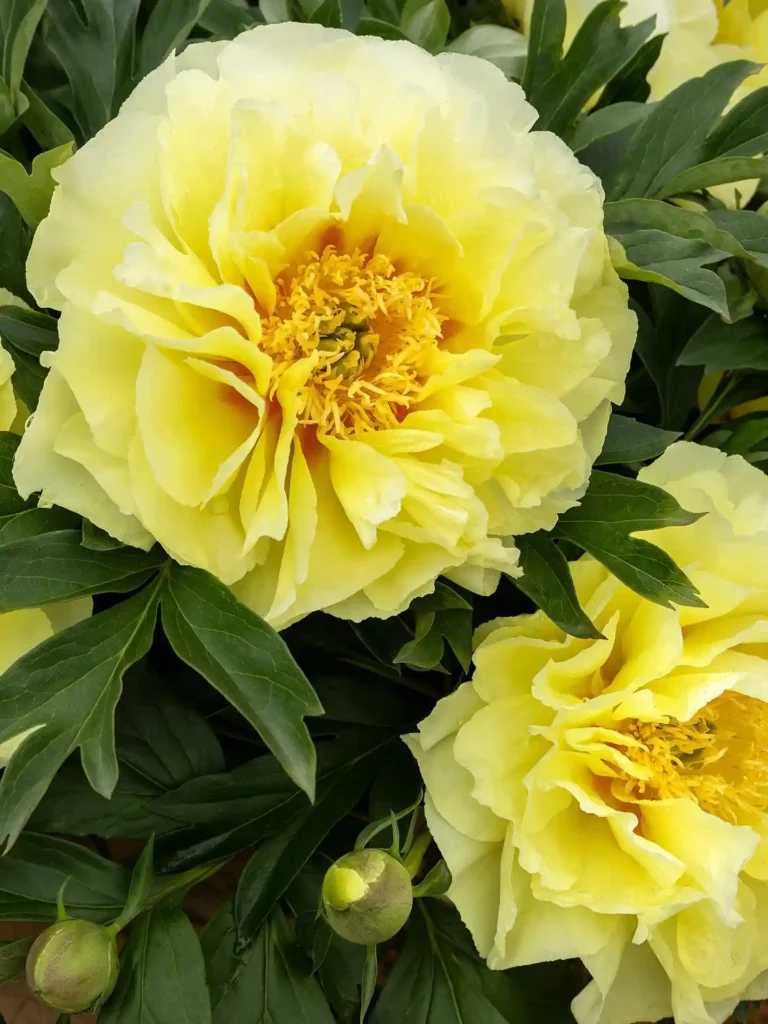
Itoh peonies are a cross between herbaceous peonies and tree peonies. They have strong stems, large blooms, and a longer flowering season than many traditional peonies.
They are often more expensive, but they are beautiful and usually need less staking.
How to Plant Peonies
Start by digging a wide hole, about 12 to 18 inches deep and wide. Loosen the soil well so the roots can spread easily.
Mix compost into the soil you removed from the hole. Do not add too much fertilizer directly under the root because strong fertilizer can damage young roots.
Place the peony root so the eyes are facing upward. The eyes are small pink, red, or white buds on the root crown.
Cover the root with soil, but keep the eyes only about 1 to 2 inches below the soil surface in cold climates. In warmer zones, plant them even slightly shallower.
Water well after planting, then add a light layer of mulch around the plant. Keep mulch away from the crown so the growing buds are not buried too deeply.
How Deep to Plant Peonies
Planting depth is very important for peonies.
If the eyes are planted too deep, the plant may grow healthy leaves but never bloom. This is one of the most common reasons peonies fail to flower.
For most gardens, the eyes should sit about 1 to 2 inches below the soil surface.
In warmer areas, keep them closer to the surface. In colder areas, a little extra protection is fine, but do not bury them deeply.
If your peony has not bloomed for several years and gets enough sun, planting depth may be the issue.
How Far Apart to Plant Peonies
Peonies need space because they grow into wide, full plants.
Most herbaceous peonies should be spaced about 3 feet apart. Larger varieties and tree peonies may need more room.
Good spacing helps air move around the leaves. This lowers the risk of fungal problems like botrytis and powdery mildew.
Do not crowd peonies with dense plants right at the base. You can add low companion plants nearby, but leave enough breathing room around the crown.
How Often to Water Peonies
Peonies need steady moisture when they are young, especially during the first year after planting.
Water deeply once a week if there is no rain. Deep watering helps roots grow down into the soil.
Once established, peonies are fairly drought-tolerant, but they still bloom better when they are not stressed during spring growth and bud formation.
Water at the base of the plant instead of soaking the leaves. Wet foliage can lead to disease, especially in cool or humid weather.
Fertilizing Peonies
Peonies do not need heavy feeding, but they do appreciate good soil.
In spring, you can add compost around the plant as new growth appears. A balanced slow-release flower fertilizer can also help if your soil is poor.
Avoid high-nitrogen fertilizer. Too much nitrogen can create lots of leafy growth with fewer flowers.
Feed lightly after blooming if the plant looks weak or if your soil is low in nutrients.
Simple feeding schedule:
- Add compost in early spring
- Use light flower fertilizer if needed
- Avoid overfeeding
- Do not pile fertilizer on the crown
Mulching Peonies
Mulch helps keep the soil moist and reduces weeds, but it must be used carefully around peonies.
A light layer of mulch around the plant is helpful. Keep it a few inches away from the crown.
Do not pile mulch over the eyes or base of the plant. This can make the peony act like it was planted too deep, which may stop blooming.
Good mulch options include shredded bark, compost, straw, leaf mold, or pine needles.
Do Peonies Need Staking?
Many peonies need support, especially double-flowered varieties with large heavy blooms.
After rain, peony flowers can become very heavy and bend toward the ground. This is normal, but it can make the plant look messy.
Place a peony ring or plant support over the young shoots in early spring. The stems will grow through the support and hide it naturally.
Do not wait until the plant is already tall and floppy. It is much harder to support peonies once the stems are full of buds.
Itoh peonies and some single-flowered types often have stronger stems and may need less support.
How to Get More Peony Blooms
Peonies bloom best when they get enough sun, are planted at the right depth, and are left undisturbed.
If your peony is not blooming, check these first:
- Is it getting at least 6 hours of sun?
- Are the eyes planted too deep?
- Is the plant too young?
- Has it been moved recently?
- Is it getting too much nitrogen fertilizer?
- Are late frosts damaging the buds?
Young peonies often need patience. A new plant may produce only a few blooms at first, then improve each year.
Why Peonies Are Not Blooming
The most common reason peonies do not bloom is planting too deep.
Another common reason is not enough sunlight. Peonies can survive in part shade, but they may not flower well.
Peonies may also skip blooming after being divided or moved. This does not always mean something is wrong. The plant may need time to settle.
Too much fertilizer, especially nitrogen, can also reduce flowers. If the plant has lots of leaves but no blooms, check your feeding routine and sunlight.
Deadheading Peonies
Deadheading means removing faded flowers after they finish blooming.
Cut the old bloom stem back to a strong leaf. This keeps the plant looking neat and stops it from wasting energy on seed production.
Do not cut all the foliage after blooming. The leaves are important because they feed the roots for next year’s flowers.
Leave the green foliage in place until fall.
When to Cut Back Peonies
Cut back herbaceous peonies in fall after the leaves turn yellow or brown.
Use clean pruners and cut the stems down close to the ground. Remove the old foliage from the garden bed instead of leaving it around the plant.
This helps reduce disease problems that can carry over into the next year.
Do not cut tree peonies to the ground. Tree peonies keep woody stems above soil, so only remove dead or damaged wood.
Dividing Peonies
Peonies do not need regular dividing like some perennials. In fact, they often bloom best when left alone.
You may divide peonies if the plant is very old, overcrowded, or planted in the wrong spot.
The best time to divide peonies is fall. Dig up the root carefully and divide it into sections. Each division should have 3 to 5 healthy eyes and strong roots.
Replant right away at the correct depth and water well.
Be patient after dividing. The plant may take a year or two to bloom heavily again.
Growing Peonies in Pots
Peonies can grow in containers, but they are usually easier in the ground.
If you want to grow peonies in pots, choose a large, deep container with drainage holes. Use high-quality potting mix and place the pot in a sunny spot.
Container peonies need more attention because the soil dries faster and the roots have less protection in winter.
Compact peony varieties are better for pots than large old-fashioned types.
In cold climates, protect the container in winter so the roots do not freeze too hard.
Peony Bloom Time
Most peonies bloom in spring to early summer, depending on your climate and variety.
Some bloom early, some midseason, and some later. If you plant a mix of early, mid, and late blooming peonies, you can enjoy flowers for a longer period.
Peony flowers do not last all summer, but the foliage stays attractive after blooming. The leafy mound can still add structure to the garden bed.
Best Companion Plants for Peonies
Peonies look beautiful with plants that bloom before, during, or after their flower season.
Good companion plants for peonies include:
- Salvia
- Catmint
- Allium
- Lavender
- Iris
- Foxglove
- Roses
- Geranium
- Nepeta
- Coneflowers
- Daylilies
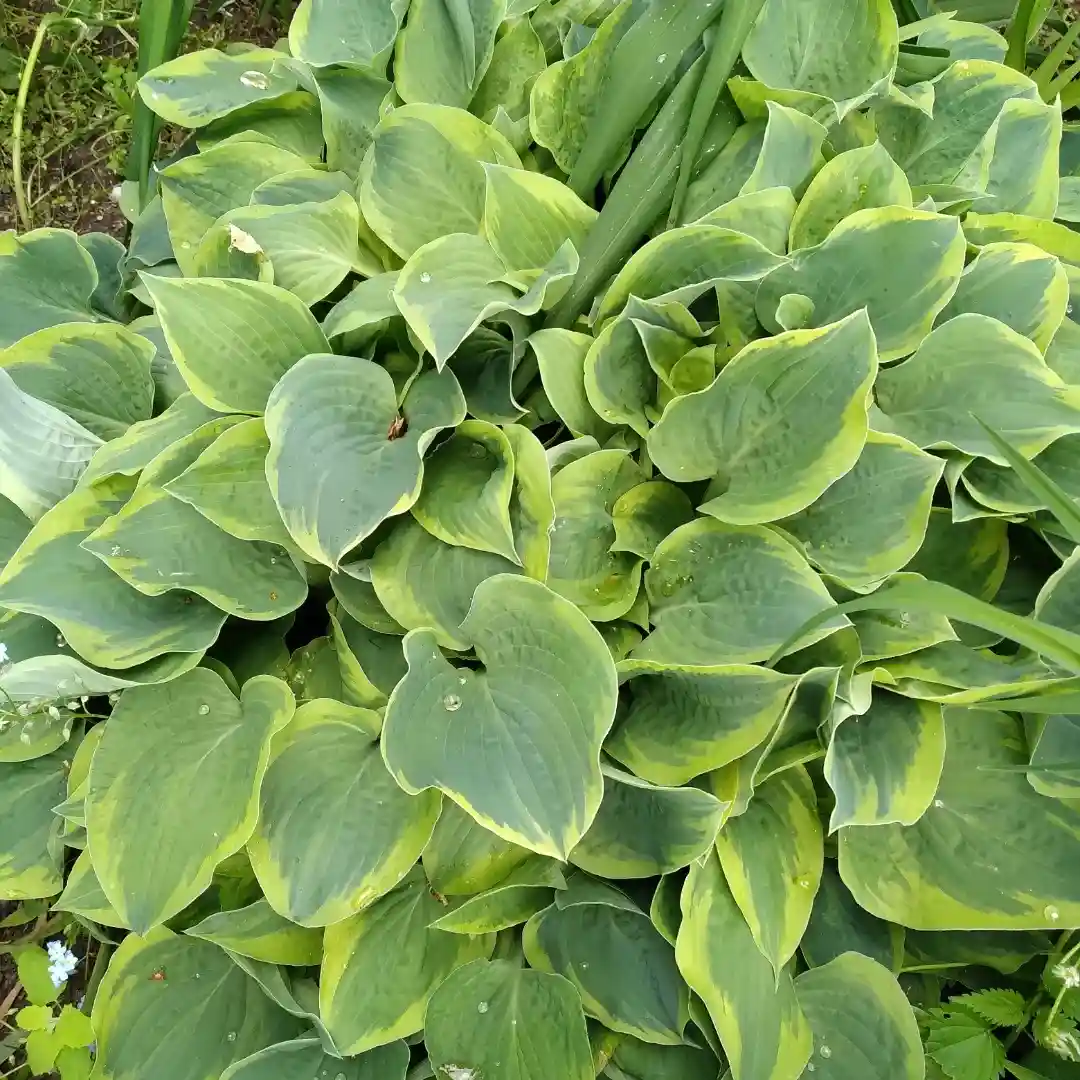
- Hostas
- Lady’s mantle
Choose plants that like similar sun and soil. Keep companions far enough away so they do not crowd the peony crown.
Common Peony Problems
Peonies are generally strong plants, but they can still face a few issues.
Botrytis Blight
Botrytis is a fungal disease that can cause blackened stems, gray mold, and buds that fail to open.
It is more common in wet, cool weather. Improve airflow, avoid overhead watering, and remove infected plant parts.
Powdery Mildew
Powdery mildew looks like a white powder on the leaves. It often appears later in the season.
Good spacing and airflow help reduce the problem. It usually does not kill the plant, but it can make leaves look messy.
Ants on Peonies
Ants are very common on peony buds. They are attracted to the sweet nectar on the buds.
Ants do not usually harm peonies, and you do not need to spray them. Once the flowers open, the ants often move on.
Floppy Stems
Large double peonies can flop after rain. Use peony rings or plant supports early in spring.
Strong stems also come from enough sun. Plants grown in shade often lean and flop more.
Seasonal Peony Care
Spring Peony Care
In spring, watch for red shoots coming up from the soil. Remove any old debris, add compost, and place plant supports early.
Keep the soil evenly moist as buds form.
Summer Peony Care
After blooming, deadhead faded flowers and leave the foliage in place. Water during long dry spells.
The leaves are feeding the roots for next year, so do not cut them too early.
Fall Peony Care
In fall, cut herbaceous peonies down after the foliage turns yellow or brown.
Remove old leaves from the garden to reduce disease risk.
Fall is also the best time to plant or divide peonies.
Winter Peony Care
Peonies are cold-hardy and usually do not need much winter care.
A light layer of mulch can help protect new plants, but do not bury the crown deeply.
Are Peonies Good for Beginners?
Yes, peonies are great for beginners if you plant them correctly from the start.
They need patience, but not constant care. Once established, they can bloom every year with simple seasonal maintenance.
The key is choosing the right sunny spot, planting shallow enough, and not moving the plant too often.
Conclusion
Peonies are one of the best perennial flowers for a long-lasting garden. They need full sun, rich well-draining soil, correct planting depth, and a little patience in the first few years. Once they settle in, peony plants can return every spring with big, beautiful blooms and very little fuss. If you want a flower that feels romantic, classic, and reliable, peonies are worth adding to your garden.
FAQs
Are peonies easy to grow?
Yes, peonies are easy to grow once they are planted in the right spot. They need full sun, good drainage, and shallow planting. After they settle in, they need very little care.
Why are my peonies not blooming?
The most common reasons are planting too deep, not enough sunlight, young plants, too much nitrogen fertilizer, or recent transplanting. Peonies may take a few years to bloom well.
Do peonies need full sun?
Yes, peonies bloom best with at least 6 hours of direct sun each day. They can grow in part shade, but they may produce fewer flowers.
When should I cut back peonies?
Cut back herbaceous peonies in fall after the foliage turns yellow or brown. Do not cut them back right after blooming because the leaves feed the roots for next year.
Do ants hurt peonies?
No, ants usually do not hurt peonies. They are attracted to the sweet nectar on the buds and often leave after the flowers open.
Can peonies grow in pots?
Yes, peonies can grow in large pots, but they usually perform better in the ground. Use a deep container, good drainage, and a sunny location.
How long do peonies live?
Peonies can live for decades when planted in the right place. Many established peony plants bloom year after year with basic care.