25 Shrubs for Front of House look Stunning
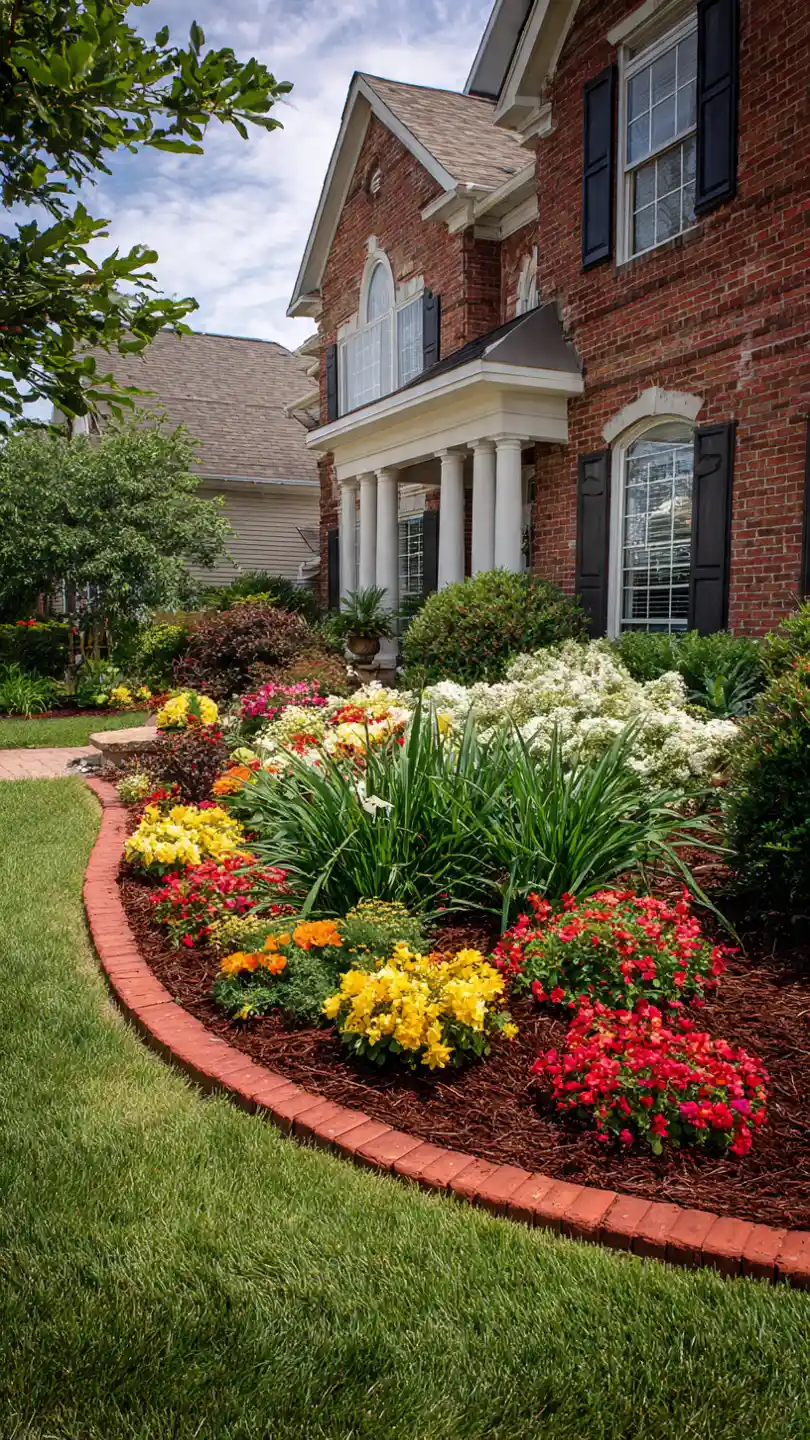
The right shrubs for front of house can completely change how your home feels from the street. It’s not just about planting greenery it’s about creating a clean, welcoming layout that looks good in every season.
In this guide, each shrub is chosen for real curb appeal, easy styling, and practical use. I’ll walk you through what makes each one work so you can confidently pick what fits your space and lifestyle.
1. Boxwood
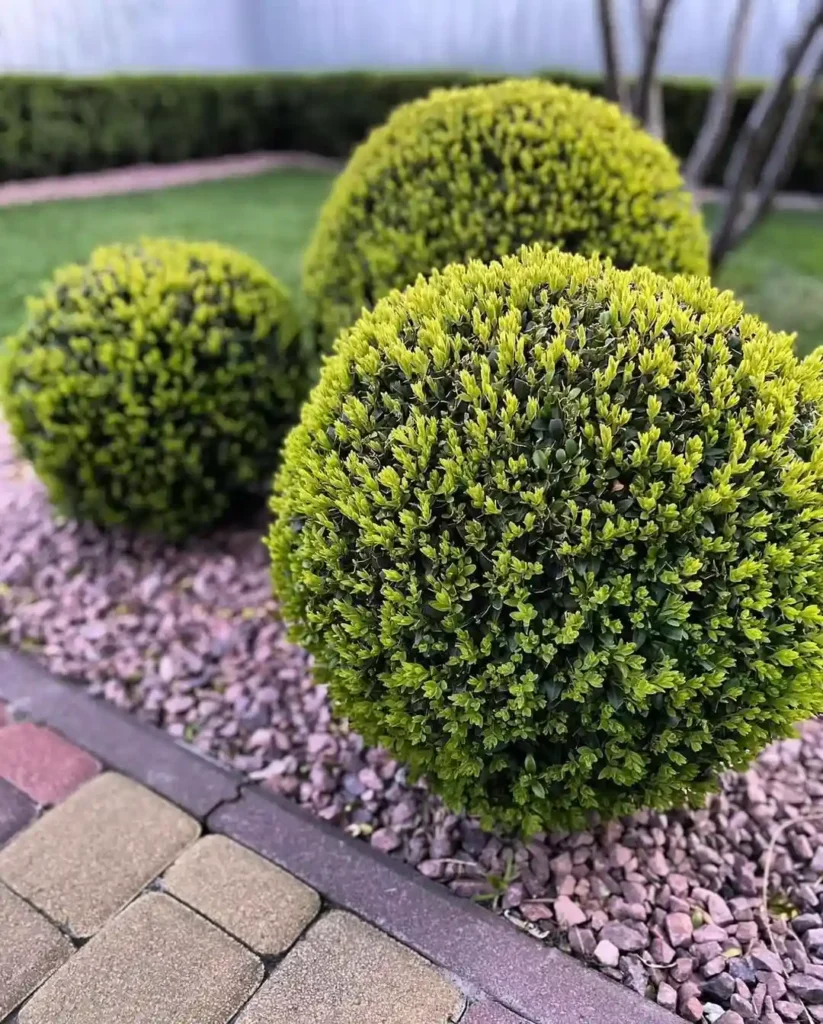
Boxwood is one of the most reliable choices when you want a front yard that feels neat and intentional. Its dense, compact foliage makes it perfect for shaping into clean hedges, borders, or rounded accents near entryways. It works especially well in symmetrical layouts, giving your home a polished look without needing complex design. Whether you prefer a modern or traditional style, boxwood adapts easily and keeps your landscaping looking consistent throughout the year.
Why it works:
- Evergreen with year-round structure
- Easy to shape for clean designs
- Ideal for borders and entryways
2. Indian Hawthorn
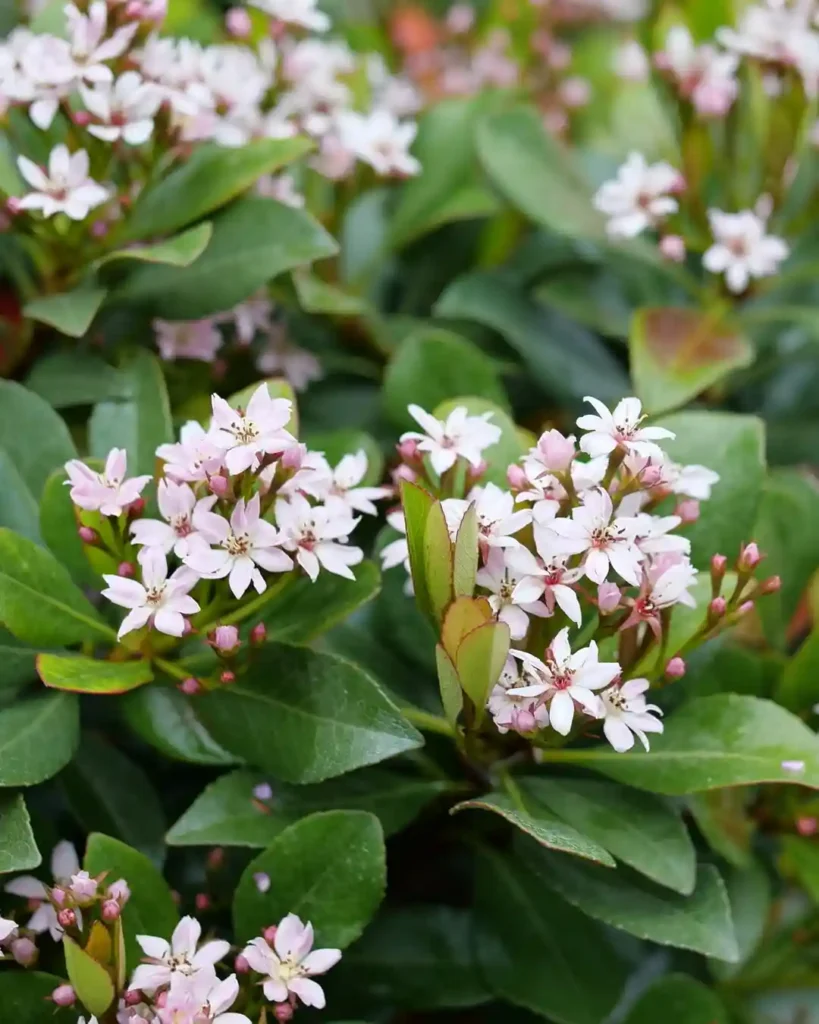
Indian Hawthorn is a great option if you want something that looks attractive without constant upkeep. It has thick, glossy leaves that stay tidy and produces soft pink or white blooms during the season. This shrub naturally grows in a rounded shape, so you don’t have to worry about frequent trimming. It fits beautifully along front walls or pathways, adding a soft touch while still keeping your landscaping organized and easy to manage.
Why it works:
- Low maintenance and easy to grow
- Handles heat and sun well
- Adds gentle seasonal color
For more Garden ideas:-
3. Juniper
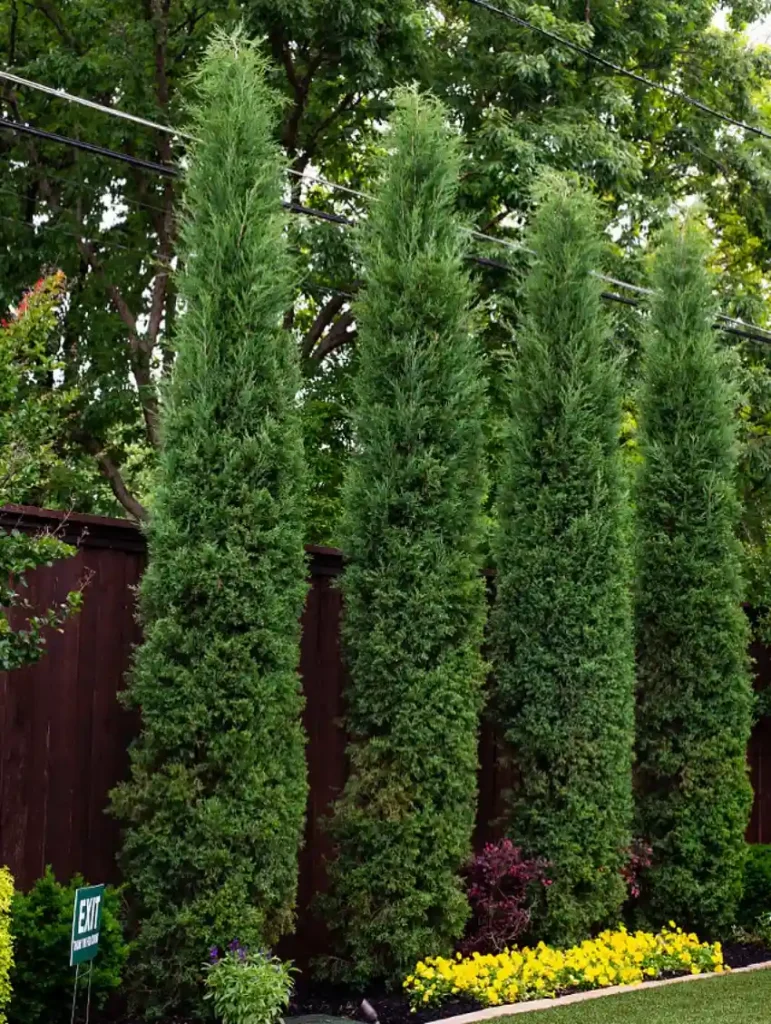
Juniper is perfect if you want a shrub that survives almost anything while still looking good. It comes in different shapes and sizes, from ground-hugging forms to upright varieties, giving you flexibility in design. Its slightly blue-green tone adds contrast to standard greenery, making your front yard feel more layered. It’s especially useful in modern or minimal landscapes where you want texture without too much effort.
Why it works:
- Extremely hardy and drought-tolerant
- Works in many landscape styles
- Requires very little maintenance
4. Dwarf Spruce
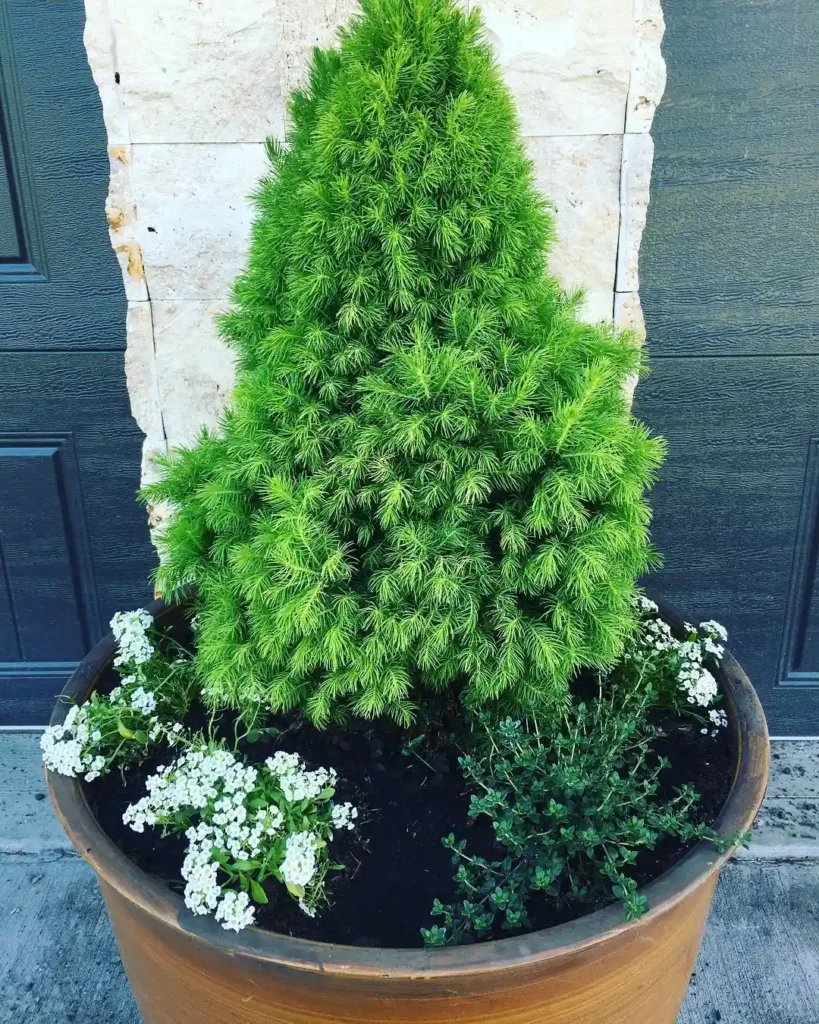
Dwarf spruce is ideal for homeowners who want a structured evergreen but don’t have space for large plants. It grows slowly and keeps a naturally tidy form, which means less pruning over time. The dense needles give it a full, rich look that works well near entrances or under windows. It blends nicely with stone, pathways, and other shrubs, helping create a balanced front yard design.
Why it works:
- Slow-growing and easy to manage
- Dense, full appearance
- Great for small front yards
5. Podocarpus
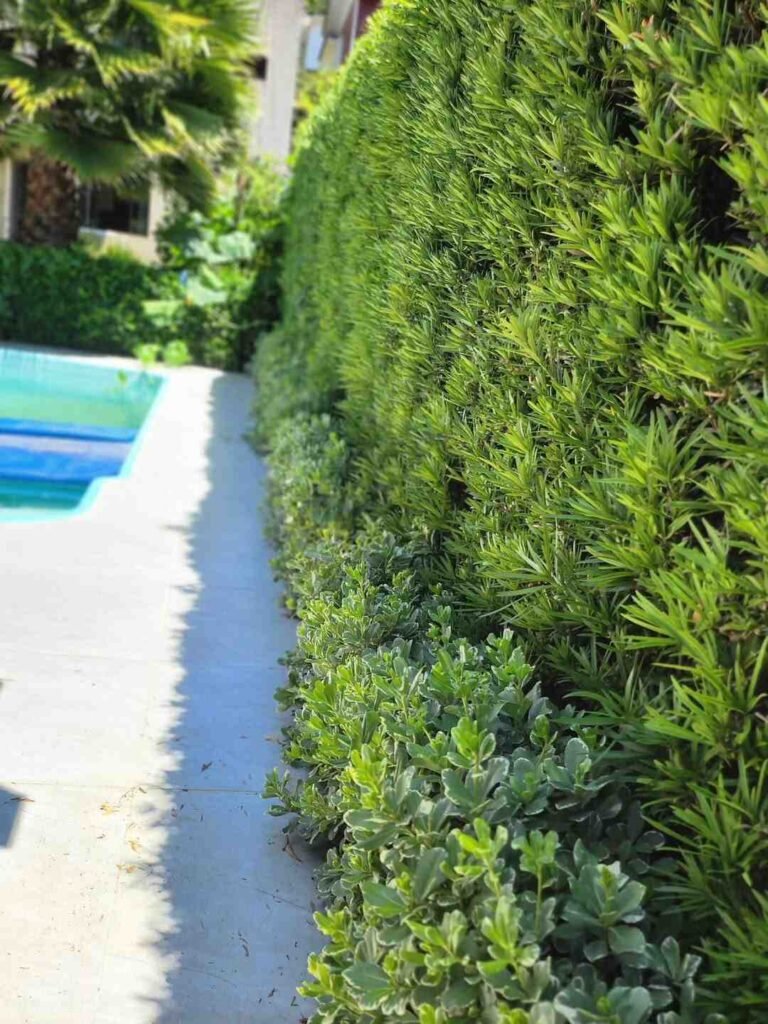
Podocarpus is a smart choice if you want height and structure without planting a tree. Its upright growth creates clean vertical lines that frame entryways or walls beautifully. It can be trimmed into neat shapes or left slightly natural for a softer look. This shrub works especially well in modern landscaping where vertical elements help define the space.
Why it works:
- Adds height without bulk
- Flexible for shaping or natural growth
- Ideal for modern layouts
6. Arborvitae
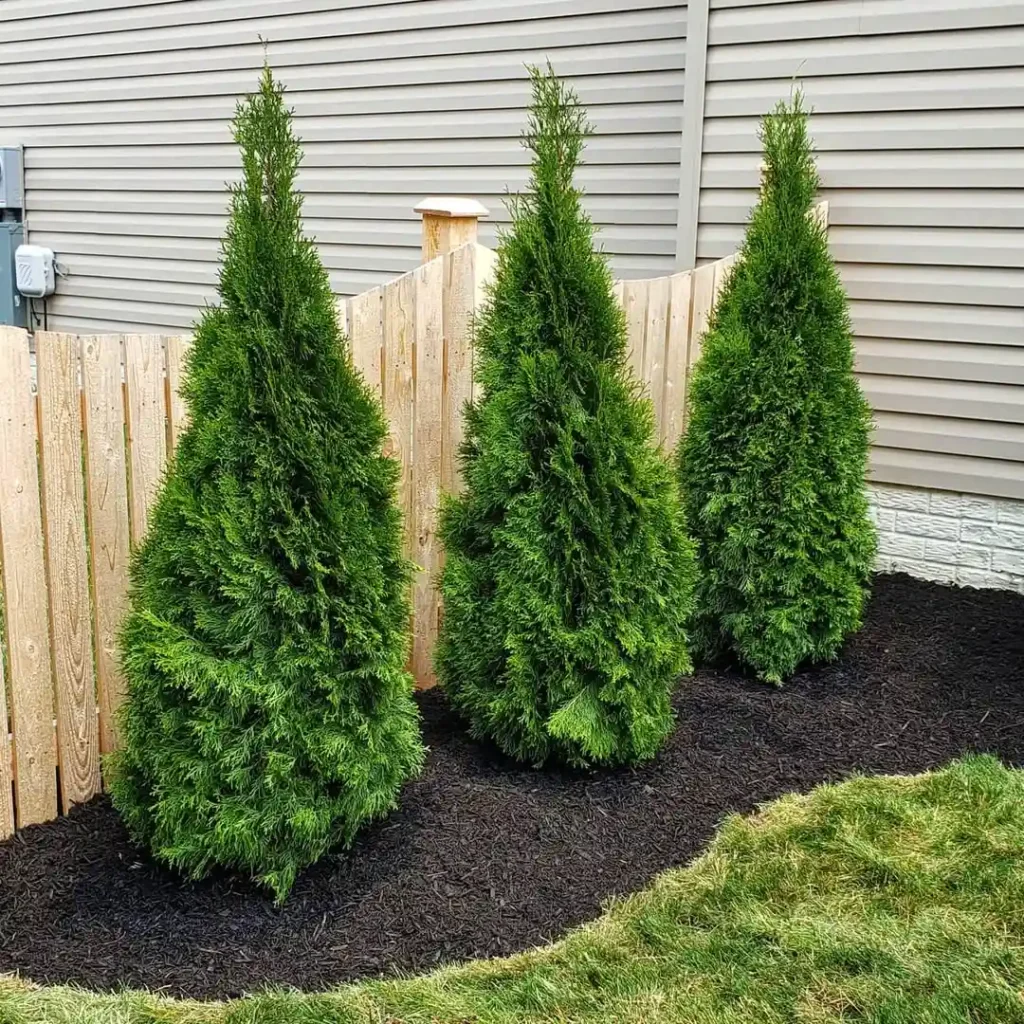
Arborvitae is one of the best shrubs for creating a full, green backdrop in your front yard. It grows tall and dense, making it perfect for lining property edges or framing driveways. Even though it’s often used for privacy, it still looks clean and decorative when placed properly. Its consistent green color helps your home look fresh in every season.
Why it works:
- Dense growth for natural screening
- Evergreen and full year-round
- Great for structured layouts
7. Hydrangea
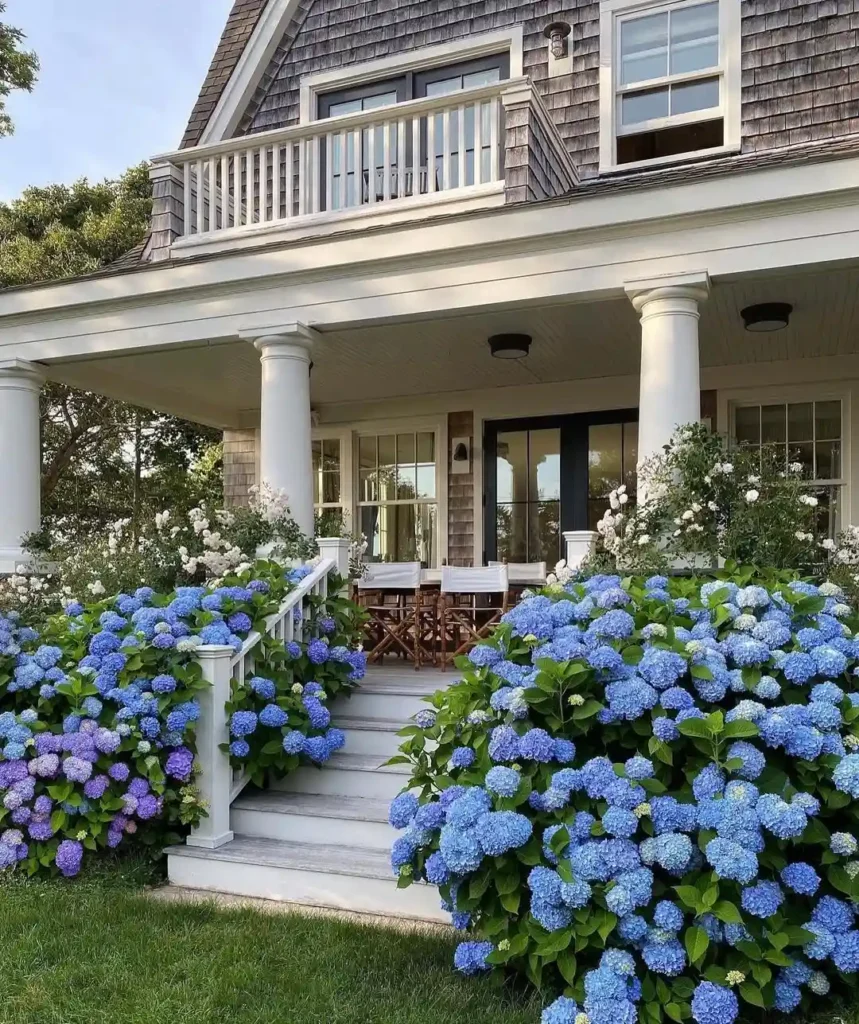
Hydrangeas are perfect when you want your front yard to feel soft and welcoming. Their large blooms add volume and color, making them stand out without overwhelming the space. They work especially well near entryways or windows, where their fullness can balance out harder surfaces like walls or pathways.
Why it works:
- Large, eye-catching flowers
- Adds softness and depth
- Works well in partial shade
8. Hibiscus
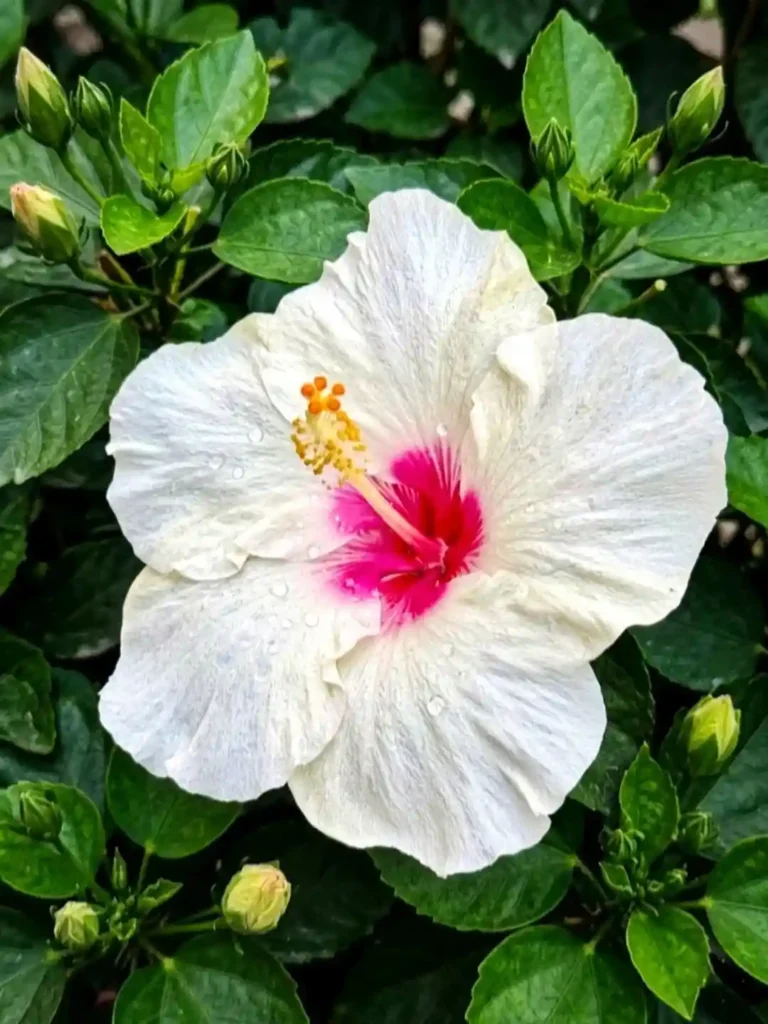
This shrub brings bold energy to the front of your house with large, eye-catching blooms that instantly draw attention. It works beautifully as a focal point near entryways or windows, especially when paired with simpler greenery around it. The vibrant flowers help break the monotony of plain landscapes, making your home feel more lively and welcoming without needing too many additional elements.
Why it works:
- Bright, attention-grabbing flowers
- Great as a focal plant
- Perfect for warm climates
9. Azalea
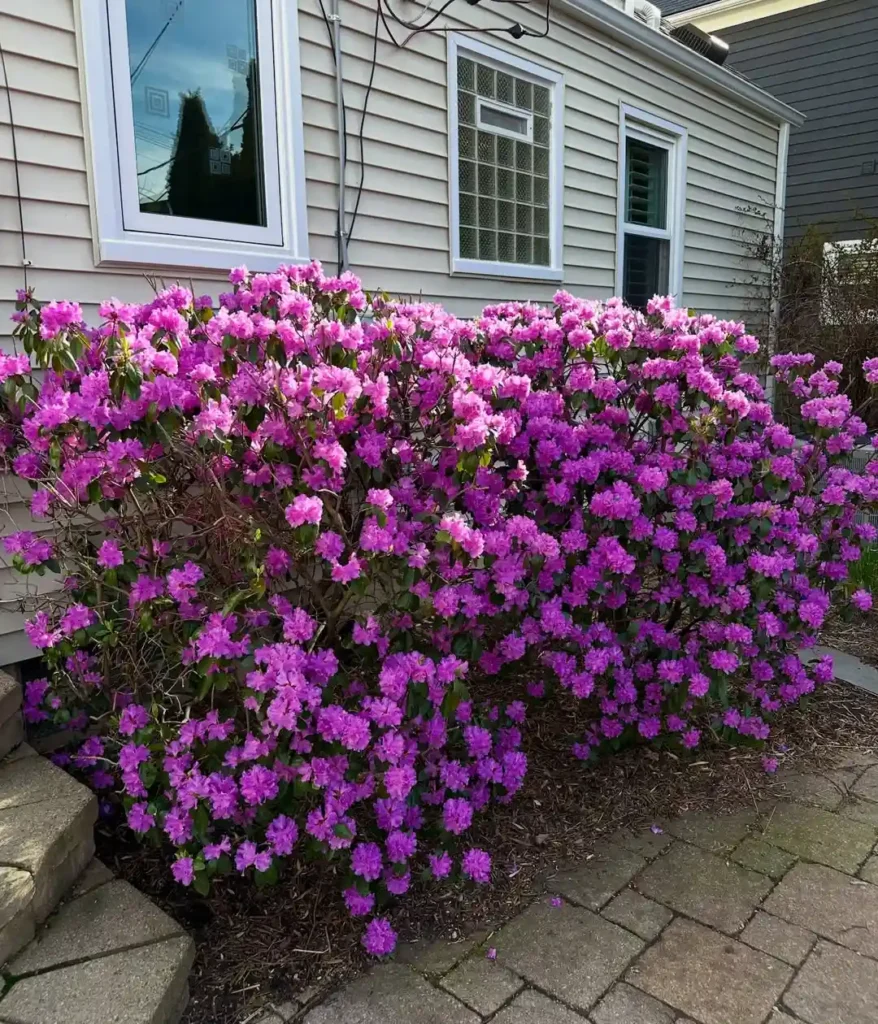
If you want your front yard to feel full of life during the blooming season, this shrub is a great choice. It produces dense clusters of flowers that can completely transform the look of your home. Planted in groups, it creates a rich and layered effect that feels intentional and well-designed, especially along pathways or under windows.
Why it works:
- Strong seasonal color impact
- Ideal for grouped planting
- Works well in partial shade
10. Rose (Shrub type)
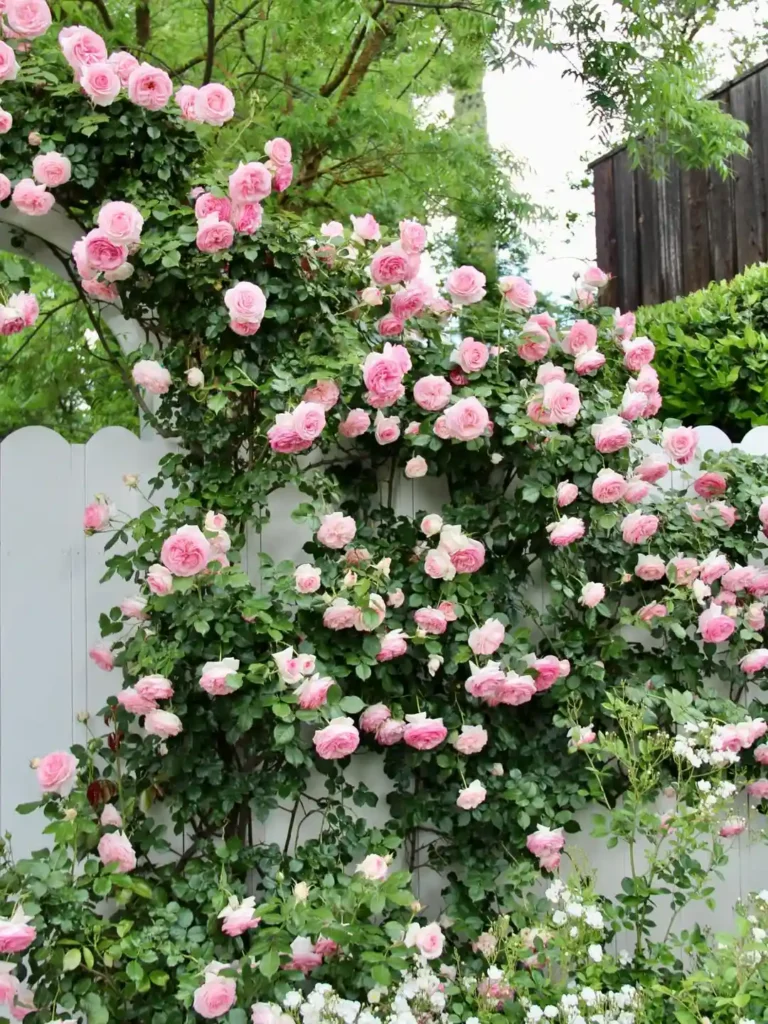
This shrub adds a classic and slightly romantic feel to the front of your home. It grows in a fuller shape compared to traditional varieties, making it easier to manage while still looking elegant. It works especially well near walkways or entrances where you want a soft yet structured appearance that enhances the overall look.
Why it works:
- Long blooming season
- Adds elegance to entryways
- Great for borders and pathways
11. Gardenia
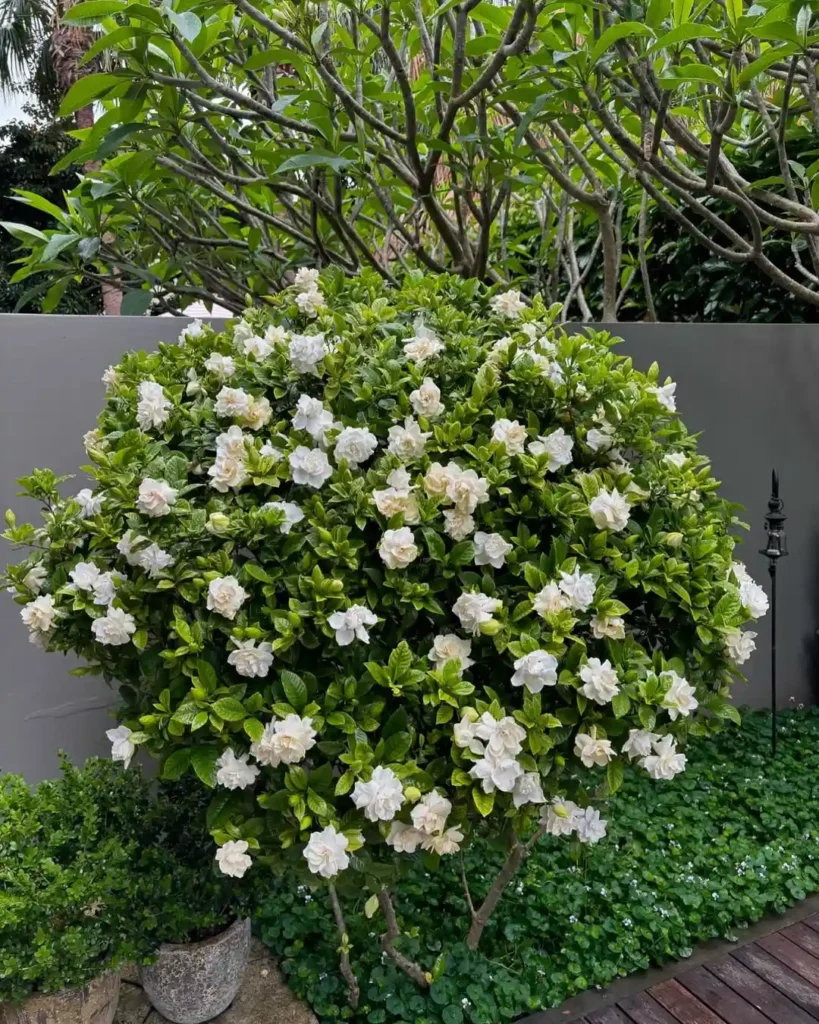
This option is perfect if you want your front entrance to feel more inviting. The flowers not only look beautiful but also release a noticeable fragrance that enhances the overall atmosphere. Combined with glossy green leaves, it keeps your landscaping looking rich and full even when it’s not in bloom.
Why it works:
- Pleasant natural fragrance
- Elegant white blooms
- Ideal near doors and windows
12. Camellia
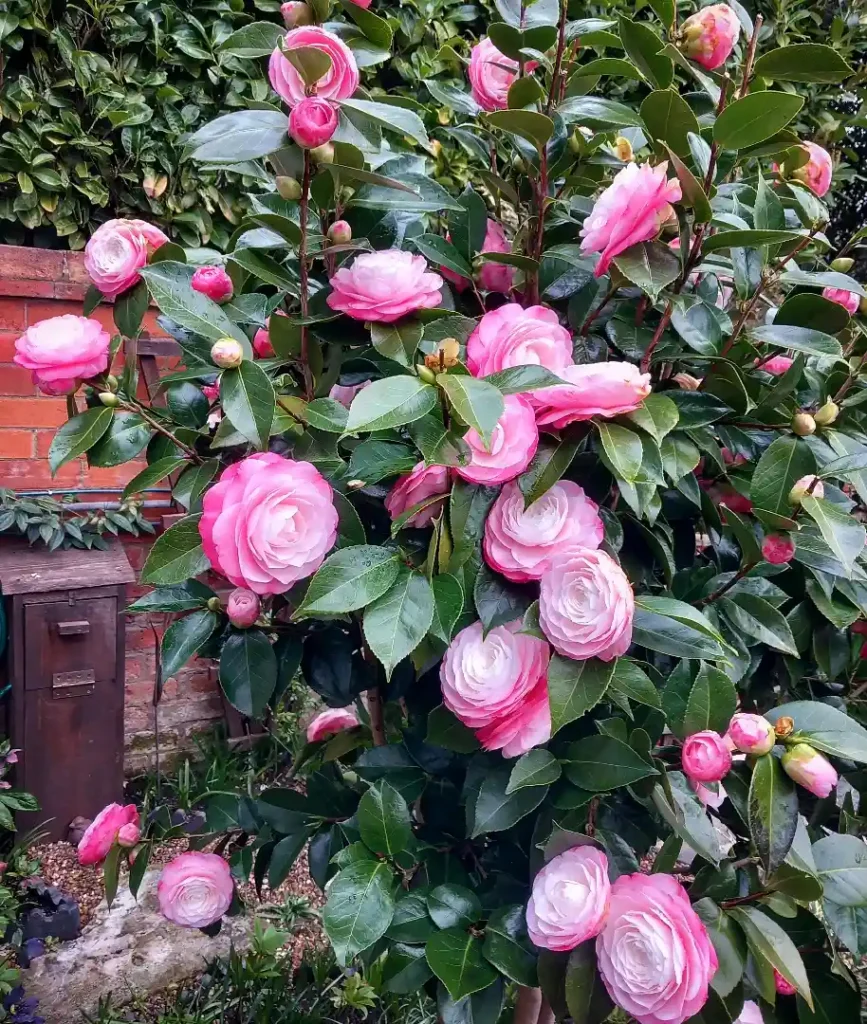
While many shrubs lose their appeal during cooler months, this one continues to bring color and life. It blooms when most plants are dormant, helping your front yard stay visually interesting throughout the year. The deep green foliage also provides a strong base structure.
Why it works:
- Blooms in cooler seasons
- Evergreen foliage
- Adds year-round interest
13. Weigela
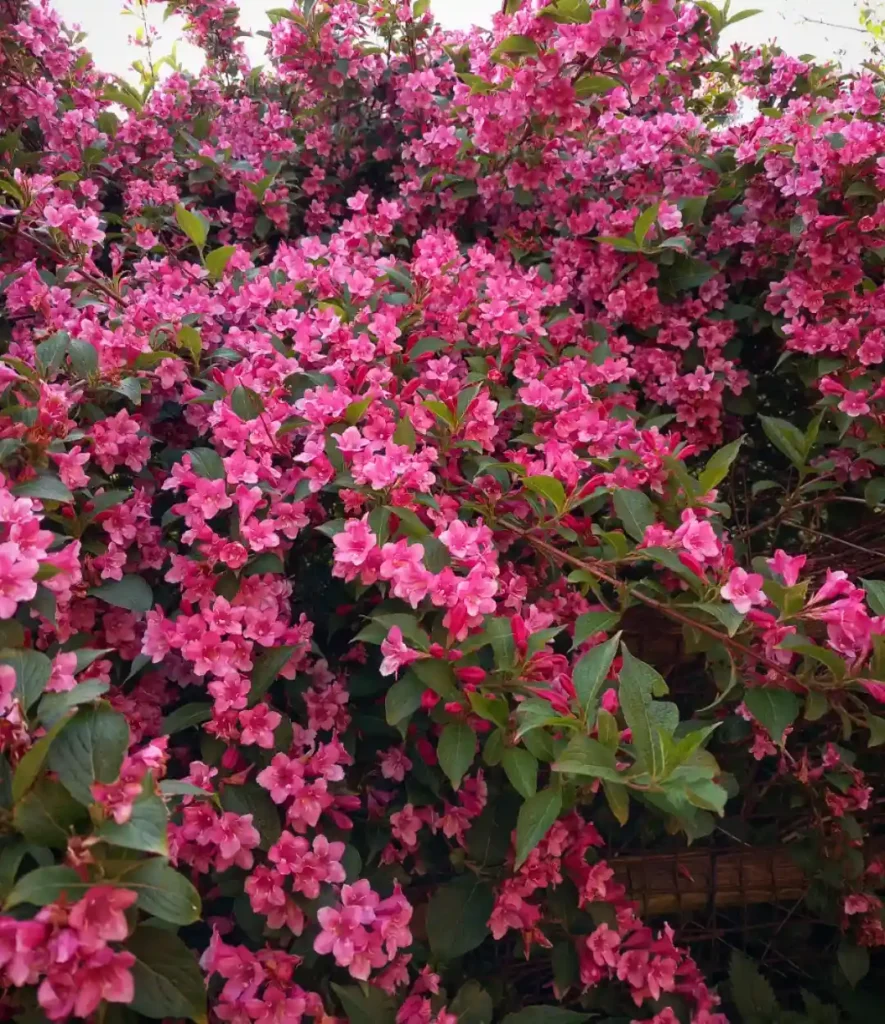
This shrub has a relaxed, flowing form that softens the overall look of your front yard. Instead of rigid lines, it introduces gentle movement and a more natural feel. It works especially well if you don’t want everything to look too structured or formal.
Why it works:
- Easy to grow and maintain
- Adds softness and movement
- Great for casual landscapes
14. Duranta
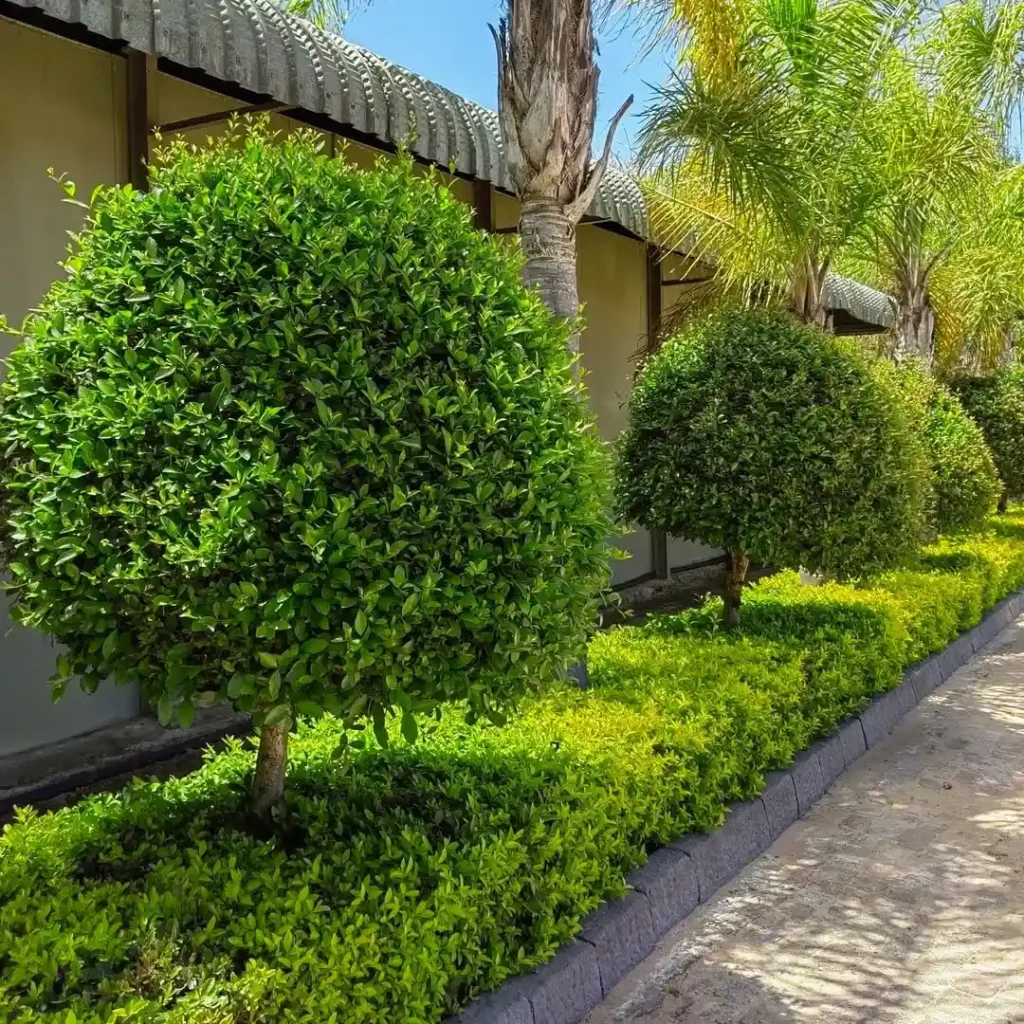
If your front yard feels heavy or dull, this shrub helps lighten things up. Its smaller flowers and vibrant foliage create a fresh, open look that blends easily with other plants. It’s also useful for filling gaps quickly without making the space feel crowded.
Why it works:
- Fast-growing coverage
- Bright, lively appearance
- Easy to shape and maintain
15. Croton
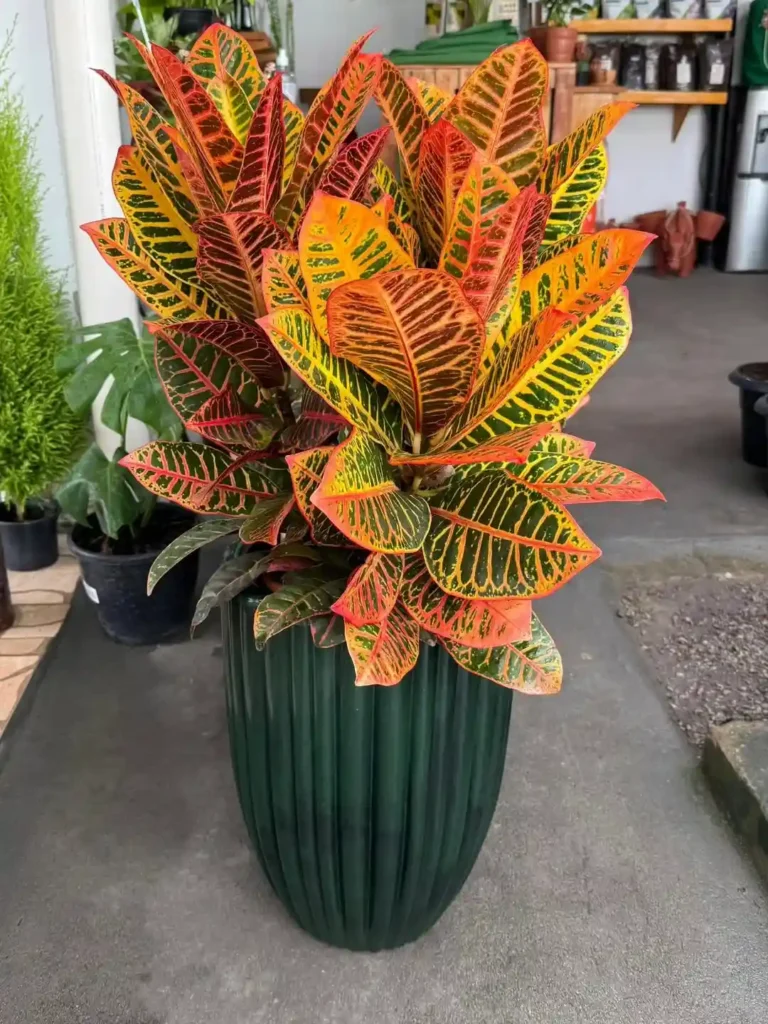
This shrub stands out mainly because of its colorful leaves rather than flowers. The mix of tones adds contrast and personality to your front yard, making it feel more unique. It works well in spaces where you want something visually different from standard green plants.
Why it works:
- Unique leaf colors
- Strong visual impact
- Perfect for tropical styles
16. Oleander
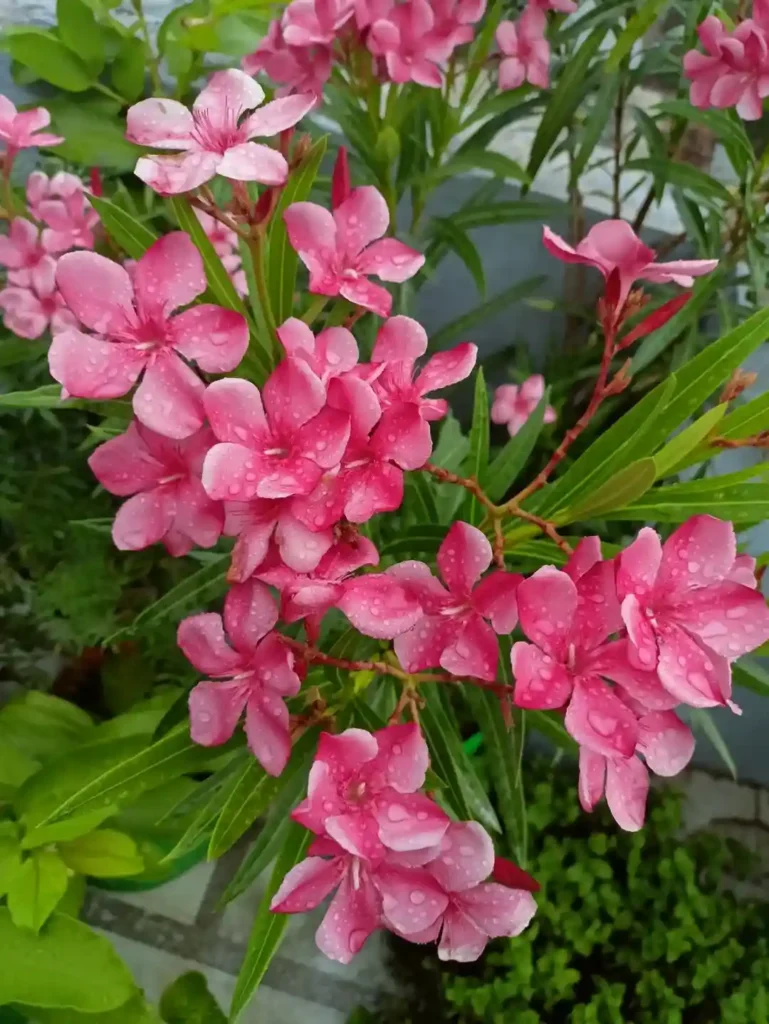
This is a tough and reliable shrub that grows quickly and produces a large number of blooms. It’s ideal for filling larger front yard spaces where you need something that can handle heat and still look good without constant care.
Why it works:
- Heat tolerant and durable
- Fast growth for quick coverage
- Suitable for larger areas
17. Lantana
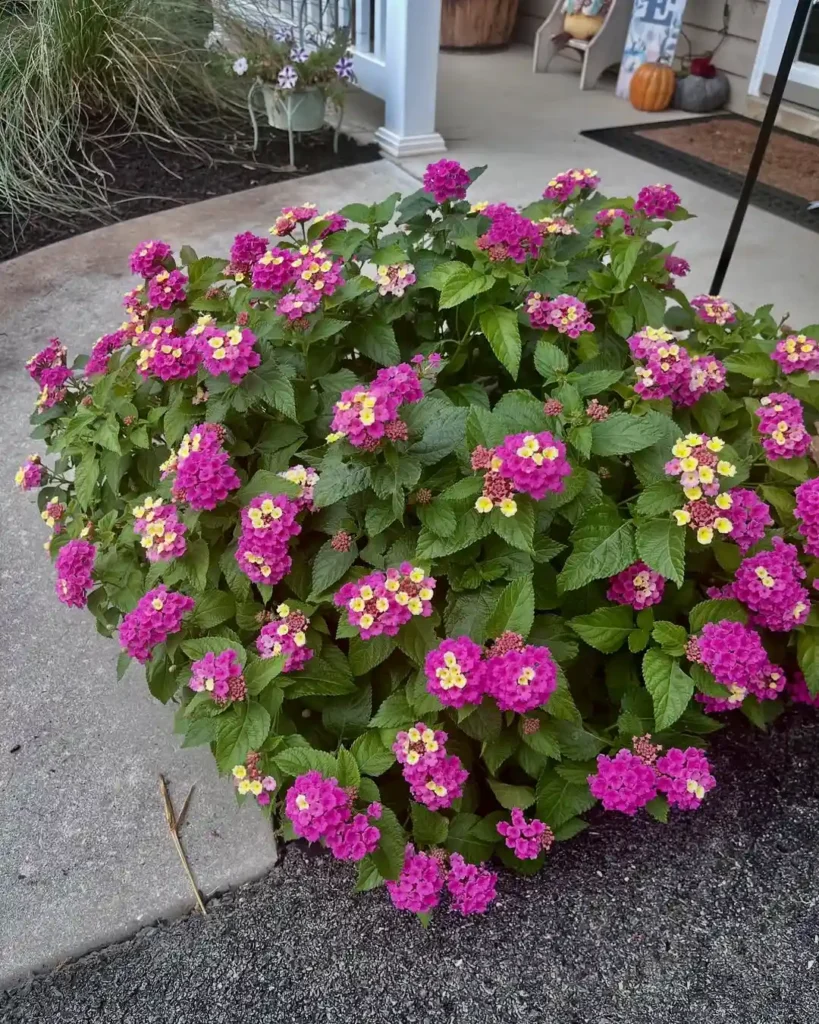
This low-growing shrub spreads nicely and adds clusters of bright flowers to your front yard. It’s a great option for borders or edges where you want color without too much maintenance. It also helps bring a more lively and relaxed feel to the space.
Why it works:
- Low maintenance
- Adds vibrant color
- Great for edging areas
18. Nandina (Heavenly Bamboo)
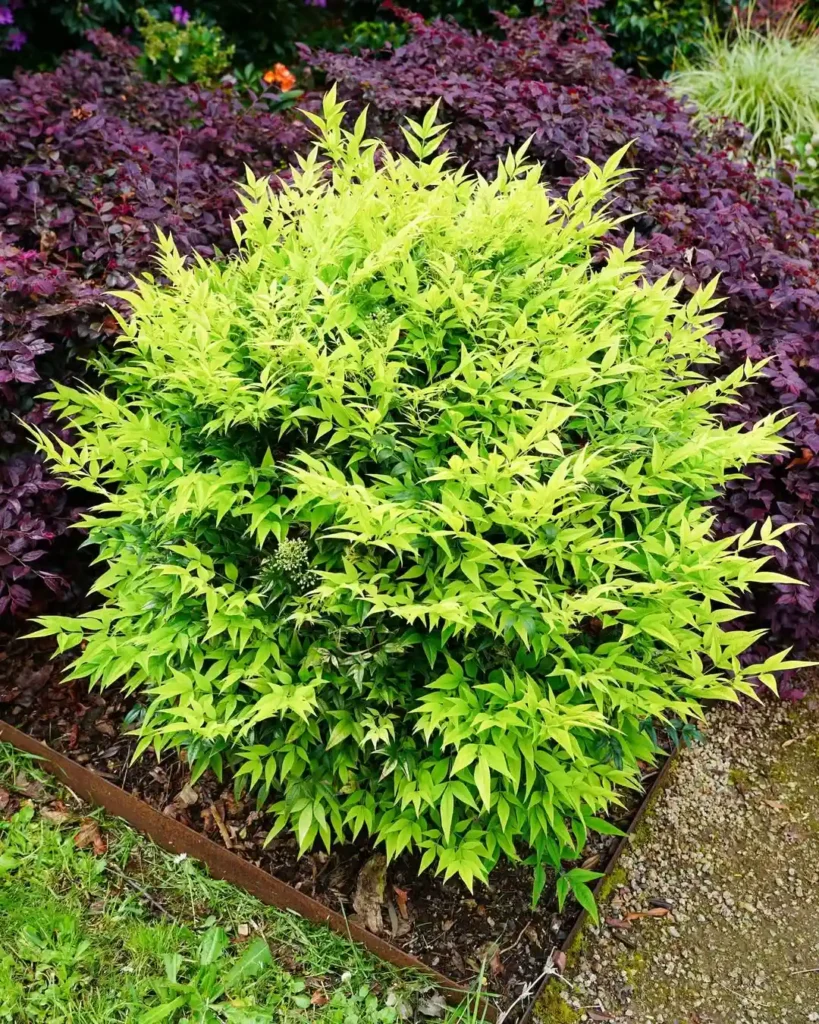
This shrub adds a unique texture that feels lighter compared to dense hedges. Its leaves change color slightly through the seasons, giving your front yard a bit of variation without needing multiple plants. It works well when layered with other shrubs.
Why it works:
- Seasonal color changes
- Light, airy appearance
- Easy to combine with other plants
19. Dwarf Ixora
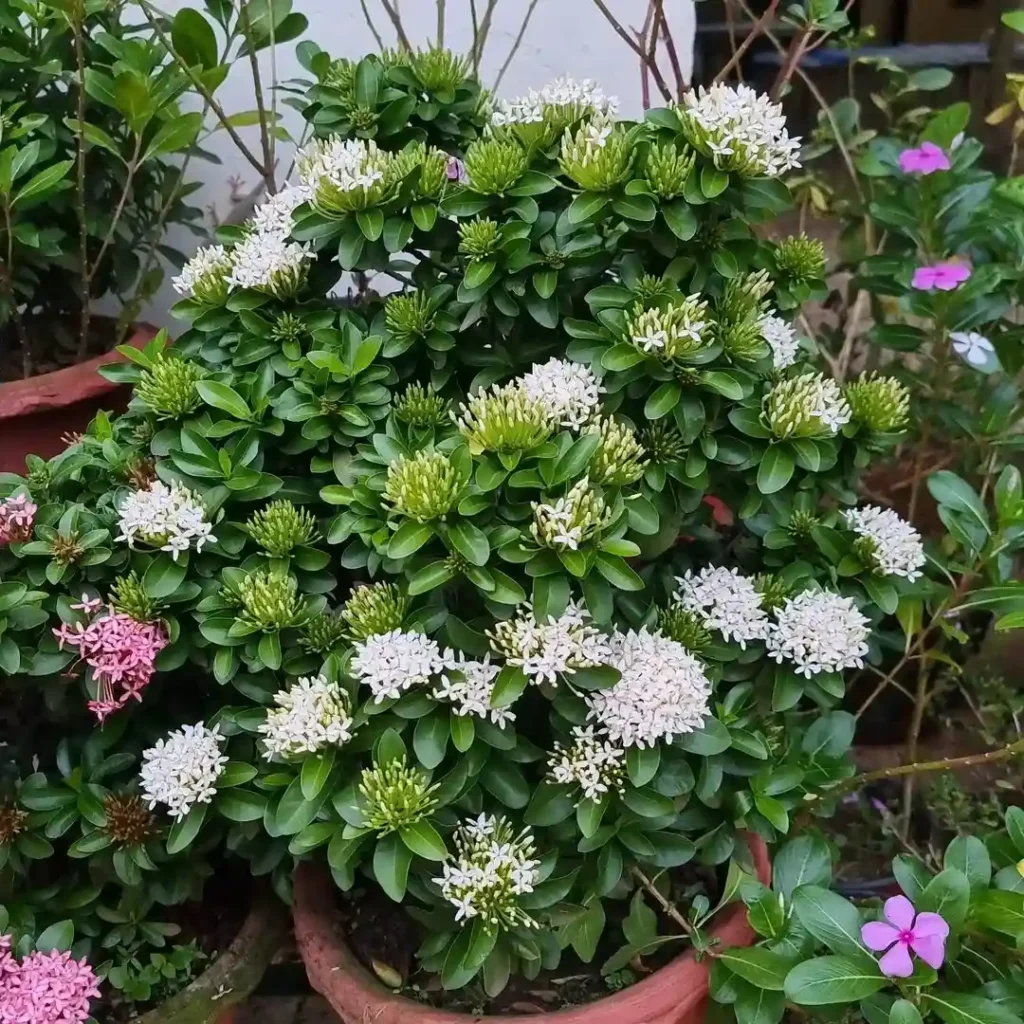
This compact shrub is perfect for adding bright color without taking up too much space in the front of your house. It forms neat clusters of flowers that instantly make entryways and pathways feel more lively. Because it stays relatively small, it works well in tight spots where larger shrubs would feel overcrowded. It also blends nicely with other plants, helping create a balanced and clean front yard layout.
Why it works:
- Compact size for small spaces
- Bright, eye-catching blooms
- Ideal for borders and entry areas
20. Loropetalum
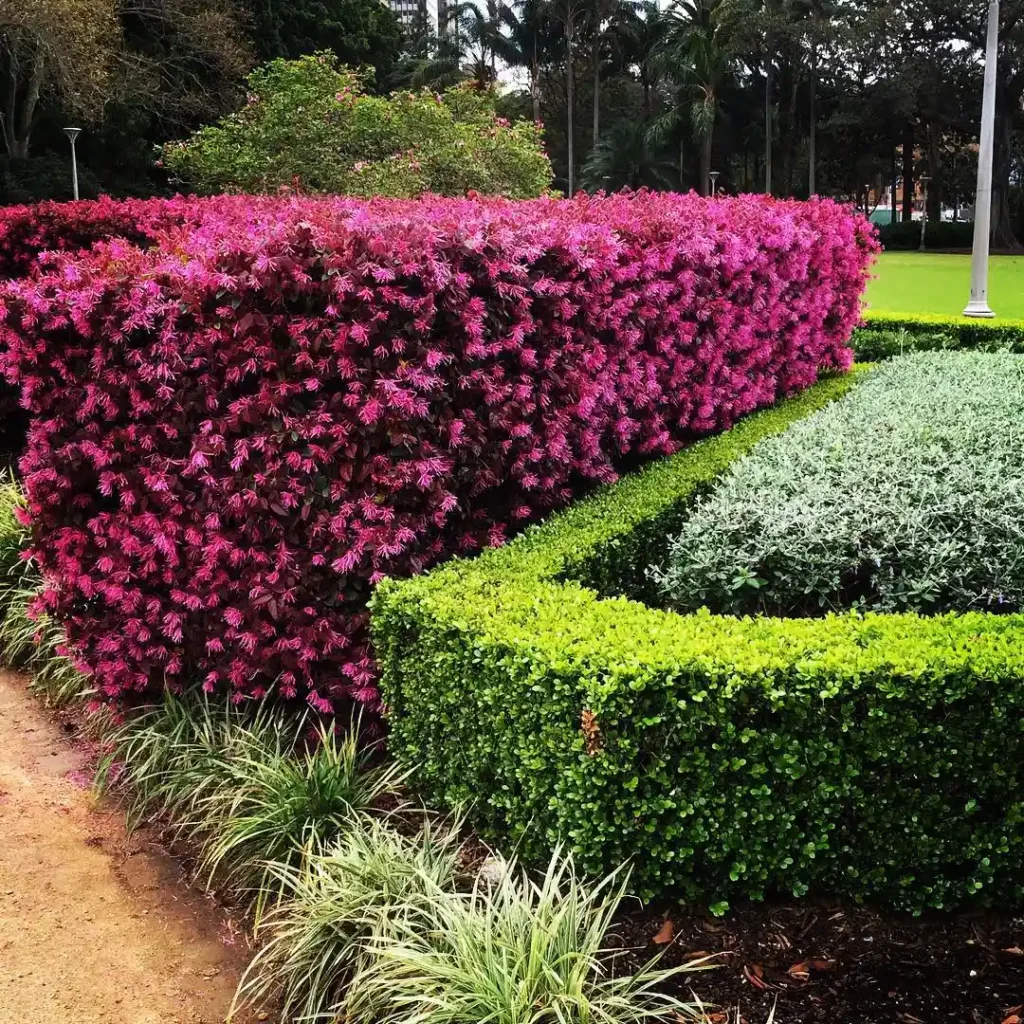
This shrub adds a striking contrast to your front yard with its deep-toned foliage and soft blooms. It’s especially useful when you want to break the monotony of all-green landscaping. The slightly loose, flowing shape helps soften hard edges like walls and pathways, making the space feel more natural. It works well in both modern and traditional layouts when paired with lighter plants for balance.
Why it works:
- Rich foliage color for contrast
- Low maintenance and adaptable
- Adds depth to landscaping
21. Spirea
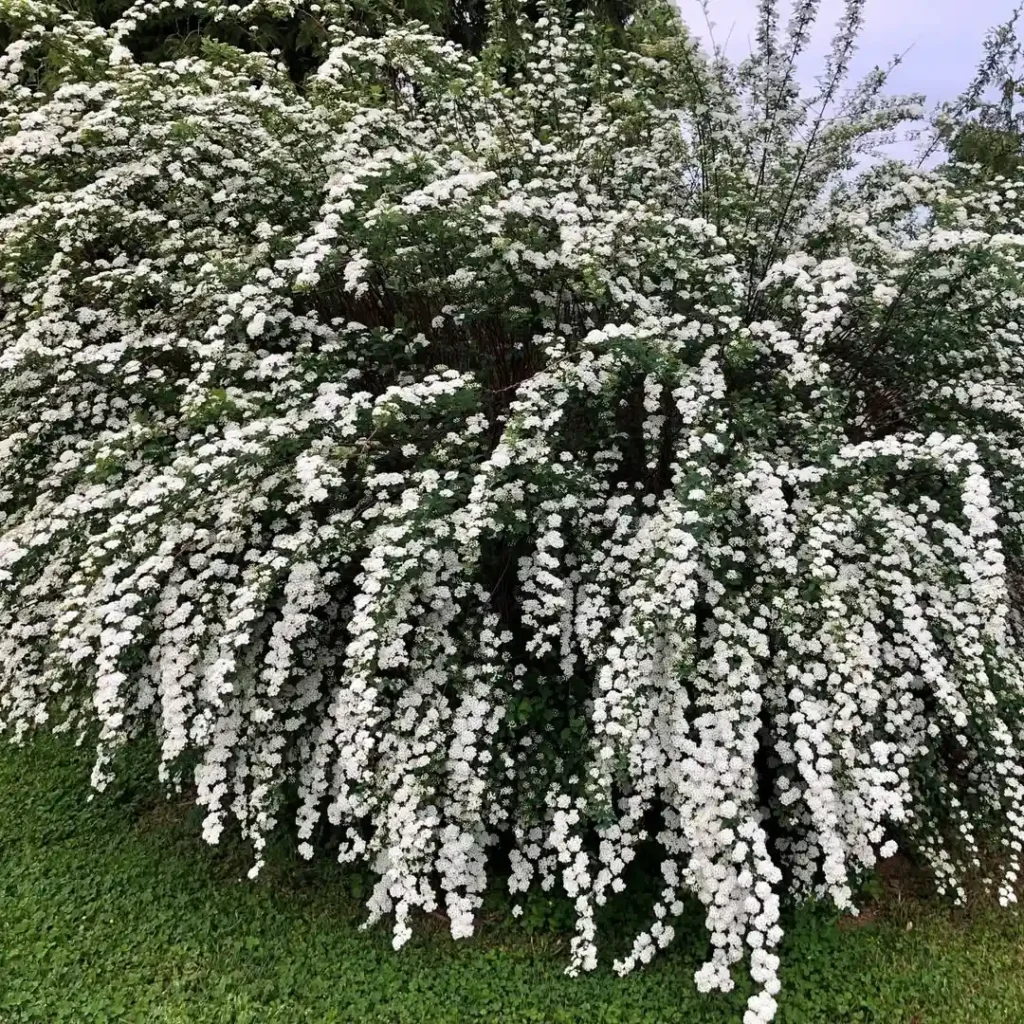
This is one of the easiest shrubs to grow, making it a great option if you want something reliable without much effort. It produces consistent blooms and fills out nicely, helping cover empty areas in your front yard. Its soft shape works well in layered landscaping, especially when combined with more structured plants.
Why it works:
- Beginner-friendly and easy care
- Consistent flowering
- Great for filling gaps
22. Dwarf Abelia
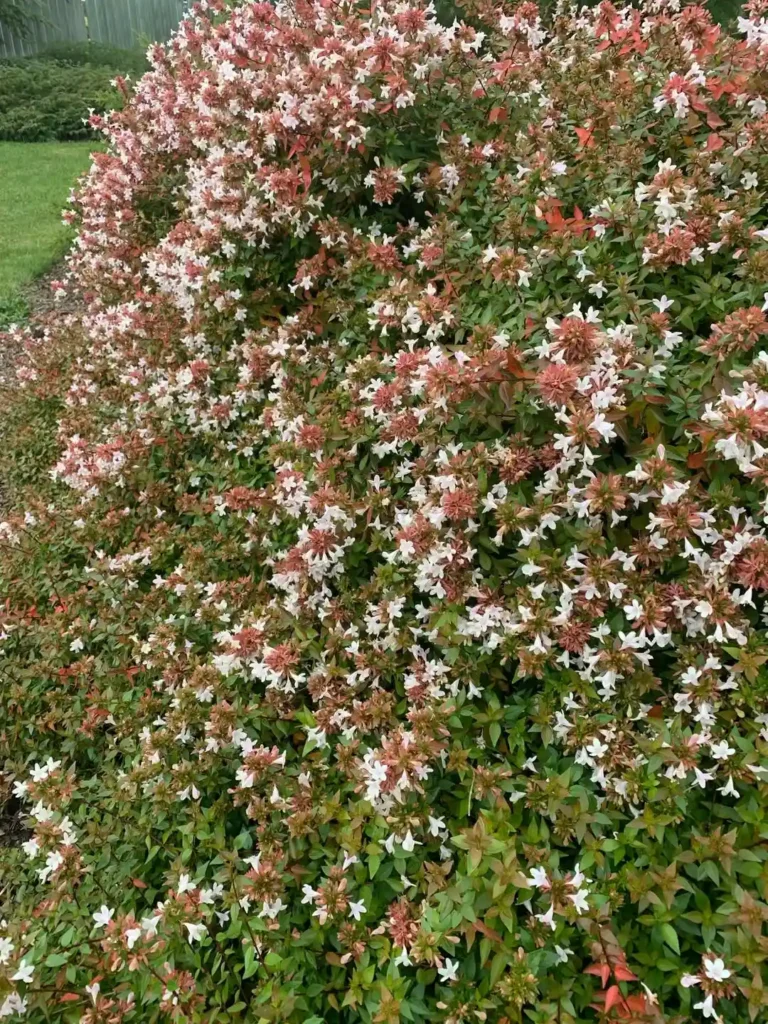
This shrub has a light, open structure that keeps your front yard from feeling too dense or crowded. It produces small flowers over a long period, adding subtle beauty without overpowering the space. It works especially well when paired with more compact or structured shrubs to create a balanced design.
Why it works:
- Low maintenance
- Long blooming period
- Adds softness and balance
23. Bougainvillea
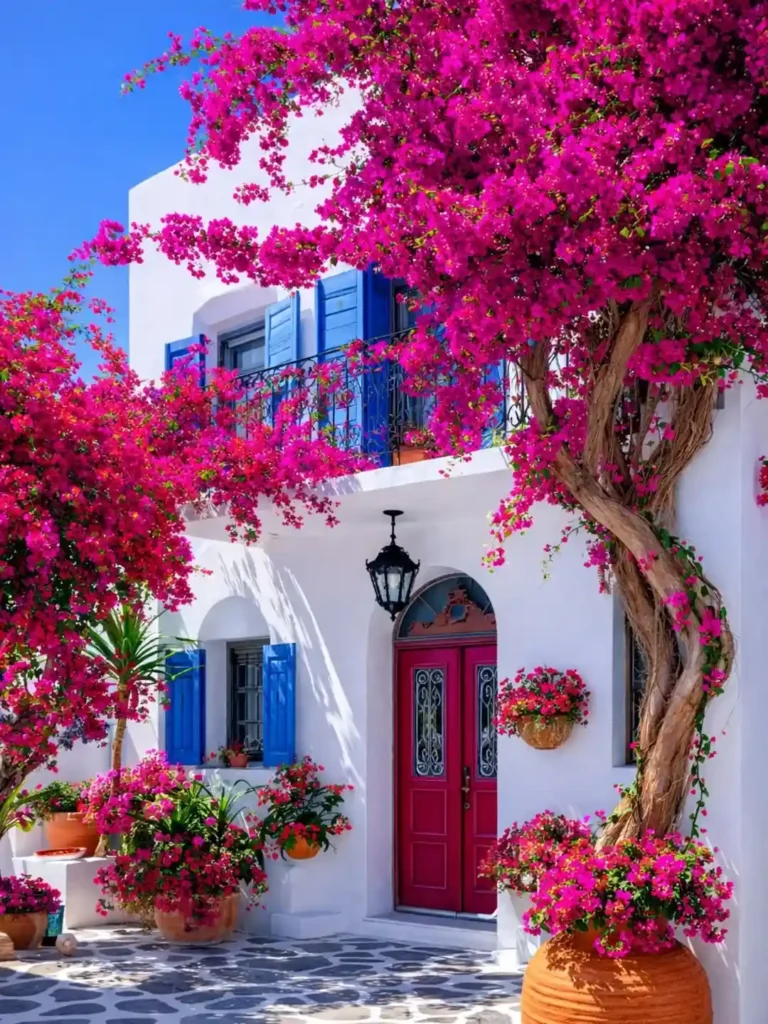
If you want a strong visual impact, this shrub delivers with its vibrant color. It thrives in sunny areas and can be shaped to fit different front yard layouts. It works well as a focal point, especially when surrounded by simpler greenery that allows its color to stand out.
Why it works:
- Bold and vibrant appearance
- Drought tolerant
- Great as a focal plant
24. Tecoma
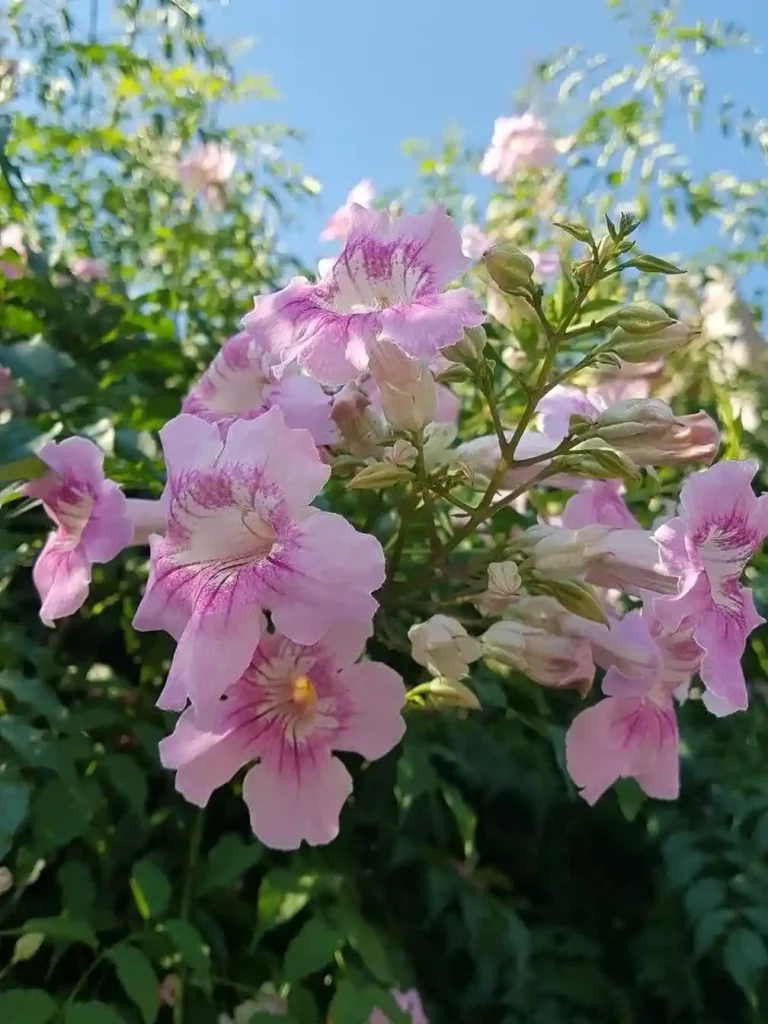
This shrub brings a cheerful and lively feel to your front yard with its bright blooms. It grows quickly, making it a great option if you want to fill space and see results fast. It also attracts pollinators, adding a bit of movement and life to your outdoor area.
Why it works:
- Fast-growing
- Bright, eye-catching flowers
- Attracts pollinators
25. Carissa
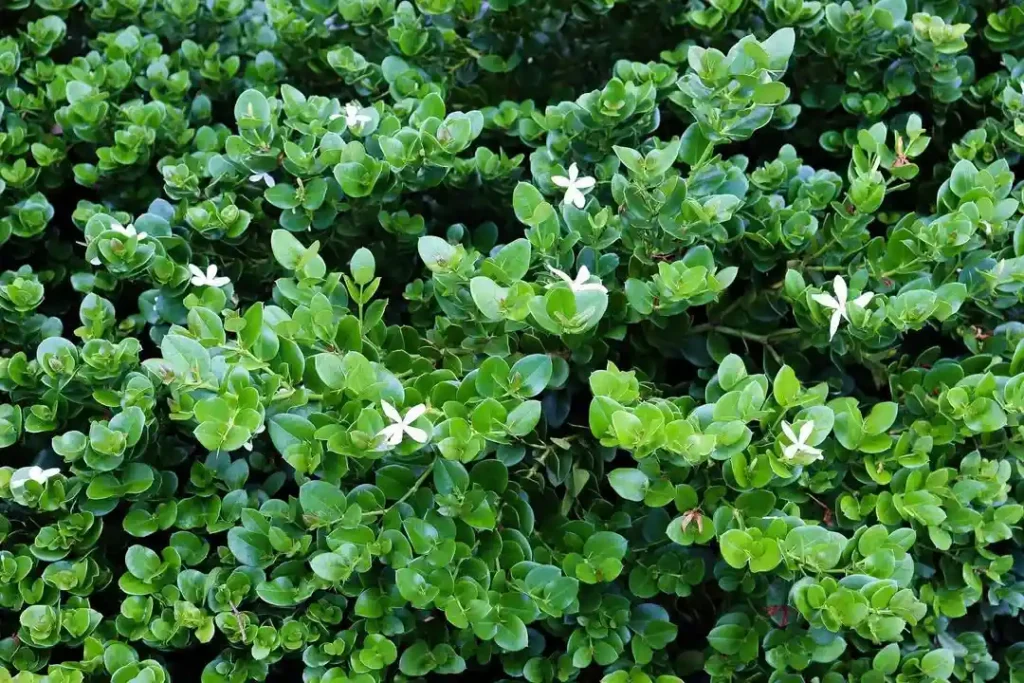
This shrub is ideal for creating neat and structured borders in the front of your house. Its dense growth and glossy leaves give it a clean, polished look that works well in formal layouts. It’s especially useful for edging pathways or defining sections of your landscaping.
Why it works:
- Dense and tidy growth
- Perfect for borders
- Easy to maintain
FAQs
What are the best shrubs for front of house landscaping?
The best choice depends on your goal. If you want a clean, structured look, go for compact evergreens. If you prefer color and softness, flowering shrubs work better. A mix of both usually gives the most balanced and attractive result.
Which shrubs require the least maintenance?
Look for shrubs that grow slowly, keep their shape naturally, and don’t need frequent pruning. Hardy varieties that handle heat, drought, or poor soil conditions are usually the easiest to maintain over time.
How do I arrange shrubs in front of my house?
Start with taller shrubs at the back near walls, then place medium ones in the middle and smaller plants in front. This layered approach creates depth and keeps everything visible instead of crowded or flat.
How far should shrubs be planted from the house?
Most shrubs should be planted about 2 to 4 feet away from the house, depending on their mature size. This gives them enough space to grow properly and prevents overcrowding near the foundation.
Can I mix different types of shrubs together?
Yes, mixing different shrubs actually improves the overall look. Combine structured plants with softer, flowering ones to create contrast. Just make sure they have similar sunlight and watering needs.
What shrubs look good all year round?
Evergreen shrubs are the best option for year-round appeal because they keep their foliage in every season. You can pair them with seasonal bloomers to add color without losing structure.
Are shrubs better than flowers for front yard landscaping?
Shrubs are more reliable because they provide structure and last longer. Flowers are great for adding color, but they work best when combined with shrubs instead of replacing them completely.