How to Grow Marigolds: Easy Planting & Care Guide
Marigolds are one of the easiest flowers to grow if you want quick color in garden beds, borders, pots, or vegetable gardens. Their bright yellow, orange, red, and gold blooms bring warmth to almost any sunny space. If you are new to gardening, learning how to grow marigolds is a simple and rewarding place to start.
The best part is that marigolds grow fast, bloom for a long time, and do not need much special care. Give them sun, well-drained soil, and regular deadheading, and they can keep your garden looking cheerful from summer into fall.
Marigold Quick Facts
| Plant Name | Marigold |
| Botanical Name | Tagetes |
| Plant Type | Usually grown as an annual |
| Bloom Colors | Yellow, orange, gold, red, cream, bi-color |
| Bloom Time | Late spring or summer until frost |
| Sunlight | Full sun |
| Soil | Well-drained, moderately fertile soil |
| Water Needs | Moderate, drought tolerant once established |
| Best For | Borders, containers, vegetable gardens, edging, pollinator gardens |
| Beginner Friendly | Yes |
What Are Marigolds?
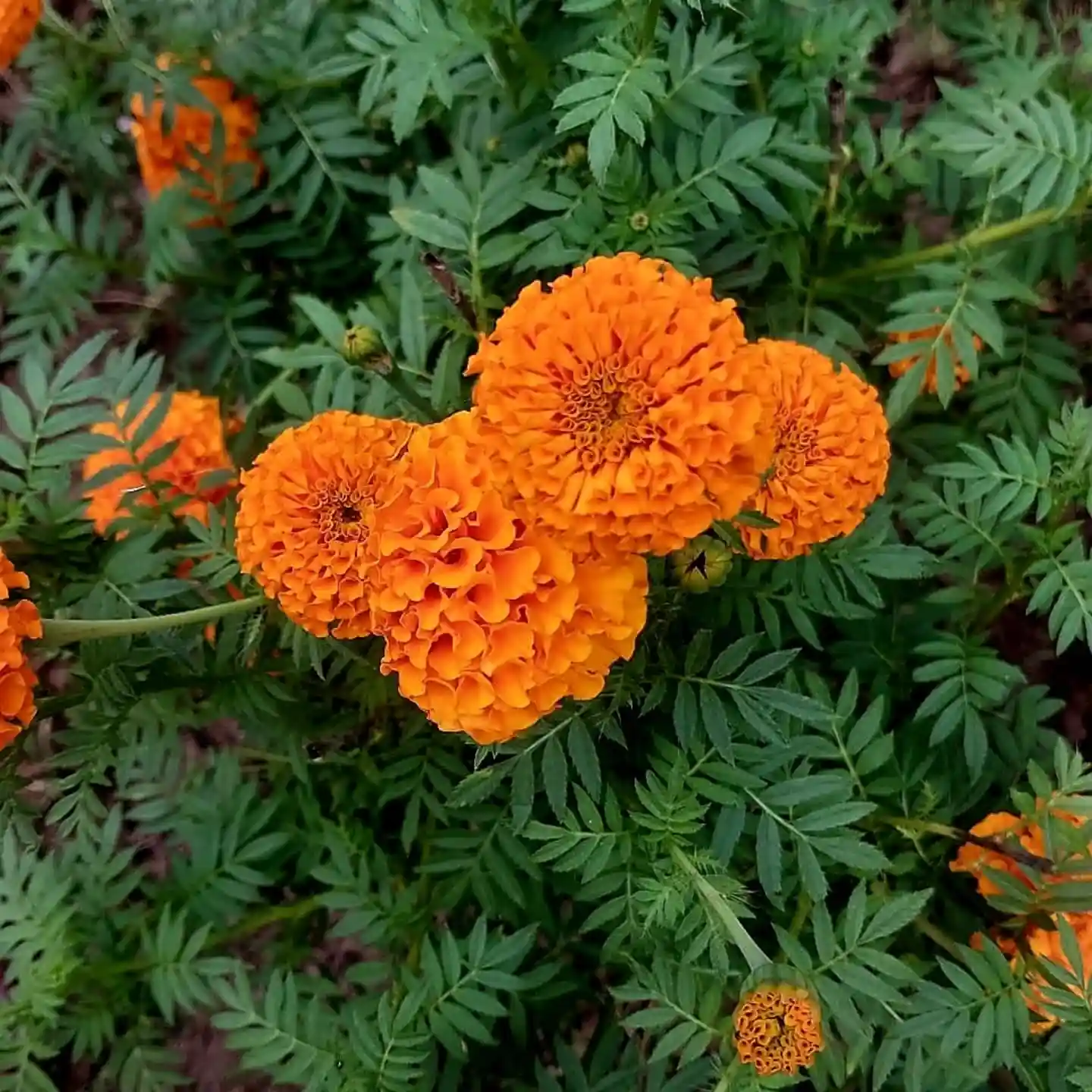
Marigolds are bright, warm-colored flowers from the Tagetes genus. They are usually grown as annuals, which means they complete their life cycle in one growing season in most gardens.
They are loved because they grow quickly, bloom heavily, and handle summer heat well. You can grow them from seed or buy young plants from a nursery for faster color.
Marigolds are also popular in vegetable gardens. Many gardeners plant them near tomatoes, peppers, and other crops because their strong scent may help confuse some garden pests.
In my garden, marigolds are one of the flowers I use when I want instant color without much worry. They are simple, cheerful, and very forgiving.
If you enjoy easy annual flowers, marigolds also pair nicely with colorful bedding plants like petunias.
Best Types of Marigolds to Grow
There are several common types of marigolds, and each one has a slightly different look.
| Type | Height | Flower Style | Best For |
| French Marigolds | 6–12 inches | Small to medium blooms | Borders, containers, edging |
| African Marigolds | 1–3 feet | Large round blooms | Back borders, bold garden color |
| Signet Marigolds | 8–12 inches | Small edible-looking flowers, fine leaves | Herb gardens, containers, soft edging |
| Triploid Marigolds | 10–18 inches | Strong blooms, often long-lasting | Hot climates and garden beds |
For beginners, French marigolds are the easiest choice. They stay compact, bloom well, and fit almost anywhere.
African marigolds are better when you want tall plants with large, showy flowers. Signet marigolds have a lighter, airy look and work beautifully in containers or cottage-style garden edges.
Where to Plant Marigolds
Marigolds grow best in full sun. Try to give them at least 6 hours of direct sunlight each day.
They can grow in part sun, but too much shade usually means fewer flowers. Shaded plants may also become weak, stretched, or more likely to get powdery mildew.
Choose soil that drains well. Marigolds do not like sitting in soggy ground. If your soil is heavy clay, mix in compost before planting or grow marigolds in raised beds or pots.
Marigolds work well in:
- Front garden borders
- Walkway edges
- Patio pots
- Window boxes
- Vegetable gardens
- Pollinator beds
- Sunny balcony containers
For a fuller look, plant marigolds in groups instead of placing single plants far apart.
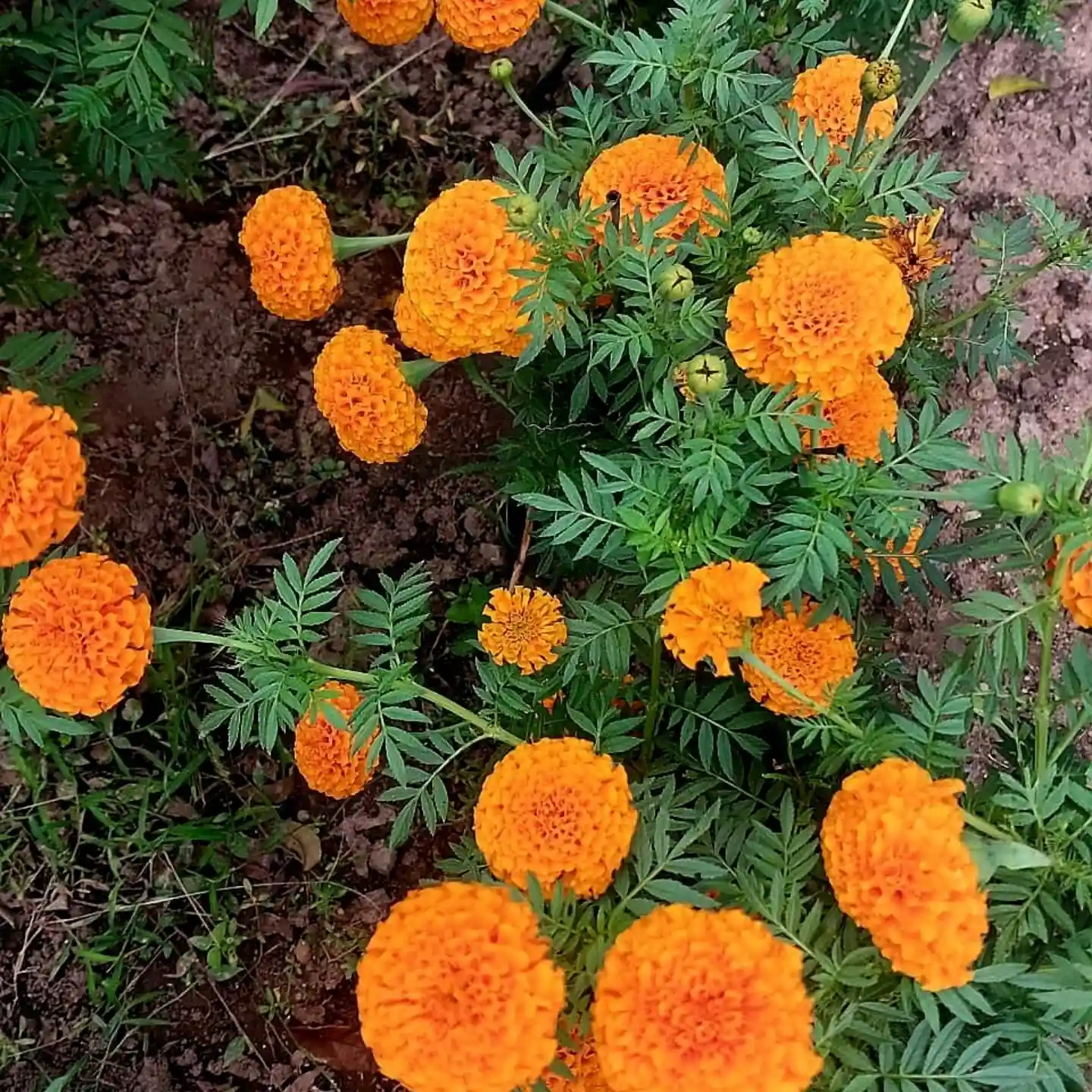
How to Plant Marigolds Step by Step
You can plant marigolds from seed or nursery plants. Both methods are easy.
- Wait until frost has passed
Marigolds love warmth. Plant them outdoors after the danger of frost is gone and the soil has warmed. - Choose a sunny spot
Pick a place with full sun for the best blooms. - Prepare the soil
Loosen the soil and mix in a little compost. Avoid soil that stays wet. - Dig the planting hole
Make the hole slightly wider than the root ball. - Place the plant
Set the marigold at the same depth it was growing in the pot. - Backfill gently
Fill around the roots and press lightly. - Water well
Water deeply after planting to help the roots settle. - Add light mulch
Mulch can help hold moisture, but keep it away from the plant stem.
The main thing to avoid is planting marigolds too early in cold soil. They grow best when the weather is warm and settled.
How to Grow Marigolds From Seed
Marigolds are very easy to grow from seed. This makes them a great flower for beginners, kids, and budget-friendly gardens.
You can start seeds indoors 4–6 weeks before your last frost date, or sow them directly outside after frost has passed.
To start seeds indoors:
- Fill seed trays or small pots with seed-starting mix.
- Sow seeds about 1/4 inch deep.
- Keep the soil lightly moist.
- Place the tray in a warm, bright spot.
- Once seedlings grow a few true leaves, thin or transplant them.
- Harden them off before planting outside.
To sow outdoors, scatter or place seeds in prepared soil after frost danger has passed. Cover lightly with soil, water gently, and keep the area moist until seedlings appear.
Marigolds usually germinate quickly in warm soil. Once they start growing, they often take off fast.
Marigold Care Through the Seasons
Marigolds do not need complicated care, but small habits can keep them blooming longer.
Spring Care
Start seeds indoors or buy young plants from the nursery. Wait until nights are warm before moving marigolds outside.
If you started seeds indoors, harden them off by placing them outside for a few hours each day before planting. This helps prevent shock.
Summer Care
Summer is when marigolds bloom heavily. Water during dry spells and remove faded flowers often.
Deadheading keeps the plant tidy and encourages more blooms. If a plant gets leggy, pinch or trim it lightly to help it grow fuller.
Fall Care
Marigolds usually keep blooming until frost. Keep deadheading if you want the plants to look fresh.
At the end of the season, you can collect seeds from dried flower heads. Let them dry fully before storing them in a paper envelope.
Winter Care
In most climates, marigolds die after frost. Remove old plants from beds and containers once they are finished.
If you saved seeds, you can plant them again next season.
Watering Marigolds
New marigolds need regular watering while they settle in. Keep the soil lightly moist, but not soggy.
Once established, marigolds can handle some dry weather. Still, they bloom better when watered during long hot spells.
Water at the base of the plant instead of soaking the leaves. Wet foliage can increase the chance of disease, especially in humid weather.
For potted marigolds, check the soil more often. Containers dry out faster than garden beds.
Fertilizing Marigolds
Marigolds are not heavy feeders. In many gardens, they bloom well with just a little compost mixed into the soil before planting.
Too much fertilizer can cause leafy growth with fewer flowers. This is especially true if the fertilizer is high in nitrogen.
If your soil is very poor, use a light balanced fertilizer once after planting. Do not keep feeding heavily all season.
My honest advice is to keep marigold feeding simple. Sun and deadheading matter more than fertilizer.
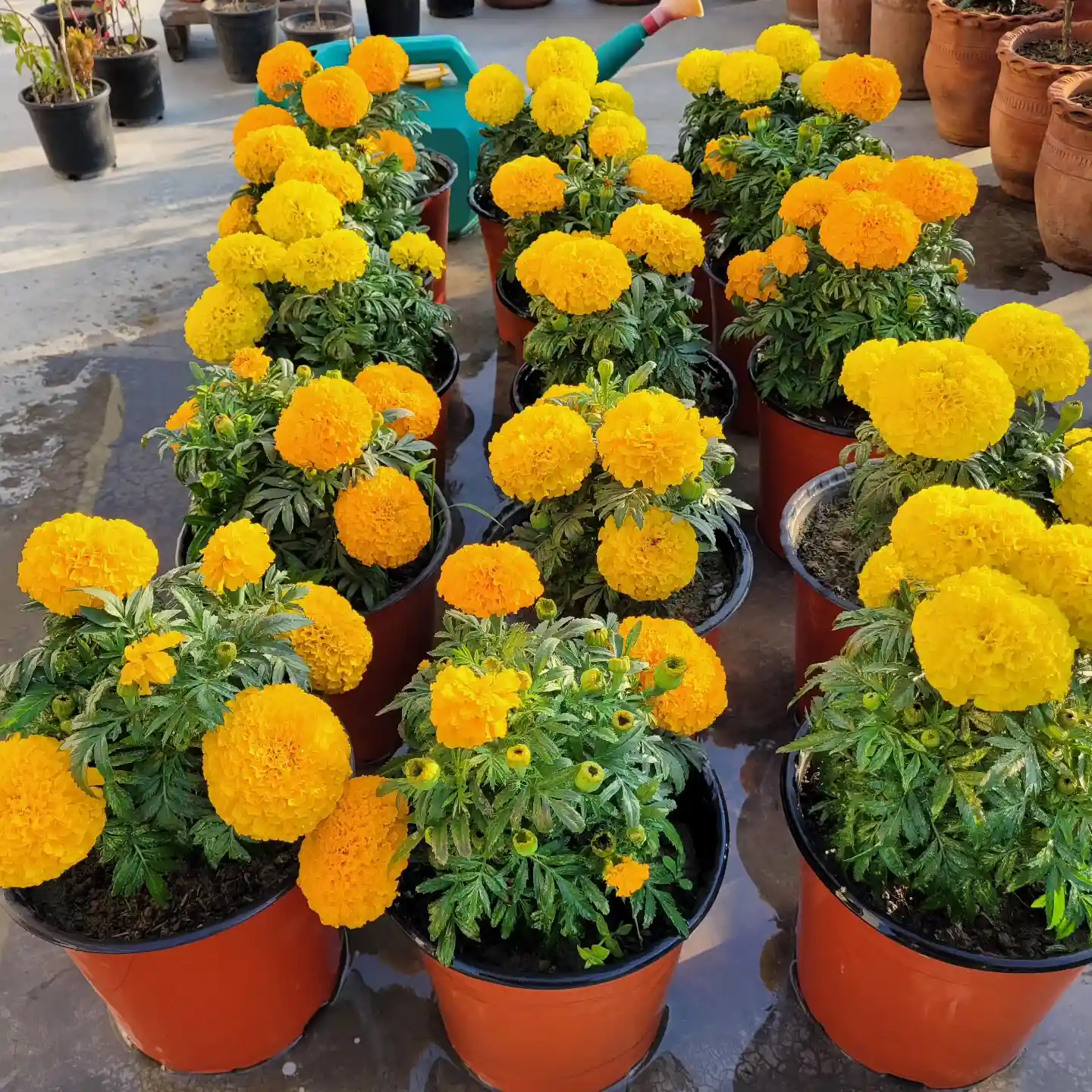
How to Keep Marigolds Blooming
Marigolds can bloom for months if you keep them in the right conditions.
To get more blooms:
- Plant in full sun
- Deadhead faded flowers often
- Avoid too much fertilizer
- Water during dry spells
- Pinch young plants for bushier growth
- Remove weak or diseased leaves
- Grow compact types for containers
Deadheading is the biggest trick. When you remove old flowers, the plant puts more energy into making new buds.
Common Marigold Problems
Marigolds are usually easy, but they can still have problems in poor conditions.
| Problem | Likely Cause | What To Do |
| Few flowers | Too much shade or too much fertilizer | Move to more sun and reduce feeding |
| Yellow leaves | Overwatering or poor drainage | Let soil dry and improve drainage |
| Powdery white leaves | Humidity, shade, or poor airflow | Space plants better and remove affected leaves |
| Leggy growth | Not enough light | Move to a sunnier spot |
| Wilting in pots | Dry soil | Water deeply and check pots often |
| Chewed leaves | Slugs, snails, or insects | Hand-pick pests or use garden-safe controls |
| Root rot | Soggy soil | Replant in better-drained soil |
Most marigold problems are easy to prevent. Give them full sun, avoid wet soil, and keep air moving around the plants.
Can You Grow Marigolds in Pots?
Yes, marigolds grow very well in pots. This is one of the easiest ways to use them on patios, balconies, porches, and small spaces.
Choose a container with drainage holes. Marigolds do not like soggy roots.
Use a good-quality potting mix instead of heavy garden soil. Compact French marigolds and signet marigolds are best for pots because they stay tidy.
Place the pot in full sun and water when the top inch of soil feels dry. During hot weather, potted marigolds may need water more often.
For a colorful container, pair marigolds with petunias. Both love sun and bring strong color to summer pots.
Are Marigolds Good Companion Plants?
Yes, marigolds are often used as companion plants in vegetable and flower gardens. Their strong scent may help confuse some pests, and their bright flowers can attract pollinators.
They are commonly planted near:
- Tomatoes
- Peppers
- Beans
- Cucumbers
- Squash
- Herbs
- Summer annual flowers
Marigolds are especially useful along vegetable bed edges because they add color while filling empty spaces.
They are not a magic pest fix, but they do make a garden feel fuller, brighter, and more active.
Best Companion Plants for Marigolds
Marigolds look best with plants that enjoy sun and warm weather.
Good companion plants include:
- Petunias for colorful summer containers and borders
- Zinnias for bold cut flowers
- Cosmos for soft, airy height
- Basil for vegetable gardens and sunny pots
- Tomatoes for a classic companion planting setup
- Nasturtiums for trailing color
- Sweet alyssum for soft edging
For HomeSpaceLove internal linking, use only this natural link in the companion or container section: petunias.
Are Marigolds Deer Resistant?
Marigolds are often avoided by deer and rabbits because of their strong scent. That said, no plant is completely safe if animals are hungry enough.
If deer pressure is high, plant marigolds near patios, paths, or stronger-scented herbs. You can also use garden netting or repellent for young plants.
Are Marigolds Safe for Pets?
Marigolds may cause mild stomach upset if pets eat them. Some animals may also get skin irritation from contact with the plant.
If you have dogs or cats that chew flowers, grow marigolds in raised pots or areas they cannot reach. If your pet eats a large amount and seems unwell, contact your vet.
FAQ
Do marigolds come back every year?
Most marigolds are grown as annuals, so they usually do not come back from the same plant after frost. However, they may self-seed in some gardens, which means new plants can appear the next season.
Do marigolds need full sun?
Yes, marigolds bloom best in full sun. Give them at least 6 hours of direct sunlight each day for strong growth and more flowers.
How often should I water marigolds?
Water new plants regularly until they settle in. Established marigolds can handle some dryness, but they bloom better when watered during long dry spells.
Should I deadhead marigolds?
Yes, deadheading helps marigolds bloom longer. Remove faded flowers often so the plant keeps making new buds.
Can marigolds grow in pots?
Yes, marigolds grow very well in pots. Use a container with drainage holes, good potting mix, and a sunny location.
Why are my marigolds not blooming?
The most common reasons are too much shade, too much fertilizer, or poor weather. Move them to full sun and avoid heavy feeding.
When should I plant marigolds?
Plant marigolds outdoors after the danger of frost has passed. They grow best when the soil and weather are warm.