How to Grow Nemesia: A Complete Planting and Care Guide
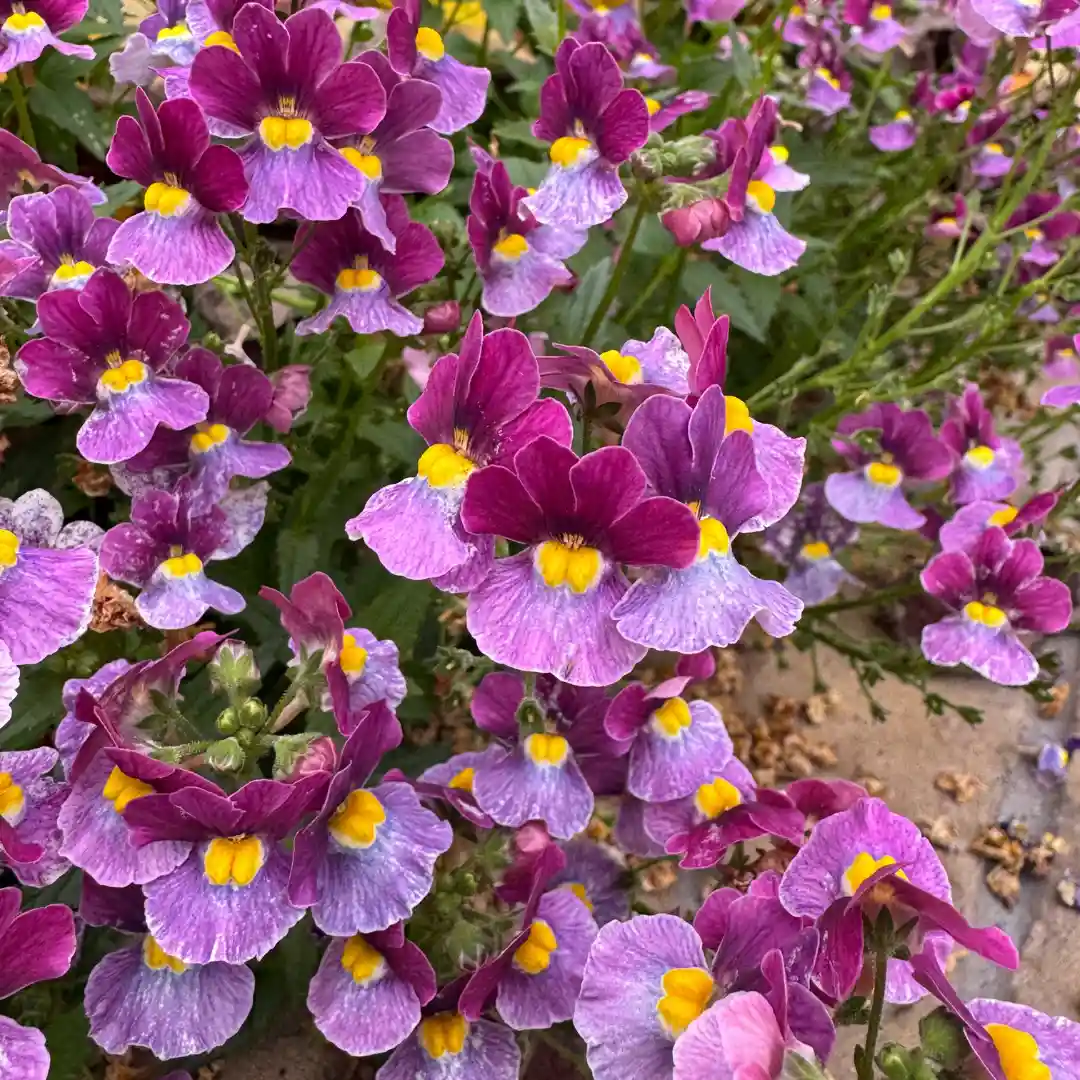
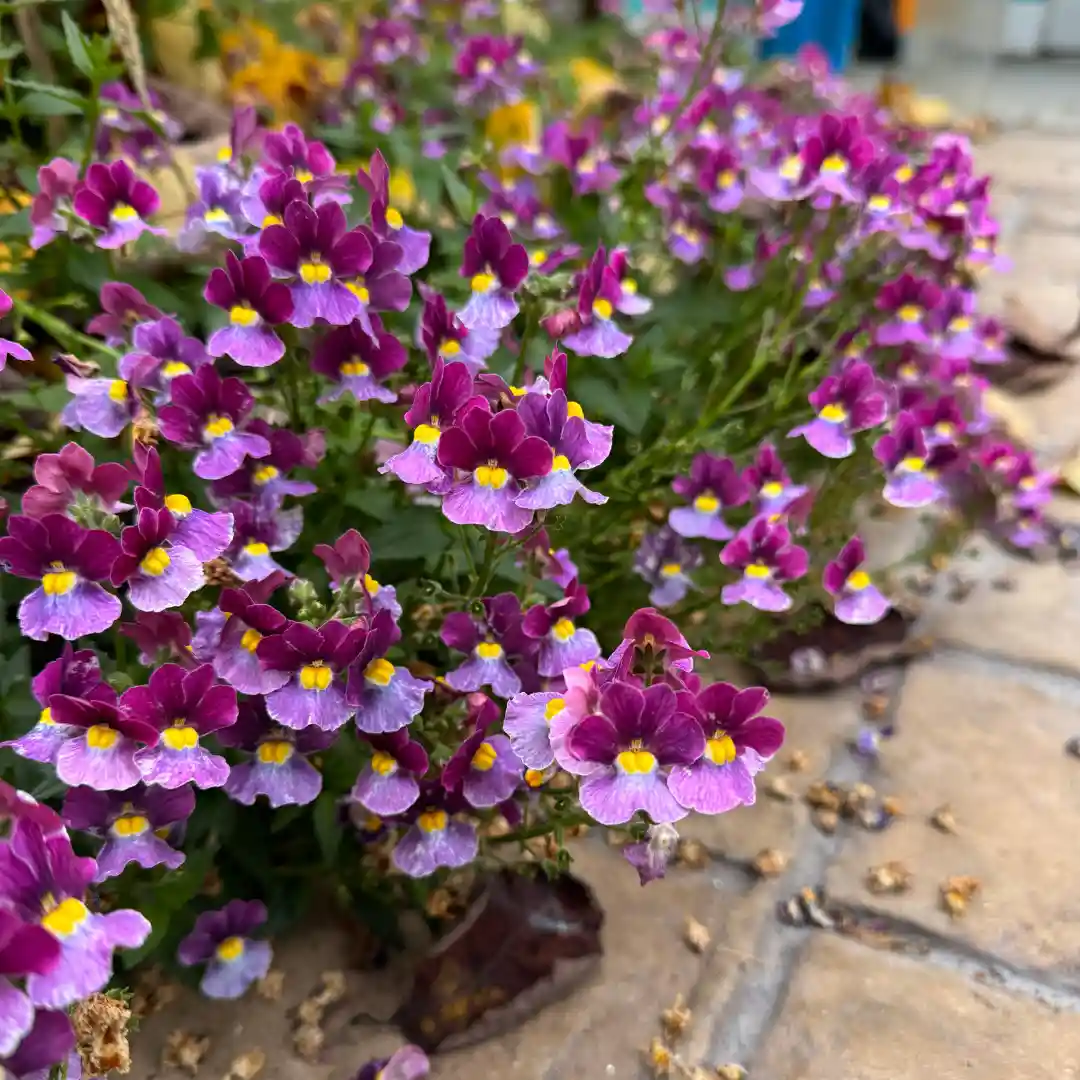
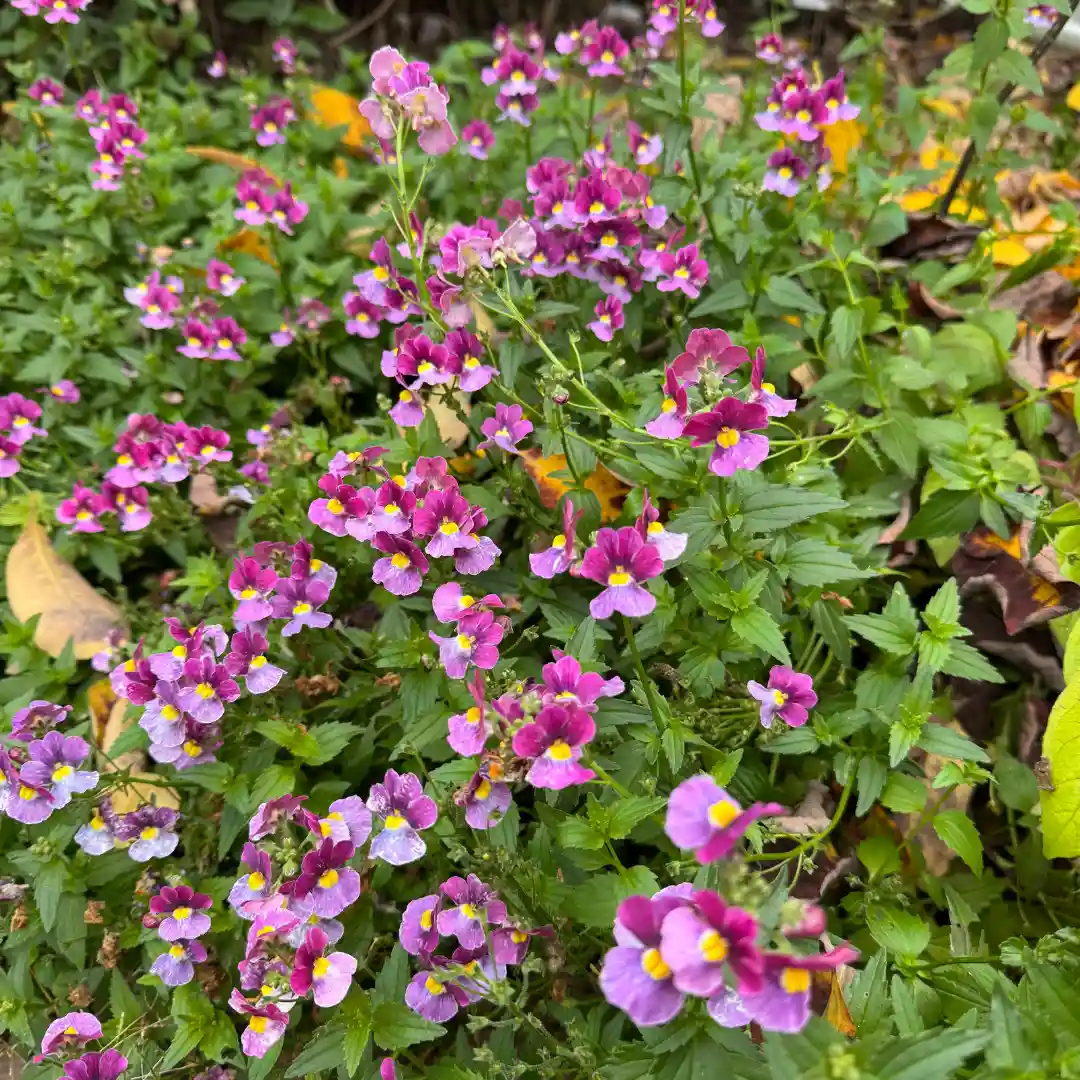
Nemesia fills pots, borders, and window boxes with small, snapdragon-like flowers in blue, purple, pink, orange, yellow, red, and white. Many varieties also have a light vanilla-like fragrance.
Learning how to grow nemesia is mostly about timing. This flower enjoys sunlight and steady moisture, yet often struggles during very hot weather. Plant it during the cooler part of the growing season, trim it when flowering slows, and it may bloom again as temperatures fall.
Key Nemesia Growing Facts
| Feature | Growing requirement |
| Botanical name | Nemesia species and hybrids |
| Common name | Nemesia |
| Plant type | Annual or tender perennial |
| Mature size | About 6–18 inches tall and wide |
| Light | Full sun to partial shade |
| Soil | Fertile, loose, and well-draining |
| Soil pH | Slightly acidic to neutral, around 6.0–7.0 |
| Water | Keep evenly moist without leaving the roots wet |
| Blooming season | Spring through early summer; often again in fall |
| Hardiness | Commonly grown as an annual; some types survive in USDA zones 9–11 |
| Fertilizer | Light feeding every two to four weeks in containers |
| Temperature | Performs best in cool to mild conditions |
| Growth habit | Compact, mounded, or lightly trailing |
| Deadheading | Helpful, though cutting back the whole plant is easier |
| Native range | Southern Africa |
What Is Nemesia?
Nemesia is a group of flowering plants native mainly to southern Africa. The flowers have two lips and a shape that resembles a small snapdragon, although nemesia usually forms a softer, more rounded plant.
Some varieties stay compact and upright, while others develop trailing stems suited to baskets and window boxes. Modern hybrids are bred for heavier flowering, stronger colors, and better heat tolerance.
Gardeners in cold regions usually treat nemesia as an annual. In warm areas without hard frost, certain varieties may live as short-lived tender perennials. Even there, plants can become woody or thin after a few seasons.
I find nemesia most useful near the front of a container, where its small flowers can soften the rim without covering taller plants behind it.
Choosing the Right Nemesia Variety
Choose a variety by growth habit as well as flower color. A compact type works well along a path, while a trailing hybrid is better for a hanging basket.
| Variety or series | Approximate size | Flower features | Growth habit | Best use |
| Sunsatia | 10–14 inches | Wide color range; often bicolored | Mounded to trailing | Baskets and large pots |
| Nesia | 10–14 inches | Bright solid colors | Compact and branching | Patio containers |
| Aromance | 10–14 inches | Fragrant flowers | Upright and mounded | Pots near seating |
| Poetry | 12–14 inches | Soft pastel or white flowers | Compact | Borders and mixed containers |
| Juicy Fruits | 10–14 inches | Warm bicolored flowers | Mounded | Feature pots |
| Bluebird | 8–12 inches | Blue-violet flowers | Compact | Edging and small pots |
| Danish Flag | 8–12 inches | Red and white flowers | Upright annual | Borders and containers |
| Carnival Mix | 8–12 inches | Mixed bright colors | Compact | Bedding displays |
Check the label before purchasing. Different hybrids can vary in spread, cold tolerance, fragrance, and ability to flower during warm weather.
For a first planting, I would choose a modern vegetatively propagated hybrid from the Sunsatia or Nesia series. These plants usually branch more evenly and fill a container faster than older seed-grown types.
When to Plant Nemesia
Plant nemesia outside after the danger of a severe frost has passed. Established plants can tolerate cool spring weather, but young greenhouse-grown plants may be damaged by a sudden freeze.
Nemesia prefers daytime temperatures around 55–75°F (13–24°C). It often flowers most heavily in spring and early summer, then slows when prolonged heat arrives.
In areas with hot summers, plant nemesia in early spring. You may also plant it in late summer or early fall for a second cool-season display.
Gardeners in mild, frost-free climates can grow nemesia from fall through spring. The plant may perform poorly during the hottest and most humid months.
Start seeds indoors about six to eight weeks before your expected final frost. Seedlings are small at first, so early sowing gives them time to develop before outdoor planting.
Where to Grow Nemesia
A good location provides several hours of sunlight, protection from severe afternoon heat, and soil that drains after watering.
Light Requirements
Nemesia flowers best with at least six hours of direct sunlight in cool climates. Full morning sun supports compact growth and plenty of flower buds.
Give it light afternoon shade where summers become hot. Strong afternoon sunlight can cause wilting, faded flowers, dry leaf edges, and an early pause in blooming.
Too much shade creates a different problem. Plants may develop long stems, fewer flowers, and loose growth that leans toward the brightest side.
Watch the location for a full day before planting. A position described as “bright” may receive very little direct sunlight beneath a porch roof.
Soil Requirements
Nemesia prefers fertile soil that holds light moisture but releases extra water. A slightly acidic to neutral pH of about 6.0–7.0 works well.
Mix compost into poor garden soil before planting. Compost helps sandy soil retain moisture and improves the texture of dense ground.
Avoid low areas where rainwater sits for hours. Nemesia has fine roots that can rot when the surrounding soil remains wet and short of air.
Use fresh potting mix in containers. Garden soil becomes dense inside a pot and may prevent water from escaping through the drainage holes.
Spacing
Space compact nemesia plants about 6–8 inches apart. Larger and more vigorous hybrids may need 10–12 inches.
Close planting creates a full display quickly, but overcrowded stems receive less airflow. This may increase mildew and rot during damp weather.
How to Plant Nemesia in the Garden
Nemesia can establish quickly when planted at the correct depth and watered before its root ball dries.
- Wait for suitable weather. Plant after hard frost has passed and the soil is no longer cold and saturated.
- Choose the location. Select full sun in mild climates or morning sun with afternoon shade in hot areas.
- Prepare the ground. Loosen the upper 6–8 inches and mix in compost.
- Check the drainage. Water should soak into the soil instead of collecting in the planting hole.
- Dig the hole. Make it slightly wider than the nursery root ball and about the same depth.
- Remove the plant carefully. Support the root ball and avoid pulling the plant by its soft stems.
- Loosen crowded roots. Gently tease apart only the roots circling the outside of the root ball.
- Set the planting depth. Keep the top of the root ball level with the surrounding ground.
- Fill around the roots. Press the soil lightly to remove large air pockets without packing it firmly.
- Water deeply. Wet the complete root area immediately after planting.
- Apply light mulch. Add a thin layer around the plant, leaving space around the crown.
Don’t bury the crown to make a tall plant appear shorter. A deeply covered stem base remains damp and may rot. Trim long growth after planting instead.
More flower to grow:-
How to Grow Nemesia in Containers
Nemesia is a good container flower because you can control its drainage and move it out of harsh afternoon sunlight.
A single compact plant can grow in a 6- to 8-inch pot. Choose a container at least 10–12 inches wide for several plants or a larger trailing hybrid.
Every container needs open drainage holes. Adding stones to the bottom doesn’t fix a pot that cannot release extra water.
Fill the pot with fresh, loose potting mix. Set the root ball at its original depth, fill around it gently, and water until moisture escapes from the base.
Place nemesia near the front or outer edge of a mixed container. This keeps its flowers visible and gives lightly trailing stems room to spread.
Suitable container partners include:
- Pansies
- Violas
- Lobelia
- Sweet alyssum
- Snapdragons
- Diascia
- Bacopa
- Dusty miller
- Compact ornamental grasses
Choose companions with similar preferences. Nemesia won’t be comfortable sharing a container with drought-loving plants that need the soil to dry completely.
How to Grow Nemesia in Hanging Baskets
Select a mounding or trailing hybrid for a hanging basket. Upright bedding varieties may flower well, but they won’t cover the basket’s outer edge as fully.
Use a basket at least 10–12 inches wide. A larger basket holds moisture longer and gives vigorous roots more room.
Place the plants evenly around the basket, setting each root ball at the same depth it grew in its nursery pot. Water thoroughly after planting.
Hanging baskets dry faster because wind reaches their sides and base. Check the soil daily during warm or windy weather, but water only when the upper surface begins to dry.
Turn the basket once a week if light reaches only one side. This keeps the shape balanced and prevents all the stems from growing in one direction.
Move the basket into light afternoon shade during hot spells. A basket hanging against a sunny wall can become considerably hotter than the surrounding air.
How to Grow Nemesia from Seed
Nemesia can be started from seed, although named hybrid plants may not produce seedlings that match their parents.
Start seeds indoors six to eight weeks before the expected final frost:
- Fill a tray with damp seed-starting mix.
- Scatter the small seeds thinly over the surface.
- Press them gently against the mix.
- Cover them with a very fine layer of vermiculite or seed-starting mix.
- Keep the tray around 55–65°F (13–18°C).
- Cover it with a clear lid to slow moisture loss.
- Keep the surface lightly moist.
- Provide bright light after seedlings emerge.
- Remove the cover to improve airflow.
- Transplant seedlings after they develop several true leaves.
- Harden them off before planting outdoors.
Germination commonly takes one to three weeks. The exact time depends on the variety, temperature, and freshness of the seed.
Don’t pour water directly onto newly sown seeds. A strong stream can bury them or wash them into one corner of the tray. Use a fine mist or water the tray from below.
Once the seedlings begin growing, keep them beneath strong light. Weak light produces long, thin stems that bend easily during transplanting.
Pinch the growing tip when each young plant has several sets of leaves. This helps it form side branches rather than one tall central stem.
How Often to Water Nemesia
Nemesia prefers consistent moisture, especially while it is flowering. Water when the upper half-inch to inch of soil begins to feel dry.
Soak the complete root area rather than applying a small splash. Shallow watering can leave the center of the root ball dry.
Garden-grown nemesia may need water two or three times a week during dry weather. Containers may need daily checks, particularly when they are small, sunny, or exposed to wind.
Water in the morning when possible. This gives the plant moisture before afternoon heat while allowing damp leaves to dry.
Signs Nemesia Needs Water
A dry nemesia may develop:
- Limp leaves
- Drooping flower stems
- Dry potting mix pulling from the pot
- Brown leaf edges
- Flowers that fade quickly
- Brittle lower stems
- Slow or stalled growth
A plant can also wilt because of heat while its soil is still moist. Check the root area before watering again.
Signs of Overwatering
Too much water may cause:
- Yellow lower leaves
- Wilting in wet soil
- Soft, dark stem bases
- Constantly damp potting mix
- Brown or mushy roots
- A sour smell from the container
- Sudden collapse at the crown
- Fewer flowers
Allow the upper layer to begin drying and make sure the drainage holes remain open. Repot the plant if the mixture has become dense or sour.
Fertilizing Nemesia
Nemesia grows best in moderately fertile soil. Heavy feeding can produce soft, leafy stems with fewer flowers.
Mix compost into the garden before planting. Established garden plants may need little additional fertilizer unless their growth becomes pale or weak.
Container plants lose nutrients whenever water runs through the drainage holes. Feed them with a diluted liquid fertilizer every two to four weeks during active growth.
A balanced fertilizer or one made for flowering container plants will work. Follow the label because concentrations vary between products.
Stop feeding when severe heat or cold causes growth to pause. Fertilizer cannot force a heat-stressed plant to flower and may leave salts around inactive roots.
White crust on the pot or soil surface can indicate fertilizer buildup. Flush the pot slowly with plain water and let it drain completely.
How to Prune and Deadhead Nemesia
Removing old flowers keeps the plant neat, but picking off every small bloom takes time. Cutting back the whole plant is usually easier.
When the first heavy round of flowers ends, shorten the stems by about one-third to one-half. Make each cut above healthy green leaves.
Remove dry, broken, and bare stems at the same time. Don’t cut into completely woody growth unless you can see healthy buds below the cut.
Water the plant after trimming. Apply diluted fertilizer if its regular feeding is due, then keep it in good morning light.
New branches and flower buds may appear within a few weeks. A summer trim also helps the plant wait through hot weather before flowering again in fall.
Pinch young plants once or twice early in the season. This produces a wider, more branched shape with fewer bare areas at the center.
Why Isn’t My Nemesia Flowering?
Temperature is the first thing to check. Nemesia may stop producing flowers during prolonged summer heat even when the plant appears otherwise healthy.
Other possible causes include:
- Too little direct sunlight
- Dry soil
- Waterlogged roots
- Excess nitrogen fertilizer
- Old stems that need trimming
- A crowded container
- Recent transplant stress
- Cold, wet weather
- Severe aphid or mite damage
- The natural end of an annual plant’s life
A plant with long green stems and wide gaps between its leaves probably needs more light or pruning. Dark, leafy growth with few buds may point to excess nitrogen.
Move a heat-stressed container into afternoon shade and keep the root ball evenly moist. Trim faded stems instead of repeatedly adding fertilizer.
Flowers may return once temperatures become milder. This seasonal pause is common and doesn’t always mean the plant is dying.
Nemesia Care Through the Seasons
Spring
Plant nursery-grown nemesia after the danger of severe frost has passed. Allow greenhouse plants to adjust gradually to direct sunlight and outdoor wind.
Water new plants regularly until their roots spread into the surrounding soil. Pinch long growing tips to encourage branching.
Begin light feeding after you see active new growth. Watch young stems for aphids, which often gather near soft shoots and flower buds.
Summer
Check moisture frequently, especially in containers. Add afternoon shade when the weather becomes hot.
Cut the plant back by one-third to one-half after its first strong round of flowers. Keep it watered without saturating the soil.
Nemesia may look less colorful during midsummer. Healthy green plants often recover and flower again when late-summer or fall temperatures become cooler.
Fall
Continue watering while the plant is growing and producing flowers. Fall can be one of nemesia’s best flowering periods in regions with hot summers.
Collect seeds from open-pollinated plants if desired. Hybrid seedlings may produce different colors and shapes from the parent plant.
Move containers beneath light cover during long periods of cold rain. Chilly, saturated soil can damage the roots.
Winter
Hard frost usually kills annual nemesia. Remove finished plants from pots and discard any material affected by mildew or root rot.
In mild climates, trim established plants lightly and protect them from prolonged rain. Tender perennial types may continue growing during winter when temperatures remain above freezing.
Indoor plants need very bright light and careful watering. Ordinary warm household conditions are rarely ideal for keeping a large nemesia flowering all winter.
Can Nemesia Survive Winter?
Certain nemesia species and hybrids can survive as tender perennials in mild areas, often around USDA zones 9–11. Their exact tolerance varies, so check the plant label.
In colder areas, bring a favorite container indoors before frost. Trim long stems and inspect the leaves for insects first.
Place the pot beside a bright, cool window or beneath a grow light. Water only after the upper layer begins to dry, and stop heavy feeding while growth remains slow.
Indoor survival can be difficult because nemesia prefers bright light and cool temperatures. Taking cuttings before frost is often easier than keeping a mature plant alive.
Even in warm climates, nemesia may be short-lived. Replacing older plants every year or two often produces a better flower display.
How to Propagate Nemesia from Cuttings
Cuttings let you save a favorite plant, though some named varieties may be protected by plant patents. Check the label before propagating plants for sale or distribution.
Take soft cuttings during spring or late summer:
- Choose a healthy stem without open flowers.
- Cut a 3- to 4-inch section below a leaf joint.
- Remove leaves from the lower half.
- Pinch off all buds and flowers.
- Insert the stem into damp propagation mix.
- Place it in bright indirect light.
- Keep the mixture lightly moist.
- Provide gentle humidity without trapping stagnant air.
- Pot the cutting separately after roots and new growth appear.
Don’t leave the propagation mix soaked. A soft stem may rot before it develops roots.
A clear cover can reduce moisture loss, but open it regularly to admit fresh air. Remove any leaves that begin touching the wet mixture.
Common Nemesia Problems
| Problem | Likely cause | What to do |
| Brown, crispy leaves | Dry soil, heat, or strong afternoon sun | Water deeply and provide afternoon shade |
| Yellow lower leaves | Excess water or poor drainage | Let the soil drain and inspect the roots |
| Few flowers | Heat, shade, or excess nitrogen | Improve light, reduce feeding, and trim |
| Long, loose stems | Weak light or missed pruning | Move to brighter light and cut back |
| Sudden collapse | Crown or root rot | Remove damaged roots and replace wet soil |
| Sticky, twisted shoots | Aphids | Rinse the stems and treat if needed |
| Pale, speckled leaves | Spider mites | Inspect leaf undersides and treat promptly |
| White dusty growth | Powdery mildew | Improve airflow and remove damaged leaves |
| Chewed leaves | Slugs, snails, or caterpillars | Inspect at night and remove pests |
| Flowers stop in summer | Heat stress | Add afternoon shade and wait for cooler weather |
Heat Stress
Heat stress causes wilted leaves, faded flowers, brown edges, and a sudden pause in blooming. Small containers are affected first because their roots heat and dry quickly.
Move potted plants away from hot walls and intense afternoon sun. Water when the upper soil begins drying, then trim tired stems.
Don’t keep adding water when the soil already feels damp. Hot roots can cause wilting even when moisture is available.
Root and Crown Rot
Root rot often begins when a container stays wet after rain or watering. Affected nemesia may wilt, turn yellow, and develop soft brown roots.
Remove the plant from its pot and cut away damaged tissue with clean scissors. Repot the healthy section in fresh, loose mixture.
A plant with a soft, dark crown usually won’t recover. Replace it and correct the drainage before planting another nemesia in the same container.
Aphids
Aphids collect around young shoots and buds. They may twist new leaves and leave a sticky film across the stems.
Rinse a small group away with water. Use insecticidal soap for a persistent infestation, following the product label and covering hidden stem joints.
Check nearby plants because aphids can quickly move between crowded containers.
Spider Mites
Spider mites are more common during hot, dry weather. Look for pale speckling, dull leaves, and very fine webbing beneath the foliage.
Separate the affected pot and rinse the plant thoroughly. Apply a product labeled for spider mites if rinsing doesn’t control them.
Repeat inspections matter because eggs may survive the first treatment.
Powdery Mildew
Powdery mildew appears as pale, dusty patches on leaves and stems. Crowding, weak airflow, and plant stress make it more likely.
Remove badly affected sections and increase the space around the plant. Water the soil in the morning instead of wetting the foliage late in the day.
A heavily infected annual may be easier to replace, especially near the end of its natural growing season.
Slugs and Snails
Slugs and snails chew irregular holes through low leaves and soft stems. Damage often appears overnight after rain or watering.
Inspect beneath pots, boards, and damp mulch. Remove pests by hand or use an iron-phosphate bait according to its label.
Keep thick mulch away from the crown so it doesn’t create a constantly damp hiding place.
Best Companion Plants for Nemesia
Nemesia pairs best with flowers that enjoy mild weather, regular moisture, and similar sunlight.
- Pansies: Their broad flowers contrast with nemesia’s smaller blooms.
- Violas: Both perform well during cool spring and fall weather.
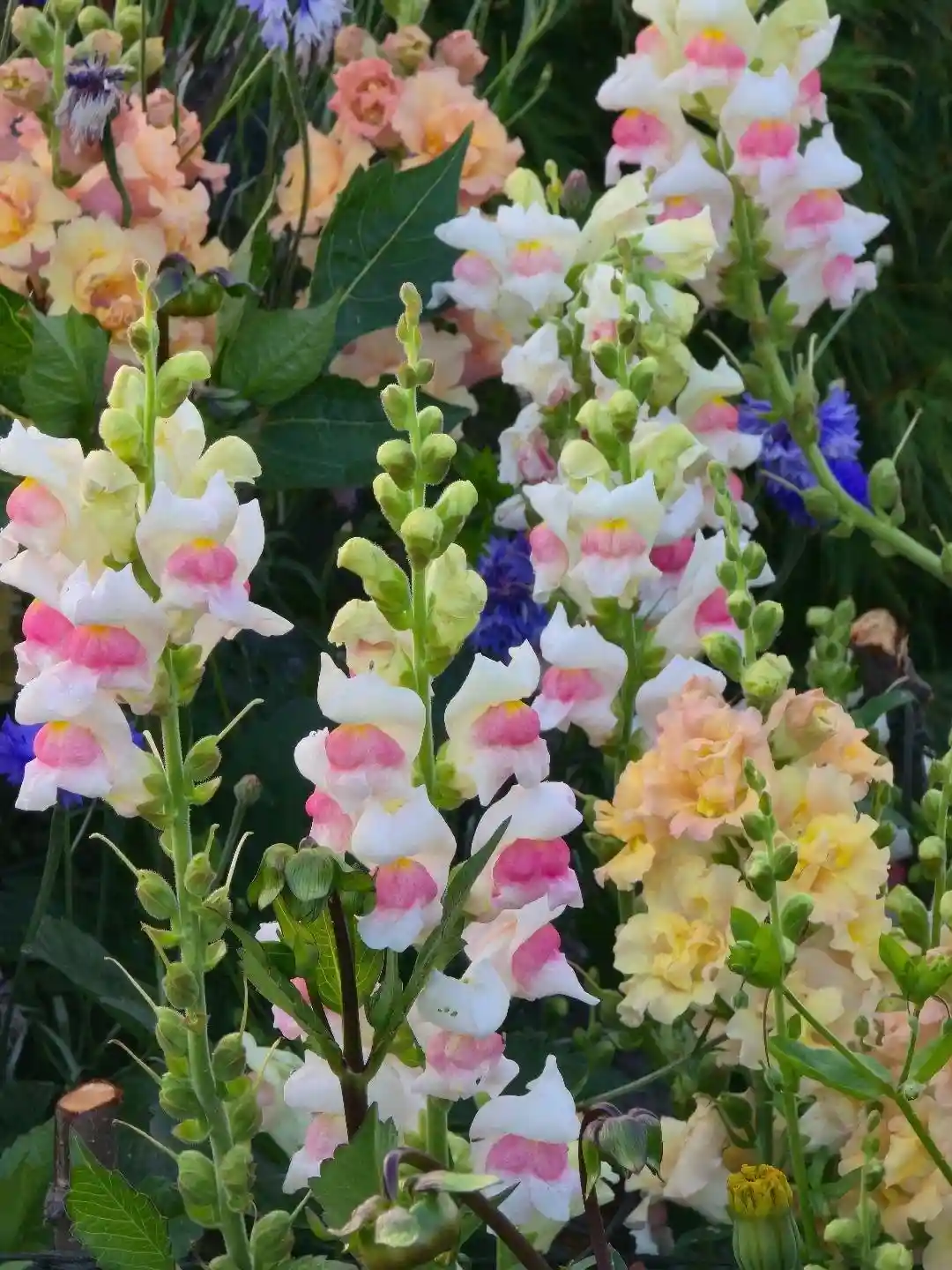
- Snapdragons: Upright flower spikes add height behind compact nemesia.
- Lobelia: Blue trailing stems work well along the edge of mixed pots.
- Sweet alyssum: Low, fragrant flowers fill spaces near paths and container rims.
- Diascia: Its loose flower stems give cool-season pots a softer shape.
- Bacopa: Trailing white blooms mix well with brightly colored nemesia.
- Dusty miller: Silver leaves provide contrast without adding another flower color.
- Ornamental kale: Textured foliage supports a longer fall container display.
- Tulips: Nemesia can cover bare soil beneath spring bulbs.
Place taller companions in the center or back of the container. Set nemesia near the edge, where its mounded or trailing growth remains visible.
Avoid combining it with plants that prefer very dry soil. Everything sharing one pot should be comfortable with the same watering routine.
Is Nemesia Toxic to Pets?
Nemesia isn’t generally known as a highly poisonous ornamental, but reliable species-specific pet-safety information is limited. It should still be treated as a decorative, non-edible plant.
Keep fallen flowers, seeds, and cuttings away from cats and dogs that chew plants. Eating unfamiliar plant material can cause vomiting or stomach upset even when no strong toxin is known.
Contact a veterinarian or animal poison-control service if a pet eats a large amount or develops symptoms. Keep the plant label or take a clear photograph to help with identification.
Frequently Asked Questions
Does nemesia prefer sun or shade?
Nemesia flowers best in full sun during cool weather. In hot climates, morning sun and afternoon shade can keep the flowers fresh longer. Deep shade usually causes loose growth and fewer blooms.
Does nemesia come back every year?
Nemesia is commonly grown as an annual. Some types can survive as short-lived tender perennials in frost-free areas, generally around USDA zones 9–11. Plants in colder regions usually die after hard frost.
How do you keep nemesia blooming?
Give it several hours of sunlight, consistent moisture, and light fertilizer. Cut the plant back by one-third to one-half after its first strong bloom. Flowering may pause during severe heat and return in fall.
Does nemesia need deadheading?
Removing faded flowers can tidy the plant, but you don’t need to pick off every bloom. Shearing the stems after flowering slows is faster and encourages fresh branching.
Can nemesia grow in pots?
Nemesia grows very well in pots, window boxes, and hanging baskets. Use fresh potting mix and a container with drainage holes. Check the soil often because small pots can dry rapidly.
How often should you water potted nemesia?
Water when the upper half-inch to inch of potting mix begins to feel dry. A small pot may need daily attention during warm or windy weather. Soak the root ball and let all extra water drain.
Why is my nemesia turning brown?
Dry soil, strong afternoon sun, hot weather, and fertilizer buildup can cause brown leaves. Check the soil before watering because root rot can also create brown, wilted growth.
Why has my nemesia stopped flowering?
Summer heat is a common reason. Too much shade, dry soil, excess nitrogen, or old stems can also reduce flowering. Trim the plant, correct its growing conditions, and wait for milder weather.
Can nemesia tolerate frost?
Nemesia tolerates cool conditions, but a hard frost can kill tender growth. Protect young plants when freezing weather is forecast or wait until severe frost has passed before planting.
Can nemesia grow indoors?
Nemesia can survive indoors for a while if it receives very bright light and cool temperatures. Warm, dry rooms and weak window light usually produce thin growth and few flowers.
How tall does nemesia grow?
Most garden varieties grow about 6–18 inches tall. Their final size depends on the species, variety, light, and growing conditions.
Is nemesia good for pollinators?
Nemesia flowers can attract bees and other small pollinating insects. Single-flowered varieties usually provide easier access than very dense or highly modified blooms.