How to Grow Lobelia: A Complete Planting and Care Guide
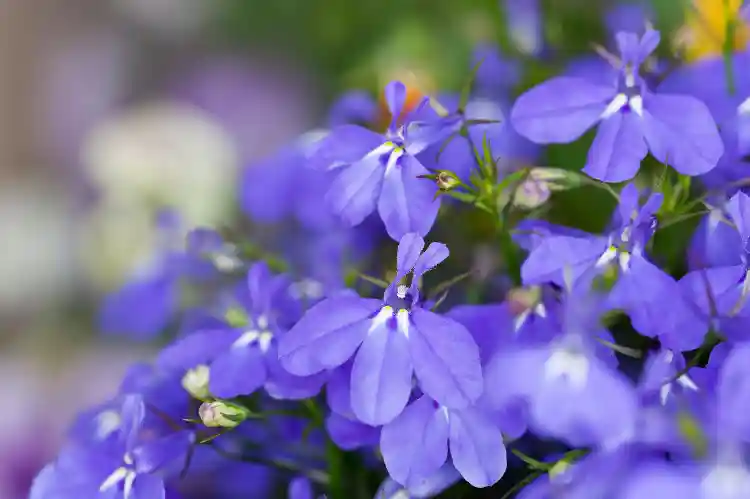
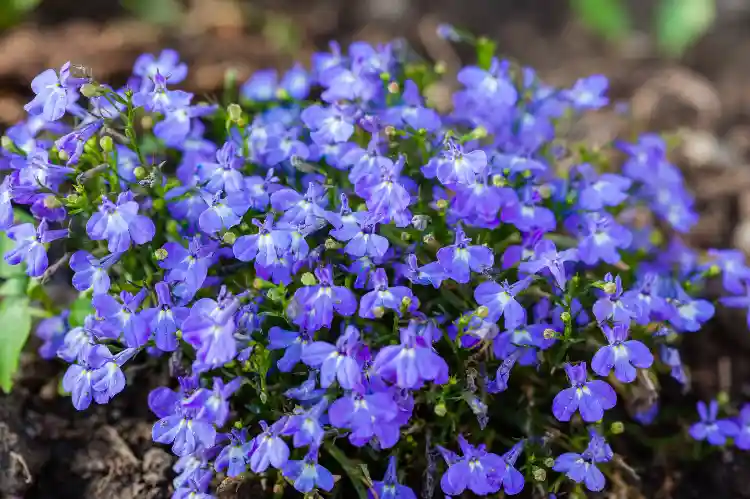
Lobelia produces masses of small blue, violet, pink, or white flowers that soften the edges of pots, window boxes, hanging baskets, and garden paths. Trailing varieties spill gently over containers, while upright perennial types add height to damp garden beds.
Learning how to grow lobelia starts with choosing the right type. Annual lobelia prefers mild weather, steady moisture, and morning sunlight. Perennial lobelia needs richer, wetter soil and more room to grow. This guide covers planting, watering, feeding, pruning, propagation, seasonal care, and common problems.
Key Lobelia Growing Facts
| Feature | Growing requirement |
| Botanical name | Lobelia species |
| Common name | Lobelia |
| Plant type | Annual, tender perennial, or hardy perennial |
| Mature size | 4 inches to 4 feet, depending on species |
| Light | Full sun to partial shade |
| Soil | Rich, moist, and well-draining |
| Soil pH | Slightly acidic to neutral, around 5.5–7.0 |
| Water | Keep consistently moist without soaking annual varieties |
| Blooming season | Late spring through fall |
| Hardiness | Varies by species; commonly USDA zones 3–11 |
| Fertilizer | Light, regular feeding during active growth |
| Temperature | Annual lobelia grows best in cool to mild weather |
| Toxicity | Toxic if eaten in large amounts; keep away from pets and children |
What Is Lobelia?
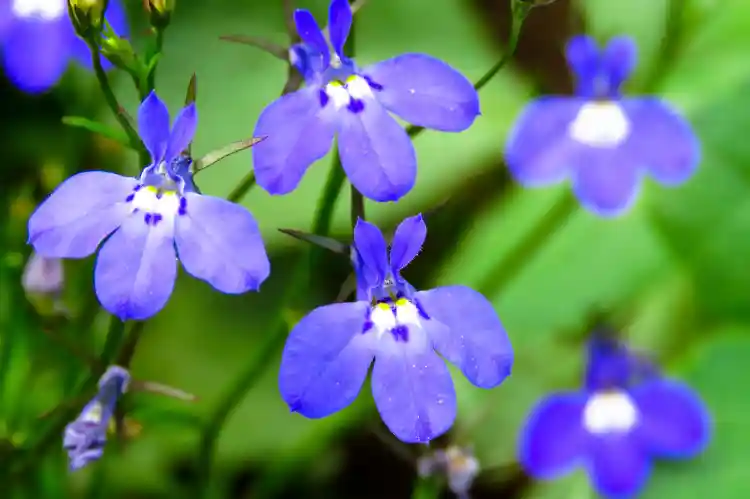
Lobelia is a large group of flowering plants that includes compact annuals, trailing container plants, and tall native perennials. The tiny flowers often have a fan-like shape, with three larger lower petals and two smaller upper petals.
The familiar blue lobelia sold for baskets and borders is usually Lobelia erinus. It forms a low mound or sends thin flowering stems over the edge of a container.
Cardinal flower, or Lobelia cardinalis, is a different plant. It produces tall spikes of intense red flowers and grows naturally in damp soil. Great blue lobelia, or Lobelia siphilitica, has a similar upright shape with blue-purple flowers.
I use annual lobelia around container edges rather than as the main plant. Its fine leaves and small flowers fill bare gaps without hiding larger plants in the center.
Choosing the Right Lobelia Type
The right lobelia depends on whether you need a low border, a trailing basket plant, or a tall flower for damp soil.
| Lobelia type | Approximate size | Flower color | Growth habit | Best location |
| Crystal Palace | 4–6 inches | Deep blue | Compact and mounded | Border fronts and small pots |
| Cambridge Blue | 4–6 inches | Pale blue | Low and spreading | Edging and containers |
| Riviera Mix | 4–6 inches | Blue, violet, pink and white | Compact | Bedding displays |
| Regatta Sapphire | 6–10 inches | Blue with a white eye | Trailing | Baskets and window boxes |
| Laguna Sky Blue | 6–12 inches | Light blue | Vigorous and trailing | Large containers |
| White Lady | 4–6 inches | White | Compact | Borders and mixed pots |
| Cardinal flower | 2–4 feet | Red | Upright perennial | Rain gardens and damp beds |
| Great blue lobelia | 2–3 feet | Blue-purple | Upright perennial | Moist borders and wildlife gardens |
Compact Lobelia erinus varieties work well along paths and at the front of flower beds. Trailing forms are better for hanging baskets because their stems naturally fall over the rim.
Choose cardinal flower or great blue lobelia when the ground stays moist. These perennials aren’t substitutes for annual basket lobelia because they grow much taller and have different soil needs.
When to Plant Lobelia
Plant nursery-grown annual lobelia outside after severe frost has passed. It tolerates cool spring weather, but a hard freeze can damage its soft stems and flowers.
Lobelia often performs best when planted early enough to establish before summer heat arrives. In hot climates, it may grow as a cool-season flower during spring and fall rather than flowering through the entire summer.
Start annual lobelia seeds indoors 10 to 12 weeks before the expected final frost. The seeds are extremely small, and the young plants grow slowly at first.
Plant hardy perennial lobelia in spring or early fall. Spring planting gives the roots a full growing season to settle before winter, especially in colder areas.
Where to Grow Lobelia
Annual and perennial lobelia both need moisture, but their light and soil requirements aren’t exactly the same.
Light Requirements
Annual lobelia grows well in full sun where summers remain mild. Give it morning sun and afternoon shade in areas with hot summers.
Too much shade can produce thin growth and fewer flowers. Harsh afternoon sunlight may cause rapid wilting, dry leaf edges, and a midsummer pause in flowering.
Trailing plants in hanging baskets dry faster than plants in garden soil. Even in a suitable climate, a basket exposed to strong afternoon sunlight may become too hot for the roots.
Cardinal flower and great blue lobelia can grow in full sun when their soil remains consistently damp. Partial shade is safer when the ground dries quickly.
Soil Requirements
Annual lobelia prefers loose soil that holds light moisture while allowing extra water to drain. Mix compost into poor garden soil before planting.
Heavy clay can suffocate the fine roots when it remains saturated. Very sandy soil dries rapidly and may need compost to hold enough moisture between waterings.
Use fresh potting mix for containers. Ordinary garden soil becomes dense in pots and may block the drainage holes.
Perennial lobelia handles wetter ground than annual lobelia. Cardinal flower grows well near ponds, streams, rain gardens, and low areas that remain moist, though its crown shouldn’t sit beneath stagnant water for long periods.
How to Plant Lobelia in the Garden
Small lobelia plants can look delicate, but they establish quickly when their roots receive steady moisture.
- Choose the planting time. Plant annual lobelia after hard frost has passed. Plant hardy perennial types during spring or early fall.
- Select suitable light. Use morning sun and afternoon shade in hot regions. Full sun works well in cooler areas when the soil stays moist.
- Prepare the ground. Loosen the upper 6 to 8 inches of soil and mix in compost.
- Dig a shallow hole. Make it slightly wider than the root ball and about the same depth.
- Remove the plant carefully. Support the root ball instead of pulling the plant by its thin stems.
- Position the crown. Keep the top of the root ball level with the surrounding soil.
- Backfill gently. Press soil around the roots without compacting it heavily.
- Water thoroughly. Soak the full root area immediately after planting.
- Add light mulch. Apply a thin layer to slow moisture loss, leaving space around the stems.
Space compact annual lobelia about 4 to 6 inches apart for a full border. Trailing plants may need 6 to 8 inches, while tall perennial species usually need 12 to 18 inches.
Don’t separate a small nursery clump into individual stems. Annual lobelia is often sold as several seedlings growing together, and disturbing those fine roots can set the entire clump back.
How to Grow Lobelia in Containers
Lobelia works especially well in containers because its small flowers soften hard pot edges. Choose a pot with several open drainage holes.
A single lobelia can grow in a 6- to 8-inch pot, but it’s more commonly planted around larger flowers in a wide mixed container. Leave enough space for air to move between the plants.
Set the root ball at its original depth and fill around it with fresh potting mix. Water until moisture runs through the holes, then empty any saucer beneath the pot.
Place the container where the lobelia receives morning sunlight. Watch the plant during hot afternoons. If it wilts every day even though the soil is moist, move it to a cooler position.
Useful container partners include:
- Geraniums
- Begonias
- Coleus
- Petunias
- Bacopa
- Sweet alyssum
- Calibrachoa
- Dusty miller
Choose companion plants with similar moisture needs. A drought-tolerant plant may struggle if watered as frequently as lobelia requires.
How to Grow Lobelia in Hanging Baskets
Trailing lobelia produces the best basket display. Look for varieties labeled “trailing,” “cascade,” or “pendula” rather than compact bedding forms.
Use a basket at least 10 to 12 inches wide with good drainage. Fill it with light potting mix and plant lobelia near the outer edge so its stems can hang freely.
Baskets lose moisture through their sides and exposed surface. Check the soil every day during warm or windy weather, but water only when the upper surface begins to feel dry.
Turn the basket once or twice a week if sunlight reaches only one side. This prevents uneven growth and keeps flowers visible around the full container.
A lobelia basket may look tired during severe heat. Trim the stems, provide afternoon shade, and keep the roots evenly moist. New flowers often appear when cooler weather returns.
More flower to grow:-
How to Grow Lobelia from Seed
Lobelia seeds are tiny and need light to germinate. Don’t cover them with a thick layer of seed-starting mix.
- Fill a shallow tray with damp seed-starting mix.
- Scatter the seeds thinly over the surface.
- Press them gently against the mix without burying them.
- Cover the tray with a clear lid.
- Keep it around 65–75°F (18–24°C).
- Place the tray beneath bright light.
- Mist carefully when the surface begins drying.
- Remove the cover after most seedlings appear.
- Transplant small clusters instead of separating every seedling.
- Harden the plants before placing them outdoors.
Germination commonly takes two to three weeks. The seedlings remain very small for a while, so keep the tray evenly moist and avoid pouring water directly over them.
A fine mist or bottom watering is safer. Strong water can wash the seeds into one corner or bury them too deeply.
When the seedlings develop several true leaves, transplant small groups into individual cells. Clusters create fuller plants and are easier to handle than single seedlings.
How Often to Water Lobelia
Lobelia has fine roots and doesn’t recover well from repeated drought. Check the soil regularly and water when the upper half-inch to inch begins to feel dry.
Soak the root area instead of applying a small splash. Shallow watering moistens the surface while leaving lower roots dry.
Garden plants may need watering two or three times a week during warm, dry conditions. Containers and hanging baskets often need daily checks.
Water in the morning when possible. The plant can take up moisture before the afternoon heat, and any wet foliage has time to dry.
Signs Lobelia Needs Water
A dry lobelia may show:
- Limp or folded leaves
- Drooping flower stems
- Dry soil pulling from the pot
- Brown leaf edges
- Flowers fading early
- Thin or stalled growth
- Lower leaves becoming dry
A plant that wilts during the afternoon may recover as temperatures fall. Check the soil before watering because heat stress and dry soil can look similar.
Signs of Overwatering
Too much water may cause:
- Yellow lower leaves
- Soft, dark stems
- Constantly wet soil
- A sour smell from the pot
- Brown or mushy roots
- Wilting in damp soil
- Sudden collapse at the crown
Annual lobelia likes consistent moisture, but it still needs oxygen around its roots. Improve drainage and reduce watering if the soil never begins to dry.
Fertilizing Lobelia
Lobelia flowers best with light, regular feeding. Heavy fertilizer can produce soft growth with fewer flowers.
Mix compost into garden soil before planting. If growth slows, apply a balanced liquid fertilizer at half strength every four to six weeks.
Container lobelia needs more frequent feeding because water carries nutrients out through the drainage holes. Use diluted liquid fertilizer every two to four weeks during active growth.
Avoid heavy doses of nitrogen. Dark green foliage with few flowers can mean the plant is receiving more nitrogen than it needs.
Stop feeding annual lobelia several weeks before frost. Hardy perennial lobelia shouldn’t be fertilized late in the season because tender new growth may be damaged by cold weather.
How to Prune and Deadhead Lobelia
Individual lobelia flowers are too small to deadhead one at a time. Instead, trim the entire plant lightly when the stems become untidy or flowering begins to slow.
Cut annual lobelia back by about one-third. Use clean scissors and try to leave some green leaves on every section.
Water after trimming and apply a light dose of diluted fertilizer if the plant hasn’t been fed recently. Fresh branches and flowers may appear within a few weeks.
This midsummer trim is especially helpful for plants that become thin during hot weather. It won’t overcome extreme heat, but it keeps the plant compact until temperatures become milder.
Remove finished flower spikes from perennial lobelia if you don’t want seedlings. Leave some standing if you want seed or need winter stems for structure and wildlife.
Why Is My Lobelia Not Flowering?
Check the temperature and sunlight first. Annual lobelia may stop flowering during prolonged summer heat, even when its watering routine is correct.
Other causes include:
- Too much shade
- Dry soil
- Excess nitrogen
- Waterlogged roots
- An overdue midsummer trim
- A crowded container
- Recent transplant stress
- Damage from slugs or snails
- An old plant reaching the end of its annual cycle
Move heat-stressed pots into afternoon shade and keep their soil evenly moist. Trim long stems by one-third rather than repeatedly adding fertilizer.
When a plant has plenty of dark green growth but few flowers, reduce nitrogen feeding. Give it stronger morning light and allow a little airflow around the stems.
Lobelia Care Through the Seasons
Spring
Start seeds indoors or purchase young plants after frost danger begins to pass. Harden indoor-grown lobelia over seven to ten days before planting it in exposed garden conditions.
Prepare beds with compost and begin watering regularly. Protect new plants if an unexpected hard frost is forecast.
Hardy perennial lobelia begins producing fresh growth from the crown. Remove old stems carefully so you don’t damage the new shoots.
Summer
Check containers frequently and water before the root ball dries completely. Move annual lobelia away from harsh afternoon sun during heat waves.
Trim plants by one-third when flowering slows or their stems become untidy. Light feeding after trimming can support another round of growth.
Tall perennial lobelia may need staking in exposed locations. Keep its root area consistently moist while flower spikes develop.
Fall
Annual lobelia may begin flowering heavily again when autumn temperatures become cooler. Continue watering until frost kills the plant.
Collect seed from open-pollinated varieties if desired, though the next generation may not look exactly like the parent.
Plant perennial lobelia early enough for its roots to settle before freezing weather. Stop feeding established plants as their growth slows.
Winter
Annual Lobelia erinus normally dies after hard frost. Remove it from containers and garden beds once the plant turns brown.
Hardy perennial species die back to the ground. Leave a short section of stem to mark the crown, then apply light mulch after the ground becomes cold.
Avoid covering the crown with a deep, wet layer. Winter moisture can be more damaging than cold when the soil drains poorly.
Can Lobelia Survive Winter?
Annual lobelia is usually grown for one season. It may survive winter in frost-free climates, but older plants often become thin and flower less heavily.
Small pots can be moved into a bright, cool indoor area before frost. Success is mixed because lobelia dislikes hot, dry indoor air and weak winter light.
Keeping cuttings or collecting seeds is often easier than overwintering a mature annual plant. Seeds take time to grow, so start them early.
Cardinal flower and great blue lobelia are hardy perennials in many climates. Their stems die in winter, but healthy roots produce new growth in spring.
How to Propagate Lobelia from Cuttings
Trailing annual lobelia can be propagated from soft stem cuttings, although seed is more commonly used.
- Choose a healthy stem without flowers.
- Cut a 3- to 4-inch section below a leaf joint.
- Remove the lower leaves and flower buds.
- Insert the cutting into moist propagation mix.
- Place it in bright indirect light.
- Keep the mix lightly moist.
- Provide gentle airflow.
- Pot it separately after firm new growth appears.
Don’t keep the propagation mix saturated. The small stem needs moisture, but it can rot before producing roots if the soil remains airless.
Perennial lobelia may also be divided in spring. Dig up a mature clump and separate it into sections, making sure each piece has healthy roots and new shoots.
Common Lobelia Problems
| Problem | Likely cause | What to do |
| Brown, crispy leaves | Dry soil, heat, or harsh sun | Water deeply and add afternoon shade |
| Yellow lower leaves | Excess water or poor drainage | Let the soil drain and inspect the roots |
| Few flowers | Too much shade or nitrogen | Increase light and reduce feeding |
| Long, loose stems | Low light or overdue pruning | Move to brighter light and trim |
| Sudden midsummer decline | High temperatures | Provide shade, steady moisture, and a light trim |
| Holes in leaves | Slugs, snails, or caterpillars | Inspect at night and remove pests |
| White coating | Powdery mildew | Improve airflow and remove affected leaves |
| Soft stem base | Crown or root rot | Remove damaged tissue and replace wet soil |
| Sticky, distorted shoots | Aphids | Rinse the plant and treat if needed |
| Leaf trails or blotches | Leaf miners | Remove damaged leaves |
Heat Stress
Annual lobelia prefers mild weather. Strong summer heat can cause wilting, sparse flowers, and dry lower growth.
Move containers into afternoon shade and water before the root ball becomes dry. Trim badly affected stems by one-third.
Don’t flood a wilted plant if its soil is already damp. The roots may be hot rather than dry.
Root and Crown Rot
Rot develops when water remains around the roots and crown. Affected plants may wilt in wet soil, develop yellow leaves, or collapse at the base.
Remove the plant from its pot and check the roots. Cut away soft brown tissue and repot the remaining healthy section in fresh mix.
A plant with extensive crown damage is unlikely to recover. Replace it and correct the drainage before planting another lobelia in the same spot.
Aphids
Aphids gather around soft shoots and flower stems. They may twist new growth and leave a sticky coating on the leaves.
Rinse a small group away with water. Use insecticidal soap for a heavier problem, covering both sides of the leaves according to the product instructions.
Slugs and Snails
Slugs and snails chew irregular holes through low-growing lobelia. They’re most active at night and after wet weather.
Inspect beneath pots, mulch, and nearby boards. Remove the pests by hand or apply an iron-phosphate bait according to its label.
Powdery Mildew
Powdery mildew appears as pale, dusty patches on leaves. Crowded growth, poor airflow, and plant stress can make it more common.
Remove badly affected foliage and increase the space around the plant. Water the soil rather than soaking the leaves late in the day.
Best Companion Plants for Lobelia
Lobelia pairs well with plants that enjoy regular moisture and similar light.
- Geraniums: Upright flower clusters rise above trailing blue lobelia.
- Begonias: Both work well in pots with morning sun or partial shade.
- Coleus: Colorful leaves provide contrast when annual lobelia pauses flowering.
- Petunias: Their larger flowers create a layered sunny container.
- Bacopa: White trailing flowers mix naturally with blue lobelia.
- Impatiens: These suit shaded containers with steady moisture.
- Sweet alyssum: Its low growth fills spaces at the front of a border.
- Ferns: These pair well with perennial lobelia in damp, partially shaded beds.
- Astilbe: Upright flower plumes suit the same moist garden areas.
- Japanese iris: This is a useful partner for cardinal flower near pond edges.
Place lobelia near the outer edge of a mixed pot. Its thin stems need room to spread and can disappear beneath larger, aggressive plants.
Is Lobelia Toxic to People and Pets?
Lobelia contains natural compounds that can cause illness when eaten, particularly in large amounts. All parts should be treated as non-edible unless used under qualified medical supervision.
Possible symptoms may include nausea, vomiting, weakness, drooling, stomach upset, or changes in heart rate. Keep plants and stored seeds away from children, cats, dogs, and grazing animals.
Contact a veterinarian or poison-control service if you suspect a child or pet has eaten lobelia. Don’t attempt a home treatment unless a medical professional recommends it.
Frequently Asked Questions
Does lobelia prefer sun or shade?
Lobelia grows well in full sun where summers are cool. In hot climates, morning sun with afternoon shade usually keeps annual plants flowering longer. Deep shade may lead to weak growth and fewer flowers.
Does lobelia come back every year?
Annual Lobelia erinus usually lasts for one growing season, although it may self-seed. Cardinal flower and great blue lobelia are hardy perennials that can return each spring in suitable climates.
How do you keep lobelia blooming?
Keep the soil evenly moist, provide suitable sunlight, and feed lightly. Trim the plant by about one-third when its first heavy round of flowers slows. Annual lobelia may pause during severe heat and bloom again when cooler weather returns.
Can lobelia grow in pots?
Lobelia grows very well in pots, window boxes, and hanging baskets. Use loose potting mix and a container with drainage holes. Check the soil frequently because small pots dry quickly.
How often should potted lobelia be watered?
Water when the upper surface of the potting mix begins to feel dry. Containers may need daily checks during warm, sunny, or windy weather. Water thoroughly and let the excess escape.
Why is my lobelia turning brown?
Dry soil and strong afternoon sun are common causes. Fertilizer buildup, root damage, or the natural decline of an annual plant can also produce brown growth. Check the soil before changing the feeding routine.
Should lobelia be deadheaded?
You don’t need to remove each tiny flower. Shear the whole plant lightly when flowering slows or the stems become untidy. This is faster and encourages compact new growth.
Does lobelia spread?
Annual trailing lobelia spreads through thin stems but doesn’t usually root aggressively in the soil. Some perennial species slowly form wider clumps and may self-seed when flower spikes remain on the plant.
Can lobelia handle frost?
Annual lobelia tolerates cool weather but may be damaged by a hard frost. Hardy perennial species survive freezing winters within their recommended growing zones and return from their roots.
Why is my lobelia dying in summer?
Annual lobelia often declines during prolonged heat. Provide afternoon shade, keep the roots evenly moist, and trim tired stems. The plant may produce fresh flowers when temperatures fall.