17 Watering Mistakes Killing Your Houseplants
Most houseplants do not die because people ignore them completely. More often, they struggle because the watering routine is off. Too much water, too little water, poor drainage, and fixed watering schedules can slowly damage roots before you notice what is happening.
The tricky part is that watering problems can look confusing. Yellow leaves may mean too much water, drooping leaves can mean too dry or too wet, and brown tips can have more than one cause.
These common watering mistakes will help you spot the problem faster and keep your houseplants healthier.
1. Watering on a Fixed Schedule
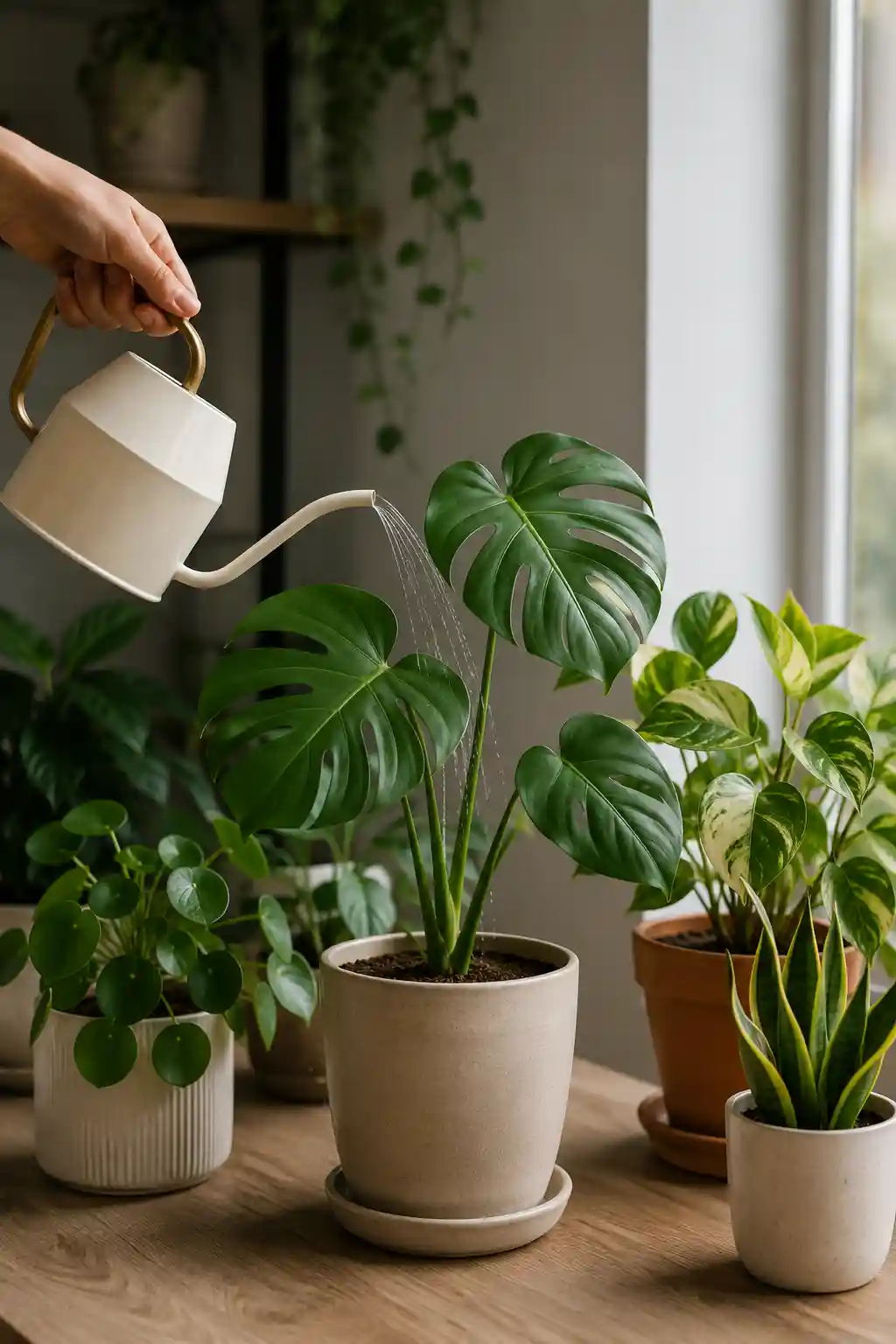
Watering every Sunday sounds organized, but houseplants do not follow a calendar. A plant near a sunny window may dry out quickly, while one in a shaded corner may stay damp for days longer.
Room temperature, pot size, soil type, season, and light all change how fast soil dries. That is why a fixed schedule often leads to overwatering or underwatering.
A better habit is to check the soil before watering. Use your finger, a wooden stick, or a moisture meter if you like extra help.
Quick fix: Check the soil first, then water only when your plant actually needs it.
2. Watering Before Checking the Soil
This is one of the easiest mistakes to make. The top of the soil may look dry, but the middle or bottom of the pot can still be wet.
Before watering, press your finger one to two inches into the soil. For larger pots, check a little deeper. If it still feels damp, wait a few more days.
Plants like snake plant, ZZ plant, pothos, and rubber plant usually prefer the soil to dry partly before the next watering. Ferns and peace lilies may need more moisture, but even they do not want soggy soil.
Quick fix: Do not judge by the surface only. Check below the top layer.
3. Giving Every Plant the Same Amount of Water
Not all houseplants drink the same way. A peace lily, fern, pothos, cactus, and snake plant should not be watered with the same routine.
Tropical plants usually like more steady moisture. Succulents and thick-leaved plants need longer dry periods. Low-light plants use water more slowly than plants in brighter rooms.
This is why one plant may look fine while another starts yellowing, even though you water them together.
Quick fix: Group plants by watering needs. Keep dry-loving plants separate from moisture-loving plants.
4. Using Pots Without Drainage Holes
Pretty pots are tempting, but pots without drainage holes can cause big problems. Water collects at the bottom, roots stay wet, and root rot can start quietly.
You may not notice anything at first. Then leaves turn yellow, stems soften, or the plant suddenly declines.
If you love a decorative pot with no hole, use it as a cover pot. Keep the plant in a plastic nursery pot with drainage, then place that inside the decorative container.
Quick fix: Always use a pot with drainage, or use a nursery pot inside your decorative planter.
5. Letting Plants Sit in Saucer Water
Even if your pot has drainage holes, the plant can still suffer if water sits in the saucer. Roots can absorb too much moisture from the bottom and stay wet for too long.
After watering, let extra water drain out. Then empty the saucer after about 10–20 minutes.
This matters even more for plants that hate wet roots, like snake plants, jade plants, aloe, rubber plants, and ZZ plants.
Quick fix: Water deeply, let it drain, then empty the saucer.
6. Watering Too Little Each Time
Some people try to avoid overwatering by giving tiny splashes of water. The problem is that small amounts often only wet the top layer of soil.
The lower roots stay dry, and the plant may start drooping even though you feel like you watered it recently.
When a plant needs water, water it fully until water runs out of the drainage holes. This helps the whole root ball get moisture.
Quick fix: Water deeply when needed, not lightly every day.
7. Overwatering Low Light Plants
Low light houseplants need less water because they grow more slowly and use moisture more slowly. A plant in a darker bedroom or hallway may stay wet much longer than the same plant near a bright window.
This is where many beginners accidentally damage roots. They water low-light plants as often as their brighter-window plants.
ZZ plant, snake plant, cast iron plant, and pothos can handle lower light, but they still need the soil to dry properly.
Quick fix: In low light, water less often and check the soil more carefully.
Related article: 15 Signs You’re Overwatering Your Houseplants
8. Ignoring Seasonal Changes
Houseplants usually need different care in different seasons. In spring and summer, many plants grow faster and may need more water. In winter, growth slows down, and soil dries more slowly.
If you water the same amount all year, winter overwatering can become a problem.
Heating and air-conditioning also affect indoor plants. A room with dry heated air may dry out faster, while a cool room may keep soil damp longer.
Quick fix: Adjust watering with the season instead of using one routine all year.
9. Using Cold Water Straight From the Tap
Very cold water can stress sensitive roots, especially for tropical houseplants. It may not kill a plant right away, but it can add stress over time.
Room-temperature water is usually safer. Fill your watering can and let it sit for a little while before using it.
This is a small habit, but it makes watering gentler for plants like peace lily, calathea, prayer plant, ferns, and philodendron.
Quick fix: Use room-temperature water whenever possible.
10. Watering Leaves Instead of Soil
Most houseplants need water at the roots, not on the leaves. Wet leaves can stay damp in rooms with poor airflow, which may lead to leaf spots or other issues.
Misting is not the same as watering. A light mist may make leaves look fresh for a moment, but it does not give roots the water they need.
When watering, aim at the soil and water evenly around the pot. Try not to leave water sitting in the center of plants like bird’s nest fern.
Quick fix: Water the soil, not the leaves.
11. Not Adjusting After Repotting
After repotting, your plant’s watering needs may change. A bigger pot holds more soil, and more soil usually means more moisture stays around the roots.
If the new pot is too large, the soil may stay wet for too long. This can be risky for plants that like to dry out.
Fresh potting mix can also behave differently from the old soil. Some mixes drain quickly, while others hold moisture longer.
Quick fix: After repotting, check the soil more often before watering again.
12. Thinking Yellow Leaves Always Mean More Water
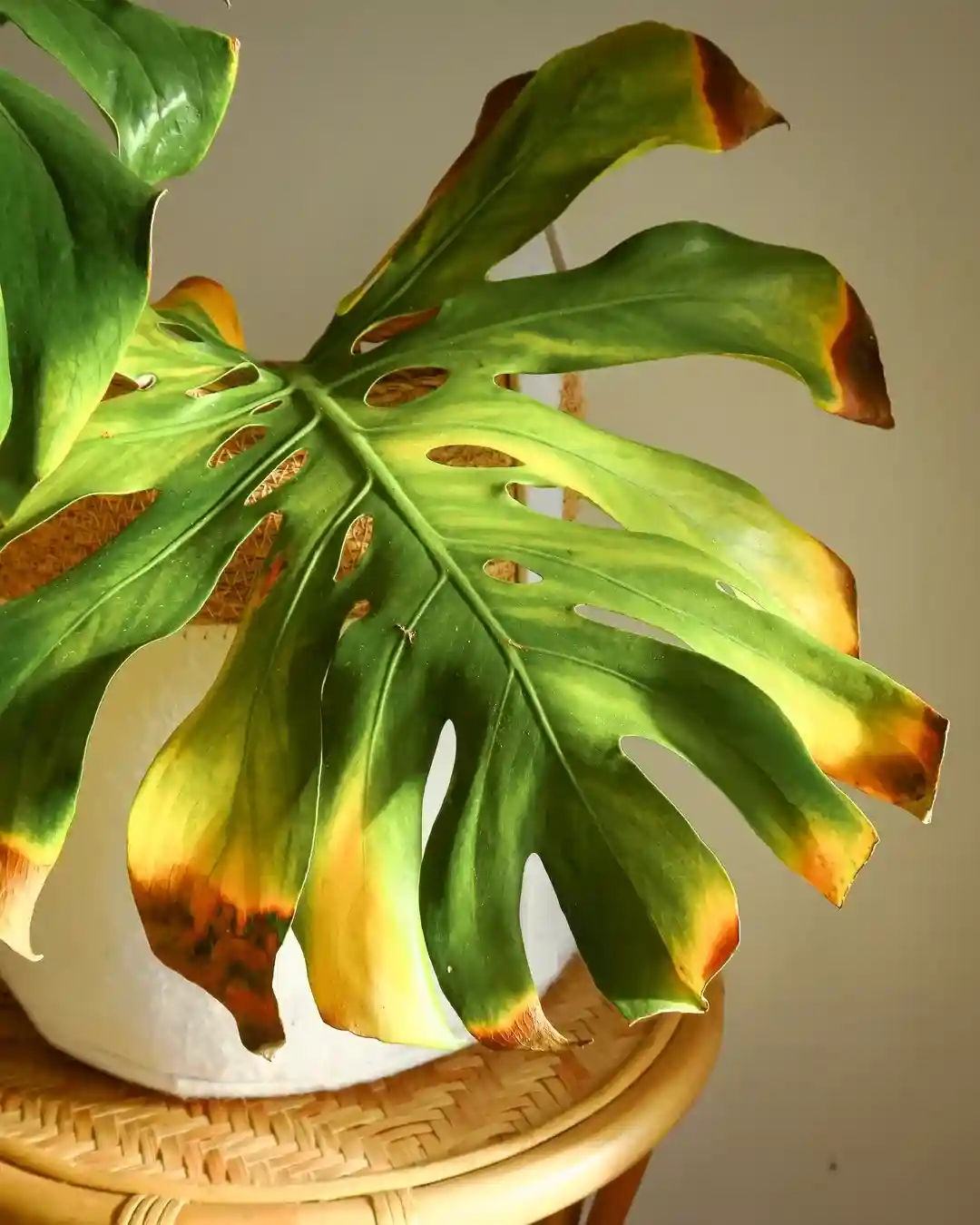
Yellow leaves can trick you. Many people see yellow leaves and quickly add more water, but yellowing often means the plant is already getting too much water.
Overwatered roots cannot breathe well. When roots are stressed, leaves may turn yellow, feel soft, or drop.
Before watering a yellowing plant, check the soil. If it feels wet or smells musty, adding more water will make the problem worse.
Quick fix: Yellow leaves mean “check the roots and soil,” not always “add water.”
13. Ignoring Soft Stems and Mushy Soil
Soft stems, mushy soil, and a bad smell from the pot are warning signs. They often point to overwatering or root rot.
If this happens, stop watering right away. Gently remove the plant from the pot and inspect the roots. Healthy roots are usually firm and light-colored. Rotten roots often look dark, soft, or slimy.
Trim damaged roots with clean scissors, repot in fresh well-draining soil, and use a pot with drainage.
Quick fix: Treat soft stems and mushy soil as urgent warning signs.
14. Using Heavy Soil That Holds Too Much Water
Watering is not only about how often you water. Soil matters too. Heavy, dense soil can hold water for too long and suffocate roots.
Many indoor plants prefer a lighter potting mix that drains well. You can improve drainage with ingredients like perlite, orchid bark, or a houseplant-friendly soil mix.
This is especially helpful for pothos, philodendron, monstera, rubber plant, snake plant, and ZZ plant.
Quick fix: Use a well-draining mix instead of dense garden soil.
15. Watering Succulents Like Tropical Plants
Succulents and thick-leaved plants do not need the same watering style as tropical plants. Aloe, jade plant, ponytail palm, and many cacti store water in their leaves or stems.
If you water them too often, they can rot quickly. These plants usually prefer a full watering, then a proper dry period.
Place them in bright light and use a gritty, fast-draining mix. Never let them sit in water.
Quick fix: Let succulents dry out well before watering again.
16. Forgetting to Water Hanging Plants
Hanging plants are easy to forget because they are above eye level. They can also dry out faster because air moves around the pot.
Plants like pothos, spider plant, philodendron, hoya, and trailing vines may need regular checks, especially if they are near a bright window.
Lift the pot if you can. A light pot often means the soil is dry. You can also use a long-spout watering can to make watering easier.
Quick fix: Add hanging plants to your weekly soil-check routine.
17. Not Learning Each Plant’s Warning Signs
Your plant will usually tell you when something is wrong. The hard part is learning what the signs mean.
Drooping can mean dry soil, but it can also happen when roots are too wet. Brown crispy edges may mean underwatering, dry air, or inconsistent watering. Soft yellow leaves often point to too much moisture.
Instead of guessing, check the soil, pot, roots, light, and recent care changes. The plant’s symptoms make more sense when you look at the full picture.
Quick fix: Watch the plant, but confirm the problem by checking the soil.
Quick Fix Table for Watering Problems
| Plant Problem | Likely Watering Mistake | Quick Fix |
| Yellow leaves | Too much water | Let soil dry and check drainage |
| Drooping leaves | Too dry or too wet | Check the soil before watering |
| Brown tips | Inconsistent watering or dry air | Water deeply and check room conditions |
| Mushy stems | Overwatering or root rot | Stop watering and inspect roots |
| Dry crispy leaves | Underwatering | Water deeply and more evenly |
| Soil smells bad | Wet soil sitting too long | Repot with fresh soil and better drainage |
| Leaves falling off | Water stress | Check both soil dryness and root health |
| Slow growth | Low light or wet roots | Improve light and reduce watering |
Best Watering Rule for Beginners
The best watering rule is simple:
Check the soil first, then water based on the plant — not the calendar.
This one habit fixes many houseplant problems. Once you stop guessing, your plants become much easier to care for.
Here is a simple beginner routine:
- Check plants once a week.
- Touch the soil before watering.
- Water deeply only when needed.
- Empty saucers after watering.
- Water less in low light and winter.
- Use pots with drainage holes.
If you are still learning, start with forgiving plants like snake plant, ZZ plant, pothos, spider plant, or philodendron. They are easier to read and recover better from small mistakes.
FAQ
How often should I water houseplants?
There is no perfect schedule for every houseplant. Some plants need water once a week, while others may only need it every few weeks. The best method is to check the soil and water when your specific plant needs it.
How do I know if I overwatered my plant?
Common signs of overwatering include yellow leaves, soft stems, mushy soil, a musty smell, and soil that stays wet for too long. If you suspect overwatering, stop watering and check the roots.
Is it better to water houseplants from the top or bottom?
Both can work, but top watering is easier for most beginners. Water the soil evenly until water drains from the bottom. Bottom watering can help very dry soil absorb moisture, but do not let the pot sit in water too long.
Should I mist my houseplants?
Misting can briefly raise moisture around the leaves, but it does not replace proper watering. Some plants enjoy humidity, but roots still need water through the soil. For real humidity help, use a pebble tray, humidifier, or group plants together.
Why are my houseplant leaves turning yellow?
Yellow leaves can happen for many reasons, but overwatering is one of the most common. Check the soil first. If it is wet, wait before watering again and make sure the pot drains well.
Can a plant recover from overwatering?
Yes, some plants can recover if the damage is not too severe. Stop watering, remove the plant from soggy soil, trim rotten roots, and repot it in fresh well-draining mix. Recovery takes time, so be patient.
Should I water houseplants at night?
Morning is usually better because the plant has time to use moisture during the day. Watering at night is not always harmful, but damp soil and wet leaves can sit longer in cool rooms.