21 Annual Flowers for Full Sun
A bare sunny bed can look full of color within one growing season. The trick is choosing annuals for the space you have, instead of buying whatever happens to be flowering at the nursery.
These 21 annual flowers for full sun include tall border plants, low edging, container spillers, cut flowers, and choices that keep going through summer heat. Full sun usually means at least six hours of direct light each day.
A quick climate note: A few plants on this list are tender perennials in frost-free regions but are commonly sold and grown as annuals elsewhere. Always check the plant label and your local growing zone before planting.
1. Zinnias
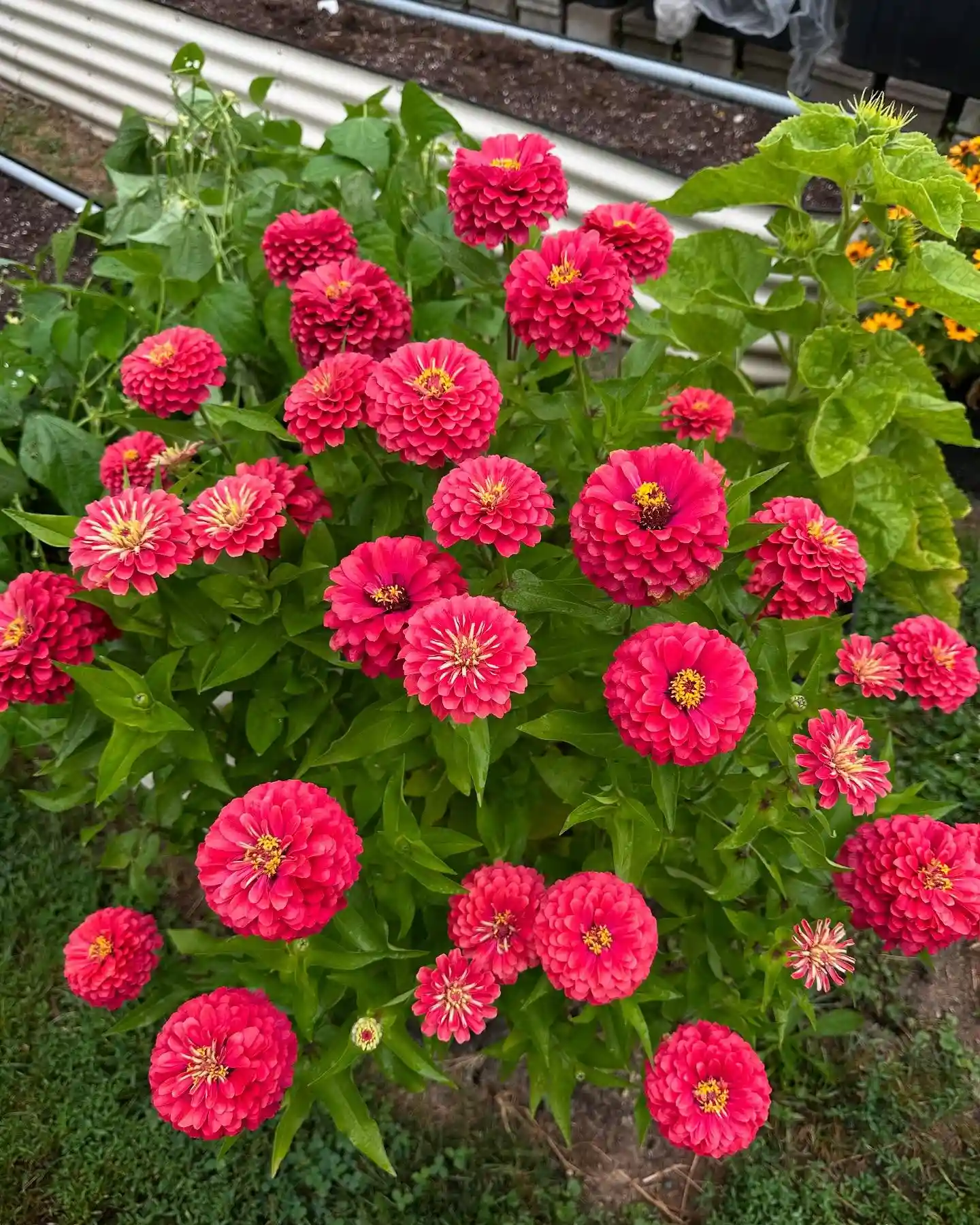
Zinnias are a smart first choice when a bare sunny bed needs fast, cheerful color. Their upright stems and layered flowers make a loose border feel more intentional.
Colors range from soft cream and peach to hot pink and deep red, making zinnias easy to fit into almost any garden palette.
- Choose the right height: Use dwarf Profusion types along paths and taller cutting varieties toward the middle or back of a border.
- Wait for warmth: Sow seeds after the last frost, once the soil has warmed. Cold, wet ground can slow germination.
- Leave breathing room: Follow the packet spacing instead of crowding seedlings. Better airflow helps lower the chance of leaf diseases.
- Water below the leaves: Soak the root zone when the surface begins to dry, preferably early in the day.
- Cut often: Snip flowers just above a strong pair of leaves. Regular cutting or deadheading encourages more side branches and buds.
2. Marigolds
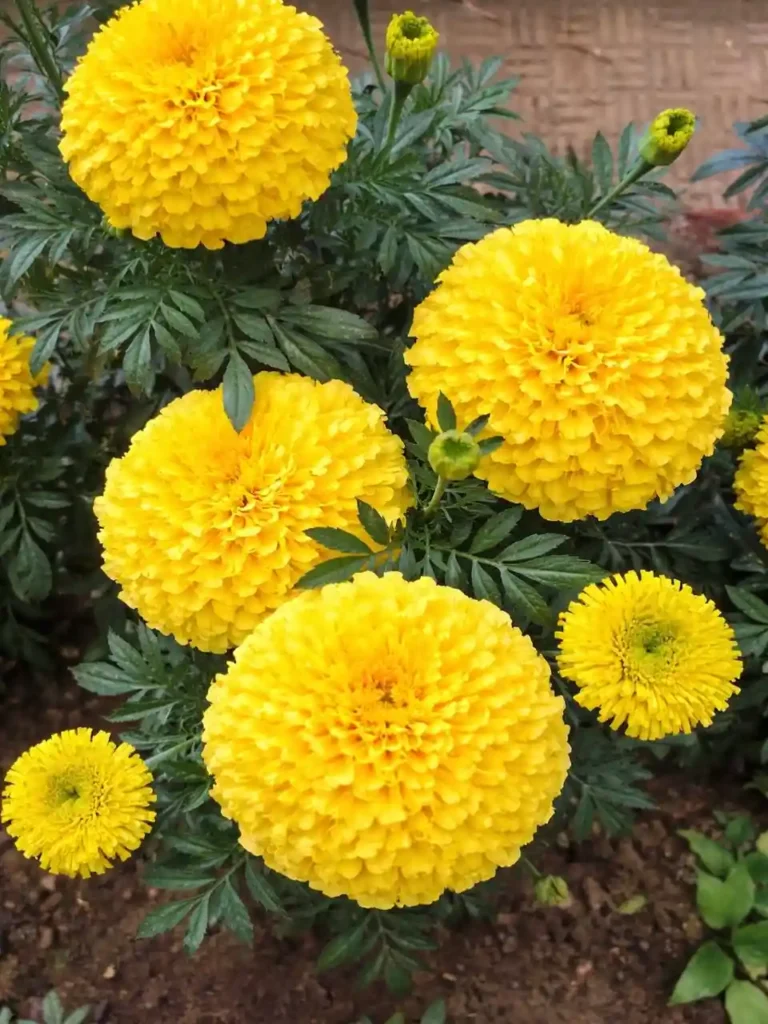
Marigolds bring warm yellow, orange, cream, and rust tones to sunny beds. Their rounded flowers look especially good beside dark foliage, weathered brick, or terracotta pots.
French marigolds stay compact, while taller African marigolds add fuller blooms and more height to the middle of a planting.
- Match the type to the space: French marigolds suit edging and small pots. African marigolds need more room and work better behind shorter plants.
- Use a simple color plan: Repeat one marigold shade along a path instead of mixing every available color in a small bed.
- Avoid rich feeding: Too much nitrogen can produce lush leaves with fewer flowers. Use ordinary, well-drained garden soil.
- Water at soil level: Let the top layer begin to dry before watering again, and do not leave containers sitting in water.
- Remove old blooms: Pinch faded flower heads before they form seed if you want the plants to keep looking tidy and flowering well.
3. Petunias
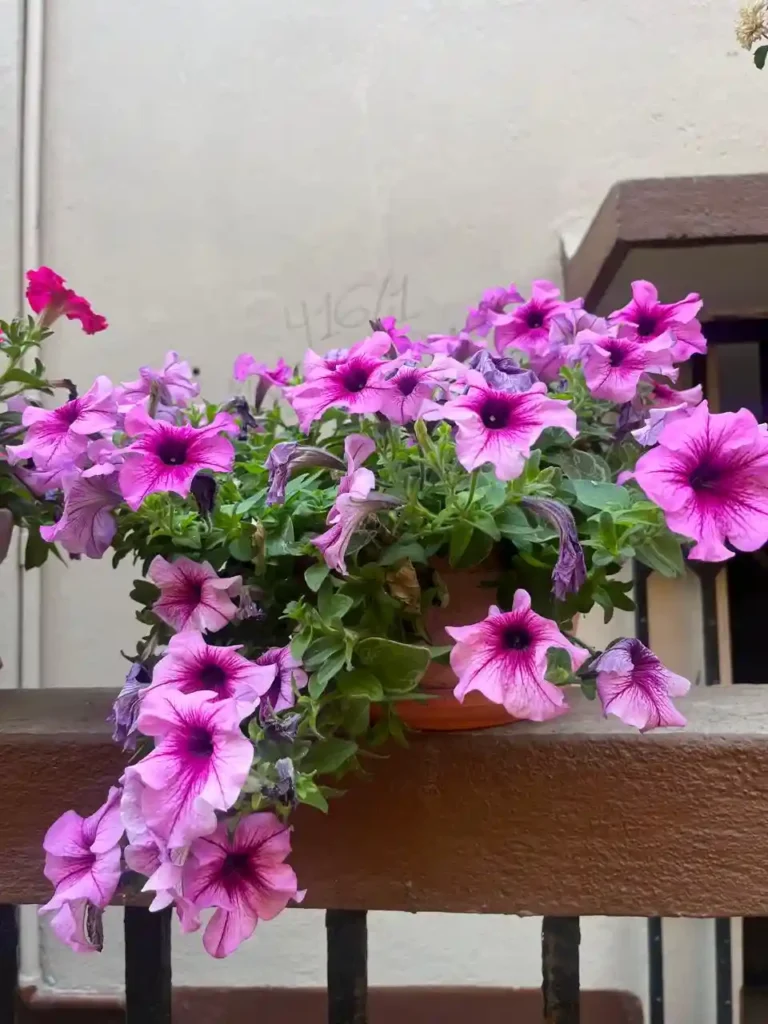
Petunias can cover more visual space than their small nursery pots suggest. Mounding types fill gaps, spreading types soften walls, and trailing plants spill over containers.
For a polished look, use one main color in a wide drift. A controlled palette usually looks stronger than a scattered rainbow of individual plants.
- Know the habit: Check whether the variety is mounding, spreading, or trailing before deciding its position and spacing.
- Give them real sun: Six or more hours of direct light keeps growth dense and supports heavier flowering.
- Feed container plants: Petunias in pots use nutrients quickly. Apply a flower fertilizer at the label rate instead of guessing a stronger dose.
- Check moisture often: Pots can dry fast in hot wind, but constantly wet soil may lead to weak roots and yellow leaves.
- Refresh tired growth: If stems become long and bare in midsummer, trim them back, feed lightly, and water deeply to prompt fresh branching.
4. Cosmos
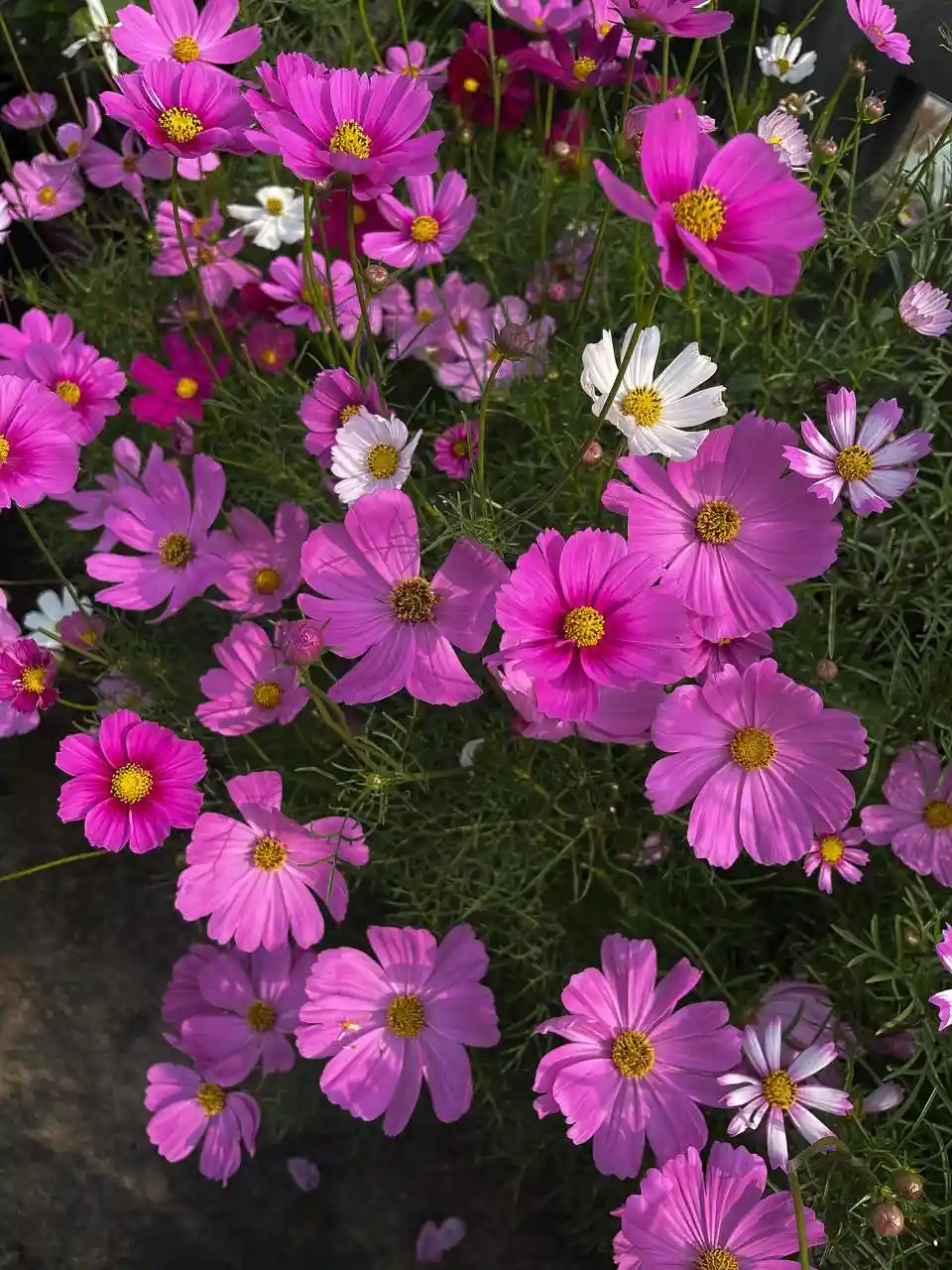
Cosmos add height without creating a heavy wall of foliage. Their fine leaves and daisy-shaped flowers move in the breeze, which softens fences and rigid bed lines.
White and blush varieties suit calm cottage borders, while orange and magenta flowers bring a freer, meadow-like feel to larger sunny areas.
- Do not overfeed: Rich soil and heavy fertilizer often create tall leafy plants with fewer flowers.
- Sow in place: Plant seed after frost where you want the flowers to grow, then thin crowded seedlings while they are small.
- Plan for movement: Put tall varieties where nearby plants or a discreet support can keep them upright during wind and rain.
- Water to establish: Keep young plants evenly moist, then water mature plants when the soil has dried rather than on a rigid daily schedule.
- Choose your finish: Deadhead for continued flowers, or leave a few late seed heads for reseeding and a softer end-of-season look.
5. Sunflowers
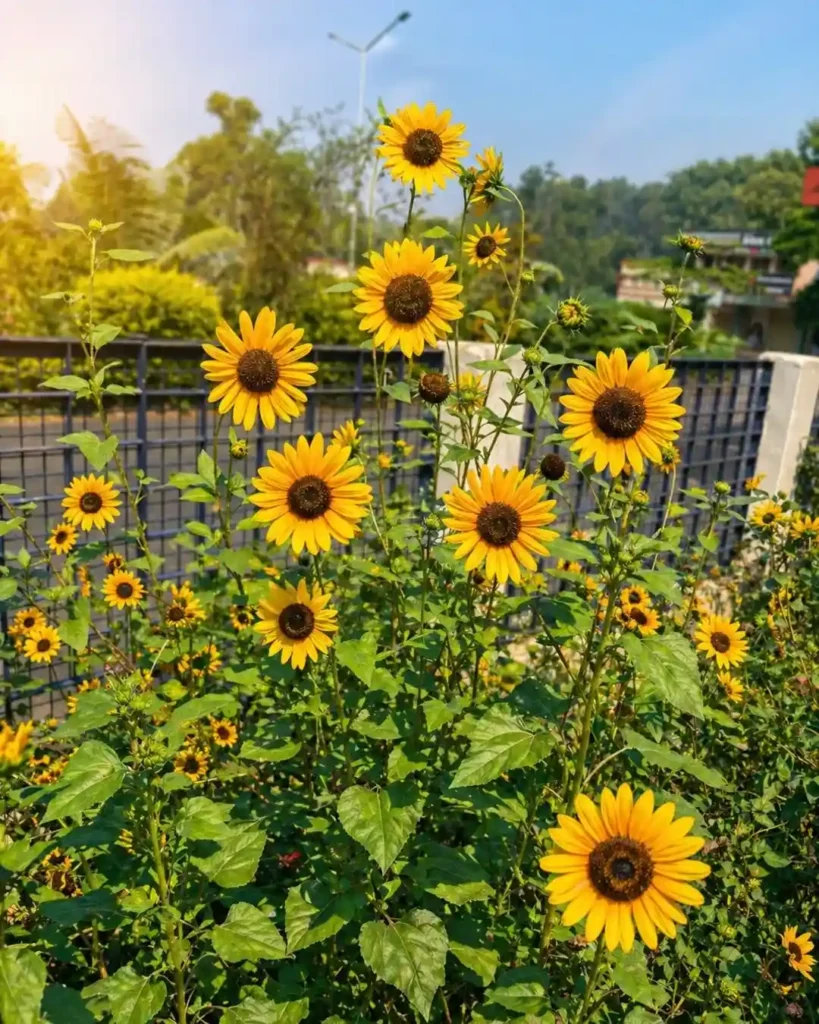
Sunflowers give a flat garden instant height and a clear focal point. They can frame a shed, screen a plain fence, or mark the back of a cutting patch.
Branching varieties produce many smaller flowers, while single-stem types usually make one large bloom. Check the mature height before planting, since varieties differ greatly.
- Place them carefully: Grow tall sunflowers on the north side of a bed when possible so they do not shade shorter sun-loving flowers.
- Direct-sow after frost: Their roots prefer being left alone, so sowing where they will flower often gives the cleanest start.
- Space for your goal: Closer spacing produces slimmer stems and smaller blooms; wider spacing allows larger plants and flower heads.
- Protect the stems: Stake very tall plants in windy sites before they lean, using a loose tie that will not cut into growth.
- Plan the final use: Choose pollen-bearing branching types for insect activity, cutting types for bouquets, or seed-producing varieties for birds.
6. Celosia
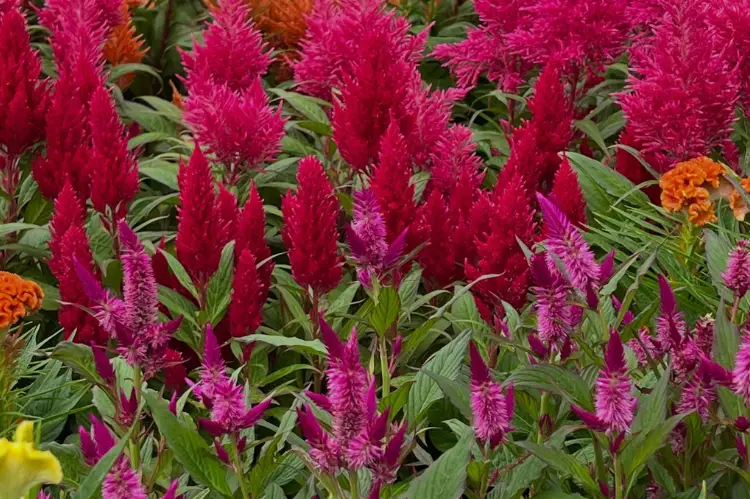
Celosia adds a shape that most summer flowers cannot copy. Plumed types look feathery, wheat celosia carries narrow spikes, and crested forms resemble folded velvet.
That strong texture works best as a repeated accent. Tuck several plants through a border rather than placing one unrelated celosia in every open gap.
- Plant after cold nights pass: Celosia likes warmth and may sit still or struggle if planted into chilly spring soil.
- Use it as contrast: Pair upright plumes with round flowers such as zinnias, or set deep burgundy celosia against pale blooms.
- Give roots drainage: Heavy, waterlogged soil can cause trouble even though young plants need steady moisture while settling in.
- Check the final size: Some varieties stay near the front of a bed, while taller cutting types belong farther back.
- Save the flowers: Cut stems before they become weathered and hang them upside down in a dry, dim place for indoor arrangements.
7. Angelonia
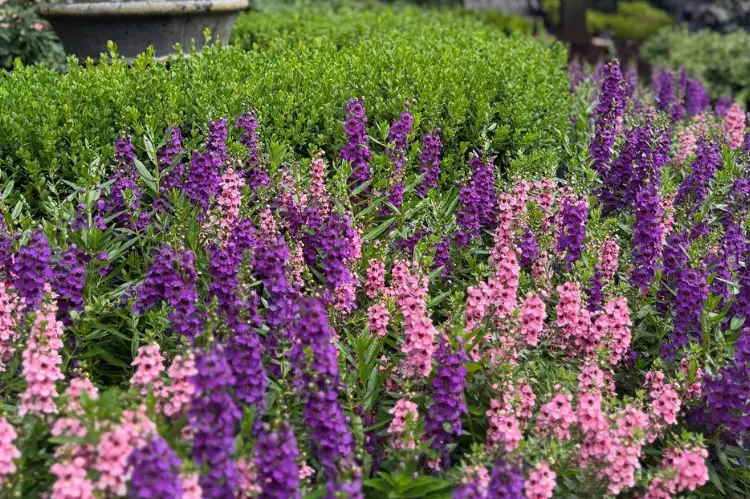
Angelonia brings neat vertical flower spikes to places where soft, rounded annuals can look too similar. It handles summer heat and humidity better than true snapdragons.
Blue, purple, pink, and white cultivars fit formal borders as well as mixed pots. In cold-winter regions, gardeners normally grow it for one season.
- Reserve a sunny position: Give angelonia at least six hours of direct light and soil that drains freely after watering.
- Space it properly: Many varieties need roughly 9 to 12 inches between plants, though the label should guide the final distance.
- Build a container around it: Use upright angelonia as the central height, then add a mounding plant and a trailing edge plant.
- Water young plants consistently: Once rooted, angelonia tolerates short dry spells, but repeated severe wilting will reduce flowering.
- Skip constant deadheading: Most modern types flower without regular removal of spent blooms, which makes them useful in low-fuss displays.
8. Annual Vinca
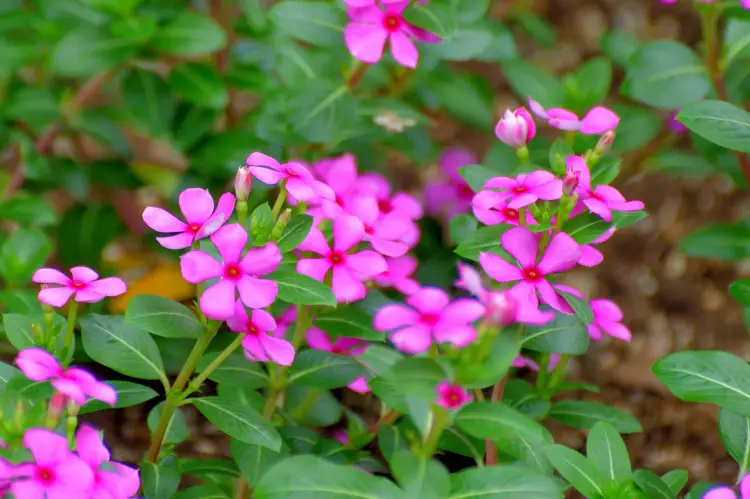
Annual vinca, or Catharanthus roseus, keeps a clean, rounded shape when many bedding flowers look tired in hot weather. Its glossy leaves give the planting substance even between flushes of flowers.
White, blush, coral, pink, and red varieties suit front beds, driveway borders, and sunny containers with sharp drainage.
- Do not plant too early: Wait for warm soil and settled weather. Cold, wet conditions are much harder on vinca than summer heat.
- Keep the crown dry: Plant at the same depth it grew in its pot and avoid piling wet mulch against the stems.
- Use restrained spacing: Allow air to pass between plants, especially in humid climates where stem and root diseases spread more easily.
- Water only when needed: Soak the soil, then wait until the upper layer begins drying before watering again.
- Let the shape stay simple: Vinca rarely needs pinching or deadheading. Use repeated groups to form a calm ribbon of color.
9. Lantana
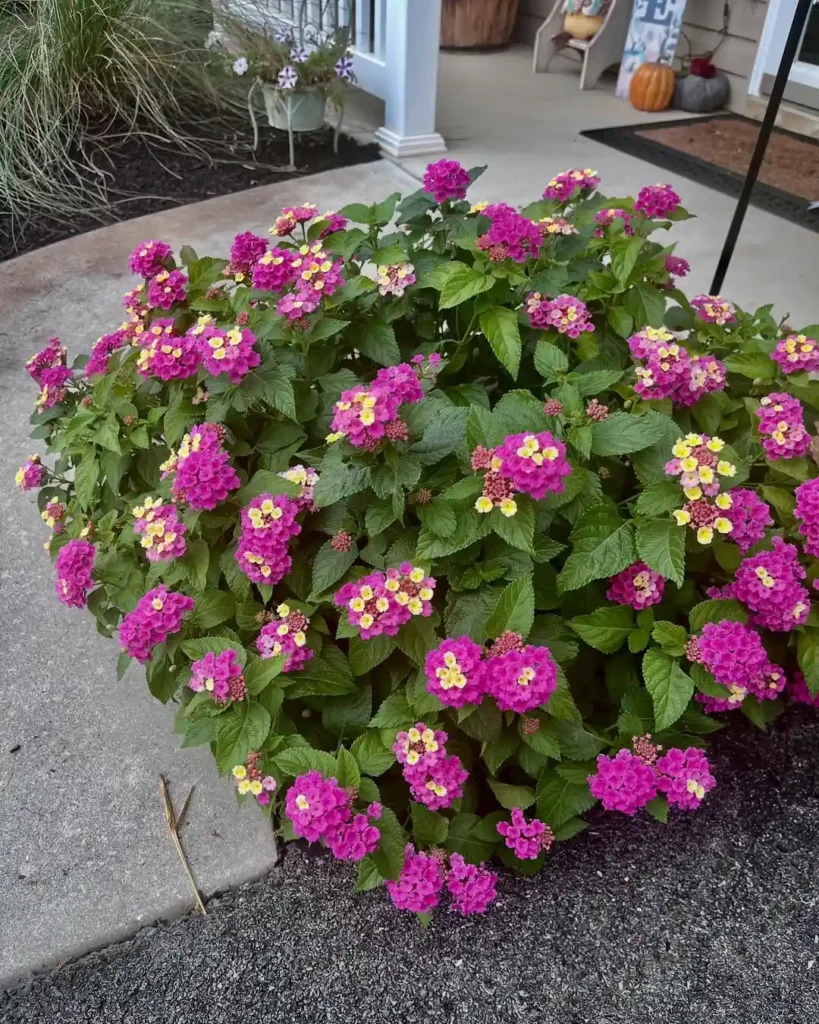
Lantana carries small flower clusters made from several colors, so one plant can tie a mixed summer border together. Its coarse leaves and rounded habit also contrast well with ornamental grasses.
It is usually grown as an annual where winters freeze, but it can survive as a perennial in warmer regions.
- Give it the hottest spot: Strong sun and good drainage produce tighter growth and more flowers than a sheltered, damp position.
- Allow for width: Check the cultivar label because compact container lantanas and broad garden-bed types need very different amounts of space.
- Water deeply at first: Help new roots spread, then reduce frequency once the plant is established rather than giving shallow daily sprinkles.
- Use pots where needed: A container keeps spreading growth controlled and lets you position the flowers close to a sunny seating area.
- Check local guidance: Some lantana types can spread aggressively in warm climates. Choose sterile cultivars where local extension advice recommends them.
10. Pentas
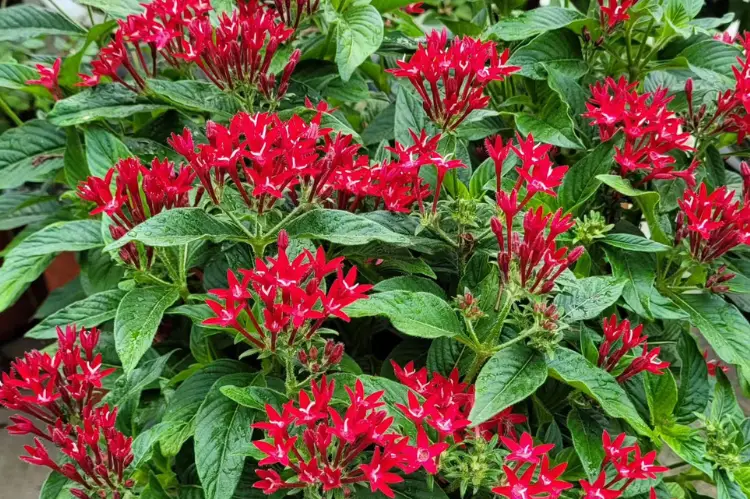
Pentas carry clusters of small star-shaped flowers above leafy, rounded plants. Red, pink, lavender, and white blooms bring steady color without making a border look overly busy.
They are tender perennials in warm regions and summer annuals in colder ones. Their clustered flowers fit pollinator beds and sunny patio pots particularly well.
- Plant after the weather warms: Pentas respond poorly to chilly soil, so there is little benefit in rushing them outdoors.
- Group repeated colors: Three or five plants of one shade create a clearer block than several unrelated colors planted far apart.
- Keep drainage open: Mix compost into poor ground, but avoid placing pentas in a low area that stays wet after rain.
- Watch pots during heat: Water when the top inch feels dry, and make sure excess water can leave through open drainage holes.
- Trim selectively: Remove faded clusters and lightly shorten wandering stems if the plant loses its rounded shape later in summer.
11. Calibrachoa
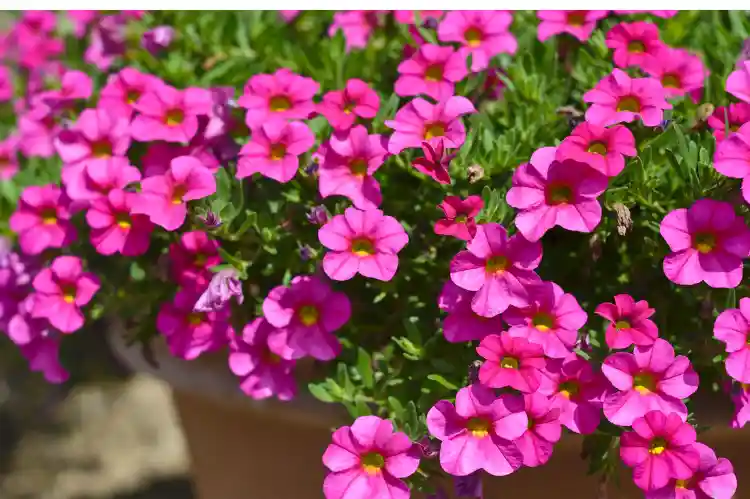
Calibrachoa produces hundreds of small, petunia-like bells on trailing stems. It is one of the easiest ways to soften the hard rim of a hanging basket, window box, or tall patio planter.
The flowers come in solid shades, stripes, and patterned centers, but one or two related colors give containers a cleaner finish.
- Use potting mix, not garden soil: Roots need an airy mix that drains quickly while still holding enough moisture between waterings.
- Keep it in strong light: Full sun supports dense flowering, although light afternoon relief can help containers in extreme heat.
- Feed little and often: Use a fertilizer made for flowering container plants at the label rate, since frequent watering washes nutrients away.
- Prevent soggy roots: Water thoroughly when the top layer feels dry, then empty saucers and make sure drainage holes remain clear.
- Trim the skirt: Shorten a few long stems if the center thins out. Calibrachoa is generally self-cleaning and needs little deadheading.
12. Verbena

Annual verbena forms low mounds or trailing stems covered with small flower clusters. It can knit together gaps at the front of a bed without hiding nearby plants.
Purple, red, pink, and white types look especially useful along stone edges, where the spreading growth can relax a hard, straight boundary.
- Choose a sunny, open site: Crowded or shaded growth stays damp longer and is more likely to develop powdery mildew.
- Use it near an edge: Let trailing types lean over a low wall, pot, or path instead of burying them behind taller flowers.
- Avoid constant moisture: Verbena prefers drainage and can decline when roots remain wet for long periods.
- Cut back tired stems: A light midsummer trim can restore a compact outline and encourage fresh flowering shoots.
- Pair by shape: Combine flat verbena clusters with narrow angelonia or celosia spikes to give the planting more depth.
13. Gomphrena
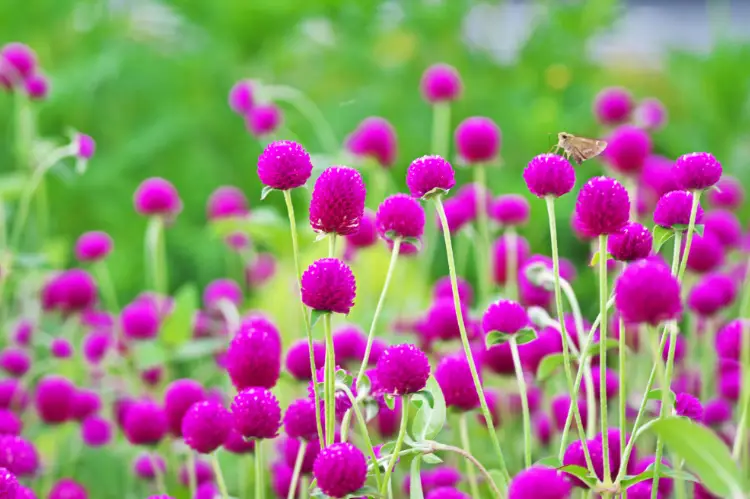
Gomphrena, often called globe amaranth, holds round papery flower heads above branching stems. The flowers keep their color well in heat and stay useful after cutting.
Purple is the familiar choice, but pink, red, orange, and white cultivars can repeat colors already used elsewhere in the border without copying the same flower shape.
- Wait for warm soil: Start with transplants or sow after frost, since gomphrena grows slowly in cold spring conditions.
- Give it full exposure: Strong light keeps stems sturdier and flower production higher than a partly shaded position.
- Pick the correct scale: Compact plants suit edging and pots, while tall varieties make better fillers for cutting gardens.
- Do not pamper it: Once established, it copes with dry periods. Water deeply when needed and avoid keeping the soil constantly wet.
- Harvest for drying: Cut stems when flower heads are well colored, bundle them loosely, and hang them in a dry place away from direct light.
14. Moss Rose
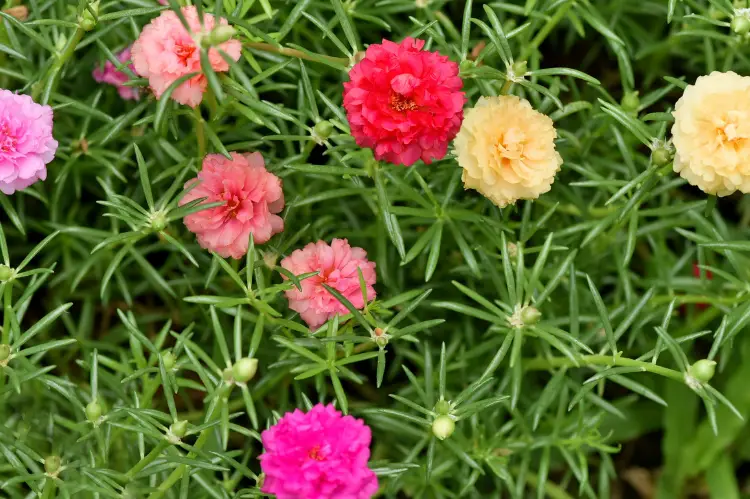
Moss rose has succulent leaves and jewel-toned flowers that sit close to the ground. It is a sensible choice for a hot path edge, gravel garden, shallow container, or sunny slope where thirstier annuals need constant attention.
Its low, spreading habit fills exposed soil without swallowing stepping stones or smaller garden details.
- Choose the driest sunny area: Moss rose flowers best with strong light and may close its blooms during dull weather or late in the day.
- Improve heavy soil: Add drainage or use a raised container if the planting area stays wet after rain.
- Water with restraint: Let the soil dry between deep drinks. Soft, yellowing growth often points to too much moisture.
- Keep feeding light: Rich soil and heavy fertilizer can encourage weak growth instead of a compact carpet of flowers.
- Use it as living trim: Repeat one color along a gravel path or mix close shades for a relaxed, sun-washed edge.
15. Cleome
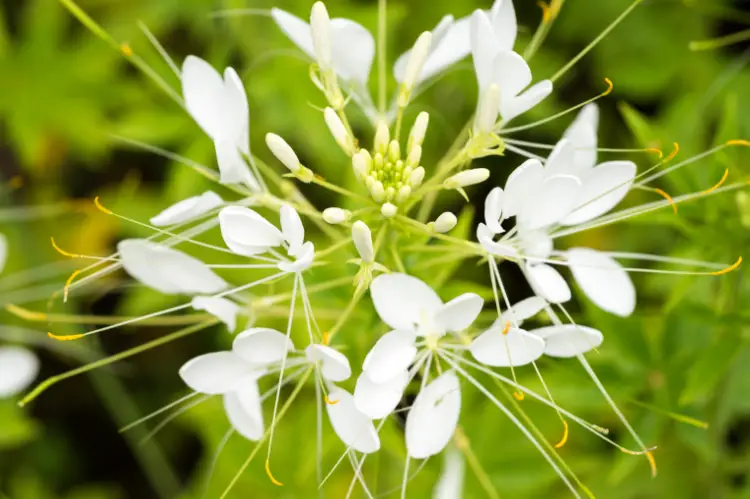
Cleome, or spider flower, produces tall stems topped with airy flower clusters and long, whisker-like stamens. It fills the empty space above shorter annuals without looking like a solid hedge.
Traditional varieties can grow several feet tall, while newer compact selections fit smaller yards and large containers more comfortably.
- Read the mature height: Put tall cleome behind other annuals, where its bare lower stems can be hidden by medium-height flowers.
- Sow after frost: Direct sowing works well. Thin seedlings early so each plant can branch without pressing against its neighbors.
- Protect it from wind: Use a sheltered sunny bed or add a subtle support before tall stems begin leaning.
- Expect some self-seeding: Remove pods before they mature if you do not want volunteer plants appearing the following season.
- Layer the border: Place zinnias or marigolds in front of cleome to cover its base and carry color down to eye level.
16. Snapdragons
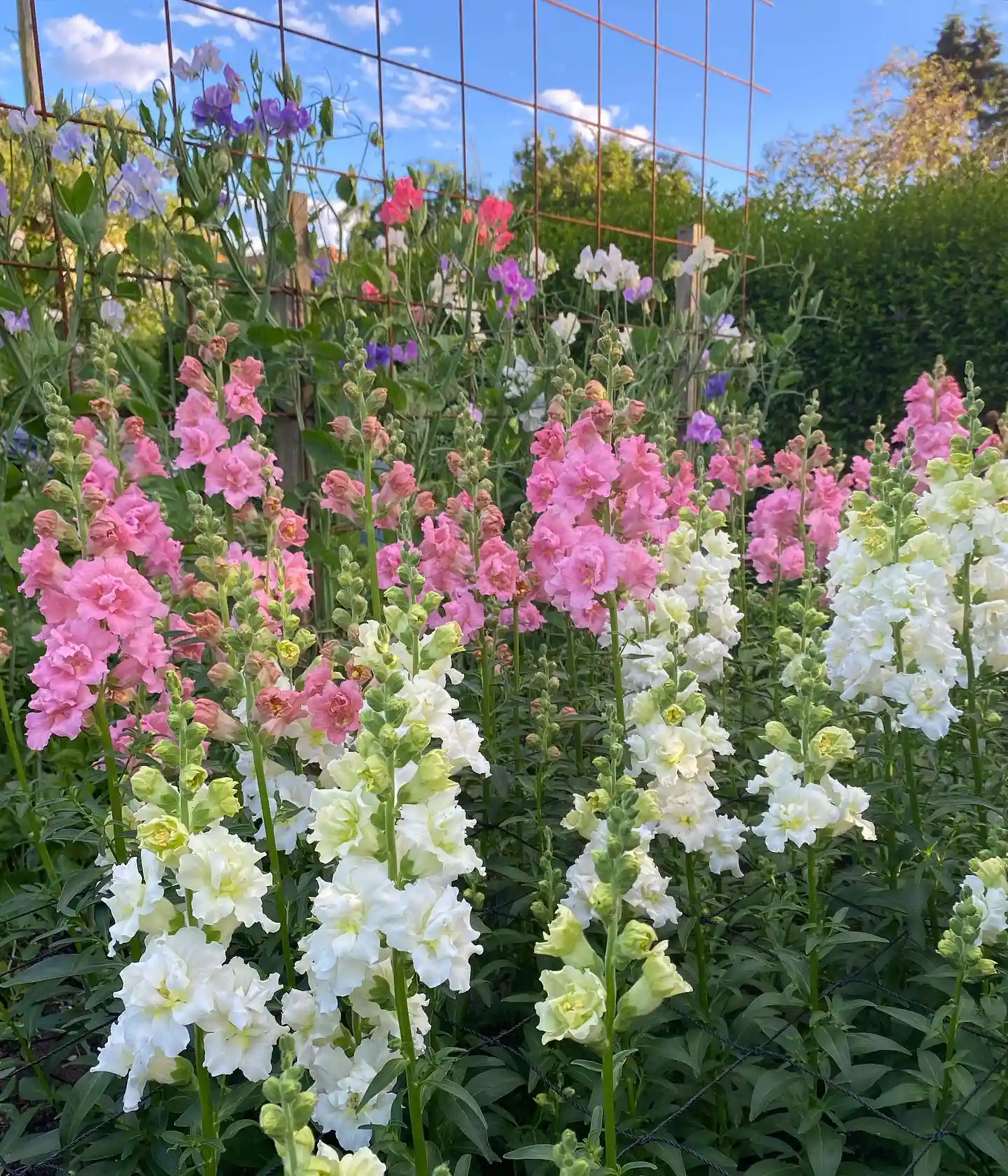
Snapdragons bring upright flower spires to sunny beds during the cooler parts of the growing season. Their shape looks crisp beside low mounds and trailing flowers.
They usually slow down in hard summer heat, so treat them as spring annuals in hot regions and as longer-season flowers where summers stay mild.
- Plant for your climate: Set transplants out in early spring after hardening them, or grow them through fall and winter in mild areas.
- Choose height with purpose: Dwarf types edge paths, medium plants fill borders, and tall cutting forms may need support.
- Keep roots evenly moist: Do not let young plants repeatedly wilt, but make sure the soil drains after watering.
- Pinch for fullness: Pinching young plants can produce more branches, though it may delay the first flowers slightly.
- Cut old flower spikes: Remove a faded spike above healthy leaves to direct energy toward side shoots and later blooms.
17. Sweet Alyssum
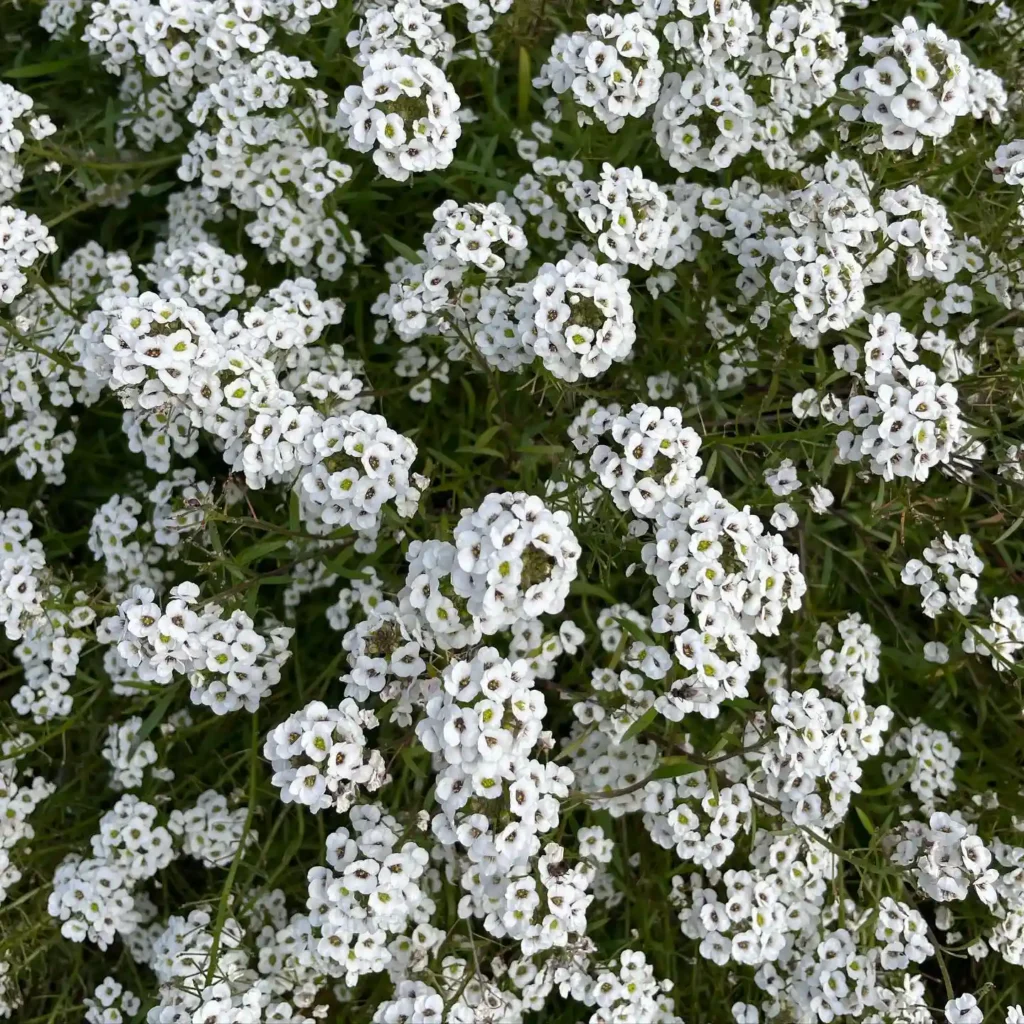
Sweet alyssum forms a low cushion of tiny flowers with a light honey-like scent. It softens the space where a flower bed meets paving and hides bare potting mix around taller container plants.
White creates a calm border, while lavender and pink shades blend naturally with petunias, snapdragons, and cool-toned foliage.
- Use it in cooler sun: Alyssum enjoys full sun in mild weather but may pause flowering during severe summer heat.
- Give hot gardens some relief: Light afternoon shade can keep it neater where intense heat reflects from walls or paving.
- Water small pots carefully: Its shallow roots dry quickly, though the plant should never sit in waterlogged soil.
- Shear tired growth: Cut the mound back by about one-third when it becomes straggly, then water and feed lightly.
- Let it soften edges: Plant it close enough to a path or pot rim that the flowers can spill slightly beyond the boundary.
18. Nasturtiums
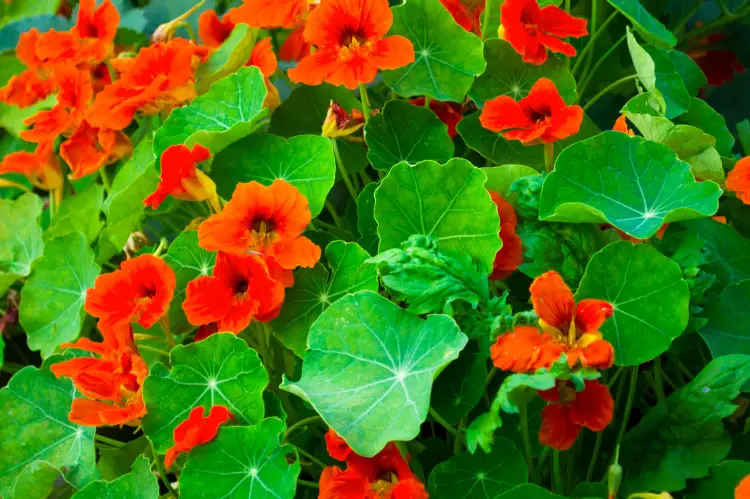
Nasturtiums have round leaves and bright flowers that give sunny beds a playful, cottage-garden feel. Bush types make loose mounds, while climbing and trailing forms can cover a low fence or tumble from a large pot.
The leaves and flowers are edible when grown without unsafe sprays, adding a peppery note to salads.
- Keep the soil modest: Rich fertilizer often produces an impressive mass of leaves but disappointing flower numbers.
- Pick the right habit: Use compact varieties for edging and long trailing types for baskets, window boxes, or simple supports.
- Sow the seeds directly: Their large seeds are easy to handle and usually settle better when planted where the vines will remain.
- Adjust for summer heat: Full sun works in mild areas, but afternoon protection can extend flowering through very hot weather.
- Harvest safely: Eat only correctly identified, pesticide-free nasturtiums, and wash the leaves and flowers before using them.
19. Calendula
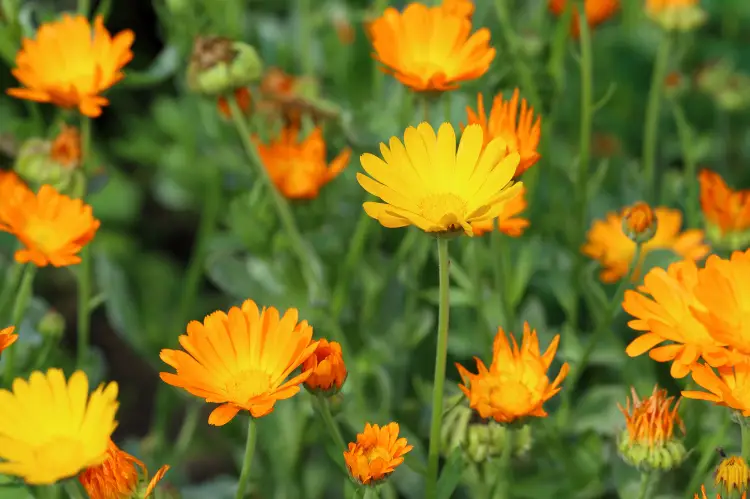
Calendula fills spring and autumn beds with daisy-like flowers in cream, yellow, apricot, and orange. The colors sit beautifully beside blue pots, gray foliage, and weathered wood.
This is a cool-season annual rather than a peak-heat performer. In warm climates, grow it before or after the hottest part of summer.
- Time the sowing well: Sow in early spring in cold-winter regions or in autumn where winters stay mild.
- Give it open sun: Strong light supports compact plants during cool weather, while too much shade can produce floppy stems.
- Keep soil moderately moist: Water when the surface dries, making sure heavy soil does not remain saturated.
- Deadhead regularly: Removing old flower heads keeps the bed neat and slows seed formation, which can extend the display.
- Use edible petals carefully: Harvest only pesticide-free calendula that has been identified correctly, and do not confuse it with ornamental Tagetes marigolds.
20. Mexican Sunflowers
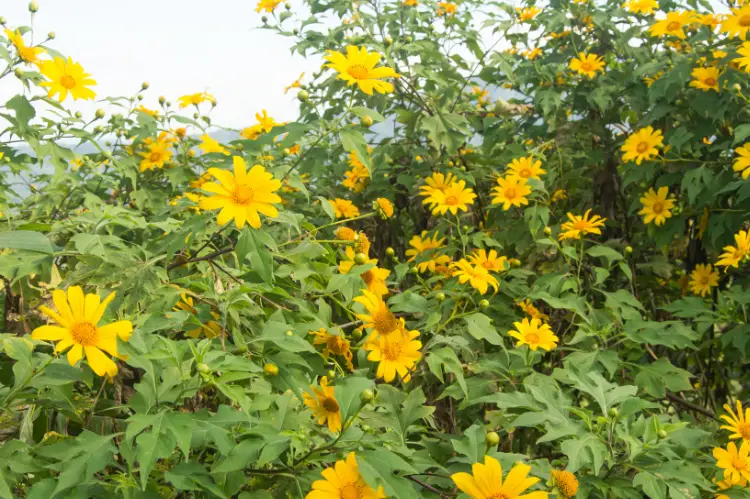
Mexican sunflower, or Tithonia, brings glowing orange flowers and broad green leaves to the back of a sunny border. It grows quickly once summer heat arrives and can turn a plain fence into a strong garden backdrop.
The open flowers draw attention without the heavy scale of giant common sunflowers.
- Allow generous room: Many varieties become tall and broad, so keep them away from narrow paths and smaller neighboring plants.
- Use lean, draining soil: Heavy feeding can produce excessive leafy growth. Average soil is usually enough.
- Shelter the stems: Place plants away from strong wind or use early support, since large plants can bend after summer storms.
- Pinch young growth: Removing the tip while plants are small can encourage branching and a bushier outline.
- Remove spent flowers: Deadheading keeps the display cleaner, while leaving a few late heads provides seed and end-of-season texture.
21. Strawflowers
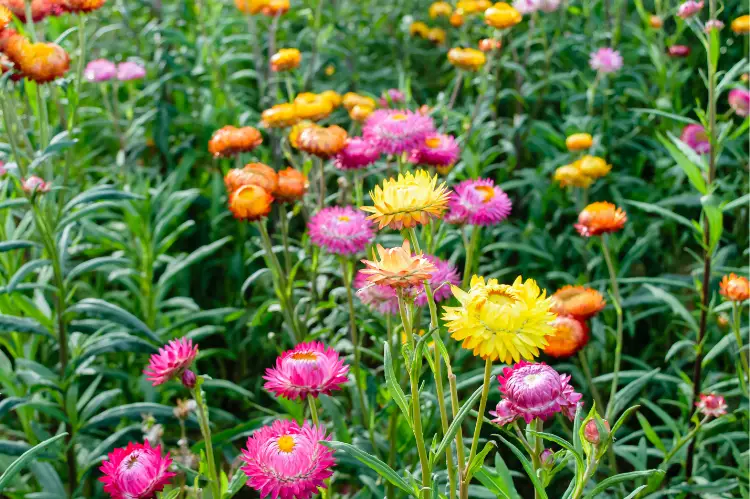
Strawflowers bring crisp, papery flowers that look almost dried while still growing. Peach, cream, gold, rose, and deep red shades make them easy to blend into warm borders or cutting gardens.
Their firm stems and long-lasting color also let the outdoor planting become part of dried wreaths and indoor arrangements later.
- Give them full sun: Strong light helps produce sturdy stems and well-colored flowers suitable for cutting.
- Keep drainage sharp: Strawflowers handle some dryness once established but dislike soil that stays waterlogged.
- Pinch tall plants early: Removing the young growing tip encourages more branches and a larger number of flowering stems.
- Harvest at the right stage: Cut when only a few outer rows of papery bracts have opened, before the center becomes fully exposed.
- Dry them gently: Remove lower leaves, tie small bundles, and hang them upside down in a dim, dry, well-aired room.
How to Arrange Full-Sun Annuals
Start with the mature height, not the size of the nursery pot. Tall flowers such as Mexican sunflowers, cleome, and branching sunflowers belong at the back. Medium zinnias, celosia, pentas, and angelonia can fill the center. Low verbena, alyssum, vinca, and moss rose make a clean front edge.
Repeat a few plants instead of buying one of everything. Three loose groups of the same flower carry color across the bed and make the whole space feel connected. Leave enough room for every plant to reach its expected width.
Choose two main flower colors and one smaller accent color. Then mix flower shapes within that palette. Round zinnias, upright angelonia, and low verbena will look layered without making the border feel chaotic.
Frequently Asked Questions
Which annual flowers handle the strongest summer heat?
Annual vinca, angelonia, lantana, moss rose, celosia, pentas, and gomphrena are dependable choices for hot sunny sites once established. Soil drainage still matters. A heat-tolerant plant can fail if its roots stay wet or if a small container dries completely every afternoon.
Which full-sun annuals bloom for the longest time?
Zinnias, marigolds, petunias, calibrachoa, angelonia, vinca, and verbena can flower for much of the growing season with suitable water and care. Their exact flowering period depends on local temperature, frost dates, cultivar, and whether old blooms or tired stems are removed.
How often should annual flowers be watered?
There is no reliable schedule for every garden. Check the soil instead. Water deeply when the upper inch begins to dry, then let excess moisture drain. Containers need checking more often than beds, especially during wind and heat. Morning watering keeps plants supplied before the hottest part of the day.
Do annual flowers return every year?
True annuals complete their life cycle in one season, though some may drop seeds and produce new seedlings later. Tender perennials such as angelonia, lantana, pentas, and calibrachoa may return in frost-free climates but are normally replaced each spring where freezing weather kills them.
Should every faded flower be removed?
No. Zinnias, marigolds, cosmos, and calendula usually flower longer when spent blooms are removed. Calibrachoa, vinca, and many modern angelonias need much less attention. Leave selected late seed heads if you want seed for birds, dried arrangements, or possible volunteer seedlings.
Annuals give you permission to change the garden next year. Keep notes on which plants stayed neat, which colors worked beside your house, and where water collected after rain. Those small observations will make the next planting easier, cheaper, and better suited to the space you actually have.