How to Grow Astilbe: A Complete Planting and Care Guide
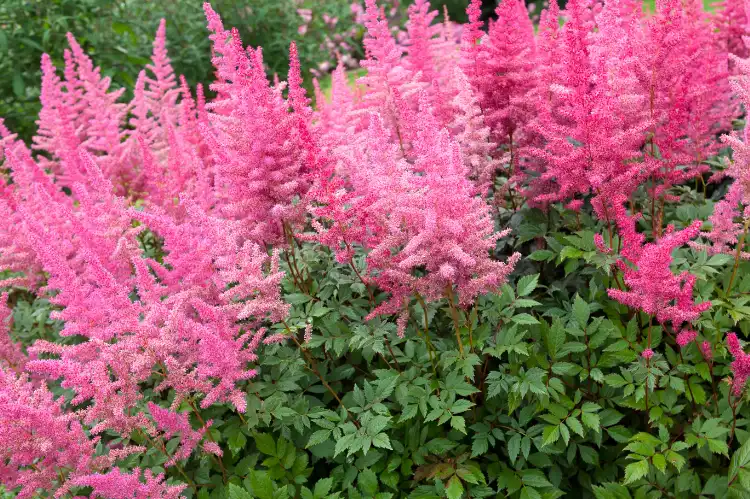
Astilbe is a dependable perennial for garden spots that feel too shady or damp for many flowering plants. Its soft, feathery blooms rise above fern-like leaves, bringing color and height to woodland borders from late spring through summer.
Learning how to grow astilbe comes down to keeping its roots cool and consistently moist. Give it partial shade, rich soil, and regular water, and it can return with larger clumps each year. Here’s how to plant, care for, divide, and troubleshoot astilbe successfully.
What Is Astilbe?
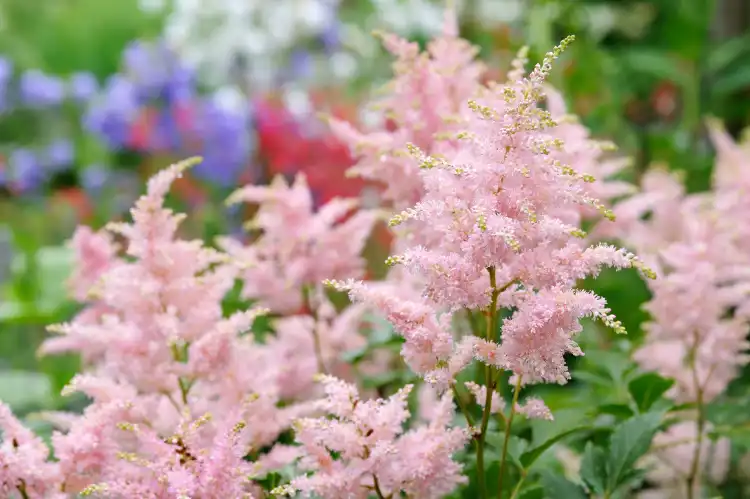
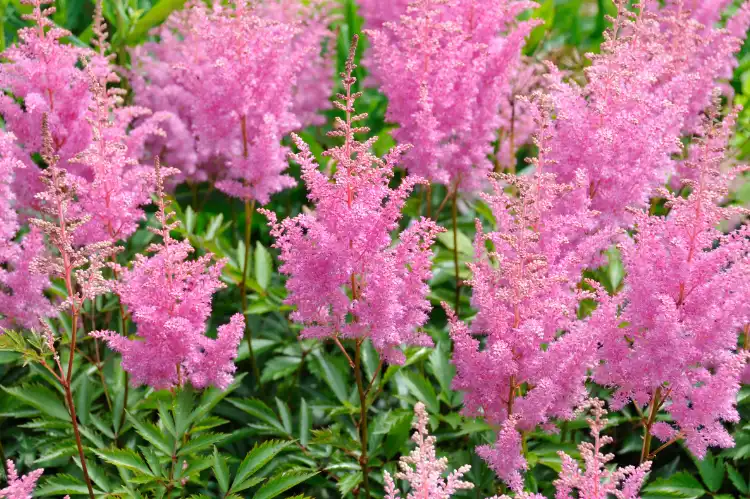
Astilbe is a clump-forming perennial grown for its airy flower plumes and deeply cut foliage. Depending on the variety, its flowers may be white, cream, pale pink, rose, red, lavender, or deep burgundy.
Most astilbes grow well in USDA hardiness zones 3–9, though the exact range varies by variety. Plants lose their leaves in winter and return from underground crowns in spring.
Astilbe naturally suits woodland-style gardens, shaded borders, damp areas, and the edges of water features. Unlike many shade plants, it gives you noticeable flowers as well as attractive foliage.
Once established, a healthy astilbe clump can live for years. It is not difficult to grow, but it is less forgiving of dry soil than hostas or many other shade perennials.
Choosing the Right Astilbe Variety
Astilbe varieties bloom at different times. Planting early-, mid-, and late-season types can keep the display going for much of the summer.
| Astilbe variety | Height | Flower color | Bloom time | Hardiness zones | Best use |
| Bridal Veil | 24–30 inches | White | Early summer | 4–8 | Brightening shaded beds |
| Fanal | 18–24 inches | Deep red | Early to midsummer | 3–8 | Bold border color |
| Rheinland | 18–24 inches | Clear pink | Early summer | 4–8 | Cottage-style gardens |
| Peach Blossom | 20–24 inches | Peachy pink | Early summer | 4–8 | Soft color palettes |
| Maggie Daley | 24–28 inches | Lavender-purple | Midsummer | 4–9 | Later flowers |
| Visions | 12–18 inches | Raspberry pink | Midsummer | 4–8 | Containers and small beds |
| Pumila | 8–12 inches | Lilac-pink | Late summer | 4–9 | Ground cover and edging |
| Chocolate Shogun | 18–24 inches | Pink | Midsummer | 4–8 | Dark foliage contrast |
Fanal is a reliable starting point if you want rich color and a manageable height. Bridal Veil works well in a dark corner because its white flower plumes remain visible in low evening light.
Check both the mature height and bloom period before buying. Some astilbes stay below one foot, while taller types may reach three or four feet under good growing conditions.
Where to Plant Astilbe
Light Requirements
Astilbe grows best in partial shade, especially where it receives gentle morning sun followed by shade during the hottest part of the day.
Plants can handle more sunlight when their soil stays consistently moist. In a hot or dry climate, strong afternoon sun can scorch the leaf edges and shorten the flowering period.
Deep shade is not ideal either. Astilbe may survive beneath dense tree cover, but it will often produce fewer flowers. Aim for two to four hours of soft sunlight or bright, filtered light throughout the day.
A position near deciduous trees can work well, provided the tree roots do not take all the available moisture.
Soil Requirements
Astilbe prefers soil that is:
- Rich in organic matter
- Moist but not permanently waterlogged
- Loose enough for roots to spread
- Slightly acidic to neutral, around pH 6.0–7.0
Work compost, leaf mold, or well-rotted organic matter into the bed before planting. These materials help sandy soil hold water and make heavy soil easier to work.
Astilbe can tolerate wetter ground than lavender, sedum, or salvia, but it still needs oxygen around its roots. Avoid places where standing water remains for days after rain.
Spacing
Space compact varieties about 12–18 inches apart. Medium and tall varieties usually need 18–24 inches.
Good spacing allows the leaves to dry after rain and gives each crown room to expand. Mature astilbes form broad clumps, so a newly planted bed may look slightly open during its first season.
Garden tip: Look at the soil before looking at the leaves. Astilbe may wilt during hot afternoons, but the soil will tell you whether the plant truly needs water.
When to Plant Astilbe
Plant astilbe in spring or early fall when the weather is cool and the soil is easier to keep moist.
Spring is the safest planting time in cold regions. It gives the roots a full season to settle before the ground freezes.
Early fall planting works well when you can give the plant at least six weeks to establish before the first hard freeze. Avoid planting during late fall in northern gardens.
Container-grown astilbe can be planted during summer, but it will need careful watering. A young plant can dry out quickly before its roots spread into the surrounding soil.
Choose an overcast day when possible. Planting during cool weather reduces stress on the leaves and roots.
How to Plant Astilbe Step by Step
- Choose a partly shaded location.
Look for morning sun, filtered light, or afternoon shade. Avoid dry soil beneath shallow-rooted trees. - Prepare the planting area.
Loosen the soil about 12 inches deep and across an area wider than the nursery pot. - Add organic matter.
Mix compost or leaf mold into the loosened soil. Avoid leaving the plant in a small pocket of compost surrounded by compacted ground. - Dig a wide hole.
Make the hole about twice as wide as the root ball and roughly the same depth. - Remove the plant from its pot.
Slide it out carefully and loosen any roots circling the bottom of the container. - Position the crown correctly.
Set the top of the root ball level with the surrounding ground. The crown should sit about one inch below the soil surface, not deeply buried. - Backfill around the roots.
Return the amended soil to the hole and gently press it around the root ball. - Water deeply.
Soak the full planting area so the soil settles around the roots. - Apply mulch.
Spread two inches of shredded leaves, compost, or fine bark around the plant. Leave a little space around the crown.
Check the plant every few days during its first several weeks. The small nursery root ball may dry out even when the surrounding bed still feels damp.
How to Care for Astilbe Through the Seasons
Spring
Astilbe shoots usually emerge after the soil begins warming. Clear away thick, wet winter debris so the new growth can reach the light.
Apply a thin layer of compost around each plant. If your soil is poor, use a balanced slow-release fertilizer according to the label.
Spring is also the best time to divide old clumps. Complete the work while the shoots are still short, then water each division thoroughly.
Late frosts may damage early leaves without killing the plant. If freezing weather is predicted after growth appears, cover the shoots overnight with frost cloth or an overturned pot.
Summer
Watering becomes the main job during summer. Astilbe should not be allowed to dry out completely, especially while it is forming flowers.
Maintain a two-inch layer of mulch to slow moisture loss and keep the roots cooler. Check the soil more often during hot, windy weather.
You do not have to remove faded flower plumes. Deadheading may make the plant look tidier, but it usually does not produce another full flush of flowers.
Fall
Astilbe foliage may turn yellow or brown after frost. You can cut the stems a few inches above the ground or leave the dried flowers standing for winter texture.
Continue watering during a dry fall until the ground freezes. Roots still need moisture even after the flowers fade.
Fall is a good time to add compost around the plant. Keep heavy materials away from the crown so moisture does not remain trapped against it.
Winter
Hardy astilbes usually need little winter protection once established. Snow cover and a light layer of mulch help protect the crowns from repeated freezing and thawing.
Newly planted astilbes may benefit from two or three inches of loose leaf mulch after the ground freezes. Remove excess mulch gradually in spring.
Astilbe grown in a container needs more protection because its roots are exposed to colder temperatures. Move the pot to a sheltered, unheated area or sink it into the ground for winter.
How Often Should You Water Astilbe?
Astilbe needs consistently moist soil, not occasional light sprinkling. Most plants need around one inch of water per week, with more during heat, wind, or periods without rain.
Water deeply enough to moisten the full root zone. A slow soak once or twice a week is usually better than wetting the surface every day.
Check the soil by pushing a finger two inches below the surface. Water when it feels slightly dry at that depth. Do not wait for the leaves to develop brown, crispy margins.
Morning is the best time to water. Direct the water onto the soil rather than repeatedly soaking the foliage and flowers.
Signs Astilbe Needs More Water
Watch for:
- Curled or drooping leaves
- Dry, brown leaf edges
- Flowers that fade earlier than expected
- Slow or stunted growth
- Soil pulling away from the edge of the root ball
Badly dried astilbe may not fully recover during the current season. Water it deeply, add mulch, and remove only the leaves that are completely dead.
Fertilizing Astilbe
Astilbe benefits from fertile soil, but it does not need constant feeding. Start with compost or well-rotted organic matter applied in spring.
In poor soil, apply a balanced granular fertilizer as new growth begins. A product with equal or similar nutrient numbers can support both foliage and root growth.
If the leaves grow well but flowers remain sparse, excess nitrogen may be the problem. Avoid lawn fertilizer near the bed because its high nitrogen content can encourage leaves at the expense of flowers.
A second heavy application during late summer is unnecessary. Soft new growth produced late in the year can be more vulnerable to cold damage.
Growing Astilbe in Containers
Compact astilbe varieties grow well in containers, provided you can keep the potting mix moist. Choose a pot at least 16 inches wide with open drainage holes.
Fill it with moisture-retentive potting mix rather than fast-draining succulent soil. Mix in compost to help support steady growth.
Place the container where it receives morning light and afternoon shade. Pots exposed to strong afternoon sun can dry within hours during hot weather.
Check container-grown astilbe daily in summer. Water thoroughly when the top inch of potting mix begins to feel dry, allowing extra water to drain from the bottom.
Do not leave the container sitting permanently in a saucer filled with water. Moist soil is helpful, but stagnant water can suffocate the roots.
Divide or repot the plant every two or three years. An overcrowded root system dries much faster and may produce fewer flowers.
How to Divide Astilbe
Astilbe clumps slowly expand as new crowns form around the original plant. Divide them every three to four years, or whenever flowering decreases and the center becomes crowded.
Early spring is the easiest time because the shoots are small and the weather is cool.
- Water the plant the day before division.
- Dig around the outside of the clump with a garden fork.
- Lift the root mass carefully from the ground.
- Cut or pull it into several sections.
- Keep at least three to five healthy shoots or buds on each section.
- Discard dead or woody material from the center.
- Replant each division at its original depth.
- Water thoroughly and keep the soil evenly moist.
Do not leave exposed divisions lying in the sun. If you cannot replant them immediately, wrap the roots in damp material and place them in the shade.
Can You Grow Astilbe From Seed?
Astilbe can be grown from seed, but division is faster and more reliable. Named varieties grown from collected seed may not look the same as their parent plant.
Start seeds indoors about eight to ten weeks before your final frost date. Press the fine seeds onto moist seed-starting mix without burying them deeply because they need light to germinate.
Keep the tray warm and evenly moist. Germination may be slow or irregular. Transplant the seedlings after the danger of frost passes and the young plants have developed several sets of leaves.
Seed-grown astilbe may take two or three years to produce a strong flower display. Gardeners who want quicker results should begin with nursery plants or divisions.
Common Astilbe Problems
| Problem | Likely cause | What to do |
| Brown, crispy leaf edges | Dry soil or hot sun | Water deeply and add afternoon shade |
| Drooping leaves | Heat stress or lack of moisture | Check soil and soak the root zone |
| Few flowers | Deep shade or excess nitrogen | Increase light and reduce fertilizer |
| Yellow leaves | Wet, airless soil or natural aging | Check drainage and remove old leaves |
| White coating on leaves | Powdery mildew | Improve spacing and water at soil level |
| Curled, distorted leaves | Tarnished plant bugs or other insects | Inspect leaves and remove affected growth |
| Poor growth beneath trees | Root competition | Water more deeply or relocate the astilbe |
| Crown pushed above soil | Freezing and thawing | Reset the crown and mulch after the ground freezes |
Astilbe leaf edges can turn brown surprisingly quickly when the root area dries. Once the damaged tissue becomes crisp, it will not turn green again. Correct the moisture problem so the new growth remains healthy.
A plant that repeatedly dries out may survive but flower poorly the following year. Moving it to a cooler, more moisture-retentive part of the garden is often better than maintaining a difficult watering routine.
Best Companion Plants for Astilbe
The best companions enjoy similar shade and moisture. Plants that prefer hot, dry soil should be placed farther away or in a separate irrigation zone.
Hostas
Broad hosta leaves make a strong contrast with astilbe’s fine foliage and feathery flowers. Both plants enjoy rich soil, partial shade, and regular moisture. Use this guide to learn how to grow hostas beside your astilbe.
Ferns
Ferns extend the woodland look and fill the gaps between astilbe clumps. Choose moisture-loving varieties suited to your hardiness zone.
Heuchera
Heuchera adds low mounds of purple, lime, bronze, or silver foliage beneath taller astilbe flowers. Its leaves remain attractive before and after the astilbe bloom period.
Japanese Forest Grass
The narrow, arching leaves of Japanese forest grass bring movement to a shaded bed. Golden varieties can brighten areas filled with dark foliage.
Brunnera
Brunnera has heart-shaped leaves and small blue spring flowers. It covers the ground around astilbe without copying its shape.
Black-Eyed Susans
Black-eyed Susans prefer more sunlight and slightly drier conditions. They can still work near astilbe at the sunny edge of a mixed border, where the soil does not remain as wet. See how to care for black-eyed Susans before choosing their position.
Coneflowers
Coneflowers also suit the brighter, better-drained side of the planting. Their daisy-like flowers provide a different shape after many early astilbes have finished. Read this guide on growing coneflowers to compare their light requirements.
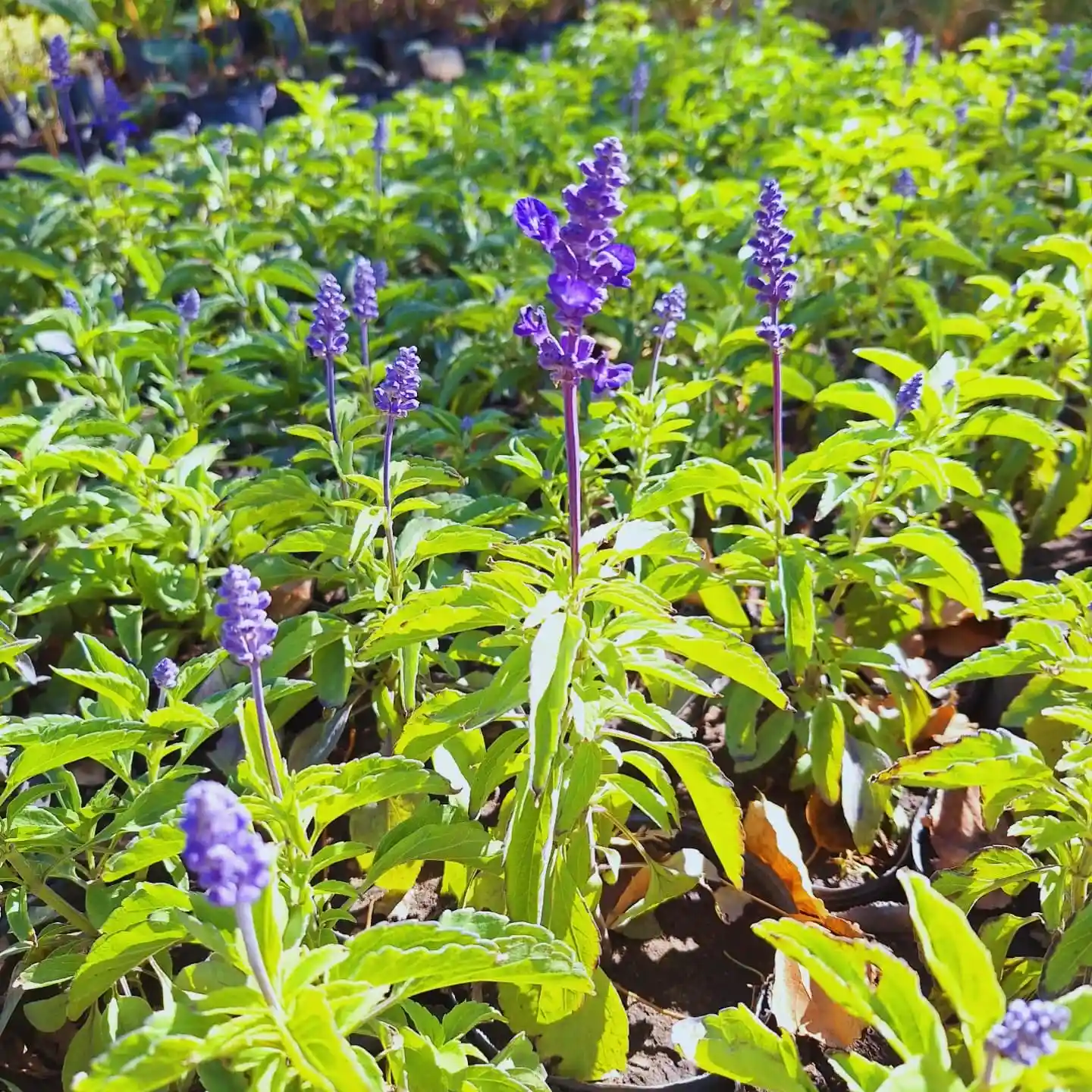
Salvia and lavender are beautiful perennials, but they generally prefer stronger sun and drier soil than astilbe. Place them in a separate sunny section rather than forcing all three plants into the same conditions. These guides to growing salvia and growing lavender will help you plan that transition.
Frequently Asked Questions
Does astilbe prefer sun or shade?
Astilbe prefers partial shade, especially in warm climates. It can grow in more sun if the soil stays moist, but strong afternoon sunlight may burn the leaf edges.
Does astilbe come back every year?
Yes. Astilbe is a perennial that returns each spring when grown within its recommended hardiness range. The leaves and stems die back during winter.
How long does astilbe bloom?
A single variety normally flowers for about two to three weeks. Planting early-, mid-, and late-blooming varieties can extend the overall display through much of summer.
Will astilbe bloom in full shade?
Astilbe may grow in full shade, but flowering will usually be reduced. Bright filtered light or several hours of morning sun produces better blooms.
Should astilbe be cut back after flowering?
Cutting off faded flowers is optional. It improves neatness but does not usually make astilbe bloom again. You can leave the dried plumes standing until spring.
Why is my astilbe turning brown?
Dry soil is the most common cause. Hot afternoon sun, drying wind, crowded roots, and competition from nearby trees can make the problem worse.
Is astilbe deer-resistant?
Deer and rabbits generally avoid astilbe, but no plant is completely safe when food is scarce. Protect new growth if animals regularly browse your garden.
Is astilbe toxic to dogs or cats?
Astilbe is generally regarded as non-toxic to dogs and cats. Even so, do not encourage pets to chew garden plants, and contact a veterinarian if a pet becomes ill after eating one.