How to Grow Sedum: A Complete Planting and Care Guide
Sedum is one of the easiest perennials to grow in a sunny garden. Its thick leaves store water, so established plants can handle dry spells better than many common flowers. Sedum also brings color, texture, and late-season blooms without needing constant attention.
Learning how to grow sedum starts with three basics: plenty of sunlight, fast-draining soil, and careful watering. This guide covers the best varieties, planting steps, seasonal care, propagation, common problems, and companion plants.
What Is Sedum?
Sedum is a large group of succulent plants commonly known as stonecrop. Most types have thick, fleshy leaves that hold moisture. This helps them survive in dry soil, rock gardens, containers, and other places where thirstier plants may struggle.
Garden sedums generally fall into two groups:
- Low-growing sedums spread across the soil and work well as ground covers.
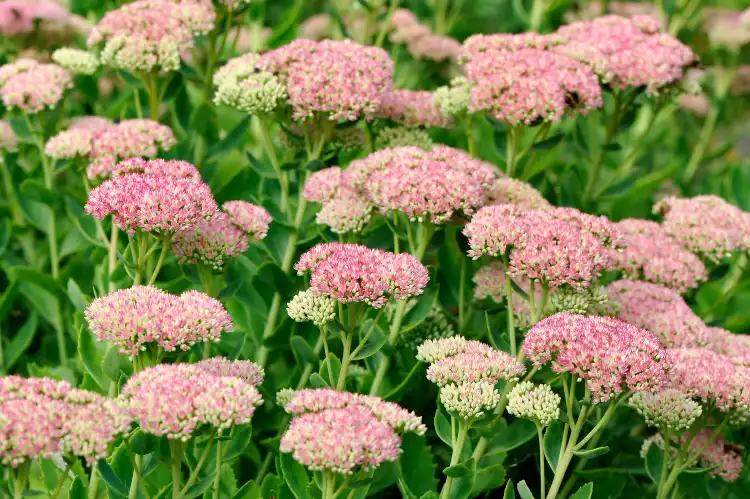
- Upright sedums form neat clumps and produce large flower heads from late summer into fall.
Many older upright varieties are now classified under the botanical name Hylotelephium. Garden centers and plant labels still often call them sedums, so you may see both names.
Depending on the variety, sedum can grow in USDA hardiness zones 3 through 11. Check the plant label before buying because cold tolerance varies between creeping, upright, and tender varieties.
Choosing the Right Sedum Variety
Choose a sedum based on where you want to grow it. A creeping variety may disappear behind taller plants, while an upright variety can become too large for a narrow crack in a stone path.
| Sedum variety | Growth habit | Height | Flower color | Hardiness zones | Best use |
| Autumn Joy | Upright | 18–24 inches | Pink to copper | 3–9 | Borders and fall color |
| Lemon Ball | Mounding | 4–6 inches | Yellow | 4–9 | Edging and containers |
| Dragon’s Blood | Creeping | 4–6 inches | Red-pink | 3–9 | Ground cover |
| Angelina | Creeping | 3–6 inches | Yellow | 5–9 | Rock gardens |
| Blue Spruce | Creeping | 6–8 inches | Yellow | 3–9 | Slopes and dry beds |
| Tricolor | Low-growing | 4–6 inches | Pale pink | 3–9 | Containers and edging |
| Purple Emperor | Upright | 15–20 inches | Pink | 3–9 | Dark foliage contrast |
| October Daphne | Mounding | 6–12 inches | Pink | 4–9 | Paths and rock gardens |
Autumn Joy is a dependable choice for beginners who want an upright flowering plant. Dragon’s Blood and Angelina are better choices when you need low-growing cover for dry, sunny soil.
One warning: some creeping sedums spread quickly when they like their location. Plant them where they have room to move, or trim their edges once or twice during the growing season.
Where to Plant Sedum
Sunlight
Most sedums need at least six hours of direct sunlight each day. Full sun keeps the growth compact, strengthens the stems, and encourages more flowers.
Plants grown in too much shade often stretch toward the light. Upright stems may bend or fall open, while creeping varieties can become thin and lose their strong foliage color.
A little afternoon shade can help in very hot climates, especially for sedums growing in containers. Morning sun followed by light afternoon shade is usually better than deep shade all day.
Soil
Fast drainage matters more than rich soil. Sedum roots can rot when they stay wet for long periods, especially during cool weather.
The ideal soil is:
- Loose and well-draining
- Sandy, gritty, or rocky
- Low to moderately fertile
- Neutral to slightly alkaline, around pH 6.0 to 7.5
Heavy clay should be improved before planting. Mix coarse grit or fine gravel through a wide planting area rather than adding a small pocket of sand to the hole. A narrow amended hole can collect water and leave the roots sitting in a wet basin.
Raised beds are a safer choice when the ground stays damp after rainfall.
Spacing
Spacing depends on the mature size of the variety:
- Small creeping sedums: 6–12 inches apart
- Larger ground-cover sedums: 12–18 inches apart
- Upright sedums: 18–24 inches apart
Give upright plants enough air circulation. Crowded clumps stay wet longer after rain and may be more likely to develop fungal problems.
Garden tip: Poor drainage kills more sedums than drought. If you’re choosing between extra compost and extra drainage, improve the drainage first.
When to Plant Sedum
Plant sedum in spring, after the danger of hard frost has passed, or in early fall, several weeks before the ground freezes.
Spring planting gives the roots a full growing season to settle in. It is the safer option in cold regions or when planting small divisions.
Fall planting works well in mild climates because the cooler weather reduces water loss. Avoid planting too late, though. The roots need time to become established before winter.
Container-grown sedum can be planted during summer if necessary, but it will need closer attention to watering during its first few weeks.
How to Plant Sedum Step by Step
- Choose a sunny location.
Find a place that receives six or more hours of direct sunlight and does not hold standing water after rain. - Check the drainage.
Dig a hole about 12 inches deep and fill it with water. If water remains in the hole for several hours, use a raised bed, slope, or container instead. - Prepare the soil.
Loosen the ground across an area wider than the plant. Mix in fine gravel or grit if the soil is heavy. Avoid adding large amounts of rich compost. - Dig the planting hole.
Make the hole slightly wider than the root ball but no deeper. Sedum should not be buried below its previous growing level. - Remove the plant carefully.
Slide the sedum out of its nursery pot and gently loosen tightly circling roots with your fingers. - Position the root ball.
Set the plant so the top of the root ball sits level with the surrounding soil. Planting too deeply can trap moisture around the crown. - Backfill the hole.
Return the soil around the roots and press it lightly to remove large air pockets. Do not pack it down hard. - Water once thoroughly.
Soak the root area after planting. Allow the soil to begin drying before watering again. - Add a gravel mulch if needed.
A thin layer of gravel keeps the crown dry and reduces soil splashing. Avoid piling moisture-holding wood mulch against the stems.
The most common planting mistake is treating sedum like a thirsty bedding plant. Newly planted sedum needs some moisture, but continually wet soil can damage its roots before the plant becomes established.
How to Care for Sedum Through the Seasons
Spring
Remove dead stems from upright sedums before new shoots grow tall enough to be damaged. This is also a good time to divide an old, crowded clump.
Check for soft or blackened growth around the crown. Remove damaged material and correct any drainage problems before spring rain becomes heavier.
Sedum grown in poor soil rarely needs much fertilizer. If growth looks weak, apply a light layer of compost around the plant without covering the crown.
Summer
Water young plants during long dry periods. Established plants growing in the ground usually need water only when the soil has dried deeply.
Tall sedums can sometimes fall open in rich soil. You can shorten the stems by about one-third in late spring or very early summer. This produces a shorter, fuller plant, although flowering may begin a little later.
Remove weeds while they are small. Pull carefully around creeping sedums because their shallow stems can lift from the ground.
Fall
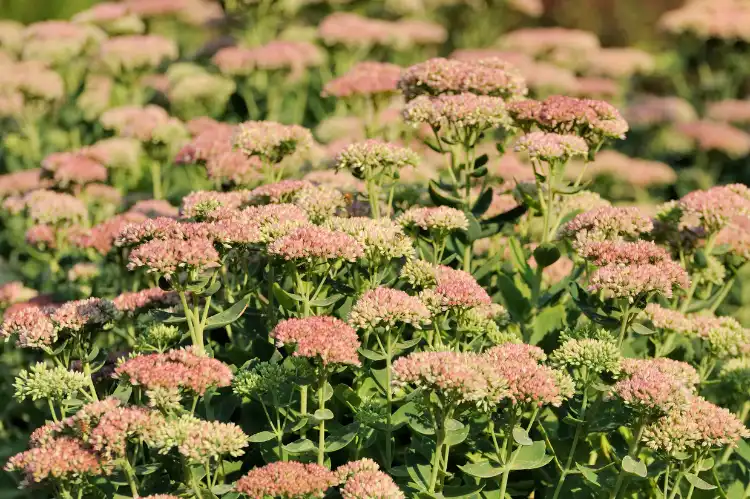
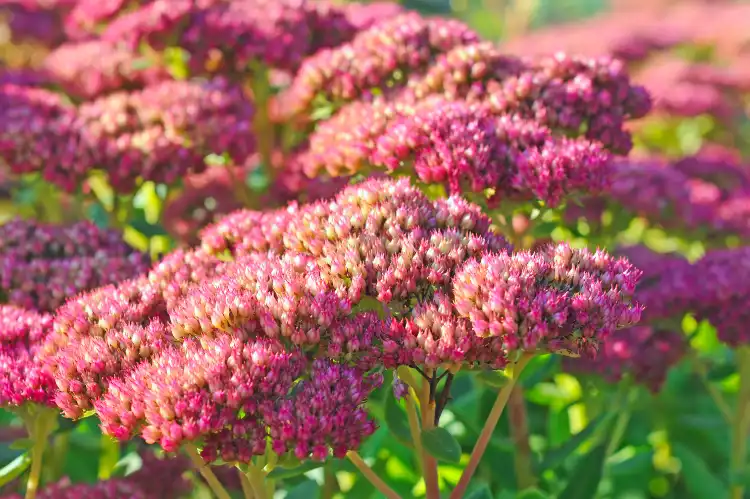
Upright sedums often look their best in fall. Their flower heads may change from pink to rust, copper, or deep brown as the season moves on.
Leave the dried flowers standing if you like their winter shape. The seed heads can add texture to an otherwise empty border and may provide food for birds.
Fall is also a good planting time in regions with mild winters. Finish planting early enough for the roots to settle before freezing weather arrives.
Winter
Hardy sedums need little winter care. Upright types die back to the ground, while some creeping varieties remain partly evergreen.
Cold, wet soil is the main winter danger. Keep fallen leaves and soggy mulch from collecting over the crown.
Tender sedums grown in pots may need to be moved into a bright, frost-free place. Check the variety’s hardiness instead of assuming every sedum can remain outdoors.
Watering Sedum Correctly
Water newly planted sedum when the upper inch or two of soil feels dry. Continue this routine during its first growing season, but always check the soil before adding more water.
Once established, most garden sedums tolerate drought well. Water deeply during extended dry weather, then allow the ground to dry again. Frequent shallow watering produces weaker roots and can keep the crown unnecessarily damp.
Containers dry faster than garden beds. During hot weather, a potted sedum may need watering once or twice a week. Push a finger into the potting mix before watering instead of following a fixed calendar.
Yellow, translucent, or mushy leaves usually point to too much water. Thin, wrinkled leaves may indicate that the plant has remained dry for too long.
Does Sedum Need Fertilizer?
Sedum usually grows better with less fertilizer rather than more. Rich feeding can create soft, stretched stems that fall over and produce fewer flowers.
For garden plants, a small amount of compost in spring is often enough. If the soil is extremely poor, apply a low-strength, balanced fertilizer once when new growth appears.
Do not feed upright sedums late in the season. Fresh, soft growth may not harden before cold weather arrives.
Container sedums use up nutrients faster. Feed them once in spring with a diluted succulent fertilizer, following the product label.
How to Grow Sedum in Containers
Sedum is a good container plant because its shallow roots do not need an oversized pot. It also pairs well with stone, concrete, terracotta, and weathered metal planters.
Use a container with at least one open drainage hole. Fill it with cactus or succulent potting mix, or improve regular potting soil with coarse grit or perlite.
Terracotta pots are especially useful in rainy areas because they allow moisture to escape through their sides. Glazed and plastic pots hold water longer, so check the soil carefully.
Combine sedums with plants that enjoy similar dry conditions. Catmint is a useful choice for larger sunny planters and beds; see this guide on how to grow catmint for its space and care needs.
Protect outdoor pots during winter in cold regions. Roots in containers experience lower temperatures than roots insulated by garden soil. Move the pot beside a sheltered wall or place it in an unheated garage if the variety is only marginally hardy in your zone.
How to Propagate Sedum
Sedum is easy to propagate from cuttings, divisions, or individual leaves. Cuttings are usually the fastest choice for creeping varieties.
Growing Sedum From Stem Cuttings
- Cut a healthy stem 3–6 inches long.
- Remove the leaves from the lower half.
- Leave the cutting in a dry, shaded place for one or two days so the cut end can seal.
- Insert the stem into lightly damp succulent mix.
- Keep it in bright, indirect light while roots form.
- Water sparingly when the mix becomes dry.
Some sedum cuttings will root when laid directly on loose garden soil. Pinning the stem against the soil helps the nodes make contact.
Growing Sedum From Leaves
Gently twist a healthy leaf from the stem, keeping its base intact. Let it dry for a day, then place it on top of succulent mix.
Small roots and a new plant may form at the base. Leaf propagation is slower than using stems and does not work equally well with every variety.
Dividing Upright Sedum
Divide a mature clump in early spring when new shoots are only a few inches tall.
Dig around the plant and lift the full root mass. Cut it into sections with a clean spade or garden knife. Each section should have several healthy shoots and a good group of roots.
Replant the divisions at their original depth and water them once. Divide older plants every three to five years, or when the center becomes thin and woody.
Common Sedum Problems
| Problem | Likely cause | What to do |
| Yellow, soft leaves | Too much water | Stop watering and improve drainage |
| Black or mushy stems | Crown or root rot | Remove affected growth and replant healthy pieces |
| Tall, stretched growth | Too little sunlight | Move the plant to a sunnier location |
| Upright stems falling open | Rich soil or excess fertilizer | Stop feeding and shorten stems in late spring |
| Few or no flowers | Shade or excess nitrogen | Increase sunlight and reduce fertilizer |
| Shriveled leaves | Prolonged drought | Water deeply and check the roots |
| White powder on leaves | Powdery mildew | Improve airflow and avoid wetting foliage |
| Missing leaves or stems | Deer, rabbits, or slugs | Use barriers or the correct garden-safe control |
Aphids may gather around young stems and flowers. A firm spray of water often removes a small group. Recheck the plant several days later and repeat if needed.
Rot deserves faster action. If the crown has turned soft, lift the plant and cut away every damaged section. Healthy stem tips can often be saved and rooted as cuttings.
Best Companion Plants for Sedum
Sedum looks natural beside other sun-loving perennials that can handle fairly dry soil. Use different flower shapes and heights so the planting does not look flat.
- Yarrow: Its flat flower clusters echo upright sedum blooms while adding fern-like foliage. Read more about growing yarrow.
- Coreopsis: Bright yellow flowers bring lighter color around pink or burgundy sedums. Follow this coreopsis growing guide for planting and deadheading advice.
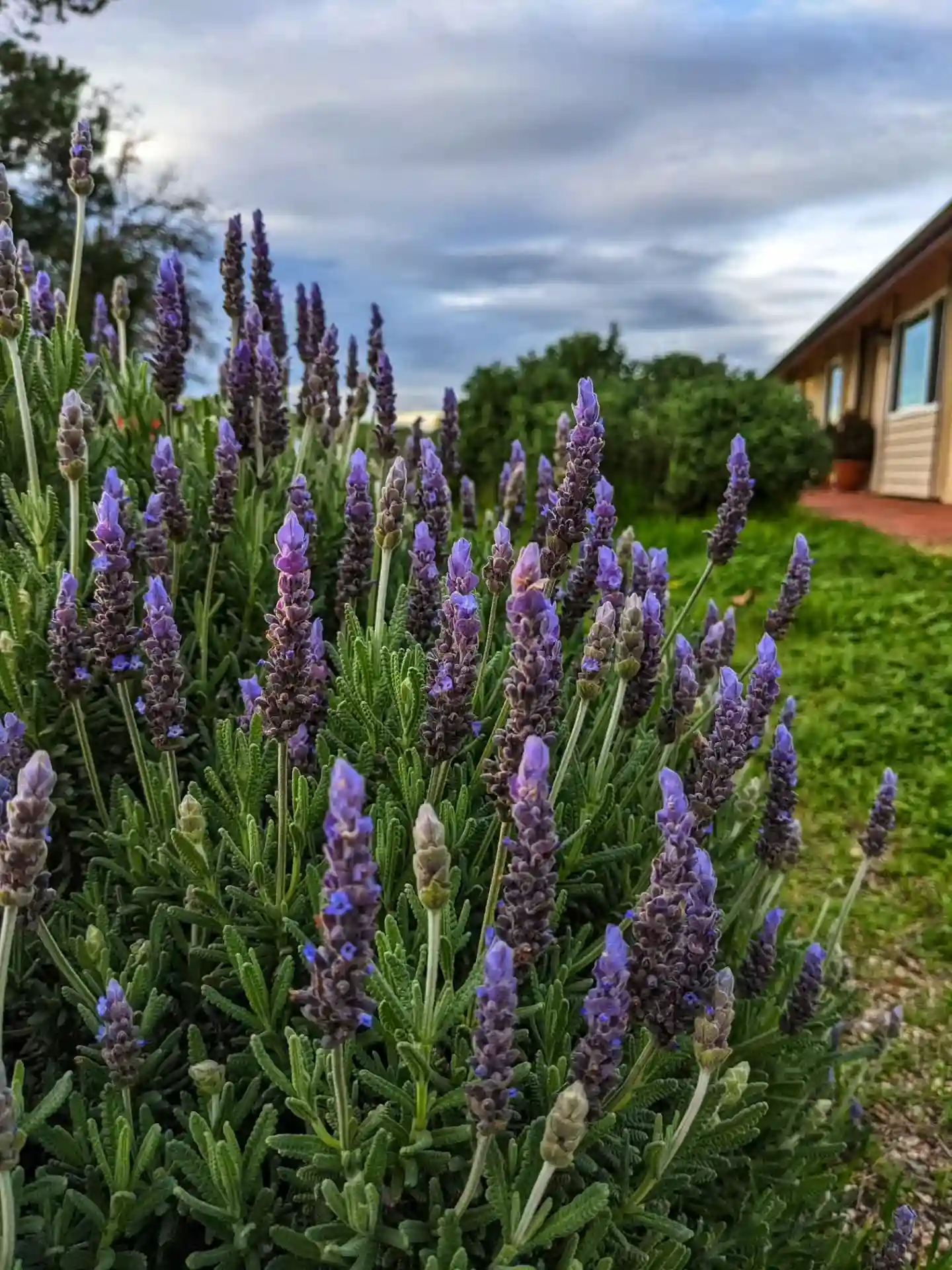
- Catmint: Soft lavender flowers and gray-green foliage make a relaxed border around taller sedum.
- Daylily: Arching leaves soften sedum’s upright shape, while summer flowers fill the gap before fall sedum blooms. Learn how to grow daylilies.
- Shasta daisy: Crisp white flowers provide a clean contrast against dark-leaved sedums. This guide explains how to grow Shasta daisies.
- Ornamental grasses: Fine leaves and moving seed heads create a good contrast with sedum’s thick foliage.
- Coneflowers: Both plants enjoy sun and offer a long season of flowers for visiting pollinators.
Match companions to the same drainage conditions. Sedum should not be placed beside plants that need constantly moist soil.
Frequently Asked Questions
Does sedum come back every year?
Hardy perennial sedums return every spring when grown within their recommended hardiness zones. Upright types usually die back completely in winter, while some ground-cover varieties keep part of their foliage.
Does sedum spread quickly?
Creeping sedums can spread steadily through stems that root where they touch the soil. Upright varieties form expanding clumps but are usually easier to contain.
Can sedum grow in shade?
Sedum may survive in partial shade, but most varieties grow more densely and flower better with at least six hours of direct sun. Deep shade can produce weak, stretched growth.
Should I cut back sedum?
Cut dead upright stems near ground level in late winter or early spring. You can leave the dried flower heads standing through winter if you enjoy their shape.
How long does sedum take to grow?
Stem cuttings may root within a few weeks during warm weather. A young garden plant often fills out during its first season but may need two or three years to reach its mature size.
Is sedum invasive?
Most garden sedums are manageable, but certain creeping varieties can spread beyond their intended space. Check local guidance before planting and avoid letting unwanted pieces enter natural areas.
Can sedum survive without watering?
Established sedum is drought tolerant, but it is not completely water-free. A deep drink may be needed during extended heat or drought, especially in containers and newly planted beds.
Is sedum toxic to pets?
Toxicity information can vary between species and sources. Keep pets from chewing unfamiliar garden plants and ask a veterinarian or animal poison service about the exact sedum species if ingestion occurs.