How to Grow Coleus: Care Guide
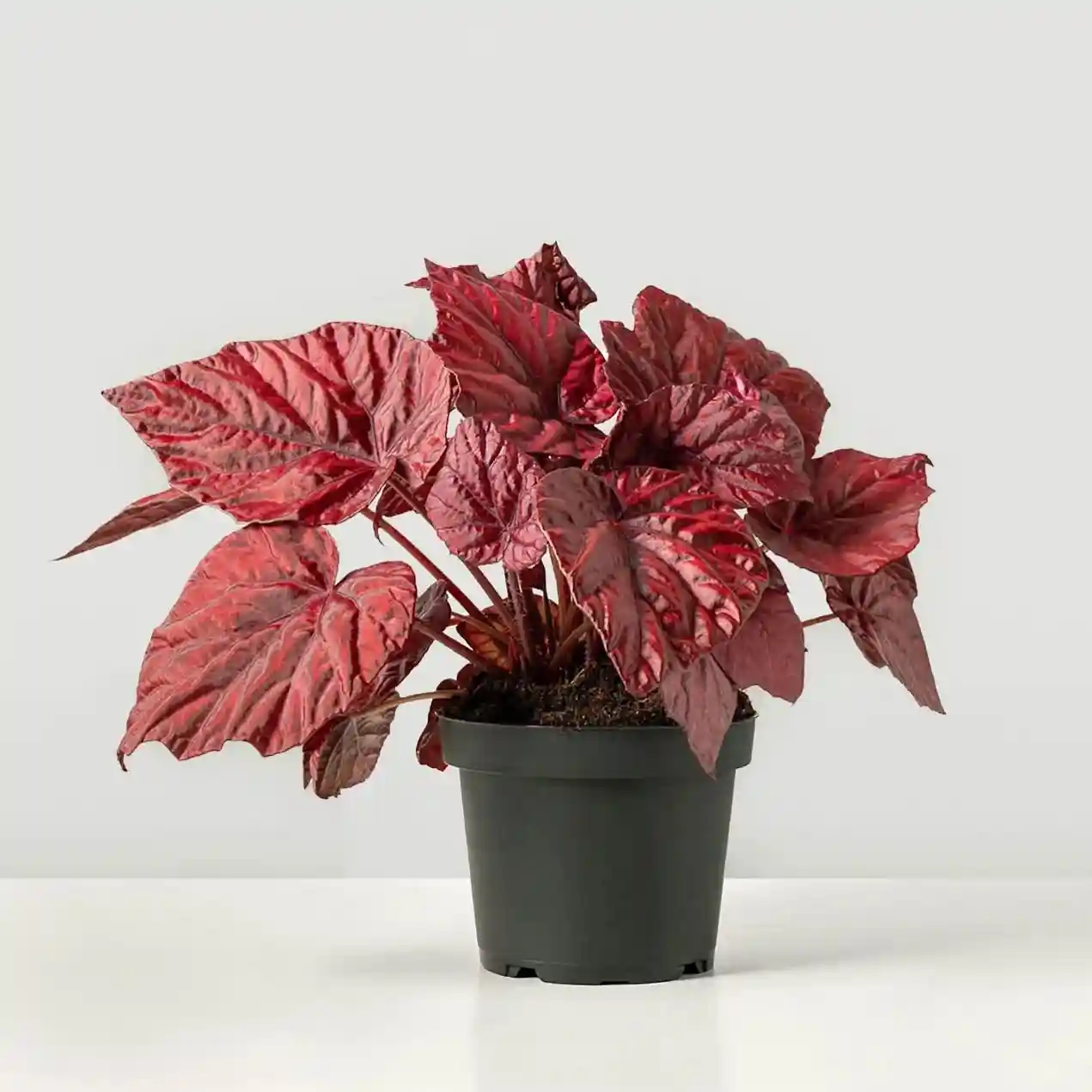
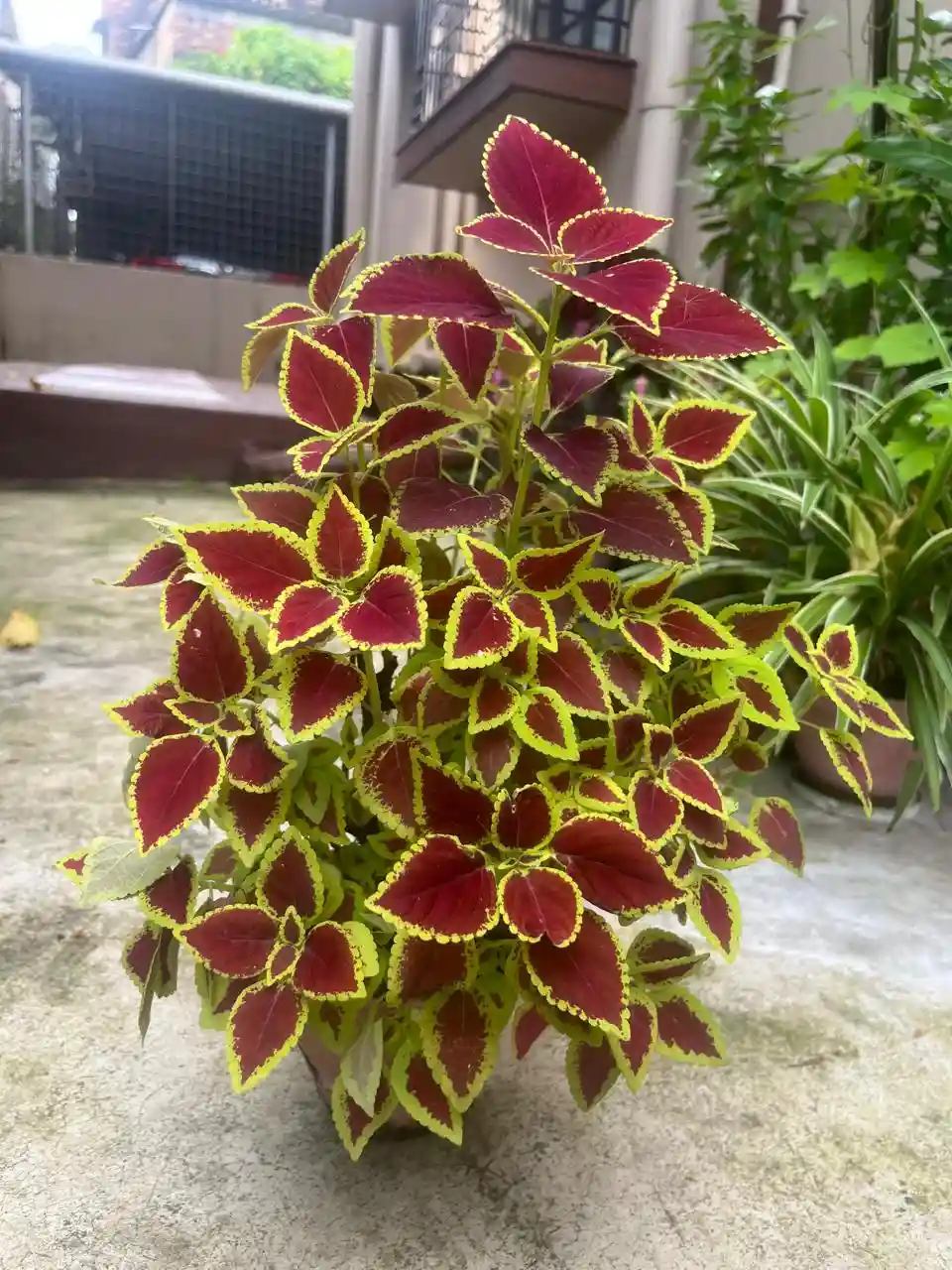
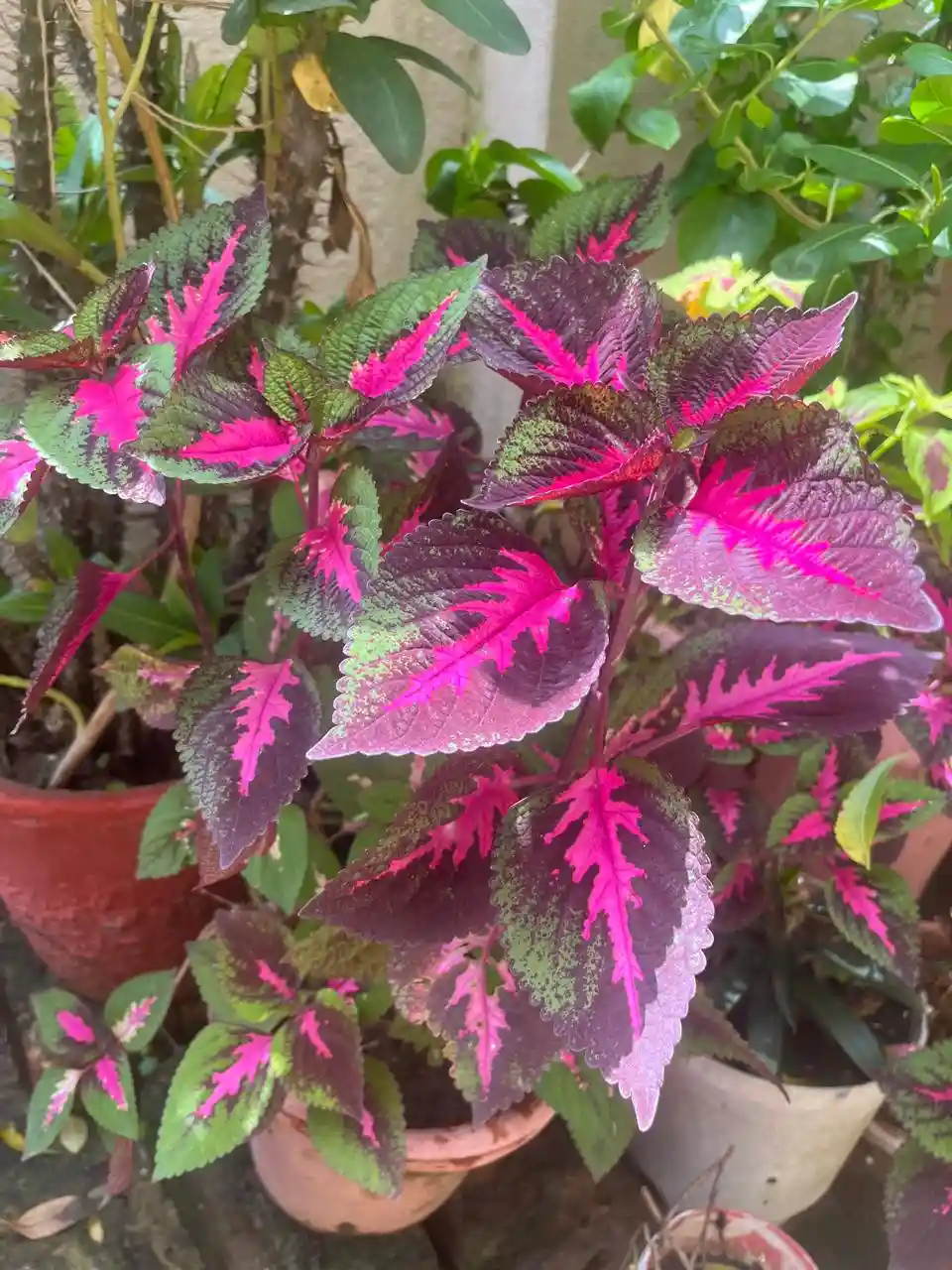
Coleus can brighten a shaded garden before a single flower opens. Its leaves come in burgundy, lime green, hot pink, copper, cream, and nearly black, often with more than one color on the same plant.
Learning how to grow coleus is fairly simple once you manage three things: light, moisture, and regular pinching. Give the plant rich, draining soil, protect it from cold weather, and trim the growing tips to keep it full. Coleus grows well in garden beds, containers, window boxes, and bright indoor spaces.
Key Coleus Growing Facts
| Feature | Growing requirement |
| Botanical name | Plectranthus scutellarioides |
| Common name | Coleus |
| Plant type | Tender perennial, usually grown as an annual |
| Mature size | 6 inches to 3 feet tall, depending on variety |
| Light | Partial shade to sun, depending on the cultivar |
| Soil | Rich, loose, well-draining soil |
| Soil pH | Slightly acidic to neutral, around 6.0–7.0 |
| Water | Keep evenly moist without soaking the roots |
| Growing season | Spring until frost |
| Hardiness | USDA zones 10–11; grown as an annual elsewhere |
| Fertilizer | Balanced fertilizer during active growth |
| Temperature | Best above 60°F (16°C) |
| Toxicity | Toxic to cats and dogs if eaten |
What Is Coleus?
Coleus is a warm-weather foliage plant grown for its brightly colored leaves. Although it may produce small flower spikes, the foliage is the main attraction.
Leaf shape varies just as much as color. Some coleus plants have wide, velvety leaves, while others have narrow, deeply cut, or ruffled foliage. Depending on the variety, the plant may stay compact or grow into a shrub-like mound several feet tall.
Coleus is a tender perennial in warm climates, especially USDA zones 10 and 11. In colder areas, frost kills the plant, so most gardeners treat it as an annual or bring cuttings indoors before winter.
I like using coleus where flowers struggle to bloom. A few plants can fill a dull porch corner or shaded bed with steady color from late spring through fall.
Choosing the Right Coleus Variety
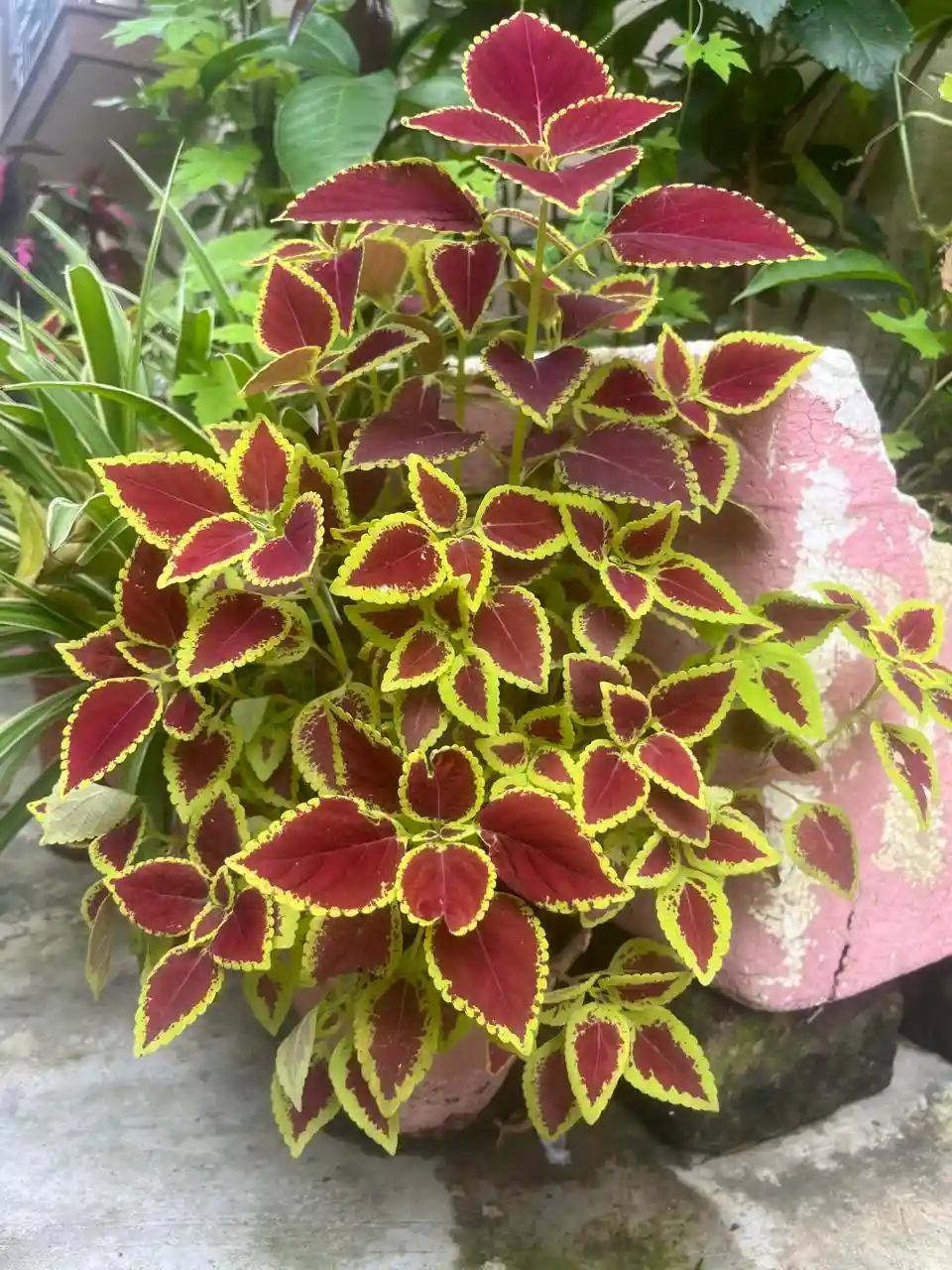
Coleus varieties differ in height, color, growth habit, and tolerance for direct sun. Read the plant label before choosing a location because older shade-loving varieties can burn where newer sun-tolerant types grow well.
| Variety | Approximate size | Main colors | Growth habit | Best location |
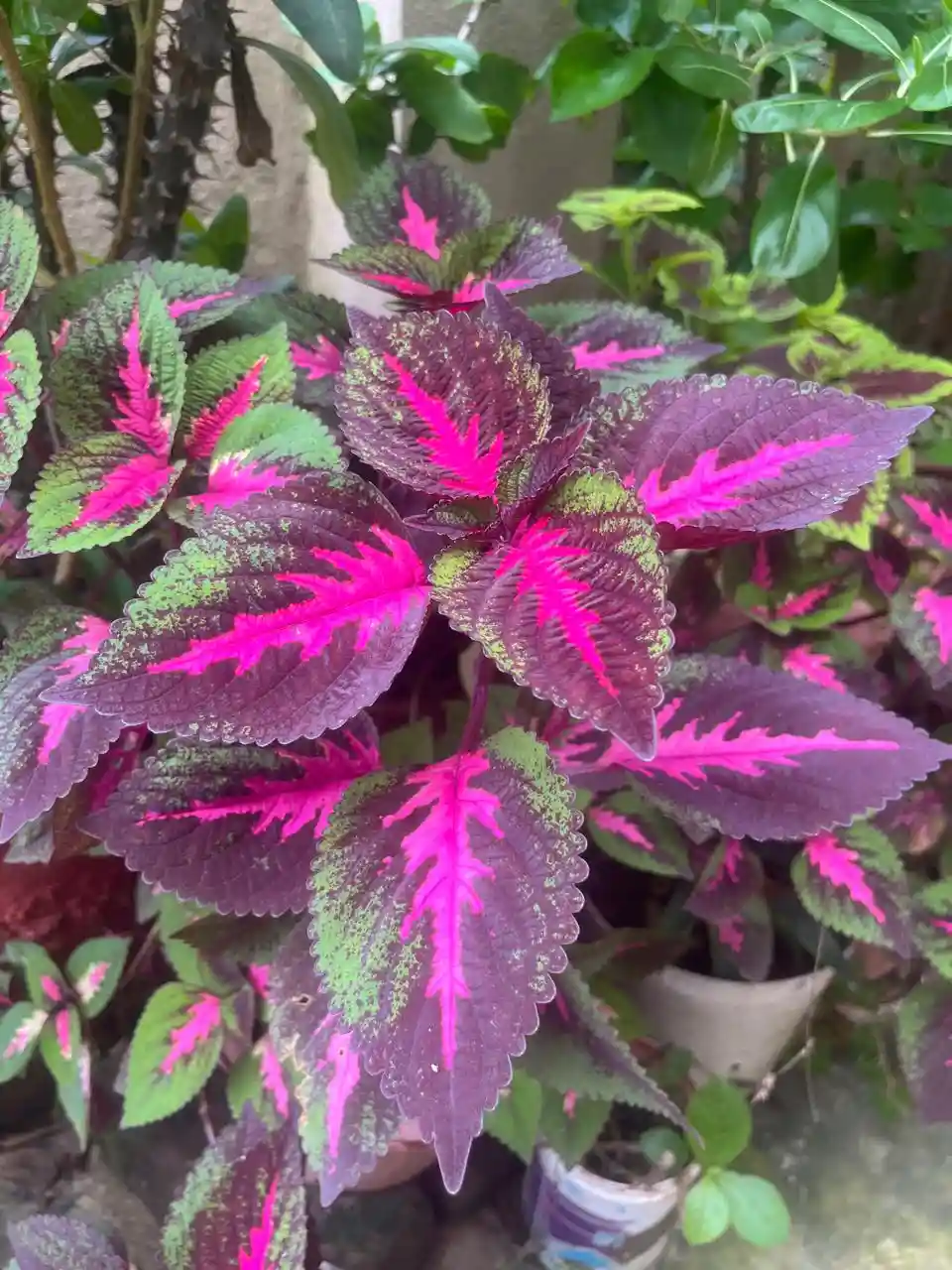
| Kong Rose | 18–24 inches | Rose, burgundy and green | Large and upright | Shaded beds and pots |
| Wizard Mix | 10–14 inches | Mixed colors | Compact and bushy | Borders and small containers |
| Black Dragon | 12–18 inches | Deep burgundy | Compact with ruffled leaves | Pots and border fronts |
| Redhead | 24–36 inches | Deep red | Upright and vigorous | Sunny beds and large pots |
| Wasabi | 18–30 inches | Bright chartreuse | Mounded and vigorous | Sun or partial shade |
| Chocolate Covered Cherry | 12–18 inches | Pink, burgundy and green | Compact | Edging and mixed pots |
| Campfire | 24–36 inches | Copper-orange | Upright | Warm-colored displays |
| Fishnet Stockings | 24–36 inches | Green with purple veins | Tall and upright | Container focal point |
| Trailing Burgundy | 12–18 inches | Burgundy and green | Cascading | Hanging baskets |
| Henna | 18–28 inches | Chartreuse, copper and burgundy | Upright and textured | Beds and containers |
For a first planting, choose a compact variety such as Wizard Mix or Chocolate Covered Cherry. These plants usually need less shaping and fit easily into pots.
Large-leaved Kong coleus looks best in filtered shade because strong sun can fade or scorch its foliage. Varieties such as Wasabi, Redhead, and Campfire usually cope better with several hours of sun.
When to Plant Coleus
Plant coleus outside after all danger of frost has passed. The soil should feel warm, and nighttime temperatures should remain above 50°F (10°C).
Coleus becomes stressed in cold, damp soil. Waiting an extra week is usually safer than planting too early, especially if spring weather changes quickly in your area.
Garden-center plants can go into beds from late spring onward. Seeds need more time, so start them indoors eight to twelve weeks before your expected final frost date.
Where to Grow Coleus
The right location depends partly on the variety. Most coleus plants grow well in partial shade, but many modern cultivars tolerate direct sun when they receive enough water.
Light Requirements
A location with morning sun and afternoon shade suits most coleus varieties. Morning light strengthens color without exposing the leaves to the hottest part of the day.
Coleus grown in deep shade may become tall and loose, with more space between the leaves. Its colors can also look duller. Plants receiving too much sun may develop faded areas, brown patches, or crispy edges.
Sun-tolerant varieties can grow in six or more hours of sunlight, especially in mild climates. They may still need afternoon protection where summers are very hot.
Watch the plant during its first two weeks in the garden. Leaf condition gives you better guidance than the word “sun” or “shade” on a general care label.
Soil Requirements
Coleus prefers fertile soil that holds some moisture while allowing extra water to drain. Heavy clay can keep the roots wet, while very sandy soil may dry too quickly.
Before planting in a bed, mix compost into the top 6 to 8 inches of soil. Compost improves both moisture retention and soil structure.
For containers, use fresh potting mix rather than garden soil. A mix containing coco coir or peat, composted bark, and perlite usually gives coleus roots a good balance of air and moisture.
A slightly acidic to neutral pH between 6.0 and 7.0 works well.
How to Plant Coleus in the Garden
Planting coleus at the correct depth protects its soft stems and reduces the chance of crown rot.
- Harden off the plant. If the coleus was raised indoors, place it outside in a sheltered position for a few hours each day. Increase its outdoor time over seven to ten days.
- Choose a warm location. Select a bed with suitable light and protection from strong wind. Large coleus stems can snap during summer storms.
- Prepare the soil. Loosen compacted ground and mix in compost. Avoid places where water remains after heavy rain.
- Dig the planting hole. Make the hole about twice as wide as the root ball but no deeper.
- Remove the plant carefully. Support the base and slide the root ball from its container. Don’t pull it out by the stem.
- Position the coleus. Set the top of the root ball level with the surrounding soil. Burying the stem deeply can hold too much moisture around the crown.
- Backfill the hole. Return the soil and press it gently around the roots.
- Water thoroughly. Soak the entire root area after planting.
- Add mulch. Spread about 1 to 2 inches of mulch over the soil, leaving a small gap around the stem.
Space small coleus varieties about 8 to 12 inches apart. Medium plants may need 12 to 18 inches, while large cultivars can need 18 to 24 inches.
Don’t worry if the bed looks slightly open at first. Coleus grows quickly once the weather warms and can fill those gaps within a few weeks.
How to Grow Coleus in Containers
Coleus is an excellent container plant because its foliage stays colorful for months. It works as a main feature, a middle layer, or a trailing plant around the rim.
Choose a pot with open drainage holes. A compact coleus may grow well in an 8- to 10-inch pot, while a large variety needs a container at least 12 to 16 inches wide.
Fill the container with loose potting mix and position the root ball at its original depth. Water until moisture runs from the drainage holes, then empty the saucer.
Containers dry faster than garden soil, especially on sunny patios. Check them frequently during hot weather. A mature coleus in a sunny pot may need daily watering, but it should still be checked before water is added.
If you’re making a mixed container, pair coleus with plants that enjoy similar moisture. Begonias, impatiens, sweet potato vine, and wishbone flower are useful choices.
[INTERNAL LINK: Link “how to grow begonias” to your begonia article URL.]
How to Grow Coleus from Seed
Growing coleus from seed is inexpensive and gives you access to mixed colors that may not be available as individual plants.
- Fill a seed tray with damp seed-starting mix.
- Scatter the tiny seeds over the surface.
- Press them gently into the mix without burying them deeply.
- Cover the tray with a clear lid to hold moisture.
- Keep it in bright light at about 70–75°F (21–24°C).
- Mist the surface when it begins to dry.
- Remove the cover after seedlings appear.
- Thin or transplant seedlings when they develop several true leaves.
Coleus seeds need light to germinate, so don’t cover them with a thick layer of soil. Germination commonly takes one to three weeks.
Seed-grown coleus may vary in color, even when the plants come from the same packet. Cuttings are a better choice when you want an exact copy of a particular variety.
How Often to Water Coleus
Coleus prefers evenly moist soil. It doesn’t handle prolonged drought well, but constantly soaked soil can rot its roots.
Check the top inch of soil with your finger. Water when it feels dry. Apply water slowly around the base until the full root area becomes moist.
Garden plants usually need more frequent watering during their first few weeks. Established plants can handle short dry periods, though repeated wilting may cause brown leaf edges and early leaf drop.
Water in the morning when possible. This gives splashed leaves time to dry and helps the plant cope with afternoon heat.
Signs Coleus Needs Water
A thirsty coleus may show:
- Drooping or folded leaves
- Dry soil pulling away from the pot
- Crispy leaf edges
- Faded foliage
- Slower growth
- Lower leaves dropping
Coleus often wilts dramatically when dry and then recovers after a thorough watering. Repeated wilting still weakens the plant and can leave permanent damage on the leaf edges.
Signs of Overwatering
Too much water may cause:
- Yellow lower leaves
- Soft or blackened stems
- Permanently wet soil
- A sour smell from the container
- Brown, mushy roots
- Sudden wilting while the soil is damp
A plant wilting in wet soil may have damaged roots rather than a lack of water. Remove it from the pot, trim away rotten roots, and repot it in fresh draining mix.
Fertilizing Coleus
Coleus grows quickly and responds well to light feeding. Too much fertilizer, however, can create weak stems or dull foliage.
For garden plants, mix compost into the soil before planting. If growth slows, apply a balanced liquid fertilizer at half strength every four to six weeks.
Container-grown coleus needs more regular feeding because nutrients wash out through the drainage holes. Use a diluted balanced fertilizer every two to four weeks during spring and summer.
If the leaf color becomes greener after feeding, the fertilizer may contain too much nitrogen. Reduce the dose or feed less often.
Stop fertilizing outdoor plants several weeks before the expected first frost. Indoor plants growing slowly in winter may not need any fertilizer until spring.
How to Pinch and Prune Coleus
Pinching is one of the simplest ways to grow a dense, attractive coleus. Without trimming, many varieties develop long stems with most of their foliage near the top.
When a young stem has three or four sets of leaves, remove the soft tip just above a leaf node. Two new shoots usually grow from the node below the cut.
Repeat this process as new stems lengthen. Frequent light pinching creates a fuller plant and reduces the need for severe pruning later.
If an older coleus becomes tall and bare, cut its stems back by one-third to one-half. Leave several healthy leaf nodes on each stem so the plant can produce new growth.
Always use clean scissors for thicker stems. Coleus stems are soft, but tearing them can leave uneven wounds.
Should You Remove Coleus Flowers?
Coleus produces narrow flower spikes, usually carrying small blue, lavender, or white flowers. Some gardeners like them because they attract bees and other pollinators.
Flowering can change the plant’s growth. Stems may become longer, and the plant may put less energy into making large leaves.
Remove flower spikes as soon as they appear if your main goal is dense foliage. Cut each spike just above a pair of leaves.
You can leave a few flowers on large plants for pollinators. Keep pinching the remaining stems so the plant doesn’t lose its shape.
Temperature and Humidity
Coleus grows best in warm conditions between about 60°F and 85°F (16–29°C). Growth slows when temperatures fall, and frost can kill the soft foliage overnight.
Bring potted plants indoors before nighttime temperatures regularly drop below 50°F (10°C). Don’t wait for frost to appear in the forecast.
Average outdoor humidity is usually enough. Indoor coleus may develop dry leaf edges near heating vents or in very dry rooms.
Place indoor plants away from cold windows, heaters, and air-conditioning vents. A humidifier can help if the surrounding air remains very dry.
Coleus Care Through the Seasons
Spring
Start seeds indoors or take overwintered plants into brighter light. Increase watering as fresh growth appears, and begin light feeding once the plant is growing steadily.
Wait until nights are reliably warm before moving coleus outdoors. Harden indoor plants gradually so their tender leaves don’t burn or collapse.
Summer
Check the soil frequently, especially in containers. Pinch growing tips, remove unwanted flower spikes, and turn pots occasionally so each side receives light.
Watch sunny plants for leaf scorch during heat waves. A pot that performs well in June may need afternoon protection during hotter July or August weather.
Fall
Take cuttings from your favorite plants before cold nights arrive. Cuttings need less indoor space and are often easier to overwinter than large outdoor plants.
Reduce fertilizer as growth slows. Inspect any plants coming indoors for aphids, whiteflies, mealybugs, and spider mites.
Winter
Place indoor coleus near a bright window and water when the top inch of soil dries. Plants need less water in winter because growth and evaporation slow down.
Coleus may become thinner during the short days. Pinch weak growth lightly, then prune more firmly in spring when stronger light returns.
How to Overwinter Coleus
Coleus won’t survive freezing weather, but it can be kept indoors as a houseplant. Bring it inside before temperatures fall below 50°F (10°C).
Inspect both sides of every leaf and wash off insects. Remove damaged foliage and trim the plant back if it’s too large for the chosen location.
Place it in bright indirect light. A south- or east-facing window often works, provided harsh midday rays don’t burn the foliage.
Water less often than you would outdoors, but don’t let the soil become completely dry. Don’t expect the same fast, dense growth you see during summer.
My preferred method is to overwinter several cuttings instead of one large plant. They fit on a windowsill, root quickly, and provide fresh plants for spring.
How to Propagate Coleus from Cuttings
Coleus is one of the easiest garden plants to propagate. Both water and soil propagation work well.
Rooting Coleus in Water
- Cut a healthy stem 4 to 6 inches long.
- Make the cut just below a leaf node.
- Remove the leaves from the lower half.
- Remove any flowers or flower buds.
- Place the stem in clean water, keeping the leaves above the surface.
- Put it in bright indirect light.
- Replace the water every few days.
- Pot the cutting when its roots are about 1 to 2 inches long.
Roots may begin appearing within one or two weeks during warm weather. Don’t leave the cutting in water for months because heavily developed water roots can be slower to adjust to soil.
Rooting Coleus in Soil
Insert the prepared cutting into a small pot of moist, loose potting mix. Keep it warm and away from harsh sunlight while roots form.
Water just enough to prevent the mix from drying. Tug very gently after two or three weeks. Resistance usually means new roots have formed.
Soil-rooted cuttings avoid the move from water to potting mix, though you can’t watch their roots develop.
Common Coleus Problems
| Problem | Likely cause | What to do |
| Faded leaves | Excess sun or unsuitable light | Move the plant to filtered light |
| Long, weak stems | Low light or lack of pinching | Give brighter light and trim the tips |
| Crispy brown edges | Dry soil, heat, or strong sun | Water deeply and provide afternoon shade |
| Yellow leaves | Overwatering or poor drainage | Let the soil dry slightly and inspect the roots |
| Soft stem base | Root or stem rot | Remove damaged tissue and replace wet soil |
| Small, dull leaves | Low nutrients or crowded roots | Feed lightly or repot |
| Holes in leaves | Slugs, snails, or caterpillars | Inspect at night and remove the pest |
| Sticky leaves | Aphids or whiteflies | Rinse the plant and treat if needed |
| Speckled leaves and webbing | Spider mites | Isolate, rinse, and apply insecticidal soap |
Sunscald
Sunscald creates pale, bleached, or brown patches, often on leaves facing the strongest light. It commonly appears when indoor-raised coleus is placed directly into full sun.
Move the plant to partial shade and remove badly damaged leaves. Introduce it to stronger light slowly over several days.
Root Rot
Root rot develops when the soil remains wet and air can’t reach the roots. The plant may wilt even though its soil feels damp.
Slide the plant from its container and inspect the roots. Healthy roots are pale and firm, while rotten roots are brown, black, soft, or foul-smelling.
Cut off damaged roots and repot the plant in fresh mix. Make sure its pot drains freely before watering again.
Aphids
Aphids gather around soft tips and on the undersides of leaves. They can twist new growth and leave sticky residue behind.
A firm stream of water removes a small group. For a heavier problem, use insecticidal soap and repeat the treatment according to the label.
Spider Mites
Spider mites cause fine pale speckles and delicate webbing around leaves and stems. They spread quickly in warm, dry indoor conditions.
Isolate the plant, rinse the foliage carefully, and treat both sides of the leaves with insecticidal soap. Repeat treatment may be needed because eggs can survive the first application.
Slugs and Snails
Slugs and snails chew irregular holes through coleus leaves, usually at night. Damage is more common in damp, shaded beds.
Check around the plant after dark and remove any pests you find. Clear away thick debris near the stems and use an iron-phosphate bait if the damage continues.
Best Companion Plants for Coleus
Coleus works well beside plants that enjoy rich soil and regular moisture.
- Begonias: Their flowers contrast nicely with broad coleus foliage.
- Impatiens: These add steady flowers to partially shaded beds.
- Caladiums: Large patterned leaves create a tropical-looking display.
- Sweet potato vine: Trailing growth softens the edge of containers.
- Ferns: Fine foliage balances coleus varieties with large leaves.
- Wishbone flower: It flowers in partial shade and suits mixed pots.
- Lobelia: Small flowers spill over container rims.
- Elephant ears: Their large leaves make a strong background for bright coleus.
- Ornamental grasses: Narrow leaves contrast with rounded coleus foliage.
Match plants by light needs before combining them. A sun-loving coleus and a shade-loving begonia may look good together at first, but one will struggle in the chosen location.
Is Coleus Toxic to Pets?
Coleus contains oils that can be toxic to cats and dogs when eaten. Possible symptoms include vomiting, diarrhea, reduced appetite, and skin irritation.
Keep indoor pots and fresh cuttings where pets can’t chew them. Contact a veterinarian if you think your pet has eaten any part of a coleus plant.
Coleus isn’t grown as an edible herb. Wear gloves when handling it if the sap irritates your skin.
Frequently Asked Questions
Does coleus prefer sun or shade?
Most coleus grows well with morning sun and afternoon shade. Some newer varieties tolerate full sun, while large-leaved and older varieties often need more protection. Check the variety label and watch for fading or scorched leaves.
Can coleus grow in full sun?
Sun-tolerant coleus can grow in full sun when the soil remains moist. In very hot climates, even these varieties may benefit from afternoon shade. Plants moved from indoors must be introduced to direct sun slowly.
Does coleus come back every year?
Coleus returns as a perennial in warm, frost-free climates, generally USDA zones 10 and 11. In colder regions, gardeners grow it as an annual or overwinter it indoors.
How quickly does coleus grow?
Coleus grows quickly in warm weather and may reach its mature size within one growing season. Regular watering, light feeding, and frequent pinching support dense growth.
Why is my coleus losing its color?
Weak color may come from too little light, too much direct sun, excess fertilizer, or the natural color response of the variety. Adjust one condition at a time and observe the newest leaves.
Can coleus grow indoors?
Coleus can grow indoors when placed near a bright window. It may become leggy during winter, so pinch the stems and rotate the pot regularly. A grow light can help in darker rooms.
How do I make coleus bushier?
Pinch each growing tip just above a pair of leaves. Two side shoots normally develop below the cut. Repeat this throughout the growing season and remove flower spikes if you want the plant to focus on foliage.
How often should potted coleus be watered?
Water when the top inch of potting mix feels dry. Outdoor containers may need daily checks during hot weather, while indoor plants need water less often. Never leave the pot sitting in collected water.
Should coleus flowers be removed?
Remove the flowers if you want a compact plant with larger leaves. You can leave some flower spikes for bees, but the stems may grow longer and the foliage may become less dense.
Can coleus survive winter indoors?
Yes. Bring it inside before temperatures fall below 50°F (10°C), place it in bright indirect light, and water less frequently. Taking cuttings is often easier than overwintering a large mature plant.