How to Grow Snapdragons: Care Guide
Snapdragons bring tall flower spikes, bright color, and a little cottage-garden charm to beds and containers. Their unusual blooms open like tiny mouths when gently squeezed, which makes them especially fun for family gardens.
Learning how to grow and care for snapdragons is fairly simple once you understand their preference for cool weather, full sun, and well-draining soil. Plant them early, water near the roots, remove fading flowers, and protect them from intense summer heat.
With the right care, snapdragons can bloom for weeks in spring and return with another flush of flowers in fall.
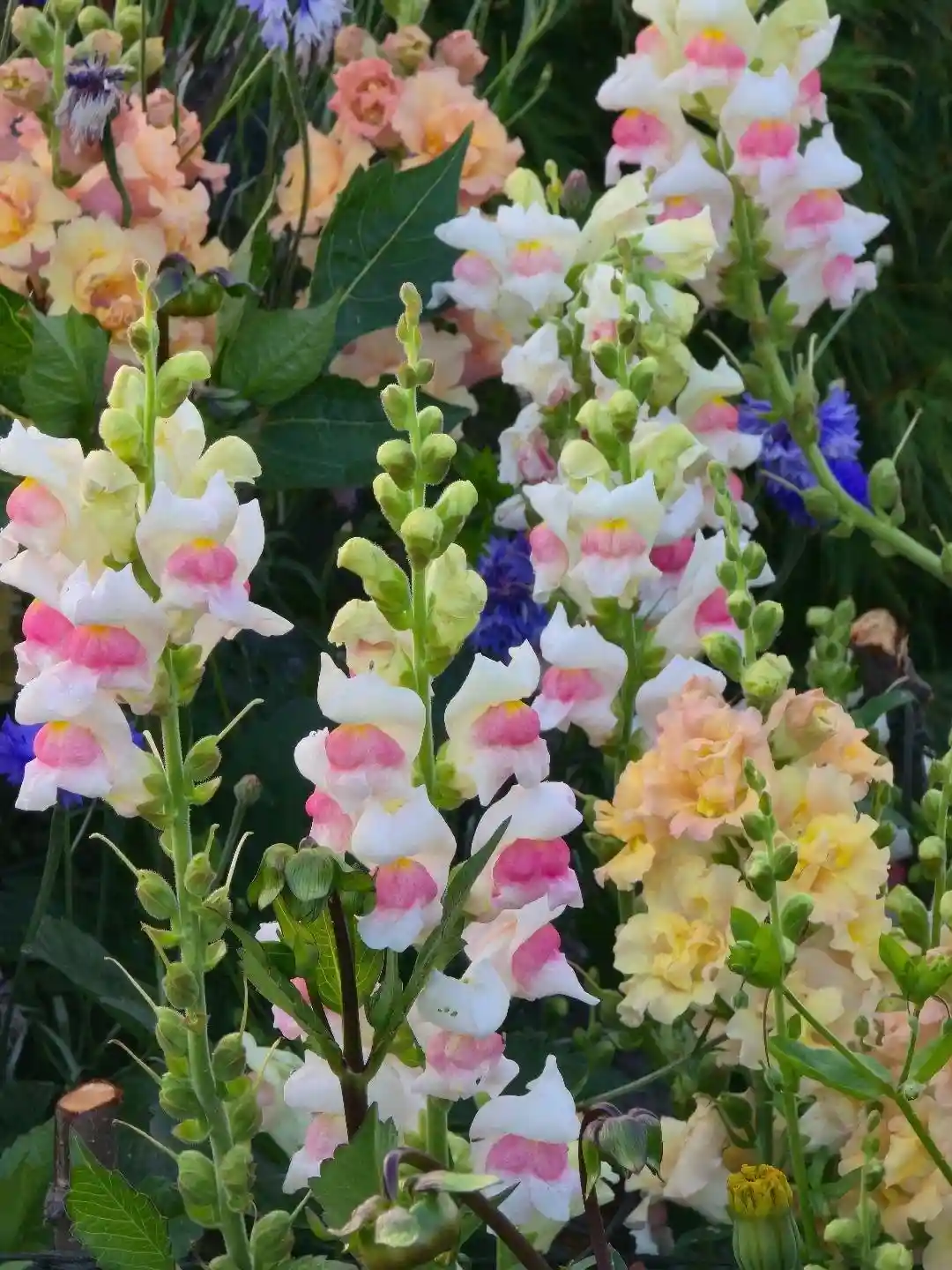
Snapdragon Care at a Glance
| Care requirement | What snapdragons need |
| Botanical name | Antirrhinum majus |
| Plant type | Cool-season annual or short-lived perennial |
| Sunlight | Full sun to light afternoon shade |
| Soil | Loose, fertile, and well-draining |
| Water | Even moisture without soggy soil |
| Planting time | Early spring or fall, depending on climate |
| Blooming season | Spring through early summer; often again in fall |
| Common height | 6 inches to 3 feet |
| Maintenance | Pinching, deadheading, and occasional support |
| Best uses | Borders, containers, cutting gardens, and cottage gardens |
Snapdragons are technically tender or short-lived perennials in warmer regions, but most gardeners grow them as annual flowers. They perform best during mild weather and may slow down when summer temperatures become hot.
What Are Snapdragons?
Snapdragons are upright flowering plants known for their tightly packed spikes of two-lipped blooms. The flowers come in nearly every shade except true blue, including white, cream, yellow, orange, pink, red, burgundy, and bicolored combinations.
Their flowers open from the bottom of the spike upward. This gives each plant a long display, especially when old flower stalks are removed before seeds mature.
Snapdragons are native to parts of the Mediterranean region, where winters are mild and growing conditions remain relatively cool. Their preference for mild temperatures explains why they usually look their best during spring and fall rather than the hottest part of summer.
Are Snapdragons Annuals or Perennials?
Snapdragons are often sold and grown as annuals, but their true life cycle depends on climate.
In regions with cold winters, plants usually die after repeated hard freezes. Gardeners replant them from seed or nursery-grown starts each spring.
In mild climates, snapdragons may survive winter and return for another season. Even when they overwinter, plants can become woody, thin, or less productive after a few years. Replacing older plants usually gives a fuller flower display.
Snapdragons may also self-seed. Young plants sometimes appear near the original planting area the following spring, although their flower colors may differ from the parent plant.
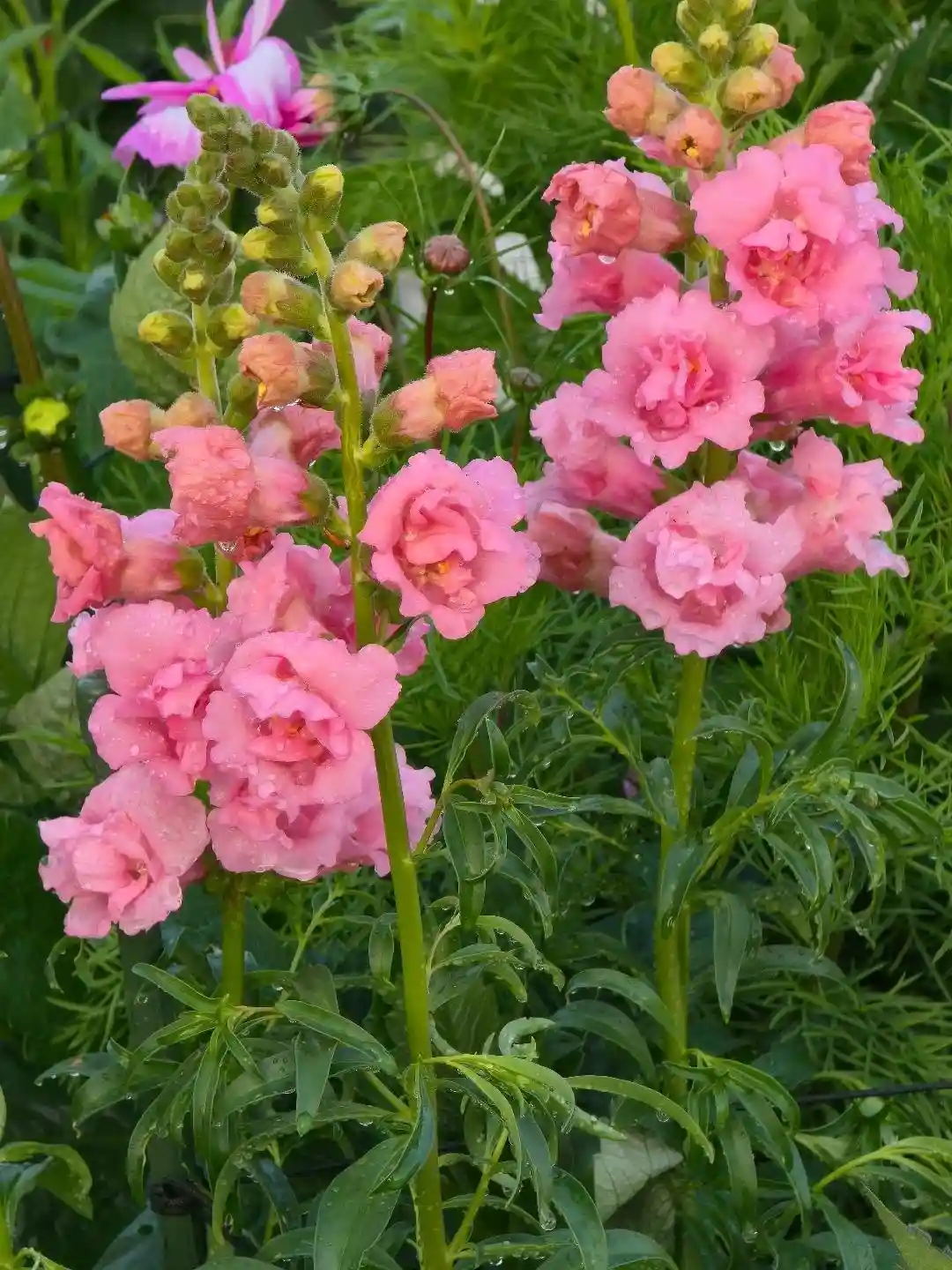
Choosing the Right Snapdragon Variety
Snapdragons are commonly grouped by mature height. Choosing the right size makes planting and support much easier.
| Snapdragon type | Approximate height | Best use |
| Dwarf | 6–10 inches | Window boxes, edging, and small pots |
| Compact | 10–18 inches | Front borders and mixed containers |
| Medium | 18–24 inches | Flower beds and cutting gardens |
| Tall | 24–36 inches | Back borders, bouquets, and cottage gardens |
| Trailing | 6–12 inches with spreading stems | Hanging baskets and container edges |
Popular Snapdragon Varieties
Rocket Series produces tall stems and works well for cut flowers. Plants may need support in windy gardens.
Madame Butterfly has double, ruffled flowers that look fuller than traditional snapdragon blooms.
Sonnet Series stays at a manageable medium height while still producing strong flower spikes.
Twinny Series grows compact double flowers and fits well in pots or at the front of a bed.
Candy Showers has a trailing habit suited to hanging baskets, raised planters, and window boxes.
For a first planting, I would choose a compact or medium variety. These plants are easier to support than tall snapdragons but still produce enough flower spikes to make a noticeable display.
When to Plant Snapdragons
Snapdragons prefer cool growing conditions. They can tolerate light frost better than heat-loving annuals, so you do not always need to wait until late spring to plant them.
Planting in Cold and Moderate Climates
Start seeds indoors around eight to ten weeks before the final expected spring frost. Transplants can usually go into the garden in early spring after they have been hardened off.
Nursery-grown snapdragons may be planted while the weather is still cool. A light frost may damage a few open flowers, but established plants often recover.
Planting in Warm Climates
In areas with mild winters and very hot summers, fall is often the best planting time. Plants can establish during cool weather, bloom through winter or spring, and finish before severe summer heat arrives.
Succession Planting
Planting a second small batch a few weeks after the first can extend the blooming period. Early plants may flower first, while the later group takes over as the original stems begin to slow down.
Starting Snapdragons from Seed
Snapdragon seeds are extremely small, so handle them carefully.
1. Fill seed trays
Use a light, clean seed-starting mix. Moisten it before sowing so the tiny seeds do not wash into one corner during watering.
2. Scatter seeds over the surface
Sprinkle the seeds lightly across the mix. Do not bury them deeply. Snapdragon seeds need light to germinate, so gently press them against the surface instead.
3. Keep the tray moist
Mist the surface or water from below. The mix should remain evenly damp but never soaked.
Covering the tray with a clear humidity lid can help prevent rapid drying. Remove the cover after seedlings begin appearing.
4. Provide light and cool temperatures
Place the tray under grow lights or in a very bright location. Seedlings need plenty of light to avoid becoming thin and stretched.
Snapdragon seeds often germinate best in cool indoor conditions rather than near a hot radiator.
5. Thin or transplant seedlings
Once seedlings have developed true leaves, separate crowded plants into individual cells or small pots.
Handle them by the leaves rather than pulling on their delicate stems.
6. Harden plants before transplanting
Move seedlings outdoors gradually over seven to ten days. Begin with a sheltered, shaded spot for a few hours and slowly increase their exposure to sun and wind.
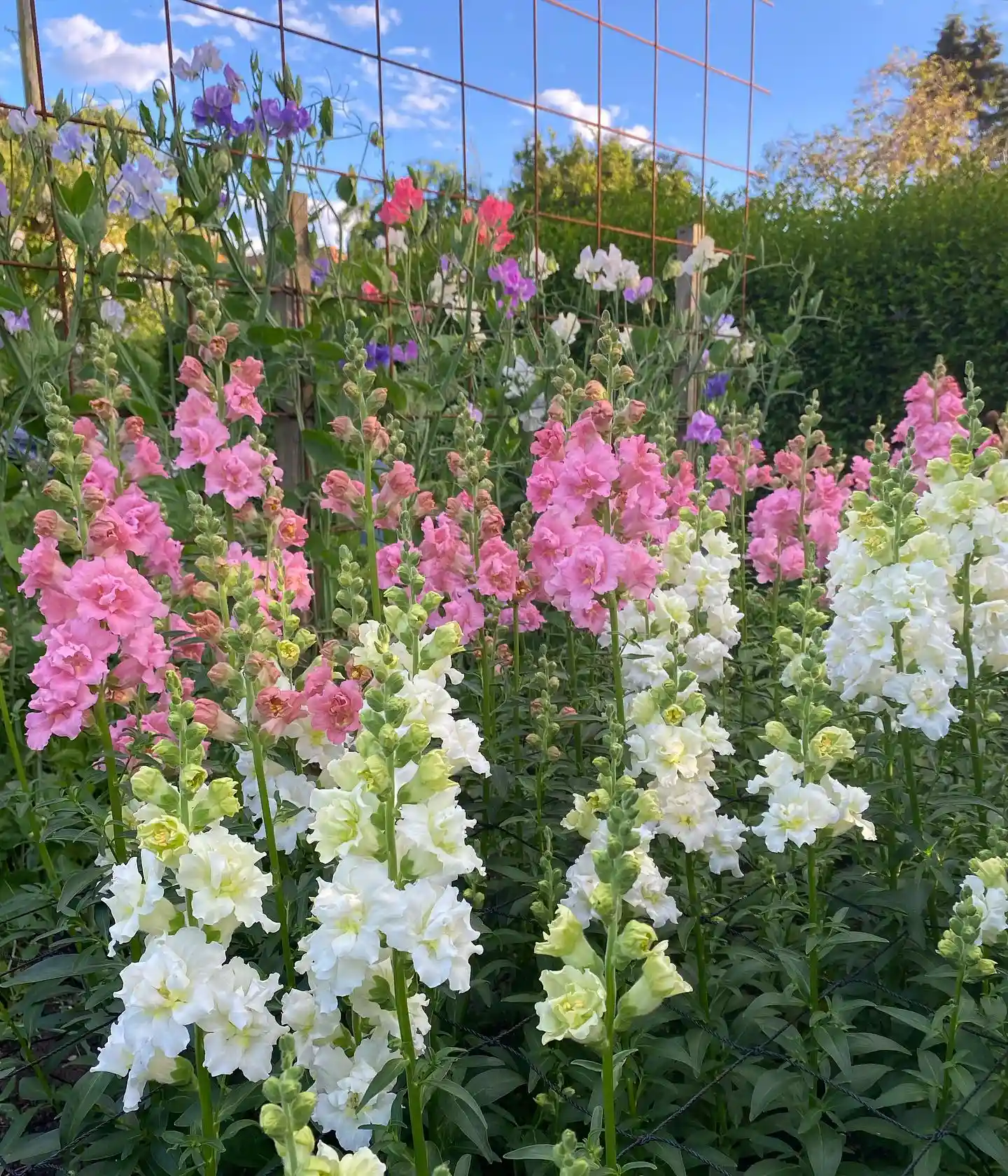
Where to Plant Snapdragons
A good planting location helps prevent weak stems, poor flowering, and leaf disease.
Give Them Plenty of Sun
Snapdragons bloom best with at least six hours of sunlight each day.
In cooler regions, full sun usually produces the strongest flower spikes. In areas with warm springs or intense summer heat, light afternoon shade can help flowers last longer.
Too much shade may cause tall, floppy growth and fewer blooms.
Choose Well-Draining Soil
Snapdragons prefer soil that holds some moisture but drains quickly after watering or rain.
Heavy clay can be improved with compost and organic matter, but do not plant snapdragons in a low area where water collects. Constantly wet roots may lead to yellow leaves, weak growth, and root problems.
A slightly acidic to neutral soil works well for most varieties.
Allow Room for Airflow
Check the seed packet or plant tag for exact spacing. Most snapdragons need around 6 to 12 inches between plants, while large varieties may need slightly more.
Crowded plants remain damp longer after rain and are more likely to develop rust or mildew.
How to Plant Snapdragon Seedlings
1. Prepare the planting area
Remove weeds and loosen the top several inches of soil. Mix in a moderate amount of compost if the bed is poor or compacted.
2. Dig a planting hole
Make the hole slightly wider than the plant’s root ball. It should be deep enough for the top of the root ball to sit level with the surrounding soil.
3. Remove the plant carefully
Slide the root ball from its container without pulling on the stem. Loosen tightly circling roots gently with your fingers.
4. Set the plant at the right depth
Place the snapdragon at the same depth it was growing in its nursery pot. Planting too deeply may keep the base of the stem damp.
5. Backfill the hole
Return soil around the roots and press it lightly. Do not compact the soil heavily.
6. Water thoroughly
Water around the base to settle the soil and remove large air pockets.
7. Add light mulch
A thin layer of mulch can keep roots cool and slow moisture loss. Leave a small gap around the stems so they are not held against damp mulch.
How to Water Snapdragons
Water newly planted snapdragons regularly while they form roots. The soil should feel slightly moist but not muddy.
Once established, give plants a deeper watering when the upper inch of soil feels dry. Deep watering encourages roots to grow downward and helps plants handle short dry periods.
Direct the water toward the soil rather than wetting the flowers and leaves. Damp foliage can raise the chance of fungal disease, especially when plants are crowded or nights are cool.
Containers need closer attention because potting mix dries faster. Check pots frequently during sunny or windy weather, but empty saucers that collect standing water.
Feeding Snapdragons
Snapdragons grow best in moderately fertile soil. They need more nutrition than cosmos, but excessive feeding can still create soft, weak stems.
Mixing compost into the bed before planting is often enough for the first stage of growth.
When flower spikes begin forming, you can apply a balanced slow-release fertilizer or a diluted liquid flower feed. Follow the product label and avoid applying more than recommended.
Container-grown snapdragons may need light feeding every few weeks because nutrients wash from pots more quickly.
Stop feeding plants that are producing lots of leafy growth but very few buds. More fertilizer will not solve the problem.
Pinching Snapdragons for Fuller Plants
Pinching young snapdragons encourages side branches and can produce more flowering stems.
When seedlings are around 3 to 4 inches tall and growing strongly, remove the top growing tip just above a pair of leaves. New shoots should develop from the leaf joints below the cut.
Pinched plants usually grow bushier, though the first flowers may appear slightly later. You can leave a few plants unpinched when you want earlier blooms and pinch the rest for a fuller display later.
Avoid pinching plants that are already stressed, root-bound, or beginning to flower.
How to Deadhead Snapdragons
Deadheading keeps snapdragons tidy and encourages another round of blooms.
Individual faded flowers can be removed while most of the spike still looks fresh. Once nearly all the flowers on a stem have finished, cut the entire spike back to a healthy set of leaves or side branch.
Do not wait until every flower stalk forms mature seed pods unless you want to collect seeds. Seed production uses energy that could otherwise support new growth.
After the first large bloom period, lightly cutting back the whole plant can encourage fresh stems. Water afterward and apply a small amount of balanced feed if growth appears weak.
Supporting Tall Snapdragons
Tall varieties may bend during heavy rain or strong wind.
Place stakes beside the plants while they are young. Tie stems loosely with soft garden twine, leaving enough space for the stems to thicken.
Grow-through supports or small rings also work well. When installed early, the foliage hides most of the support.
Planting tall snapdragons near a fence or among sturdy neighboring plants can provide extra shelter.
Growing Snapdragons in Containers
Dwarf, compact, and trailing snapdragons work especially well in pots.
Choose a container with drainage holes. A pot around 10 to 12 inches wide can hold one medium plant or a small group of dwarf snapdragons, depending on the variety.
Fill the container with quality potting mix rather than garden soil. Garden soil may become dense inside a pot and drain poorly.
Place containers in a sunny position. In hot climates, move them where they receive some shade during the hottest part of the afternoon.
Water whenever the top inch of mix begins to dry. Container plants should not be allowed to wilt repeatedly, as this can shorten the flowering period.
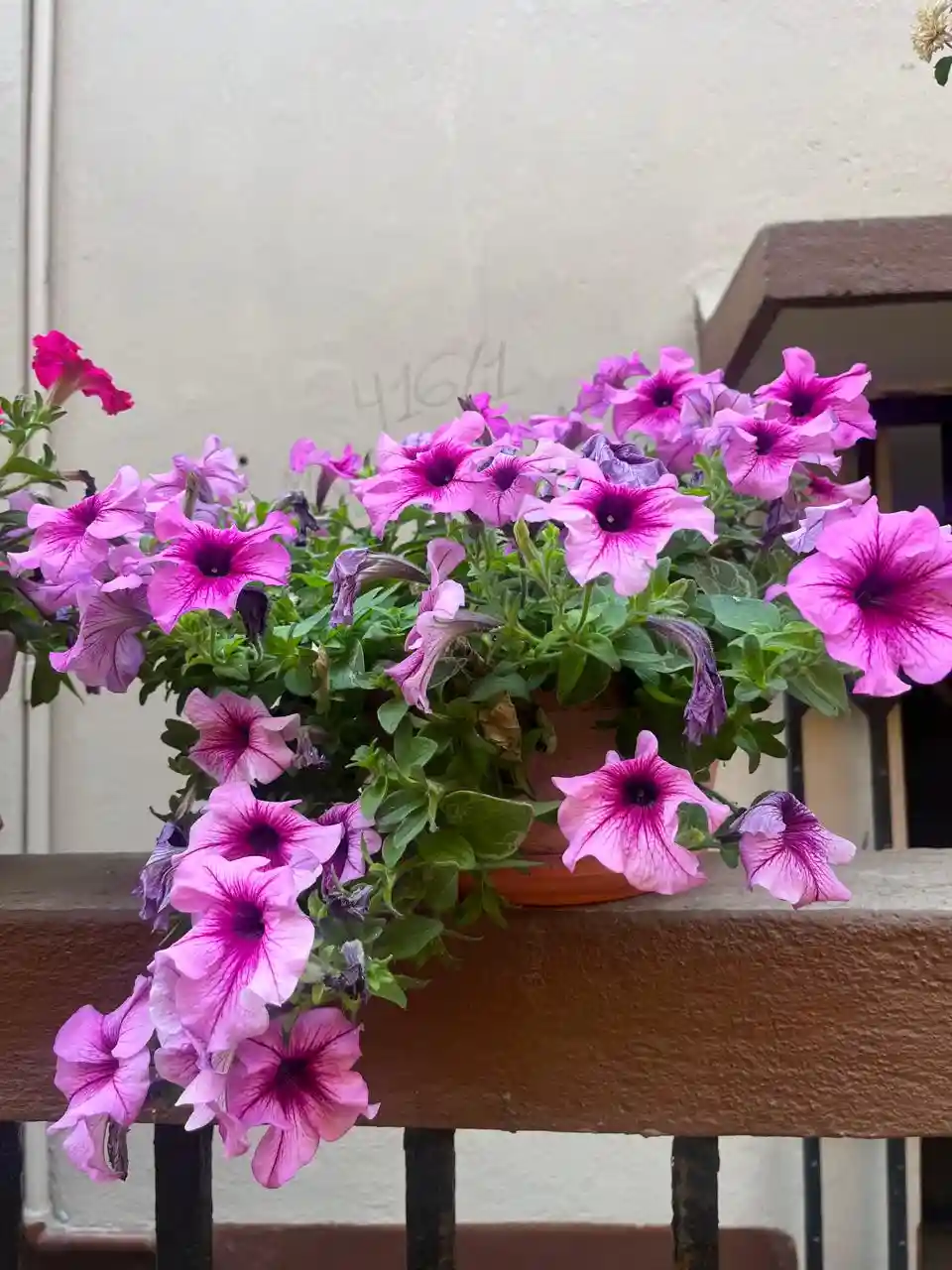
Snapdragons pair nicely with trailing petunias, alyssum, violas, and compact ornamental grasses in large mixed planters.
Snapdragon Care Through the Seasons
Spring
Plant hardened seedlings while temperatures are still mild. Pinch young plants when they have established and begin adding support to taller varieties.
Watch for slugs, snails, and aphids around fresh growth.
Summer
Continue deadheading and water deeply during dry weather.
Snapdragons may slow down or stop blooming during intense heat. Cut tired plants back by about one-third, keep them watered, and wait for cooler weather. Some plants will produce fresh flowers in fall.
Fall
In cooler regions, enjoy late flowers until hard frost ends the season.
In mild climates, fall is a good time to plant new snapdragons for winter and spring color.
Allow a few healthy flower spikes to form seed pods when you want to save seeds.
Winter
Remove dead annual plants after frost. Healthy plant material can go into the compost, but diseased leaves and stems should be discarded.
In mild regions, trim damaged growth and protect surviving plants during unusually cold weather.
Common Snapdragon Problems
| Problem | Likely cause | What to do |
| Few flowers | Too much shade or excess nitrogen | Increase sunlight and reduce feeding |
| Plants become floppy | Weak growth, crowding, or wind | Add support and improve spacing |
| Yellow lower leaves | Wet soil or poor drainage | Reduce watering and improve drainage |
| Brown leaf spots | Fungal disease or wet foliage | Remove affected leaves and water at soil level |
| Orange spots under leaves | Snapdragon rust | Remove infected plants and improve airflow |
| Curled new growth | Aphids | Rinse pests away and check plants regularly |
| Leaves look pale and dusty | Spider mites or mildew | Inspect closely and improve watering and airflow |
| Plants stop blooming in summer | High temperatures | Cut back lightly and wait for cooler weather |
Snapdragon Rust
Rust is one of the more troublesome snapdragon diseases. It may appear as small yellow spots on the upper leaf surface and rusty orange or brown areas underneath.
Remove infected leaves as soon as you notice them. When the disease is widespread, removing the whole plant may be better than allowing spores to spread through the bed.
Avoid planting snapdragons in the same small area every year when rust has been a repeated problem.
Aphids
Aphids gather around tender shoots and flower buds. They may cause curled leaves, sticky residue, and distorted new growth.
A firm stream of water can remove a small infestation. Check plants every few days because aphids reproduce quickly.
Spider Mites
Spider mites are more common during hot, dry weather. Leaves may look speckled, faded, or dusty, and fine webbing may appear between stems.
Water stressed plants properly and rinse the undersides of leaves. Keeping plants healthy makes serious damage less likely.
Slugs and Snails
Slugs and snails may chew young leaves and tender seedlings.
Check plants after dark, remove damp hiding places near the bed, and keep thick mulch away from small seedlings.
Why Are My Snapdragons Not Blooming?
Hot weather is a common reason snapdragons stop producing flowers. These are cool-season plants, and flowering often slows when daytime temperatures remain high.
Too little sunlight can also reduce flowering. Plants may survive in partial shade but produce fewer and weaker spikes.
Excess fertilizer, especially nitrogen-heavy lawn fertilizer, creates leafy growth at the expense of flowers.
Finally, leaving old flower spikes in place encourages seed production. Cut them back regularly to keep the plant focused on new buds.
How to Save Snapdragon Seeds
Leave several healthy flower spikes on the plant near the end of the season.
After the petals fall, rounded seed pods will develop along the stem. Allow the pods to dry and turn brown before collecting them.
Cut the stem and place it inside a paper bag. The tiny seeds may spill easily once the dry pods open.
Store fully dry seeds in a labeled paper envelope somewhere cool and away from moisture.
Seeds collected from hybrid snapdragons may produce flowers that look different from the parent plant. This can still be fun when you enjoy unexpected colors.
Best Companion Plants for Snapdragons
Snapdragons look especially good when paired with flowers that fill the lower part of the bed.
Petunias
Petunias spread around the base of upright snapdragons and help cover bare soil. Choose colors that either match or contrast with the flower spikes.
Read our guide on how to grow petunias for more planting and care advice.
Marigolds
Marigolds bring rounded flower shapes and warm colors to the front of a snapdragon bed. They work best where both plants receive plenty of sunlight.
See our complete marigold growing guide.
Zinnias
Zinnias bloom during warmer weather and can continue adding color as spring-planted snapdragons slow down.
Use our guide to growing zinnias when planning a long-flowering cutting garden.
Violas and Pansies
These cool-season flowers share similar temperature preferences with snapdragons. Their low growth fills spaces between taller stems.
Sweet Alyssum
Sweet alyssum forms a soft carpet around snapdragons and works well along paths, border edges, and container rims.
Frequently Asked Questions
Do snapdragons come back every year?
Snapdragons are usually grown as annuals in cold climates. They may survive as short-lived perennials in warmer regions or return through self-sown seedlings.
Do snapdragons need full sun?
They bloom best with at least six hours of sunlight. Light afternoon shade can help in areas with hot spring or summer weather.
Should snapdragons be deadheaded?
Yes. Removing faded flower spikes prevents early seed production and encourages the plant to form more blooms.
Can snapdragons grow in pots?
Snapdragons grow well in containers with drainage holes. Dwarf, compact, and trailing varieties are the easiest choices for pots and hanging baskets.
Why are my snapdragons falling over?
Tall stems may lean because of wind, heavy rain, crowding, or excess fertilizer. Add support and avoid high-nitrogen feeds.
Can snapdragons tolerate frost?
Established snapdragons can often tolerate a light frost. Repeated hard freezes may kill the plants, especially when they are young or growing in exposed containers.
How long do snapdragons bloom?
Snapdragons can flower for several weeks during cool weather. Deadheading and cutting back tired stems may bring a second flush in fall.