21 Low Maintenance Annual Flowers
Annual flowers are one of my favorite ways to fill empty garden beds quickly. You can add color to borders, pots, pathways, and bare spaces without waiting years for plants to mature.
The trick is choosing varieties that do not need constant trimming, feeding, staking, or watering.
These low-maintenance annual flowers are good choices for beginners and busy gardeners. Some are true annuals, while others are tender perennials commonly treated as annuals in colder climates. Many will keep flowering for months once they settle into the right spot.
1. Zinnias
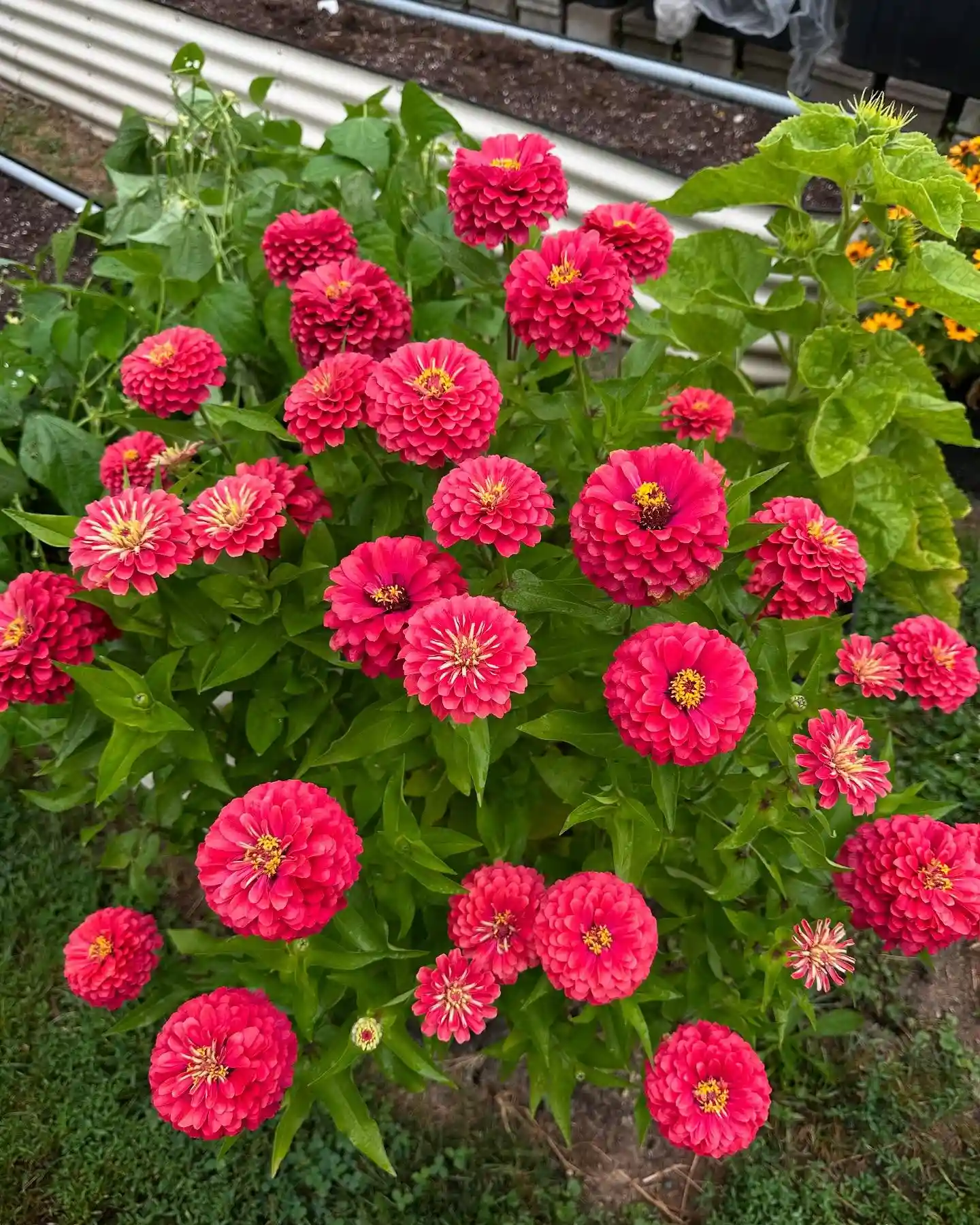
Zinnias are hard to beat when I want a lot of flowers without creating extra garden work. They grow quickly, love warm weather, and come in almost every bright color you could want. Give them plenty of sunlight and enough space for air to move between the plants.
- Light: Full sun
- Water: Water deeply when the top soil begins drying
- Best spot: Sunny borders, cutting gardens, and raised beds
- Easy-care tip: Water near the soil instead of soaking the leaves
- Why grow them: They flower heavily through the warm season and attract butterflies
2. Marigolds
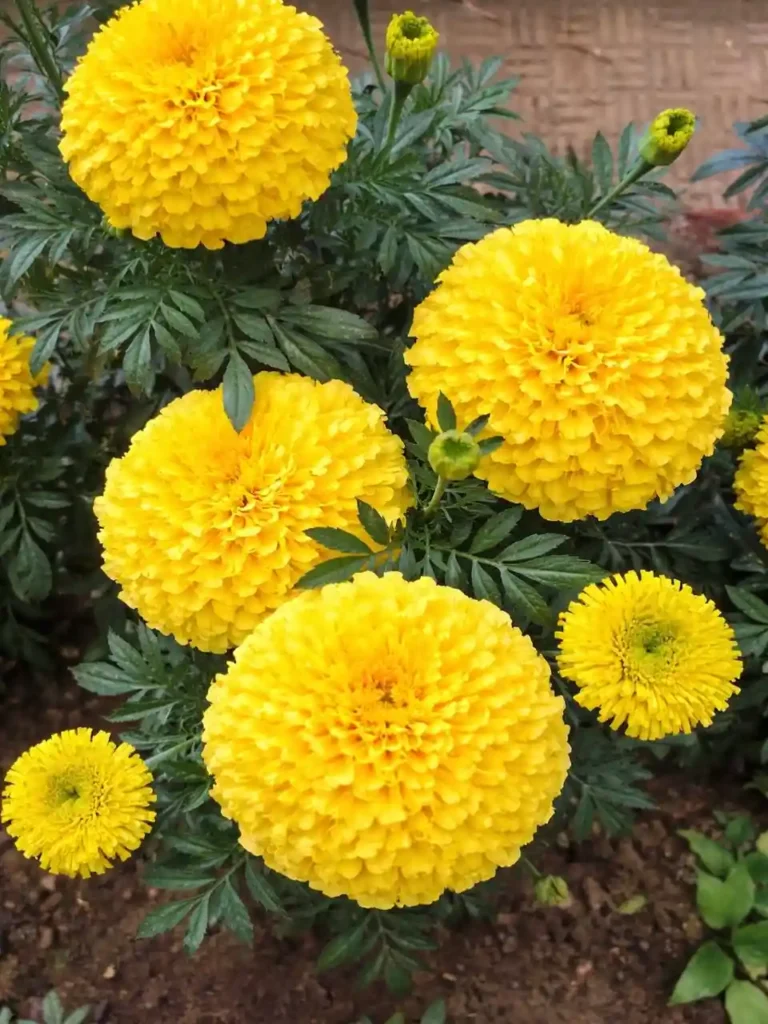
Marigolds are one of the easiest annual flowers I recommend to new gardeners. Once planted in a sunny place, they grow quickly and produce warm yellow, orange, red, and gold flowers. They also fit easily between vegetables or around the front of a flower bed.
- Light: Full sun
- Water: Let the soil dry slightly between waterings
- Best spot: Borders, vegetable gardens, and containers
- Easy-care tip: Remove faded blooms occasionally for a tidier plant
- Why grow them: Fast growth and a long flowering season make them very forgiving
3. Cosmos
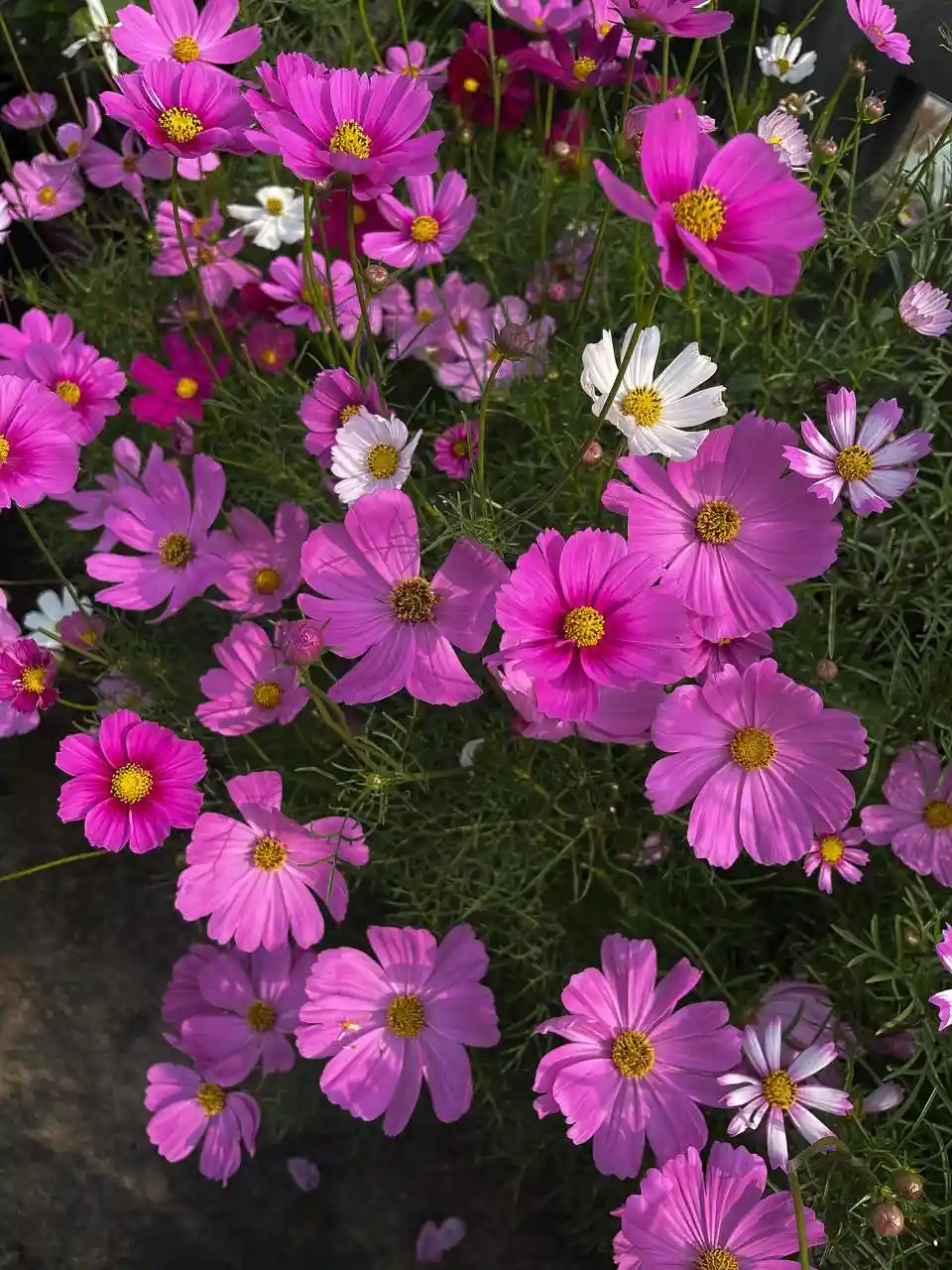
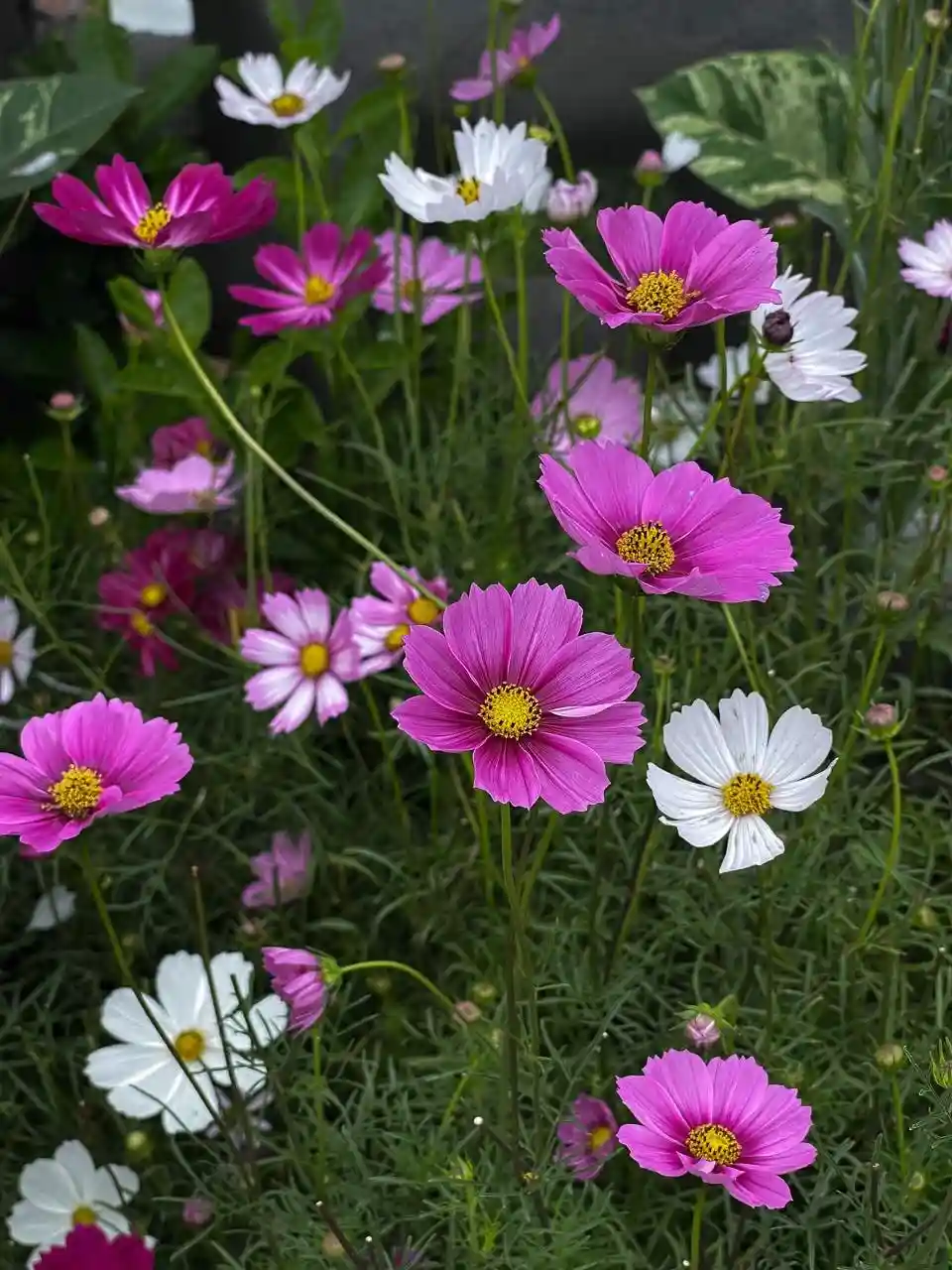
Cosmos actually look better when you do not fuss over them too much. Their airy stems and daisy-like flowers give beds a loose cottage-garden feel, yet they grow happily in fairly lean soil.
Too much fertilizer can give you lots of leaves with fewer flowers, so I usually leave established cosmos alone.
- Light: Full sun
- Water: Moderate while young, less often once established
- Best spot: Cottage gardens and the middle or back of borders
- Easy-care tip: Skip heavy feeding
- Why grow them: They can flower for months and may reseed naturally in suitable gardens
Related articles: 21 Low Maintenance Perennials That Come Back Every Year
4. Globe Amaranth
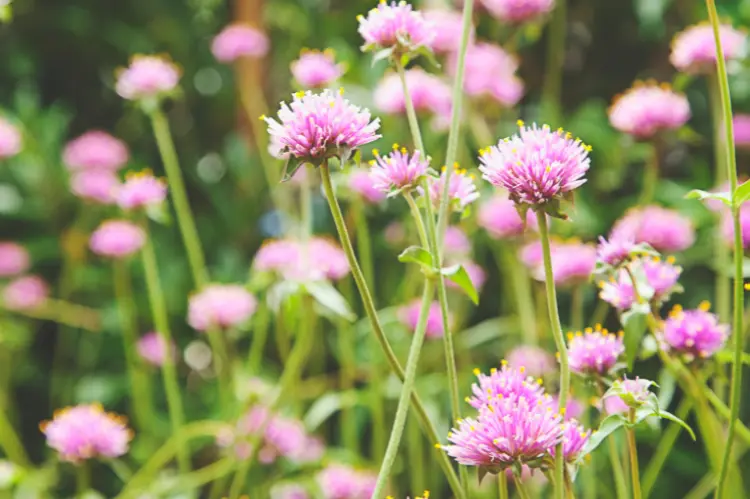
Globe amaranth has little rounded flower heads that look almost papery. I like it in hot garden areas where softer annuals start looking tired during summer.
Once established, it handles heat and short dry periods well, and the flowers keep their shape beautifully even as they age.
- Light: Full sun
- Water: Moderate at first, then fairly drought tolerant
- Best spot: Hot borders, containers, and cutting gardens
- Easy-care tip: Good drainage matters more than frequent watering
- Why grow it: Flowers last well both in the garden and after cutting
5. Moss Rose
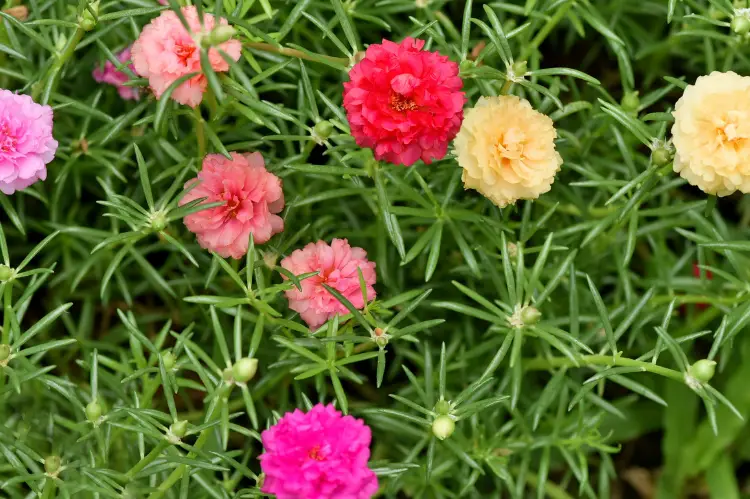
Moss rose, or portulaca, is one of my first picks for spots that become hot and dry by afternoon. Its fleshy leaves store moisture, while bright rose-like blooms spread across low plants.
This is especially useful where regular watering would be difficult, such as sunny edging or containers.
- Light: Strong full sun
- Water: Low once established
- Best spot: Rock gardens, border edges, pots, and dry slopes
- Easy-care tip: Never leave the roots sitting in soggy soil
- Why grow it: Heat and dry soil usually bother it far less than overwatering
6. Annual Vinca
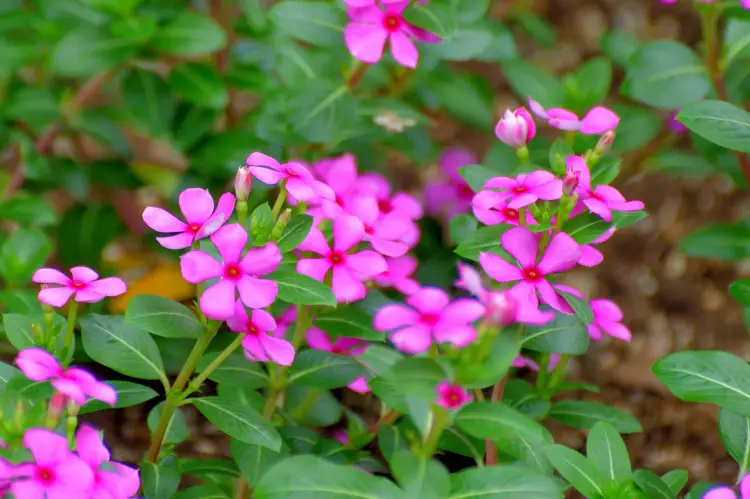
Annual vinca is a reliable choice for gardens with hot summers. Its neat green foliage stays attractive while simple pink, white, lavender, or red flowers keep appearing above it.
I like using vinca where I want a clean planting that does not need regular deadheading or shaping.
- Light: Full sun to light partial shade
- Water: Moderate until established, then let the surface dry
- Best spot: Hot beds, edging, and containers
- Easy-care tip: Avoid constantly wet soil
- Why grow it: It handles summer heat better than many soft annual flowers
Related: 21 Annual Flowers for Full Sun
7. Lantana
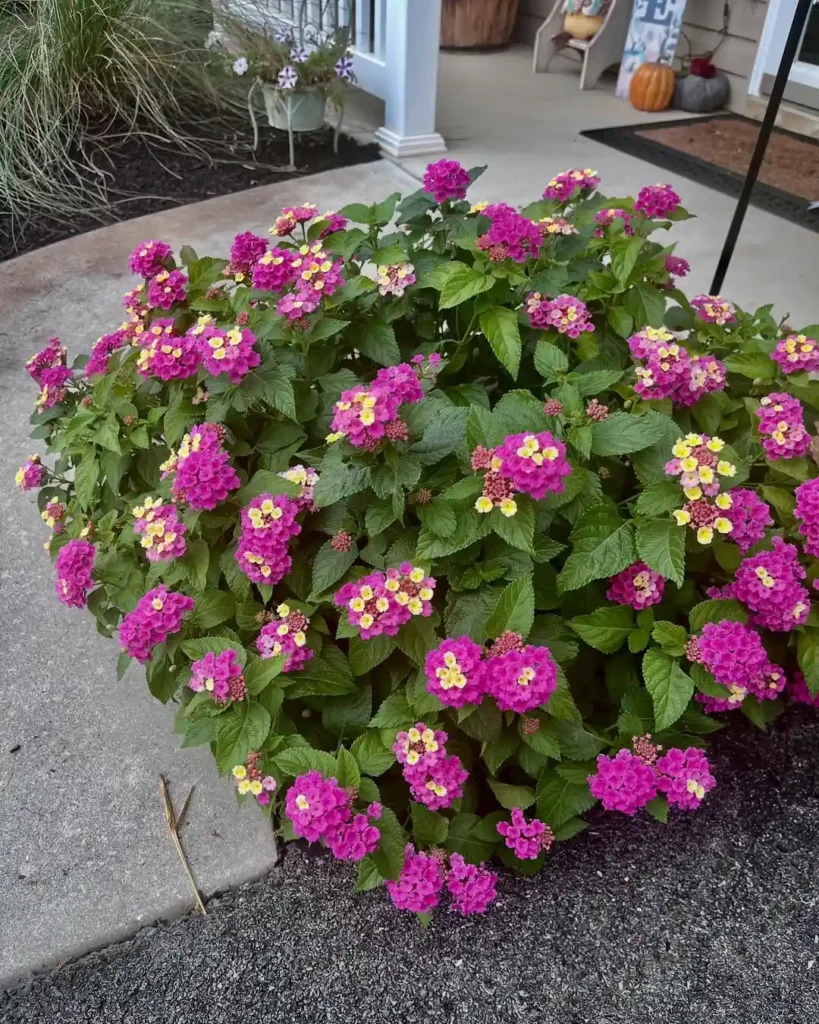
Few plants look happier during hot weather than lantana. Clusters of tiny flowers appear in bright mixes of yellow, pink, orange, red, purple, and cream.
Lantana is often grown as an annual in colder regions, where it makes a tough summer container or border plant. Illinois Extension notes its good performance in heat and humidity.
- Light: Full sun
- Water: Let established plants dry slightly between waterings
- Best spot: Sunny containers and hot borders
- Easy-care tip: Trim only if plants become larger than you want
- Why grow it: Butterflies frequently visit the clustered blooms
8. Angelonia
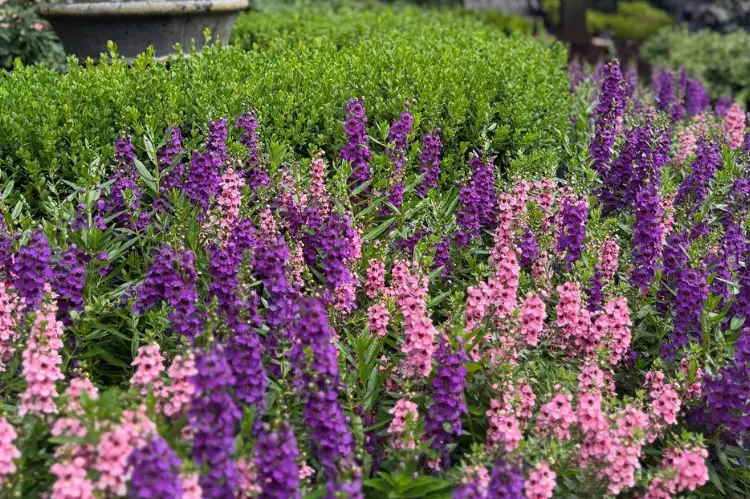
Angelonia gives you the upright flower shape of snapdragons without demanding cool weather. I especially like it for adding height between low mounding annuals.
The plants tolerate summer heat and humidity well, and one of their best low-care traits is that they normally do not need deadheading.
- Light: Full sun
- Water: Regular at first, moderate after establishment
- Best spot: Borders, mixed pots, and mass plantings
- Easy-care tip: Give it well-drained soil
- Why grow it: Upright flower spikes keep beds looking structured without staking
9. Celosia
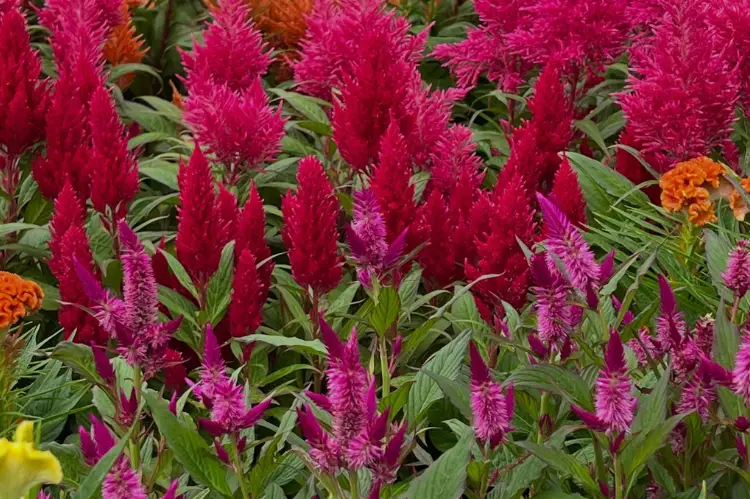
Celosia brings unusual texture into an annual garden. Depending on the type, its flowers can look like colorful plumes, flames, or soft folded crests.
I find it especially useful when a flower bed has plenty of daisy-shaped blooms and needs something different without adding another difficult plant.
- Light: Full sun
- Water: Moderate
- Best spot: Sunny beds and containers
- Easy-care tip: Plant only after cold weather has passed
- Why grow it: Strong flower shapes remain decorative for a long time
10. Gazania
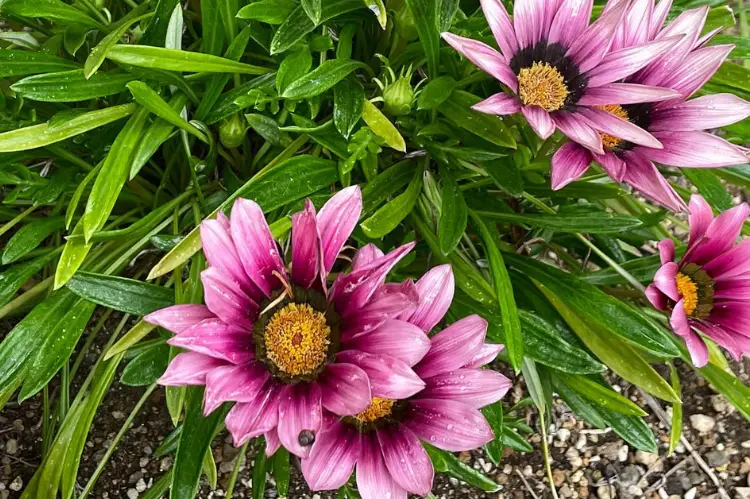
Gazania is made for bright, exposed spots. Its bold daisy-like blooms sit above compact plants, making it easy to tuck along pathways or at the front of sunny beds.
It prefers good drainage and can cope with dry conditions once settled. The flowers often close at night or during dull weather.
- Light: Full sun
- Water: Low to moderate
- Best spot: Dry borders, slopes, pots, and rock gardens
- Easy-care tip: Allow soil to dry between waterings
- Why grow it: Excellent choice for hot areas where thirsty annuals struggle
11. California Poppy
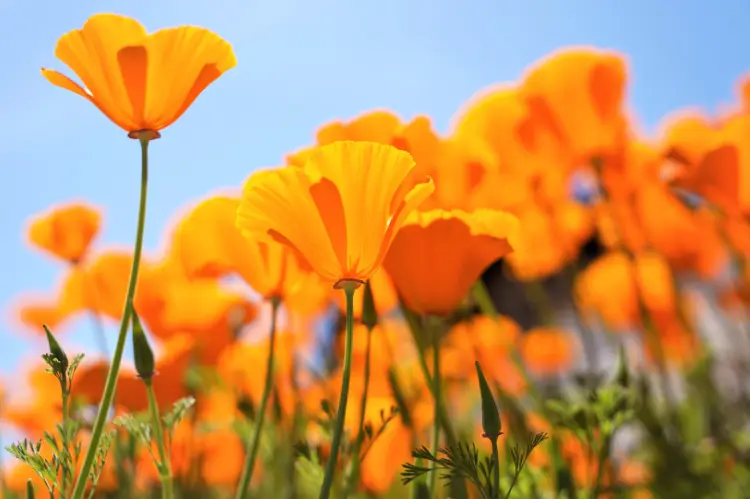
California poppies can turn a simple sunny patch into a loose field of orange, yellow, cream, or pink flowers. They prefer conditions that are almost the opposite of needy bedding plants.
Give them sunlight, drainage, and fairly lean soil, and avoid disturbing their roots once they begin growing.
- Light: Full sun
- Water: Low once established
- Best spot: Informal borders, gravel gardens, and wildflower-style beds
- Easy-care tip: Direct sowing is usually easier than transplanting
- Why grow it: Happy plants may drop seed and return without much help
12. Nasturtiums
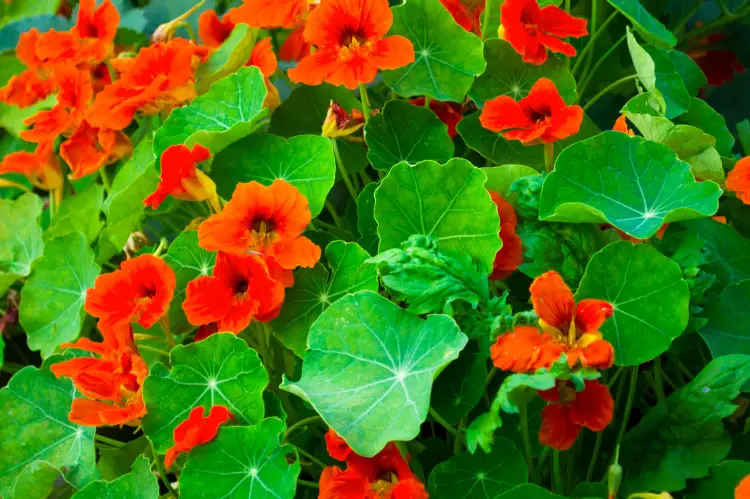
Nasturtiums give garden beds a softer, slightly wild look with round leaves and trumpet-shaped flowers.
One mistake I often see is giving them rich soil and lots of fertilizer. That usually encourages leafy growth. A sunny spot and fairly ordinary soil are often all they need.
- Light: Full sun to light partial shade
- Water: Moderate
- Best spot: Bed edges, containers, and spilling over low walls
- Easy-care tip: Keep fertilizer light
- Why grow them: Trailing and compact varieties make them useful in many small spaces
13. Sweet Alyssum
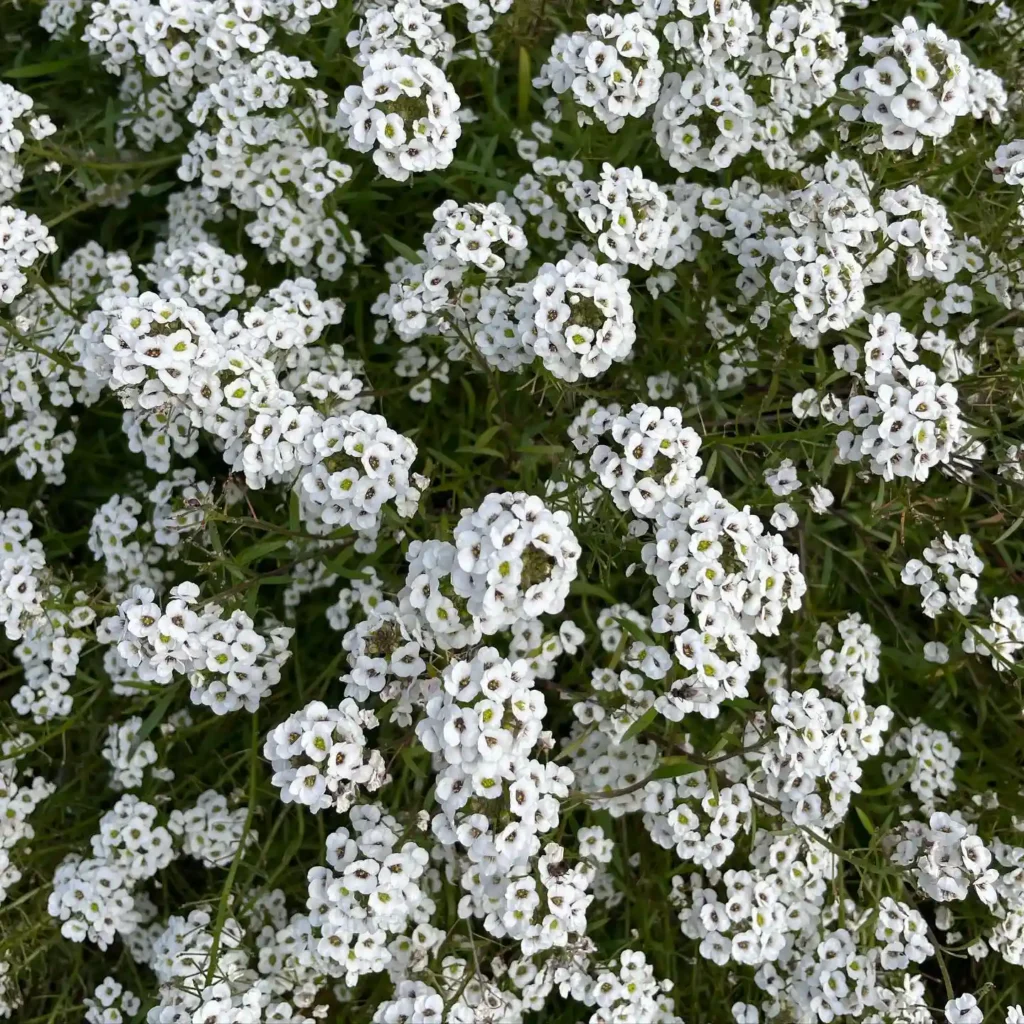
Sweet alyssum creates a low carpet of tiny flowers rather than large individual blooms. I often use it to soften the edge of a container or fill small gaps between taller plants.
It enjoys cooler conditions and can grow in partial shade, making it useful where heat-loving annuals are not the best choice.
- Light: Sun to partial shade
- Water: Moderate and fairly consistent
- Best spot: Edging, containers, paths, and small gaps
- Easy-care tip: Lightly trim tired growth to encourage a fresh flush
- Why grow it: Its spreading habit quickly covers bare soil
14. Wax Begonias
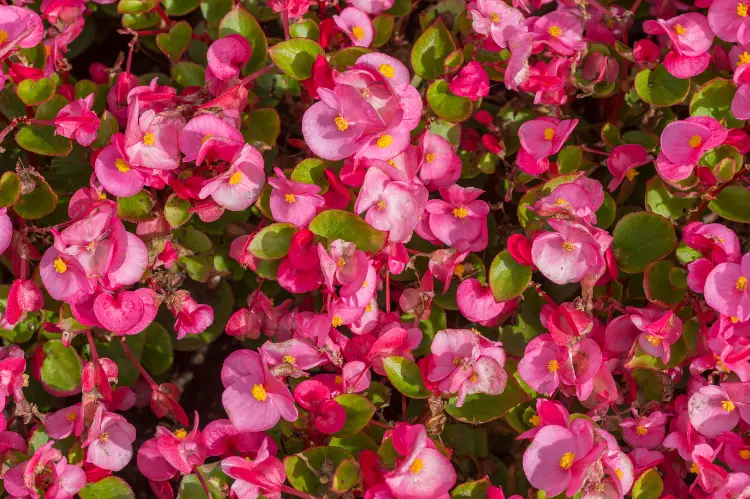
Wax begonias are dependable when I need neat flowers in a spot that does not receive blazing sun all day. Their rounded plants carry clusters of white, pink, or red flowers above glossy green or bronze foliage.
They require little shaping and stay compact enough for small beds.
- Light: Morning sun, filtered sun, or partial shade
- Water: Moderate
- Best spot: Shaded borders, porch pots, and entry beds
- Easy-care tip: Avoid keeping the soil constantly soaked
- Why grow them: Both foliage and flowers contribute color
15. Torenia

A shady garden does not have to rely only on foliage. Torenia, often called wishbone flower, produces small snapdragon-like blooms in purple, blue, pink, and white.
Its compact shape works particularly well in containers and along shaded edges, where many sun-loving annuals would produce fewer flowers.
- Light: Partial shade to shade
- Water: Keep reasonably moist
- Best spot: Shaded containers, window boxes, and borders
- Easy-care tip: Mulch around plants to slow moisture loss
- Why grow it: A useful flowering choice for areas with limited direct sun
16. Annual Salvia

Annual salvias add narrow spikes of color rather than wide rounded flowers. I like mixing them with marigolds, zinnias, and other mounding plants because the upright shape makes a border feel less flat.
Once warm weather arrives, most bedding salvias are fairly straightforward plants.
- Light: Full sun, with some types tolerating partial shade
- Water: Moderate
- Best spot: Borders, pollinator gardens, and containers
- Easy-care tip: Choose modern compact varieties if you want less trimming
- Why grow them: The upright blooms are useful for adding height and contrast
17. Ageratum
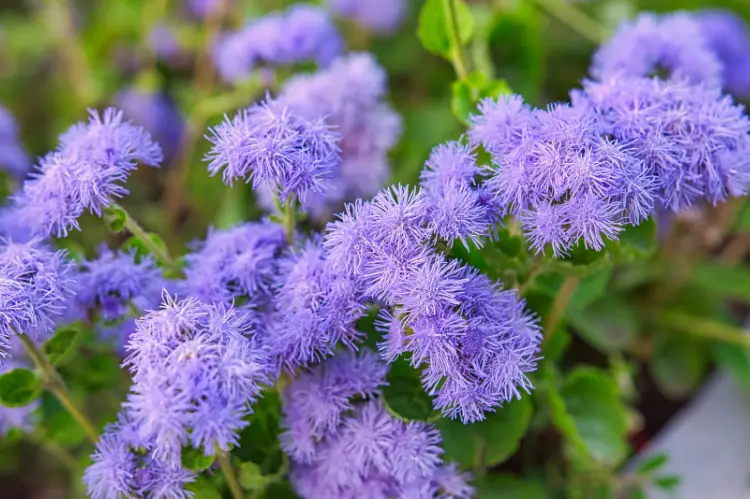
Ageratum produces soft clusters of blue, lavender, pink, or white flowers on compact plants. Blue annual flowers can be surprisingly hard to find, which is one reason I like adding ageratum to mixed borders.
Short varieties stay neat around the front of beds without much shaping.
- Light: Full sun to partial shade
- Water: Moderate
- Best spot: Border fronts and mixed containers
- Easy-care tip: Space plants so air can move between them
- Why grow it: Cool flower colors pair easily with yellow, orange, and pink annuals
18. Mexican Sunflower
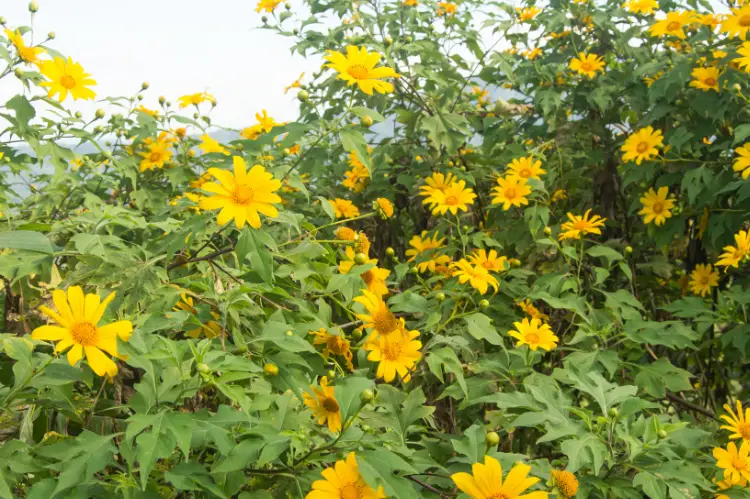
Mexican sunflower is the one I would choose when a large sunny bed needs height without a complicated planting plan. It grows much taller than typical bedding annuals and produces vivid orange, daisy-like blooms.
Give it room rather than squeezing it between small plants.
- Light: Full sun
- Water: Moderate while young, lower once established
- Best spot: Back of borders and large sunny gardens
- Easy-care tip: Avoid rich fertilizer that can create excessive soft growth
- Why grow it: One plant can fill a surprising amount of vertical space
19. Cleome
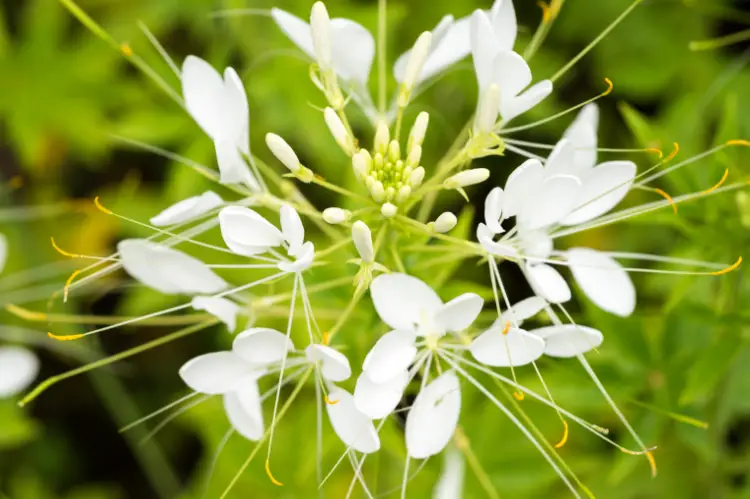
Cleome has an airy look that works beautifully behind shorter annuals. Long stems carry unusual clusters of pink, white, or purple flowers, giving a border height without making it feel heavy.
Some types can reseed, so I would choose its location carefully if you prefer a very controlled garden.
- Light: Full sun
- Water: Moderate
- Best spot: Middle and back of flower borders
- Easy-care tip: Leave enough space around each plant
- Why grow it: Its tall shape can reduce the number of plants needed in a large bed
20. Melampodium
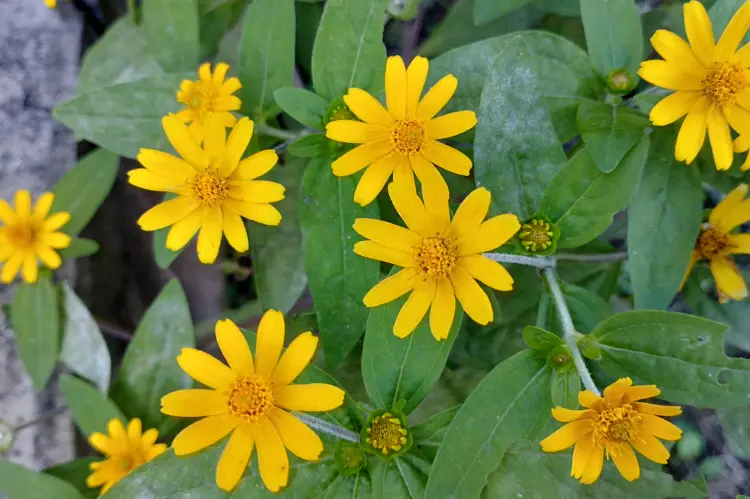
Melampodium, sometimes called butter daisy, deserves more attention in easy summer gardens. Small yellow flowers cover rounded green plants and continue appearing without requiring constant deadheading.
I like it near the front of sunny beds where its compact growth can fill gaps between larger flowers.
- Light: Full sun
- Water: Moderate
- Best spot: Border fronts, mass plantings, and containers
- Easy-care tip: Give plants enough space to form their natural rounded shape
- Why grow it: Naturally tidy growth means less cutting and shaping
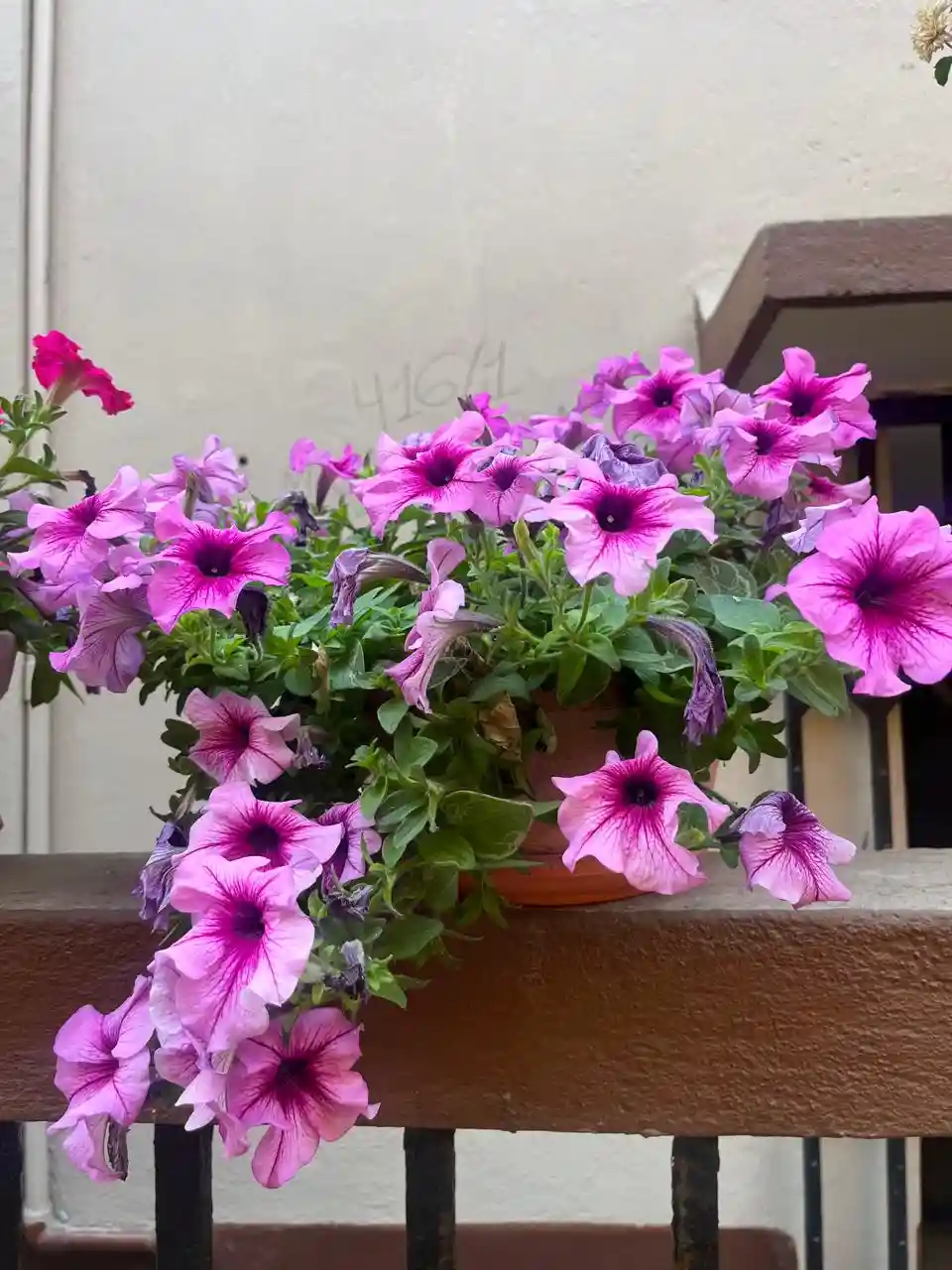
21. Petunias
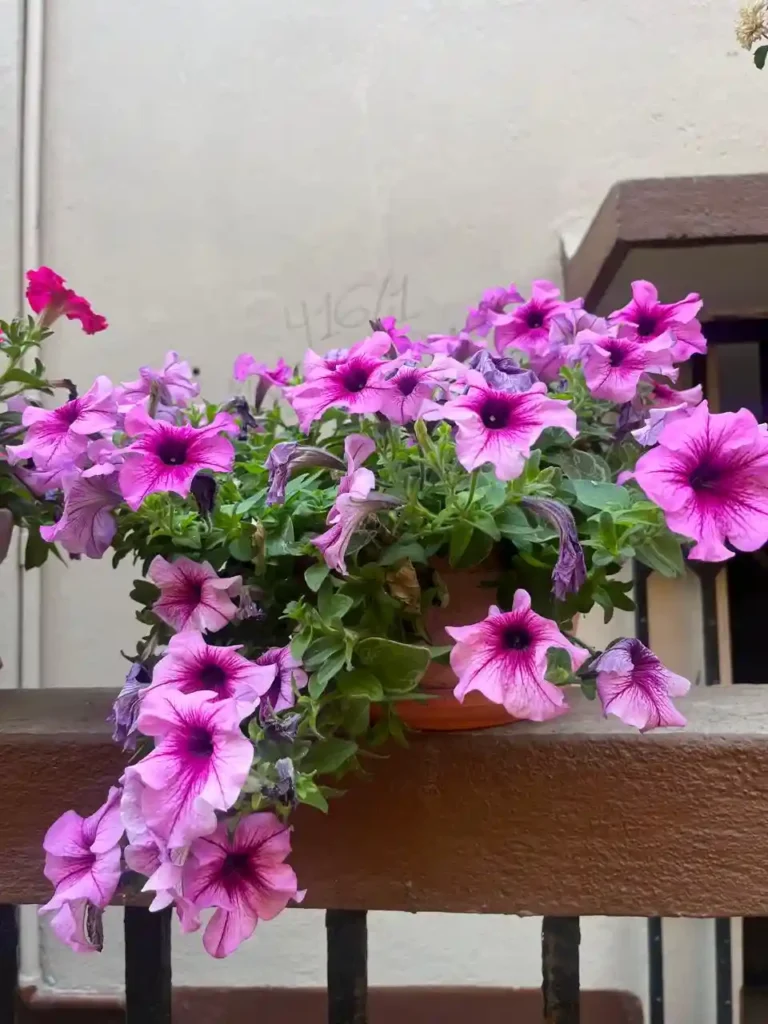
Traditional petunias can become messy, but newer self-cleaning and spreading types make them much easier to use. They are especially good when you want flowers spilling from pots, baskets, or the front edge of a bed.
I would choose varieties labeled as self-cleaning if reducing deadheading is your main goal.
- Light: Full sun
- Water: Regular, especially in containers
- Best spot: Hanging baskets, window boxes, pots, and border edges
- Easy-care tip: Container plants still need feeding during the growing season
- Why grow them: Few annuals provide the same range of colors and trailing forms
Which Low-Maintenance Annual Flowers Are Easiest?
If I were starting a flower garden from scratch, I would begin with zinnias, marigolds, cosmos, globe amaranth, and moss rose.
They handle sunny conditions well and do not need complicated care routines. Marigolds and zinnias are also well known for being easy for beginning gardeners to grow.
For hot and dry areas, try moss rose, gazania, lantana, globe amaranth, or annual vinca.
For areas receiving less direct sunlight, wax begonias, torenia, sweet alyssum, and ageratum give you more options than trying to force sun-loving flowers into the wrong location.
How to Make Annual Flowers Even Easier to Maintain
Low-maintenance does not mean no maintenance. Most problems start because the flower is planted in the wrong place rather than because the gardener forgot some special trick.
A few simple habits can cut down your workload:
- Match flowers to sunlight. Full-sun annuals usually become weak and flower poorly in deep shade.
- Group plants with similar watering needs. Do not place drought-tolerant moss rose beside plants that need consistently moist soil.
- Mulch garden beds. A thin layer helps reduce weeds and slows water loss.
- Leave enough space. Crowded flowers stay damp longer and receive less airflow.
- Use larger containers. Small pots dry much faster during hot weather.
- Choose self-cleaning varieties. They save a lot of deadheading during summer.
- Avoid overfeeding. Some annuals produce more leaves and fewer flowers when given too much fertilizer.
FAQs
What is the easiest annual flower to grow?
Zinnias and marigolds are two of the easiest choices for beginners. Both grow quickly in sunny locations and can produce flowers through much of the warm season.
Which annual flowers need the least watering?
Moss rose, gazania, globe amaranth, lantana, and established cosmos are some better choices for gardens that dry quickly. New plants still need regular watering while their roots become established.
What annual flowers do not need deadheading?
Angelonia, globe amaranth, melampodium, many annual vincas, and newer self-cleaning petunias can flower well with little or no regular deadheading. The exact care can vary by variety.
What annual flowers are good for full sun?
Zinnias, marigolds, cosmos, celosia, globe amaranth, moss rose, gazania, lantana, and Mexican sunflower all work well in sunny garden areas.
Are there low-maintenance annual flowers for shade?
Yes. Wax begonias and torenia are two of my favorite easy options for partial shade. Sweet alyssum can also handle some shade, especially where summers become hot. Illinois Extension lists torenia and sweet alyssum among useful annuals for shadier conditions.
Do annual flowers come back every year?
True annuals complete their life cycle in one growing season. Some drop enough seed to produce new seedlings the next year, so plants such as cosmos and cleome can sometimes appear to return on their own.