15 Reasons Your House Plant Isn’t Growing
You keep checking for a new leaf, yet your houseplant looks exactly the same week after week. It isn’t dying, but it isn’t doing much else.
When a houseplant isn’t growing, the cause is often something easy to miss, such as weak light, crowded roots, poor soil, or a natural seasonal pause. These 15 common reasons will help you find what is holding your plant back and choose a fix that matches the real problem.
1. Your Houseplant Is Not Getting Enough Light
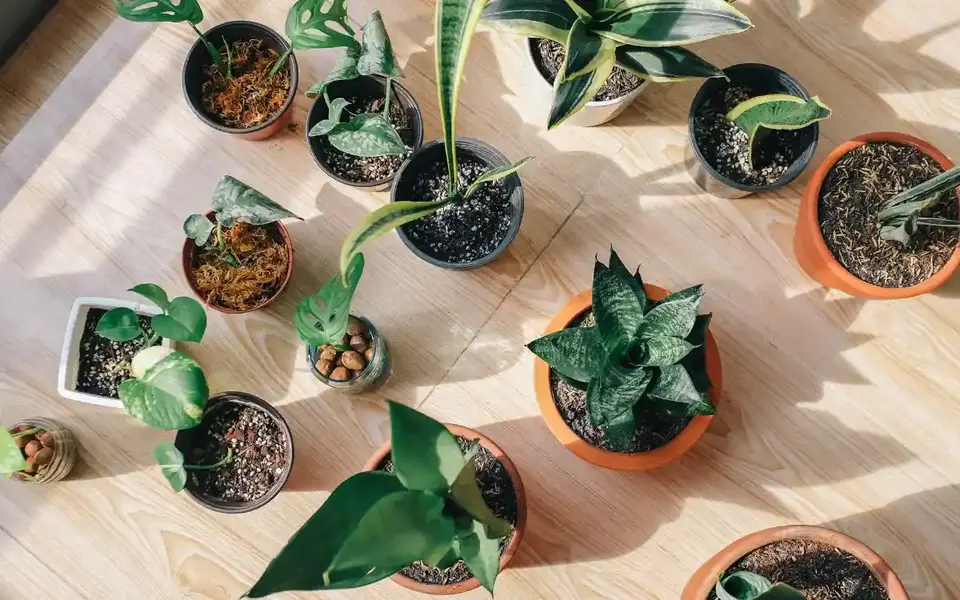
A plant can stay green in low light without producing much new growth. Common clues include smaller leaves, long gaps between leaves, stems leaning toward a window, and variegated patterns turning greener. Flowering plants may stop producing buds as well.
The light that feels bright to us may still be weak by the time it reaches a shelf across the room. Wisconsin Horticulture lists faded leaves and stunted growth among the common results of insufficient light.
How to fix it: Move the plant closer to a suitable window or add a grow light. Increase the light gradually so leaves that formed in shade do not scorch.
2. The Light Is Too Strong
More light does not always mean faster growth. Many popular houseplants naturally grow beneath taller plants, where the light is bright but filtered. Strong afternoon sun can leave pale patches, dry brown areas, curled edges, or leaves that look washed out.
A plant dealing with heat and leaf damage may pause growth while it tries to hold on to its existing foliage. The pot can also dry much faster beside hot glass.
How to fix it: Move the pot back from the window or hang a sheer curtain. Keep bright light, but protect shade-loving plants from several hours of direct midday or afternoon sun.
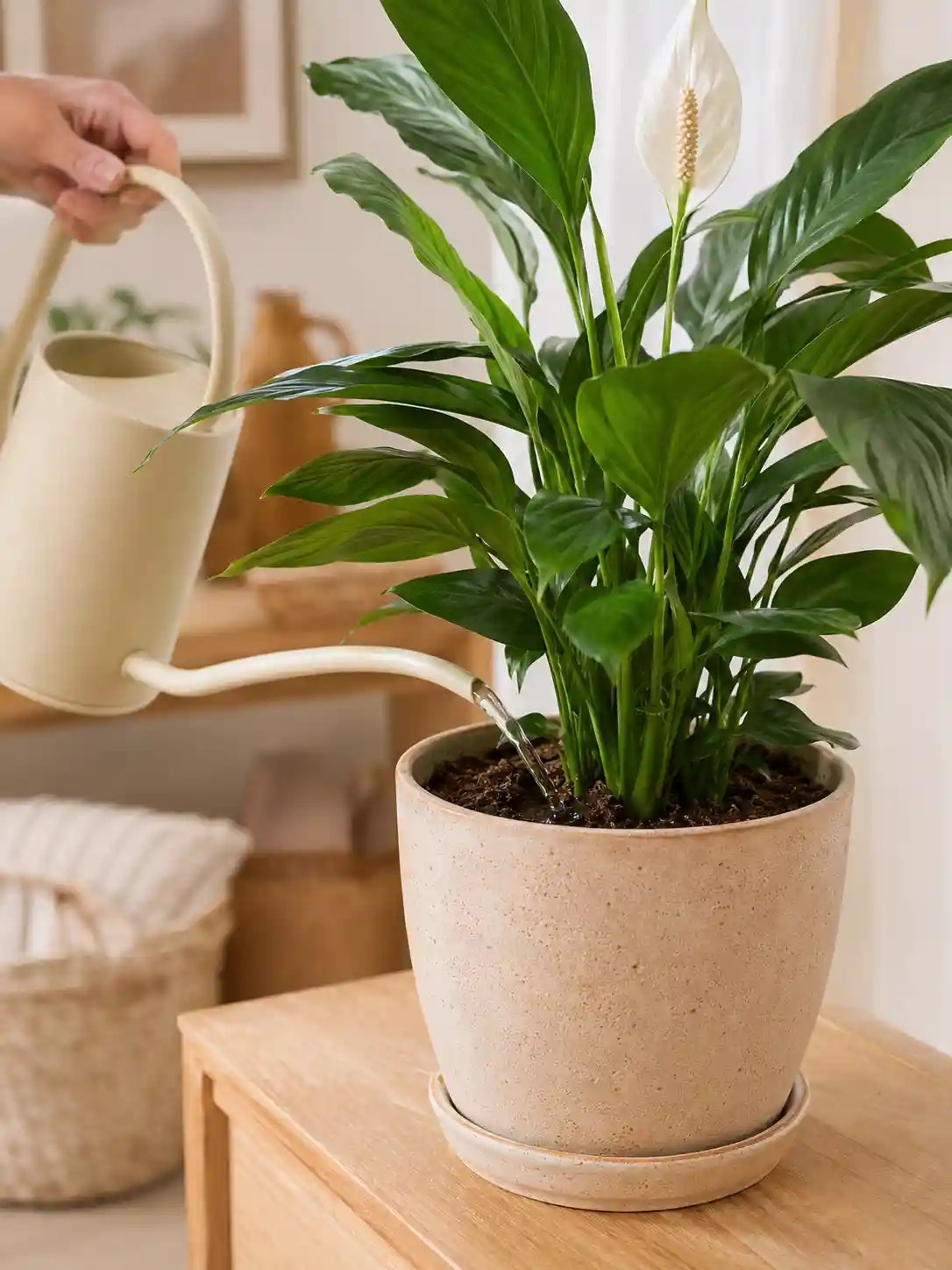
3. You Are Watering Too Often
Roots need air as well as moisture. When potting mix stays wet for too long, the air spaces fill with water and roots begin to struggle. New growth may stop before the plant shows dramatic signs of trouble.
Look for wet soil, yellow lower leaves, a musty smell, soft stems, or a plant that wilts even though the soil is damp. These can point to damaged roots. Wisconsin Horticulture’s root rot advice notes that affected plants are often stunted and may have soft, brown roots.
How to fix it: Let the mix dry to the level your plant prefers before watering again. If roots are black or mushy, remove the damaged parts and repot the healthy plant in fresh mix.Learn more about water Guide.
4. The Plant Is Not Getting Enough Water
A houseplant that repeatedly becomes very dry may survive without having enough water to build new leaves and roots. Its leaves may fold, droop, develop crisp edges, or feel thinner than normal. Growth often remains small even after the plant perks up following a drink.
Sometimes the problem is not how often you water, but how you do it. A small splash only wets the top layer, while water may run around a dry, shrunken root ball without soaking it.
How to fix it: Water slowly until the whole root ball is moist and excess runs from the drainage hole. If the mix repels water, soak the pot briefly, drain it fully, and check the soil more regularly.
5. The Pot Has Poor Drainage
Even careful watering cannot work well when excess water has nowhere to go. A pot without a hole, a blocked opening, or water left inside a decorative cover pot keeps the root zone wet long after the surface appears dry.
Wisconsin Horticulture advises against adding rocks or gravel beneath the soil because they can hinder drainage rather than improve it.
How to fix it: Keep the plant in a container with an open drainage hole. A nursery pot placed inside a decorative pot works well, as long as you remove it for watering and empty any collected water before putting it back.
6. The Pot Is Too Large
An oversized pot surrounds a small root system with more wet soil than it can use. The center of that soil may remain damp for days after the surface dries, raising the risk of slow growth and root damage.
This often happens when a small plant is moved straight into a large decorative planter. It may look balanced above the soil, but the root ball is still tiny below it. Iowa State University Extension notes that an overly large container can keep the root ball wet because the greater soil volume dries slowly.
How to fix it: Use a pot only 1 to 2 inches wider than the root ball. If the current mix stays wet for a long time, move the plant into a smaller container with drainage.
7. The Roots Have Filled the Pot
A root-bound plant has little room left for fresh root growth. Water may rush straight through the pot, the soil may dry unusually fast, and roots may circle the inside or push through the drainage holes. New leaves can become smaller as the plant runs short of usable water and nutrients.
Some plants tolerate a snug pot, so visible roots alone do not always mean an emergency. Look for crowded roots together with stalled growth or difficult watering.
How to fix it: Move the plant into a pot one size larger and loosen tightly circling outer roots. If the plant has several crowns or clumps, division may be a better choice than using a much larger pot.
8. The Potting Mix Is Old or Compacted
Potting mix changes as it ages. Fine particles settle, organic materials break down, and the spaces that once held air become smaller. The soil may drain slowly, stay wet in the center, or pull away from the pot and let water escape around its edges.
Old mix can also become difficult to wet evenly. These conditions leave roots with an unreliable mix of water, air, and nutrients, which can stop healthy growth.
How to fix it: Repot with fresh mix suited to the plant. Use a light houseplant blend for most tropical foliage plants and a faster-draining cactus mix for succulents. Avoid heavy garden soil in indoor pots.
9. The Plant Needs Nutrients
Plants use nutrients to make leaves, stems, and roots, but potting mix contains a limited supply. A plant that has been in the same container for a long time may eventually produce pale foliage and smaller new leaves during its normal growing season.
Do not assume every yellow leaf means hunger. Wet roots and weak light can create similar symptoms, and fertilizer will not correct either problem.
How to fix it: Check light, watering, and root health first. If those conditions are suitable, use a balanced houseplant fertilizer at the label rate during active growth. Start with a weaker dose if the plant has not been fed for a long time.
10. Too Much Fertilizer Has Damaged the Roots
Extra fertilizer does not force a plant to grow faster. Unused mineral salts collect in the potting mix and can damage fine roots, making it harder for the plant to absorb water. Warning signs include brown tips, white crust on the soil or pot, wilting, and stalled growth.
Feeding every time you water can cause trouble unless the product and plant care instructions call for that routine. Fertilizing a dormant or unhealthy plant adds more stress.
How to fix it: Pause feeding and flush the soil thoroughly with clean water, allowing everything to drain. Replace badly crusted soil, and resume fertilizer at a lower rate only after healthy growth returns.
11. The Room Is Too Cold or Drafty
Many common houseplants come from warm climates. Growth can slow sharply beside a cold winter window, under an air-conditioning vent, or near a door that opens frequently. A heater can cause its own trouble by drying the leaves and soil unevenly.
Temperature swings may also cause leaf drop, even when the average room temperature seems comfortable. New leaves are usually the first to react.
How to fix it: Check the temperature around the plant, especially overnight. Move it away from cold glass, exterior doors, radiators, and direct airflow. Aim for a steady temperature within the normal range for that species.
12. The Air Is Too Dry for the Plant
Low humidity does not bother every houseplant, but it can slow plants with thin leaves or tropical origins. New leaves may stick while opening, tear along the edges, or emerge smaller. Brown tips can appear at the same time.
Before blaming humidity, check the soil. Underwatering, excess fertilizer, and root damage can cause similar marks.
How to fix it: Use a room humidifier if the plant needs more moisture in the air. Grouping plants may help a little, but avoid crowding them so tightly that air cannot move between the leaves. Misting provides only a brief change and is not a lasting fix for dry air.
13. Pests Are Feeding on New Growth
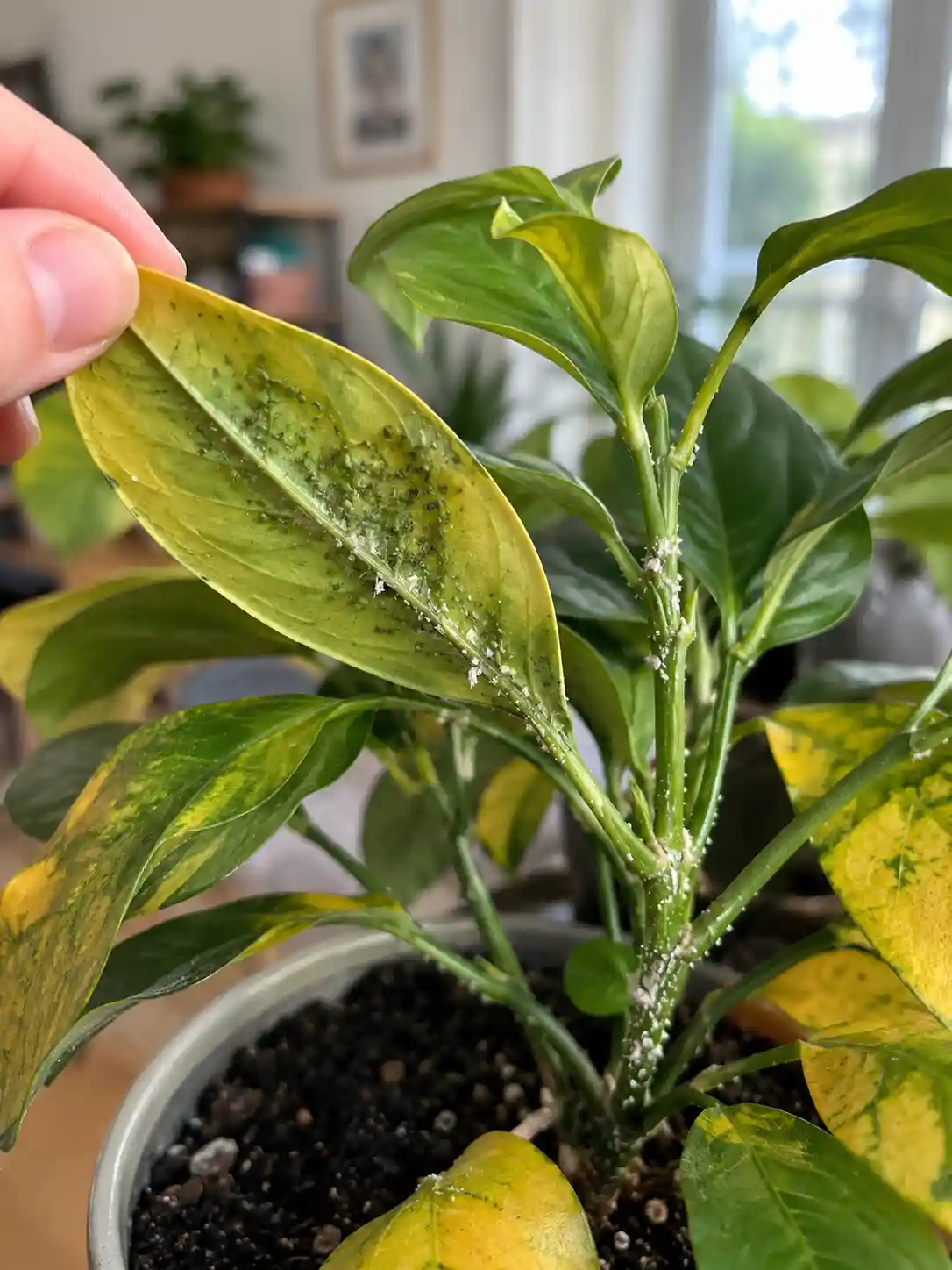
Small pests can slow growth before you notice a large infestation. Mealybugs hide in leaf joints, scale resembles small bumps, and spider mites often leave fine webbing or pale speckles. Iowa State’s houseplant pest guide explains where these pests hide and the damage they leave behind.
Check the undersides of leaves, stems, and growing points with a bright light. Sticky residue, cotton-like clusters, moving specks, or repeated damage on fresh leaves deserve a closer look.
How to fix it: Isolate the plant, rinse the foliage, and remove visible pests. Use a treatment labeled for that pest and plant, following the directions exactly. Recheck weekly because one treatment may not reach hidden insects or eggs.
14. The Plant Is Recovering From a Change
A newly purchased, moved, divided, or repotted plant may stop growing while it adjusts. Its roots need time to settle into new soil, and a change in light can alter how much water the plant uses. Some sensitive plants may drop a few leaves during this period.
Repeatedly moving or repotting it can restart the stress each time. A plant with firm stems, healthy roots, and stable leaves may simply need patience.
How to fix it: Keep the light and temperature steady, water only when needed, and pause fertilizer until growth resumes. Watch for worsening symptoms, but avoid changing several parts of its care at once.
15. It Is a Natural Slow-Growth Period
Houseplants often grow more slowly during winter because indoor light is weaker and days are shorter. Some species enter a clear rest period, while naturally slow growers may produce only a few leaves each year. A cutting may also spend weeks making roots before showing anything above the soil.
Slower growth is normal when the plant remains firm, keeps healthy color, and shows no signs of pests or root trouble. More water and fertilizer during this pause can create a new problem.
How to fix it: Learn the plant’s normal growth cycle and reduce care to match its slower water use. Resume regular feeding when brighter days and visible new growth return.
Where to Start When Your Houseplant Stops Growing
Start with the simplest checks. Look at how much light reaches the leaves, feel the soil below the surface, and make sure water can leave the pot. Then inspect the roots and search the leaves for pests before adding fertilizer.
Give each change time to work. Old damage will not repair itself, so judge progress by firm roots, stable leaves, and healthy new growth. A stalled houseplant rarely needs every part of its routine changed at once. It usually needs one problem identified correctly and fixed consistently.