How to Grow Phlox A Beginner’s Planting & Care Guide
To grow phlox, choose a type that suits your garden’s light, plant it in soil that drains well, and keep its roots watered while it settles in. Tall garden phlox and moss phlox suit sunny spaces, while woodland phlox prefers shade.
That first choice matters. A spring-flowering carpet beside a path needs different care from tall summer flowers. Here’s how to pick the right plant, get it into the ground, and handle the problems beginners are most likely to meet.
Which Type of Phlox Should You Grow?
Check the botanical name on the plant label before buying. Plants sold simply as “phlox” can differ greatly in size, flowering season, and growing needs.
| Type | Typical size | Best position | Flowering season | USDA zones* |
| Tall garden phlox (Phlox paniculata) | Often 2–4 feet tall and 2–3 feet wide | Sunny border with moist soil | Summer, sometimes into fall | 4–8 |
| Moss or creeping phlox (Phlox subulata) | 4–6 inches tall; can spread 2–3 feet | Sunny edging, rock gardens, slopes | Spring | 3–9 |
| Woodland phlox (Phlox divaricata) | Roughly 6–12 inches tall and 10–20 inches wide | Partly shaded beds with moist soil | Spring | 3–8 |
These are species ranges listed by NC State Extension. Cultivar sizes and hardiness can differ, so check the label. Zones describe winter cold tolerance, not how well a plant handles your summer weather.
For summer flowers at the middle or back of a bed, choose garden phlox. For a low spring display spilling over a sunny wall, choose moss phlox. Woodland phlox is the better fit beneath an open tree canopy or beside a shaded path.
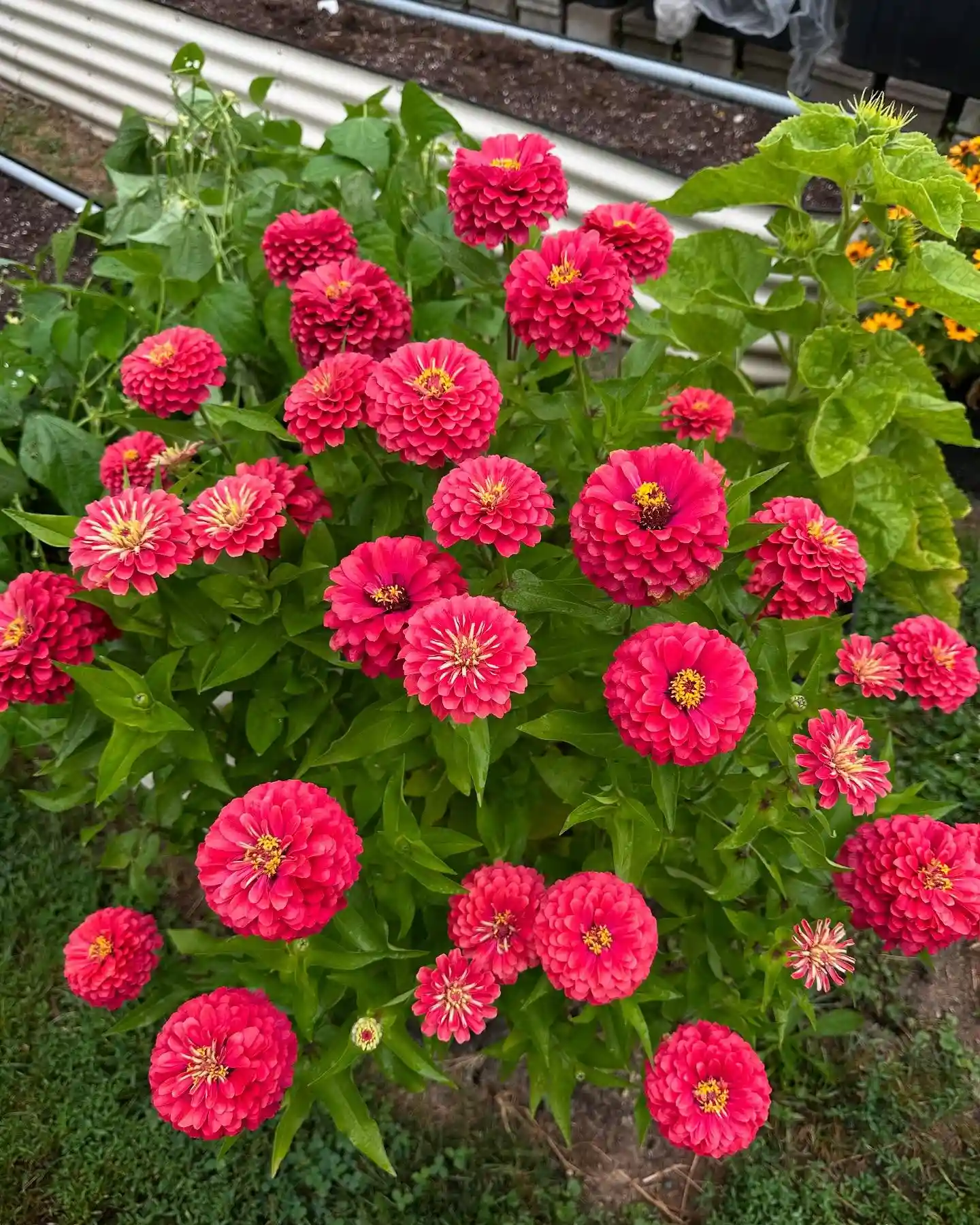
There’s also annual phlox, Phlox drummondii. It grows, flowers, and finishes its life in one season. Don’t buy it expecting the same plant to return next spring. This guide mainly covers perennial phlox.
Choose a Spot Before You Start Digging
Match the sunlight to the plant
Give garden phlox and moss phlox a sunny position, usually at least six hours of direct light daily. Garden phlox can also grow with some shade, but a deeply shaded corner is a poor choice for a flower-filled summer border.
Woodland phlox suits filtered light or partial shade. For a small shade bed, pair it with hostas grown for their broad leaves. Place the phlox where expanding hosta foliage won’t completely cover it.
Common names can be confusing: Phlox stolonifera is also called creeping phlox and suits shadier conditions. If you’re buying groundcover for full sun, look specifically for Phlox subulata.
Check what happens after rain
Well-draining soil lets extra water move away while leaving some moisture around the roots. Ground that remains puddled or soggy is unsuitable, especially for moss phlox.
Garden and woodland phlox benefit from soil containing compost or other well-rotted organic matter. Moss phlox suits leaner, sandy or rocky ground and doesn’t need a heavily enriched planting pocket.
If your chosen area stays wet, move to a better-drained part of the garden or use a raised bed. Adding a little compost to one hole won’t solve a waterlogged site.
How to Grow Phlox From a Nursery Plant
A healthy potted plant is the simplest starting point for a beginner. Look for firm stems and leaves without heavy spotting or white powdery patches. A plant with a few buds and healthy growth is a better buy than one covered in flowers but looking stressed.
Plant perennial phlox in spring or early fall when the ground is workable. Avoid planting into frozen or saturated soil. In cold regions, allow fall plantings time to root before winter.
- Water the pot first. A dry root ball can remain dry even after you water the surrounding bed.
- Clear the planting area. Remove weeds and loosen compacted soil. Mix compost across the planting area where needed for garden or woodland phlox.
- Dig a wide, shallow hole. Make it about twice the root ball’s width and no deeper than the root ball.
- Remove the pot and check the roots. Gently loosen circling roots. Trim a tightly matted outer layer if necessary.
- Keep the original planting depth. Set the top of the root ball level with the surrounding soil. Avoid burying the stems.
- Backfill and water slowly. Firm the soil gently, then soak the root area so the soil settles around it.
Follow the plant label for spacing. Many tall varieties need around 2–3 feet between plant centers, while compact selections need less. Leave room for their mature width instead of squeezing young plants together for an instant full bed.
Watering Without Keeping the Roots Soggy
During the first few weeks, check the root ball and nearby soil regularly. Water when they begin to dry, and let the water soak down through the root area. A quick splash that only darkens the surface won’t help much.
After establishment, garden phlox still needs water during dry summer weather. Woodland phlox also benefits from steady moisture, especially where nearby tree roots compete for water.
Established moss phlox tolerates drier conditions better. Don’t automatically give it the same frequent watering as a thirsty summer border.
Water at soil level when possible. Before watering a wilted plant, feel the soil: if it is already wet, adding more water may worsen a root problem. Check pots especially often during hot or windy weather.
Does Phlox Need Fertilizer?
Phlox doesn’t need feeding every time you water. For garden phlox growing in reasonably fertile soil, start with a light spring dressing of compost.
If the soil is poor, a general-purpose fertilizer may help. Follow its label and avoid applying extra simply because the plant hasn’t flowered yet. Check its normal flowering season and sunlight first.
A layer of organic mulch around garden phlox helps slow moisture loss. Keep it clear of the stem bases. Avoid piling damp mulch over the leafy mat of creeping phlox.
Deadheading and Cutting Back: Treat Each Type Differently
Tall garden phlox
Once a flower cluster fades, cut it off just above healthy leaves or a developing side shoot. This is called deadheading. It can bring a smaller later flush of flowers and reduces unwanted seedlings, but it won’t guarantee nonstop blooms.
After the stems die back, cut them close to ground level. Remove diseased foliage in fall. Healthy old stems can wait until late winter or early spring, before fresh growth starts.
Moss phlox
Give untidy plants a light trim after their spring flowers fade. Stay within the leafy growth instead of cutting deeply into bare, woody stems.
Don’t cut the entire mat to the ground as you would dead stems of tall phlox. Its low foliage remains part of the garden after flowering.
Woodland phlox
Remove spent flower stems if you want a tidier appearance. Keep healthy basal leaves. Its spring flowering season naturally ends; a lack of summer flowers doesn’t mean you’ve done something wrong.
Common Phlox Problems and What to Check
White powder on the leaves
Powdery mildew is a common problem on tall garden phlox. It produces pale, dusty patches and can leave badly affected foliage yellow or brown.
Choose a mildew-resistant cultivar, allow space around the plants, and avoid letting them repeatedly dry out. Remove infected debris at the end of the season. Watering at the base is sensible, but it cannot prevent mildew by itself.
For a sunny border, ‘Jeana’ and ‘David’ are worth considering. Trials summarized by Iowa State rated their mildew resistance excellent and good, respectively. Resistant plants can still develop disease under some conditions.
Wilting, yellow leaves, or browning
Start with the soil. Dry soil suggests water stress; wet soil around a wilting plant suggests drainage or root trouble. Yellow leaves alone aren’t enough to identify the cause.
Tiny pale speckles and fine webbing can point to spider mites, especially during hot, dry spells. Inspect leaf undersides before deciding that every yellowing plant needs fertilizer.
Few flowers or leaning stems
Check the species and season first. Spring-flowering moss phlox won’t normally give the same summer display as garden phlox.
For tall plants, consider shade, crowding, and whether pruning removed developing buds. Wind-exposed varieties may need discreet stakes or a plant support installed before the stems flop.
How to Divide an Overgrown Garden Phlox
Divide tall garden phlox when the clump becomes crowded or you want more plants. You don’t need to disturb a healthy, well-spaced plant every year.
Early spring, just as shoots appear, is a convenient time. Late summer or early fall can also work where there is enough time for roots to settle before freezing weather.
Water beforehand, lift the clump, and split it into sections with a clean, sharp spade or knife. Keep at least two or three shoots and a healthy portion of roots on each piece. Replant promptly at the original depth and water well.
Dividing a named cultivar keeps its characteristics. Seedlings may have different flower colors or growth habits.
Planting Phlox With Other Flowers
For a sunny summer bed, pair tall phlox with Shasta daisies. Their white, open flowers provide a simple contrast to rounded pink or purple phlox clusters. Check mature heights so one plant doesn’t hide the other.
Daylilies add arching leaves beside upright phlox stems. Choose varieties with overlapping bloom times if you want flowers together, or different flowering periods to spread color through the season.
Leave a gap between mature clumps. Companion plants should frame your phlox without crowding its base or blocking access for watering and deadheading.
Beginner Questions About Growing Phlox
Can you grow phlox in pots?
Yes. Compact varieties are easier to manage than very tall ones. Use a pot with drainage holes and container potting mix, and choose a position suited to the species. Pots need closer attention to watering and winter protection than plants in the ground.
Can you grow phlox from seed?
Yes, but the method depends on the species. Annual phlox is a practical seed-grown option; follow the packet’s sowing directions and move seedlings outdoors after gradually acclimating them and after frost risk has passed. For a specific perennial cultivar, buy a plant or use division.
Will phlox flower in its first year?
A healthy nursery-grown plant may flower in its first season, depending on its age and planting time. A small division or seedling may need longer. Give it time to establish before judging its eventual size or flower display.
Start with one type matched to the space you already have. Before buying, check the botanical name, mature width, and flowering season on the label. Those details will save you more trouble than choosing by flower color alone.