30 Rare House Plants Worth Adding to Your Collection
Rare house plants often catch attention because they look unlike anything found in an average garden center. Some have velvet leaves, metallic color, unusual holes, or patterns that change with every new leaf.
Others are rare because they grow slowly, are difficult to propagate, or only appear through specialist sellers.
Rarity can change as nurseries produce more plants, so a high price does not always mean a plant is truly scarce. This guide covers 30 rare house plants for collectors at different experience levels.
1. Monstera Obliqua
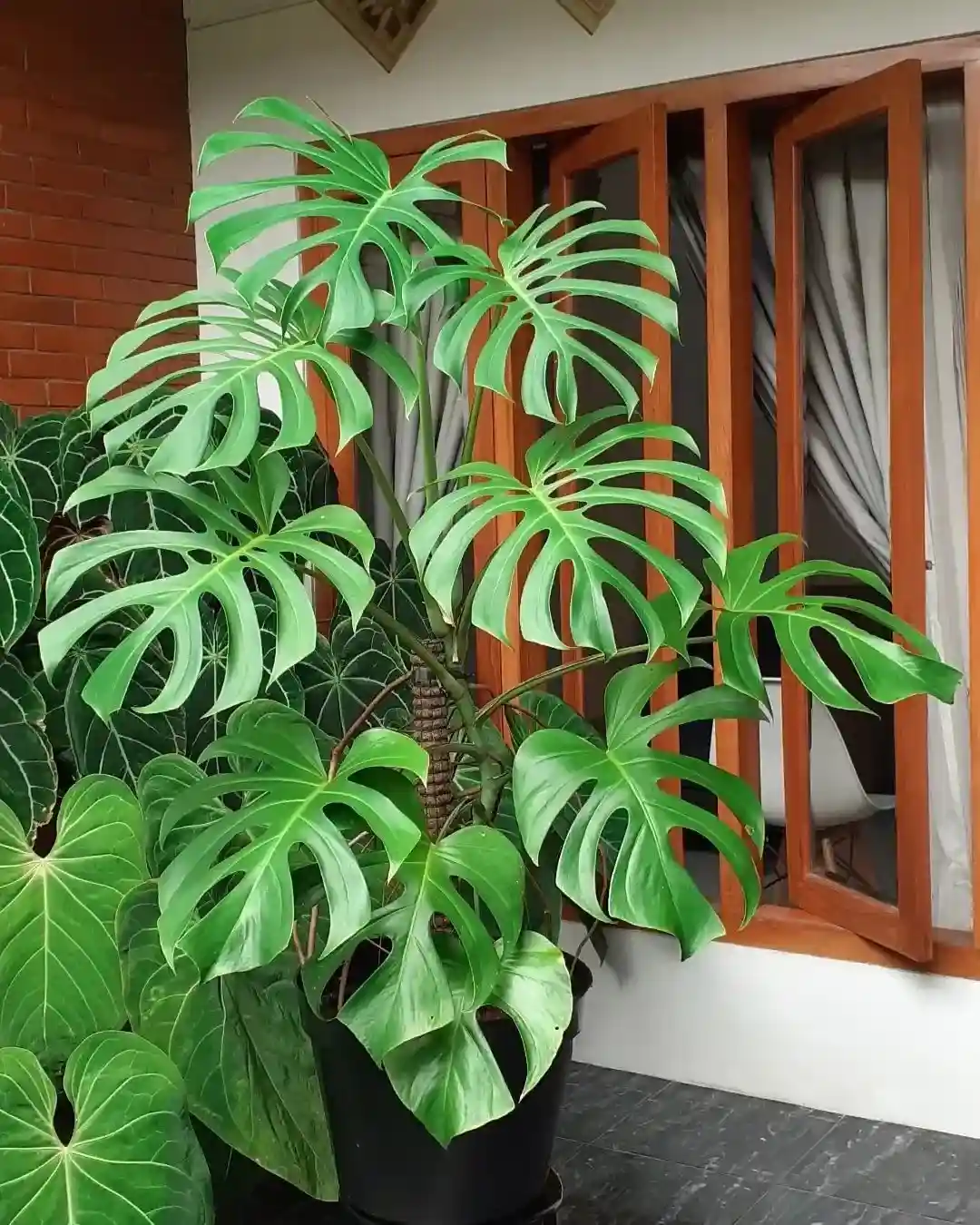
Monstera obliqua is known for extremely thin leaves with large openings that may leave only narrow strips of green tissue.
True plants are much less common than Monstera adansonii, which is often sold under the wrong name. Obliqua needs warmth, high humidity, gentle airflow, and careful watering to keep its delicate foliage healthy.
It is not a plant I would recommend as a first rare Monstera, but experienced collectors may enjoy its unusual growth.
- Care level: Difficult
- Light: Bright, filtered light
- Growth habit: Delicate climbing vine
- Best feature: Extremely thin, heavily perforated leaves
- Best for: Experienced Monstera collectors
- Helpful tip: Buy only from a seller who can clearly confirm the plant’s identity.
2. Monstera Burle Marx Flame
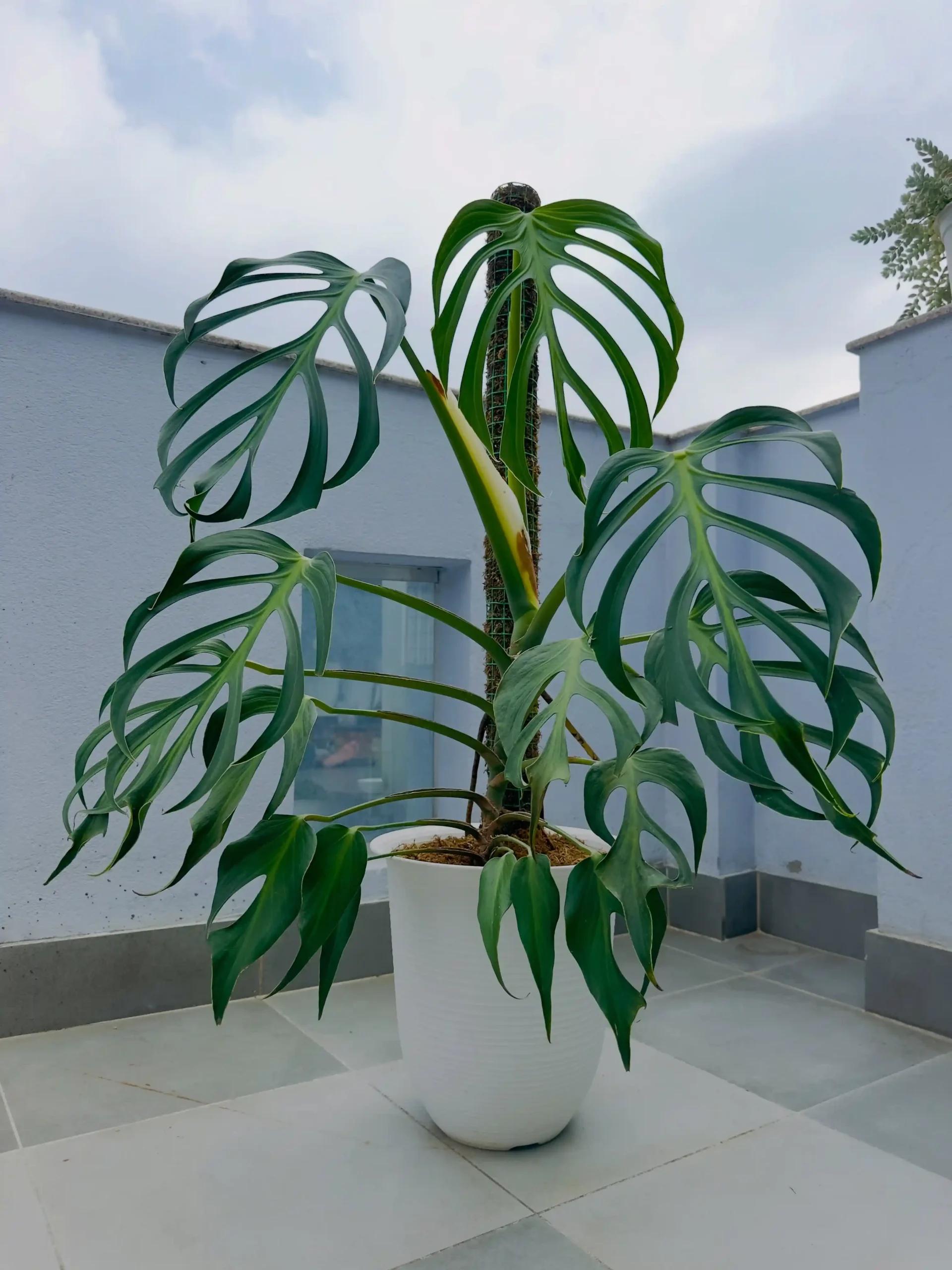
Monstera Burle Marx Flame begins with narrow, solid juvenile leaves that change as the plant climbs.
Mature foliage develops deep, flame-like divisions that give this plant its dramatic name. It grows more slowly than common Monsteras and needs a tall support to reach its mature form.
A small plant may not look impressive at first, so this is a choice for someone who enjoys watching leaf shape change over time.
- Care level: Moderate
- Light: Bright, indirect light
- Growth habit: Slow climbing vine
- Best feature: Deeply divided mature leaves
- Best for: Serious Monstera collectors
- Helpful tip: Add a moss pole early rather than waiting for the stems to trail.
Read also: 30 Easy Care Indoor Plants for Beginners
3. Monstera Esqueleto
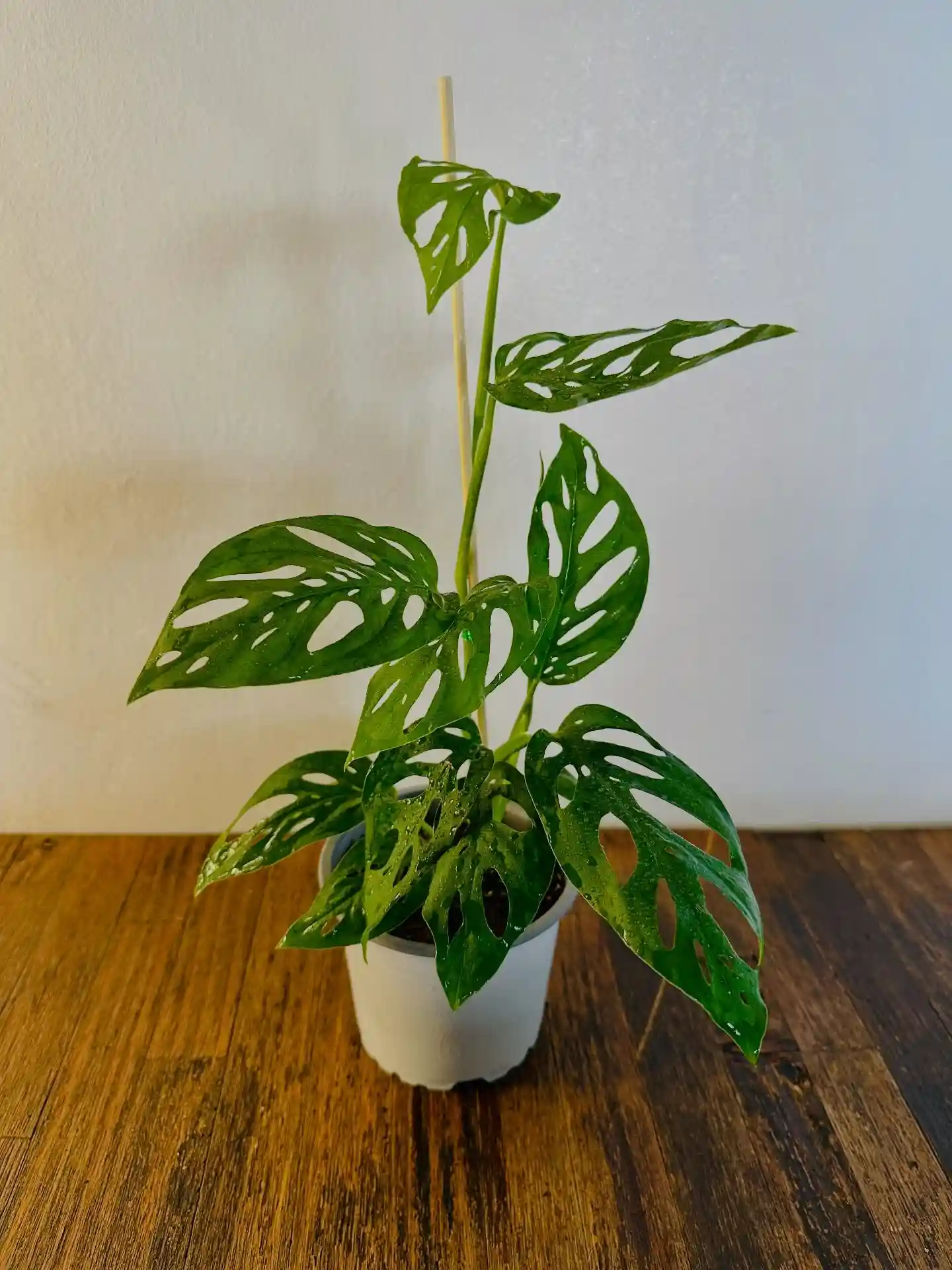
Monstera Esqueleto produces large leaves filled with wide oval openings. It looks airy and bold without being as delicate as Monstera obliqua.
Young plants may resemble large forms of adansonii, but mature leaves become much bigger when the plant receives good light and climbing support.
Esqueleto is a practical first collector Monstera because it has an unusual look while remaining manageable in a warm, bright room.
- Care level: Moderate
- Light: Bright, indirect light
- Growth habit: Strong climbing vine
- Best feature: Oversized openings across large leaves
- Best for: New rare-plant collectors
- Helpful tip: Train the stem upward if you want the leaves to increase in size.
4. Monstera Deliciosa ‘Aurea’
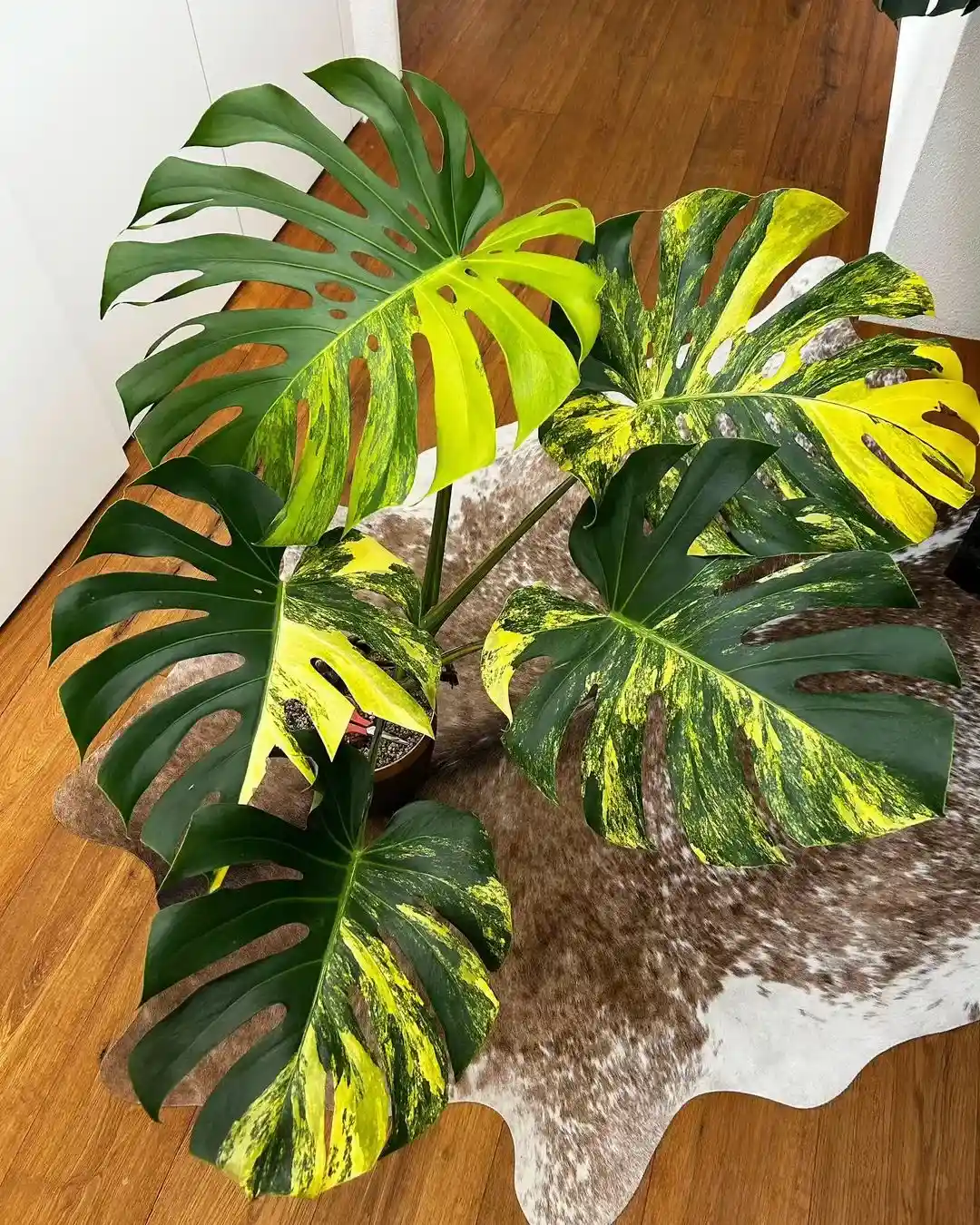
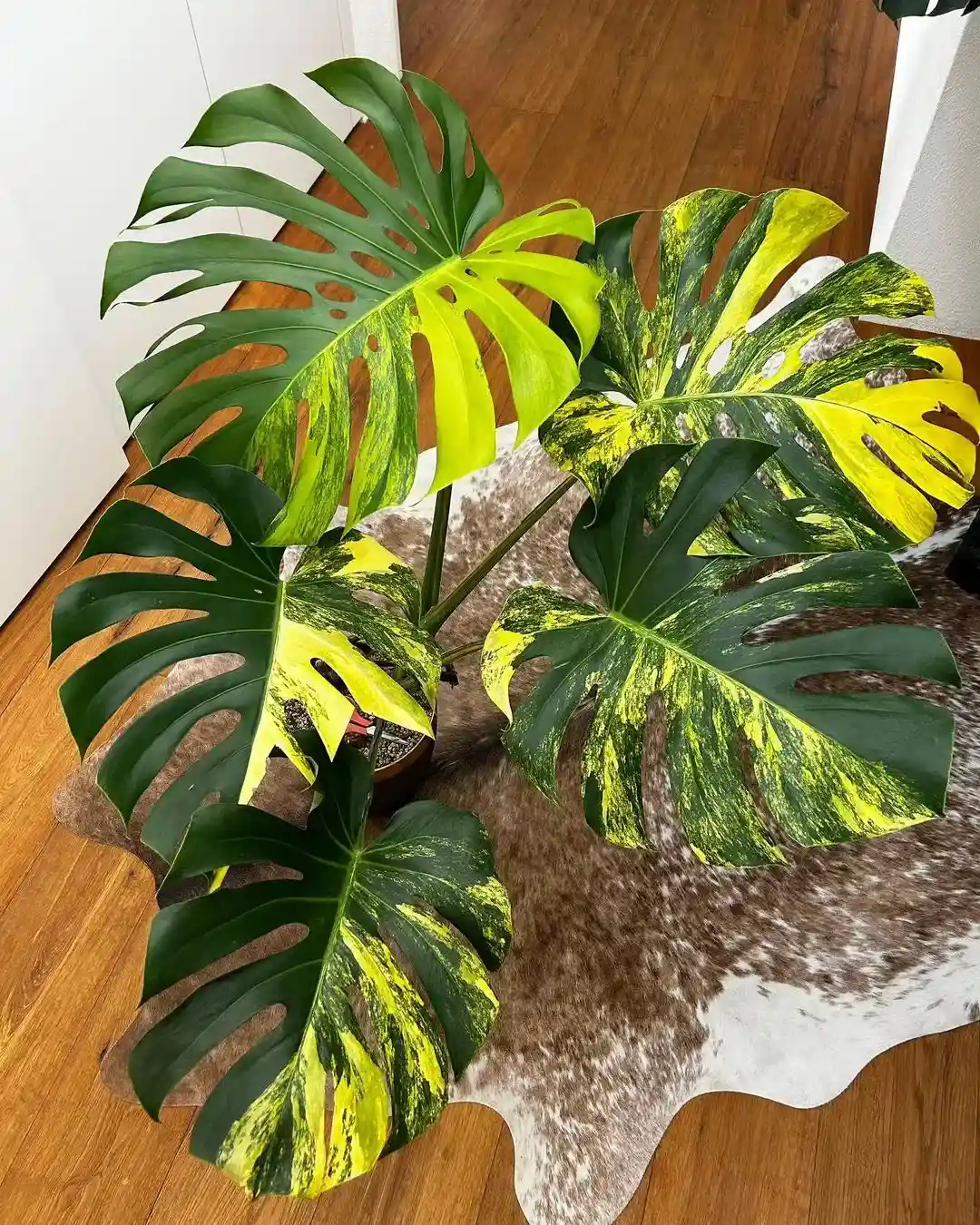
Monstera Aurea has yellow, lime, or golden variegation spread across its green leaves.
The pattern is different on every plant and may become clearer as a new leaf hardens. Because the pale sections contain less chlorophyll, Aurea usually grows more slowly than a green Monstera deliciosa.
It needs strong filtered light and balanced stem variegation to keep producing attractive leaves.
- Care level: Moderate
- Light: Bright, indirect light
- Growth habit: Large climbing plant
- Best feature: Yellow and lime variegation
- Best for: Variegated Monstera collectors
- Helpful tip: Check the stem pattern before buying, not only the current leaves.
5. Monstera Deliciosa ‘Mint’
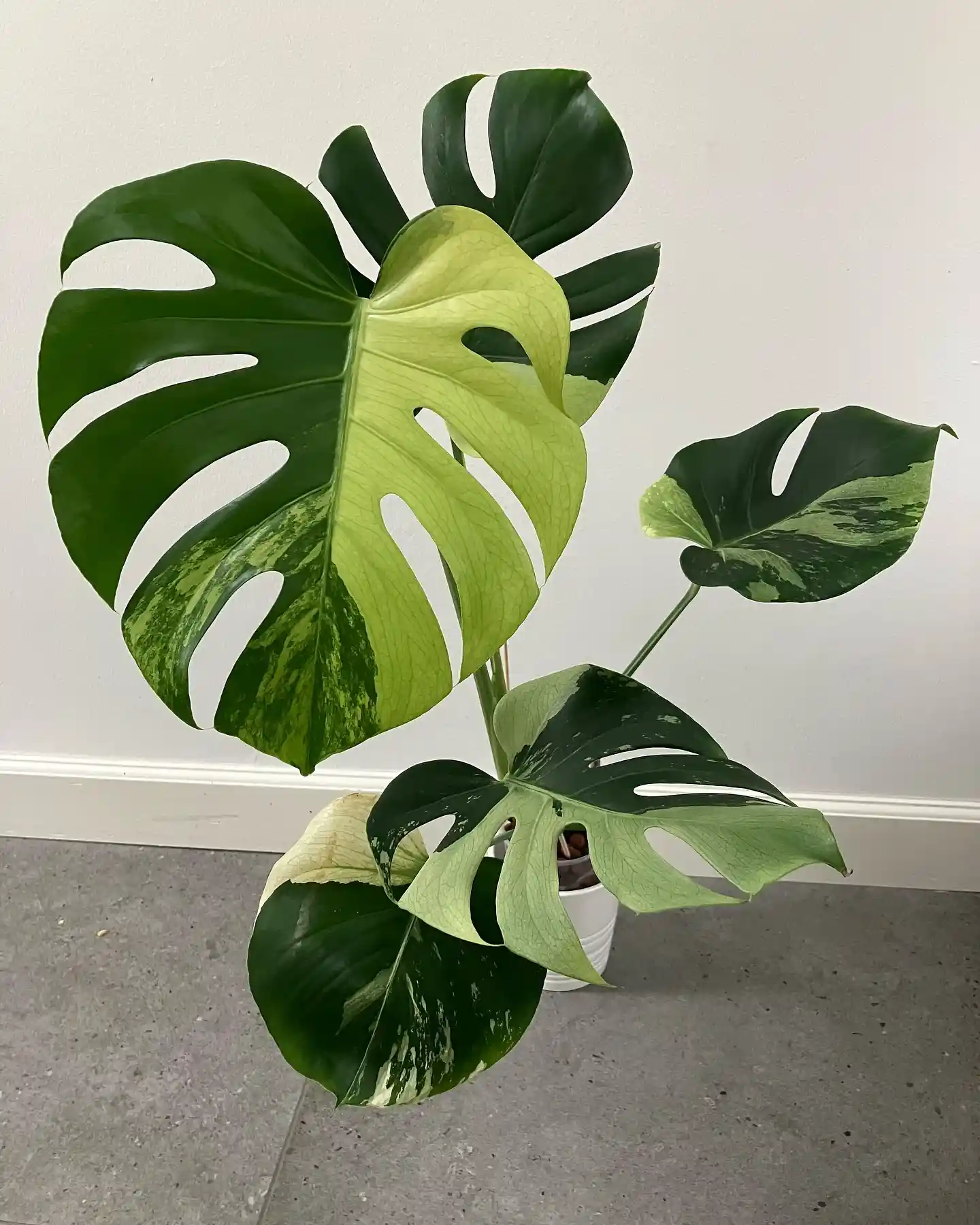
Monstera Mint has pale green, cream, and mint-colored marbling that gives the foliage a softer look than white Albo variegation.
The exact appearance can vary between plants, sellers, and growth forms, so labels are not always consistent.
Mint varieties need bright filtered light to maintain their coloring but should be kept away from strong direct sun. Healthy green tissue is still important because heavily pale plants may grow slowly.
- Care level: Moderate to difficult
- Light: Bright, filtered light
- Growth habit: Large climbing plant
- Best feature: Soft mint-green marbling
- Best for: Experienced variegated plant growers
- Helpful tip: Ask for current photos of the exact plant before purchasing.
Read also: 15 Monstera Types Worth Growing at Home
6. Philodendron Spiritus Sancti
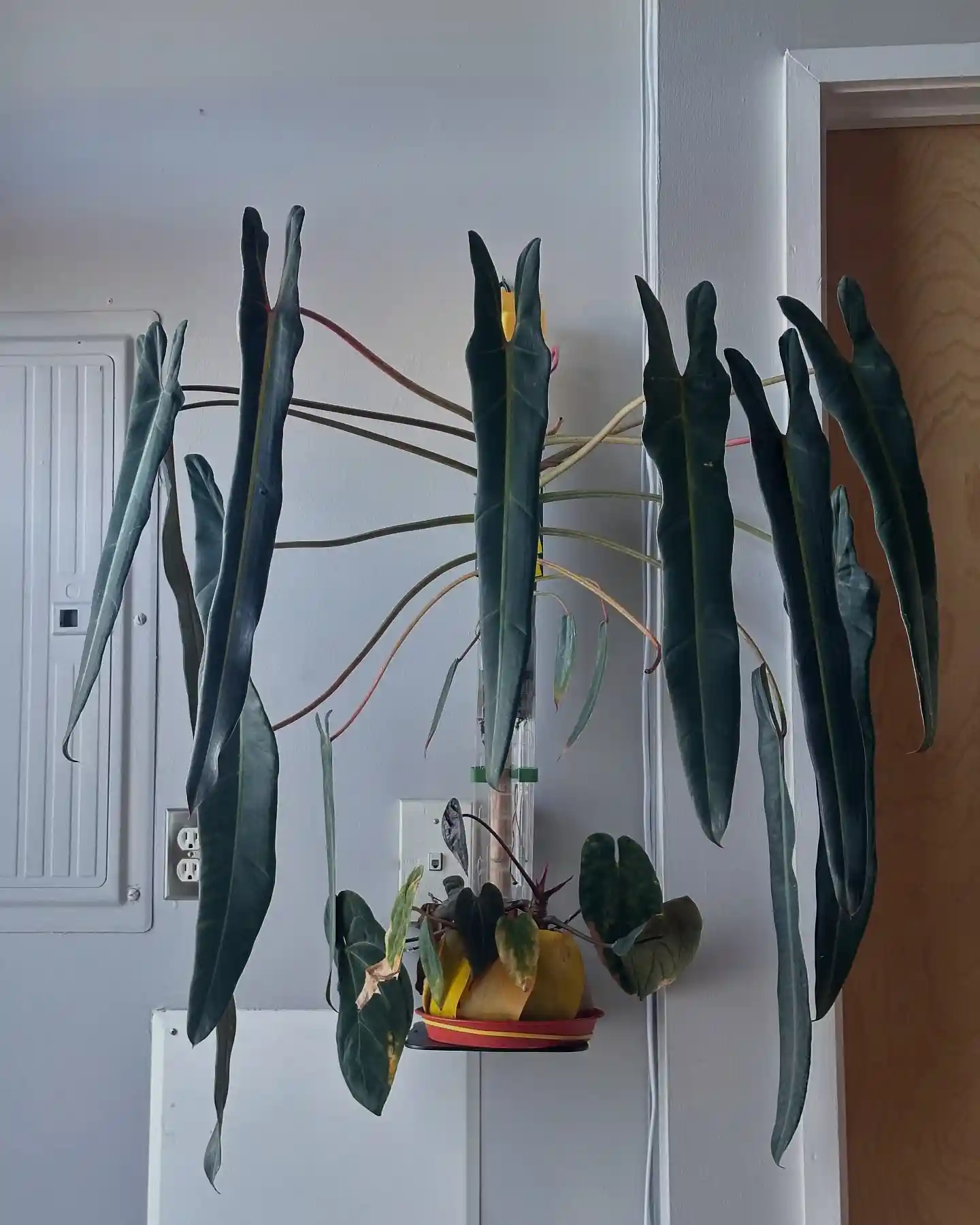
Philodendron Spiritus Sancti has long, narrow leaves that hang from an upright climbing stem.
Mature foliage can become strikingly long, creating a clean and unusual shape unlike common heart-leaved Philodendrons. It has a strong collector reputation and is frequently mislabeled, so buying from a trusted source matters.
This plant needs warmth, good humidity, and vertical support but does not need constantly wet soil.
- Care level: Moderate to difficult
- Light: Bright, indirect light
- Growth habit: Upright climber
- Best feature: Long hanging leaves
- Best for: Serious Philodendron collectors
- Helpful tip: Be cautious of cheap seedlings sold without clear parentage or identification.
7. Philodendron Patriciae
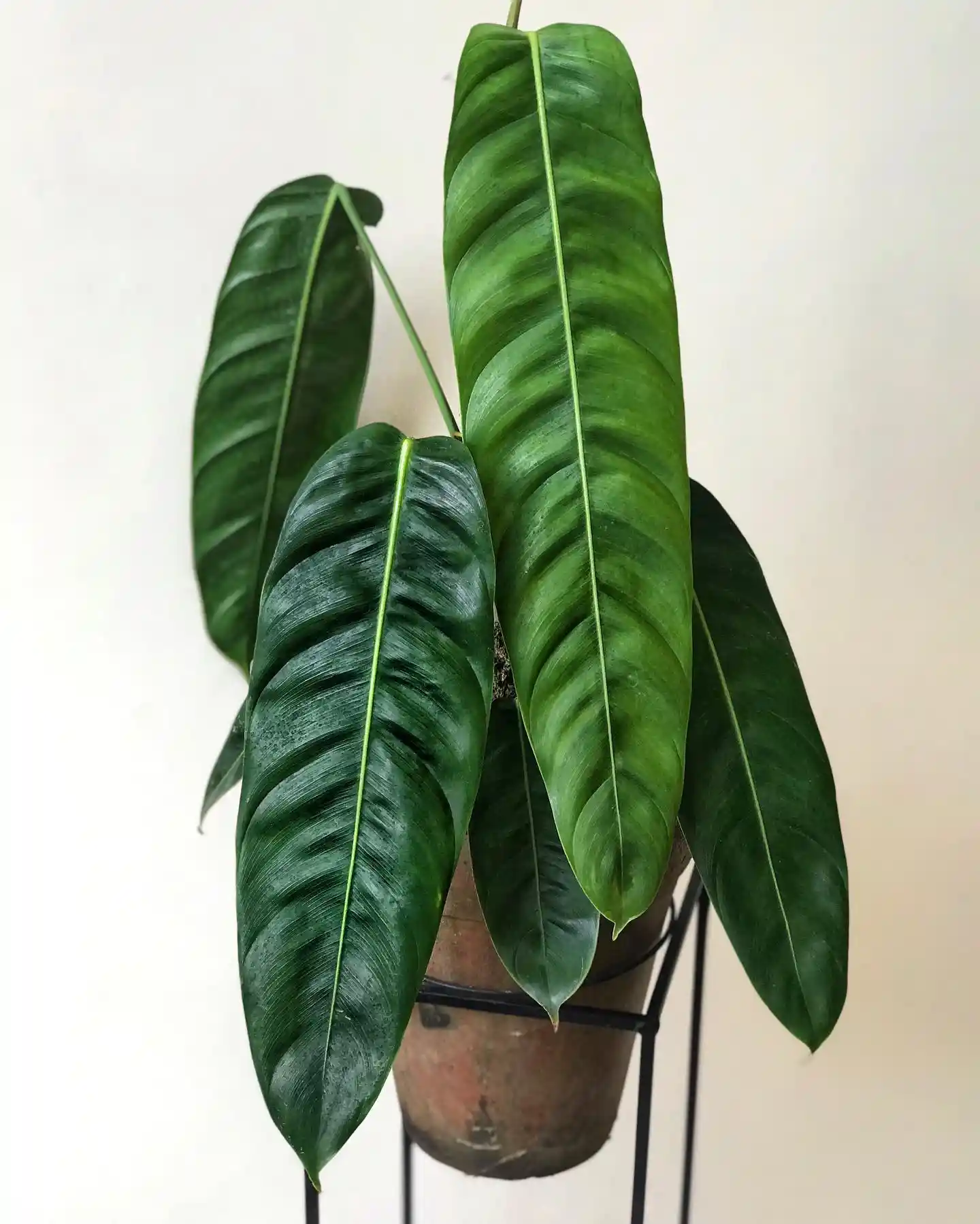
Philodendron Patriciae has long, narrow leaves with a rippled texture that becomes more noticeable as the plant matures.
The foliage hangs downward from a climbing stem, making a tall moss pole or wooden support essential. It needs room for its leaves to fall naturally without pressing against furniture.
Patriciae suits someone who prefers elegant green foliage over bright variegation.
- Care level: Moderate
- Light: Bright, indirect light
- Growth habit: Climbing plant with hanging leaves
- Best feature: Long rippled foliage
- Best for: Tall indoor displays
- Helpful tip: Position the pot high enough that the leaves can hang freely.
8. Philodendron Joepii
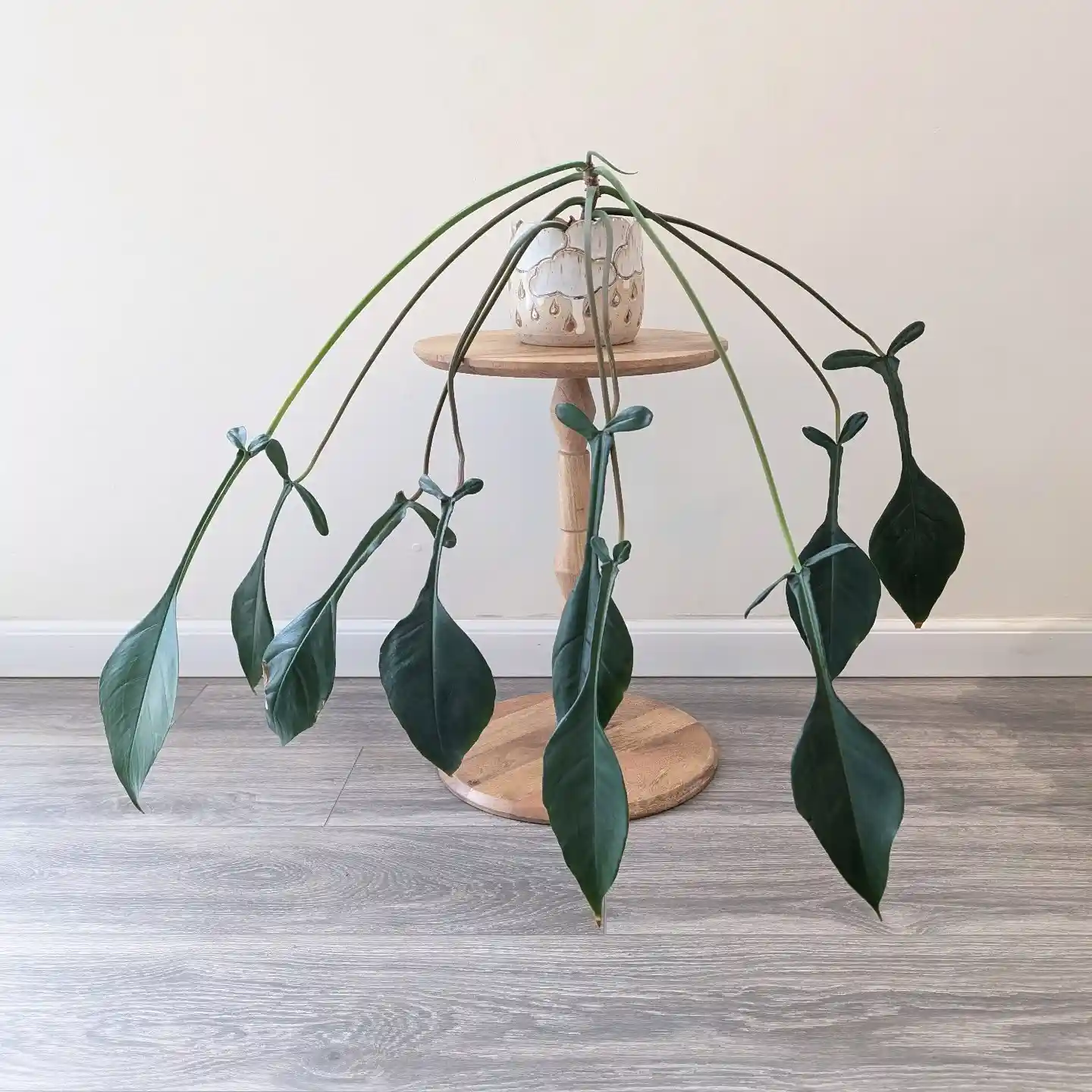
Philodendron Joepii develops one of the strangest leaf shapes in the group. Mature leaves have a narrow center with wider sections near the top and bottom, creating a shape that is difficult to confuse once the plant matures.
Juvenile foliage may look simpler, so patience and climbing support are important. It works well in a collection built around unusual leaf shapes rather than color.
- Care level: Moderate
- Light: Bright, indirect light
- Growth habit: Upright climber
- Best feature: Unusual three-part leaf shape
- Best for: Collectors of unusual foliage
- Helpful tip: Give young plants time because the mature leaf shape does not appear immediately.
9. Philodendron Verrucosum
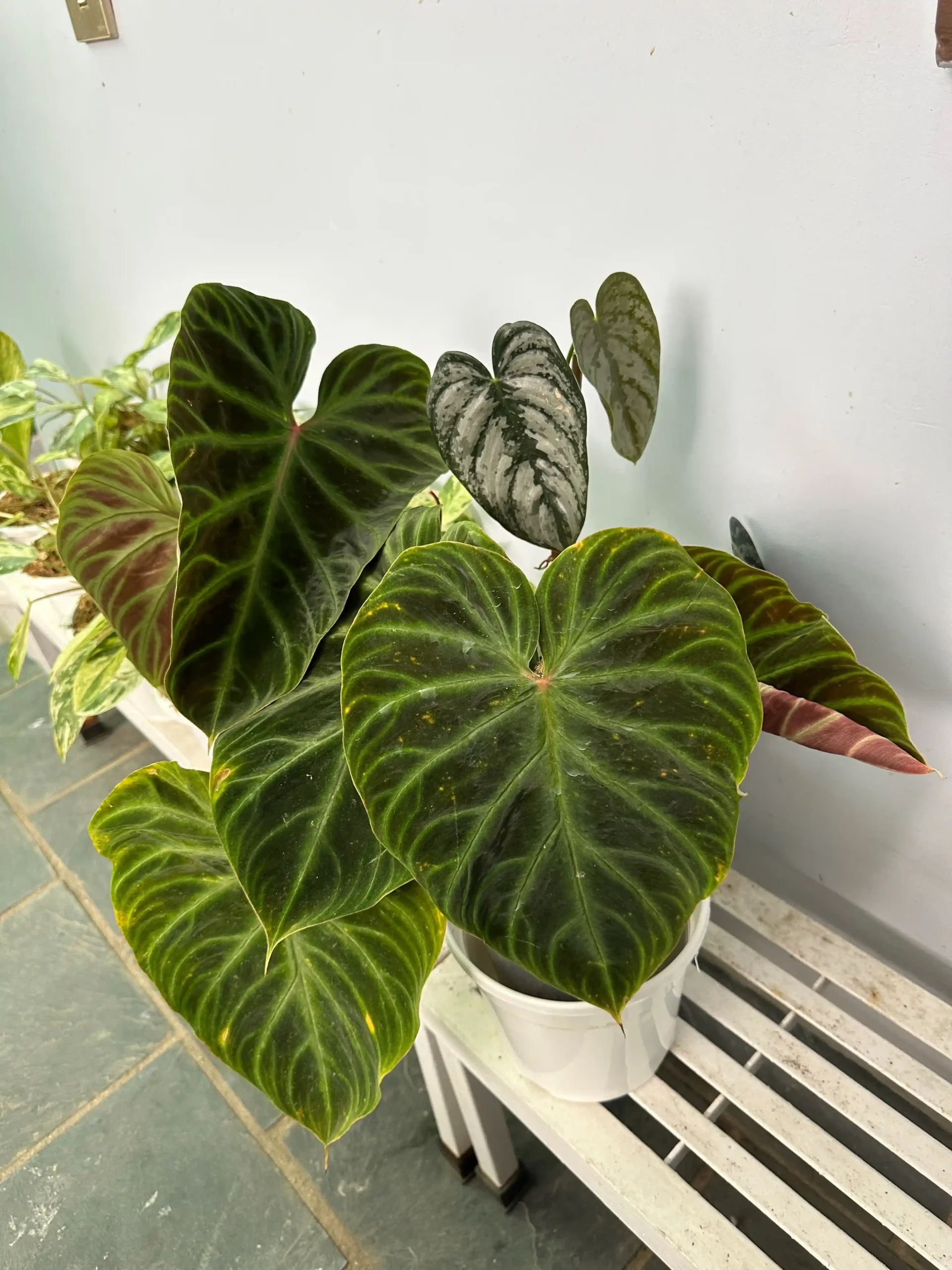
Philodendron Verrucosum has velvety green leaves, bright veins, and fuzzy leaf stems. The contrast between soft foliage and textured petioles makes it easy to recognize.
It prefers warmer conditions and higher humidity than many common Philodendrons, so it often grows best in a cabinet or protected plant area.
The plant may crawl or climb depending on the form, making correct identification useful before choosing a support.
- Care level: Moderate to difficult
- Light: Bright, indirect light
- Growth habit: Climbing or creeping, depending on form
- Best feature: Velvet foliage and fuzzy stems
- Best for: Humidity cabinets
- Helpful tip: Avoid placing it where dry air blows directly across the leaves.
Read also: 20 Snake Plant Varieties Worth Growing at Home
10. Philodendron Melanochrysum
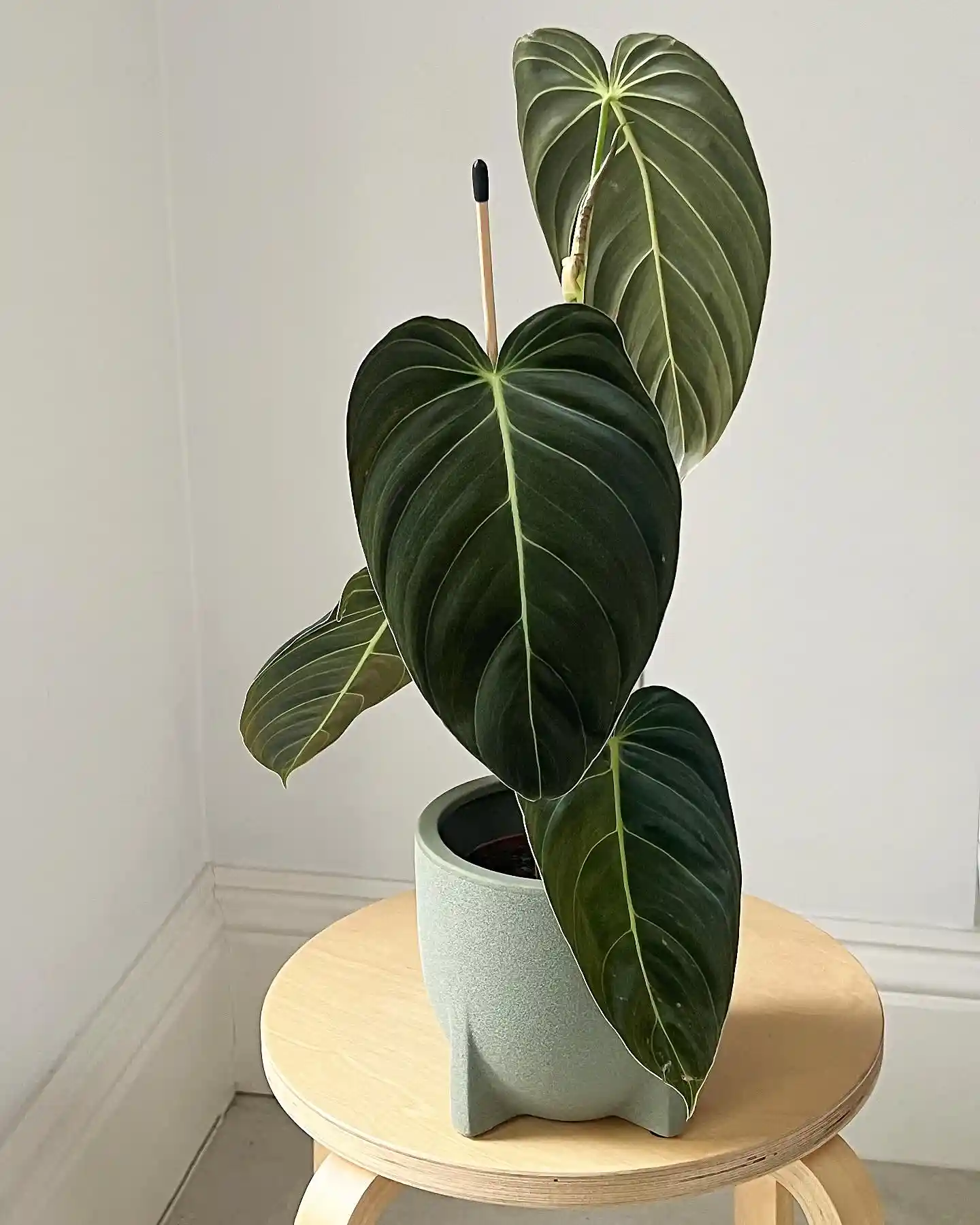
Philodendron Melanochrysum has dark velvety leaves with pale gold-green veins. Young leaves begin small, but a climbing plant can produce much longer foliage once the roots attach to a good support.
It is one of the easier velvet Philodendrons to understand, though it still dislikes cold drafts and waterlogged soil.
A tall moss pole helps the leaves increase in size and keeps the vine from becoming untidy.
- Care level: Moderate
- Light: Bright, indirect light
- Growth habit: Climbing vine
- Best feature: Dark velvet leaves with pale veins
- Best for: Moss-pole displays
- Helpful tip: Keep new leaves from sticking by maintaining steady humidity.
11. Philodendron Florida Beauty
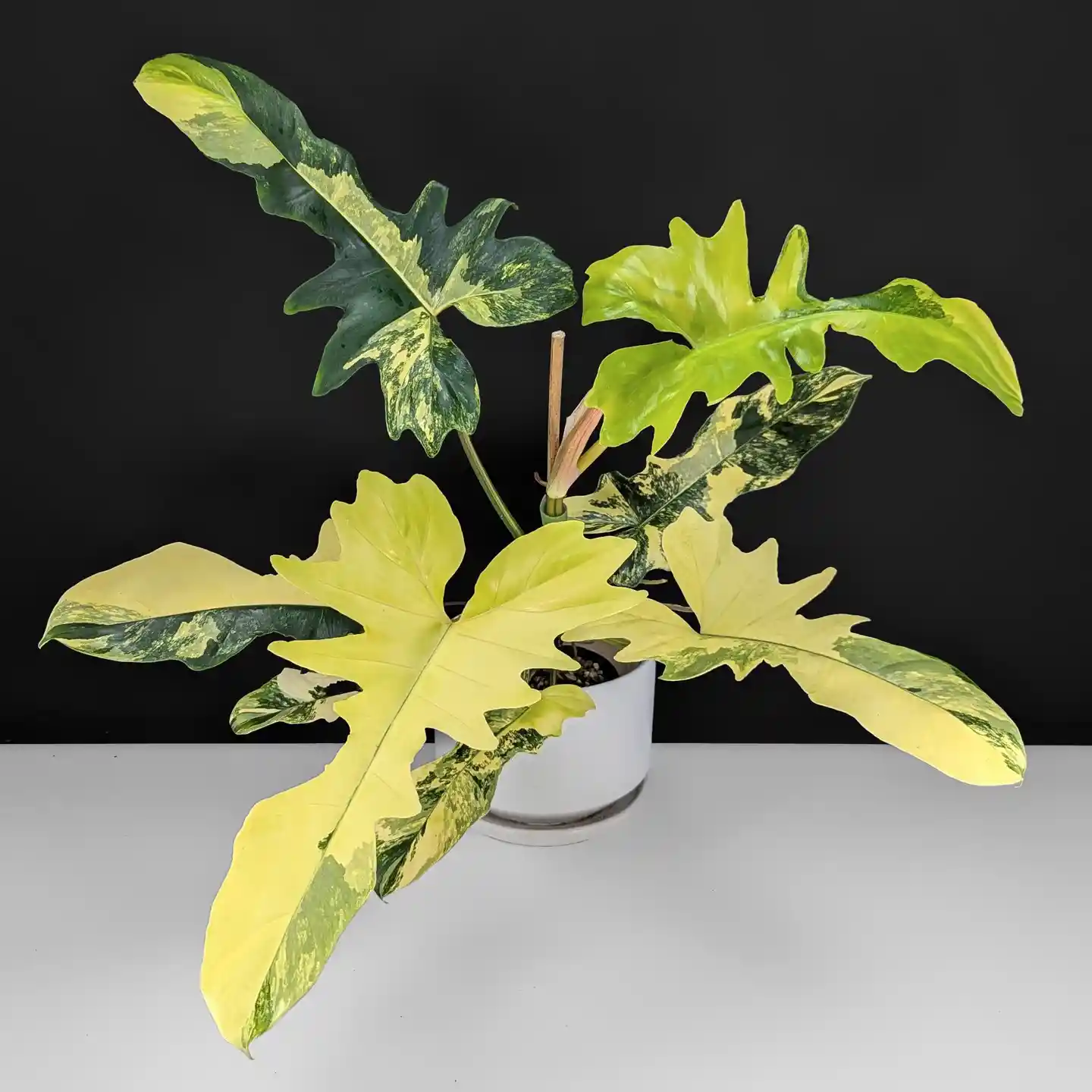
Philodendron Florida Beauty has deeply lobed leaves marked with cream, yellow, or pale green variegation.
Every new leaf can develop a different balance of color, which makes the plant exciting to grow.
It climbs quickly when healthy and benefits from a sturdy support. Because the variegation can vary along the stem, buyers should look for balanced markings rather than one attractive leaf.
- Care level: Moderate
- Light: Bright, indirect light
- Growth habit: Fast climbing plant
- Best feature: Lobed leaves with shifting variegation
- Best for: Variegated Philodendron collectors
- Helpful tip: Choose a stem with visible variegation near the active growth point.
12. Philodendron Caramel Marble
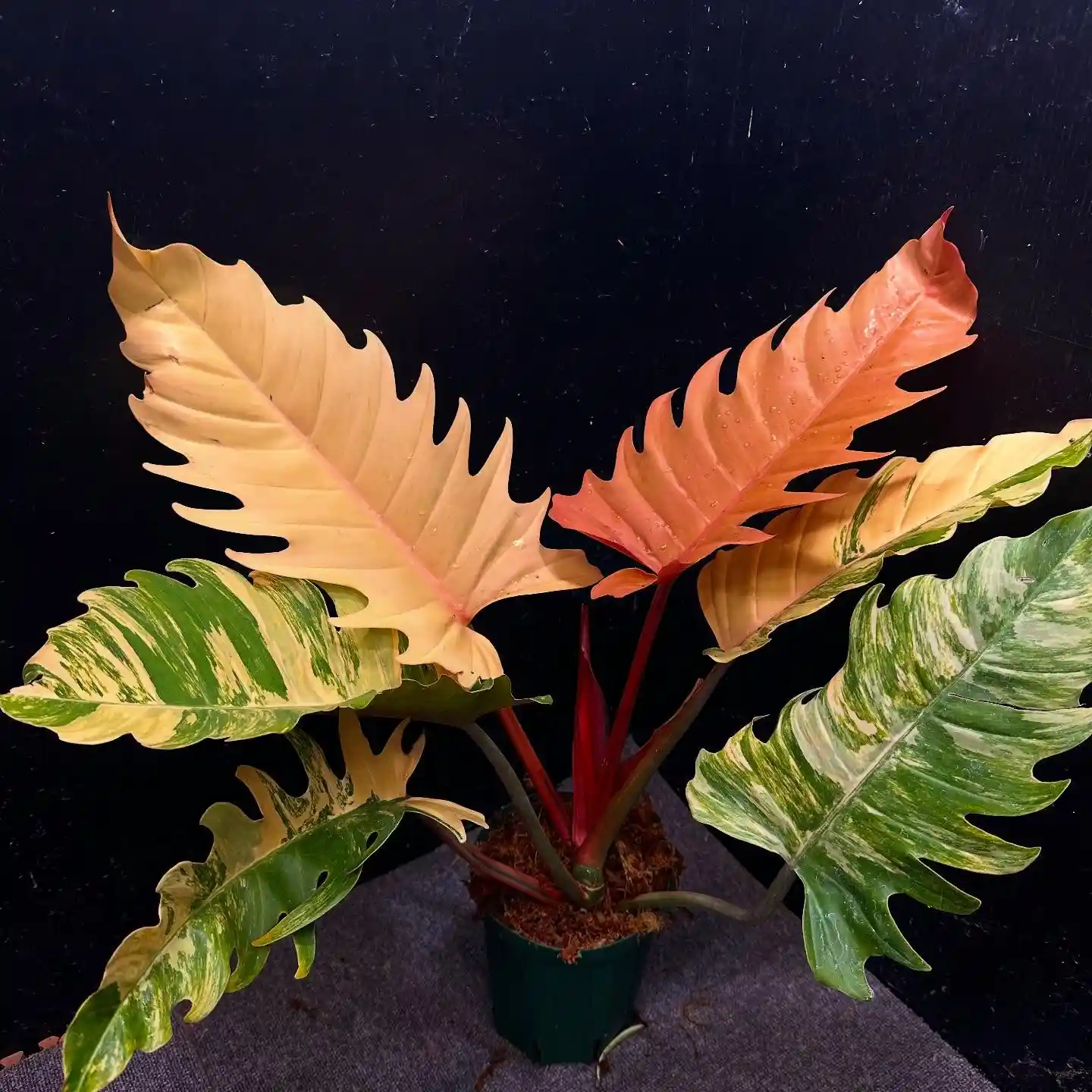
Philodendron Caramel Marble can produce green, cream, yellow, orange, pink, and caramel tones on the same plant.
New leaves may change color as they harden, so the final pattern is not always clear when they first open.
It grows slowly and prices can vary widely based on size and variegation. Some plants may produce mostly green growth, which is why buying only for one colorful leaf can be risky.
- Care level: Moderate to difficult
- Light: Bright, indirect light
- Growth habit: Upright self-heading plant
- Best feature: Multicolored marbled foliage
- Best for: Advanced variegated plant collectors
- Helpful tip: Check several leaves and the stem before judging the plant’s future color.
13. Philodendron Billietiae Variegata
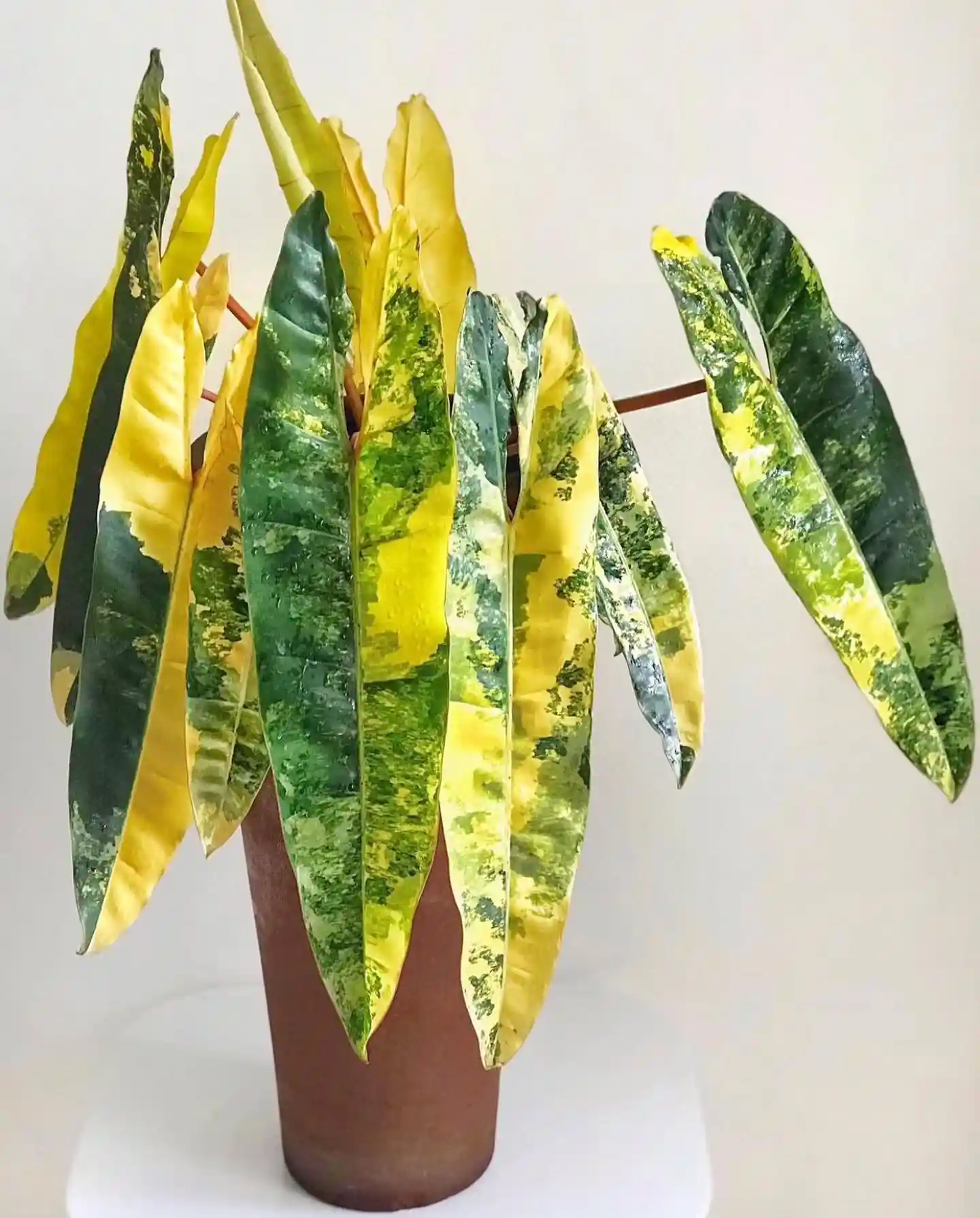
Philodendron Billietiae Variegata has long leaves, bright orange stems, and white, cream, or yellow variegation.
Even the green form has a strong tropical appearance, but variegation adds more contrast to the narrow foliage.
The plant can become wide, so it needs more room than compact Philodendrons. A stable pot and strong support will help manage the long stems as it matures.
- Care level: Moderate
- Light: Bright, indirect light
- Growth habit: Large climbing plant
- Best feature: Variegated leaves with orange stems
- Best for: Spacious collector displays
- Helpful tip: Allow enough room between the plant and nearby furniture.
14. Anthurium Warocqueanum
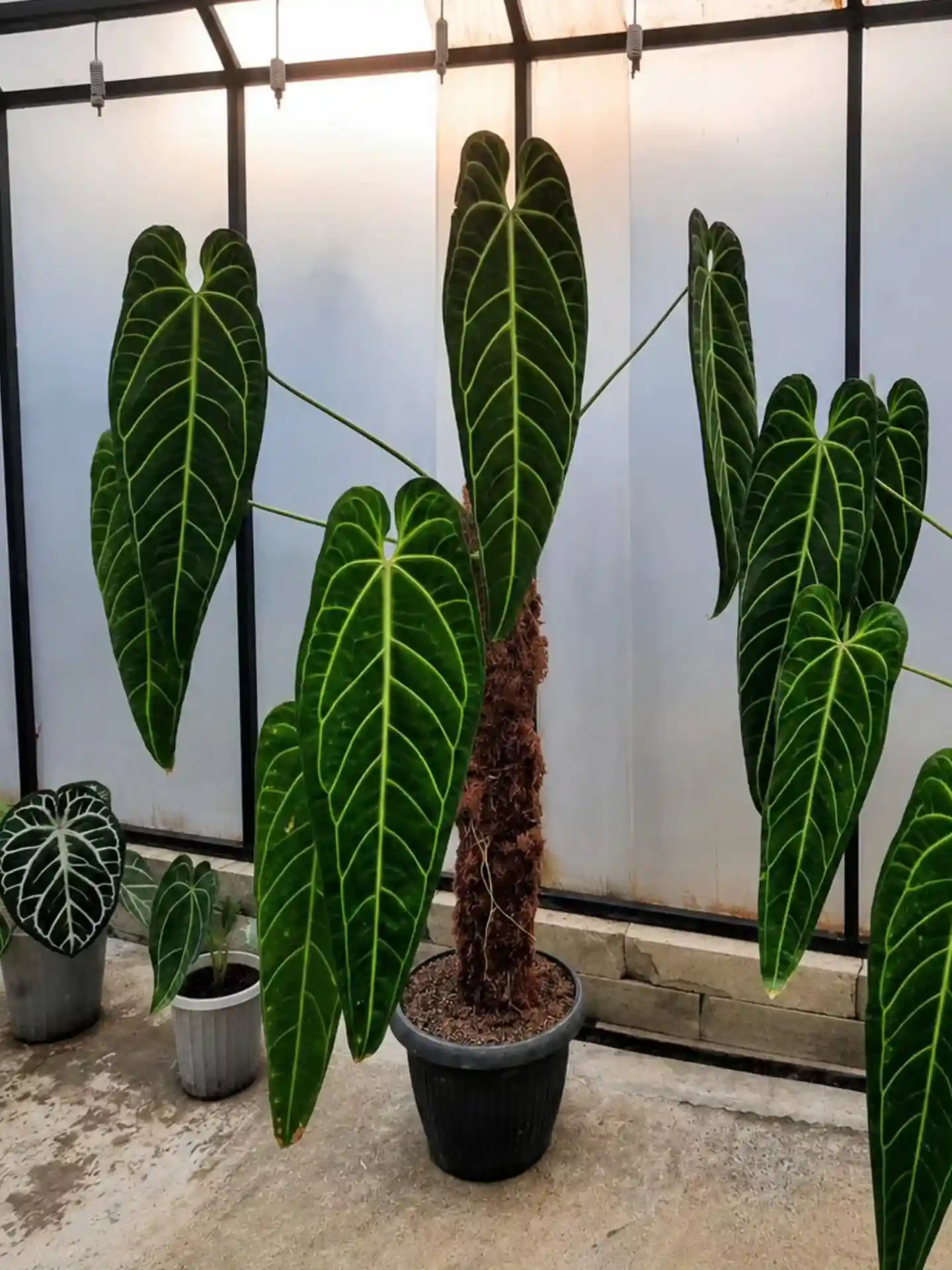
Anthurium Warocqueanum, often called the Queen Anthurium, produces long dark velvet leaves marked with bright silver veins.
The leaves can become impressive indoors, but they are easily damaged by dry air, rough handling, and sudden changes.
This plant performs best in steady humidity with gentle airflow. It is beautiful, but not forgiving enough for someone who is still learning how to manage velvet Anthuriums.
- Care level: Difficult
- Light: Bright, filtered light
- Growth habit: Upright rosette
- Best feature: Long velvet leaves with silver veins
- Best for: Greenhouse cabinets and advanced growers
- Helpful tip: Leave enough space around each leaf to prevent rubbing and tearing.
15. Anthurium Veitchii
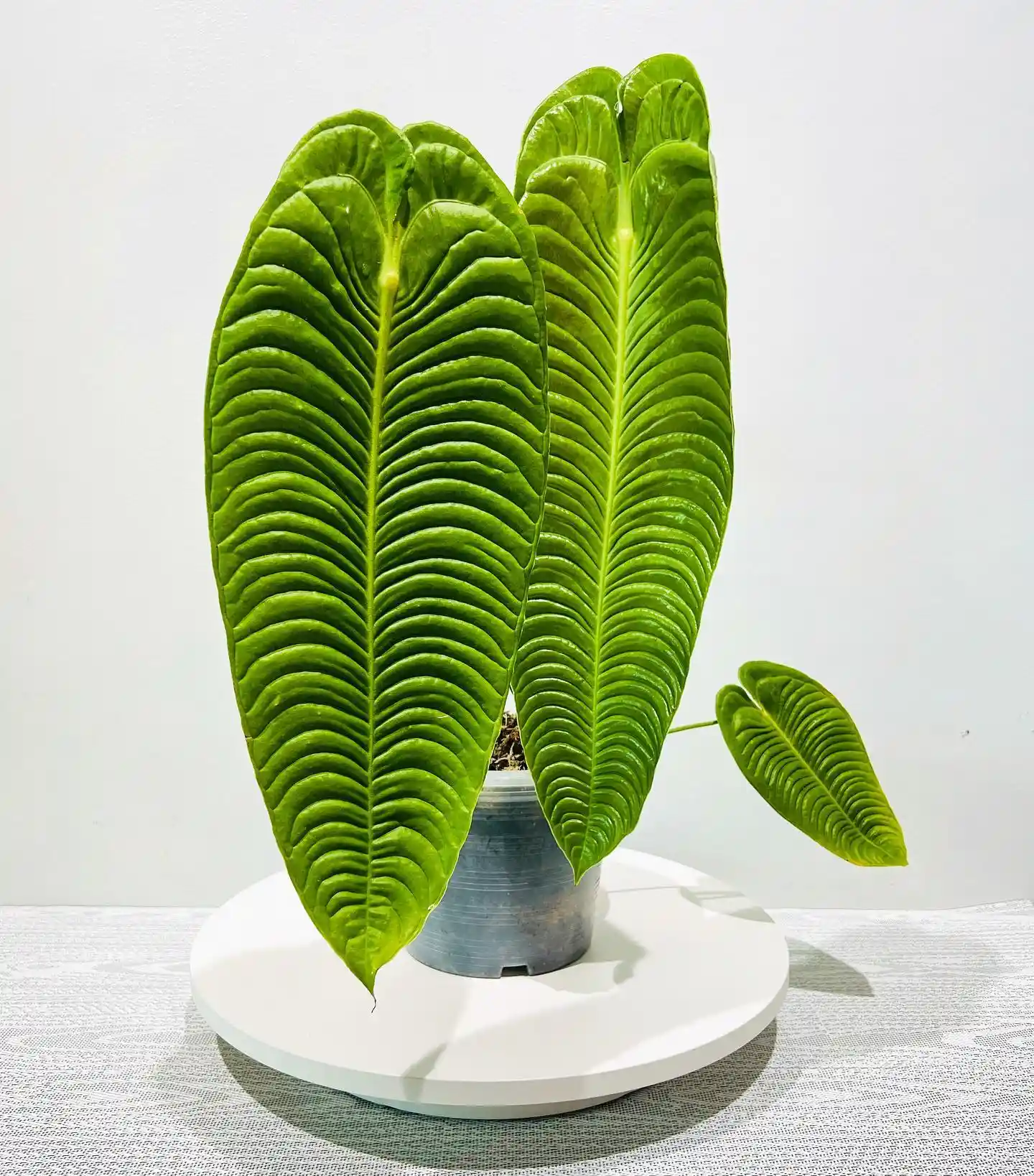
Anthurium Veitchii, commonly called the King Anthurium, has long strap-like leaves covered with deep ripples.
Mature foliage can hang far below the pot, making a raised stand or hanging position useful. It is often considered more manageable than delicate velvet Anthuriums, though it still enjoys warmth and humidity.
The plant’s strong texture makes it a good choice for collectors who prefer large green leaves over variegation.
- Care level: Moderate
- Light: Bright, indirect light
- Growth habit: Large hanging rosette
- Best feature: Long rippled leaves
- Best for: Large indoor collections
- Helpful tip: Place it on a stand so mature leaves do not drag across the floor.
16. Anthurium Luxurians
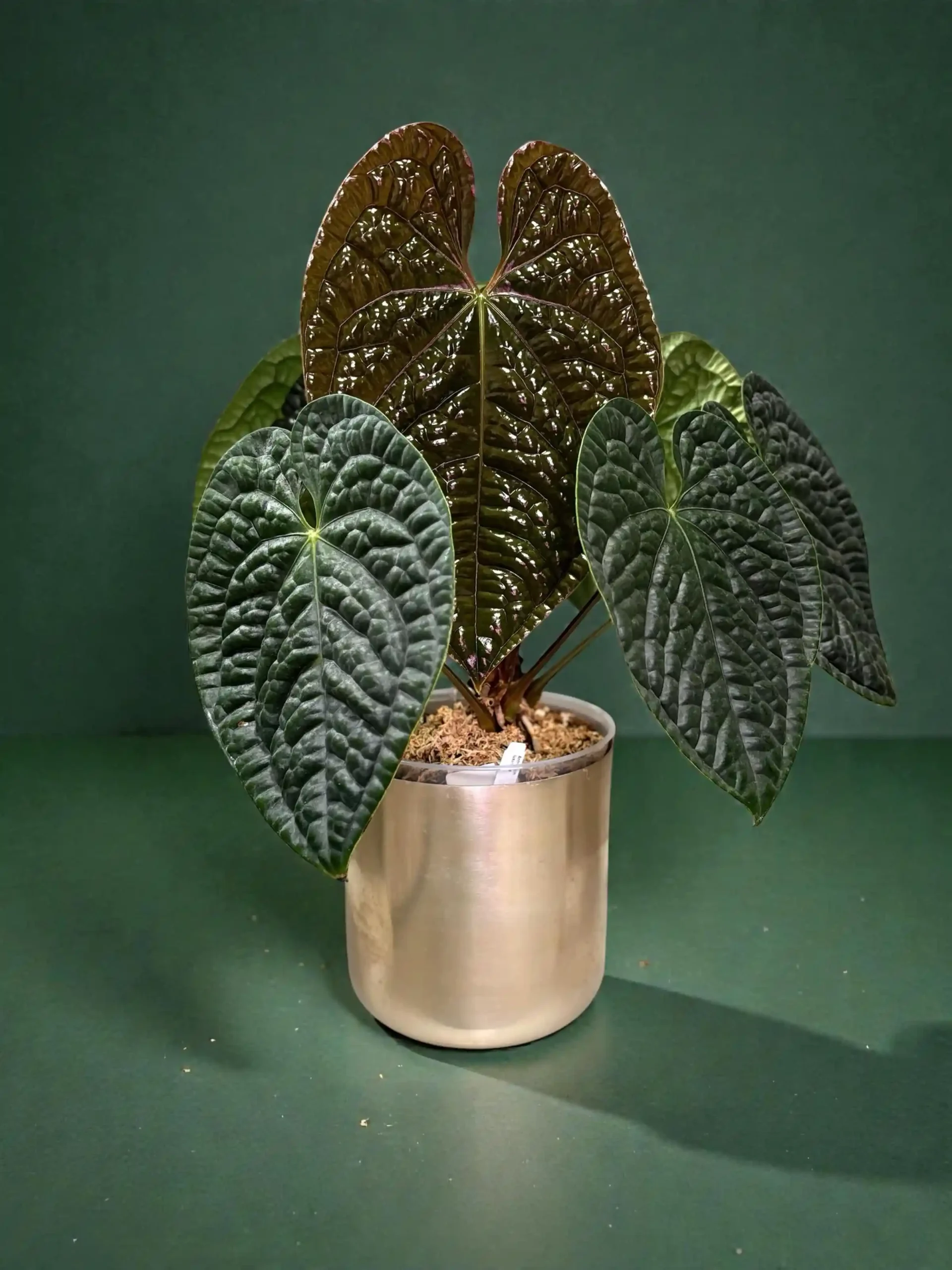
Anthurium Luxurians has thick, dark green leaves with a deeply quilted surface. The plant stays more compact than many long-leaved Anthuriums, but its slow growth and unusual texture give it strong collector appeal.
New leaves may emerge in bronze or reddish tones before turning green. It prefers steady moisture around the roots without dense, soaked soil.
- Care level: Moderate
- Light: Bright, indirect light
- Growth habit: Compact upright rosette
- Best feature: Thick quilted foliage
- Best for: Texture-focused plant collections
- Helpful tip: Use an airy mix that stays lightly moist but never muddy.
17. Anthurium Regale
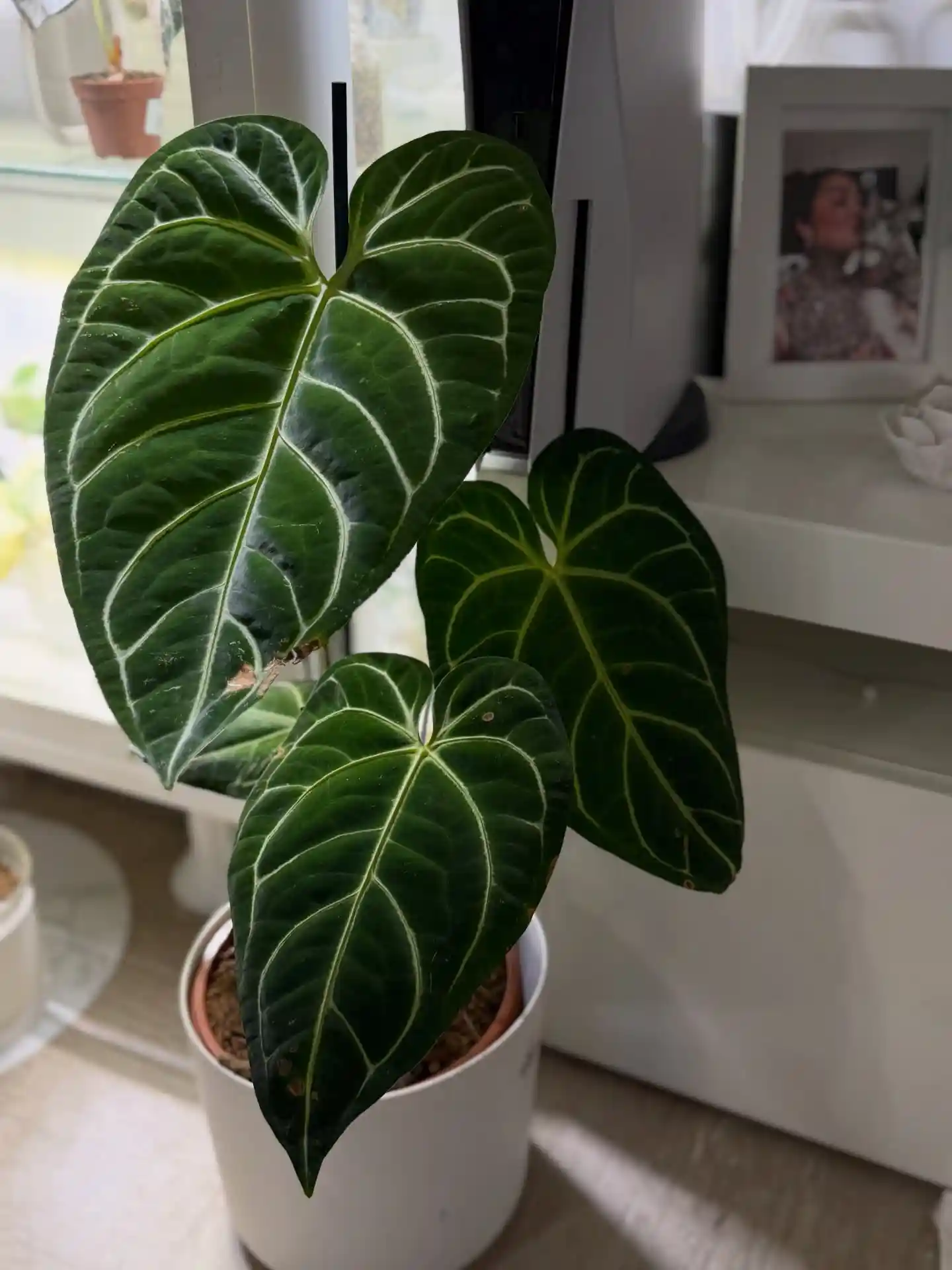
Anthurium Regale develops large heart-shaped leaves with strong pale veins. Even a younger plant can create a bold display, while mature leaves may need considerable room.
It enjoys warmth, filtered light, and higher humidity, but good airflow helps keep the foliage healthy.
Regale suits collectors who can give it both vertical and horizontal space.
- Care level: Moderate to difficult
- Light: Bright, filtered light
- Growth habit: Large upright rosette
- Best feature: Oversized heart-shaped leaves
- Best for: Spacious humid rooms
- Helpful tip: Do not place it in a narrow corner where new leaves cannot open properly.
18. Anthurium Crystallinum Variegata
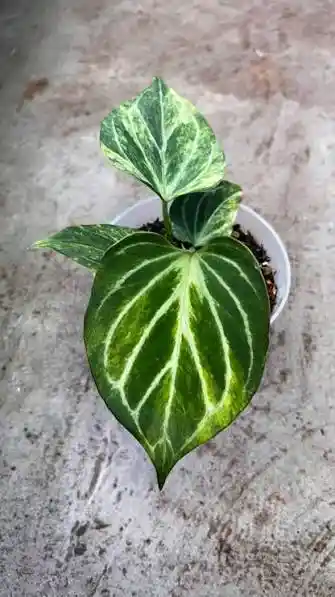
Anthurium Crystallinum Variegata combines velvety heart-shaped leaves, bright veins, and patches of white, cream, or yellow.
Heavily pale leaves may grow slowly or become damaged more easily, so balanced green tissue is important.
The plant needs strong filtered light but should be protected from direct sun. It is a beautiful collector plant, though a healthy green Crystallinum is usually a safer first Anthurium.
- Care level: Difficult
- Light: Bright, filtered light
- Growth habit: Compact upright rosette
- Best feature: Velvet leaves with variegation
- Best for: Advanced Anthurium growers
- Helpful tip: Avoid plants with almost no green tissue.
19. Anthurium Papillilaminum
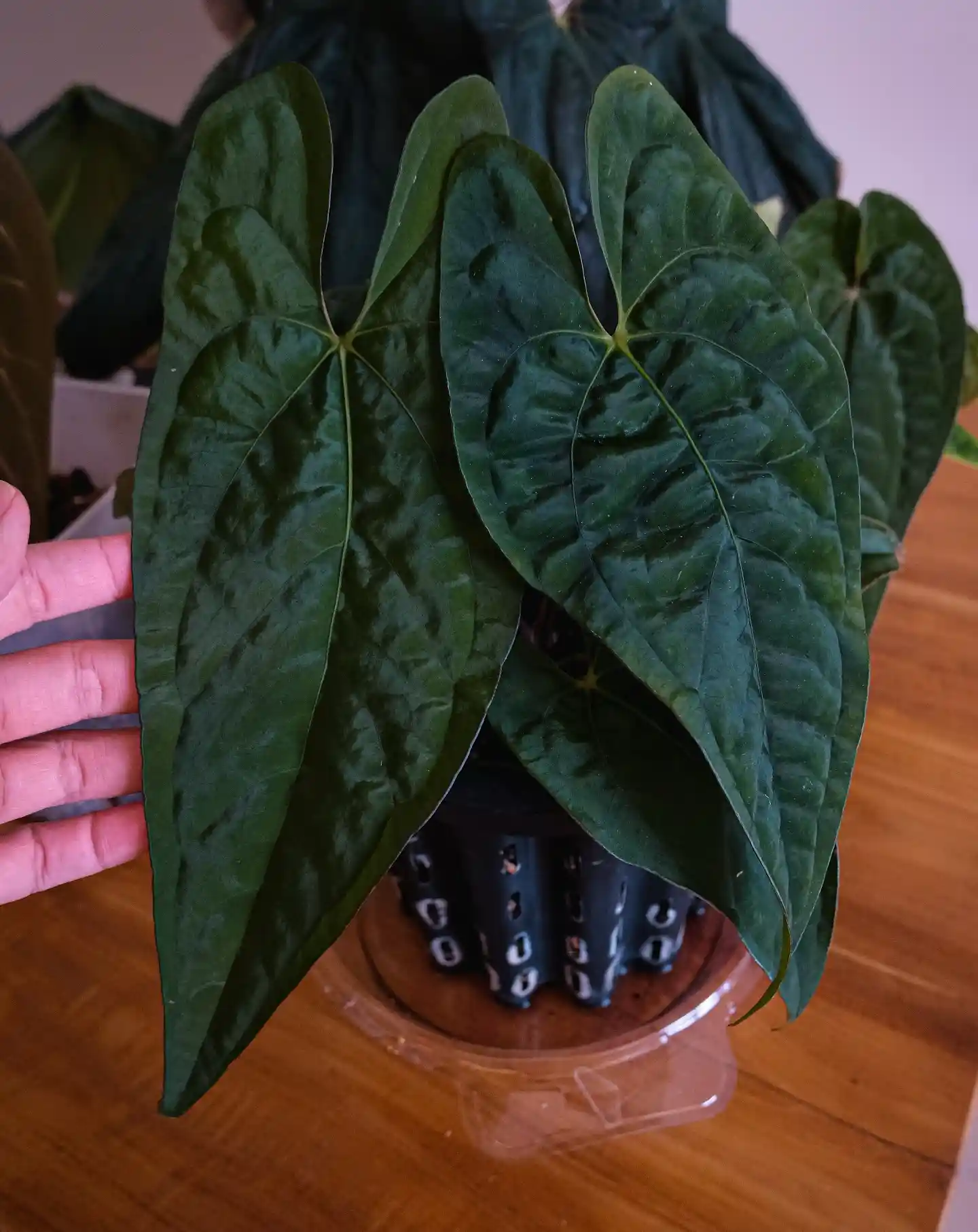
Anthurium Papillilaminum is valued for dark velvety leaves that can range from narrow to broad depending on the form.
It is often used in hybrids, which can make labels confusing when plants are sold without clear parent information. Mature foliage can look nearly black under soft light.
This plant suits someone who enjoys subtle differences in shape, vein pattern, and leaf texture.
- Care level: Moderate to difficult
- Light: Bright, indirect light
- Growth habit: Upright rosette
- Best feature: Dark velvet foliage
- Best for: Experienced Anthurium collectors
- Helpful tip: Ask whether the plant is a pure species or a hybrid before buying.
20. Alocasia Azlanii
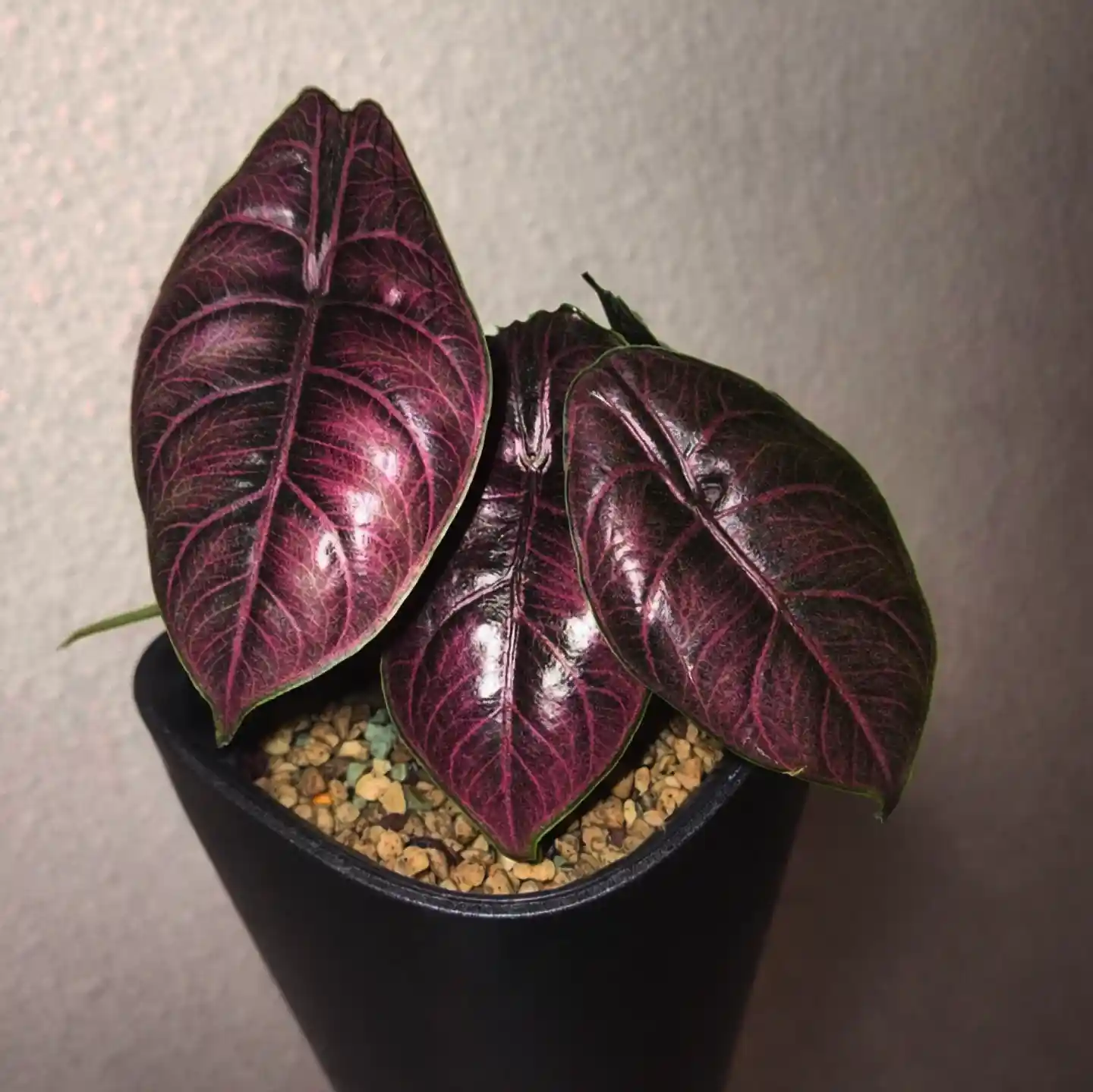
Alocasia Azlanii has dark metallic leaves marked with pink, purple, and silver veins. The coloring looks especially strong when light falls across the surface at an angle.
It stays fairly compact, making it a good choice for cabinets and small collector shelves.
Like many Alocasias, it may slow down during cooler periods and dislikes soil that remains wet for too long.
- Care level: Moderate
- Light: Bright, indirect light
- Growth habit: Compact upright clump
- Best feature: Metallic leaves with colorful veins
- Best for: Humidity cabinets and small displays
- Helpful tip: Reduce watering when growth slows.
21. Alocasia Jacklyn
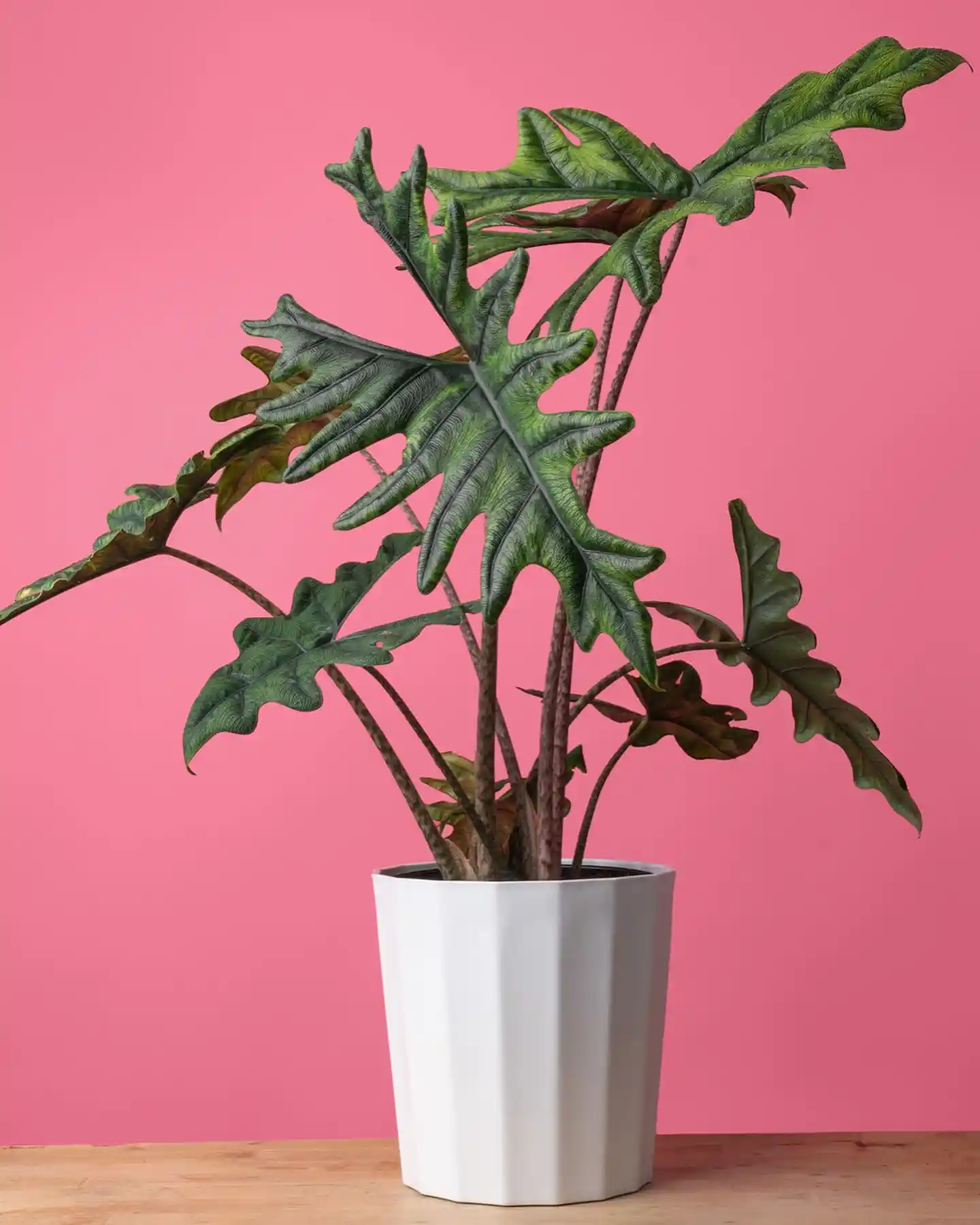
Alocasia Jacklyn has deeply divided green leaves and dark patterned stems. Its leaf shape gives it a wild, almost hand-cut appearance that looks different from the smooth arrow-shaped foliage of common Alocasias.
It grows upright and can become a medium-sized floor plant. Warmth, bright filtered light, and a loose soil mix help keep the plant active.
- Care level: Moderate
- Light: Bright, indirect light
- Growth habit: Upright clump
- Best feature: Deeply lobed leaves and patterned stems
- Best for: Unusual tropical displays
- Helpful tip: Keep the crown above the soil line when repotting.
22. Alocasia Cuprea ‘Red Secret’
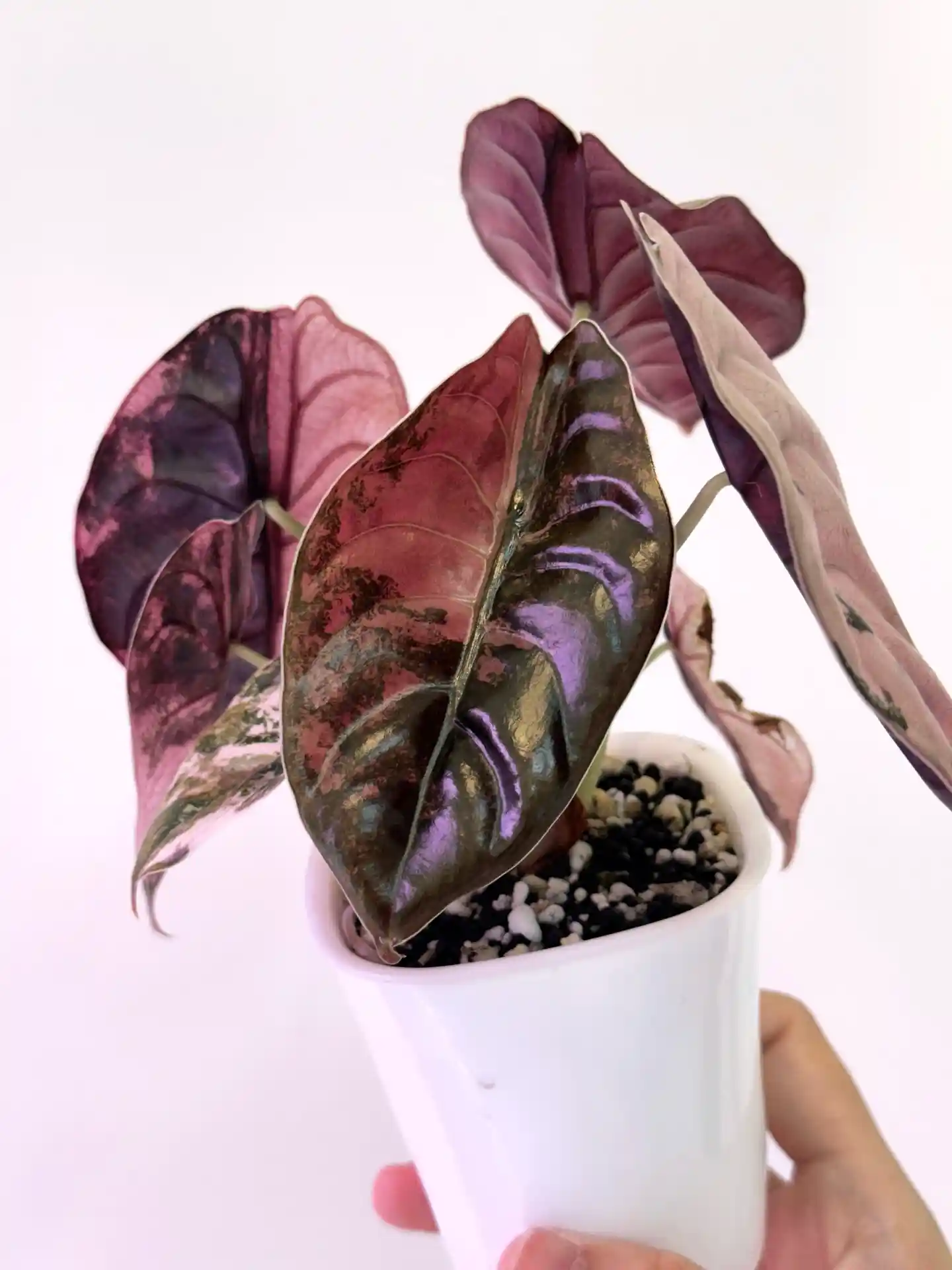
Alocasia Cuprea ‘Red Secret’ has thick metallic leaves with copper, red, purple, and deep green tones.
The surface looks almost polished, making it one of the most sculptural small Alocasias.
It stays compact enough for tables and cabinets but needs careful watering because its thick roots can rot in dense soil. Bright filtered light helps bring out the metallic color.
- Care level: Moderate
- Light: Bright, indirect light
- Growth habit: Compact upright clump
- Best feature: Coppery metallic foliage
- Best for: Tabletop displays and new collectors
- Helpful tip: Let the upper soil begin drying before watering again.
23. Alocasia Frydek Variegata
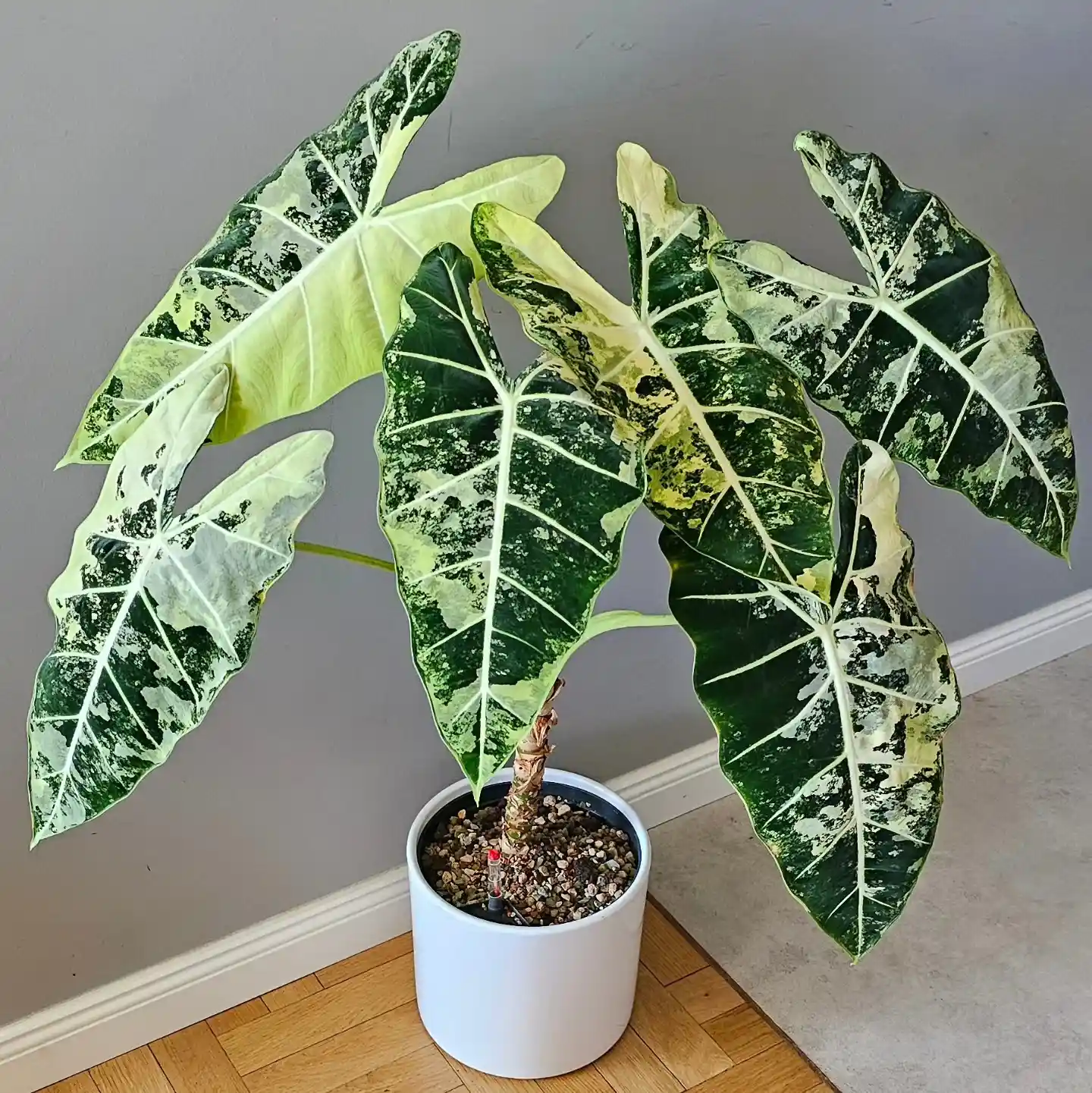
Alocasia Frydek Variegata has velvety arrow-shaped leaves marked with white or cream sections.
The strong contrast looks beautiful, but the pale areas are sensitive to sun, low humidity, and watering mistakes.
It may drop older leaves while adjusting to a new room, especially after shipping. This is better for someone already comfortable caring for Alocasias.
- Care level: Difficult
- Light: Bright, filtered light
- Growth habit: Upright clump
- Best feature: Velvet leaves with white variegation
- Best for: Advanced variegated plant growers
- Helpful tip: Avoid changing its pot immediately after bringing it home.
24. Alocasia Dragon Scale Variegata
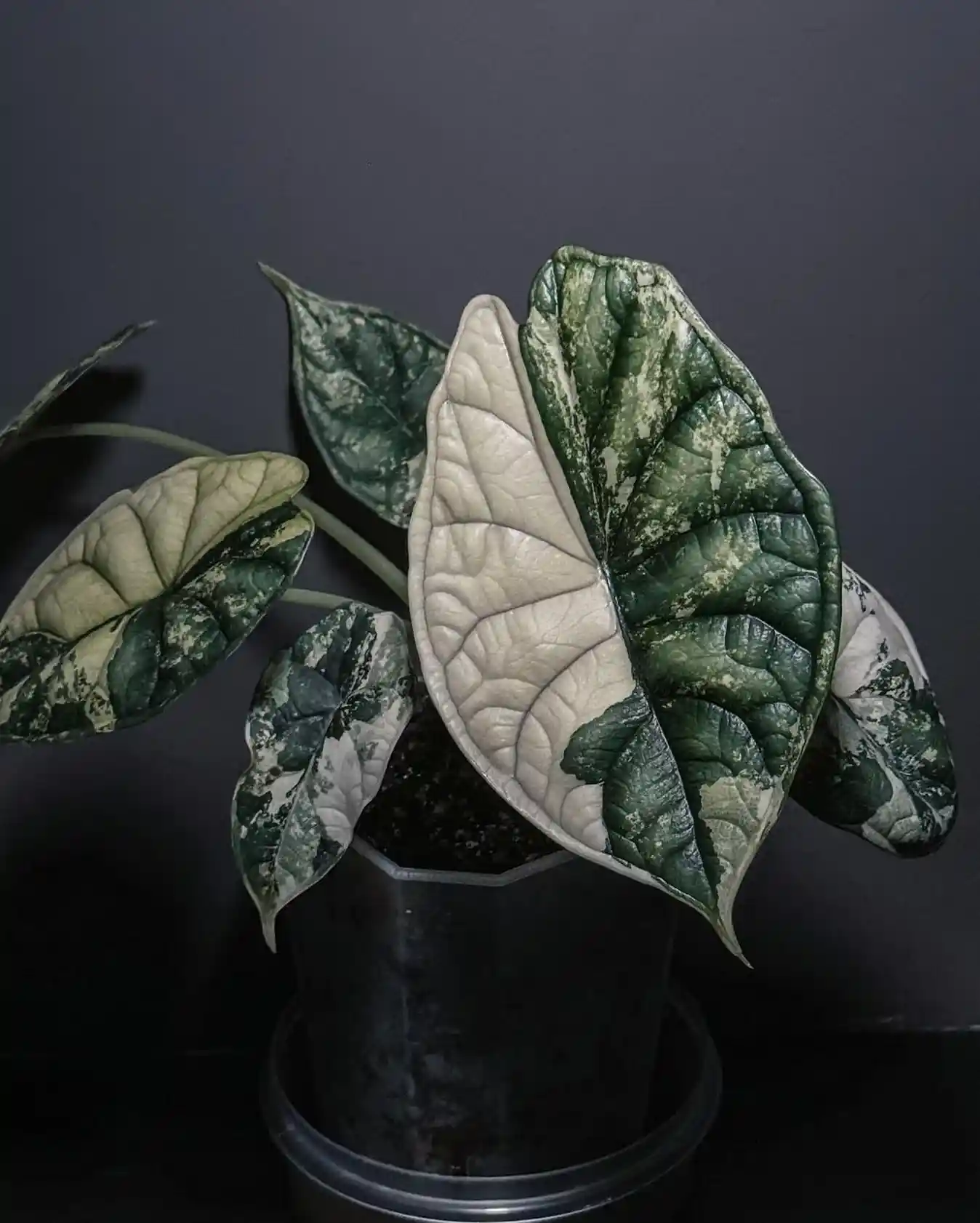
Alocasia Dragon Scale Variegata has thick silver-green leaves with dark veins and irregular white or cream markings.
The textured foliage already resembles scales, while variegation makes every leaf more unusual.
It remains compact but needs warmth, good humidity, and careful root care. Heavily white growth may be slower and more delicate.
- Care level: Difficult
- Light: Bright, indirect light
- Growth habit: Compact upright clump
- Best feature: Scale-like textured variegated leaves
- Best for: Collector cabinets
- Helpful tip: Choose a plant with several healthy roots rather than a weak single-leaf cutting.
25. Hoya Imbricata
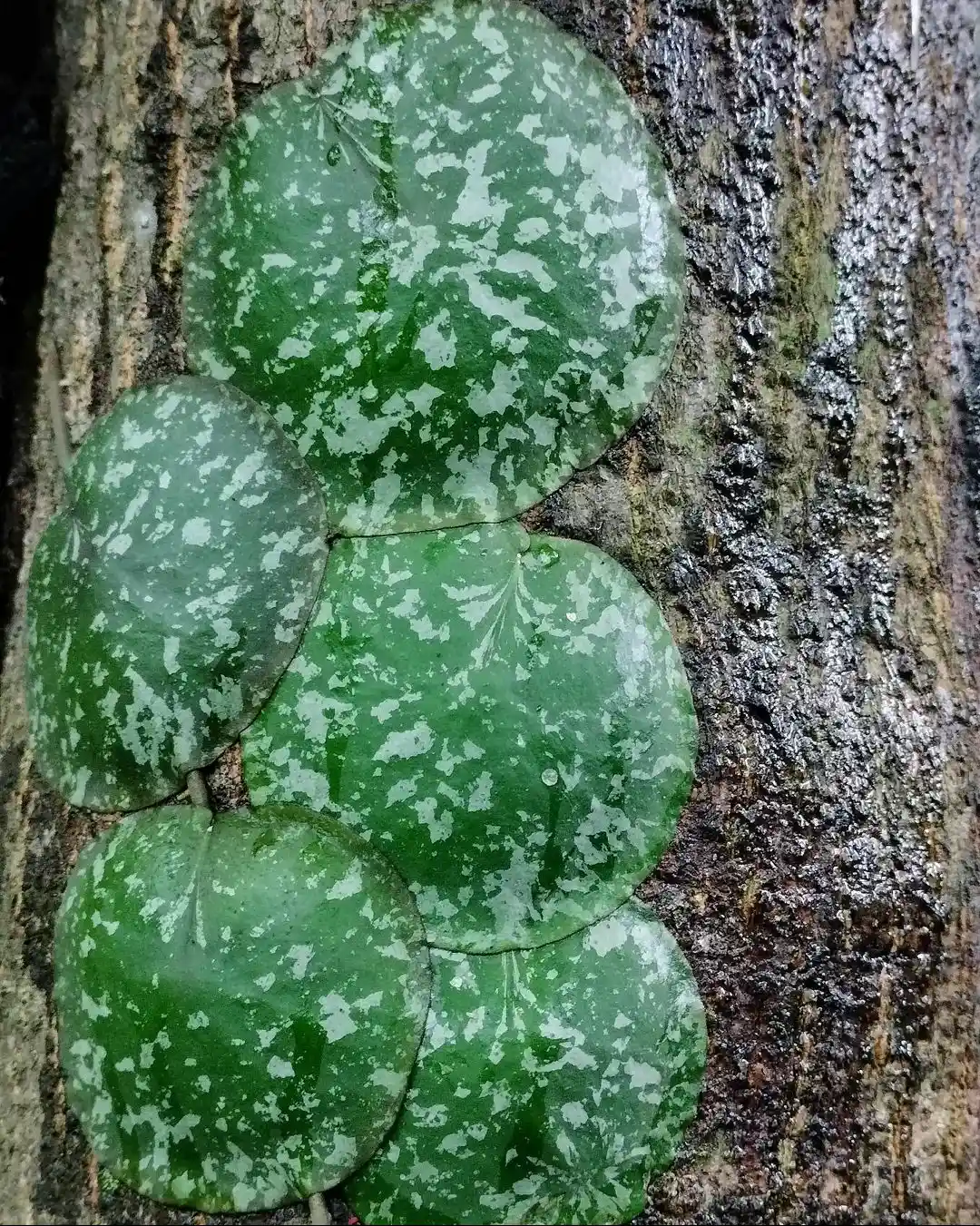
Hoya Imbricata grows flat against a tree, board, or other support. Its leaves overlap like shingles, creating a wall-hugging display rather than a regular trailing vine.
Indoors, it needs a flat surface, warmth, humidity, and enough airflow to prevent moisture from remaining trapped behind the leaves. It is one of the most unusual Hoyas for a vertical collection.
- Care level: Moderate to difficult
- Light: Bright, indirect light
- Growth habit: Shingling climber
- Best feature: Leaves that grow flat against support
- Best for: Vertical collector displays
- Helpful tip: Mount it on cork or wood rather than a thin round pole.
26. Hoya Undulata
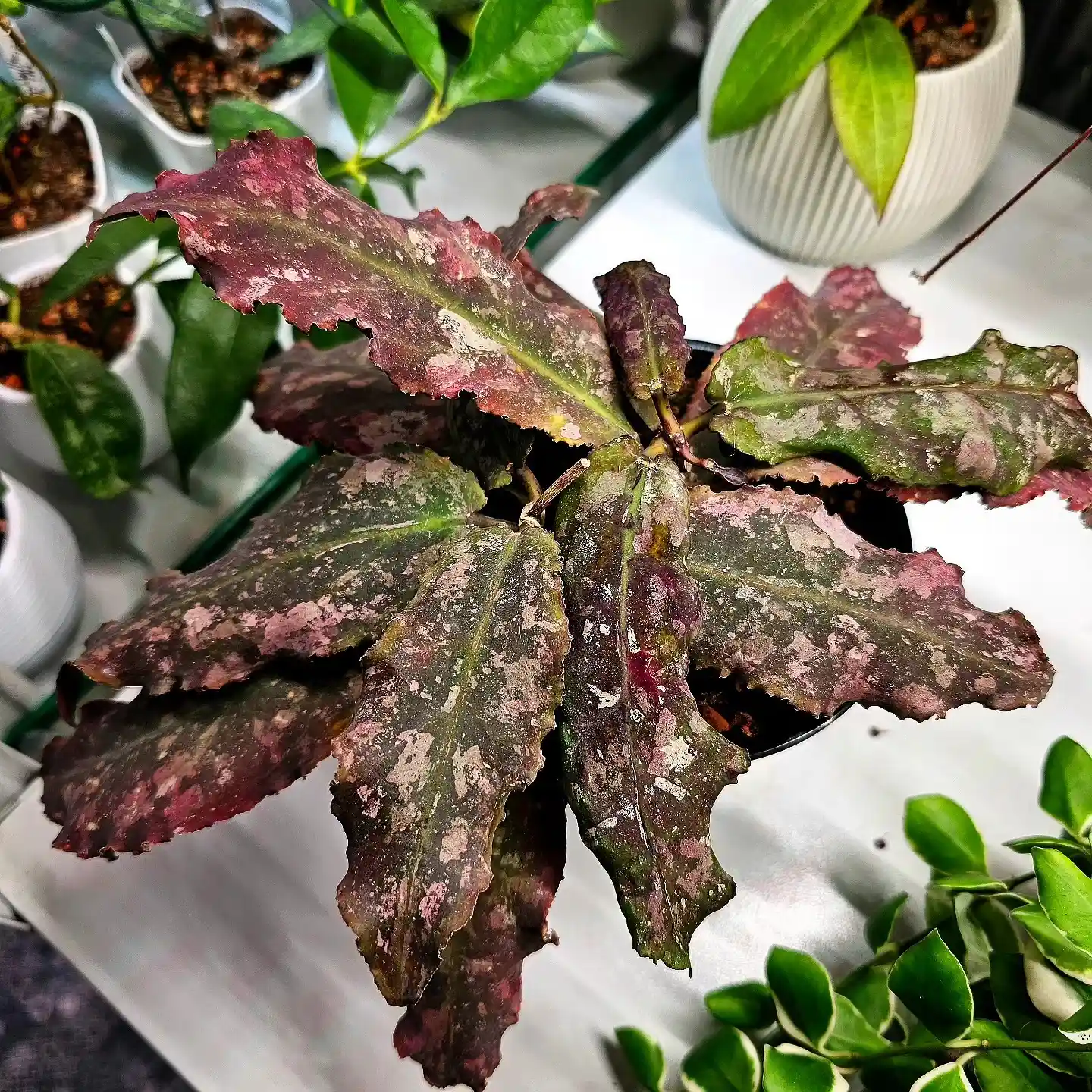
Hoya Undulata has dark green leaves with wavy, uneven edges and reddish tones that become stronger under good light.
The foliage looks rougher and more irregular than the smooth leaves of common Hoyas. It grows slowly and reacts poorly to cold, wet soil, and sudden changes.
This plant is better suited to collectors who already understand Hoya watering and humidity.
- Care level: Difficult
- Light: Bright, filtered light
- Growth habit: Slow climbing or trailing vine
- Best feature: Wavy dark foliage
- Best for: Experienced Hoya collectors
- Helpful tip: Keep it warm and avoid watering on a fixed schedule.
27. Scindapsus Treubii ‘Moonlight’ Variegata
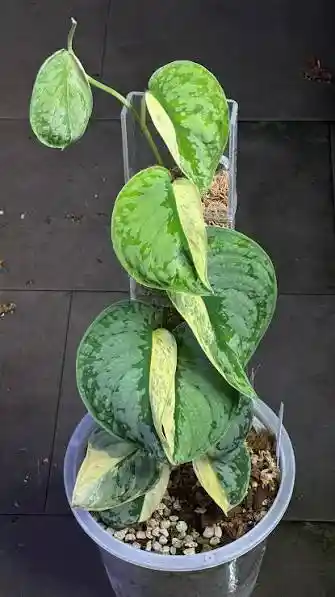
Scindapsus Treubii ‘Moonlight’ Variegata has thick silver-green leaves marked with white or cream patches.
Its compact growth and sturdy foliage make it easier to place than large variegated Monsteras. The plant climbs slowly and benefits from a narrow support.
Since heavily pale leaves contain less green tissue, balanced variegation is more useful than a nearly white plant.
- Care level: Moderate
- Light: Bright, indirect light
- Growth habit: Compact climbing vine
- Best feature: Thick silver leaves with pale variegation
- Best for: Small collector displays
- Helpful tip: Allow the soil to dry slightly between waterings.
28. Rhaphidophora Tetrasperma Variegata
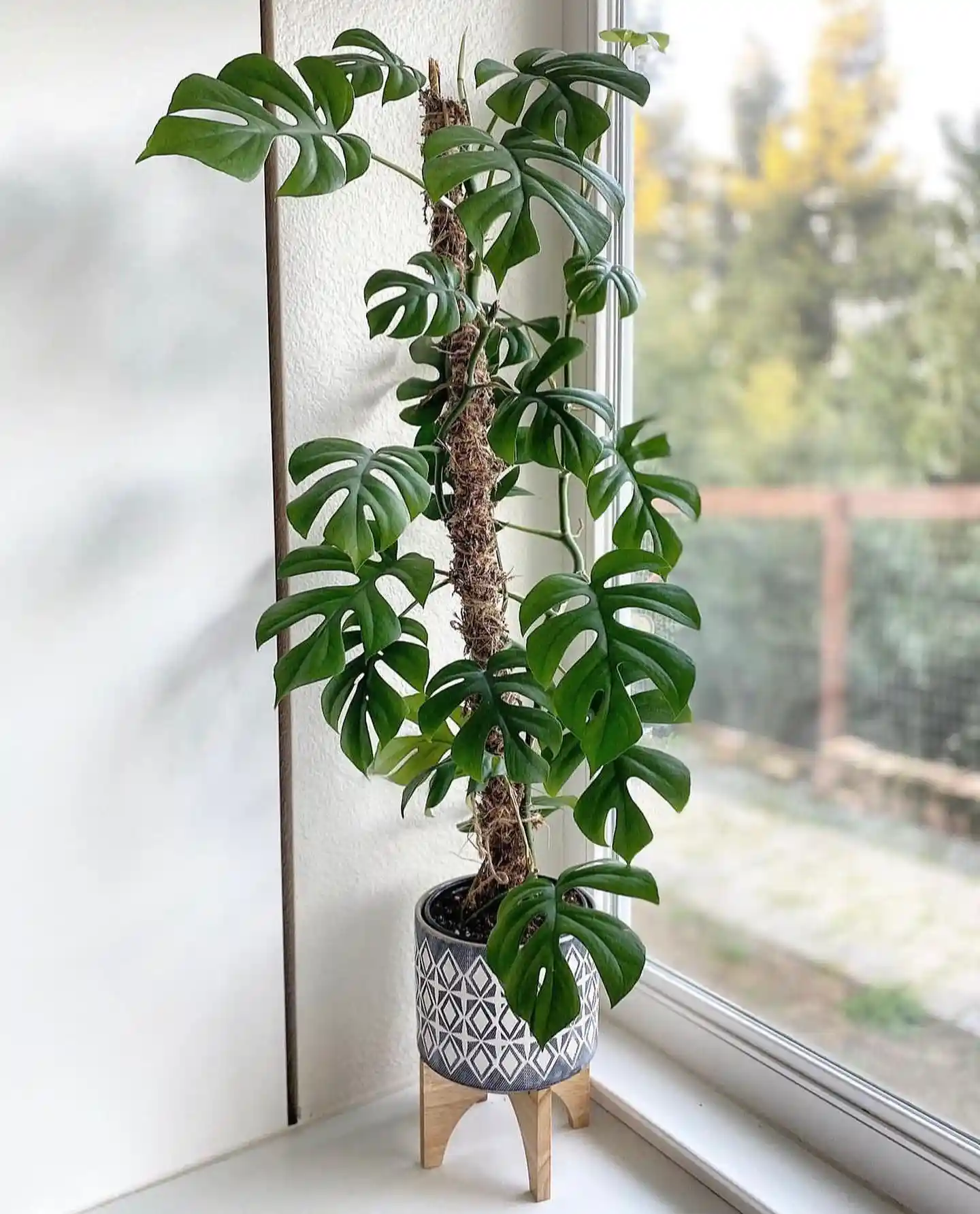
Rhaphidophora Tetrasperma Variegata has small split leaves marked with white, cream, or yellow patterns.
It is often called Mini Monstera, though it belongs to a different genus. Healthy plants can climb quickly, but heavily variegated stems may grow more slowly.
A tall moss pole keeps the plant upright and helps prevent long, bare vines.
- Care level: Moderate
- Light: Bright, indirect light
- Growth habit: Fast climbing vine
- Best feature: Small split leaves with variegation
- Best for: Bright vertical displays
- Helpful tip: Check the stem pattern before buying a cutting.
29. Begonia Ferox
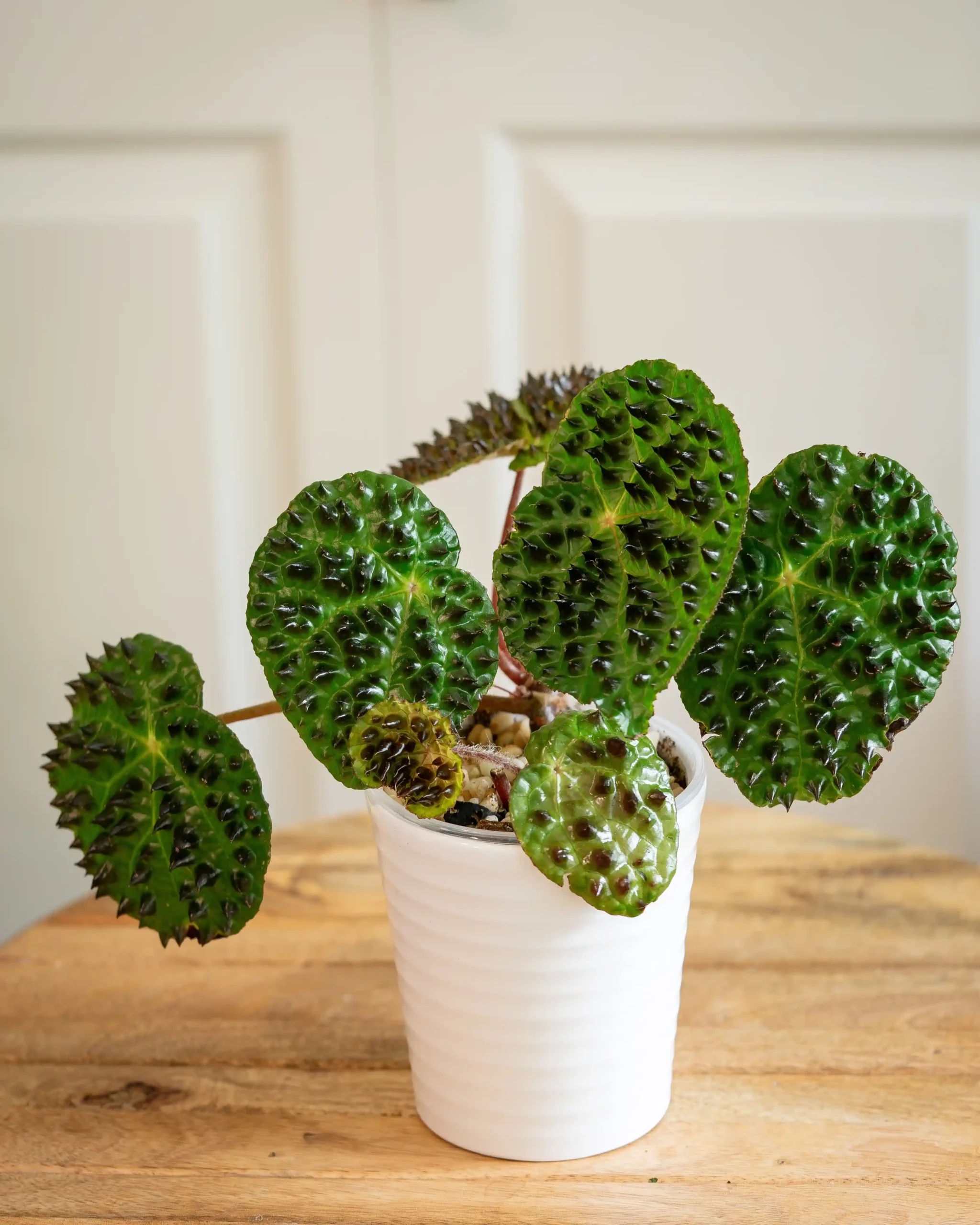
Begonia Ferox has dark green leaves covered with raised black cones that become more pronounced as the plant matures.
Young leaves begin smoother, so the full texture takes time to develop. It stays compact and works well in terrariums or cabinets where humidity remains steady.
Direct water on the textured leaves can sit around the raised areas, so careful watering helps keep them clean.
- Care level: Moderate
- Light: Bright, indirect light
- Growth habit: Compact clumping plant
- Best feature: Raised black cones across the foliage
- Best for: Terrariums and humidity cabinets
- Helpful tip: Water the soil rather than pouring over the leaves.
30. Labisia Pumila Turtle Back
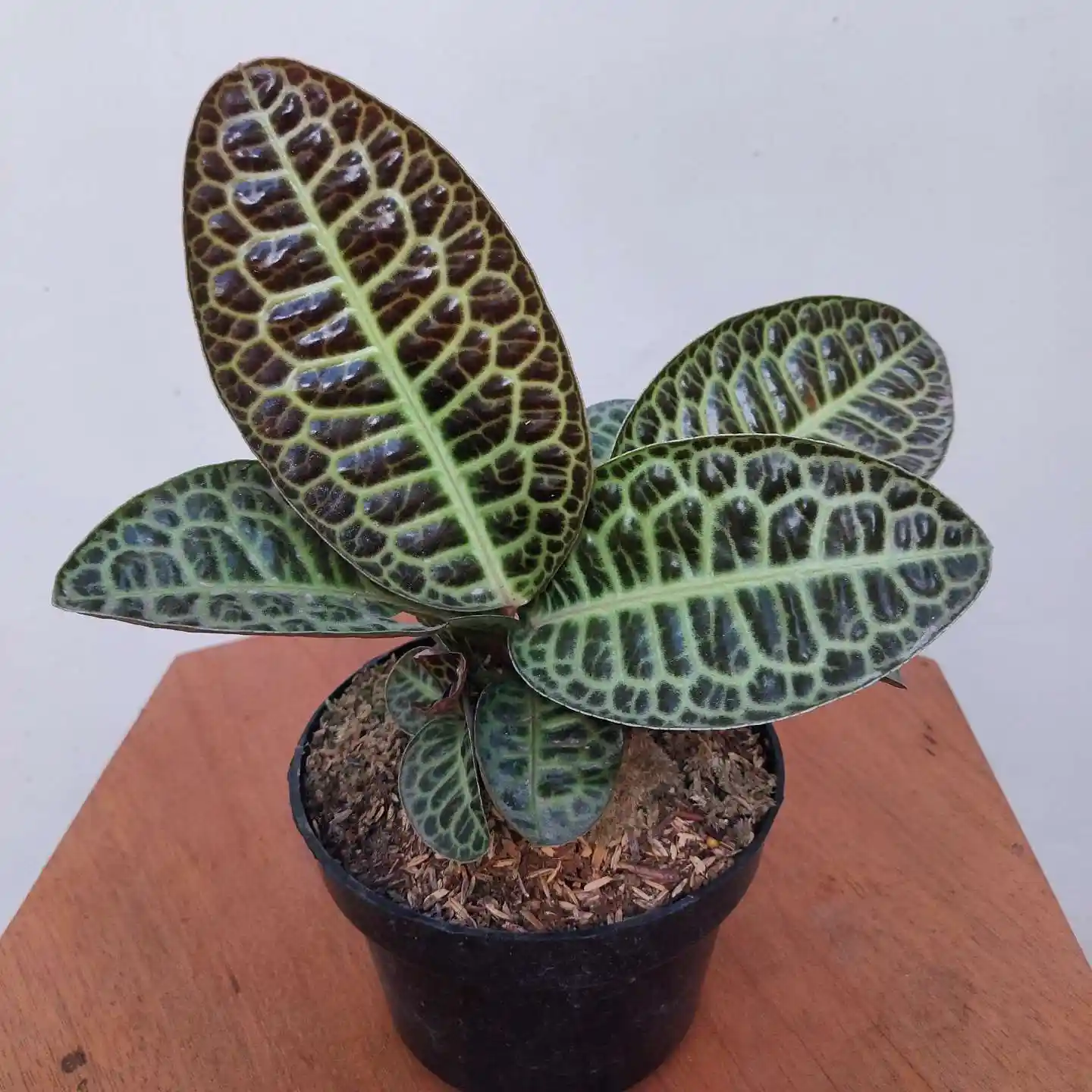
Labisia Pumila ‘Turtle Back’ has dark leaves patterned with pale veins that resemble the markings on a turtle shell.
It grows low and stays compact, making it suitable for terrariums, cabinets, and small tropical displays.
Dry household air can damage the leaf edges, so this is not the best choice for an open shelf near heating or air conditioning.
- Care level: Moderate to difficult
- Light: Medium to bright indirect light
- Growth habit: Low-growing clump
- Best feature: Turtle-shell leaf pattern
- Best for: Terrariums and closed cabinets
- Helpful tip: Keep it away from direct airflow.
Best Rare House Plants for Different Collectors
Best Rare House Plants for Beginners
These plants have an unusual appearance without needing the most controlled conditions.
- Monstera Esqueleto
- Philodendron Melanochrysum
- Anthurium Veitchii
- Alocasia Cuprea ‘Red Secret’
- Scindapsus Treubii ‘Moonlight’ Variegata
Best Plants for Humidity Cabinets
These plants appreciate steady warmth and higher humidity.
- Anthurium Warocqueanum
- Philodendron Verrucosum
- Alocasia Azlanii
- Begonia Ferox
- Labisia Pumila ‘Turtle Back’
Best Variegated Rare House Plants
- Monstera Deliciosa ‘Aurea’
- Philodendron Florida Beauty
- Philodendron Caramel Marble
- Alocasia Frydek Variegata
- Anthurium Crystallinum Variegata
Best Large Statement Plants
- Anthurium Veitchii
- Anthurium Regale
- Philodendron Billietiae Variegata
- Monstera Burle Marx Flame
- Philodendron Patriciae
Best Small Rare House Plants
- Alocasia Azlanii
- Alocasia Cuprea ‘Red Secret’
- Begonia Ferox
- Anthurium Luxurians
- Labisia Pumila ‘Turtle Back’
Hardest Rare Plants to Grow
- Monstera Obliqua
- Anthurium Warocqueanum
- Hoya Undulata
- Anthurium Crystallinum Variegata
- Alocasia Dragon Scale Variegata
What Makes a Houseplant Rare?
A plant may be considered rare because it grows slowly, produces limited propagation material, or is difficult for nurseries to grow in large numbers. Some species also have a small natural range or require controlled conditions during shipping.
Collector demand can create temporary rarity as well. A plant may be difficult to find one year and widely available the next after tissue culture or nursery propagation increases supply.
Common reasons include:
- Slow growth
- Difficult propagation
- Limited nursery production
- Small natural range
- Unstable variegation
- High collector demand
- Import limits
- Temporary market shortages
An expensive plant is not automatically rare. Pricing may be influenced by trends, seller reputation, plant size, and the strength of its current leaf pattern.
How to Choose a Rare House Plant
Start with the conditions you can provide rather than the plant with the highest price. A rare plant that needs a sealed cabinet will not do well on a dry living-room shelf.
- Check the plant’s humidity needs
- Compare its mature size with your space
- Choose a rooted plant over a weak cutting
- Inspect the growth point and active node
- Look under leaves for pests
- Ask for recent photos
- Check the seller’s reputation
- Avoid paying extra for unclear trade names
- Begin with an easier collector plant
Buying Rare House Plants Safely
Check the Exact Plant Name
Rare plants are often sold under trade names, shortened names, or incorrect labels. Compare leaf shape, stem color, growth habit, and mature examples before purchasing.
Ask for Current Photos
Stock photos may not show the exact plant you will receive. Request clear pictures of the leaves, stem, growth point, pot, and visible roots.
Inspect the Roots and Growth Point
Healthy roots should look firm rather than soft or black. A viable cutting also needs an active node or growth point, not only a decorative leaf.
Be Careful With Unrooted Cuttings
Unrooted cuttings can fail during shipping or propagation. A cutting with a beautiful leaf may still have a damaged node or no usable growth point.
Avoid Deals That Look Unrealistic
Be cautious with fake rare-plant seeds, heavily edited photos, unclear imports, and prices far below the usual market range. A trusted rooted plant is often better value than several questionable cuttings.
Basic Rare Houseplant Care
Rare plants do not all need the same routine. A velvet Anthurium, metallic Alocasia, and climbing Monstera may require different humidity, watering, and soil conditions.
- Provide bright, indirect light
- Match humidity to the individual plant
- Use a loose, airy potting mix
- Avoid oversized pots
- Water according to soil moisture
- Give climbing plants proper support
- Quarantine new purchases
- Check for pests every week
- Avoid changing several care conditions at once
- Allow shipped plants time to settle
Common Problems With Rare House Plants
Root Rot After Shipping
Shipping stress and wet packing material can damage roots. Inspect the root system, remove soft sections, and use a small pot with fresh airy soil.
Damaged New Leaves
New foliage may tear, stick, or open unevenly when humidity changes. Do not pull a leaf open by hand, since this can cause more damage.
Brown Variegated Sections
White and yellow tissue is naturally more delicate than green tissue. Strong sun, dry air, root stress, or uneven watering may cause these areas to brown.
Loss of Variegation
Some plants produce greener growth when light is too low or when the active stem has little variegation. Light can help, but it cannot create variegation where none exists in the growth point.
Slow or Stopped Growth
Growth may slow after shipping, during cooler weather, or while roots recover. Check light, temperature, roots, and pests before adding more fertilizer.
Spider Mites and Thrips
Rare tropical plants can attract spider mites and thrips, especially during dry or warm conditions. Check leaf undersides, new growth, and stems before adding a new plant to your collection.
Rare Plants That Are Becoming More Common
Some plants that were once difficult and expensive to find are now widely produced through tissue culture or larger nursery programs.
Examples include:
- Thai Constellation Monstera
- Philodendron Pink Princess
- Philodendron White Wizard
- Alocasia Dragon Scale
- Anthurium Crystallinum
These plants may still be uncommon in some areas, but availability is increasing. This is why rarity should be viewed as something that changes rather than a permanent label.
Faq’s
What is considered a rare houseplant?
A rare houseplant is difficult to find through regular local sellers because of limited production, slow growth, difficult propagation, or strong collector demand. Availability can differ from one country to another.
What is the rarest houseplant?
There is no single permanent answer because nursery production and market supply change. True Monstera obliqua and certain collector Philodendrons and Anthuriums remain difficult to find in many areas.
Are rare plants harder to grow?
Some are, but rarity does not always mean difficult care. Monstera Esqueleto and Anthurium Veitchii may be easier than delicate variegated Alocasias or thin-leaved Anthuriums.
Why are rare house plants expensive?
Prices may reflect slow propagation, low supply, high demand, plant size, variegation, shipping costs, and seller reputation. Trend-driven prices may fall when production increases.
Where can I buy rare house plants safely?
Use established specialist nurseries, trusted local collectors, or sellers with clear reviews and current plant photos. Avoid listings that use only edited stock images.
Are tissue-cultured plants less valuable?
Tissue culture can make rare plants easier to find and more affordable. A healthy tissue-cultured plant can be just as attractive to grow, even if collectors value older propagated lines differently.
What is the easiest rare houseplant for beginners?
Monstera Esqueleto, Philodendron Melanochrysum, Anthurium Veitchii, and Alocasia Cuprea are reasonable first choices when kept in suitable light and soil.
Which rare plants stay small?
Alocasia Azlanii, Alocasia Cuprea, Begonia Ferox, Anthurium Luxurians, and Labisia Pumila remain more compact than large climbing Monsteras and Philodendrons.
Do rare plants need high humidity?
Not all of them. Velvet Anthuriums, Begonia Ferox, and Labisia prefer higher humidity, while some climbing Philodendrons and Monsteras can adjust to normal indoor conditions.
How can I tell whether a rare plant is mislabeled?
Compare its leaf shape, stem, petiole, growth habit, and mature examples from several reliable sources. Young plants can look different from mature ones, so one leaf is not always enough.
Are variegated plants naturally rare?
Some variegated plants are naturally uncommon, while others are produced through cuttings or tissue culture. Variegation may also be unstable, which limits how quickly certain plants can be multiplied.
Can rare plants lose their variegation?
Yes. Some plants may produce greener growth when the active stem has little variegation. Pruning back to a better-patterned node may help, but future color cannot be guaranteed.