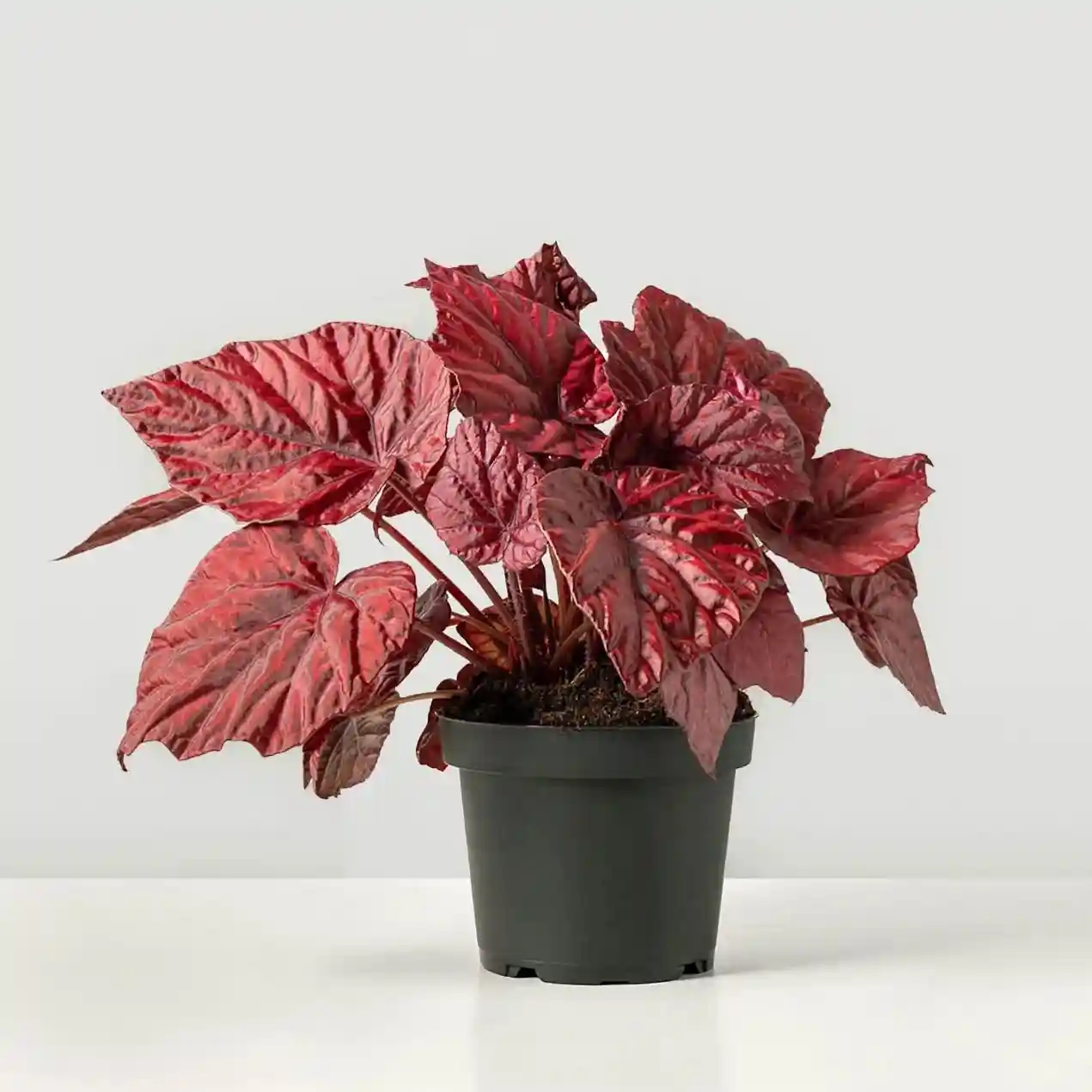
13 Reasons Your Houseplant Leaves Are Turning Yellow
Yellow leaves can make any houseplant owner panic a little. One day your plant looks fresh and green, then suddenly a few leaves start fading, drooping, or falling off.
The good news is that yellow leaves do not always mean your plant is dying. Sometimes it is a simple watering issue. Other times it may be low light, old soil, pests, or natural aging. The key is to look at the soil, roots, light, and leaf texture before guessing.
Here are the most common reasons your houseplant leaves are turning yellow and what you can do to fix them.
1. Overwatering
Overwatering is one of the most common reasons houseplant leaves turn yellow. When soil stays wet for too long, roots cannot breathe well. Once the roots struggle, the leaves often turn yellow, soft, or limp.
This usually happens with pots that have poor drainage, heavy soil, or plants kept in low light. A plant in a shaded room uses water more slowly, so the soil stays damp longer.
Before watering again, press your finger into the soil. If it still feels wet below the surface, wait.
What to do: Let the soil dry out, empty any saucer water, and check that the pot has drainage holes.
2. Underwatering
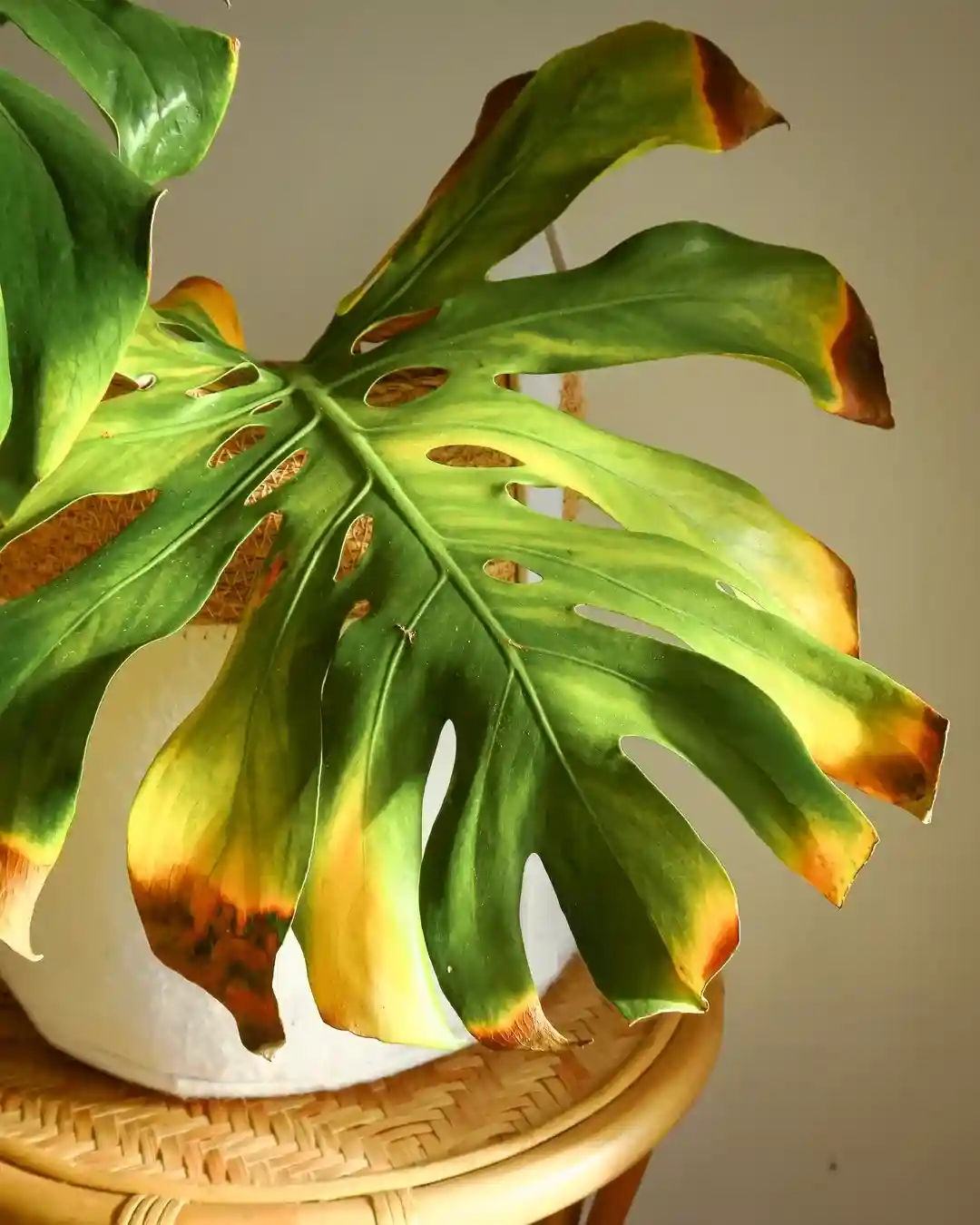
Too little water can also cause yellow leaves. This usually looks different from overwatering. The leaves may turn yellow, curl, feel dry, or get crispy brown edges.
Underwatered plants often have soil pulling away from the sides of the pot. The pot may also feel very light when you pick it up.
Plants like pothos, peace lily, spider plant, and philodendron can yellow when they stay dry for too long.
What to do: Water deeply until water drains from the bottom. Let the plant rehydrate, then check the soil more often.
3. Poor Drainage
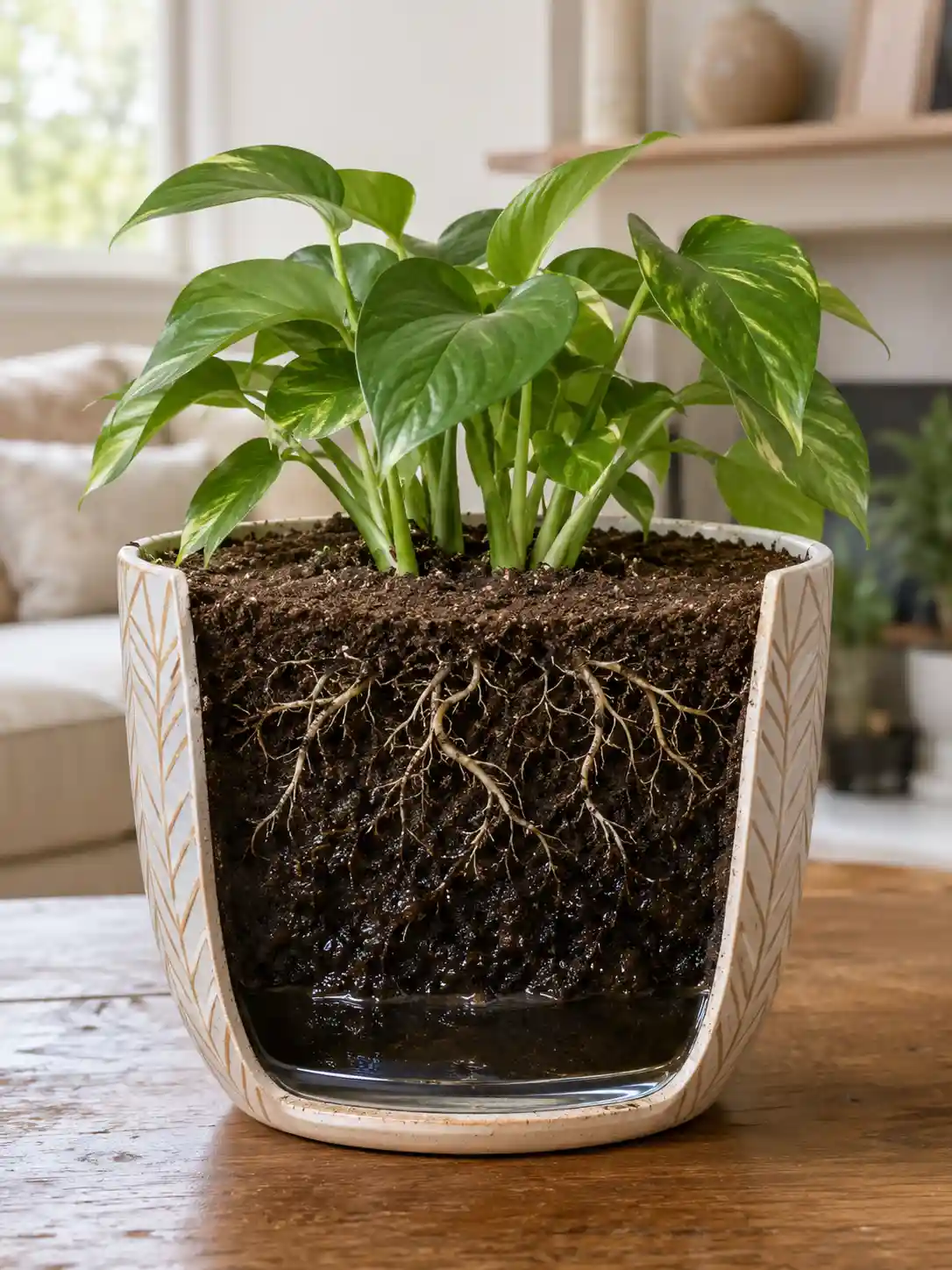
Sometimes your watering routine is not the real problem. The pot is.
If a pot has no drainage holes, extra water collects at the bottom. The top of the soil may look fine, but the roots can sit in soggy soil underneath.
This is one reason yellow leaves appear even when you feel like you are watering carefully. The plant is not getting a chance to dry out properly.
What to do: Use a pot with drainage holes. If you love a decorative pot, keep the plant in a nursery pot inside it.
4. Low Light
Houseplants need light to grow, even low light plants. If a room is too dark, the plant may grow slowly, drop leaves, or turn yellow over time.
Low light can also make overwatering worse because the plant uses less water. So a plant in a dark corner may yellow from both low light and wet soil.
ZZ plant, snake plant, cast iron plant, and pothos handle lower light better than many others, but even they still need some brightness.
What to do: Move the plant closer to a window with soft indirect light, or use a small grow light if the room is very dark.
5. Too Much Direct Sun
Some yellow leaves come from too much sun, not too little. Many houseplants prefer bright indirect light, not harsh afternoon sun.
Direct sun can fade leaves, scorch edges, or create yellow and brown patches. This is common with peace lily, pothos, calathea, prayer plant, ferns, and some philodendrons.
If the yellowing is mostly on the side facing the window, the light may be too strong.
What to do: Move the plant a little farther from the window or use a sheer curtain to soften the light.
6. Natural Old Leaf Shedding
Not every yellow leaf is a problem. Houseplants naturally drop older leaves as they grow. This usually happens near the bottom of the plant.
If one or two older leaves turn yellow while the rest of the plant looks healthy, it may just be normal aging. This is common with pothos, philodendron, peace lily, and dracaena.
The difference is that natural yellowing is slow and limited. The whole plant should not look weak.
What to do: Trim off the old yellow leaf once it is fully faded. Keep caring for the plant as usual.
7. Root Rot
Root rot is a more serious reason for yellow leaves. It usually happens when roots stay wet too long and begin to decay.
Yellow leaves with mushy stems, bad-smelling soil, or soil that stays wet for days can point to root rot. If the plant keeps getting worse after watering, the roots may already be damaged.
Healthy roots are usually firm and light-colored. Rotten roots look brown, black, soft, or slimy.
What to do: Remove the plant from the pot, trim damaged roots with clean scissors, and repot in fresh well-draining soil.
8. Nutrient Deficiency
If your plant has been in the same soil for a long time, yellow leaves may mean the soil is tired. Plants slowly use up nutrients, especially during active growth.
Nutrient issues often show as pale leaves, weak new growth, or yellowing that does not match a watering problem.
Do not fertilize a stressed, soggy, or root-rotted plant right away. Fix watering and drainage first. Fertilizer will not help damaged roots.
What to do: During spring or summer, use a balanced indoor plant fertilizer at a gentle strength. Refresh old soil when needed.
9. Pest Problems
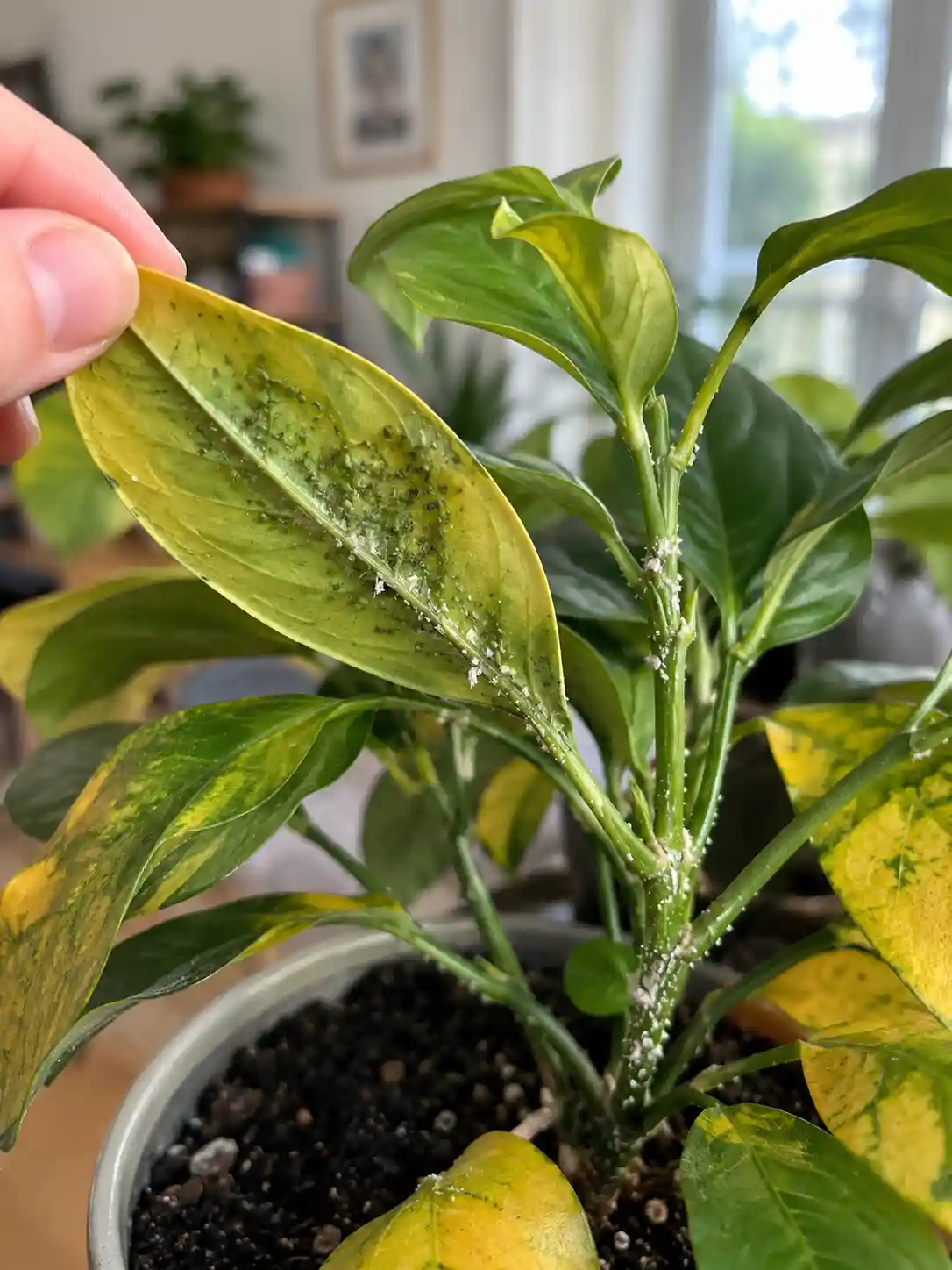
Pests can weaken houseplants and cause yellow leaves. Look closely under the leaves, along stems, and near new growth.
Common indoor pests include spider mites, mealybugs, scale, thrips, and fungus gnats. Some leave sticky residue, tiny webs, white cottony patches, or small moving dots.
A pest problem often causes yellow speckling, weak leaves, curling, or slow growth.
What to do: Isolate the plant, wipe leaves clean, and treat with insecticidal soap or neem-based plant spray if suitable for that plant.
10. Temperature Stress
Houseplants like steady indoor conditions. Cold drafts, hot heaters, air-conditioning vents, and sudden temperature changes can stress the leaves.
Yellow leaves may appear after a plant sits near a drafty window, exterior door, radiator, fireplace, or AC vent. Tropical plants are especially sensitive to cold air.
This can happen quickly in winter or when a plant is placed too close to a heating source.
What to do: Move the plant away from vents, cold glass, heaters, and drafty doors.
11. Repotting Shock
Yellow leaves after repotting are fairly common. The roots may have been disturbed, the new pot may be too large, or the new soil may hold more moisture than the old mix.
A little stress after repotting is normal. But if the soil stays wet and the plant keeps yellowing, the new pot or soil may be the issue.
Oversized pots are a common mistake. Too much extra soil around the roots can hold water for too long.
What to do: Keep the plant in bright indirect light, avoid overwatering, and give it time. If the pot is much too large, repot into a smaller one.
12. Wrong Soil Mix
The wrong soil mix can make houseplant care much harder. Heavy soil can stay wet too long, while very fast-draining soil may dry out too quickly.
Snake plants, ZZ plants, aloe, and jade plants need fast-draining soil. Ferns, peace lilies, and prayer plants like a bit more moisture, but still need airflow around the roots.
If your plant keeps yellowing even when you adjust watering, the soil may not match the plant.
What to do: Use a soil mix that fits the plant type. Add perlite or bark for better drainage if the mix feels too dense.
13. Water Quality Issues
Some houseplants are sensitive to minerals, chlorine, fluoride, or salts in tap water. This can cause yellowing, brown tips, or faded leaf edges over time.
Calathea, prayer plant, peace lily, spider plant, and some ferns can be more sensitive than tougher plants like snake plant or ZZ plant.
You may also see white crust on the soil surface or around the pot, which can point to mineral buildup.
What to do: Let tap water sit out overnight, use filtered water, or flush the soil occasionally to wash out extra salts.
Quick Diagnosis Table for Yellow Houseplant Leaves
| Yellow Leaf Sign | Likely Cause | What To Do |
| Yellow leaves with wet soil | Overwatering | Let soil dry and check drainage |
| Yellow leaves with crispy edges | Underwatering or dry air | Water deeply and check humidity |
| Lower leaves turning yellow | Natural aging | Trim old leaves |
| Yellow leaves with bad smell | Root rot | Inspect roots and repot |
| Yellow leaves with tiny pests | Pest problem | Isolate and treat the plant |
| Yellow leaves after moving | Light or temperature stress | Adjust placement |
| Yellow leaves after repotting | Repotting shock | Give time and avoid overwatering |
| Pale yellow new growth | Old soil or nutrient issue | Feed gently during growing season |
How to Fix Yellow Leaves on Houseplants
When you see yellow leaves, do not rush to water or fertilize right away. Take a few minutes to check the basics.
Follow these steps:
- Check the soil moisture with your finger.
- Look at the pot drainage.
- Empty any water sitting in the saucer.
- Check if the plant is getting too little or too much light.
- Look under leaves for pests.
- Smell the soil for any sour or rotten odor.
- Inspect roots if the plant keeps getting worse.
- Trim fully yellow leaves with clean scissors.
- Adjust watering slowly.
- Avoid fertilizing until the plant looks stable.
A yellow leaf usually will not turn green again. Once it is fully yellow, the plant is done with that leaf. Removing it helps the plant look cleaner and lets you focus on healthy growth.
How to Prevent Yellow Leaves
A few simple habits can prevent most yellow leaf problems.
- Check soil before watering.
- Use pots with drainage holes.
- Match each plant to the room’s light.
- Avoid cold drafts and heater vents.
- Clean leaves so they can absorb light better.
- Refresh old soil when it becomes compacted.
- Do not move plants too often.
- Water less in winter and low-light rooms.
- Keep pest-prone plants away from new plants until checked.
I like to do a quick weekly plant check instead of a strict watering day. Some plants need water, some do not, and that is normal.
FAQ
Should I cut yellow leaves off my houseplant?
Yes, you can cut off fully yellow leaves. Use clean scissors and trim close to the base of the leaf stem. If the leaf is only slightly yellow, you can wait and watch it for a few days.
Can yellow leaves turn green again?
Most yellow leaves will not turn green again. Once the leaf has lost its color, the plant usually lets it go. Focus on fixing the cause so new leaves grow healthy.
Do yellow leaves always mean overwatering?
No, yellow leaves do not always mean overwatering. They can also come from underwatering, low light, too much sun, pests, old leaves, root rot, poor soil, or temperature stress.
Why are only the bottom leaves turning yellow?
If only the oldest lower leaves are turning yellow, it may be natural aging. If many lower leaves yellow at once and the soil is wet, check for overwatering.
Why are my plant leaves yellow and crispy?
Yellow leaves with crispy edges often point to underwatering, dry air, too much sun, or inconsistent watering. Check the soil first, then look at the light and room conditions.
Why are my plant leaves yellow but the soil is wet?
Yellow leaves with wet soil often mean overwatering, poor drainage, or root stress. Let the soil dry out and check the pot. If the soil smells bad, inspect the roots.
Can too much fertilizer cause yellow leaves?
Yes, too much fertilizer can damage roots and cause yellowing or brown tips. If you think you overfed the plant, flush the soil with clean water and avoid feeding again until it recovers.
A Simple Rule to Remember
Yellow leaves are a warning sign, but they are not always a disaster. Before adding water, fertilizer, or moving the plant, check the soil, light, drainage, roots, and leaves.
Most houseplant problems become easier to fix when you stop guessing. Once you know what the yellow leaves are telling you, your plant has a much better chance of bouncing back.
Meta Description
Learn 13 reasons your houseplant leaves are turning yellow, from overwatering and low light to pests, root rot, and poor drainage, plus easy fixes.