How to Grow Coreopsis: Complete Care Guide
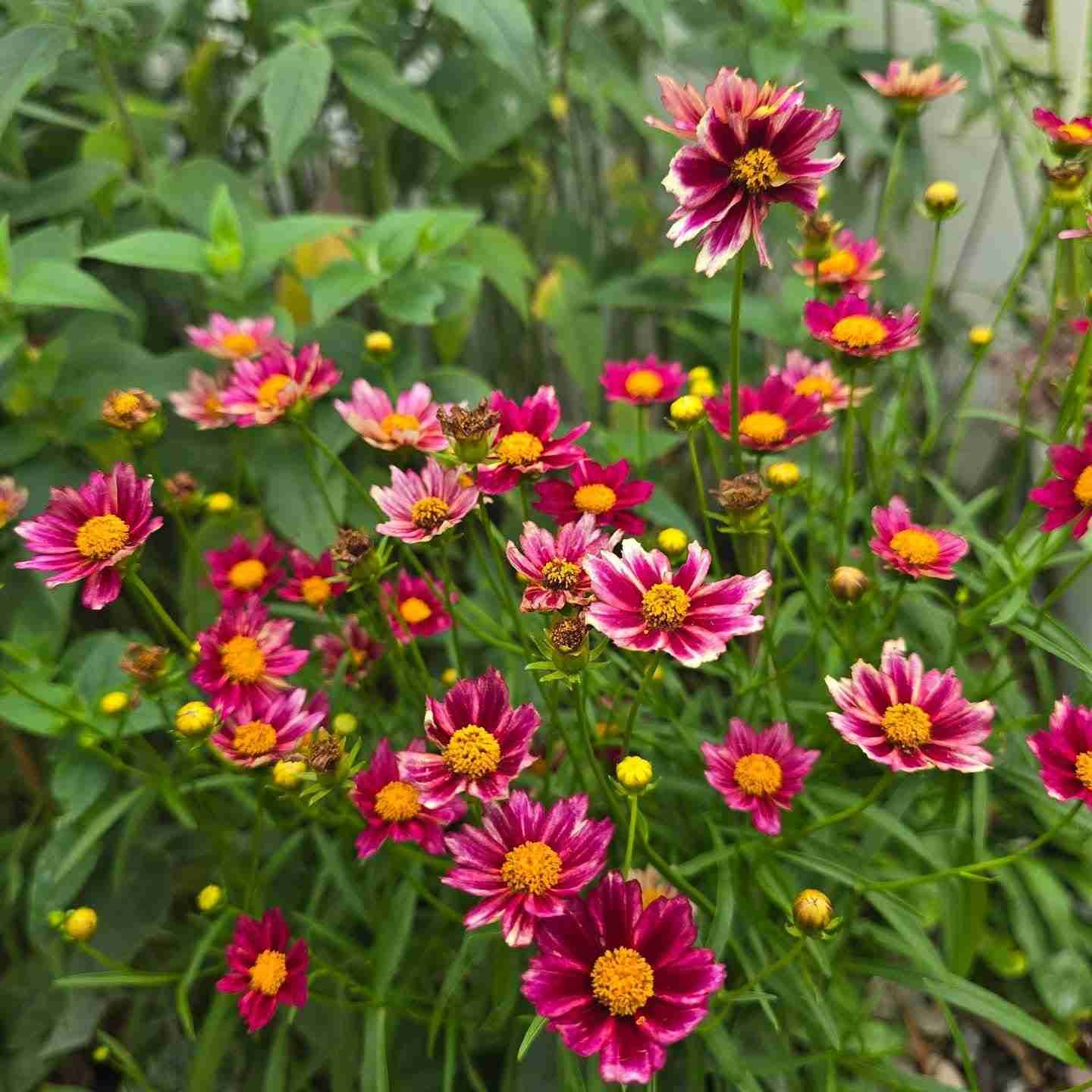
Coreopsis fills sunny garden beds with cheerful, daisy-shaped flowers from late spring through summer. Most varieties carry yellow blooms, though newer types also come in red, pink, cream, and two-tone shades.
Learning how to grow Coreopsis is fairly simple. Give it plenty of sun, use soil that drains quickly, and avoid feeding it too heavily. Regular deadheading keeps the flowers coming, while an occasional trim stops older plants from becoming loose and untidy.
Coreopsis at a Glance
| Plant detail | Coreopsis information |
| Common name | Coreopsis, tickseed |
| Botanical name | Coreopsis species and hybrids |
| Plant family | Asteraceae |
| Plant type | Annual or herbaceous perennial |
| Hardiness zones | Usually USDA zones 3–9, depending on variety |
| Mature height | 6 inches to 4 feet |
| Mature spread | 12–36 inches |
| Sun exposure | Full sun |
| Soil | Average, sandy, or rocky soil with good drainage |
| Soil pH | About 5.5–7.5 |
| Bloom season | Late spring through early fall |
| Flower colors | Yellow, gold, red, pink, white, or bicolored |
| Water needs | Low to moderate |
| Growth rate | Moderate to fast |
| Wildlife value | Attracts bees and butterflies; seeds may feed birds |
| Deer resistance | Generally good |
| Pet safety | Common garden Coreopsis is generally considered non-toxic to dogs and cats |
Coreopsis plants don’t all behave in the same way. Some are dependable perennials, some are short-lived, and others complete their life cycle in a single year. Check the species and hardiness information on the plant label before choosing a permanent position.
Is Coreopsis an Annual or a Perennial?
Coreopsis can be either annual or perennial.
Annual types, including plains Coreopsis (Coreopsis tinctoria), grow from seed, flower heavily, and usually die after frost. They often reseed when some flower heads are left in place.
Perennial types return from their crowns each spring when grown within their hardiness range. Common perennial species include:
- Threadleaf Coreopsis, Coreopsis verticillata
- Lanceleaf Coreopsis, Coreopsis lanceolata
- Large-flowered Coreopsis, Coreopsis grandiflora
- Mouse-ear Coreopsis, Coreopsis auriculata
- Pink Coreopsis, Coreopsis rosea
Large-flowered Coreopsis can be relatively short-lived. Allowing limited reseeding or dividing healthy plants every few years helps maintain the planting.
Choosing the Right Coreopsis Variety
Consider flower color, mature height, moisture needs, and lifespan when comparing varieties.
| Variety | Approximate size | Flower appearance | Best use |
| Moonbeam | 18–24 inches | Soft yellow | Cottage borders and mass planting |
| Zagreb | 12–18 inches | Bright golden yellow | Edging and dry borders |
| Early Sunrise | 18–24 inches | Semi-double yellow | Cutting gardens and mixed beds |
| Jethro Tull | 12–18 inches | Yellow with fluted petals | Containers and front borders |
| Sunfire | 18–24 inches | Yellow with red centers | Bright summer borders |
| Route 66 | 24–30 inches | Yellow petals marked with red | Informal and prairie-style beds |
| Mercury Rising | 15–18 inches | Deep red with golden centers | Containers and color-themed beds |
| Nana | 6–10 inches | Golden yellow | Ground cover and path edging |
| American Dream | 12–18 inches | Soft pink | Moist, sunny beds |
| Plains Coreopsis | 24–48 inches | Yellow and burgundy | Meadows and annual wildflower gardens |
Moonbeam and Zagreb are strong starting choices for perennial borders. Both develop fine foliage and broad patches of yellow flowers, though they spread slowly through underground stems.
Early Sunrise produces larger flowers but may not live as long. Let a few flower heads mature if you want seedlings to replace aging plants.
When to Plant Coreopsis
Spring is the easiest planting time for perennial Coreopsis. Plant after severe frost has passed and while the weather is still mild. This gives the roots time to spread before summer heat arrives.
You can also plant in early fall. Allow at least four to six weeks between planting and the first expected hard freeze. Late fall planting gives the roots too little time to settle.
Annual Coreopsis can be sown directly outside after the danger of frost has passed. For earlier flowers, start the seeds indoors six to eight weeks before your final spring frost.
Avoid transplanting during a period of extreme heat. If summer planting cannot be avoided, work on a cloudy day and keep the root area from drying during the first few weeks.
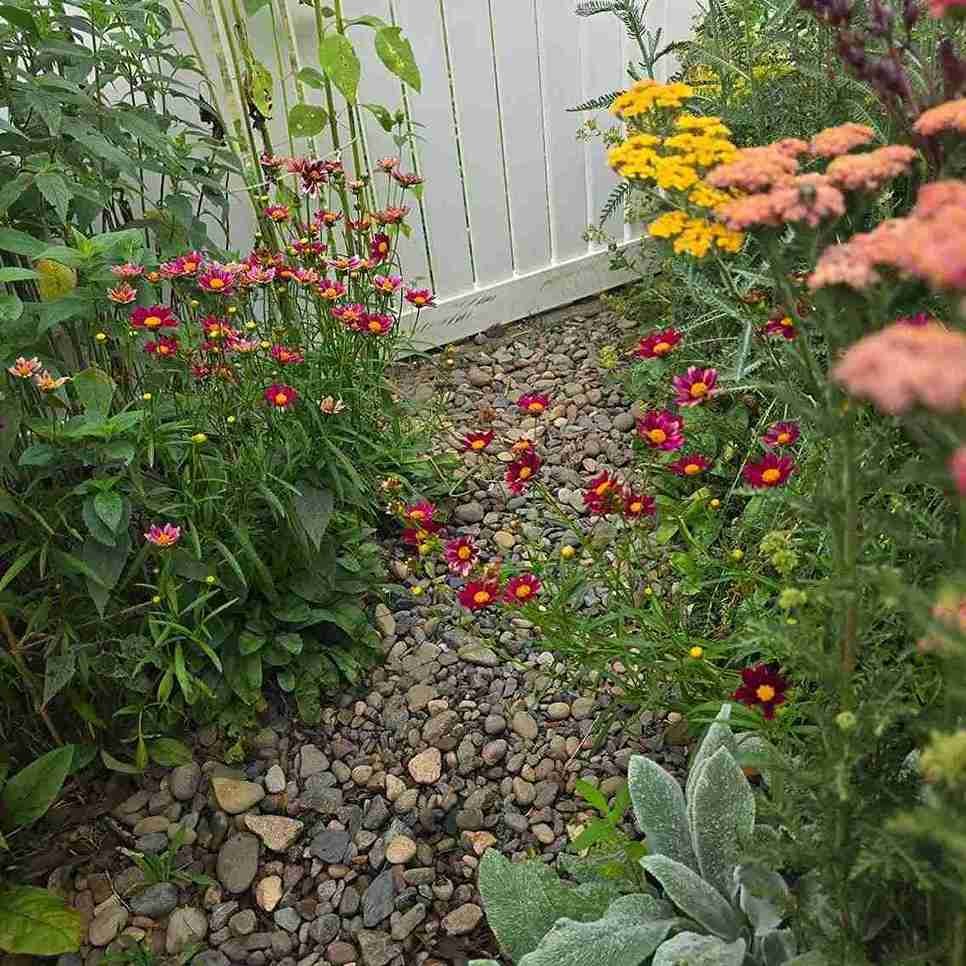
Where to Plant Coreopsis
Sunlight
Coreopsis flowers best in full sun. Choose a site that receives at least six hours of direct light each day. Eight hours usually produces denser growth and more flowers.
A little afternoon shade can help in extremely hot climates, but too much shade causes weak stems and reduced flowering. Shaded plants may lean toward the light or open in the middle after rain.
Check the site at several times of day. Trees, fences, and buildings can turn an apparently sunny area into a shaded spot by afternoon.
Soil
Most Coreopsis prefers average to lean soil. Sandy, gravelly, and rocky ground can produce healthier plants than heavily enriched garden beds.
Drainage matters more than fertility. Roots and crowns are more likely to rot when the ground remains wet, particularly during winter.
Heavy clay doesn’t automatically rule out Coreopsis. Plant on a slight mound or use a raised bed so excess water can move away. Coreopsis grandiflora can adapt to clay when drainage is good, according to NC State Extension.
Avoid adding large amounts of rich compost to one small planting hole. In dense clay, that loose pocket can collect water around the root ball.
Spacing
Plant spacing depends on the mature width of the variety:
- Space compact varieties 10–12 inches apart.
- Space medium Coreopsis 12–18 inches apart.
- Give large or spreading varieties 18–24 inches.
- Leave 24–30 inches around tall meadow types.
- Position plants slightly farther from paths to keep mature stems off the walking surface.
Don’t judge spacing by the size of a young nursery pot. Threadleaf Coreopsis can form a much wider patch after two or three growing seasons.
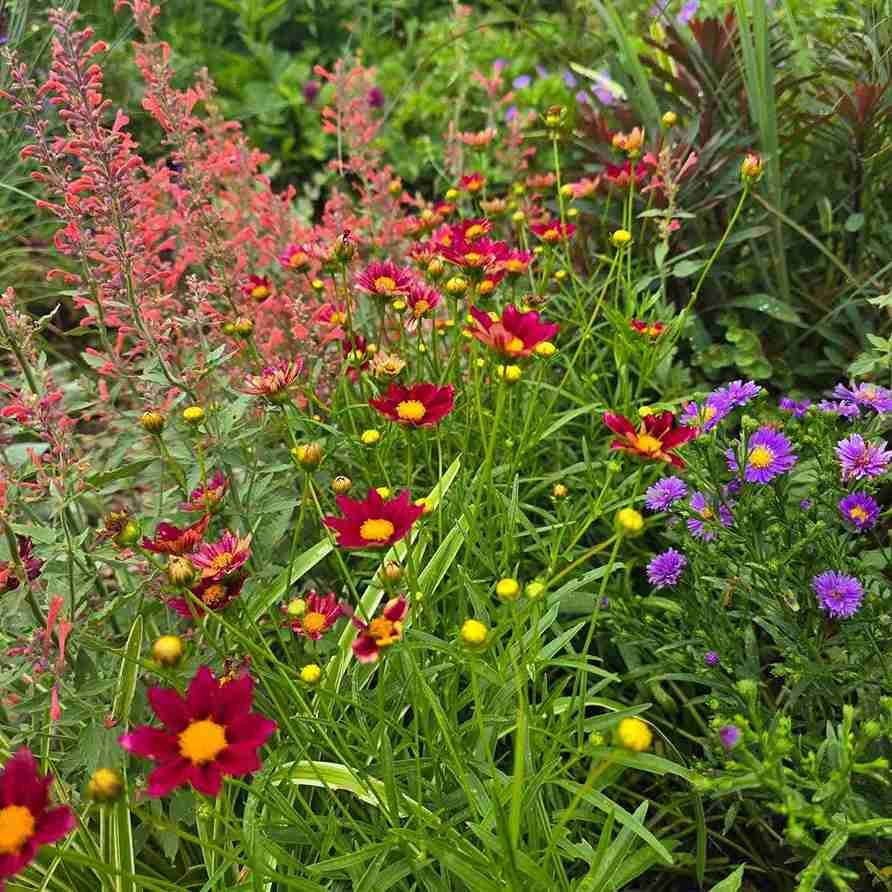
How to Plant Coreopsis
- Water the plant in its container.
A moist root ball comes out of its pot more easily and is less likely to crumble. - Clear the planting area.
Remove grass, perennial weeds, and their roots. Weeding becomes harder once Coreopsis develops a wide clump. - Dig a wide, shallow hole.
Make it about twice as wide as the root ball but no deeper. - Remove the container carefully.
Support the base of the plant and slide off the pot. Don’t lift the plant by its stems. - Loosen circling roots.
Tease crowded roots apart with your fingers. Make several shallow vertical cuts when the roots are tightly packed. - Set the crown at soil level.
The point where the stems meet the roots should sit level with the surrounding ground. A slightly raised position is safer in heavy soil. - Backfill with the original soil.
Press gently around the roots without packing the ground hard. - Water the entire root area.
Apply water slowly enough to soak the original root ball and nearby soil. - Add a light layer of mulch.
Use one or two inches of fine bark, gravel, or shredded leaves. Leave a clear space around the crown.
Planting too deeply is a common reason perennial Coreopsis disappears after winter. Soil and wet mulch pressed over the crown trap moisture where new shoots should emerge.
How Often to Water Coreopsis
New plants need steady moisture while their roots move into the surrounding ground. Check the soil every few days during the first month. Water when the top one to two inches feel dry.
A slow, deep soaking is more useful than a small daily splash. Shallow watering encourages roots to stay close to the surface, where they dry faster.
Once established, most Coreopsis handles short dry periods well. Water during long stretches without rain, then let the upper soil dry before watering again.
Signs of overwatering include:
- Yellow lower leaves
- Soft or weak stems
- A plant falling open from the center
- Brown or black tissue around the crown
- Roots that appear soft and dark
- Poor flowering
- A perennial that fails to return after a wet winter
Coreopsis rosea is the exception. It performs better with regular moisture and shouldn’t be allowed to remain dry for long periods.
Water at ground level in the morning when possible. Wet foliage that remains cool overnight can make leaf spots, mildew, and fungal problems more likely.
Does Coreopsis Need Fertilizer?
Coreopsis growing in average garden soil rarely needs regular fertilizer. A thin layer of finished compost in spring is enough for most established plants.
Too much nitrogen produces tall, leafy growth that falls over. It may also reduce the number of flowers. Avoid fresh manure and frequent liquid feeding.
Before fertilizing a weak plant, check:
- Whether it receives enough direct sun
- Whether its soil stays wet after rain
- Whether it was planted too deeply
- Whether tree roots are competing for water
- Whether the center of the clump needs dividing
Container-grown Coreopsis loses nutrients more quickly. Feed it once in spring with a diluted balanced fertilizer or a small amount of slow-release plant food. Stop feeding by late summer.
How to Keep Coreopsis Blooming
Deadheading stops the plant from spending energy on seed and helps many varieties produce more flower buds.
Follow each faded flower stem down to a healthy leaf or side bud, then make a clean cut. Cutting off only the dried petals can leave bare stems standing above the foliage.
When a large planting becomes difficult to deadhead one flower at a time, shear the entire plant by about one-third after its first heavy flowering period. Water after trimming if the ground is dry.
Fresh foliage should cover the cut stems, and many varieties will flower again later in summer. Shearing also fixes plants that have become loose, matted, or floppy. Both NC State Extension and Missouri Botanical Garden recommend a midseason trim to tidy growth and encourage reblooming.
Leave a few seed heads in fall if you want new seedlings or wish to provide seeds for birds. Remove the rest when uncontrolled reseeding would be a problem.
Coreopsis Care Through the Seasons
Spring
Cut old stems down before new shoots become tall enough to tangle with them. Look for green growth around the crown before assuming a late-emerging perennial has died.
Spring is also a good time to plant, divide crowded clumps, and remove unwanted seedlings. Spread a small amount of compost around the plant without burying the crown.
Watch for slugs and snails around tender new growth. Damage is usually most noticeable during damp spring weather.
Summer
Deadhead regularly or shear the whole plant after the first flush of flowers. Tall stems can be cut back firmly when they become messy.
Water established plants only when the soil has become dry several inches down. Pink Coreopsis needs more frequent checks.
Remove badly spotted or mildewed leaves and thin crowded growth so air can move through the plant.
Fall
Stop fertilizing so the plant can slow down before winter. You can remove untidy stems, but leaving several dry seed heads provides food for birds.
Fall is suitable for division in mild climates. Finish the job several weeks before the ground freezes.
Remove excess mulch or fallen leaves from the center of the plant. A wet crown is more dangerous than cold weather for many perennial varieties.
Winter
Coreopsis usually dies back to the ground in cold regions. This is part of its normal growth cycle.
Don’t keep the root area wet during winter dormancy. Container plants may need protection because their roots are exposed to colder temperatures than plants in the ground.
How to Grow Coreopsis from Seed
Coreopsis seed is easy to handle, making it a practical choice for wildflower beds and larger plantings.
Starting Seeds Indoors
Start seeds six to eight weeks before the last expected spring frost.
- Fill small pots or cells with damp seed-starting mix.
- Place the seeds on the surface.
- Cover them lightly with fine mix or vermiculite.
- Keep the tray warm and evenly moist.
- Move seedlings into bright light as soon as they emerge.
- Thin crowded seedlings after their first true leaves develop.
- Harden them outdoors over seven to ten days before planting.
Keep indoor seedlings close to a bright grow light. Weak light creates thin stems that struggle after transplanting.
Direct Sowing Outdoors
Prepare a weed-free area after the danger of frost has passed. Scatter the seeds, press them gently into the soil, and cover them lightly.
Keep the upper soil moist during germination. Once the seedlings are several inches tall, thin them to the spacing needed for the variety.
Perennial Coreopsis grown from seed may not flower heavily until its second season. Annual plains Coreopsis usually flowers during its first summer.
Named hybrid varieties may not grow true from collected seed. New plants can differ in color, height, flower shape, or hardiness from the parent.
How to Divide Coreopsis
Divide perennial Coreopsis every two to three years when the clump becomes crowded, flowering declines, or the center begins to die.
Early spring is usually the easiest time. Division is also possible in early fall. Penn State Extension lists both spring and fall as suitable times for dividing Coreopsis.
- Water the plant the day before digging.
- Cut the old stems back to a few inches.
- Dig around the clump with a garden fork or spade.
- Lift the root system from the ground.
- Pull or cut it into several healthy sections.
- Discard dead, soft, or woody material from the center.
- Replant each section at its original depth.
- Water thoroughly while the divisions recover.
Each division should have several healthy shoots and a solid group of roots. Very small pieces dry out more quickly and take longer to fill the bed.
Growing Coreopsis in Containers
Compact Coreopsis varieties are well suited to sunny containers. Choose a pot at least 12–16 inches wide for one small plant. Medium varieties are more comfortable in an 18-inch or larger container.
Drainage holes are essential. Use commercial potting mix rather than soil taken from the garden. Garden soil can become heavy and slow-draining inside a pot.
Plant the crown at the same depth it grew in its nursery container. Leave space below the rim so water can soak into the mix instead of flowing over the sides.
Potted Coreopsis needs a little more attention:
- Check moisture frequently during hot weather.
- Water when the top one to two inches feel dry.
- Empty saucers after watering.
- Deadhead regularly.
- Trim loose growth after the first flowering period.
- Divide or repot when roots fill the container.
Perennial Coreopsis may be less winter-hardy in a pot. Move it to a sheltered position or an unheated garage in colder climates. Water lightly if the potting mix becomes completely dry during winter.
Common Coreopsis Problems
| Problem | Likely cause | What to do |
| Few flowers | Too much shade or excess fertilizer | Increase sunlight and stop feeding |
| Tall stems fall over | Rich soil, frequent watering, or low light | Reduce feeding and water; shear after flowering |
| Yellow lower leaves | Wet soil or poor drainage | Let the ground dry and correct drainage |
| Crown becomes brown and soft | Crown or root rot | Remove affected tissue and improve drainage |
| White coating on leaves | Powdery mildew | Improve airflow and avoid evening overhead watering |
| Brown or purple leaf spots | Fungal leaf spot | Remove damaged leaves and keep foliage dry |
| Ragged new growth | Slugs or snails | Hand-pick at night or use an appropriate iron-phosphate bait |
| Fine webbing and pale leaves | Spider mites | Rinse the undersides of leaves and reduce plant stress |
| Plant disappears after winter | Wet crown, tender variety, or short lifespan | Improve drainage and check the cultivar’s hardiness |
| Too many seedlings | Flower heads left to mature | Deadhead before seeds develop |
| Clump dies in the center | Age or crowding | Divide and replant healthy outer sections |
Coreopsis has relatively few serious pest problems. Aphids and spider mites may appear on plants stressed by heat, crowding, or dry container soil.
Avoid spraying open flowers with broad insecticides. Bees and butterflies visit Coreopsis regularly, so a firm stream of water or targeted treatment is preferable when pest numbers are low.
Why Coreopsis Sometimes Dies During Winter
Cold isn’t always the cause. Coreopsis can tolerate low winter temperatures within its hardiness range, but many varieties dislike wet ground during dormancy.
Common reasons for winter loss include:
- Poor soil drainage
- A crown buried below ground level
- Thick, wet mulch covering the plant
- Fall fertilizer producing tender growth
- A hybrid that isn’t reliably hardy in the region
- A short-lived plant reaching the end of its natural lifespan
Plant slightly high in heavy soil and keep the crown clear. When buying a colorful hybrid, check its hardiness rather than assuming every Coreopsis is suitable for the same zones.
Does Coreopsis Spread?
Some perennial Coreopsis widens through rhizomes or stolons. Others remain in slowly expanding clumps.
Threadleaf Coreopsis can spread through underground stems and may need division every few years. Mouse-ear Coreopsis forms a low, widening patch that works well as ground cover.
Lanceleaf and large-flowered Coreopsis can reseed generously. Deadhead before the seeds mature when you want a neat border.
Seedlings may not look identical to a named parent plant. Remove unwanted volunteers while they are still small, or move good seedlings to a more suitable part of the garden.
Best Companion Plants for Coreopsis
Coreopsis pairs well with perennials that enjoy sun and well-draining soil.
- Catmint forms a low blue-purple mound that softens the base of taller yellow Coreopsis.
- Yarrow brings flat flower clusters and handles the same lean, dry conditions.
- Lavender adds silver foliage and upright purple flowers to a dry border.
- Shasta daisies repeat the daisy shape with larger white flowers and slightly stronger stems.
- Daylilies rise behind shorter Coreopsis and add larger flowers during summer.
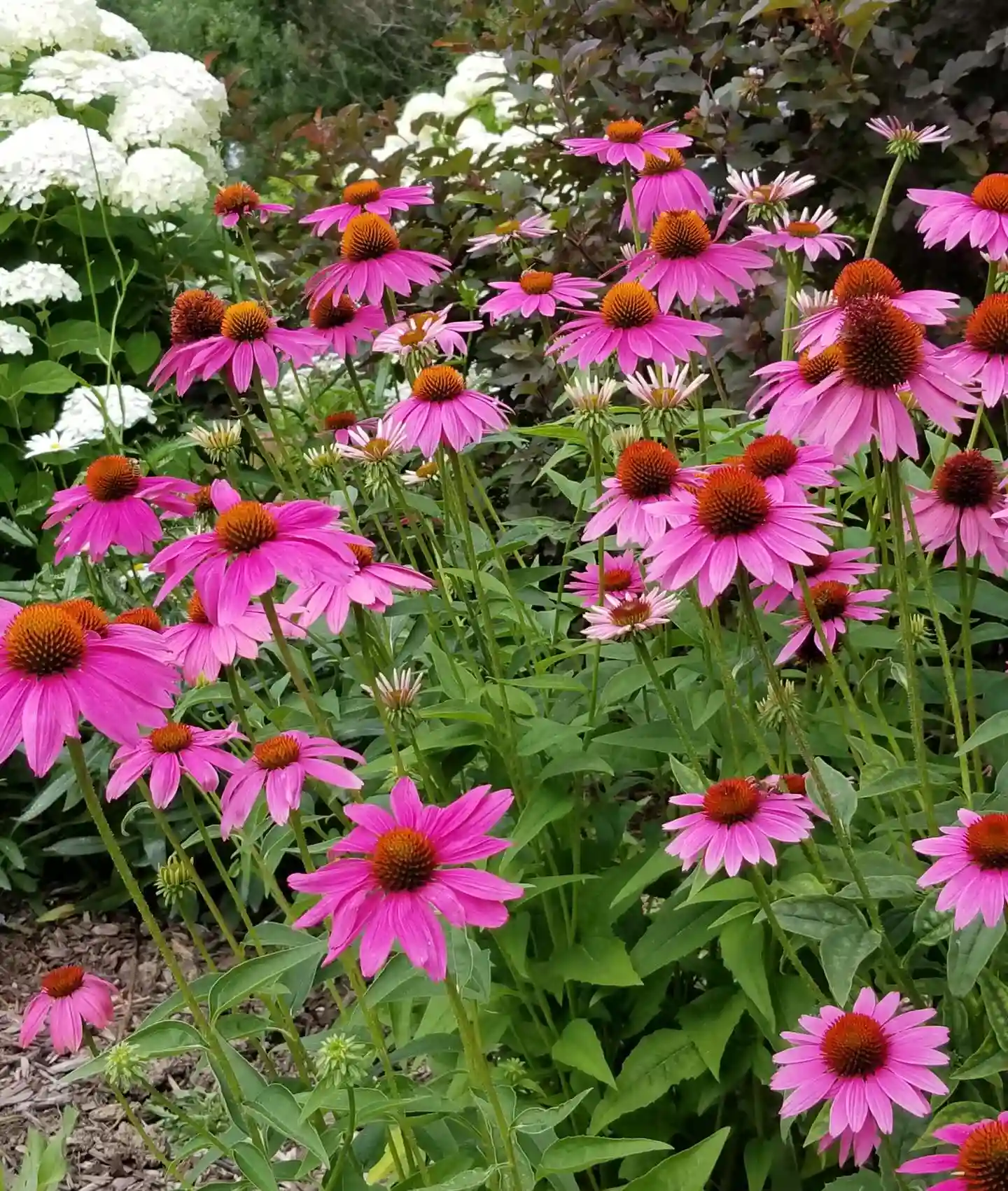
- Coneflowers provide pink, purple, or white flowers and a heavier shape that balances fine Coreopsis foliage.
- Salvia brings upright blue flower spikes and can extend the pollinator-friendly planting.
- Sedum provides thicker foliage and begins flowering as some Coreopsis varieties slow down.
- Ornamental grasses add movement and remain attractive after summer flowers fade.
Place moisture-loving companions near pink Coreopsis rather than drought-tolerant threadleaf varieties. Plants sharing one bed are easier to maintain when their watering needs match.
Frequently Asked Questions
Does Coreopsis come back every year?
Perennial Coreopsis returns each spring when grown within its hardiness range. Annual species live for one season, though they may produce enough seed to return as new plants the following year.
Does Coreopsis need full sun?
Coreopsis grows best with six or more hours of direct sunlight. It can tolerate light partial shade, but plants usually produce fewer flowers and weaker stems.
How long does Coreopsis bloom?
Many varieties flower from late spring through summer. Regular deadheading or a midseason trim can extend blooming into early fall.
How quickly does Coreopsis spread?
Most perennial types take two or three seasons to form a wide clump. Rhizomatous varieties spread more steadily, while annual and short-lived types may move around the garden through seed.
Should Coreopsis be cut back after flowering?
Yes. Remove faded flowers regularly or shear the plant by about one-third after the first main flowering period. This keeps the foliage tidy and can bring another round of blooms.
Should Coreopsis be cut back in fall?
Fall cutting is optional. Remove diseased or matted foliage, but healthy dry stems can remain through winter. Clear old growth before fresh shoots become tall in spring.
Can Coreopsis grow in clay soil?
Coreopsis can grow in clay when excess water drains away. Use a raised bed or plant on a low mound if the area remains wet after rain.
Is Coreopsis drought tolerant?
Many established Coreopsis varieties tolerate dry periods, especially threadleaf and lanceleaf types. Pink Coreopsis needs more consistent moisture and shouldn’t be treated as a drought-loving plant.
Can Coreopsis grow indoors?
Coreopsis isn’t a good long-term houseplant. It needs strong direct sunlight, outdoor airflow, and, for perennial types, a winter rest period. A sunny outdoor container is the better choice.
Is Coreopsis deer resistant?
Coreopsis is generally considered deer resistant, but no flowering plant is completely safe when food is scarce. Young growth may still be sampled.