How to Grow Hostas for Beautiful Shade Gardens
Hostas are some of the best perennials to grow if you have a shady garden. They are loved for their large leaves, soft colors, and easy care. Even when they are not flowering, hostas can make a garden bed look full and calm.
These plants work beautifully under trees, along shaded walkways, around patios, in woodland gardens, and in containers. They come in many leaf colors, including green, blue-green, yellow, cream, and variegated patterns.
In this guide, you’ll learn how to grow hostas, where to plant them, how to care for them, and how to keep your hosta plants healthy year after year.
What Are Hostas?
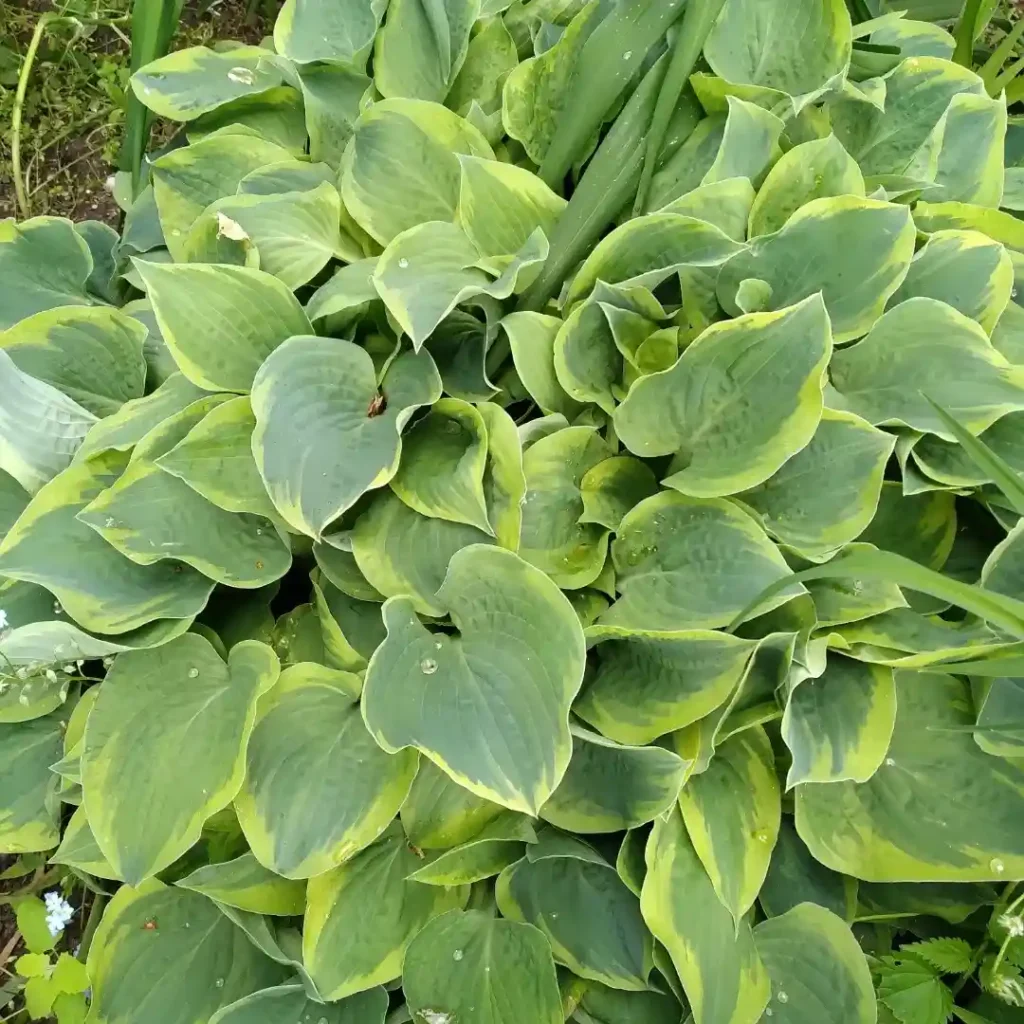
Hostas are shade-loving perennials grown mostly for their leaves. They also produce flowers, but the foliage is the main reason gardeners love them.
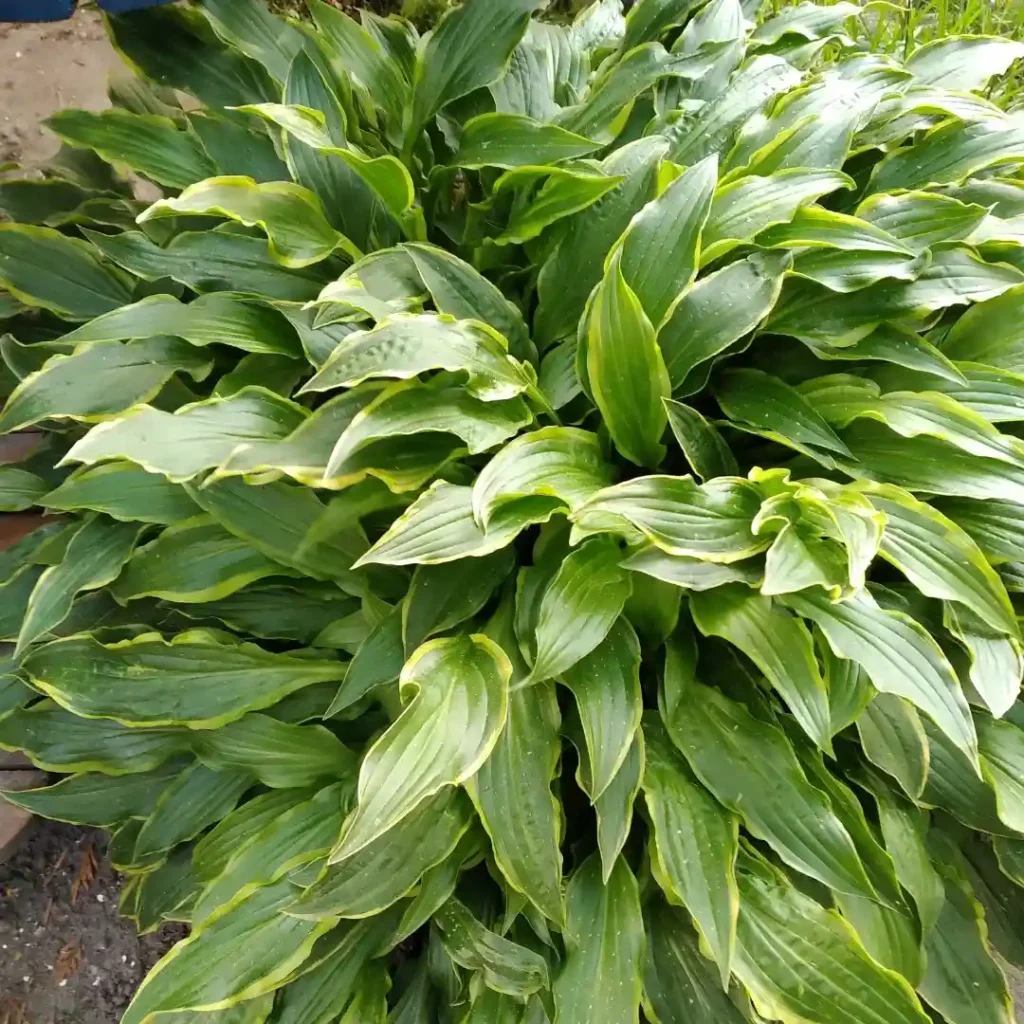
The leaves can be small, huge, smooth, puckered, heart-shaped, or long and narrow. Some hostas have solid green leaves, while others have cream, white, yellow, or blue-green edges.
Hostas come back every year in the right growing zone. They are a great choice if you want a low-maintenance plant that fills shady spaces with texture and color.
Quick Hosta Plant Facts
| Hosta Needs | Details |
| Common name | Hosta, plantain lily |
| Plant type | Perennial |
| Best light | Partial shade to full shade |
| Soil | Rich, moist, well-draining soil |
| Water | Moderate |
| Bloom time | Summer |
| Flower colors | White, lavender, pale purple |
| Best use | Shade gardens, borders, under trees, containers |
| Deer resistant | No, deer often eat hostas |
| Beginner friendly | Yes |
Types of Hosta Plants
Hostas come in many sizes, colors, and leaf shapes. This makes them easy to use in different garden spaces.
Large hostas are great for filling empty shaded areas. They create a bold, leafy look and can make a garden feel lush.
Small hostas work well near the front of a border, along pathways, or in containers. They are also useful when you want detail in a small space.
Blue hostas have cool blue-green leaves. They look beautiful in shade gardens and pair nicely with ferns, astilbe, and white flowers.
Variegated hostas have leaves with mixed colors, often green with cream, white, or yellow edges. These types can brighten dark corners.
Yellow or chartreuse hostas bring a warm glow to shady beds. They look especially pretty when planted near darker green plants.
Best Hosta Varieties to Grow
There are many hosta varieties, but a few are especially popular for home gardens.
Sum and Substance is a large hosta with bold chartreuse leaves. It is perfect if you want a strong focal point in a shade garden.
Francee is a classic variegated hosta with green leaves and clean white edges. It works well in borders and shaded foundation plantings.
Patriot has dark green leaves with wide white edges. It gives a crisp look and brightens shady areas.
Blue Angel is a large blue-green hosta with broad leaves. It creates a calm, cool look under trees or along shaded paths.
June is a beautiful hosta with blue-green edges and golden centers. It is a great choice if you want color and texture in one plant.
Guacamole has bright green leaves with a fresh look. It can bring warmth and light to partly shaded spaces.
Mouse Ears is a small hosta with rounded leaves. It is perfect for containers, edging, and small shade gardens.
When and Where to Plant Hostas
Plant hostas in spring or fall. Spring planting gives them a full growing season to settle in, while fall planting works well when the weather is mild.
Choose a spot with partial shade or full shade. Many hostas like morning sun and afternoon shade. Too much hot afternoon sun can burn the leaves.
Blue hostas usually keep their color best in more shade. Yellow and chartreuse hostas can often handle a little more light, especially morning sun.
Hostas grow best in soil that is rich, moist, and drains well. They like moisture, but they do not want to sit in soggy soil.
Good places for hostas include shaded borders, woodland gardens, under trees, north-facing beds, shaded patios, and garden paths.
How to Plant Hostas
Start by loosening the soil in your planting area. Remove weeds and break up hard clumps.
Mix in compost to improve the soil. Hostas grow best when the soil holds some moisture but still drains well.
Dig a hole wider than the root ball. Place the hosta in the hole at the same depth it was growing in the pot.
Do not bury the crown too deep. The crown should sit near the soil surface.
Fill the hole with soil and press gently around the roots. Water well after planting.
Space hostas based on their mature size. Small hostas may need 12 inches of space, while large hostas may need 3 feet or more.
Give them room to spread. Crowded hostas can look messy and may have more slug problems.
More Perennials
Hosta Care Guide
Hostas are easy to care for once they settle in. They mainly need shade, steady moisture, and healthy soil.
Give hostas the right light. Most grow best in partial shade. Morning sun is usually fine, but hot afternoon sun can damage the leaves.
Water hostas regularly, especially during dry weather. They like evenly moist soil, but the ground should not stay soggy.
Water near the base of the plant instead of over the leaves. This helps keep the foliage cleaner and can reduce disease problems.
Add compost in spring to feed the soil. Hostas do not need heavy fertilizer, but they do enjoy rich soil.
A light layer of mulch helps keep the soil cool and moist. Keep mulch a little away from the crown so the base does not stay too wet.
Remove dead or damaged leaves during the growing season. This keeps the plant looking clean and can reduce hiding spots for pests.
In fall, hosta leaves will yellow and die back naturally. You can cut the foliage to the ground after it fades, or wait until early spring before new growth appears.
How to Keep Hostas Looking Full and Healthy
Hostas look best when they have steady moisture and protection from hot sun.
If your hosta leaves look dry, crispy, or burned, the plant may be getting too much sun. Move it to a shadier spot if needed.
If the leaves look small or the plant grows slowly, the soil may be too dry or poor. Add compost and water deeply during dry spells.
Do not let weeds crowd the plant. Weeds steal moisture and make the garden look untidy.
Divide large hostas when they become crowded. This gives each plant more space and can help older clumps look fresh again.
Should You Divide Hostas?
Yes, you can divide hostas when they get too large or crowded. Division is also a simple way to make more plants.
The best time to divide hostas is spring or early fall. Spring is easier because the new shoots show where to cut.
Dig up the whole clump and use a sharp spade or garden knife to split it into sections. Each section should have roots and a few growing points.
Replant the divisions right away and water well.
You do not need to divide hostas every year. Many hostas can grow happily for several years without being disturbed.
Common Hosta Problems
Hostas are simple plants, but a few problems can show up.
If hosta leaves turn yellow, the plant may be getting too much sun, too much water, or not enough water. Check the soil and light first.
If the leaf edges turn brown and crispy, hot sun or dry soil may be the cause. Give the plant more shade and water deeply.
If your hosta has holes in the leaves, slugs or snails may be feeding on it. Check the plant in the evening or after rain.
If the plant looks weak, the soil may be poor or the roots may be crowded. Add compost or divide the plant if needed.
Crown rot can happen if the base stays too wet. Avoid planting hostas too deep and keep heavy mulch away from the crown.
Deer can also be a big problem. They often eat hosta leaves down to the stems. If deer visit your yard, you may need fencing, repellents, or more deer-resistant plants nearby.
Are Hostas Deer Resistant?
No, hostas are not deer resistant. Deer often love hostas and may eat the leaves quickly.
If deer are common in your garden, hostas can be difficult to protect. You can try deer repellents, fencing, or planting hostas closer to the house.
You can also mix hostas with plants deer usually avoid, such as ferns, hellebores, lavender, salvia, catmint, and ornamental grasses. This may help, but it will not fully protect hostas if deer are hungry.
Are Hostas Good for Pollinators?
Yes, hosta flowers can attract pollinators. Bees and hummingbirds may visit the white, lavender, or pale purple blooms.
Most gardeners grow hostas for their leaves, but the flowers still add value to the garden.
If you want more pollinator activity, plant hostas with shade-friendly bloomers like astilbe, bleeding heart, coral bells, lungwort, foamflower, and hellebores.
Best Companion Plants for Hostas
Hostas pair well with other shade-loving plants. Choose companions that enjoy similar moisture and light.
Ferns are one of the best companions because their fine leaves contrast beautifully with broad hosta leaves.
Astilbe adds soft flower plumes and works well in moist, shaded beds.
Coral bells bring colorful foliage in shades of burgundy, lime, bronze, and purple.
Bleeding heart adds delicate spring flowers and a soft woodland look.
Hellebores bring early-season flowers and evergreen interest in many climates.
Brunnera has heart-shaped leaves and tiny blue spring flowers. It looks lovely beside blue or variegated hostas.
Lungwort adds spotted leaves and early blooms, making it useful before hostas fully leaf out.
Japanese forest grass adds movement and soft texture around hostas.
How to Use Hostas in Garden Design
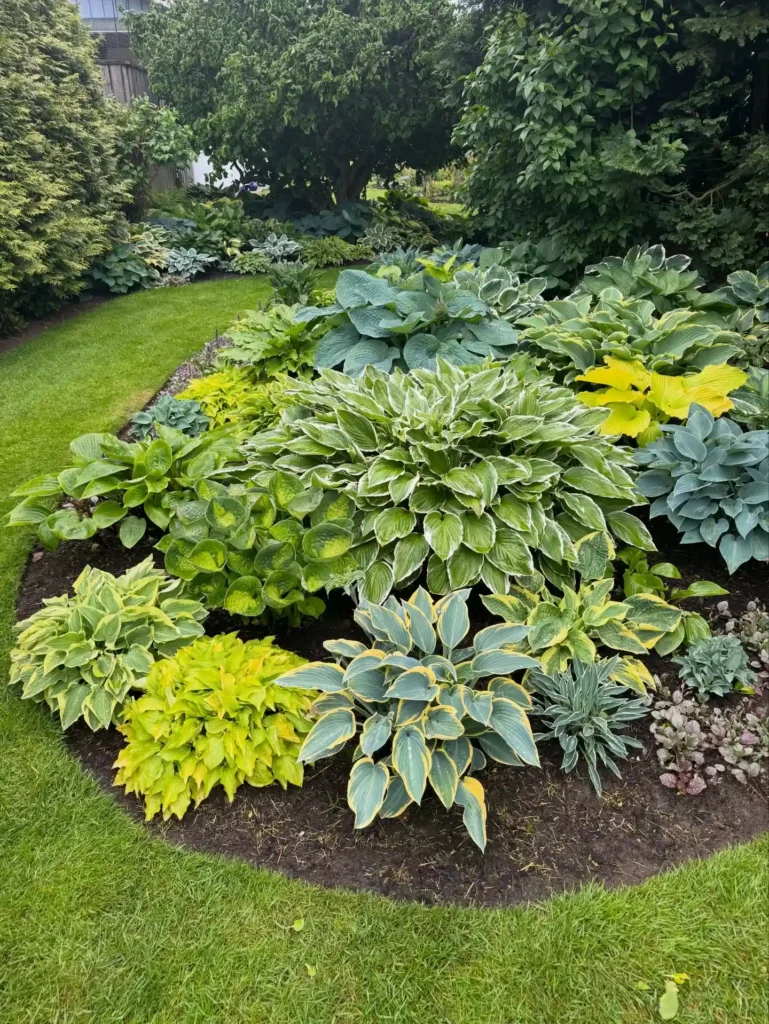
Hostas are perfect for shade gardens because their leaves bring color and texture even without flowers.
Use large hostas as anchor plants in shaded beds. Their bold leaves can fill empty corners and make the garden feel lush.
Use small hostas along pathways or at the front of borders. They create a neat edge and help soften hard lines.
Plant variegated hostas in dark corners to brighten the space. Their cream or white edges can make shady areas feel lighter.
Blue hostas create a cool, calm look. Pair them with ferns, white flowers, and dark green foliage.
Hostas also look beautiful under trees. Just make sure they get enough water because tree roots can compete for moisture.
You can grow hostas in containers on shaded patios, porches, and balconies. Use a pot with drainage holes and water regularly.
Hostas in Pots
Hostas can grow very well in pots, especially smaller varieties.
Choose a container with drainage holes. Hostas like moisture, but they do not like soggy roots.
Use a good potting mix that holds some moisture but still drains well.
Place the pot in shade or morning sun. Avoid hot afternoon sun, especially in warm climates.
Water potted hostas more often than hostas in the ground. Containers dry out faster, especially in summer.
In cold areas, protect potted hostas during winter. Move the pot to a sheltered spot or place it where freeze-thaw cycles are less harsh.
Hosta vs Plantain Lily
Hosta and plantain lily are the same plant. Hosta is the name most gardeners use today, while plantain lily is an older common name.
If you see plantain lily on a plant tag, it usually means a hosta.
Hosta vs Ferns
Hostas and ferns are both great shade plants, but they look different.
Hostas have bold, broad leaves that create a full and rounded shape. They are great for structure and color.
Ferns have fine, delicate fronds that add softness and movement.
They grow beautifully together because the leaf shapes contrast so well.
How to Propagate Hostas
The easiest way to propagate hostas is by division.
Divide hostas in spring or early fall. Water the plant first so the roots are easier to work with.
Dig up the clump and split it into smaller sections with a sharp spade or knife. Each section should have roots and growing points.
Replant the pieces at the same depth and water well.
You can also grow hostas from seed, but seedlings may not look like the parent plant. Division is faster and more reliable for most gardeners.
FAQs
Are hostas perennials?
Yes, hostas are perennials. They come back every year in the right growing conditions.
Do hostas come back every year?
Yes, hostas usually return every spring after dying back in winter.
Do hostas need full shade?
Hostas grow best in partial shade to full shade. Many can handle morning sun, but hot afternoon sun may burn the leaves.
How often should you water hostas?
Water hostas when the soil starts to dry. They like steady moisture, especially during hot or dry weather.
Why are my hosta leaves turning yellow?
Yellow leaves can happen from too much sun, too much water, dry soil, or normal seasonal dieback in fall.
What is eating holes in my hosta leaves?
Slugs and snails often chew holes in hosta leaves. Check the plants in the evening or after rain.
Are hostas deer resistant?
No, hostas are not deer resistant. Deer often eat hosta leaves.
Can hostas grow in pots?
Yes, hostas grow well in pots. Use a container with drainage holes and keep it in shade or morning sun.
Should hostas be cut back in fall?
You can cut hostas back after the leaves yellow and die in fall. You can also wait until early spring before new growth appears.
Can hostas grow under trees?
Yes, hostas can grow under trees if they get enough moisture. Water them during dry spells because tree roots can take a lot of water.