How to Grow Shasta Daisy: Easy Care Guide

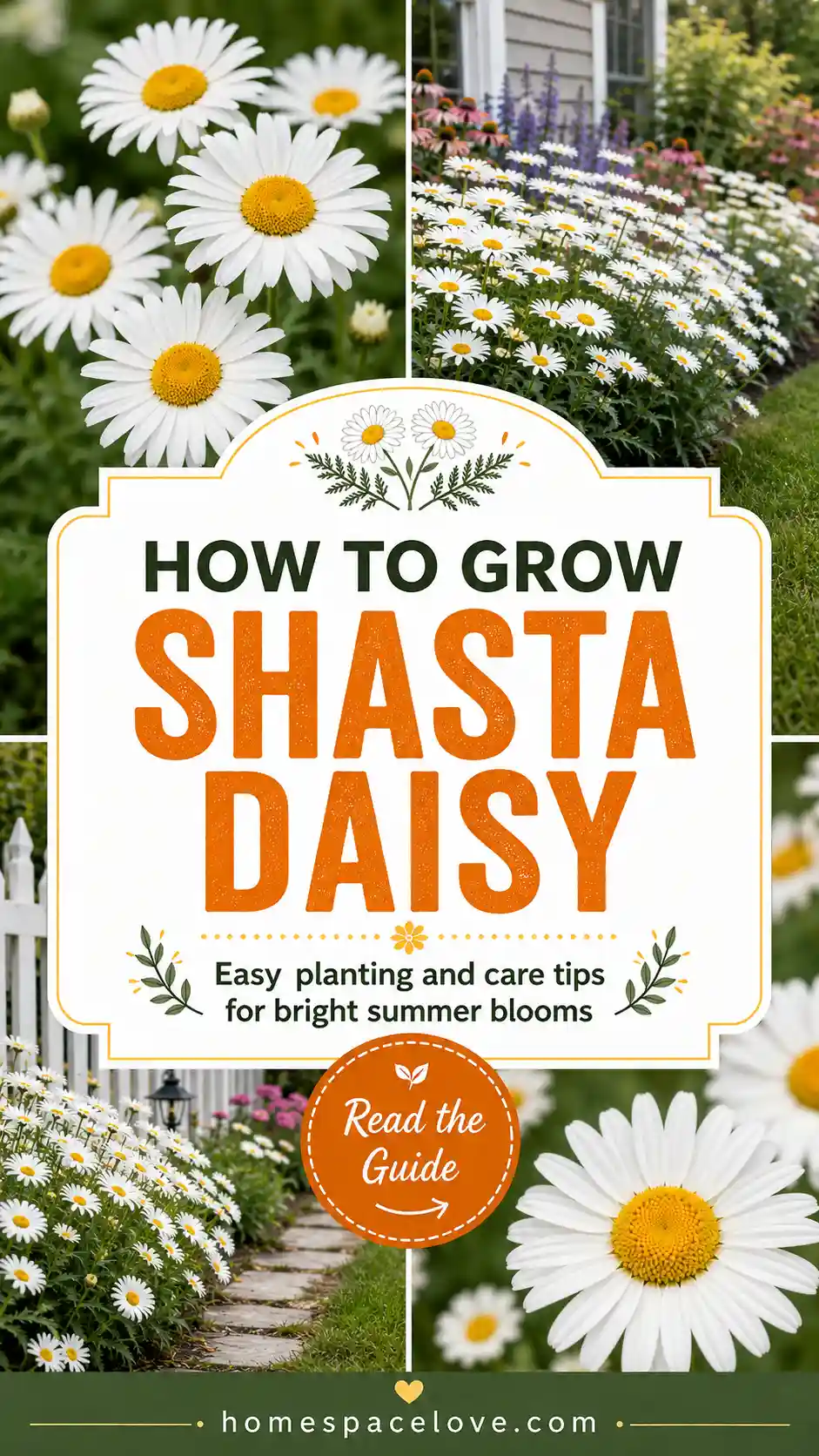
Shasta daisies are one of those flowers that instantly make a garden feel fresh, cheerful, and full of life. Their white petals, golden centers, and upright stems work beautifully in cottage gardens, borders, pollinator beds, and simple backyard flower patches. If you want classic summer flowers that are easy to grow, learning how to grow Shasta Daisy plants is a great place to start.
The good news is that Shasta daisies do not need fussy care. Give them enough sun, well-draining soil, and a little seasonal cleanup, and they can reward you with bright blooms year after year.
Shasta Daisy Quick Facts
| Plant Name | Shasta Daisy |
| Botanical Name | Leucanthemum × superbum |
| Plant Type | Herbaceous perennial |
| Bloom Color | White petals with yellow centers |
| Bloom Time | Late spring to summer, sometimes into early fall |
| Sunlight | Full sun to part sun |
| Height | Usually 1–3 feet |
| Soil | Well-draining, moderately fertile soil |
| USDA Zones | Commonly grown in zones 5–9 |
| Best For | Borders, cottage gardens, pollinator beds, cutting gardens |
What Are Shasta Daisies?
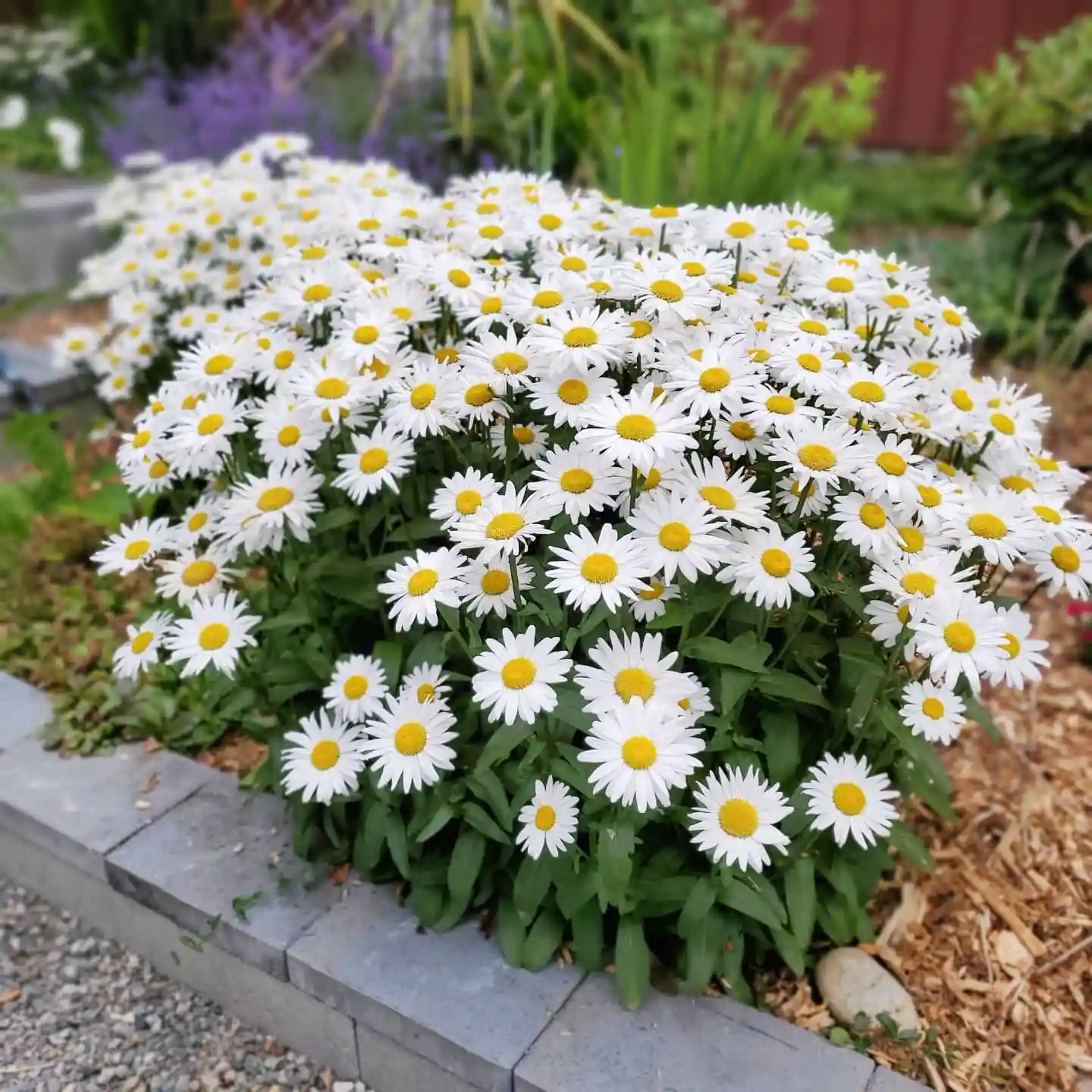
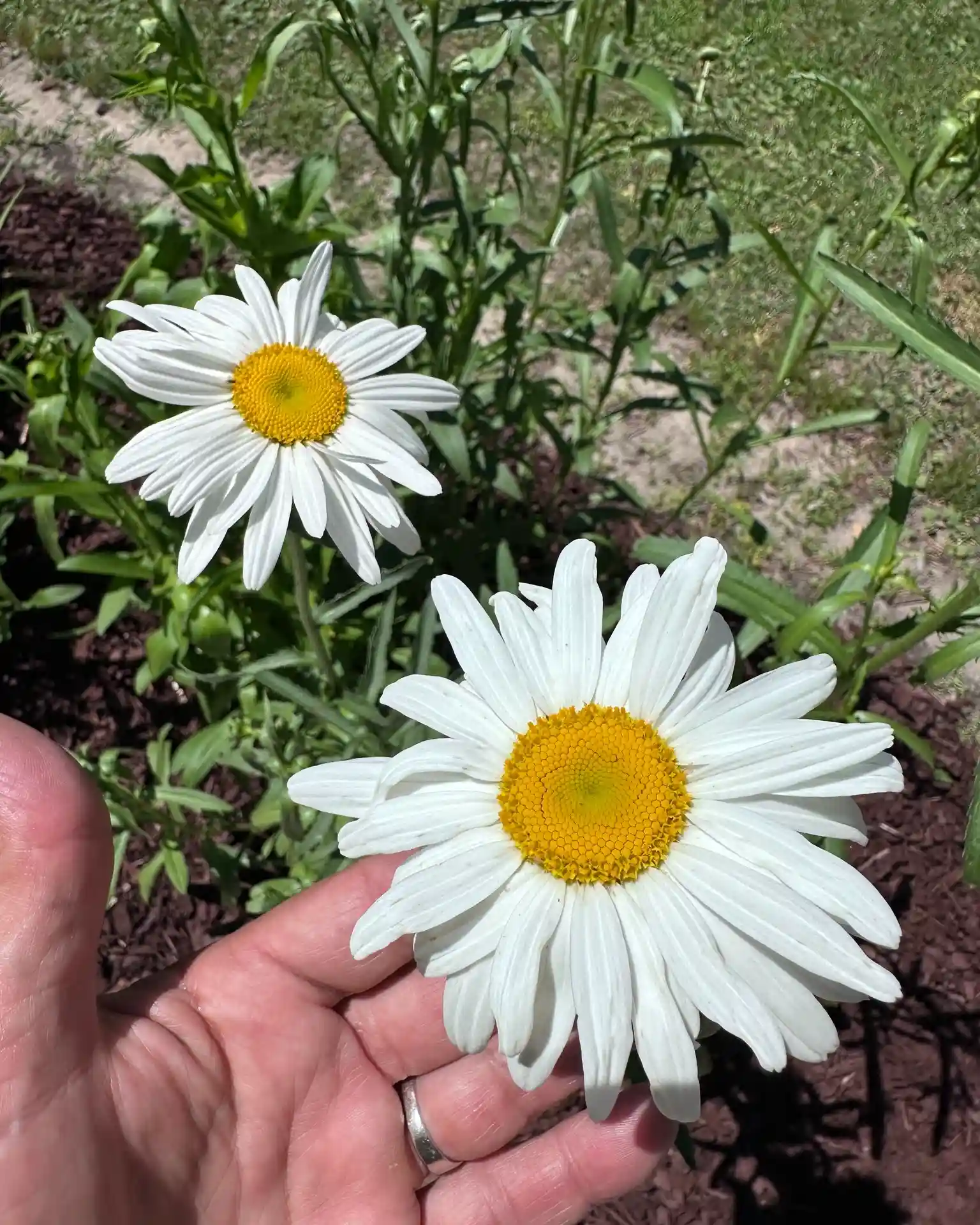
Shasta daisies are classic perennial flowers known for their crisp white petals and sunny yellow centers. They look simple, but that is exactly what makes them so useful in garden design. They brighten up mixed borders, soften walkways, and add that clean cottage-style look many gardeners love.
Unlike annual daisies that need replanting each year, Shasta daisies can come back for several seasons when planted in the right spot. They are not always the longest-lived perennial, but they are easy to refresh by dividing clumps every few years.
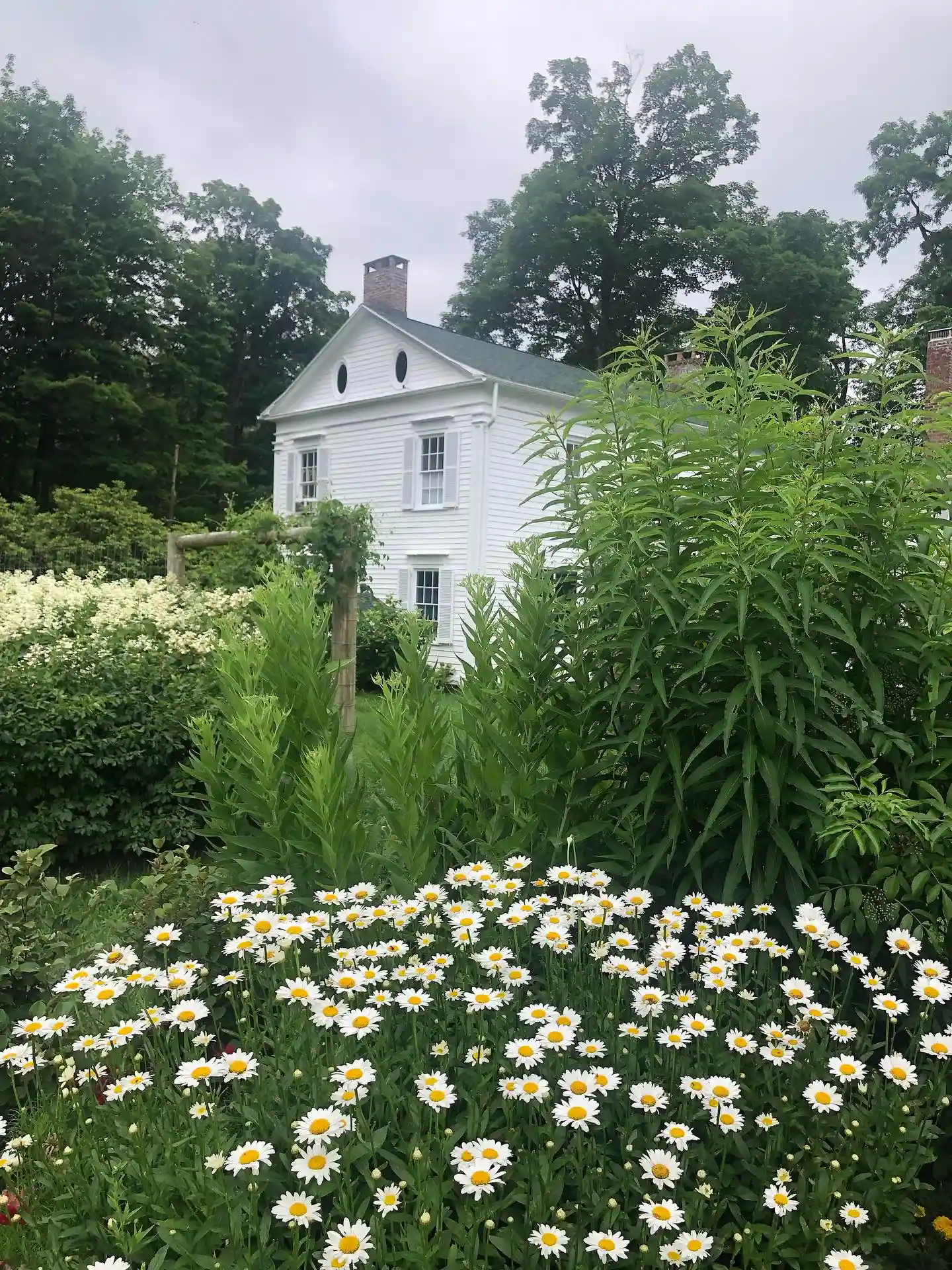
In my garden, Shasta daisies work best when I use them as a “middle layer” plant. They are tall enough to show above low edging plants but not so tall that they take over the whole bed.
They also look beautiful with other sunny perennials like coneflowers, black-eyed Susans, and salvia.
Best Shasta Daisy Varieties to Grow
Shasta daisies come in different heights, petal forms, and bloom styles. Some have the classic flat daisy look, while others have fuller, frilly petals.
| Variety | Height | Flower Style | Best For |
| Alaska | 2–3 feet | Classic white daisy | Traditional garden borders |
| Becky | 3–4 feet | Large white blooms | Tall perennial beds |
| Snow Lady | 10–12 inches | Compact white blooms | Small gardens and containers |
| Crazy Daisy | 2–3 feet | Frilly double petals | Cottage-style beds |
| Banana Cream | 15–18 inches | Soft yellow fading to cream | Warm color palettes |
| Silver Princess | 12 inches | Compact white blooms | Front borders |
| Snowcap | 12–15 inches | Neat white flowers | Edging and small spaces |
| Victorian Secret | 14–18 inches | Semi-double white flowers | Romantic flower beds |
For beginners, compact types like Snow Lady, Snowcap, and Silver Princess are easy to manage. If you want taller blooms for cutting or back borders, Becky and Alaska are strong choices.
If your garden already has purple salvia, yellow black-eyed Susans, or soft lavender, Shasta daisies can act like a clean white bridge between all those colors.
Where to Plant Shasta Daisies
Shasta daisies bloom best in full sun. Aim for at least 6 hours of direct sunlight each day for strong stems and plenty of flowers.
They can handle part sun, especially in hot climates, but too much shade can make the stems stretch and flop. If your daisies grow tall but produce few flowers, lack of sun may be the reason.
The soil should drain well. Shasta daisies do not like heavy, soggy soil, especially in winter. Wet roots and a wet crown can cause rot, which is one of the main reasons these plants fail.
Before planting, loosen the soil and mix in compost. This improves drainage, adds mild nutrients, and helps the roots settle in.
Good spacing also matters. Most Shasta daisies should be planted about 18–24 inches apart. Larger varieties may need closer to 24–30 inches so air can move around the leaves.
How to Plant Shasta Daisies Step by Step
Plant Shasta daisies in spring after the danger of hard frost has passed, or in early fall if your climate allows enough time for roots to settle before winter.
- Choose a sunny spot
Pick a place with full sun or strong morning sun. More sun usually means more blooms. - Prepare the soil
Loosen the soil about 10–12 inches deep and mix in compost. Avoid planting in a soggy area. - Dig the planting hole
Make the hole slightly wider than the root ball. The plant should sit at the same depth it was growing in the nursery pot. - Place the plant
Set the Shasta daisy in the hole and check that the crown is not buried too deep. - Backfill gently
Fill around the roots with soil and press lightly to remove air pockets. - Water well
Give the plant a deep watering right after planting. - Add mulch
Add a thin layer of mulch around the plant to hold moisture, but keep mulch away from the crown.
One mistake I try to avoid is planting Shasta daisies too low. If the crown sits in wet soil, the plant may struggle, especially during winter.
Shasta Daisy Care Through the Seasons
Shasta daisies are easy to care for, but they look much better when you give them a little attention during the year.
Spring Care
In spring, remove any dead stems or old leaves left from winter. If the clump looks crowded, spring is a good time to divide it.
You can add compost around the base of the plant or use a light amount of balanced slow-release fertilizer. Do not overfeed, because too much fertilizer can create leafy growth with fewer flowers.
Summer Care
Summer is when Shasta daisies usually put on their best show. Water during dry spells and remove faded flowers to keep the plant tidy.
Deadheading can also encourage more blooms on some varieties. Cut the spent flower stem back to a set of leaves or down near the base if the whole stem is finished.
Fall Care
In fall, cut back tired stems after flowering is finished. Some gardeners leave seed heads for birds, but if the plant looks messy, it is fine to clean it up.
Fall is also a good time to divide Shasta daisies in mild climates. Just make sure the divisions have enough time to root before cold weather.
Winter Care
Shasta daisies die back in winter in colder areas. This is normal.
Avoid heavy winter mulch directly over the crown. A light mulch layer around the plant is fine, but the crown should not stay wet and buried.
Watering Shasta Daisies
Newly planted Shasta daisies need regular watering while they settle in. Keep the soil lightly moist but not soaked.
Once established, they can handle some dry weather, but they bloom better with steady moisture. During hot, dry weeks, water deeply once or twice instead of giving small daily splashes.
Morning watering is best. It gives the leaves time to dry and helps reduce disease problems like leaf spots and mildew.
If your soil is heavy clay, water carefully. Shasta daisies do not want to sit in wet soil for long.
Fertilizing Shasta Daisies
Shasta daisies are not heavy feeders. In many gardens, a layer of compost in spring is enough.
If your soil is poor, use a balanced slow-release fertilizer in spring. Avoid high-nitrogen fertilizers because they can push lots of leaves instead of blooms.
I like to keep feeding simple with these plants. Too much “help” often makes them weaker, taller, and more likely to flop.
How to Keep Shasta Daisies Blooming
Shasta daisies bloom best when they get sun, airflow, and regular deadheading.
If you want more flowers, focus on these simple steps:
- Plant in full sun
- Deadhead faded blooms
- Divide crowded clumps
- Avoid overwatering
- Avoid too much fertilizer
- Choose strong blooming varieties
- Cut back weak stems after flowering
If your Shasta daisies are blooming less each year, the clump may be too crowded. Division every 2–3 years can refresh the plant and bring back stronger flowers.
They also look lovely with long-blooming salvia because the purple flower spikes contrast beautifully with white daisy blooms.
Common Shasta Daisy Problems
Shasta daisies are simple plants, but they can still run into issues. Most problems come from too much moisture, poor airflow, too much shade, or overcrowding.
| Problem | Likely Cause | What To Do |
| Few flowers | Too much shade or too much nitrogen | Move to more sun and reduce feeding |
| Floppy stems | Not enough sun or rich soil | Give more sun and avoid overfertilizing |
| Yellow leaves | Overwatering or poor drainage | Improve drainage and water less |
| Brown leaf spots | Fungal disease or wet foliage | Remove damaged leaves and water at soil level |
| Powdery leaves | Humid weather and poor airflow | Space plants better and remove infected growth |
| Plant dies in winter | Wet crown or soggy soil | Replant in better-draining soil |
| Chewed leaves | Slugs, snails, or insects | Hand-pick pests or use garden-safe controls |
In my experience, the biggest thing with Shasta daisies is drainage. They can handle plenty of sun and some dry spells, but they hate sitting wet for too long.
How to Divide Shasta Daisies
Shasta daisies often perform better when divided every few years. Division keeps the clump young, improves blooming, and gives you more plants for other parts of the garden.
The best time to divide them is early spring or early fall. Spring is usually easiest because you can see new growth starting.
Here is how to divide Shasta daisies:
- Water the plant the day before.
- Dig around the clump with a garden fork or shovel.
- Lift the whole clump from the soil.
- Shake off loose soil so you can see the roots.
- Cut or pull the clump into smaller sections.
- Keep healthy roots and shoots on each piece.
- Replant the divisions at the same depth.
- Water well after planting.
If the center of the clump looks woody, weak, or dead, remove that part and replant the healthier outer sections.
Can You Grow Shasta Daisies in Pots?
Yes, compact Shasta daisy varieties can grow well in pots. Choose shorter types like Snow Lady, Snowcap, or Silver Princess for containers.
Use a pot with drainage holes and fill it with good-quality potting mix. Do not use heavy garden soil in containers because it can stay too wet.
Potted Shasta daisies need more frequent watering than plants in the ground. Check the soil during hot weather and water when the top inch feels dry.
Place the container where it gets plenty of sun. If the stems start leaning or stretching, the plant may need more light.
Are Shasta Daisies Good Cut Flowers?
Yes, Shasta daisies make lovely cut flowers. Their clean white petals mix easily with colorful garden blooms.
Cut flowers in the morning when the stems are fresh. Choose blooms that are just opening or fully open, then place them in water right away.
Remove any leaves that would sit below the water line. This keeps the vase water cleaner and helps the flowers last longer.
They look especially pretty with lavender, coneflowers, yarrow, and soft greenery.
Best Companion Plants for Shasta Daisies
Shasta daisies are easy to mix with other perennials because white works with almost any color. They can calm down a bright flower bed or brighten a darker planting scheme.
Good companion plants include:
- Coneflowers for sunny pollinator-friendly beds.
- Black-eyed Susans for warm yellow summer color.
- Salvia for upright purple, blue, or pink flower spikes.
- Lavender for fragrance and soft silver-green foliage.
- Daylilies for bold summer blooms and grassy leaves.
- Yarrow for flat flower clusters and a relaxed meadow look.
- Catmint for soft blue-purple color and long bloom time.
- Hostas for nearby part-shade areas where daisies may not get enough sun.
For the best look, plant Shasta daisies in small groups instead of single plants scattered around. Groups of three or five usually look fuller and more natural.
Are Shasta Daisies Deer Resistant?
Shasta daisies are often left alone by deer, but they are not completely deer-proof. A hungry deer may still nibble the flowers or leaves.
If deer are common in your area, plant Shasta daisies near stronger-scented plants like lavender, salvia, or catmint. You can also use deer repellent early in the season before buds form.
Young plants may need extra protection until they are established.
Are Shasta Daisies Safe for Pets?
Shasta daisies can cause problems if pets eat them. They may irritate the mouth or stomach and can cause symptoms like drooling, vomiting, or diarrhea.
If you have pets that chew plants, keep Shasta daisies out of reach or plant them in a protected bed. If your dog or cat eats part of the plant and seems unwell, contact your vet.
FAQ
Do Shasta daisies come back every year?
Yes, Shasta daisies are perennials, so they can come back each year in suitable zones. They may be short-lived in wet or poorly drained soil, so division and good drainage help them last longer.
Do Shasta daisies need full sun?
Shasta daisies bloom best in full sun. They can grow in part sun, but too much shade may lead to fewer flowers and floppy stems.
When do Shasta daisies bloom?
Most Shasta daisies bloom from late spring through summer. Some varieties may continue blooming longer if you deadhead faded flowers.
Should I deadhead Shasta daisies?
Yes, deadheading helps keep the plant neat and can encourage more blooms. Cut spent flowers back to a set of leaves or remove the finished stem.
Why are my Shasta daisies falling over?
Flopping often happens when the plant gets too much shade, too much fertilizer, or grows in overly rich soil. Give it more sun, avoid heavy feeding, and choose sturdier varieties if this keeps happening.
Can Shasta daisies grow in pots?
Yes, compact varieties grow well in pots. Use a container with drainage holes, place it in sun, and water when the top inch of soil feels dry.
How often should I divide Shasta daisies?
Divide Shasta daisies every 2–3 years, or when the clump looks crowded and blooms less. Division helps keep the plant healthy and full of flowers.