How to Grow Dahlias: Complete Guide

Dahlias look fancy, but growing them is much easier once you understand the tubers. Most problems happen before the plant even gets going planting too early, watering too much, skipping support, or leaving tubers unprotected in a hard winter.
This guide will walk you through how to grow dahlias from tubers, where to plant them, how to water and feed them, when to stake them, and what to do at the end of the season.
Once you get the basics right, dahlias can give you months of bold color in beds, borders, containers, and cutting gardens.
What Are Dahlias?
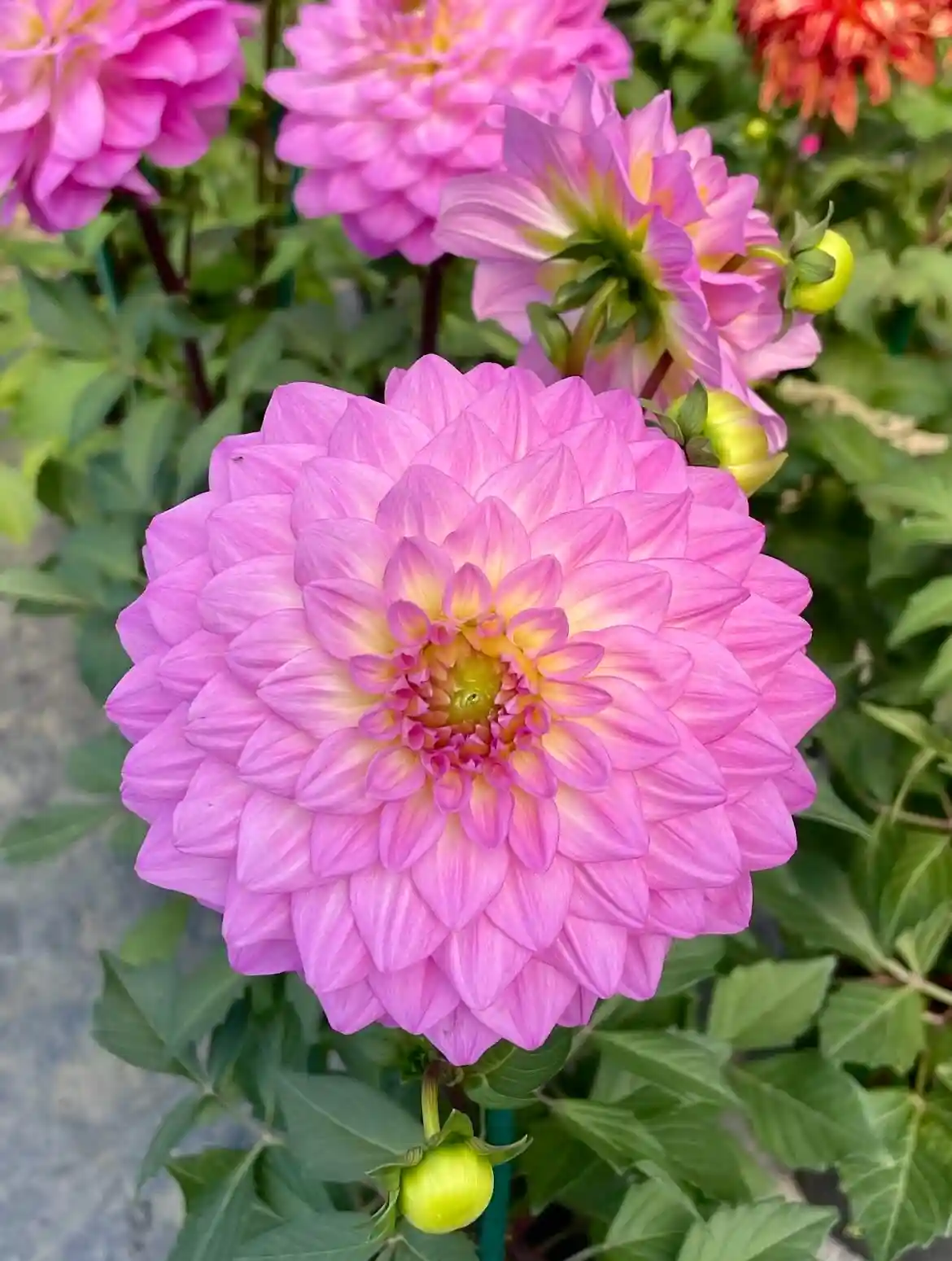
Dahlias are flowering plants grown from tubers. They are often treated like summer bulbs, but the part you plant is actually a tuberous root.
They are loved for their huge range of flower shapes and sizes. Some dahlias have small round blooms that look perfect in jars. Others have giant dinnerplate flowers that can become the main feature of a garden bed.
Most garden dahlias are tender perennials. That means they can live for more than one year, but they do not like freezing ground. In warm areas, they may stay in the soil over winter with mulch. In colder zones, the tubers usually need to be lifted and stored.
Dahlias are especially useful because they bloom later than many spring flowers. When early plants like peonies are finished, dahlias can step in and keep the garden full of color through late summer and fall.
Choosing the Right Dahlia Type
Before buying tubers, think about where you want to grow them. A tall dinnerplate dahlia needs more space and support than a compact patio dahlia.
Here are the main types beginners will see most often.
| Dahlia Type | Flower Style | Best For | Height Range | Beginner Note |
| Decorative Dahlias | Full layered petals | Borders and cutting gardens | Medium to tall | One of the easiest types to use |
| Dinnerplate Dahlias | Huge, dramatic flowers | Statement blooms | Tall | Needs strong staking |
| Pompon Dahlias | Small round blooms | Bouquets and neat beds | Medium | Great for cutting |
| Ball Dahlias | Rounded flowers | Long-lasting arrangements | Medium | Reliable and tidy |
| Cactus Dahlias | Narrow pointed petals | Texture and bold flower beds | Medium to tall | Good if you want something different |
| Collarette Dahlias | Open center with collar petals | Pollinator-friendly beds | Medium | Light and airy |
| Single Dahlias | Simple open flowers | Bees, butterflies, and natural beds | Short to medium | Easy to mix with other flowers |
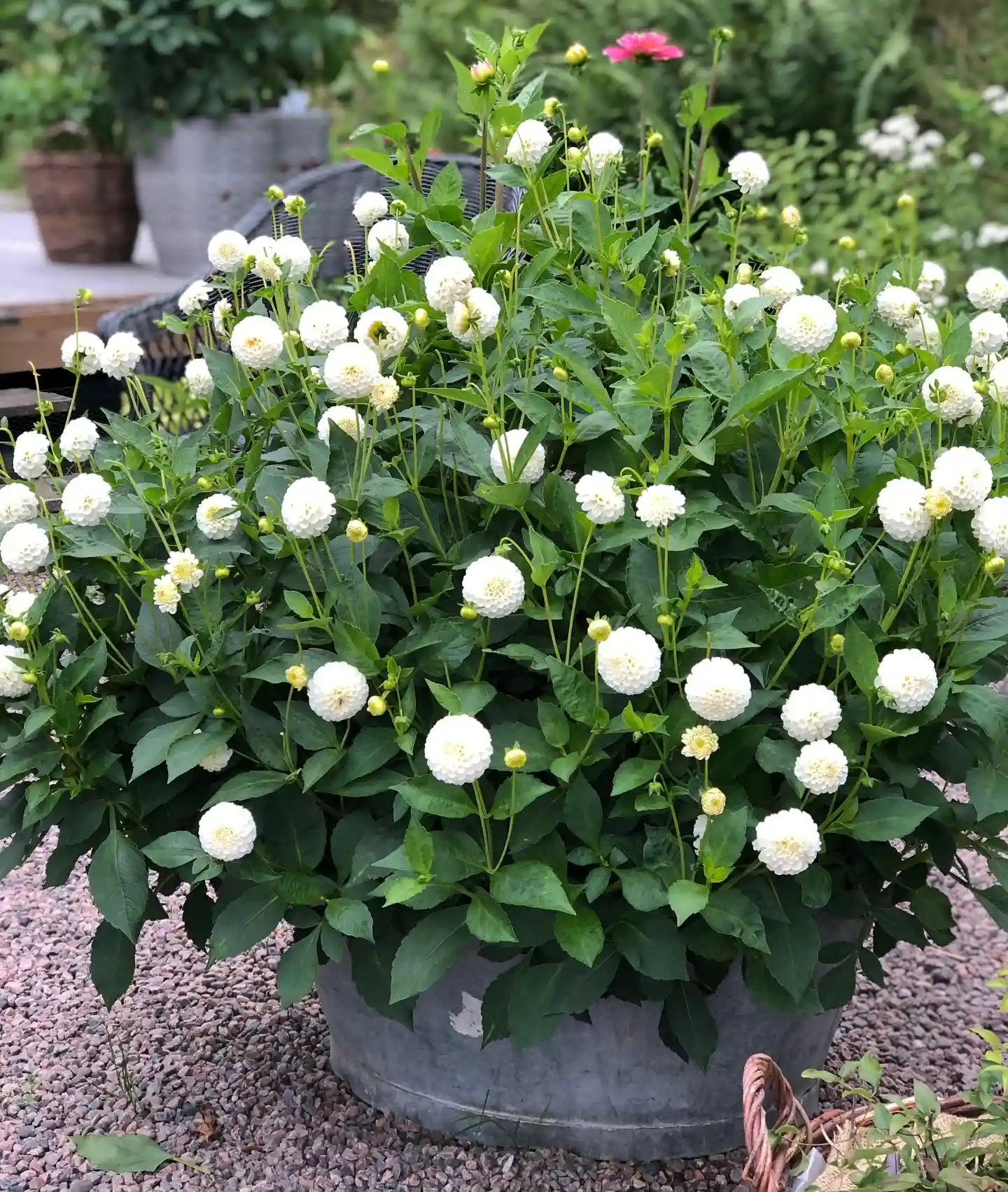
| Dwarf Dahlias | Compact blooms | Pots and small spaces | Short | Best choice for containers |
For a first try, decorative, ball, pompon, and dwarf dahlias are usually the easiest. They are not as heavy as dinnerplate types, so they are simpler to support.
If you want flowers for cutting, grow a few medium-height dahlias in a sunny bed. If you want a porch or patio display, choose dwarf or compact varieties and use a deep pot with drainage holes.
When to Plant Dahlia Tubers
Plant dahlias after the last frost has passed. The soil should feel warm, not cold and wet.
A simple way to time it is this: plant dahlias around the same time you would plant tomatoes outdoors. If the weather is still chilly at night, wait a little longer.
Planting too early is one of the easiest ways to lose tubers. Dahlia tubers can rot if they sit in cold, wet soil before they start growing.
If you live somewhere with a short growing season, you can start tubers indoors in pots 4 to 6 weeks before your outdoor planting time. Keep them in a bright, frost-free place, then move them outside after they harden off.
Where to Plant Dahlias
Dahlias need sun, space, and drainage. If one of those is missing, the plant may still grow, but the flowers will usually be weaker.
Sunlight
Give dahlias at least 6 hours of sun per day. In cooler climates, full sun is best.
In very hot areas, morning sun with light afternoon shade can help flowers last longer. Too much deep shade usually leads to tall leafy plants with fewer blooms.
Dahlias also pair well with other sun-loving flowers. If you already grow sunflowers, dahlias can work in the same sunny garden style, as long as they are not crowded or shaded out.
Soil
Dahlias like fertile, loose, well-drained soil. They do not want to sit in soggy ground.
Before planting, mix compost into the bed. This helps the soil hold enough moisture without becoming heavy and wet.
If your soil is clay, loosen it well and add compost. If your soil is sandy, compost helps it hold more water during hot weather.
Spacing
Do not squeeze dahlias too tightly. Crowded plants have weaker airflow, and that can lead to mildew and pest issues.
Use this simple spacing guide:
| Dahlia Size | Spacing |
| Dwarf dahlias | 12 to 18 inches apart |
| Medium dahlias | 18 to 24 inches apart |
| Tall dahlias | 24 to 36 inches apart |
| Dinnerplate dahlias | 36 inches or more apart |
If you are planting a cutting garden, leave enough space to walk between rows. You will need room for staking, tying, watering, and cutting flowers.
How to Plant Dahlia Tubers Step by Step
Dahlia tubers look strange the first time you handle them, but planting is simple.
- Choose a sunny spot with well-drained soil.
- Loosen the soil and mix in compost.
- Dig a hole about 4 to 6 inches deep.
- Lay the tuber on its side.
- Place the eye or growing point facing upward if you can see it.
- Add a stake now if the variety will grow tall.
- Cover the tuber with soil.
- Do not soak the soil heavily right away unless it is very dry.
- Water more regularly once green shoots appear.
- Add mulch after the plant is growing and the soil has warmed.
The biggest beginner mistake is watering too much before the tuber sprouts. At that stage, the tuber is sitting underground without much active growth. Too much moisture can cause rot.
Once you see shoots above the soil, you can treat the plant more like a growing flower.
Growing Dahlias in Pots
Dahlias can grow well in containers, but the pot needs to be large enough. A tiny decorative pot dries out fast and does not give the roots enough room.
Choose dwarf or compact dahlias for the easiest container display. Medium varieties can also work, but they need deeper pots and stronger support.
Use a pot with drainage holes. Fill it with good potting mix, not heavy garden soil. Garden soil can become dense in containers and hold too much water around the tuber.
Place the pot where it gets plenty of sun. Once the plant is actively growing, check moisture often. Potted dahlias dry out faster than dahlias planted in the ground.
A container dahlia may also need feeding through the season because nutrients wash out of pots faster.
Watering Dahlias
Do not water heavily right after planting unless the soil is bone dry. Wait until shoots appear, then begin regular watering.
Once dahlias are growing, they like deep watering. A long soak at the base is better than a light splash every day.
Try to keep the leaves dry when you water. Wet leaves, tight spacing, and humid weather can invite mildew.
A good habit is to check the soil before watering. If the top inch feels dry and the plant is actively growing, water deeply.
If your dahlias wilt in the afternoon but perk back up in the evening, they may just be reacting to heat. If they still look limp in the morning, check the soil.
Fertilizing Dahlias
Dahlias grow best in soil that already has compost worked in before planting. That gives them a steady start without pushing too much soft leafy growth.
Once plants are growing, you can feed them lightly. Use a balanced fertilizer early in the season if your soil is poor.
Avoid overdoing nitrogen. Too much nitrogen can give you big green plants with fewer flowers.
When buds start forming, many gardeners switch to a flower-focused fertilizer that is lower in nitrogen. Stop feeding late in the season so the plant can slow down naturally before frost.
Staking Dahlias Before They Flop
Many dahlias need support. This is especially true for tall varieties, dinnerplate dahlias, and plants grown in windy spots.
The best time to add a stake is when you plant the tuber. That way, you will not damage the roots or tuber later.
Place the stake a few inches away from the tuber. As the plant grows, tie the main stem loosely with soft garden twine or plant ties.
Do not tie too tightly. The stem needs room to move and thicken.
For very tall dahlias, one stake may not be enough. You can use a small cage, several stakes, or a row support system if you are growing many plants together.
Pinching Dahlias for More Stems
Pinching sounds scary, but it helps dahlias grow fuller.
When the plant is about 12 to 16 inches tall and has several sets of leaves, pinch out the growing tip. This tells the plant to send out side shoots.
More side shoots usually means more flowering stems.
Use clean fingers or small snips. Remove only the top growing tip above a set of leaves.
If you forget to pinch, your dahlias can still flower. Pinching just helps create a bushier plant, especially for cutting gardens.
Deadheading Dahlias for More Flowers
Deadheading is one of the best ways to keep dahlias blooming.
When a flower fades, cut the stem back to a set of leaves. Do not just pull off the petals or remove the flower head.
Spent dahlia blooms often look pointed or cone-shaped. New buds are usually rounder and tighter. This small detail helps you avoid cutting off future flowers by mistake.
Deadhead every few days during peak bloom season. The more often you remove old flowers, the more energy the plant can put into new ones.
Dahlia Care Through the Seasons
Spring
Spring is planting time. Wait until frost danger has passed and the soil has warmed.
If your season is short, start tubers indoors in pots. Move them outside only after they are hardened off.
This is also the best time to set up stakes. It feels early, but it saves trouble later.
Summer
Summer is when dahlias put on size. Keep them watered during dry spells, tie stems as they grow, and pinch young plants if you want fuller growth.
Watch for slugs, aphids, earwigs, and leaf damage. Small problems are much easier to deal with before the plant is covered in buds.
Start deadheading as soon as flowers fade.
Fall
Fall is often the best dahlia season. The plants are mature, the flowers are strong, and the garden can look full when many other plants are slowing down.
Keep cutting or deadheading until frost arrives. Stop feeding late in the season.
After frost blackens the foliage, decide whether you need to lift the tubers or protect them in the ground.
Winter
In mild climates, dahlias may stay in the ground with a thick layer of mulch. This only works well where the ground does not freeze hard and the soil drains well.
In cold climates, lift the tubers and store them somewhere cool and frost-free.
Do not worry when the top growth dies back. That is normal. The tuber is the part you are saving for next year.
How to Overwinter Dahlia Tubers
If your winters are cold, overwintering is the step that saves money and keeps your favorite varieties going.
Wait until frost has damaged the foliage. Then cut the stems back, leaving a short stem handle.
Use a garden fork to lift the clump carefully. Start digging several inches away from the stem so you do not stab the tubers.
Shake off loose soil. Let the clump dry in a sheltered place where it will not freeze.
Store healthy tubers in slightly dry packing material such as vermiculite, peat-free compost, wood shavings, or dry sand. The goal is to keep them from drying out completely without letting them rot.
Check them during winter. Remove any soft or rotten pieces right away.
How to Divide Dahlia Tubers
Dahlias can multiply underground during the growing season. That means one plant may give you several tubers to replant or share.
The key is that each division needs a body, a neck, and an eye. The eye is where next year’s shoot will grow.
Many gardeners divide tubers in spring because the eyes are easier to see. Use a clean, sharp knife or pruners.
Here is the simple process:
- Bring stored tubers out in spring.
- Look for visible eyes near the crown area.
- Cut sections with a healthy body, neck, and eye.
- Remove weak, shriveled, or rotten parts.
- Let cut areas dry briefly before planting.
Do not save every piece just because it looks like a tuber. If it has no eye, it will not grow into a new plant.
Common Dahlia Problems and Fixes
| Problem | Likely Cause | What to Do |
| Tubers rot before sprouting | Cold wet soil or too much early water | Plant later, improve drainage, and wait to water regularly |
| Lots of leaves but few flowers | Too much nitrogen or not enough sun | Reduce high-nitrogen feeding and move to more sun |
| Tall stems fall over | No support or weak staking | Stake early and tie stems as they grow |
| White powder on leaves | Powdery mildew | Improve airflow and avoid wetting the leaves |
| Holes in leaves | Slugs, snails, caterpillars, or beetles | Check often and remove pests early |
| Sticky curled new growth | Aphids | Spray with water or use insecticidal soap if needed |
| Flowers fade quickly | Heat stress or dry soil | Water deeply and add mulch after growth starts |
| Weak growth in pots | Small container or poor feeding | Use a larger pot and feed lightly during active growth |
The two problems beginners usually run into first are rotting tubers and floppy stems. Both are easy to prevent. Plant in warm, well-drained soil and stake tall varieties from the start.
Best Companion Plants for Dahlias
Dahlias look beautiful on their own, but they are even better when planted with flowers that bloom before them, around them, or behind them.
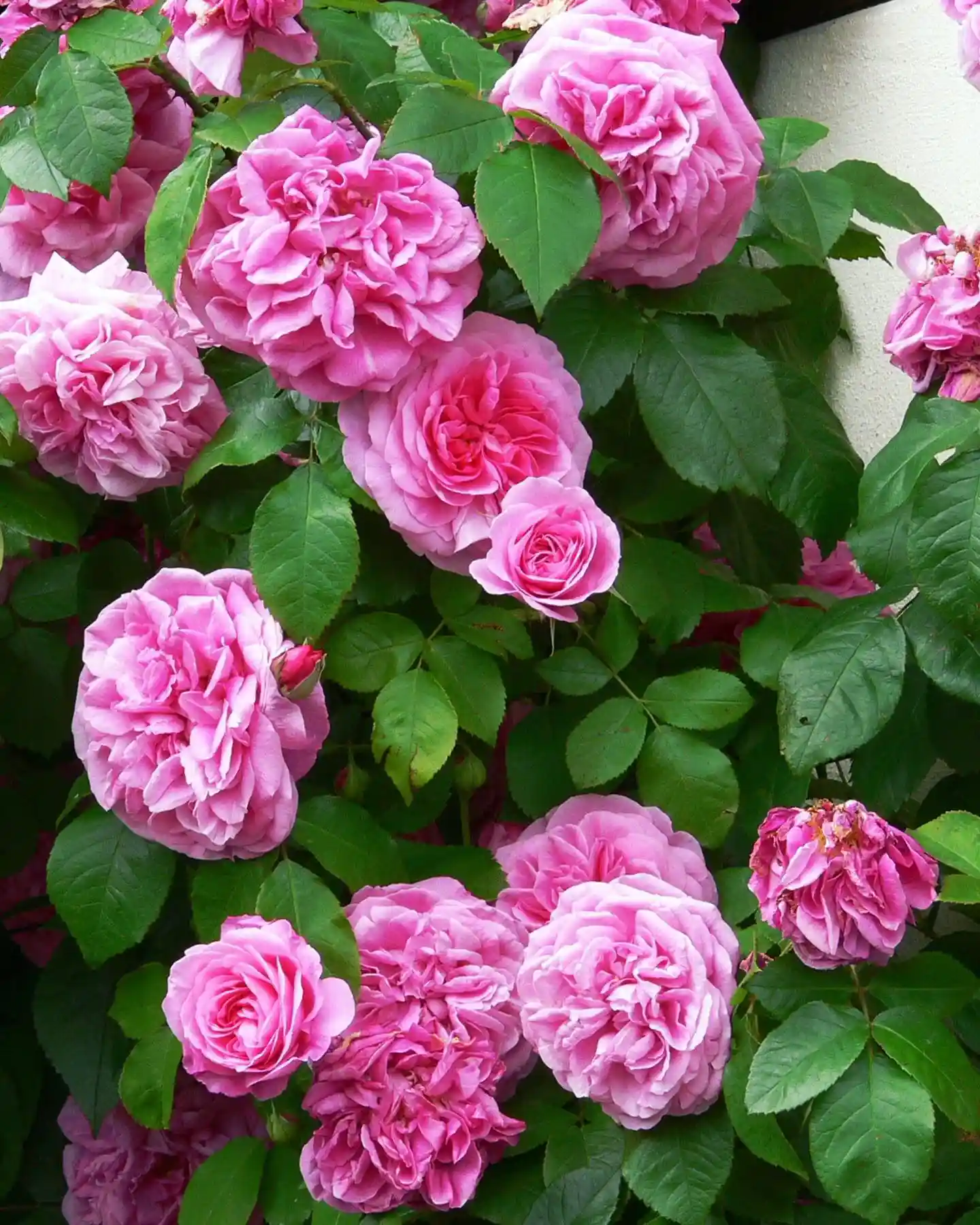
Roses
Roses and dahlias can make a rich cottage-style flower bed. Roses often start earlier, while dahlias bring strong late-season color.
Give both plants enough airflow. Do not crowd dahlias too close around rose stems.
Peonies
Peonies bloom earlier than dahlias, which makes them a smart partner in a layered flower garden. Peonies give you spring and early summer flowers, then dahlias take over later.
This pairing works well if you want a garden that does not look empty after early blooms fade.
Sunflowers
Sunflowers bring height and a relaxed summer look. They work best behind dahlias, not in front of them.
Keep spacing generous so the sunflowers do not shade the dahlias too much.
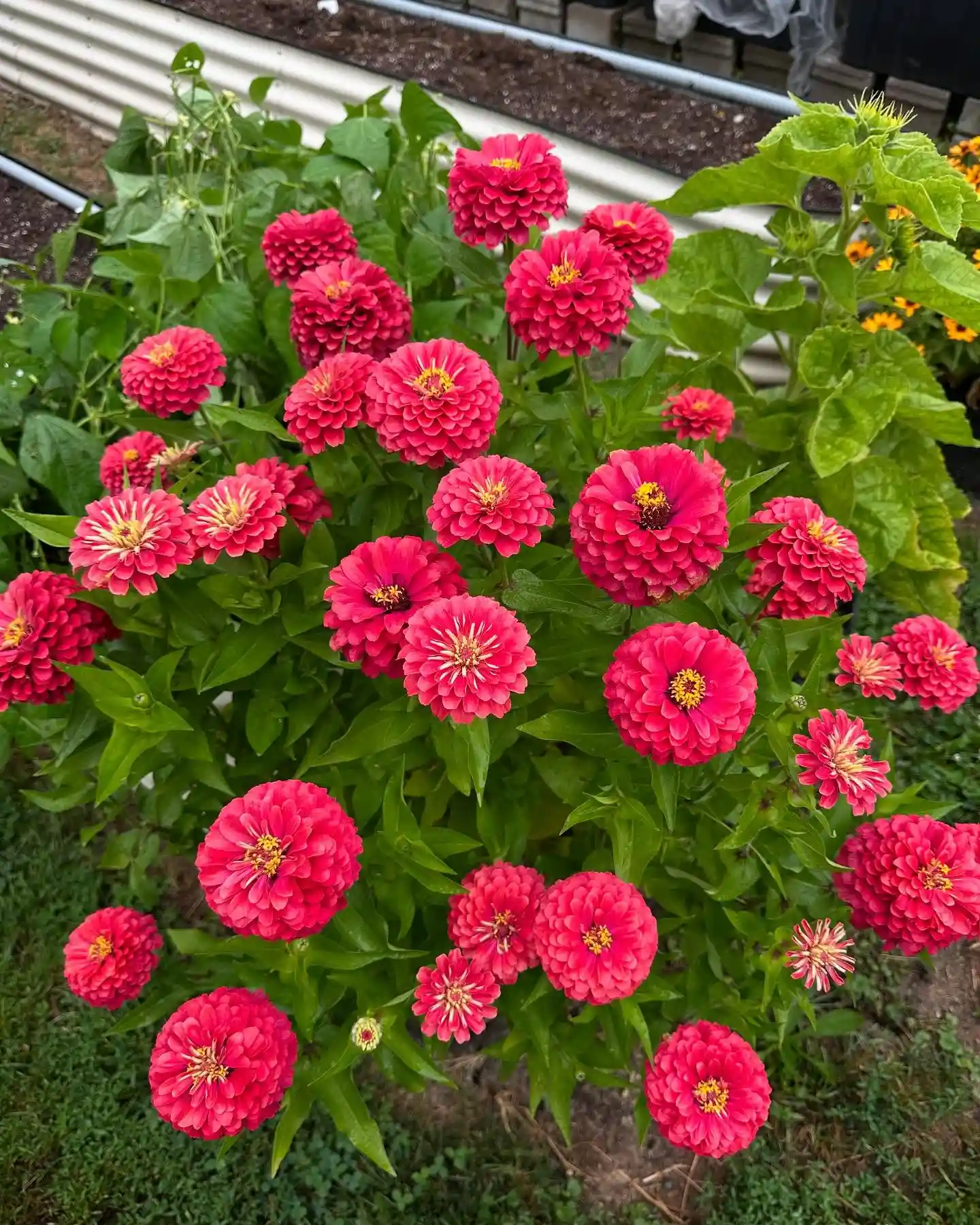
Zinnias
Zinnias are easy annual flowers that love sun. They bloom for a long time and look natural beside dahlias in cutting gardens.
They also fill small gaps while dahlia plants are still growing.
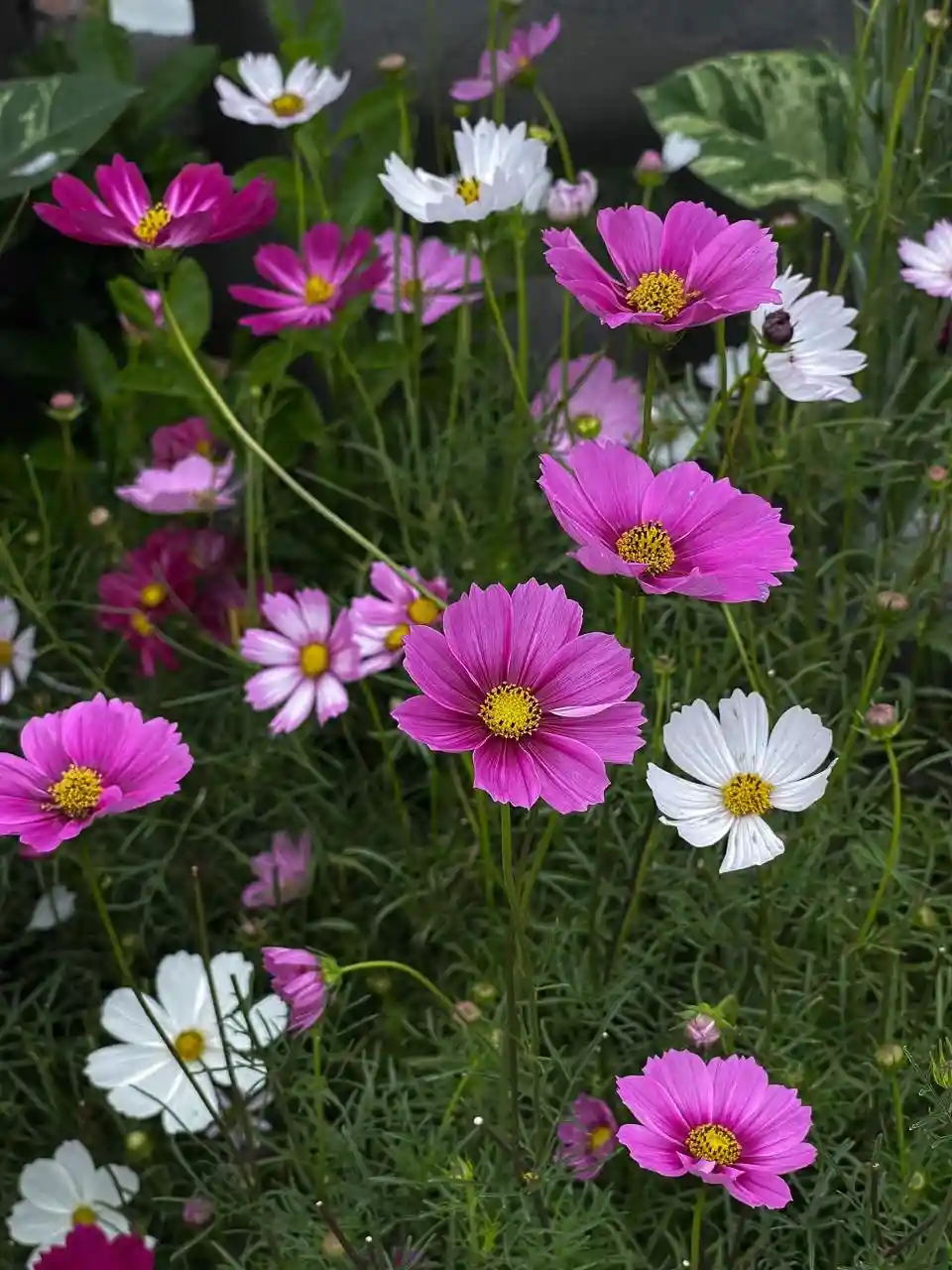
Cosmos
Cosmos adds a light, airy feel around heavier dahlia blooms. It works well when you want the bed to feel loose and not too formal.
Plant cosmos where it has room to sway without leaning into dahlia stems.
Salvia
Salvia gives upright flower spikes that contrast nicely with rounded dahlia blooms. It is also useful for adding blue, purple, or deep pink tones to a sunny border.
Can You Grow Dahlias From Seed?
Yes, dahlias can grow from seed, but seed-grown dahlias are not always the same as the parent plant.
If you want a specific variety, grow from tubers or cuttings. If you enjoy surprises, seeds can be fun.
Many seed-grown dahlias are smaller and work well in cottage gardens or pollinator beds. They may not give you the huge dinnerplate flowers people often picture when they think of dahlias.
Cutting Dahlias for Bouquets
Dahlias make wonderful cut flowers, but timing matters.
Cut flowers in the morning or evening when the plant is not stressed by heat. Choose blooms that are open but still fresh.
Use clean snips and cut a long stem back to a leaf joint. Place stems in water right away.
The more you cut, the more the plant is encouraged to produce new stems. This is one reason dahlias are so loved in cutting gardens.
FAQ
Are dahlias easy to grow?
Yes, dahlias are easy once you understand the tuber stage. The main things are warm soil, good drainage, enough sun, and support for taller plants.
Do dahlias come back every year?
They can come back every year in warm climates where the ground does not freeze hard. In colder areas, you usually need to lift and store the tubers for winter.
When should I plant dahlia tubers?
Plant dahlia tubers after the danger of frost has passed. The soil should be warm, not cold and soggy.
How deep do you plant dahlia tubers?
Most dahlia tubers are planted about 4 to 6 inches deep. In lighter soil, they may sit a little deeper. In heavy soil, drainage matters more than depth.
Do dahlias need full sun?
Dahlias grow best with at least 6 hours of sun. In very hot climates, they may appreciate light afternoon shade.
Can dahlias grow in pots?
Yes, dahlias can grow in pots. Choose compact varieties, use a pot with drainage holes, and water more often once the plant is growing.
Why are my dahlias not blooming?
Common reasons include not enough sun, too much nitrogen fertilizer, poor watering, overcrowding, or planting too late. Give them sun, steady moisture, and regular deadheading.
Should I deadhead dahlias?
Yes. Deadheading helps dahlias keep making flowers instead of putting energy into seed production.