15 Signs You’re Overwatering Your Houseplants
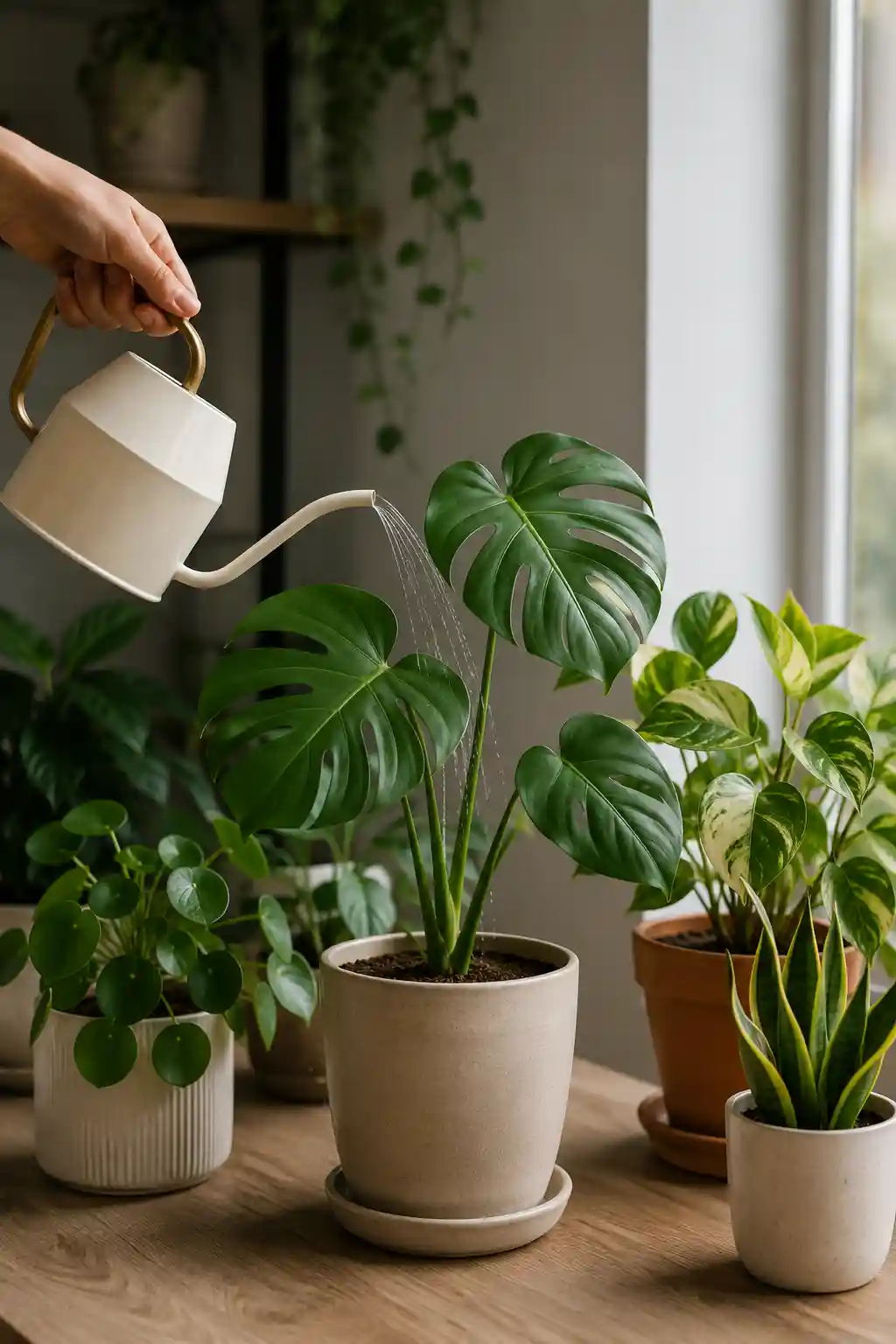
Overwatering is one of the most common reasons houseplants start to look sad, even when you feel like you are taking good care of them.
It can happen slowly too. One week the plant looks fine, then the leaves turn yellow, the soil smells odd, or the stems feel soft.
The tricky part is that an overwatered plant can sometimes look like a thirsty plant. That is why checking the soil, pot, roots, and leaves together matters.
These signs will help you spot overwatering early and fix the problem before your houseplant gets worse.
Your can cure before this happened by learning Watering Mistakes Killing Your Houseplants
1. Yellow Leaves
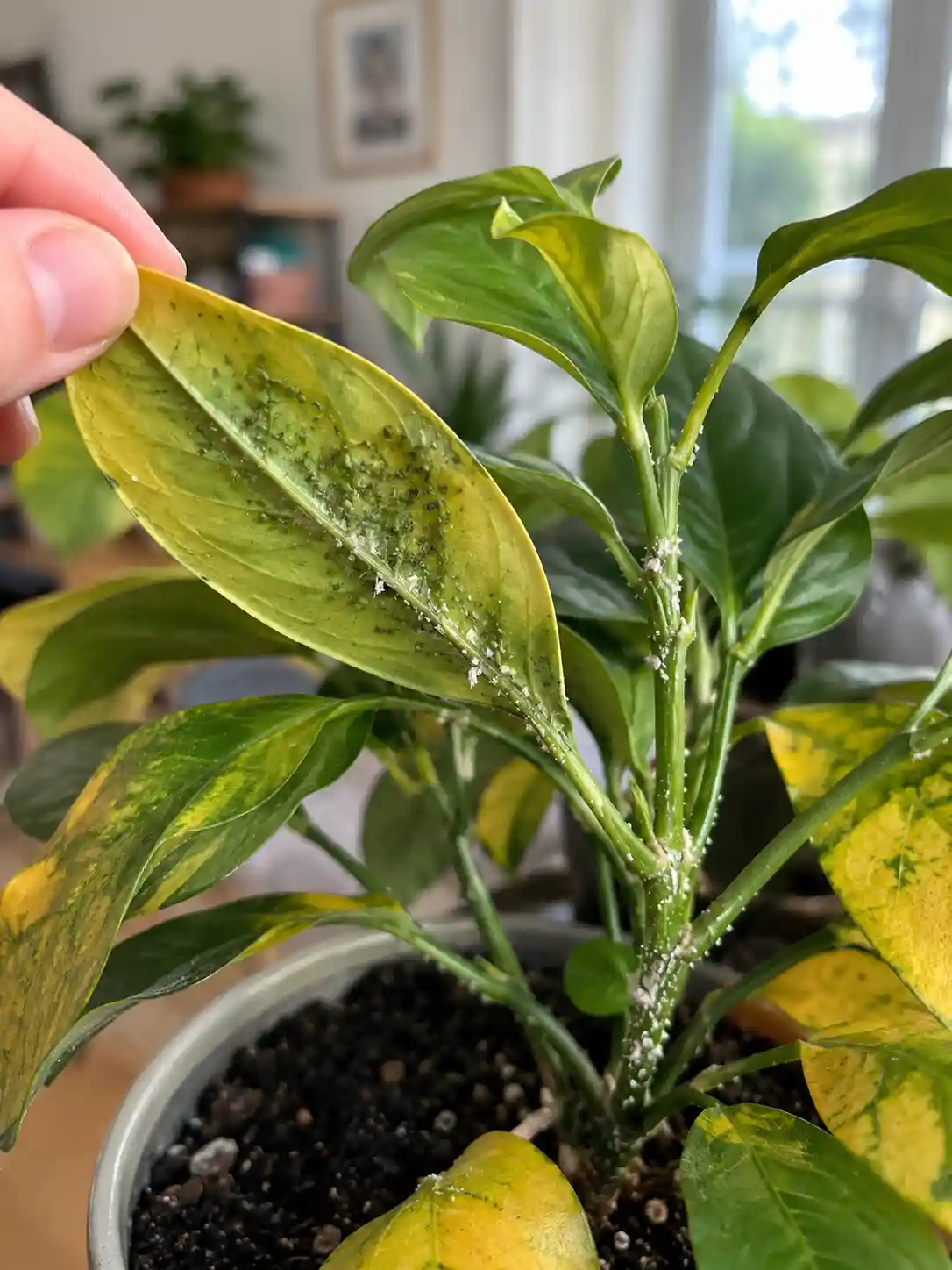
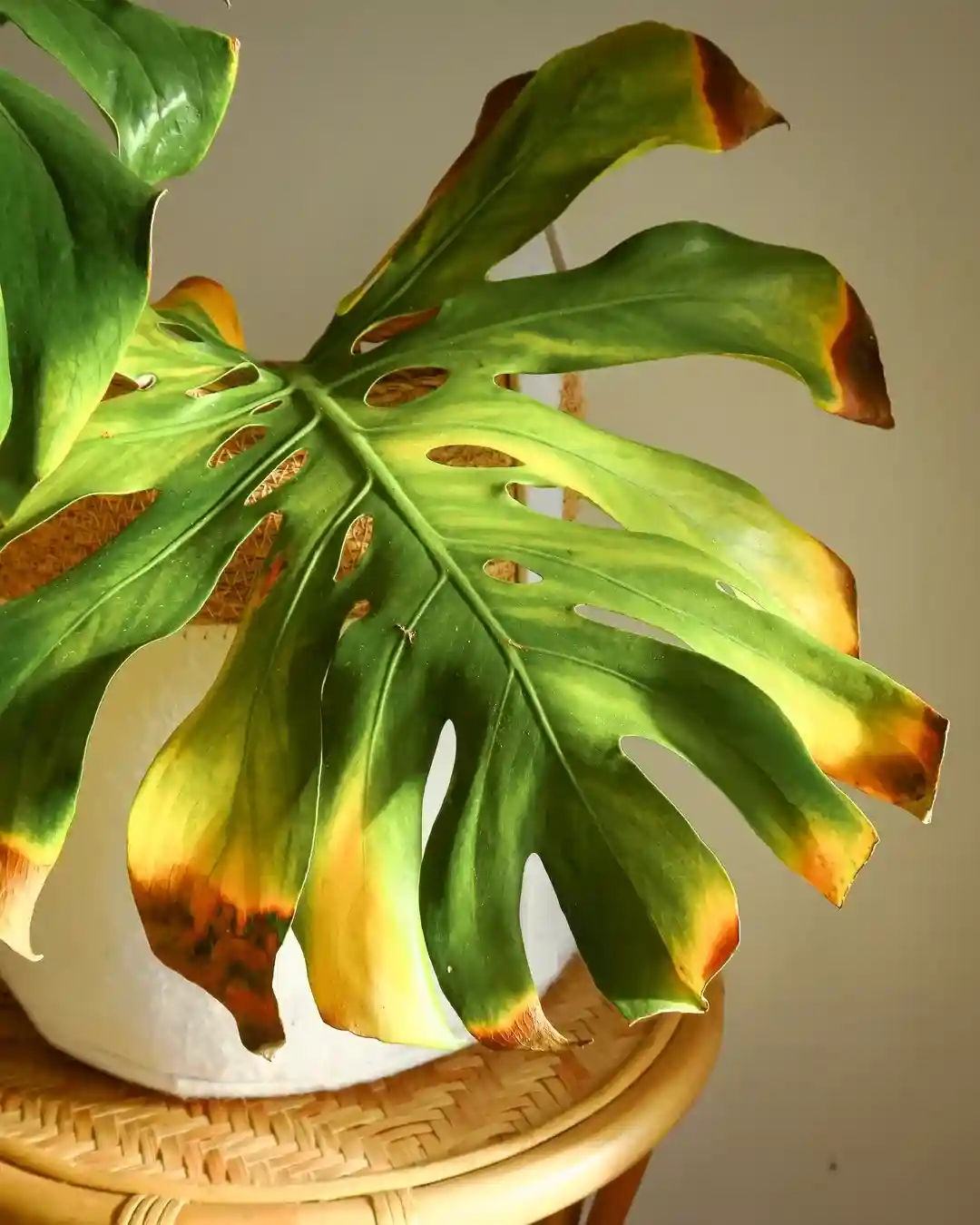
Yellow leaves are one of the first signs that a houseplant may be getting too much water. This usually happens when the soil stays wet for too long and the roots cannot breathe properly.
A few old yellow leaves are normal, especially near the bottom of the plant. But if several leaves turn yellow at the same time and the soil still feels damp, overwatering is likely.
Before you add more water, press your finger into the soil. If it feels wet below the surface, wait.
What to do: Let the soil dry out before watering again. Make sure the pot has drainage holes.
2. Soil Stays Wet for Days
Healthy potting soil should not stay soggy for a long time. If the soil still feels wet many days after watering, the plant may be sitting in too much moisture.
This can happen for a few reasons. The pot may be too large, the soil may be too heavy, or the plant may be in a low-light room where water dries slowly.
Low light houseplants usually need less water because they grow more slowly. A plant in a shaded corner will not use water as quickly as one near a bright window.
What to do: Water less often and check if the soil mix drains well.
3. Leaves Feel Soft or Limp
Soft, limp leaves can be confusing because many people think limp leaves always mean the plant is thirsty. But too much water can cause the same look.
When roots stay wet for too long, they stop working well. The plant cannot take up water properly, even though the soil is full of moisture. That is why an overwatered plant can droop.
Always check the soil before watering limp leaves. If the soil feels wet, more water will make the problem worse.
What to do: Wait until the soil dries partly, then adjust your watering routine.
4. Drooping Even After Watering
If your plant droops, you water it, and it still looks worse, overwatering may be the real problem.
A thirsty plant often perks up after a good watering. An overwatered plant usually does not. The leaves may hang lower, feel weak, or look dull because the roots are already stressed.
This is common with peace lilies, pothos, philodendrons, and other leafy houseplants when the soil is too wet for too long.
What to do: Stop watering and check the soil depth. If the pot feels very wet, inspect the roots.
5. Mushy Stems
Mushy stems are a serious warning sign. When stems feel soft, weak, or squishy near the soil line, the plant may already be dealing with rot.
This often starts when wet soil sits around the lower stem and roots for too long. Once rot begins, it can spread quickly if the plant stays damp.
Do not ignore this sign. A mushy stem usually needs quick action, not another watering.
What to do: Remove the plant from the pot, trim damaged roots or stems, and repot in fresh dry soil if the plant can be saved.
6. Bad Smell from the Soil
Healthy soil should smell earthy, not sour, musty, or rotten. If the pot smells bad, the soil is probably staying too wet.
A bad smell can mean the roots or organic material in the soil are starting to break down. This is often linked to poor drainage, compact soil, or a pot with no drainage holes.
Sometimes the smell is strongest right after watering. That is a clear sign the soil is holding too much moisture.
What to do: Remove old soggy soil and repot the plant in a fresh, well-draining mix.
7. Brown or Black Spots on Leaves
Dark spots on leaves can come from several issues, but overwatering is one common cause. When the soil stays too wet and airflow is poor, leaf problems can show up faster.
The spots may look brown, black, soft, or water-soaked. Some leaves may also turn yellow around the damaged areas.
This often happens when the plant is watered too often, misted too much, or kept in a humid room without enough air movement.
What to do: Remove badly damaged leaves, improve airflow, and let the soil dry before watering again.
8. Mold on the Soil Surface
White fuzzy mold on top of the soil usually means the surface is staying damp. While a little surface mold is not always deadly, it is a sign that the watering routine needs attention.
Mold often appears in low-light rooms, cool spaces, or pots without good airflow. It can also happen when you water too often in winter.
The plant may still look fine at first, but the damp soil can lead to bigger root problems over time.
What to do: Scrape off the mold, let the soil dry more between waterings, and move the plant to brighter indirect light if possible.
9. Fungus Gnats Around the Plant
Tiny flies hovering around the soil are usually fungus gnats. They love damp potting mix, which makes them a common sign of overwatering.
You may notice them when you move the pot or water the plant. They are annoying, and their larvae can live in the moist soil.
Fungus gnats are especially common when several houseplants are watered too often together.
What to do: Let the top layer of soil dry out, reduce watering, and use sticky traps to catch adult gnats.
10. Roots Look Brown or Mushy
Healthy roots are usually firm and light-colored. Overwatered roots often turn brown, black, soft, or slimy.
This is root rot, and it is one of the biggest dangers of overwatering. Once roots rot, they cannot support the plant properly.
If the plant is yellowing, drooping, and the soil smells bad, checking the roots is a smart move.
What to do: Trim rotten roots with clean scissors, remove wet soil, and repot in fresh well-draining soil.
11. New Growth Looks Weak
New growth should look fresh and firm. If new leaves are pale, soft, floppy, or smaller than usual, the plant may be stressed from too much water.
Wet roots cannot feed the plant properly. This can make new growth look weak even if the plant is sitting in a bright spot.
You may also notice that new leaves open slowly or turn yellow before they fully mature.
What to do: Improve drainage and wait until the soil dries to the right level before watering again.
12. Leaves Drop Suddenly
Sudden leaf drop can happen when a plant is stressed by too much water. Some leaves may turn yellow first, while others may fall while they still look partly green.
This is common when roots are damaged and the plant cannot support all its leaves. The plant drops leaves to survive.
Before assuming the plant is dry, check the soil. If it is wet and heavy, do not water again.
What to do: Let the soil dry and check the roots if leaf drop continues.
13. Plant Stops Growing
Houseplants do not grow fast all the time, especially in winter or low light. But if your plant has stopped growing for a long time and the soil keeps staying wet, overwatering may be slowing it down.
Wet roots struggle to take in oxygen. Without healthy roots, the plant cannot push out strong new leaves.
This is easy to miss because the plant may not look dramatic at first. It just sits there, looking dull and tired.
What to do: Reduce watering, move the plant to brighter indirect light, and check if the pot is too large.
14. Pot Feels Heavy All the Time
A heavy pot often means the soil is holding too much water. This is a simple trick I like because it helps you understand moisture without digging into the soil every time.
Pick up the pot after watering and notice how heavy it feels. Then lift it again a few days later. If it still feels very heavy, the soil has not dried enough.
This is especially helpful for large floor plants, where checking deep soil with your finger can be harder.
What to do: Wait until the pot feels lighter before watering again.
15. Plant Looks Worse After Every Watering
This is one of the clearest signs that your watering routine is the problem. If the plant declines after each watering, the roots may already be too wet or damaged.
You may notice more yellow leaves, drooping, soft stems, or a bad smell after watering. That means the plant does not need more moisture. It needs a break.
At this point, stop guessing and inspect the pot, soil, and roots.
What to do: Pause watering, check drainage, and repot if the soil is soggy or smells bad.
How to Fix an Overwatered Houseplant
If you catch overwatering early, your plant has a good chance of recovering. The first step is to stop watering and look at what is happening below the surface.
Follow these steps:
- Stop watering right away.
- Move the plant to bright, indirect light.
- Check if the pot has drainage holes.
- Empty any water sitting in the saucer.
- Remove the plant from the pot if the soil is very wet.
- Gently loosen soggy soil from the roots.
- Trim brown, mushy, or slimy roots with clean scissors.
- Repot in fresh, well-draining soil.
- Use a pot with drainage holes.
- Wait before watering again.
After repotting, do not rush to water unless the fresh mix is completely dry. Give the plant time to settle.
Quick Overwatering Fix Table
| Sign | What It Means | What To Do |
| Yellow leaves | Roots may be too wet | Let soil dry and check drainage |
| Wet soil for days | Poor drainage or too much water | Water less and improve soil mix |
| Mushy stems | Possible rot | Inspect roots and repot |
| Bad soil smell | Soil or roots may be rotting | Replace soil |
| Fungus gnats | Damp soil surface | Let top soil dry |
| Drooping with wet soil | Root stress | Stop watering and check roots |
| Heavy pot | Soil is holding water | Wait longer before watering |
| Weak new growth | Roots are not healthy | Improve light and drainage |
Best Ways to Prevent Overwatering
The easiest way to prevent overwatering is to stop watering by habit. Check the plant first.
Here are simple habits that help:
- Check the soil before watering.
- Use pots with drainage holes.
- Empty saucers after watering.
- Water less in low-light rooms.
- Water less during cooler months.
- Avoid oversized pots.
- Use a lighter potting mix.
- Learn each plant’s needs.
- Keep succulents and tropical plants on different watering routines.
A snake plant does not need the same watering routine as a fern. A pothos in a bright kitchen will not dry the same way as a pothos in a shaded bedroom.
Once you start watching the soil instead of the calendar, plant care gets much easier.
FAQ
Can an overwatered houseplant recover?
Yes, an overwatered houseplant can recover if the roots are not fully rotten. Stop watering, check the roots, remove damaged parts, and repot the plant in fresh well-draining soil if needed.
How do I know if yellow leaves mean overwatering?
Check the soil. If the leaves are yellow and the soil feels wet, overwatering is likely. If the soil is very dry, the yellowing may be from underwatering or another issue.
Should I repot an overwatered plant?
Repot the plant if the soil is soggy, smells bad, or the roots look brown and mushy. If the soil is only slightly damp and the plant still looks mostly healthy, you may only need to let it dry out.
How long should I wait before watering again?
Wait until the soil dries to the level your plant prefers. For snake plants, ZZ plants, and succulents, that may mean fully dry soil. For pothos or peace lily, the top few inches drying out may be enough.
What does root rot look like?
Root rot usually looks brown, black, soft, or slimy. Healthy roots are firmer and lighter in color. A bad smell from the roots or soil is another warning sign.
Why is my plant drooping when the soil is wet?
Drooping with wet soil often means the roots are stressed. They may not be able to take in oxygen or water properly because the soil has stayed too wet for too long.