How to Grow Lavender
Lavender is one of the most loved perennials for sunny gardens. It has soft purple flowers, silvery-green leaves, and a fresh scent that makes any garden feel calm and beautiful.
This plant is also useful. You can grow lavender in borders, herb gardens, cottage gardens, pollinator beds, walkways, and containers. Bees and butterflies love the flowers, and gardeners love how simple lavender can be once it grows in the right spot.
In this guide, you’ll learn how to grow lavender, where to plant it, how to care for it, and how to keep your lavender plant healthy year after year.
What Is Lavender?
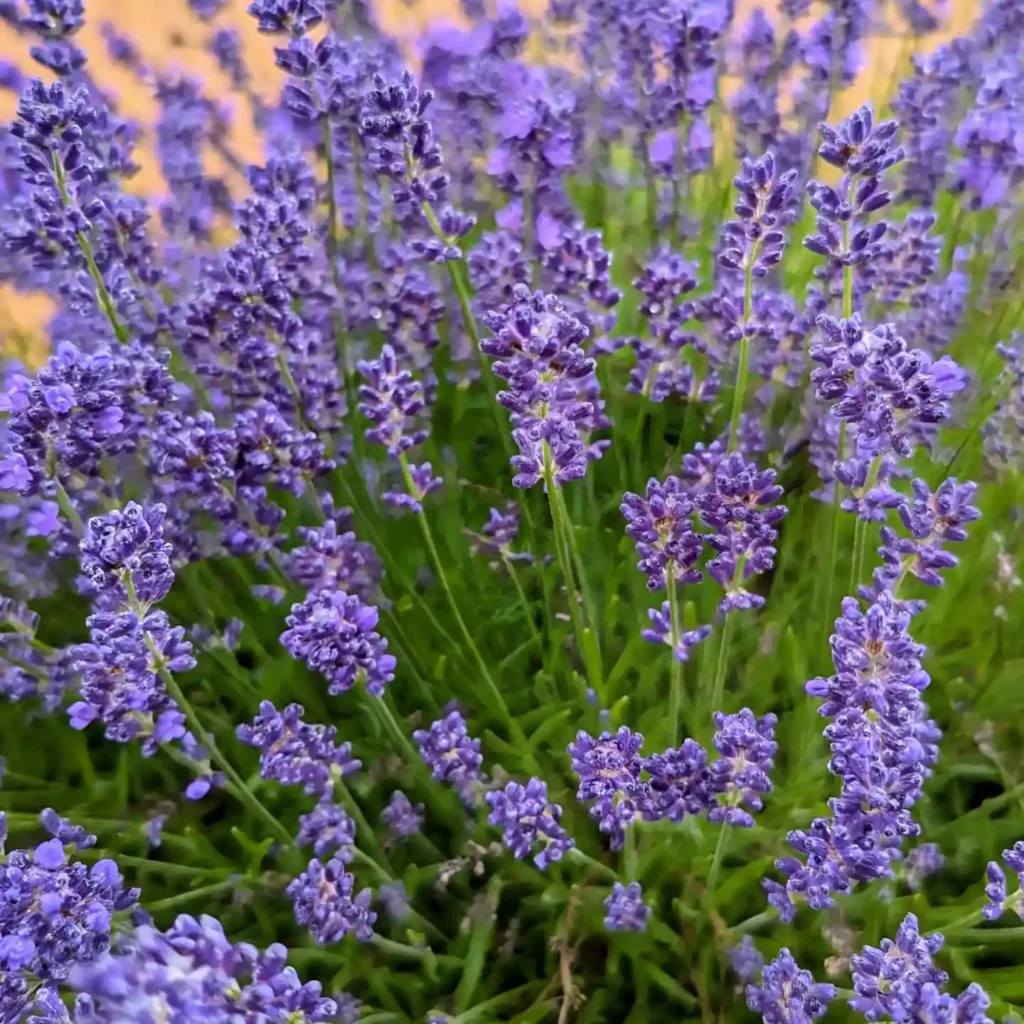
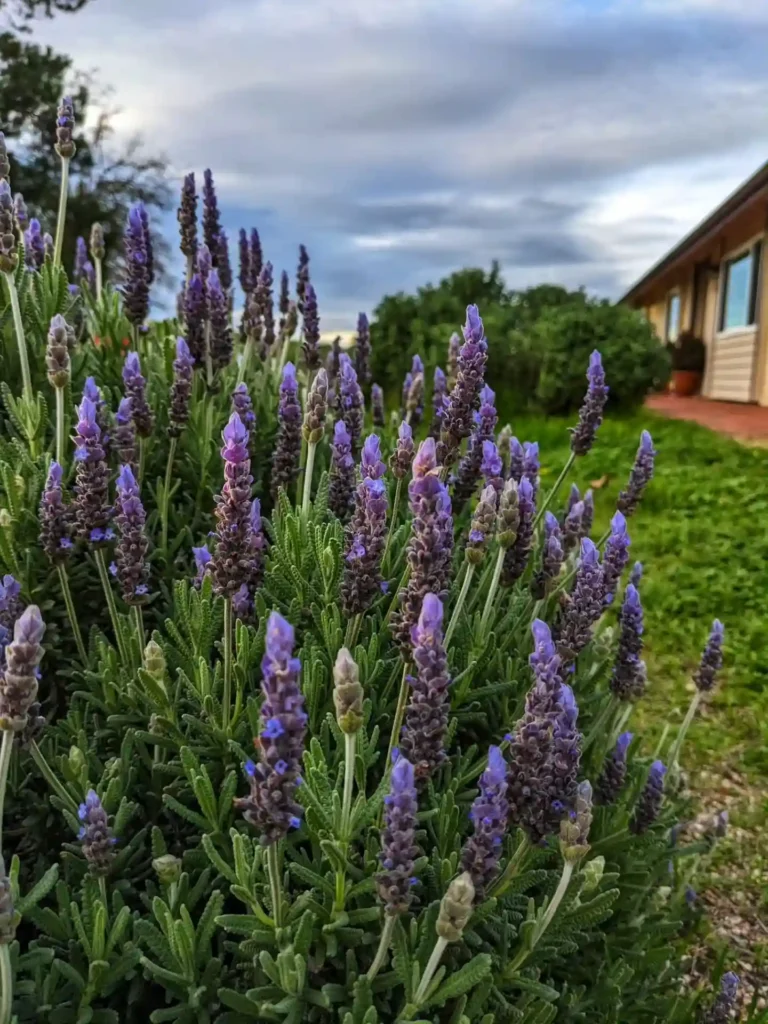
Lavender is a fragrant flowering plant grown for its purple flowers, scented leaves, and tidy shape. Many gardeners use it as both an ornamental plant and an herb.
The flowers usually grow on upright stems above narrow silver-green leaves. This gives lavender a soft but structured look in the garden.
Lavender grows best in full sun and well-draining soil. It does not like wet roots, heavy clay, or too much water. When planted in the right place, it can be a low-maintenance perennial that comes back year after year.
Quick Lavender Plant Facts
| Lavender Needs | Details |
| Common name | Lavender |
| Botanical name | Lavandula |
| Plant type | Perennial herb |
| Best light | Full sun |
| Soil | Well-draining soil |
| Water | Low to moderate |
| Bloom time | Late spring to summer, depending on type |
| Flower colors | Purple, blue-purple, pink, white |
| Best use | Borders, containers, herb gardens, pollinator gardens |
| Deer resistant | Usually yes |
| Beginner friendly | Yes, if soil drains well |
Types of Lavender Plants
Lavender comes in several types, and each one has a slightly different look and growing habit.
English lavender is one of the most popular types for home gardens. It is known for its sweet fragrance, compact shape, and purple flower spikes. It is often used in borders, herb gardens, and cottage gardens.
French lavender has soft, showy flower heads with small petal-like tops. It often grows well in warmer climates and adds a decorative look to containers and sunny beds.
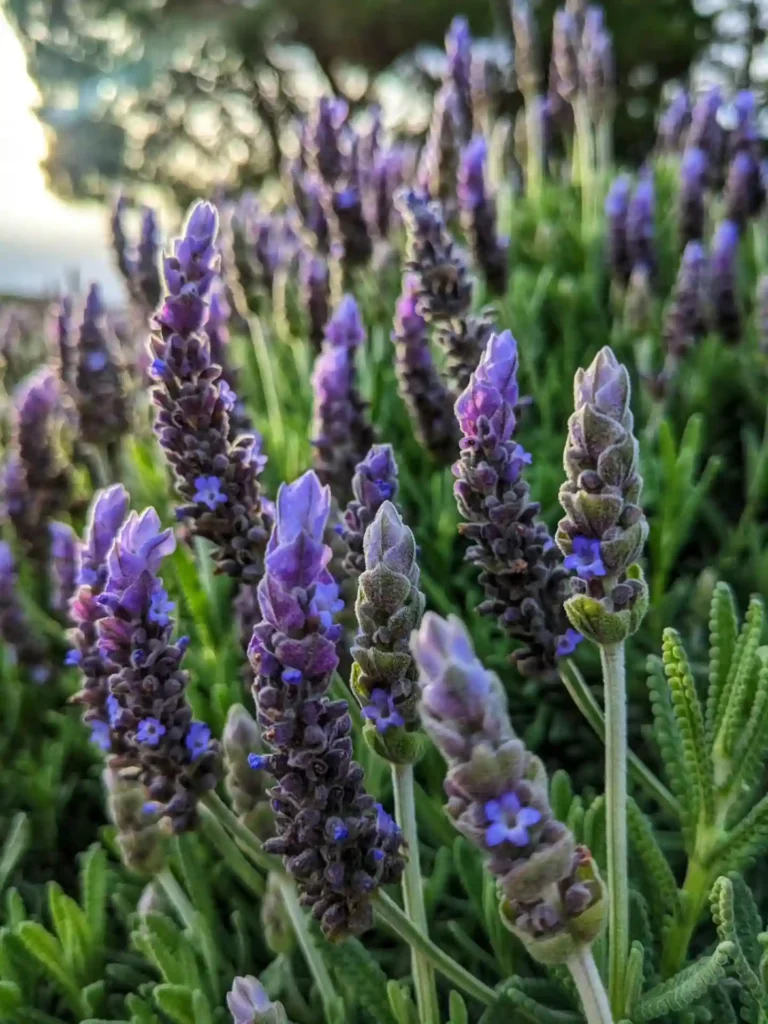
Spanish lavender has bold flower heads with little “ears” at the top. It brings a playful look to the garden and does well in warm, sunny spots.
Lavandin is a hybrid type that often grows larger than English lavender. It is known for strong fragrance and long flower stems, making it useful for larger garden beds and cut flowers.
Best Lavender Varieties to Grow
There are many lavender varieties, but a few are especially popular for home gardens.
Munstead lavender is a classic English lavender with purple flowers and a compact shape. It works well in borders, herb gardens, and smaller spaces.
Hidcote lavender has deep purple flowers and a neat growth habit. It is a great choice if you want strong color and a tidy look.
Phenomenal lavender is known for its strong growth and good garden performance. It can handle heat and humidity better than some other lavender types.
Grosso lavender is a lavandin type with long flower stems and a strong scent. It works well for larger garden beds and dried flower bundles.
Provence lavender has long stems and a soft, fragrant look. It is often grown for its scent and relaxed garden style.
Spanish lavender is a lovely option for warm climates and containers. Its flower heads have a unique shape that stands out in sunny beds.
When and Where to Plant Lavender
Plant lavender in spring after the danger of frost has passed. This gives the plant time to grow strong roots before winter.
You can also plant lavender in early fall if your weather is mild. Fall planting works best when the plant has enough time to settle before cold weather.
Choose the sunniest spot you have. Lavender needs at least 6 hours of sunlight each day, but more sun is even better.
Pick a place with soil that drains quickly. Lavender hates soggy roots. If water sits in your garden after rain, choose a raised bed, a slope, or a container.
Lavender grows well along walkways, near patios, in herb gardens, and at the front of sunny borders. It also looks beautiful when planted in groups.
How to Plant Lavender
Start by loosening the soil in your planting area. Remove weeds and break up hard clumps.
If your soil is heavy, improve drainage before planting. You can mix in small gravel, coarse sand, or compost depending on your soil type. The main goal is to help water move away from the roots.
Dig a hole slightly wider than the root ball. Place the lavender plant in the hole at the same depth it was growing in the pot.
Do not plant lavender too deep. The base of the plant should sit slightly above or level with the soil surface.
Fill the hole with soil and press gently around the roots. Water well after planting, then let the soil dry before watering again.
Space lavender plants about 18 to 24 inches apart, depending on the variety. Larger types may need more room.
Good spacing helps air move around the plants and keeps the leaves dry.
Lavender Care Guide
Lavender is easy to care for when you grow it in the right conditions. The biggest mistake is giving it too much water or planting it in heavy, wet soil.
Give lavender full sun. A sunny spot helps the plant grow strong stems, better fragrance, and more flowers.
Water new lavender plants regularly during the first few weeks. This helps the roots settle.
Once established, lavender needs less water than many garden flowers. Water deeply during dry spells, but do not keep the soil wet.
Let the soil dry out between watering. Lavender prefers dry feet over soggy roots.
Lavender does not need rich soil. In fact, too much fertilizer can make the plant grow soft and weak. A light layer of compost is usually enough.
Avoid heavy mulch that holds moisture around the base. If you mulch lavender, use a light layer and keep it away from the crown.
Prune lavender every year to keep it full and shaped. Without pruning, lavender can become woody and thin.
Cut back lightly after flowering. Do not cut deep into old woody stems, because they may not grow back well.
How to Keep Lavender Blooming
Lavender blooms best when it gets full sun and dry, well-draining soil.
If your lavender is not blooming well, check the light first. Too much shade often leads to fewer flowers.
Avoid overwatering. Wet soil can weaken the plant and reduce blooms.
Do not overfeed lavender. Too much fertilizer can create leafy growth with fewer flowers.
Prune at the right time. Light pruning after bloom can help the plant stay neat and may encourage fresh growth.
Choose a variety that grows well in your climate. Some lavender types handle cold better, while others prefer warmer areas.
Should You Prune Lavender?
Yes, pruning lavender is important. It keeps the plant compact, full, and healthy.
If you do not prune lavender, it can become woody at the base. The stems may spread open, and the plant may look thin.
Prune after the main bloom period. Cut back the soft green growth, but avoid cutting deeply into old woody stems.
A simple rule is to trim the plant into a rounded shape while leaving plenty of green growth on the stems.
In colder areas, avoid heavy pruning late in the season. Wait until spring to clean up winter damage if needed.
Common Lavender Problems
Lavender is usually easy to grow, but it can struggle when the soil is too wet or the plant does not get enough sun.
If your lavender is dying, the first thing to check is the soil. Wet soil is one of the most common reasons lavender fails.
If the leaves turn yellow, the plant may be getting too much water. Improve drainage and let the soil dry before watering again.
If the lavender turns brown, it may be stressed by root rot, winter damage, or overwatering. Check the base of the plant and the soil moisture.
If the plant looks woody and bare, it may need regular pruning. Lavender naturally gets woody over time, but yearly trimming helps slow this down.
If your lavender is not blooming, it may need more sun. Move potted lavender to a brighter spot, or avoid planting it where taller plants create shade.
Root rot can happen when lavender sits in wet soil for too long. The best prevention is fast-draining soil and careful watering.
Is Lavender Deer Resistant?
Lavender is usually deer resistant because of its strong scent. Deer often avoid fragrant plants, especially those with narrow, scented leaves.
Still, no plant is completely deer-proof. Very hungry deer may nibble almost anything.
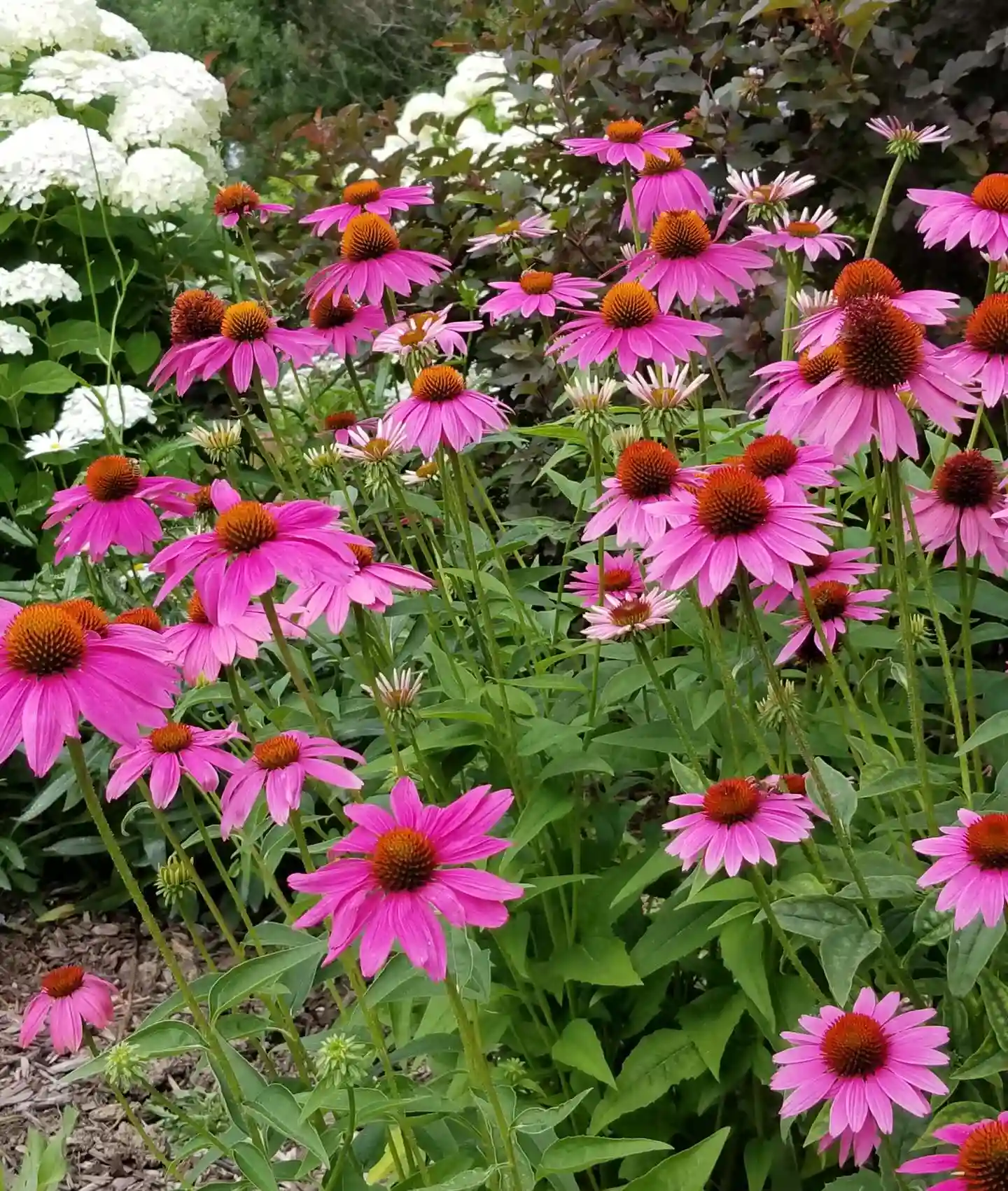
If deer visit your garden often, lavender is still a smart choice. Pair it with other deer-resistant plants like salvia, yarrow, catmint, coneflower, and ornamental grasses.
Is Lavender Good for Pollinators?
Yes, lavender is a great plant for pollinators. Bees especially love lavender flowers.
Butterflies may also visit the blooms, especially when lavender is planted in groups.
Lavender works well in pollinator gardens, herb gardens, cottage gardens, and sunny borders. It gives pollinators food and gives your garden fragrance and color at the same time.
Best Companion Plants for Lavender
Lavender grows best with plants that like sun and well-draining soil.
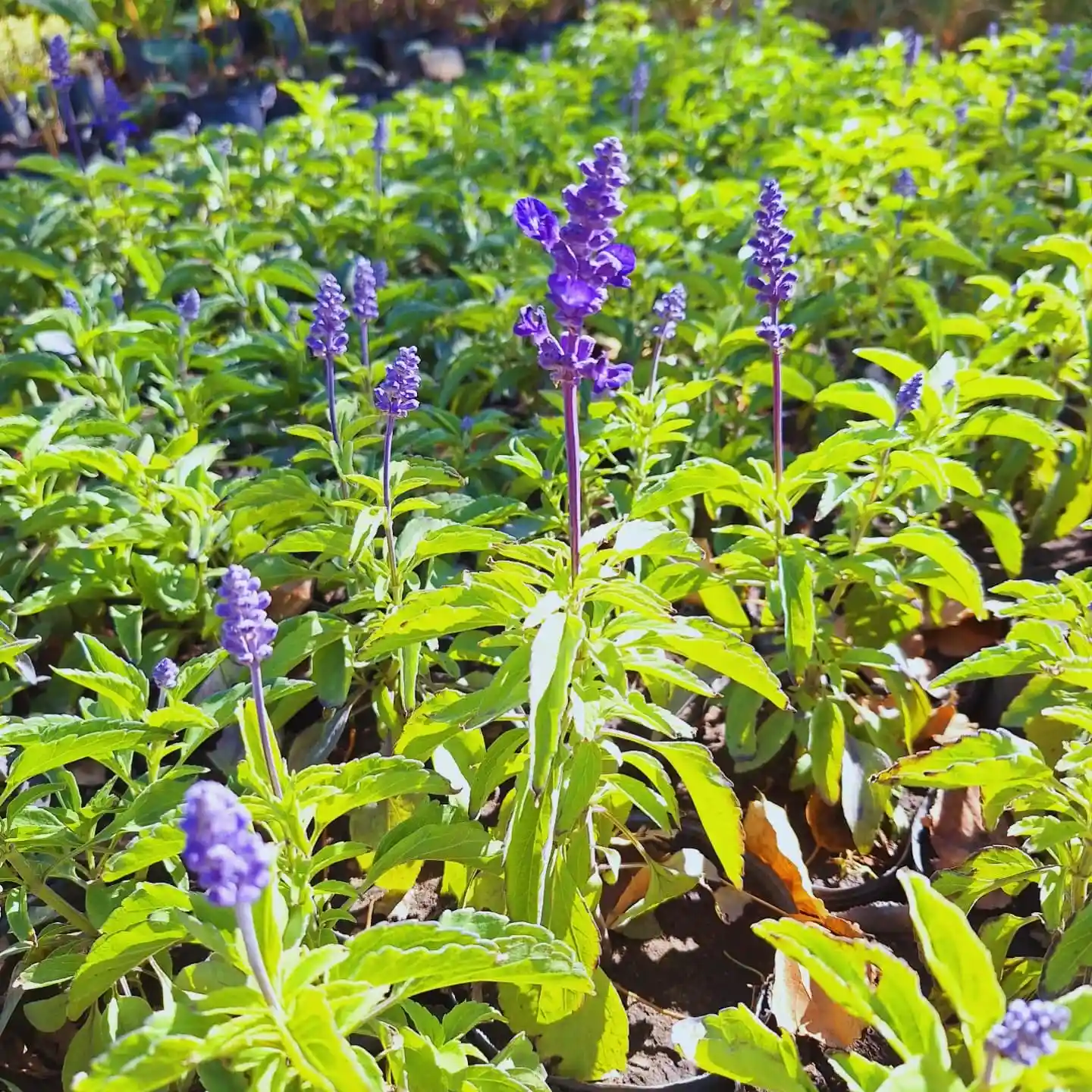
Salvia is a beautiful companion because it has upright flower spikes and similar growing needs.
Coneflower adds larger flowers and brings more pollinators into the garden.
Yarrow works well because it can handle dry soil and sunny conditions.
Catmint gives a soft, relaxed look and blends beautifully with lavender.
Rosemary is a good herb garden companion because it also likes sun and drier soil.
Thyme can grow low around lavender and helps fill small spaces.
Ornamental grasses add texture and movement behind lavender.
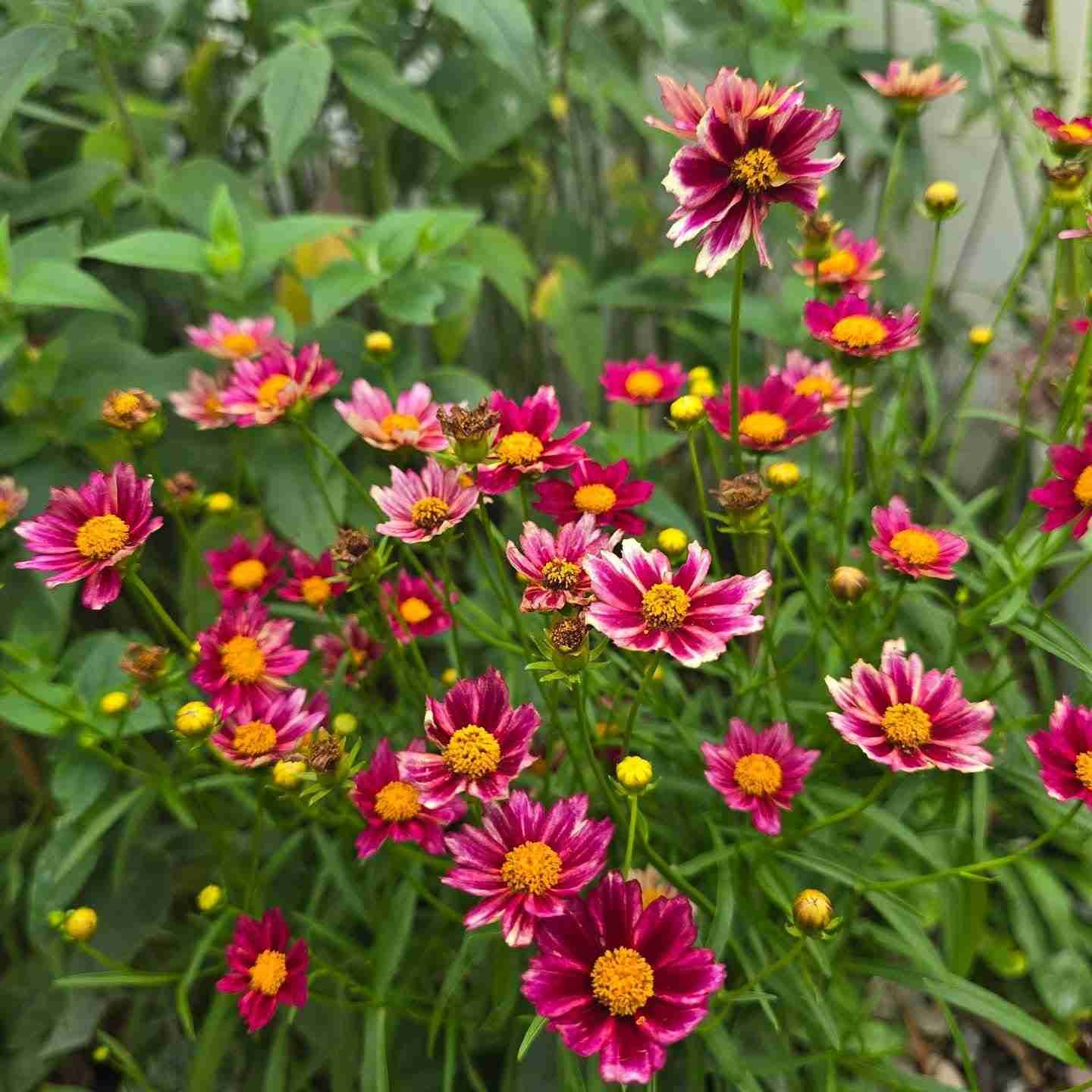
Black-eyed Susan adds warm yellow color that looks lovely with purple lavender flowers.
How to Use Lavender in Garden Design
Lavender works beautifully along walkways. When you brush past the leaves, the scent adds a lovely garden moment.
It also looks great at the front of sunny borders. The neat shape and soft color help create a calm edge.
In cottage gardens, lavender pairs well with roses, salvia, daisies, catmint, and coneflowers. It adds fragrance and a soft purple tone.
In herb gardens, lavender fits nicely with rosemary, thyme, oregano, and sage. Just make sure all of the herbs have good drainage.
Lavender also grows well in containers. Use a pot with drainage holes and place it in full sun. Terracotta pots are a good choice because they help soil dry faster.
You can also use lavender in pollinator gardens. Plant it in groups so bees can find the flowers easily.
Lavender in Pots
Lavender can grow very well in pots if you use the right container and soil.
Choose a pot with drainage holes. This is very important because lavender does not like wet roots.
Use a light, well-draining potting mix. Avoid heavy soil that stays wet for too long.
Place the pot in the sunniest spot you have. A patio, balcony, porch, or sunny window area can work if the plant gets enough light.
Water when the top of the soil feels dry. Do not water on a fixed schedule if the soil is still damp.
In cold areas, potted lavender may need winter protection. Move the pot to a sheltered spot where it will not sit in freezing wet soil.
Lavender vs Russian Sage
Lavender and Russian sage can look similar from a distance because both have purple flowers and silvery leaves. But they are different plants.
Lavender is usually more compact and is known for its strong fragrance. It is often grown in herb gardens, borders, and containers.
Russian sage usually grows taller and has a more airy shape. It works well in larger sunny borders and drought-tolerant gardens.
Both plants like full sun and well-draining soil, and both can be great choices for low-water gardens.
How to Propagate Lavender
You can grow more lavender from cuttings, seeds, or layering.
Cuttings are the most common way to grow new lavender plants. Take a healthy stem cutting, remove the lower leaves, and place it in a light potting mix.
Keep the cutting in bright, indirect light while it roots. Do not keep the soil too wet.
Lavender can also grow from seed, but it can be slow and uneven. If you want faster results, cuttings are usually easier.
Layering is another simple method. Bend a low stem to the soil, cover part of it with soil, and leave the tip exposed. Once roots form, you can cut it from the parent plant and move it.
FAQs
Is lavender a perennial?
Yes, lavender is a perennial in the right growing zone. Some types are more cold-hardy than others, so choose a variety that fits your climate.
Does lavender come back every year?
Lavender can come back every year if it grows in full sun, well-draining soil, and a climate it can handle.
Does lavender need full sun?
Yes, lavender needs full sun to bloom well. Try to give it at least 6 hours of direct sunlight each day.
How often should you water lavender?
Water new lavender plants regularly until they settle in. Once established, water only when the soil is dry or during long dry spells.
Should lavender be pruned?
Yes, lavender should be pruned every year. Light pruning keeps the plant full, neat, and less woody.
Why is my lavender dying?
Lavender often dies from too much water or poor drainage. Check the soil first. If it stays wet, improve drainage or move the plant.
Can lavender grow in pots?
Yes, lavender grows well in pots. Use a container with drainage holes, a light potting mix, and a sunny location.
Is lavender deer resistant?
Lavender is usually deer resistant because of its strong scent, but hungry deer may still nibble it.
Is lavender good for bees?
Yes, bees love lavender flowers. Planting lavender in groups can make it even more attractive to pollinators.
Can lavender grow indoors?
Lavender can grow indoors, but it needs very bright light. A sunny south-facing window or grow light works best.