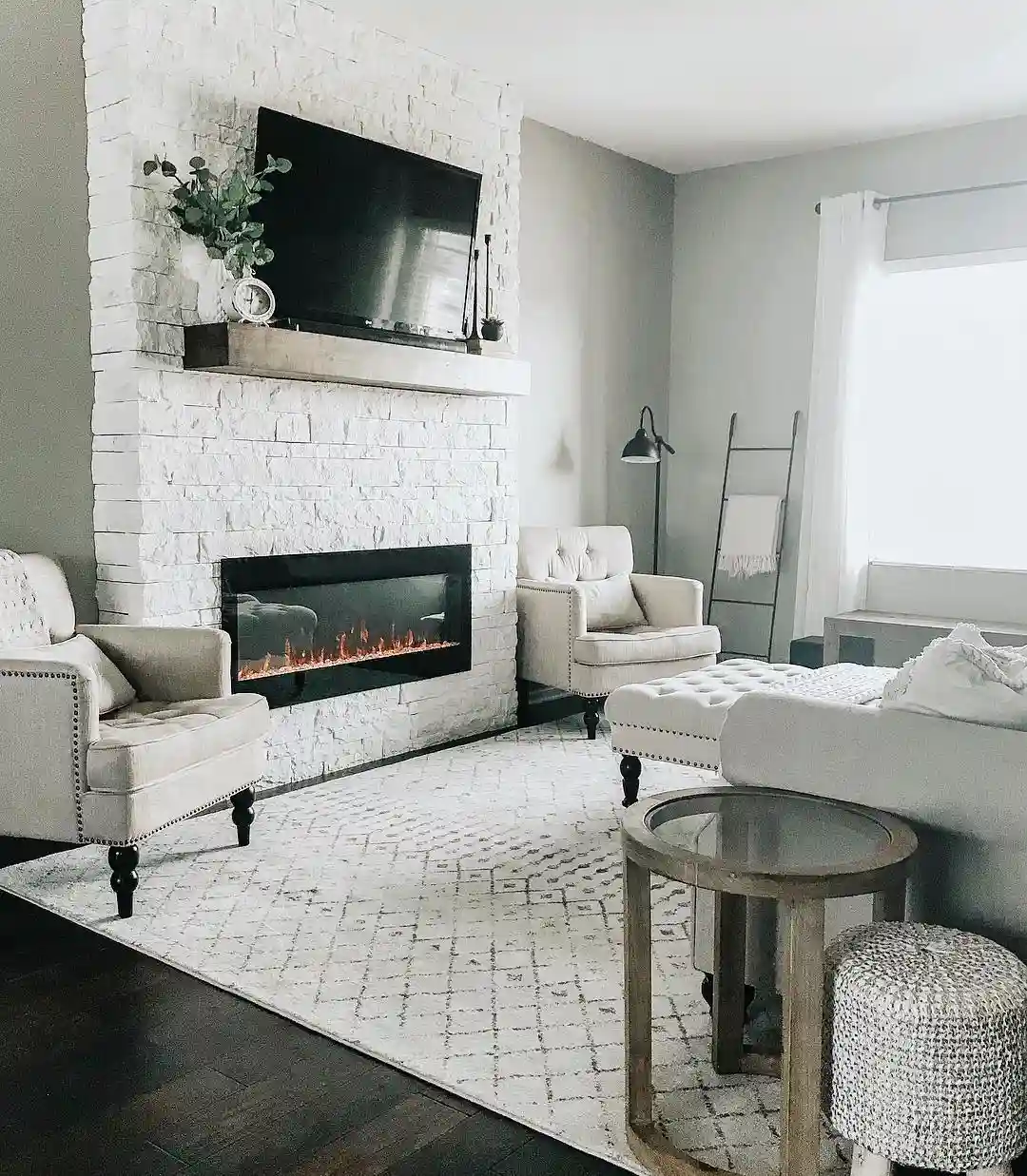
20 Narrow Living Room Ideas
Most narrow living rooms don’t actually lack space they just feel that way because of layout and furniture choices. The wrong setup can make even a decent-sized room feel tight and awkward. That’s where smart narrow living room ideas make a real difference.
In this list, you’ll find simple, practical ways to open up your space, improve flow, and make it feel calm, functional, and easy to live in without overcomplicating the design.
1. Straight-Line Sofa Layout
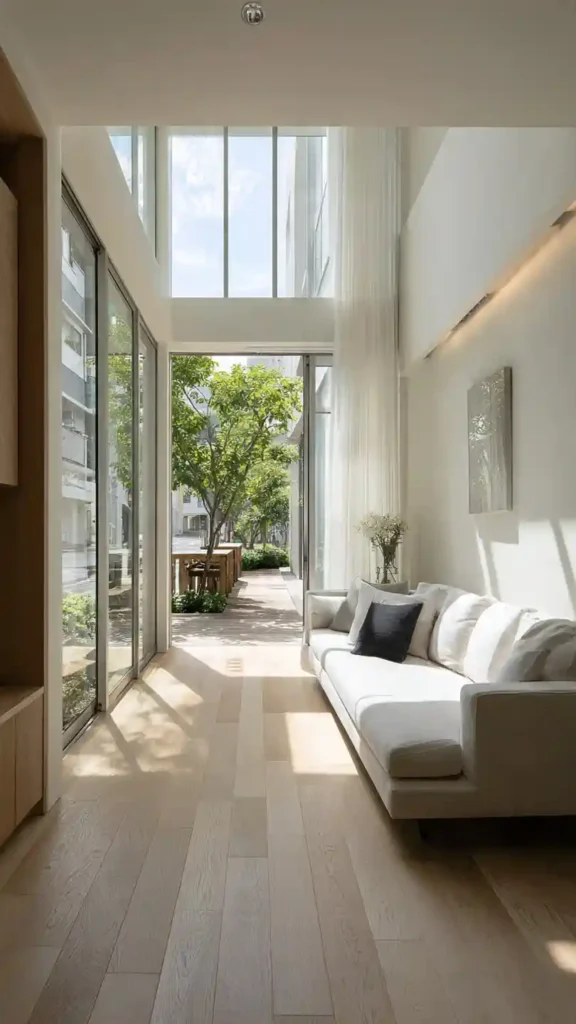
This layout is one of the easiest ways to fix a narrow living room without overthinking it. Placing a slim sofa along one wall instantly creates a clear pathway, which makes the room feel more open and functional. It also helps your eyes move smoothly through the space instead of feeling blocked.
What makes this work in real homes:
- Keeps traffic flow clean (no squeezing past furniture)
- Works especially well in long, rectangular rooms
- Pair with a slim coffee table or skip it completely
If I’m being honest, most narrow rooms feel cramped because people try to center everything. This layout fixes that fast.
2. Floating Furniture Trick
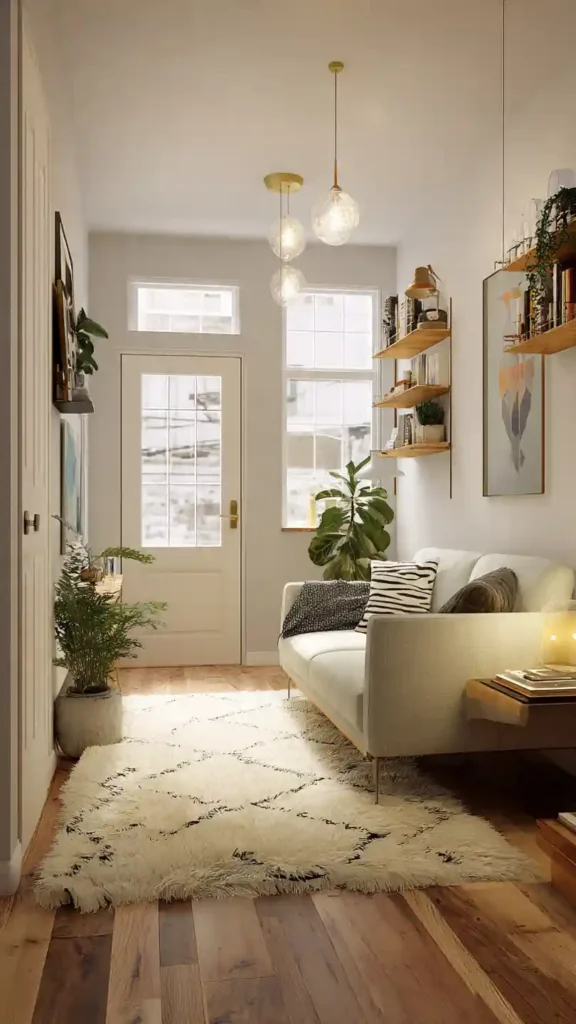
This one feels counterintuitive, but it works surprisingly well. Pulling your sofa slightly away from the wall creates breathing space, which actually makes the room feel wider. It also gives you a chance to add subtle styling behind the sofa, like a narrow console or soft lighting.
Here’s how to do it right:
- Leave a small gap (even 3–5 inches helps)
- Add a slim console or floor lamp behind the sofa
- Anchor everything with a rug so it doesn’t feel random
Pushing everything against the wall can make a room feel boxed in. This small shift changes the whole vibe.
35 Small Apartment Living Room Ideas
3. Light Color Expansion
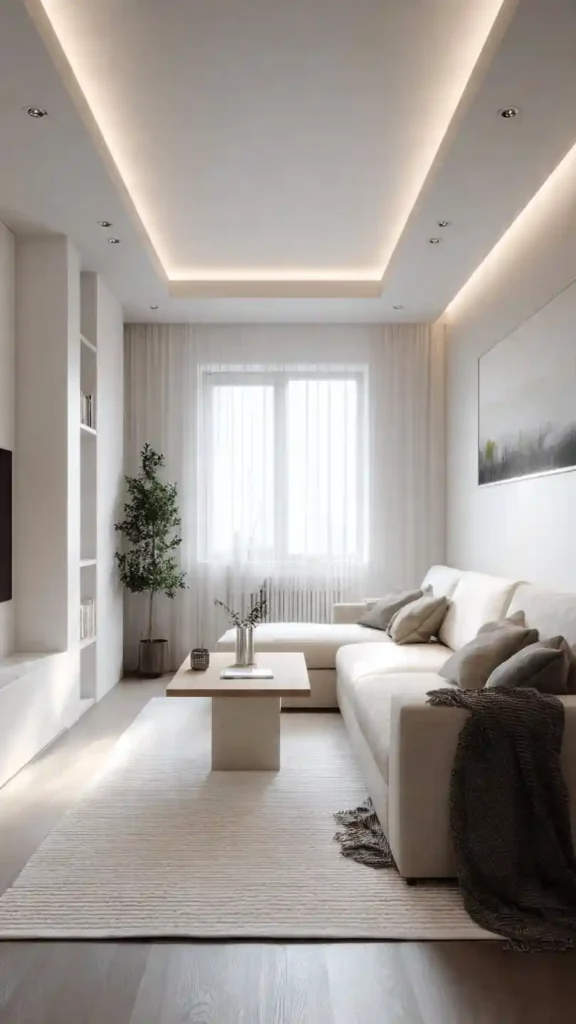
Color plays a bigger role than layout in narrow spaces. Using light tones like white, beige, and soft greys reflects light and visually stretches the room. It doesn’t just look bigger it feels calmer and less crowded.
Simple ways to apply this:
- Keep walls light and consistent (avoid too many color breaks)
- Use tone-on-tone layering instead of contrast
- Add texture through fabrics instead of bold colors
Dark colors can work, but in narrow rooms, they usually close things in. Light tones keep everything open and easy.
4. Mirror Wall Illusion
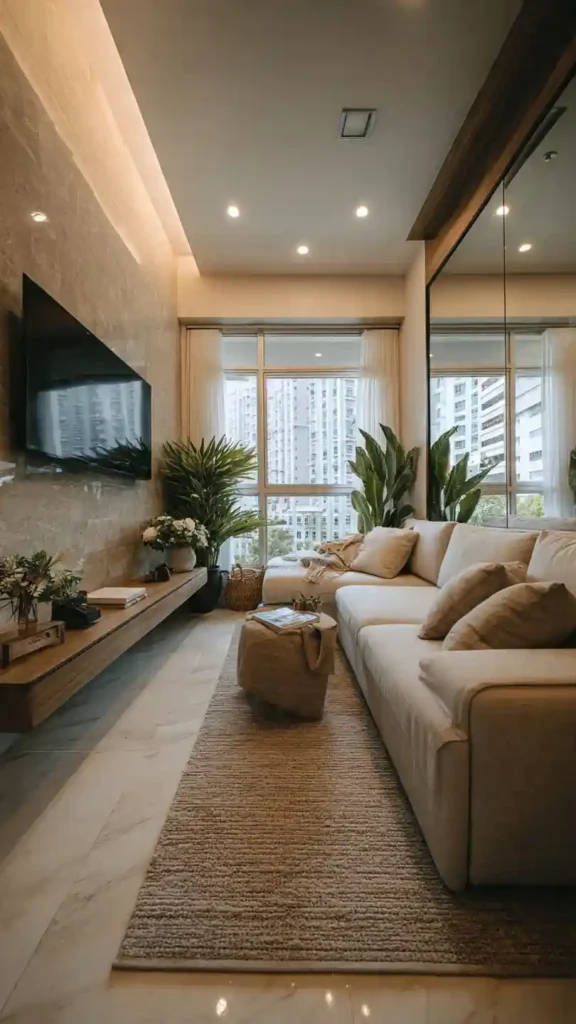
A large mirror can completely change how a narrow living room feels. It reflects both light and space, so the room instantly looks wider without moving a single piece of furniture. Placing it across from a window works best because it doubles the natural light.
How to use mirrors smartly:
- Go for one large mirror instead of many small ones
- Place it opposite light sources for maximum effect
- Keep the frame simple so it doesn’t feel heavy
This is one of the easiest upgrades that gives instant results.
5. Long Runner Rug Styling
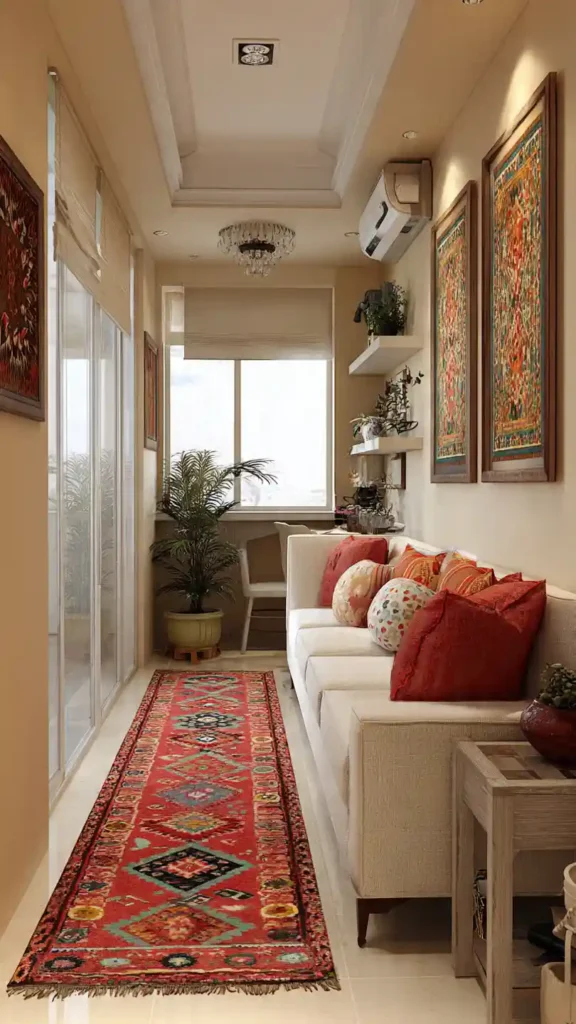
A runner rug is a small detail, but it quietly guides how your eyes move through the room. In a narrow layout, placing a long rug helps stretch the space visually and makes everything feel more intentional instead of scattered.
Tips to get it right:
- Choose a rug that runs along the length of the room
- Avoid overly busy patterns that can feel cluttered
- Keep furniture aligned with the rug edges
It’s a simple trick, but it makes the room feel longer and more put together.
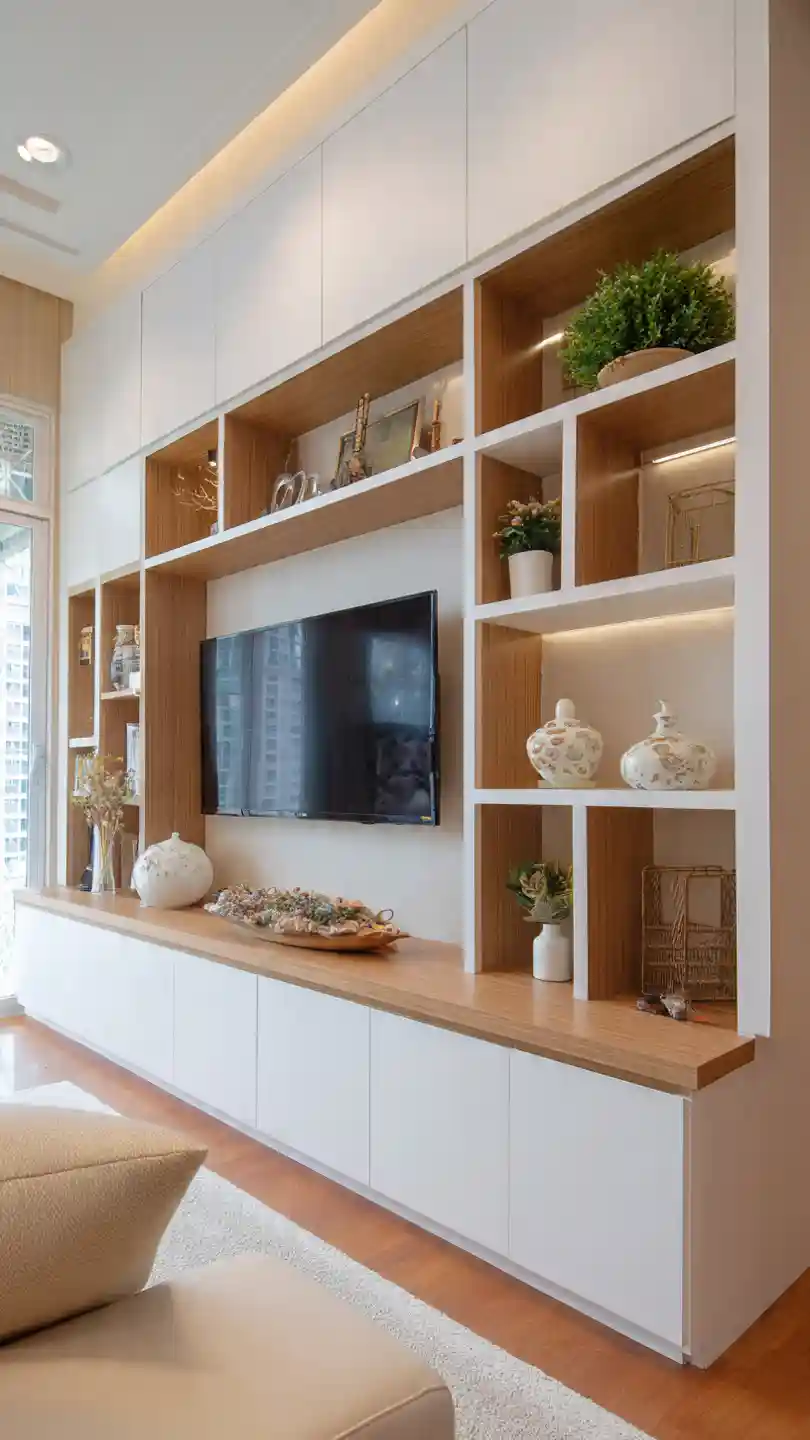
6. Built-In Storage Wall
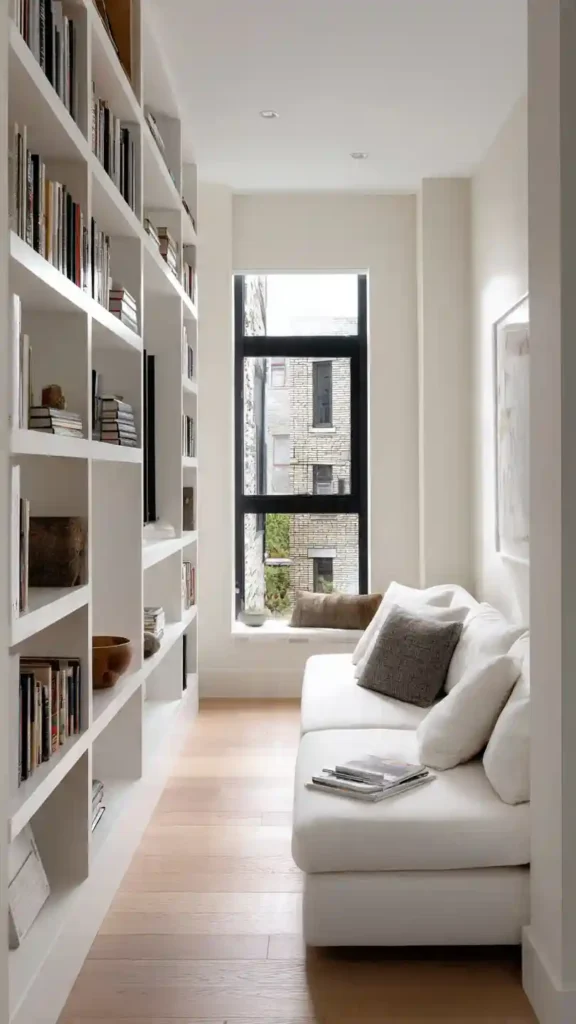
Storage can easily take over a narrow room if you’re not careful. That’s why using one full wall for vertical storage works so well it keeps the floor clear and the layout clean. Built-ins also make the space feel custom instead of crowded.
What to focus on:
- Use vertical shelves instead of bulky cabinets
- Keep lower sections minimal to avoid heaviness
- Mix open shelves with a few closed sections
The key here is going upward, not outward. That’s what keeps the room feeling open.
7. Slim Furniture Only Rule
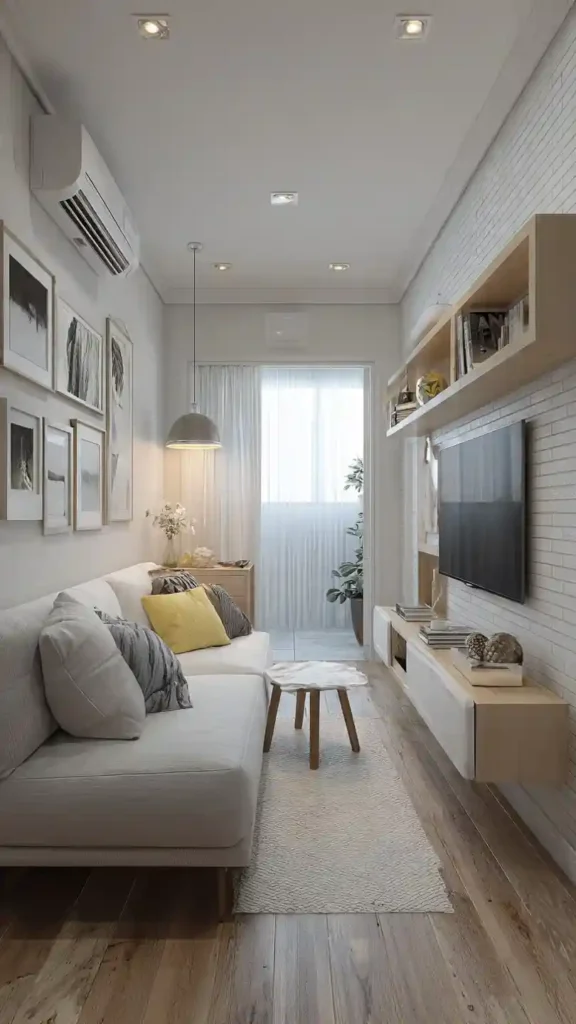
This is one of those rules that instantly fixes most narrow living rooms. Bulky furniture is usually the main reason a space feels tight. Switching to slimmer pieces like a narrow sofa, thin coffee table, and compact chairs makes everything feel lighter and easier to move around.
What to look for:
- Sofas with a smaller depth (not oversized)
- Thin-profile tables instead of chunky ones
- Lightweight chairs you can shift when needed
You don’t need less furniture you just need the right size.
8. Vertical Decor Focus
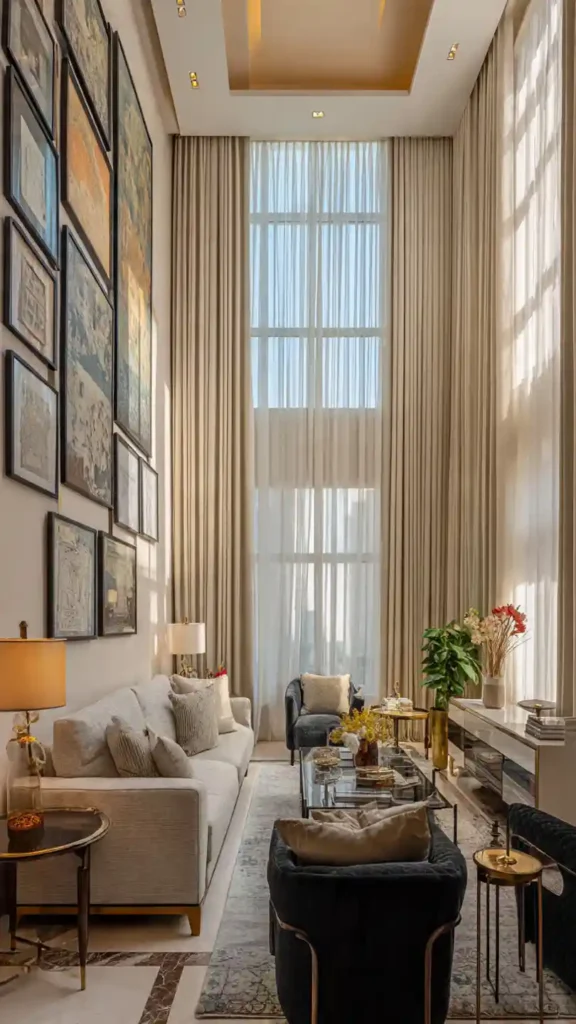
When floor space is limited, your best move is to draw attention upward. Tall curtains, vertical wall art, or even a floor lamp can make the room feel taller and less compressed. It changes how the space feels without adding clutter.
Easy ways to apply this:
- Hang curtains higher than the window frame
- Use tall, narrow art instead of wide pieces
- Add one vertical element instead of many small ones
This trick shifts the focus from “narrow” to “tall,” which feels much better.
9. Glass Table Lightness
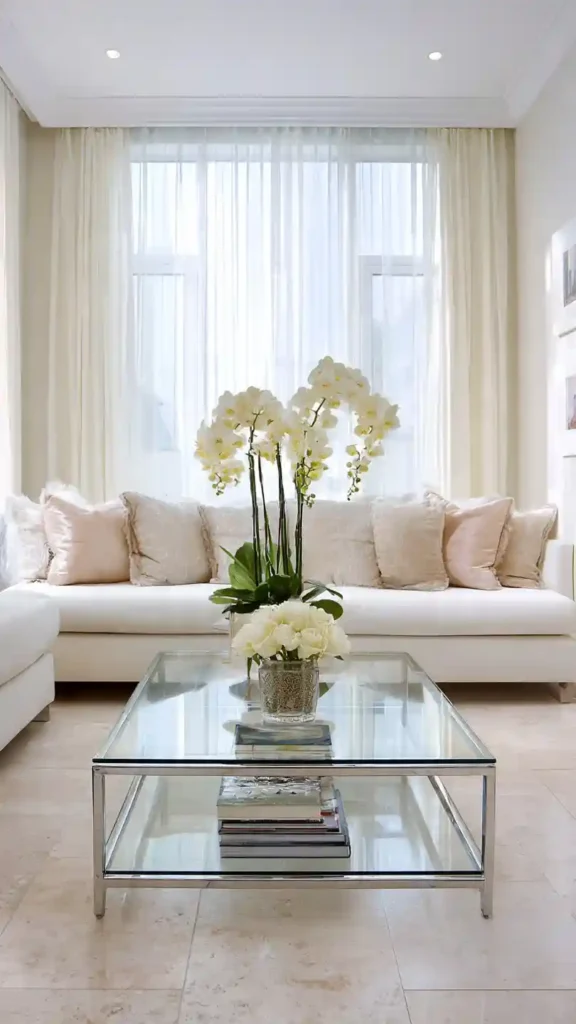
Heavy furniture visually weighs down a narrow room, even if there’s space around it. A glass or acrylic coffee table keeps things feeling open because your eyes can pass through it. It’s a small change, but it makes a big difference.
Why this works:
- Doesn’t block visual flow
- Keeps the center of the room feeling open
- Pairs well with both modern and cozy styles
If your room feels crowded, this is one of the easiest swaps to try.
10. Open Leg Furniture
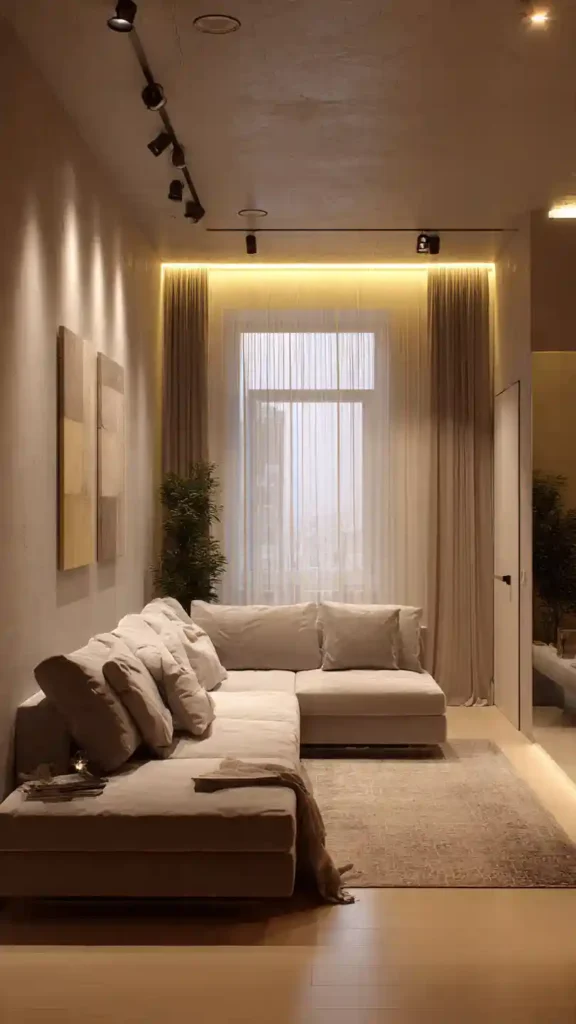
This is one of those subtle changes that instantly makes a narrow living room feel lighter. Furniture with visible legs creates small gaps underneath, which allows light and space to flow through. It might seem minor, but it removes that heavy, boxed-in feeling.
How to make it work:
- Choose sofas and chairs with raised legs instead of solid bases
- Keep the area under furniture clean and uncluttered
- Pair with a light rug so the floor still feels connected
Furniture that sits directly on the floor can make the room feel dense. Lifting it slightly changes the whole vibe without changing your layout.
11. One-Side Seating Layout
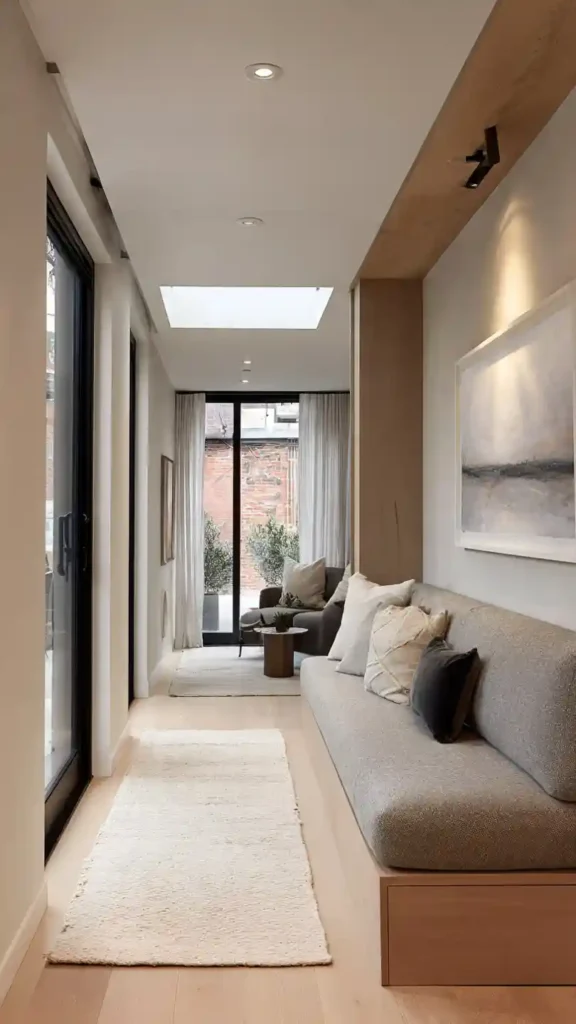
This layout keeps things simple and, honestly, much more functional. By placing all seating along one wall, you free up the rest of the room for movement. It instantly makes the space feel wider and less crowded.
How to use this layout well:
- Stick to one main sofa instead of multiple bulky seats
- Keep the opposite side open or lightly styled
- Add a slim side table instead of a large coffee table
Trying to fill both sides is what usually makes narrow rooms feel tight.
12. Wall-Mounted TV Setup
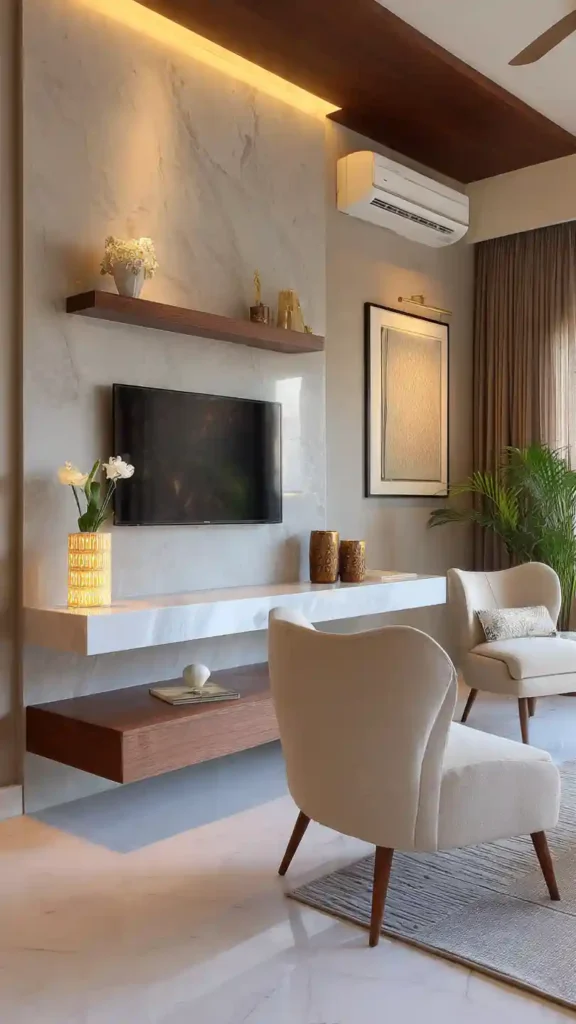
Floor space is everything in a narrow room, so getting the TV off a bulky stand helps more than people expect. A wall-mounted setup keeps things clean and gives you extra room to move around.
What to focus on:
- Use a slim floating console instead of a heavy unit
- Hide cables for a clean look
- Keep decor minimal around the TV area
This setup makes the room feel more open without removing anything important.
13. Neutral Layered Textures
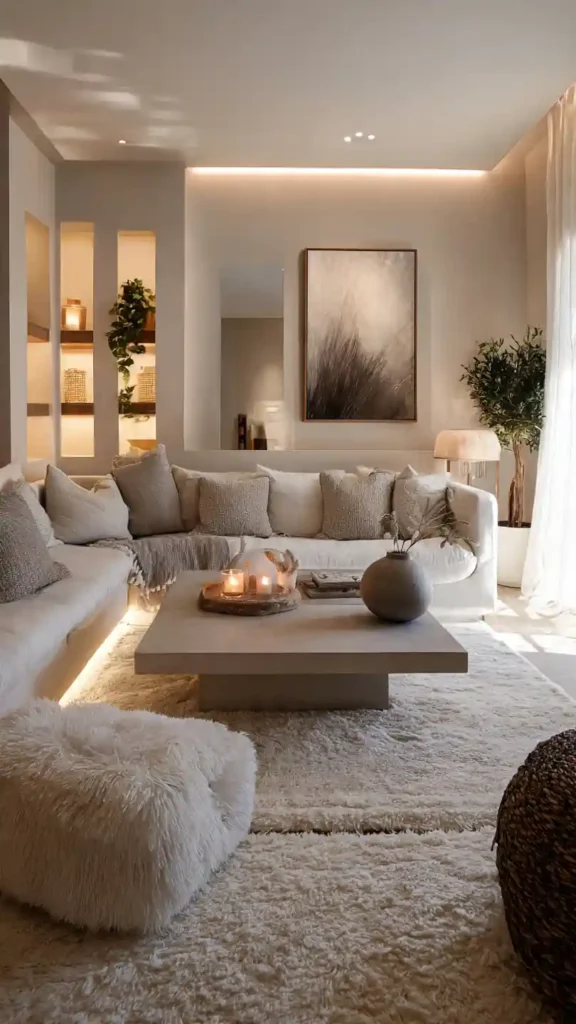
If you remove color, you need texture or the room will feel flat. This approach uses soft layers like cushions, rugs, and throws in similar tones to add depth without cluttering the space. It keeps everything calm but still interesting.
Easy ways to layer:
- Mix fabrics like linen, cotton, and woven textures
- Stay within one color family (beige, cream, soft grey)
- Add variation through texture, not bold colors
It’s a quiet way to make the room feel styled without overwhelming it.
14. Two-Tone Wall Trick
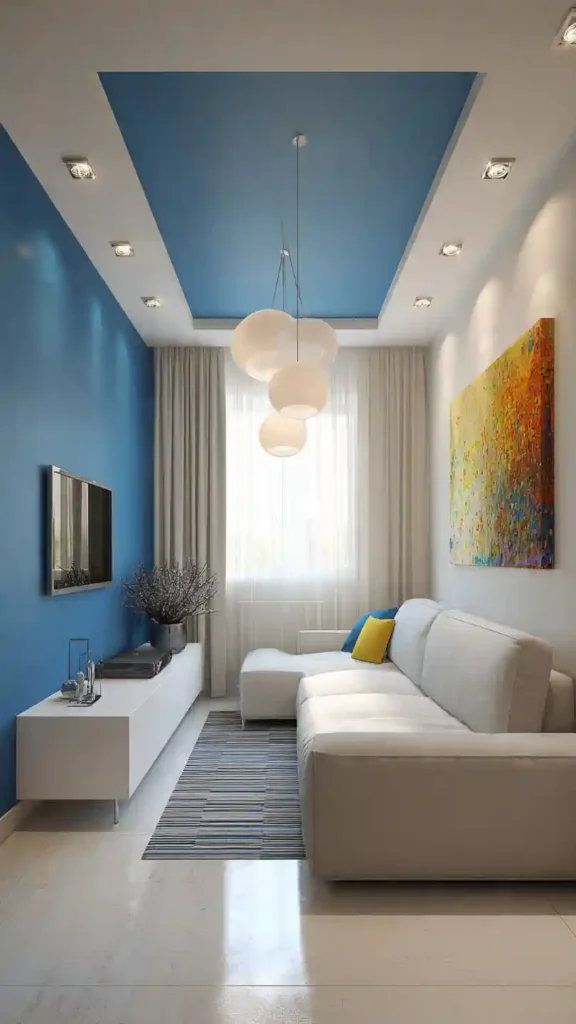
This is a smart visual trick that most people don’t use enough. Painting the lower half of the wall slightly darker and the upper half lighter helps stretch the room upward and outward at the same time. It adds interest without needing extra decor.
How to get it right:
- Keep the top section light (white or soft neutral)
- Use a subtle darker tone below (beige, taupe, soft brown)
- Keep the line clean and simple
It adds depth without making the room feel busy or smaller.
15. Corner Seating Optimization
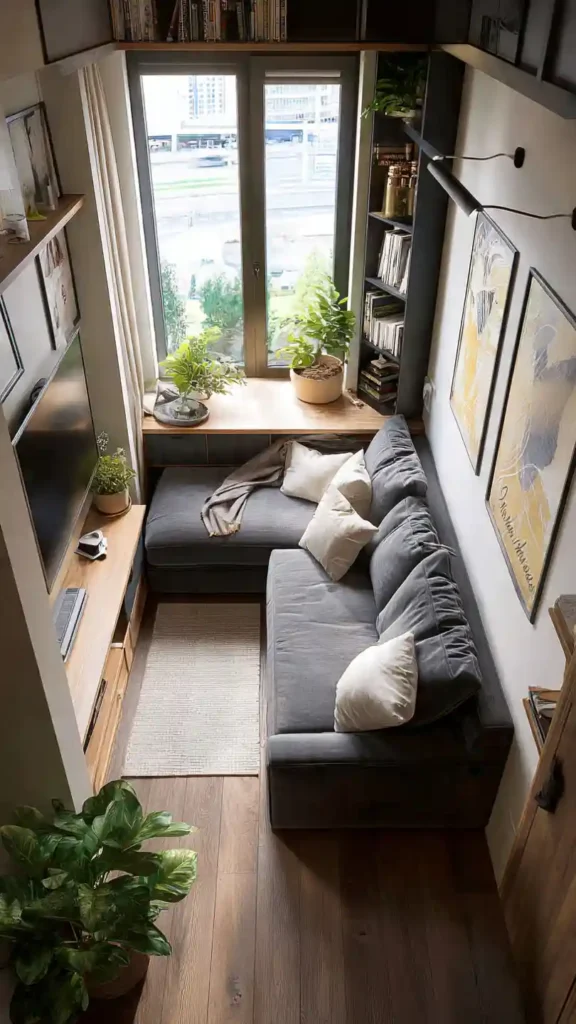
An L-shaped sofa can work in a narrow living room but only if it’s scaled properly. When placed neatly into a corner, it gives you more seating without blocking the walkway. The key is choosing a compact design.
What to watch for:
- Pick a small or low-profile L-shape
- Keep one side shorter to maintain flow
- Avoid placing it in the middle of the room
Done right, it actually saves space instead of taking it.
16. Minimal Narrow Living Room
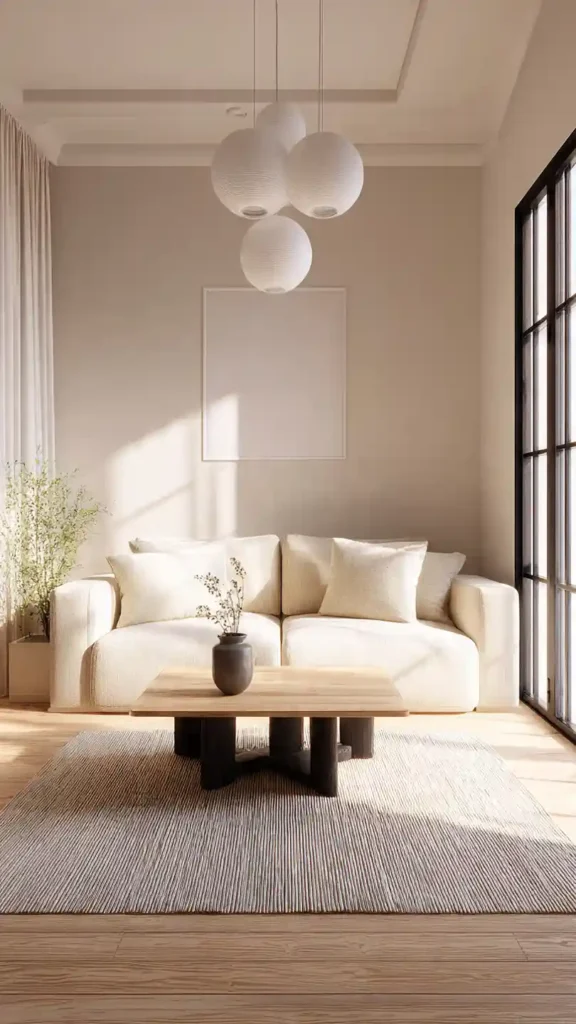
This style is all about restraint. Keeping surfaces clean, decor minimal, and colors soft makes the room feel open and calm. It’s not empty it’s just intentional, which is what makes it work so well in narrow spaces.
How to approach it:
- Limit decor to a few meaningful pieces
- Keep furniture simple and functional
- Use neutral tones to maintain a light feel
If a narrow room feels overwhelming, this approach fixes it fast.
17. Multi-Functional Furniture
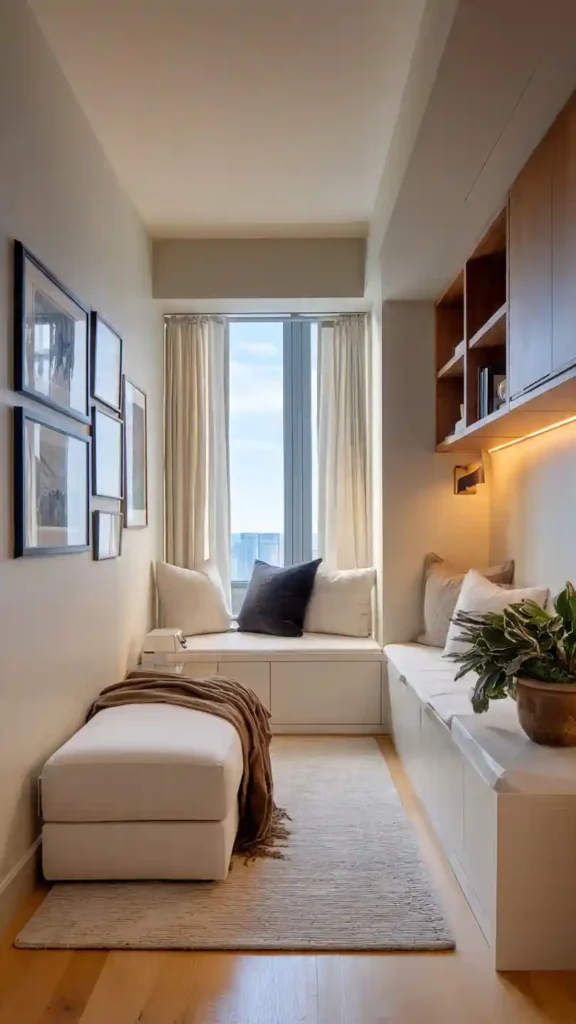
In a narrow living room, every piece should do more than one job. A storage ottoman, foldable table, or bench with hidden space keeps things practical without adding clutter. It helps you use the room fully without making it feel crowded.
Smart choices to consider:
- Storage ottomans for blankets or small items
- Foldable or nesting tables to save space
- Benches that double as seating and storage
If space is tight, this is one of the smartest upgrades you can make.
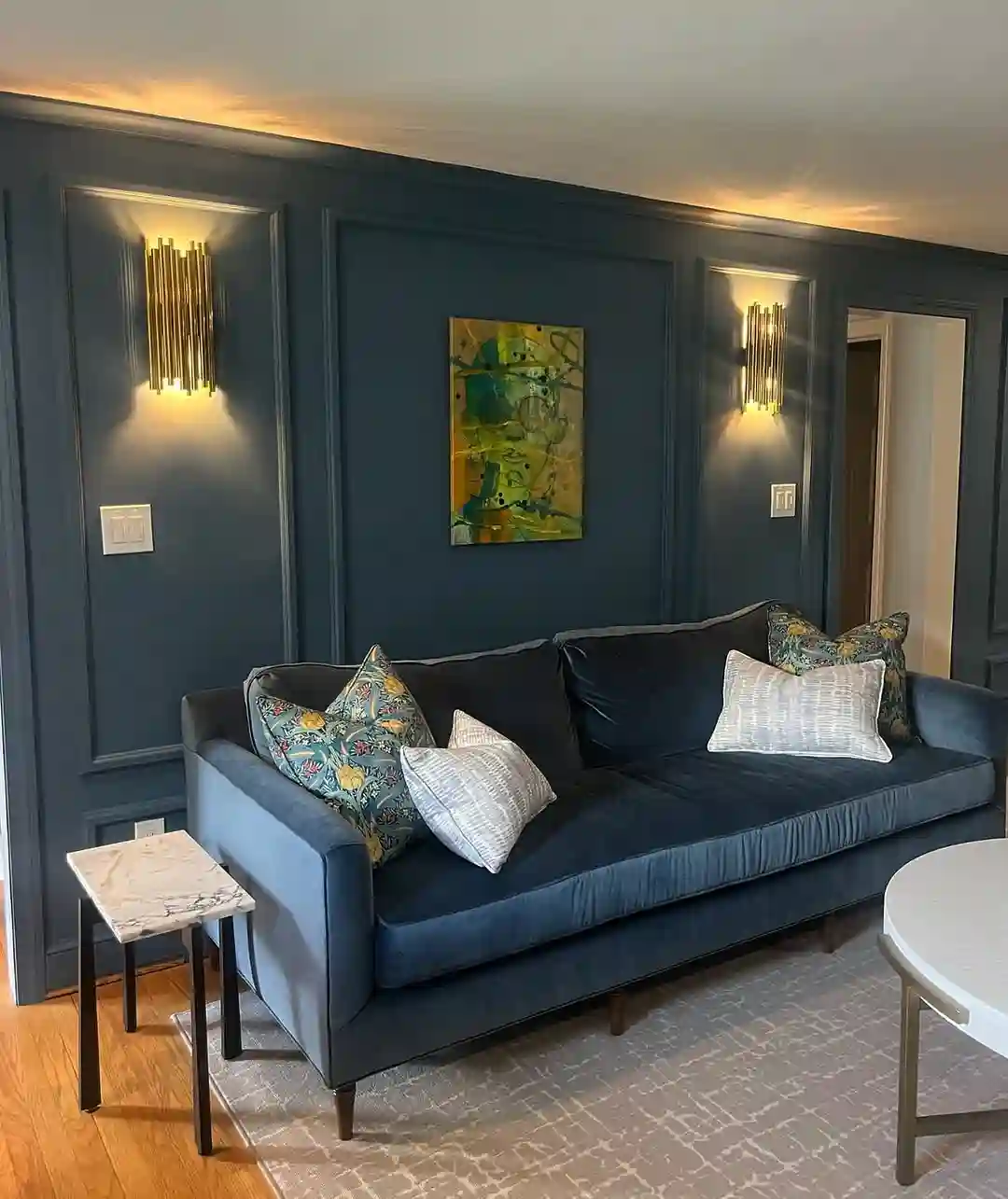
18. Linear Lighting Design
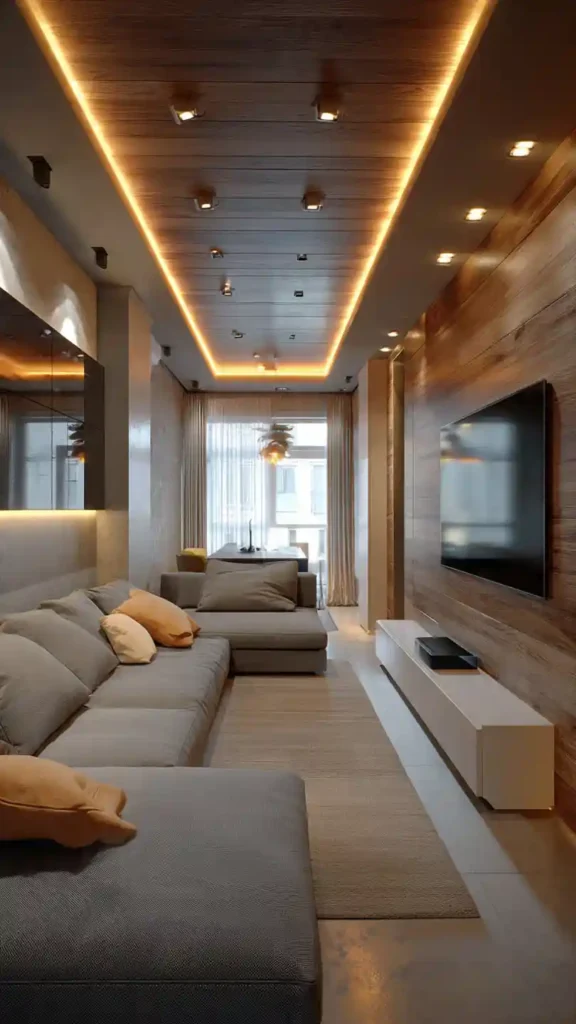
Lighting can quietly shape how a room feels. In a narrow space, using lights that follow the length of the room helps stretch it visually. It guides the eye from one end to the other, making the layout feel more balanced.
How to apply this:
- Use ceiling lights or track lighting in a straight line
- Add wall sconces along one side for depth
- Keep lighting warm for a cozy feel
Random lighting can break the flow linear lighting keeps everything connected.
30 Small balcony ideas Makeover Secrets
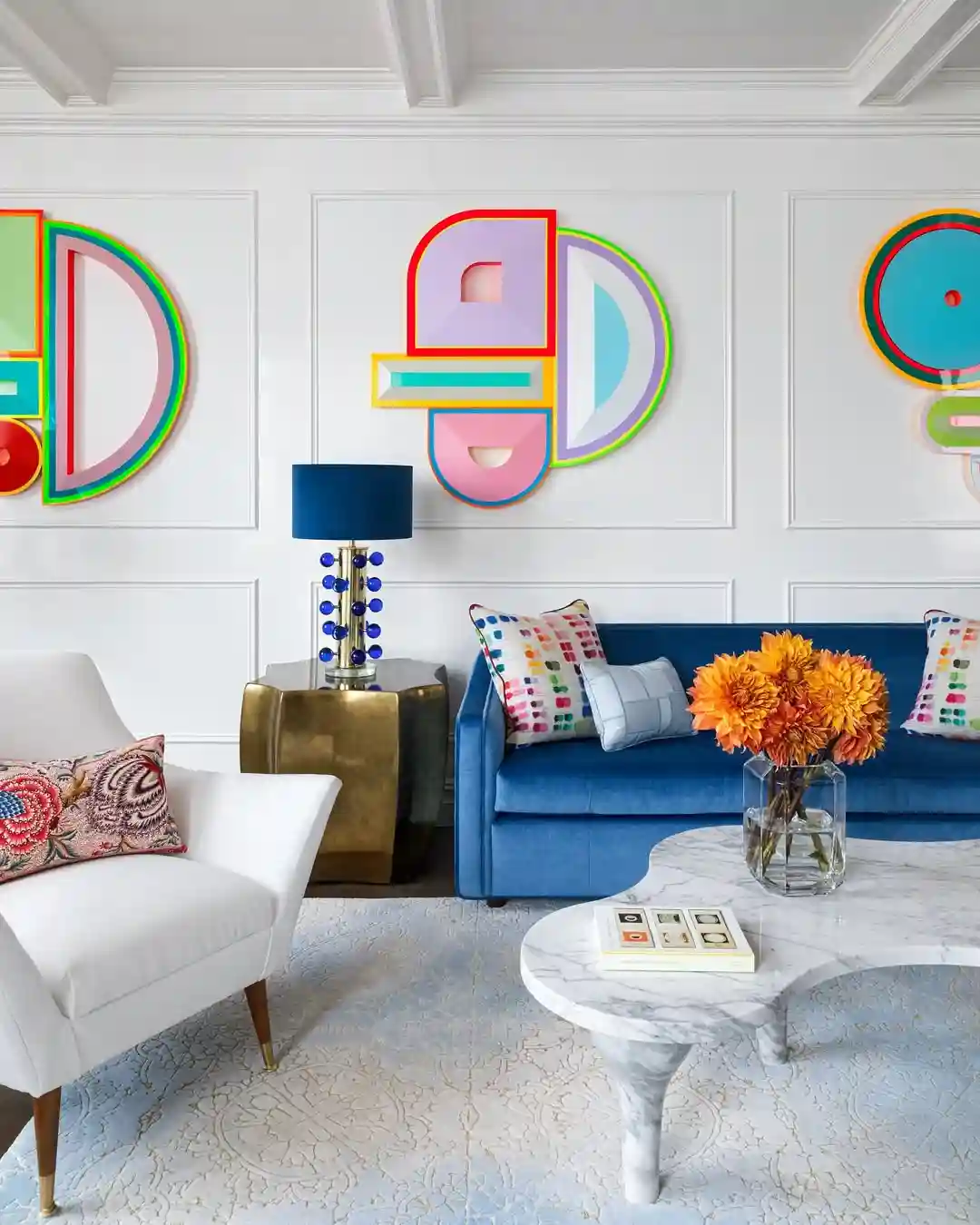
19. Statement Art One Side
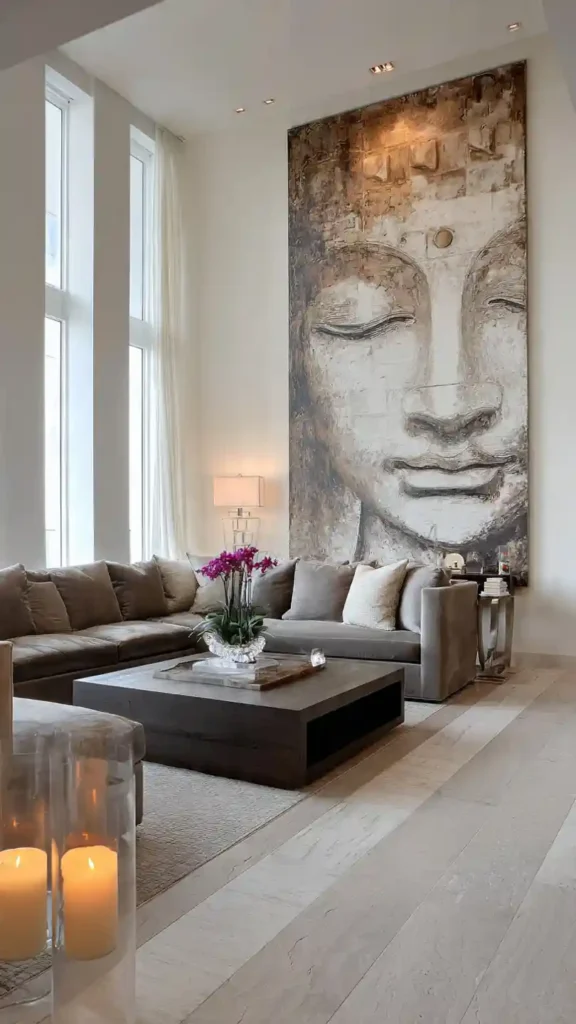
Instead of spreading decor across every wall, focus on one strong focal point. A large piece of art on one side draws attention and keeps the rest of the room clean. This avoids visual clutter while still adding personality.
What works best:
- Choose one oversized artwork instead of multiple small frames
- Keep surrounding walls minimal
- Match tones with the rest of the room
This approach keeps the space feeling styled without overwhelming it.
20. Sofa Without Arms
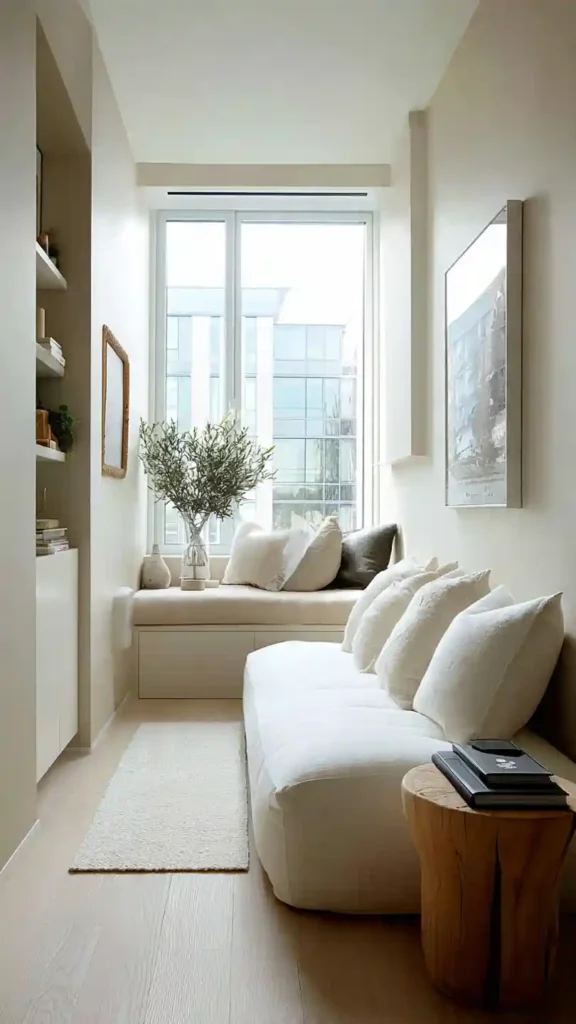
Armless sofas are underrated, especially for narrow spaces. They take up less visual space and make the room feel more open. The seating still feels comfortable, but the layout looks lighter and less boxed in.
Why this works:
- Reduces visual bulk
- Makes movement around the sofa easier
- Works well in modern and minimal setups
If your room feels tight, switching to this style can make a noticeable difference.
FAQs
How do you make a narrow living room look wider?
The biggest shift comes from layout and color. Keep one side open for walking, use light tones, and avoid bulky furniture. Mirrors, glass tables, and raised-leg furniture also help create a more open feel without changing the actual size.
What furniture works best in a narrow living room?
Slim, low-profile furniture always works better. Look for:
- Narrow sofas instead of deep sectionals
- Thin coffee tables or nesting tables
- Chairs that are lightweight and easy to move
Heavy or oversized pieces are usually what make the room feel cramped.
Should I push all furniture against the wall?
Not always. While it can help with space, pushing everything against the wall can make the room feel stiff or boxed in. Leaving a small gap or slightly floating furniture can actually make the space feel more relaxed and open.
What colors are best for narrow living rooms?
Light, neutral tones work best because they reflect light and open up the space. Whites, beiges, soft greys, and muted pastels keep things airy. You can still add depth, but do it through texture instead of bold color contrast.
Can you use a sectional in a narrow living room?
Yes, but it needs to be the right size. A compact L-shaped sofa placed in a corner can work well. Avoid large or bulky sectionals that block the walkway or take over the room.
How do I decorate without making it feel cluttered?
Focus on fewer, more intentional pieces. Instead of filling every wall or surface:
- Choose one focal point (like art or a mirror)
- Add texture through rugs and cushions
- Keep surfaces mostly clear
Less decor usually makes a narrow room feel better, not empty.
What lighting works best in a narrow living room?
Use lighting that follows the length of the room, like track lights or evenly spaced ceiling fixtures. Add a floor lamp or wall sconces for warmth, but avoid too many scattered light sources that break the flow.
Is it okay to use dark colors in a narrow space?
You can, but use them carefully. Dark tones work best as accents—like cushions, rugs, or one feature wall. If you go too dark overall, the room can start to feel smaller and more closed in.