
Plants have always carried meaning beyond their beauty. Good luck plants are believed to attract prosperity, harmony, and positive energy into your home. Rooted in traditions like feng shui and cultural symbolism, these plants represent growth, balance, and abundance.
Whether you’re hoping to invite financial success, protect your space, or simply create a calmer atmosphere, the right greenery can shift how a room feels. From Lucky Bamboo to Money Tree, these plants blend style with intention making your home both beautiful and meaningful.
1. Lucky Bamboo
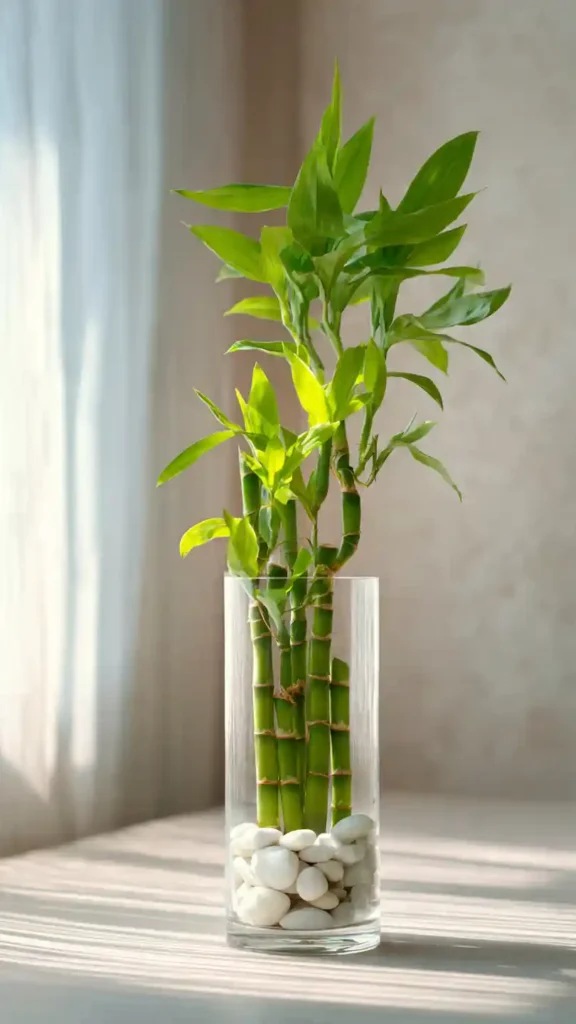
What the plant is: Lucky Bamboo is a sleek, upright plant with smooth green stalks that are often twisted or braided into elegant shapes. Despite its name, it isn’t true bamboo but its clean lines give it a calm, modern feel.
Why it’s considered lucky: In feng shui, Lucky Bamboo represents harmony, prosperity, and positive energy. The number of stalks carries meaning two for love, three for happiness, five for health, and eight for wealth.
Where to place it: Place it in the entryway to welcome good energy, on a desk for career luck, or in the southeast corner of your home for prosperity.
Light needs: Bright, indirect light. Avoid harsh direct sun.
Care level: Very easy. It grows well in water with pebbles or in well-draining soil.
Why people love it: It’s compact, low maintenance, and instantly elevates any space. Whether styled in a glass vase with stones or placed in a minimalist planter, it looks polished and intentional perfect for modern homes and small apartments.
2. Money Tree (Pachira Aquatica)
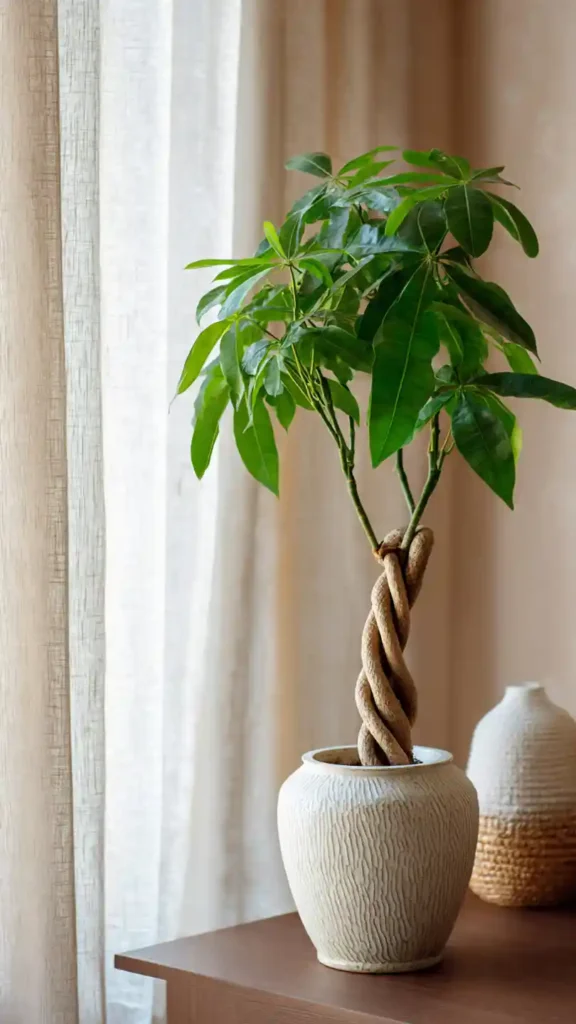
What the plant is: Money Tree features glossy green leaves and a beautifully braided trunk that gives it a sculptural, decorative look. It’s one of the most recognizable indoor plants associated with wealth and success.
Why it’s considered lucky: In feng shui, the braided trunk is said to “lock in” fortune. It symbolizes financial growth, stability, and opportunity making it a favorite for businesses and home offices.
Where to place it: Best placed in the southeast corner (wealth corner), near your workspace, or in the living room where it can stand tall and visible.
Light needs: Bright, indirect light.
Care level: Easy to moderate. Water when the top soil dries out.
Why people love it: It looks polished and substantial without being overwhelming. A medium or large Money Tree instantly makes a space feel styled and intentional.
Read also : 20 Flower Bed Ideas in Front of House
3. Jade Plant
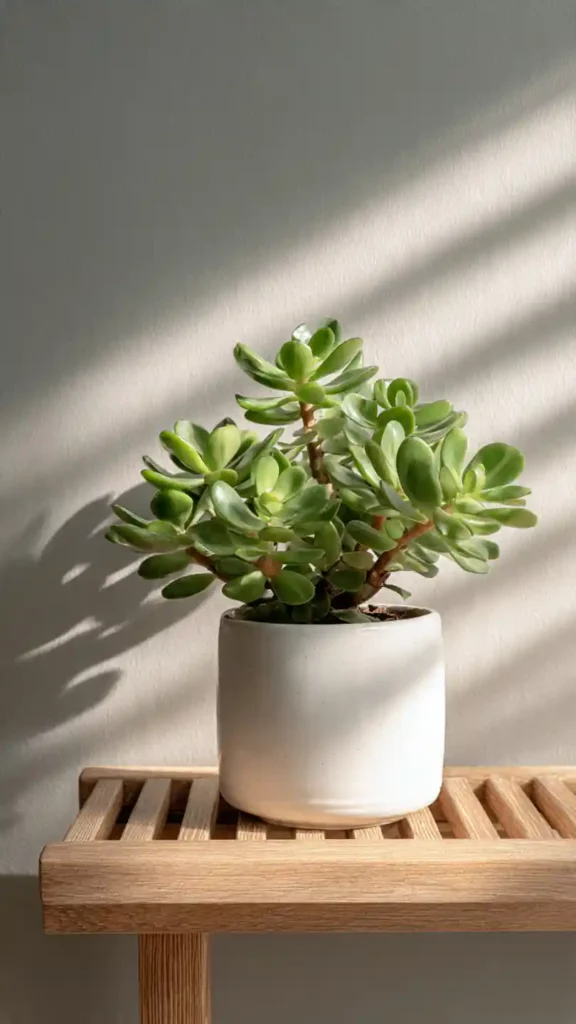
What the plant is: Jade Plant is a thick-leaved succulent with rounded, coin-shaped leaves that store water. Its compact size makes it perfect for small spaces.
Why it’s considered lucky: Often called the “money plant,” its round leaves resemble coins and symbolize prosperity and financial growth.
Where to place it: Great for office desks, entry tables, or near a cash register if used in a business setting.
Light needs: Bright light, even some direct sun.
Care level: Very easy. Minimal watering required.
Why people love it: It’s tidy, modern, and incredibly forgiving. The rich green leaves give a fresh look without demanding constant attention.
4. Snake Plant
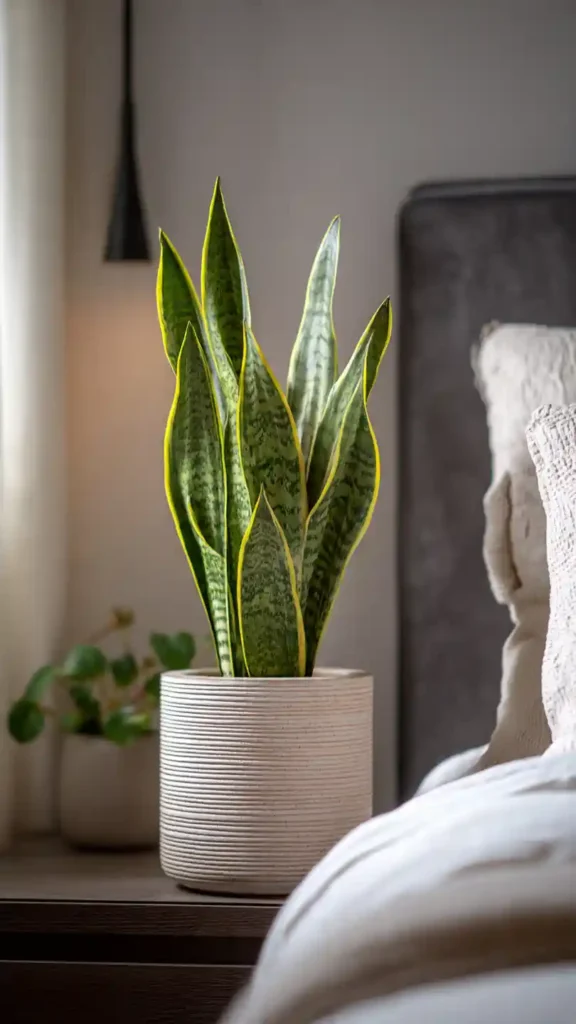
What the plant is: Snake Plant has tall, upright leaves with deep green and yellow variegation. Its strong vertical shape adds structure to interiors.
Why it’s considered lucky: It’s believed to absorb negative energy and protect the home from unwanted influences.
Where to place it: Perfect for bedrooms, living room corners, or entryways.
Light needs: Low to bright indirect light.
Care level: Extremely easy. Very drought tolerant.
Why people love it: It’s nearly indestructible and works in modern, minimalist, and farmhouse interiors alike.
5. Peace Lily
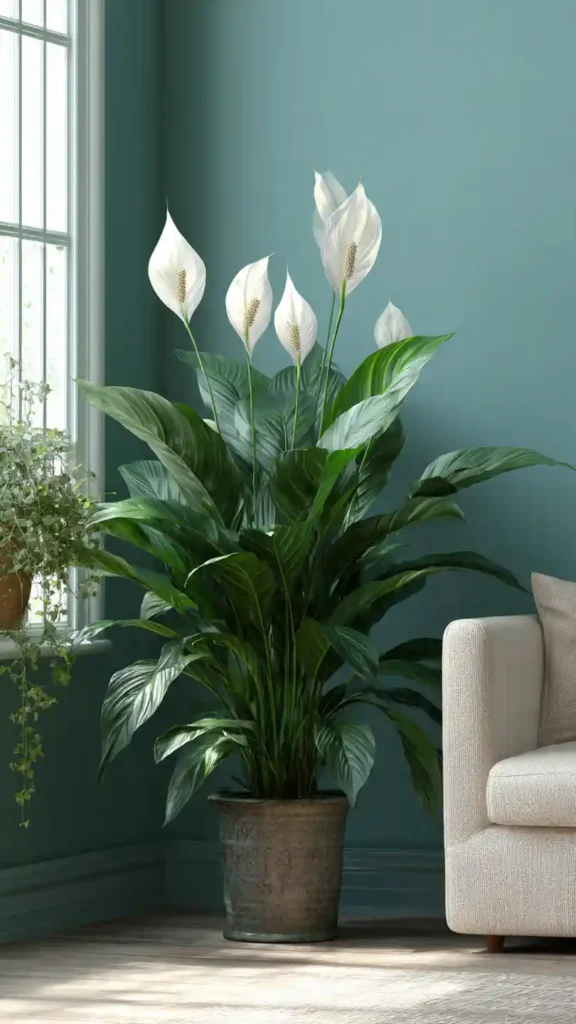
What the plant is: Peace Lily features glossy green leaves and elegant white blooms that rise above the foliage.
Why it’s considered lucky: It symbolizes peace, harmony, and purification. It’s also associated with cleansing negative energy.
Where to place it: Living rooms, entryways, or calm corners where you want a soft, fresh feel.
Light needs: Low to medium indirect light.
Care level: Easy. Water when leaves begin to droop slightly.
Why people love it: The white flowers add brightness and contrast beautifully against dark green leaves.
6. Rubber Plant
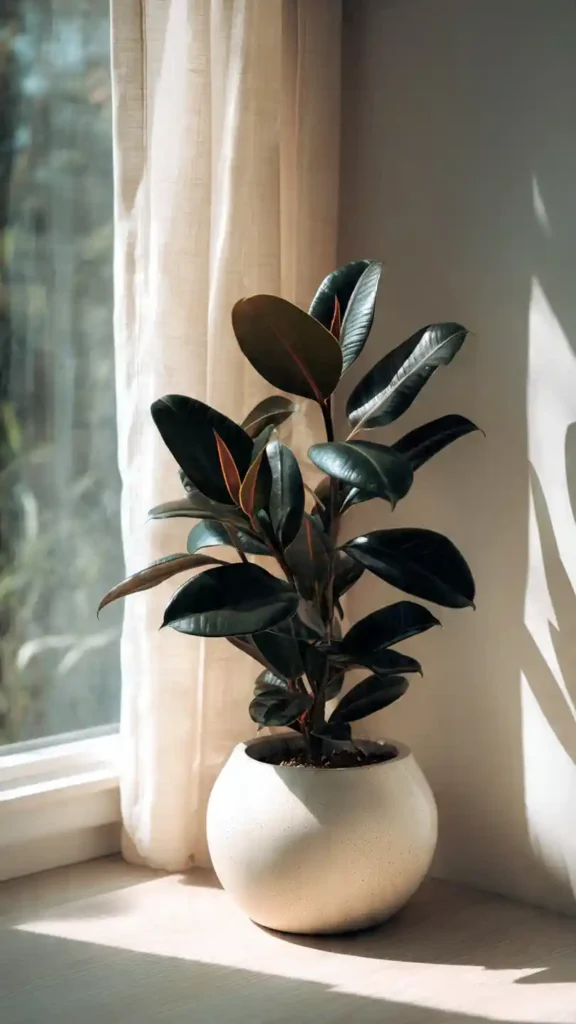
What the plant is: Rubber Plant (Ficus elastica) has large, glossy, deep green leaves that instantly add drama to a room. Its thick stems and bold foliage give it a structured, architectural look.
Why it’s considered lucky: It symbolizes abundance, growth, and stability. In many traditions, its large leaves represent wealth and expanding prosperity.
Where to place it: Best in living rooms, near bright windows, or in office corners where you want a strong visual presence.
Light needs: Bright, indirect light.
Care level: Moderate. Allow soil to dry slightly between watering.
Why people love it: It feels upscale and modern. One tall Rubber Plant can completely transform a blank corner into a styled focal point.
7. Orchids
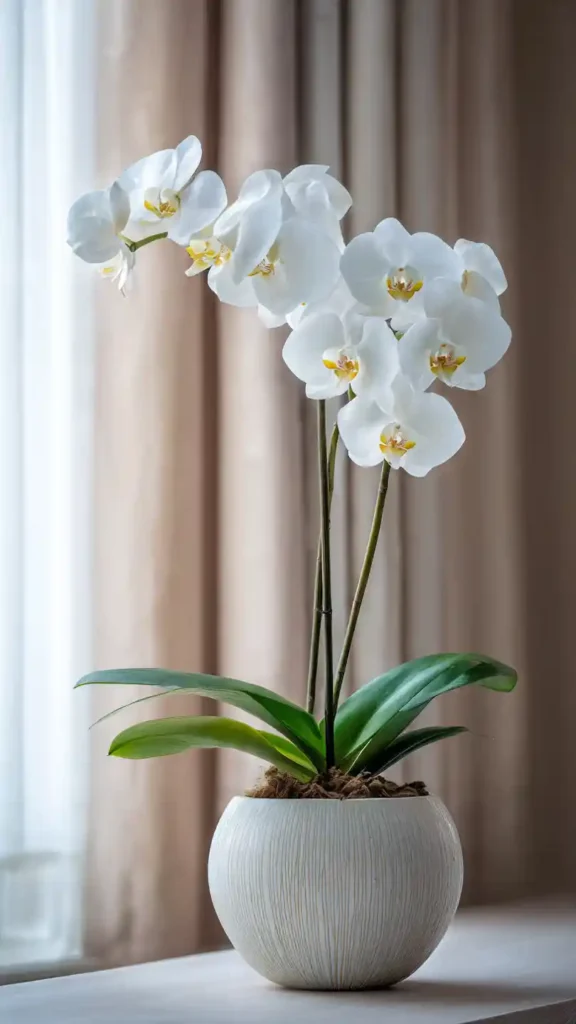
What the plant is: Orchids feature delicate, long-lasting blooms in white, pink, purple, or yellow. The arching stems and elegant petals give them a refined look.
Why it’s considered lucky: They symbolize love, beauty, fertility, and luxury. In feng shui, orchids are believed to enhance relationships and attract positive energy.
Where to place it: Bedrooms, coffee tables, or entry consoles where elegance matters.
Light needs: Bright, indirect light.
Care level: Moderate. Water lightly and allow roots to dry between watering.
Why people love it: Few plants feel as graceful. Even one orchid in bloom instantly elevates a room.
8. Areca Palm
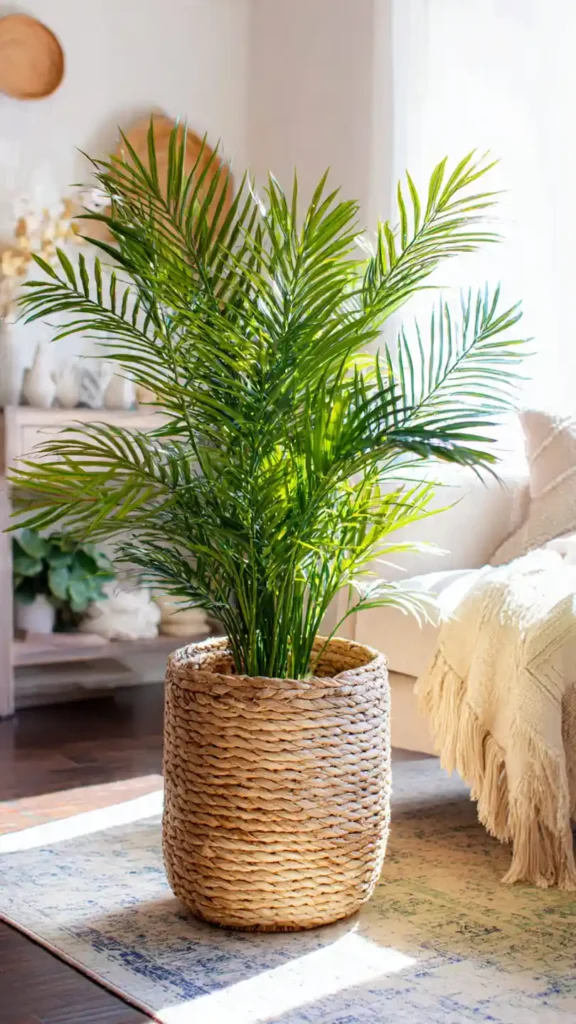
What the plant is: Areca Palm is a feathery, tropical plant with soft arching fronds that bring movement and lightness to interiors.
Why it’s considered lucky: It’s believed to improve energy flow and promote positivity in the home.
Where to place it: Living rooms, bright corners, or near seating areas to soften the space.
Light needs: Bright, indirect light.
Care level: Easy to moderate. Keep soil lightly moist.
Why people love it: It gives an airy, resort-like feel while remaining versatile in modern or farmhouse homes.
9. Basil (Holy Basil/Tulsi)
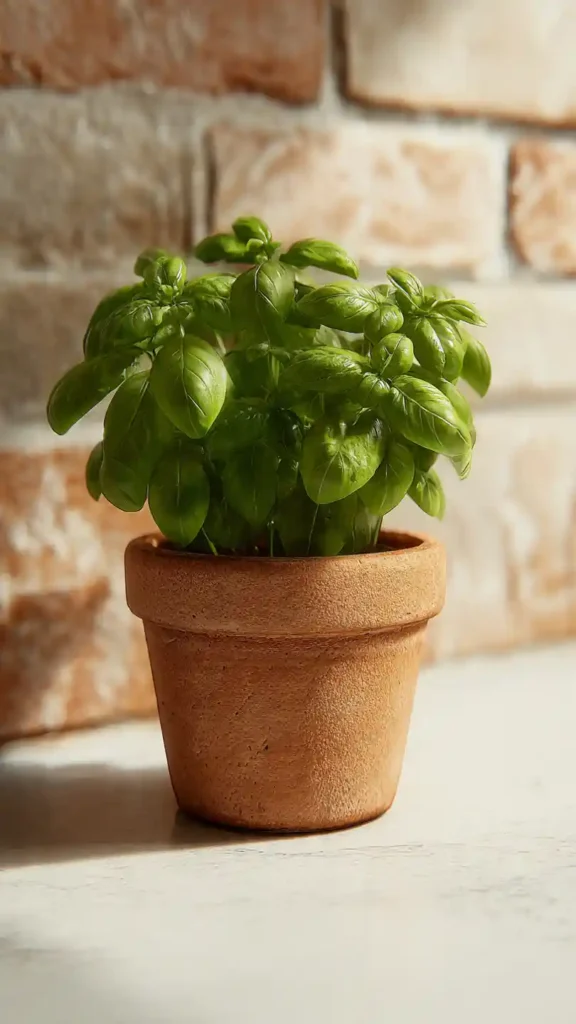
What the plant is: Holy Basil, also known as Tulsi, is a fragrant green herb with soft leaves and a slightly woody stem.
Why it’s considered lucky: In many cultures, Tulsi symbolizes protection, purity, and spiritual well-being. It’s believed to bring harmony and positive vibrations.
Where to place it: Near entrances, balconies, or sunny kitchen windows.
Light needs: Full sun to bright light.
Care level: Easy. Requires regular watering and sunlight.
Why people love it: Beyond symbolism, it’s useful and aromatic. It feels grounding and meaningful in the home.
10. Aloe Vera
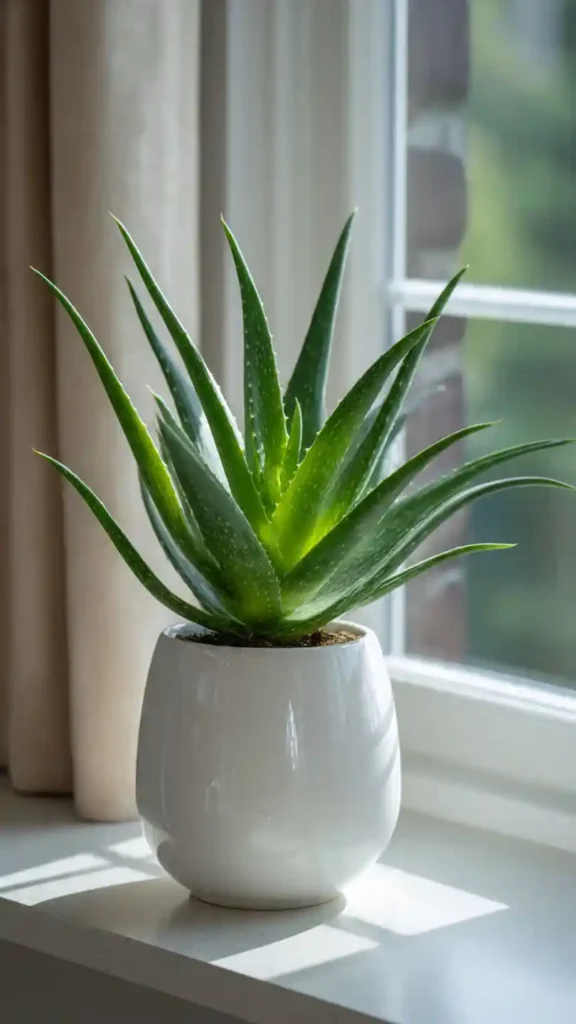
What the plant is: Aloe Vera is a thick-leaved succulent with pointed, fleshy leaves filled with soothing gel.
Why it’s considered lucky: It’s associated with protection and healing. Many believe it absorbs negative energy and promotes wellness.
Where to place it: Kitchen windowsills, bright desks, or sunny living spaces.
Light needs: Bright light, some direct sun.
Care level: Very easy. Water sparingly.
Why people love it: It’s practical and stylish. The sculptural leaves fit beautifully in modern decor while offering natural healing benefits.
11. Chinese Evergreen
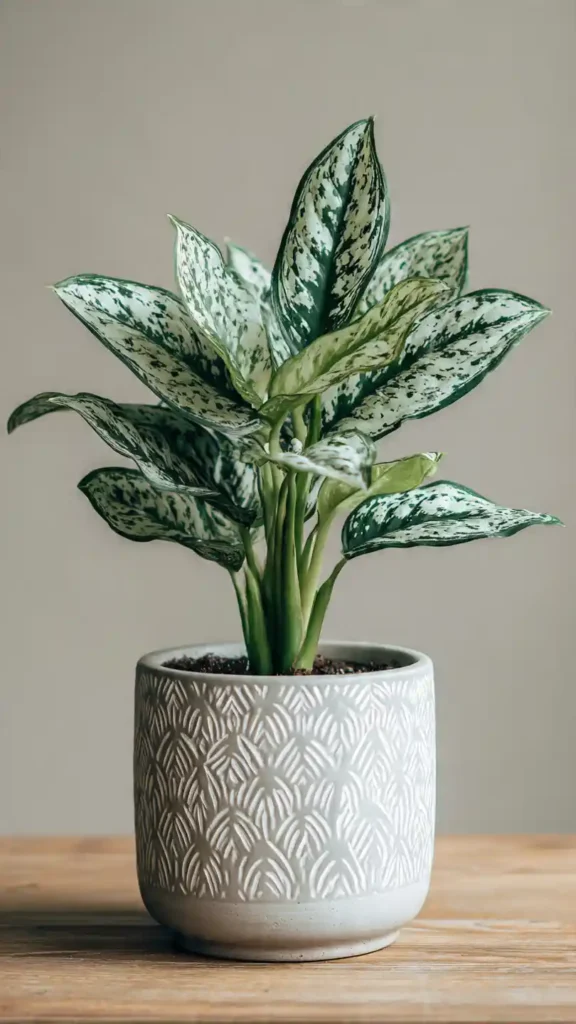
What the plant is: Chinese Evergreen (Aglaonema) is a leafy indoor plant known for its patterned foliage in shades of green, silver, and even pink.
Why it’s considered lucky: It symbolizes resilience and steady growth. In feng shui, it’s believed to bring calm energy and balance into the home.
Where to place it: Perfect for living rooms, offices, or shaded corners that need color.
Light needs: Low to medium indirect light.
Care level: Very easy. Tolerates low light and occasional missed watering.
Why people love it: It’s colorful without being dramatic. The patterned leaves add personality while staying low maintenance.
12. Pothos
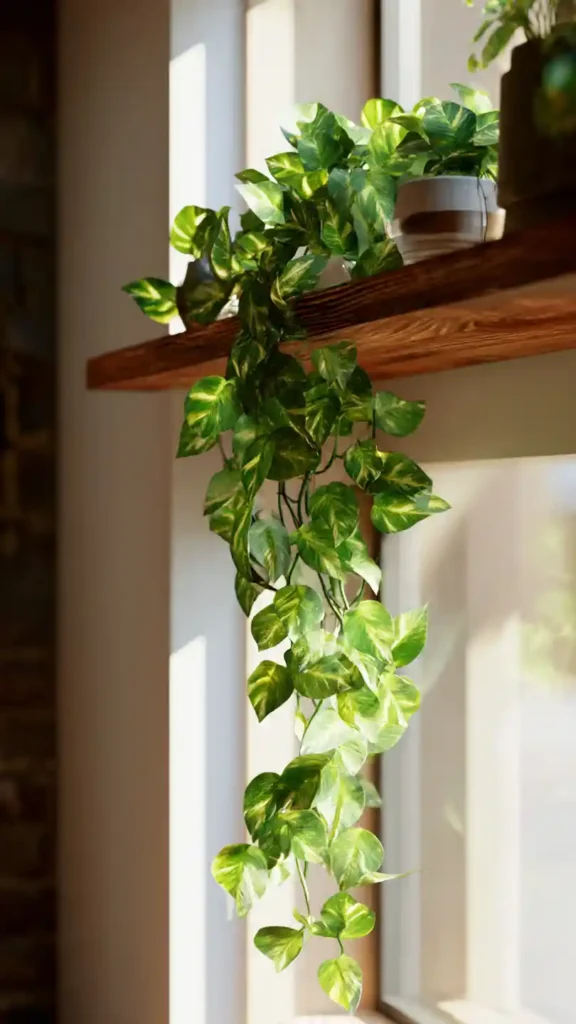
What the plant is: Pothos is a trailing vine plant with heart-shaped leaves in green, gold, or variegated patterns.
Why it’s considered lucky: Often linked to wealth and opportunity, its cascading growth symbolizes continuous abundance.
Where to place it: On shelves, hanging planters, or office desks.
Light needs: Low to bright indirect light.
Care level: Extremely easy. Very forgiving and adaptable.
Why people love it: It grows quickly and instantly makes a room feel lush. Perfect for beginners and renters.
Related article: 25 Best Hanging Plants Ideas
13. Lavender
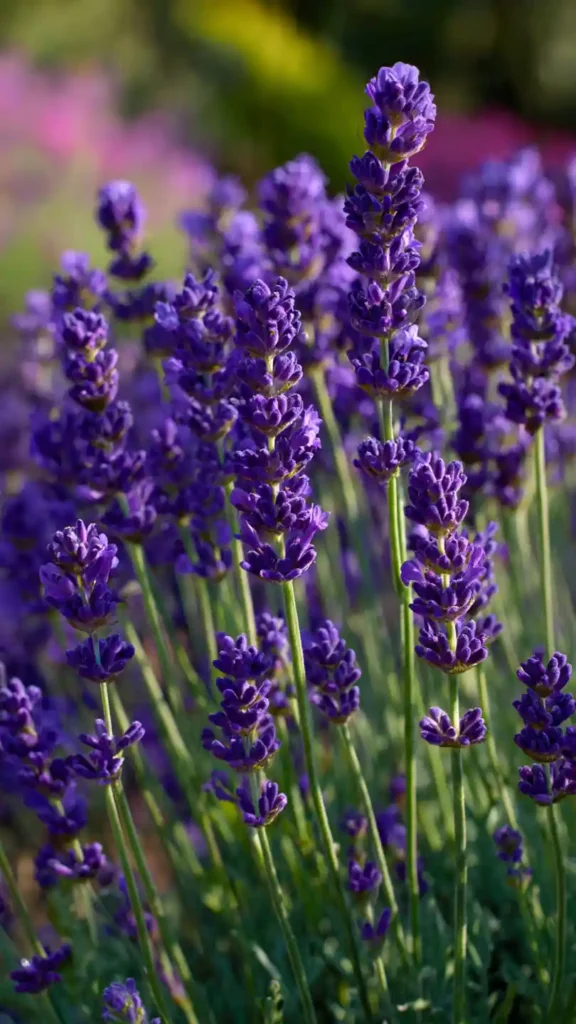
What the plant is: Lavender is a fragrant plant with slender green stems and soft purple flower spikes.
Why it’s considered lucky: It symbolizes peace, calmness, and protection. Its scent is believed to cleanse negative energy.
Where to place it: Sunny windowsills, balconies, or entryways.
Light needs: Full sun.
Care level: Moderate. Needs good drainage and bright light.
Why people love it: It smells beautiful and adds a soft cottage touch to interiors.
14. Rosemary
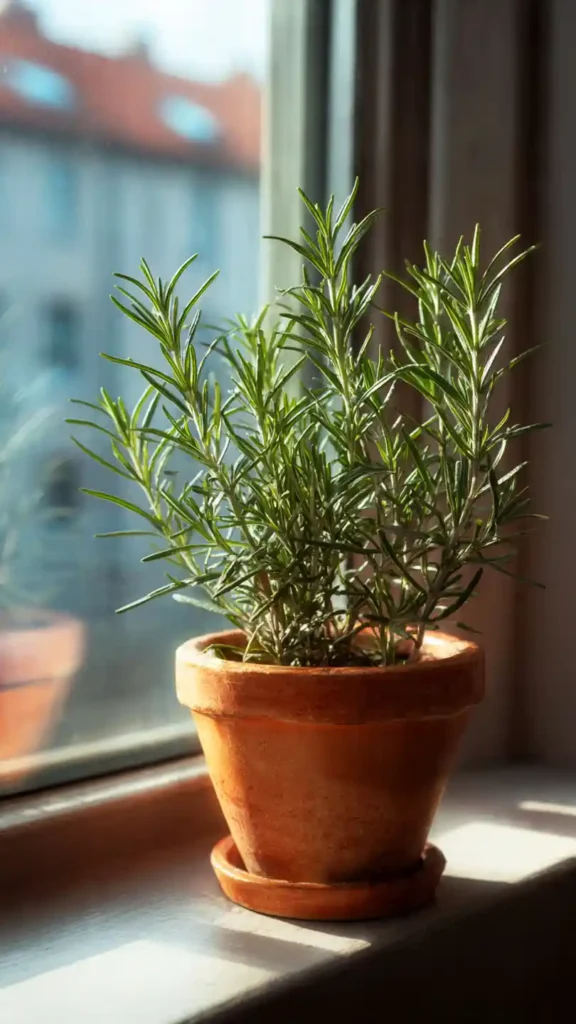
What the plant is: Rosemary is a woody herb with needle-like leaves and a fresh, earthy scent.
Why it’s considered lucky: Associated with protection and memory, rosemary is believed to ward off negative energy.
Where to place it: Kitchen windows, sunny balconies, or near entrances.
Light needs: Full sun.
Care level: Easy with proper sunlight and light watering.
Why people love it: It’s practical and decorative. You get fresh herbs while adding greenery.
15. Bamboo Palm
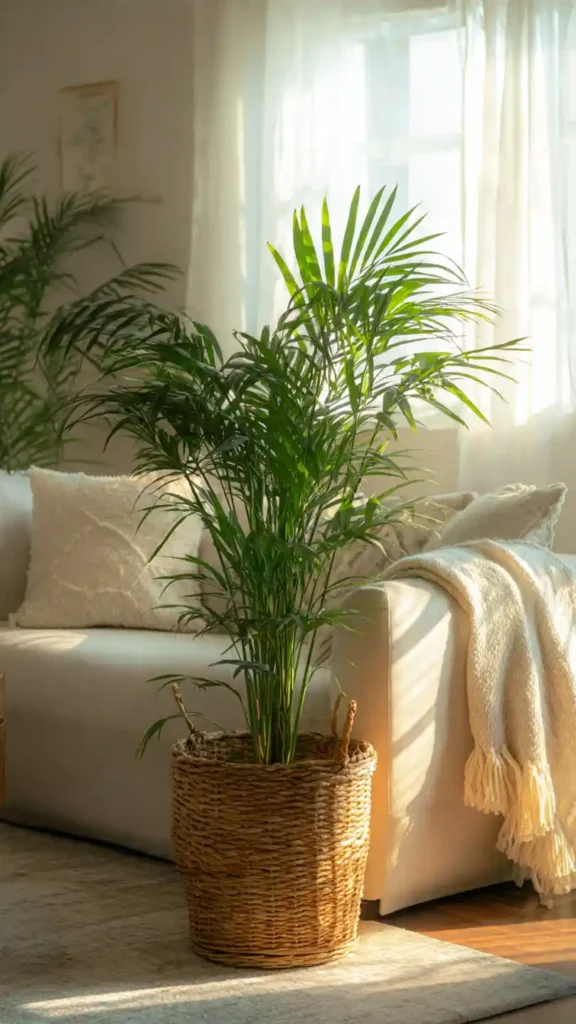
What the plant is: Bamboo Palm (Chamaedorea) is a compact palm with soft, upright fronds that create a tropical feel.
Why it’s considered lucky: It represents harmony, balance, and steady growth. It’s also believed to purify energy.
Where to place it: Bright living rooms, corners near windows, or entry areas.
Light needs: Bright, indirect light.
Care level: Easy. Keep soil lightly moist.
Why people love it: It softens interiors and adds height without overpowering a space.
16. Shamrock Plant
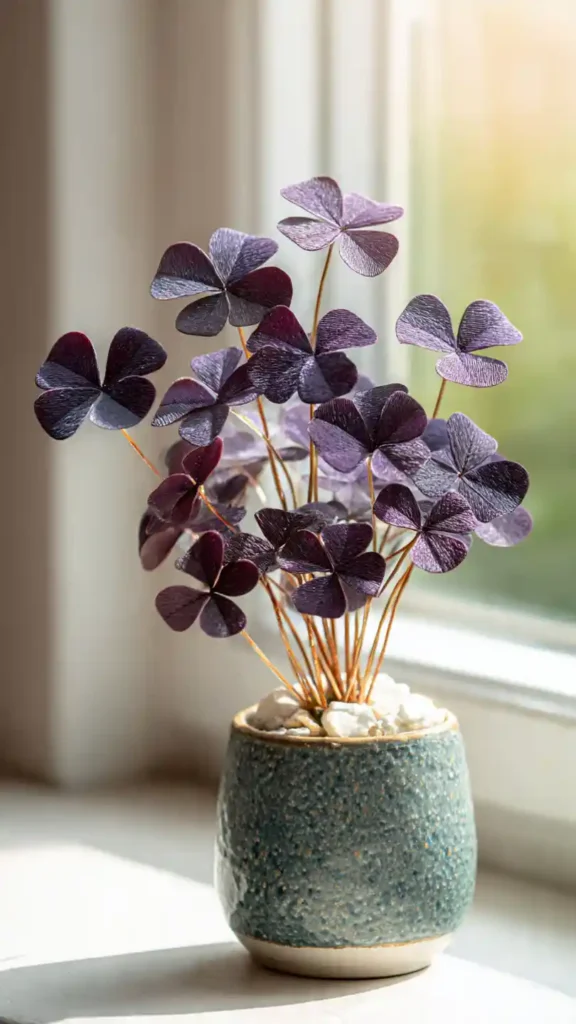
What the plant is: Shamrock Plant (Oxalis) features delicate clover-shaped leaves, often in rich green or deep purple tones, with small star-like blooms.
Why it’s considered lucky: Traditionally associated with Irish luck, the three-leaf shape symbolizes faith, hope, and love.
Where to place it: Bright windowsills, side tables, or festive seasonal decor areas.
Light needs: Bright, indirect light.
Care level: Easy. Allow soil to dry slightly between watering.
Why people love it: Its leaves open during the day and close at night, adding subtle movement and charm to a room.
17. Philodendron
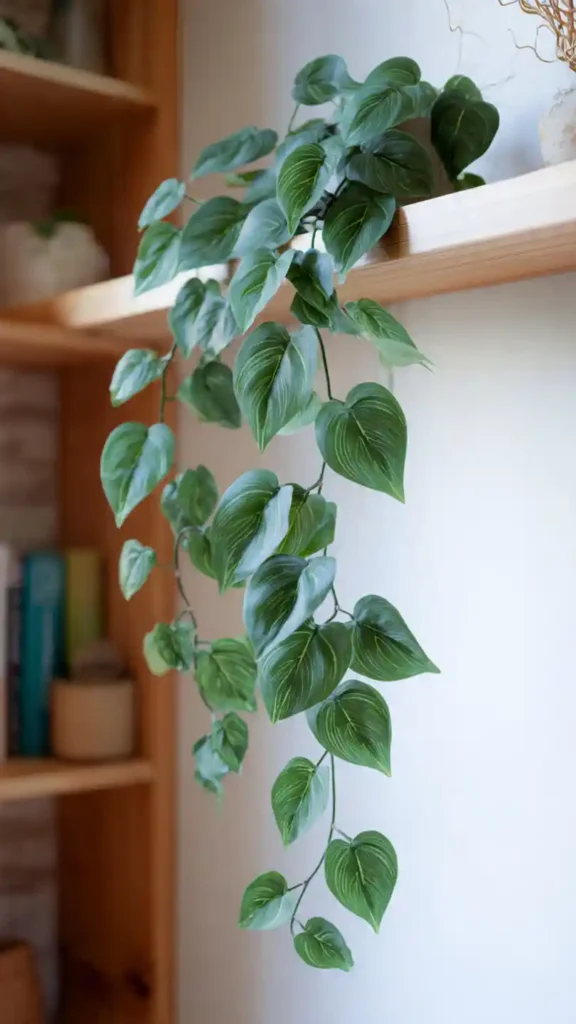
What the plant is: Philodendron is a lush leafy plant with heart-shaped or split leaves depending on the variety.
Why it’s considered lucky: It represents growth, expansion, and new opportunities.
Where to place it: Living rooms, shelves, or office spaces where you want a fresh, natural feel.
Light needs: Medium to bright indirect light.
Care level: Very easy. Tolerates occasional neglect.
Why people love it: It grows generously and creates a soft, inviting atmosphere.
18. Calathea
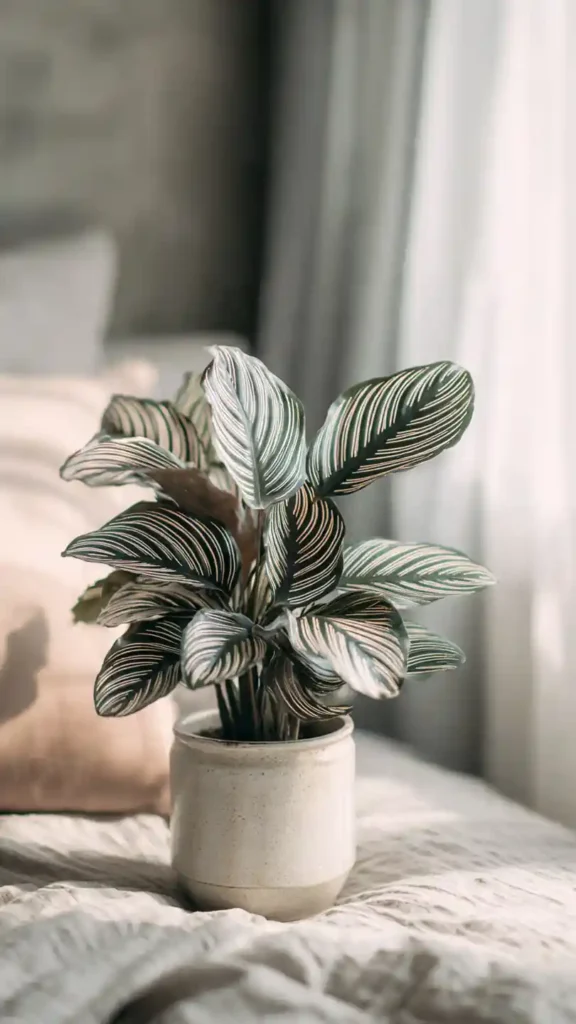
What the plant is: Calathea, often called the Prayer Plant, has beautifully patterned leaves with striking markings.
Why it’s considered lucky: It symbolizes new beginnings and mindfulness. Its leaves gently fold upward at night.
Where to place it: Bedrooms, reading corners, or calm living spaces.
Light needs: Medium indirect light.
Care level: Moderate. Prefers humidity.
Why people love it: The detailed leaf patterns feel artistic and decorative even without flowers.
19. Mint Plant
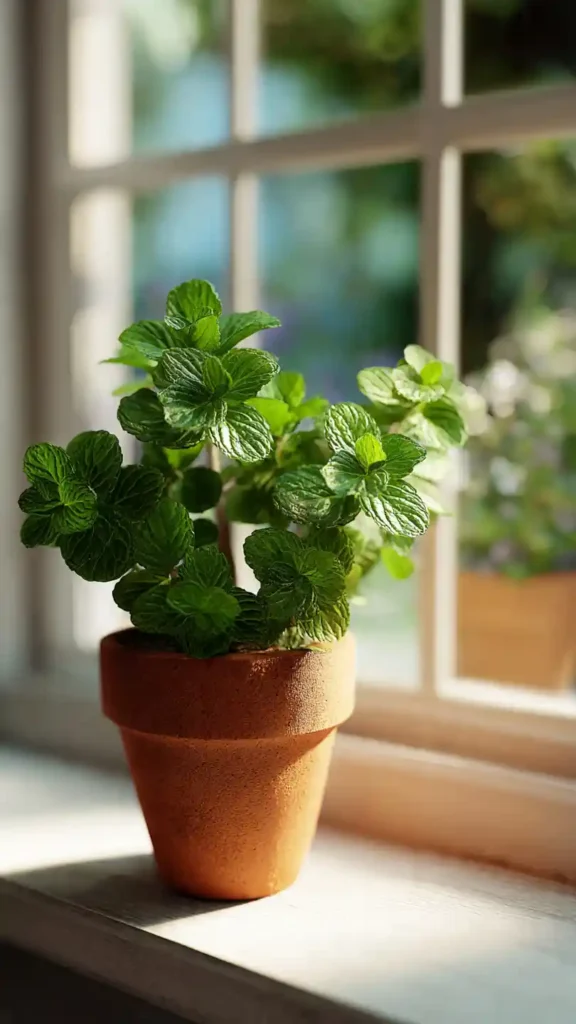
What the plant is: Mint is a fast-growing herb with bright green textured leaves and a refreshing scent.
Why it’s considered lucky: Mint has long been associated with prosperity and abundance.
Where to place it: Kitchen windows, balconies, or herb shelves.
Light needs: Bright light to partial sun.
Care level: Easy. Keep soil lightly moist.
Why people love it: It’s useful, fragrant, and lively. Fresh mint instantly adds energy to a space.
20. Citrus Tree (Indoor Lemon or Orange)
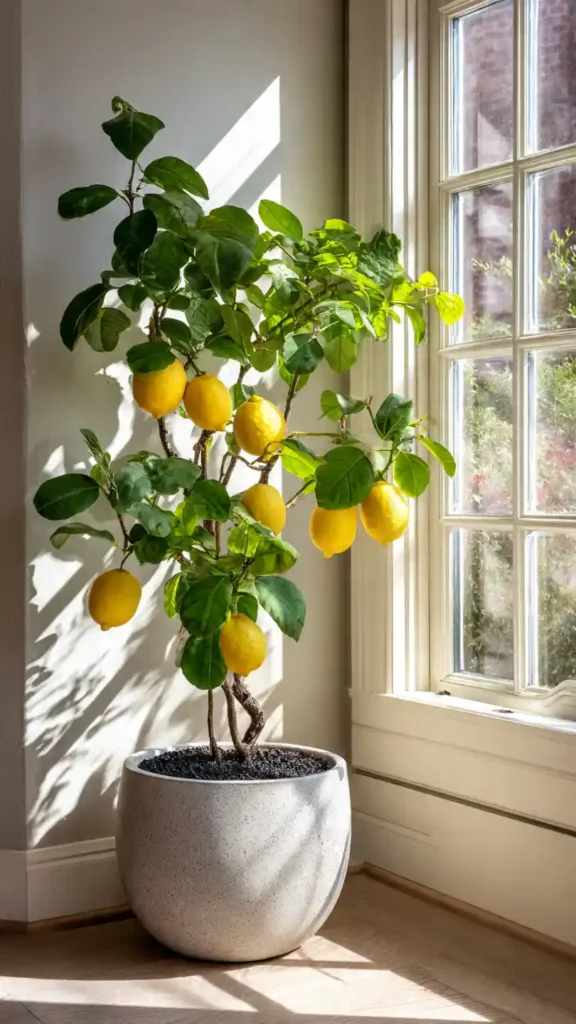
What the plant is: Indoor Citrus Trees are small fruit-bearing plants with glossy leaves and bright yellow or orange fruits.
Why it’s considered lucky: Citrus fruits symbolize wealth, happiness, and positive energy in many cultures.
Where to place it: Bright living rooms, sunrooms, or large windows with strong light.
Light needs: Full sun.
Care level: Moderate. Needs consistent light and watering.
Why people love it: It feels fresh and lively. Seeing real fruit growing indoors adds a special touch.
21. Ficus Ginseng
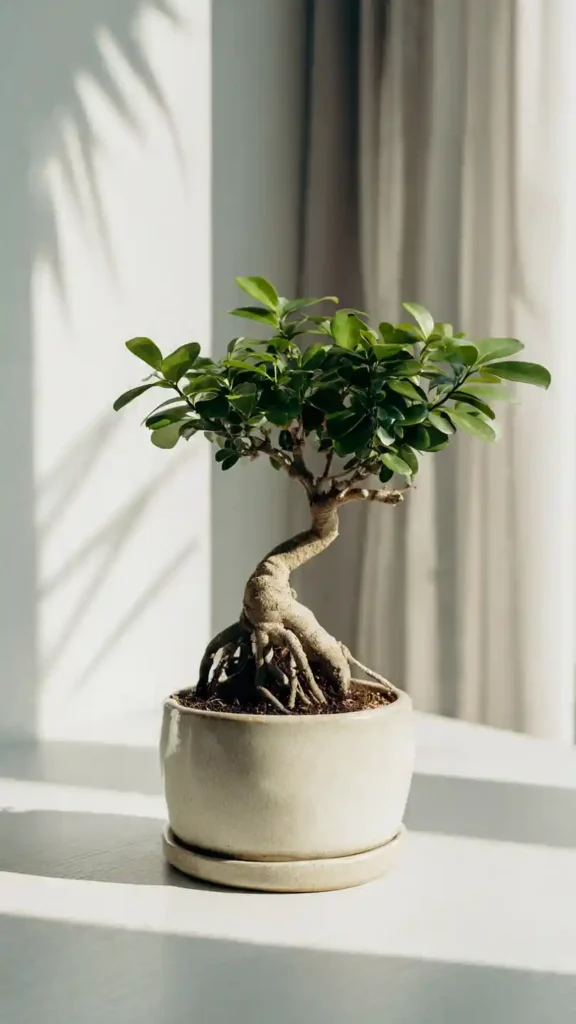
What the plant is: Ficus Ginseng is a bonsai-style plant with thick exposed roots and a rounded canopy of glossy green leaves.
Why it’s considered lucky: It symbolizes balance, harmony, and stability. The strong roots represent grounding and steady success.
Where to place it: Office desks, meditation corners, or entry tables.
Light needs: Bright, indirect light.
Care level: Moderate. Water when the topsoil dries.
Why people love it: It looks sculptural and artistic. Even one small Ficus Ginseng adds a calm, intentional feel to a room.
22. Anthurium
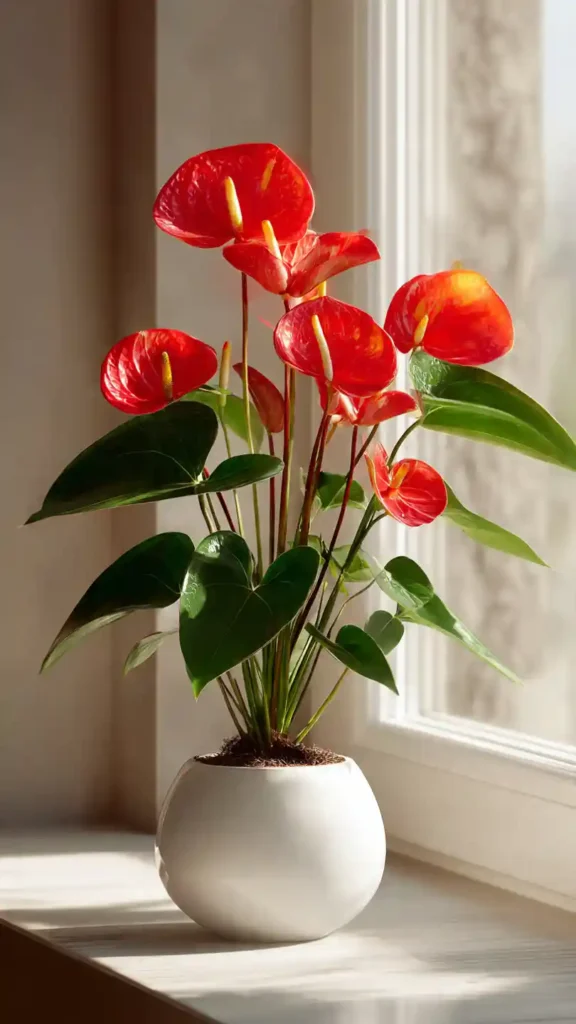
What the plant is: Anthurium is a flowering plant with glossy, heart-shaped blooms in red, pink, or white.
Why it’s considered lucky: It symbolizes hospitality, happiness, and abundance. The heart shape represents love and welcoming energy.
Where to place it: Living rooms, entryways, or dining areas.
Light needs: Bright, indirect light.
Care level: Moderate. Prefers slightly moist soil and humidity.
Why people love it: The bold blooms last for weeks and instantly add color to neutral interiors.
23. Spider Plant
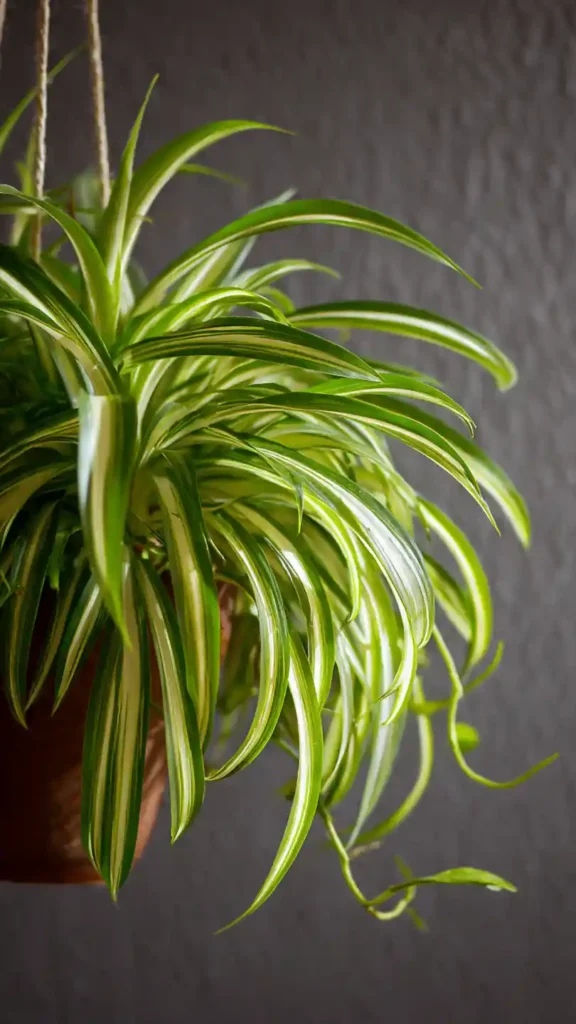
What the plant is: Spider Plant has long arching green leaves with white stripes and produces small baby plantlets.
Why it’s considered lucky: It’s believed to attract positive energy and protect the home from negativity.
Where to place it: Hanging baskets, shelves, or bright kitchens.
Light needs: Bright, indirect light.
Care level: Very easy. Tolerates varying light conditions.
Why people love it: It grows quickly and is perfect for beginners. The cascading leaves soften any space.
24. Chrysanthemum
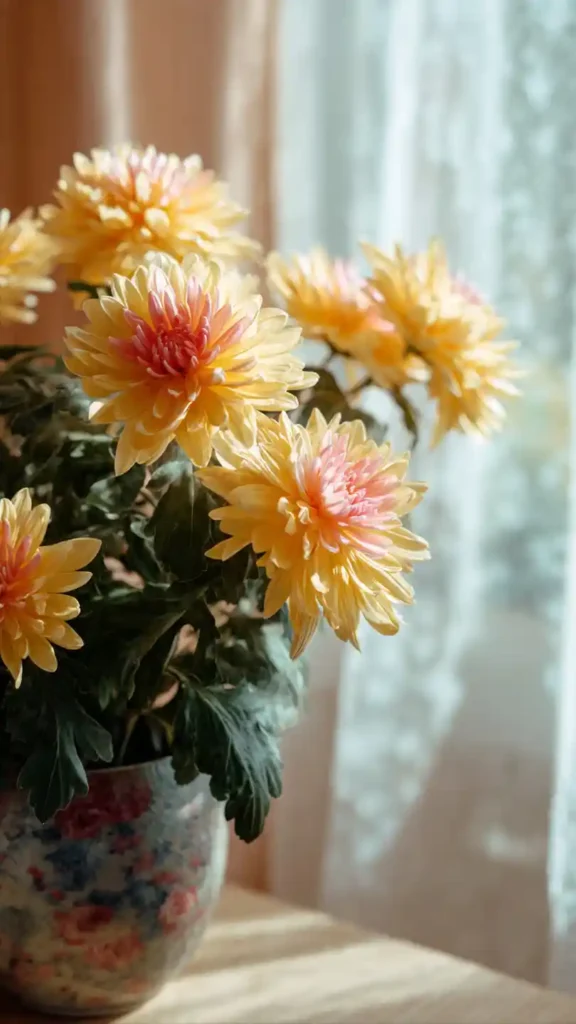
What the plant is: Chrysanthemum is a flowering plant with dense, layered blooms in vibrant colors.
Why it’s considered lucky: It symbolizes happiness, longevity, and celebration in many cultures.
Where to place it: Living rooms, balconies, or festive home decor settings.
Light needs: Bright light.
Care level: Moderate. Needs consistent watering during bloom.
Why people love it: The full blooms add instant cheer and make a room feel lively and welcoming.
25. Peony (Indoor or Garden)
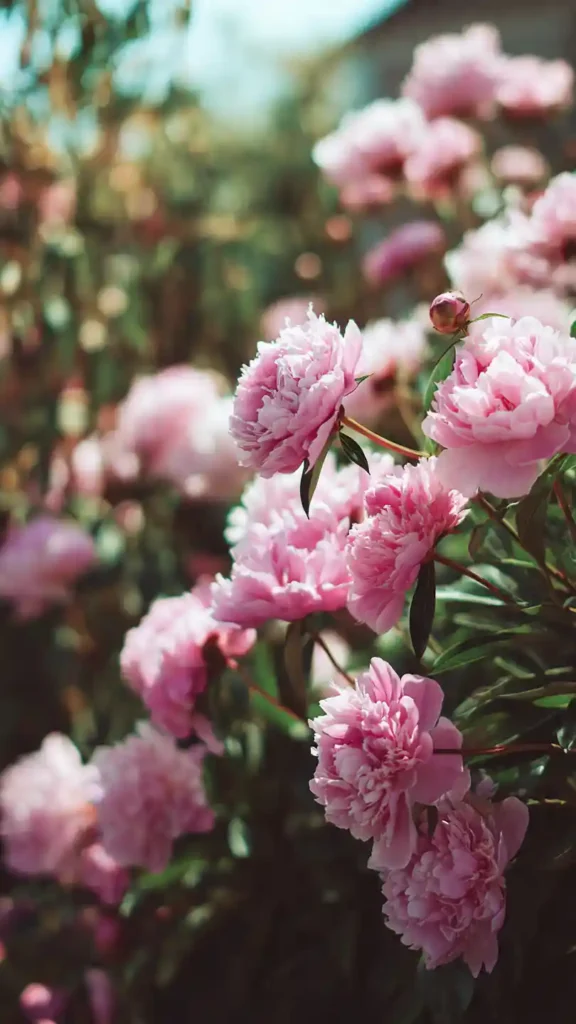
What the plant is: Peony is a flowering plant with large, layered blooms in soft pink, white, or deep rose tones.
Why it’s considered lucky: Peonies symbolize romance, prosperity, and good fortune. In feng shui, they are associated with wealth and harmonious relationships.
Where to place it: Garden beds, front yards, or as fresh cut flowers in living rooms.
Light needs: Full sun to partial sun.
Care level: Moderate. Once established, they return each year.
Why people love it: Few flowers feel as luxurious. The full blooms instantly create a romantic, elegant atmosphere.
Where to Place Good Luck Plants in Your Home
Bringing good luck plants into your home isn’t just about decoration — placement matters too. According to feng shui and traditional home styling, certain areas naturally support prosperity, harmony, and calm energy. Here’s how to position your plants intentionally so they feel both beautiful and meaningful.
Entryway
The entryway is where energy first enters your home, so it’s one of the most powerful places for lucky plants.
Place a Lucky Bamboo, Money Tree, or Peace Lily near the door to invite positive energy and fresh beginnings. Choose something neat and upright rather than overly sprawling. A well-styled planter on a console table or beside the door instantly makes your home feel welcoming and balanced.
Tip: Keep the area uncluttered so energy can “flow” freely.
Living Room
The living room represents family connection, harmony, and shared prosperity. This is a perfect space for larger statement plants.
A Rubber Plant, Areca Palm, or Bamboo Palm works beautifully in bright corners. If your living room has soft neutral tones, a bold Anthurium or elegant Orchid can add color while maintaining a calm feel.
Position plants where they soften sharp corners or empty spaces this visually balances the room and improves energy flow.
Office or Workspace
Your office is strongly connected to career growth and financial success. This is where wealth-symbolizing plants shine.
Place a Money Tree, Jade Plant, or Ficus Ginseng on your desk or nearby shelf. These plants symbolize steady growth and opportunity. Even a small plant can make your workspace feel intentional and focused.
Tip: Keep plants healthy and dust-free neglected plants are said to represent stagnant energy.
Bedroom
Bedrooms should feel calm and restful, so choose plants that promote peace rather than heavy energy.
A Peace Lily, Lavender, or small Calathea works well here. Keep plants minimal and avoid overcrowding the space. Soft foliage and gentle blooms create a relaxed, soothing atmosphere.
Place plants near a window with indirect light or on a bedside table if space allows.
Wealth Corner (Feng Shui Placement)
In feng shui, the southeast area of your home (or a specific room) is considered the wealth corner. You can identify this by standing at your front door and mapping the southeast direction using a compass.
This is the ideal spot for:
- Money Tree
- Jade Plant
- Lucky Bamboo
- Citrus Tree
Choose a healthy, thriving plant and place it in a beautiful planter to symbolize abundance. Adding a touch of wood or green tones in this area enhances the prosperity theme.
FAQs
Which plant is considered the luckiest?
Many people consider Lucky Bamboo the luckiest plant, especially in feng shui. It represents harmony, prosperity, and positive energy. The number of stalks even carries specific meanings three for happiness, five for health, and eight for wealth. That said, luck is often symbolic. A healthy, thriving plant that you care for consistently can feel just as meaningful as any traditional “lucky” plant.
Where should I place lucky plants at home?
Placement depends on what you want to attract.
- Entryway: To welcome positive energy
- Living room: For harmony and family balance
- Office: For career growth and success
- Southeast corner (wealth corner): For prosperity
Bright, clean areas with good light are always best. Healthy plants are believed to represent active, flowing energy so avoid placing them in dark, cluttered corners.
Do good luck plants really work?
Good luck plants work symbolically rather than magically. In feng shui and many cultural traditions, plants represent life, growth, and renewal. When you place a plant intentionally, it can shift how a space feels — calmer, fresher, more balanced.
Even beyond symbolism, greenery improves mood, reduces stress, and makes rooms feel more welcoming. That alone can positively influence daily life.
What plant attracts money?
The most popular money-attracting plants include:
- Money Tree (Pachira Aquatica)
- Jade Plant
- Lucky Bamboo
- Citrus Tree
These plants are associated with prosperity because of their shape, symbolism, or cultural meaning. Many people place them in offices or the southeast area of their home for financial growth energy.
Can I keep lucky plants in the bedroom?
Yes, but choose wisely. Bedrooms should feel calm and restful, so avoid very large or overpowering plants.
Great bedroom options include:
- Peace Lily
- Lavender
- Calathea