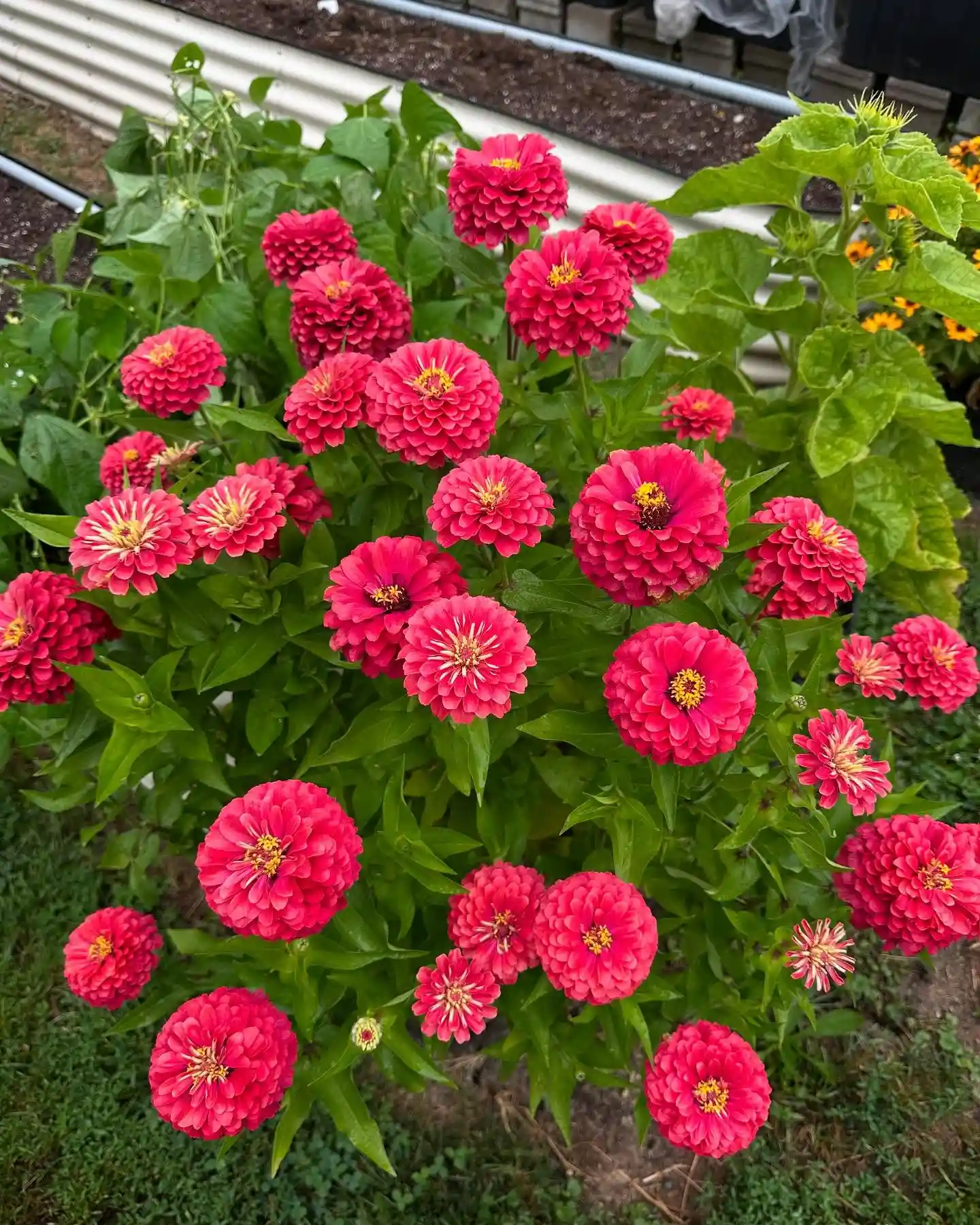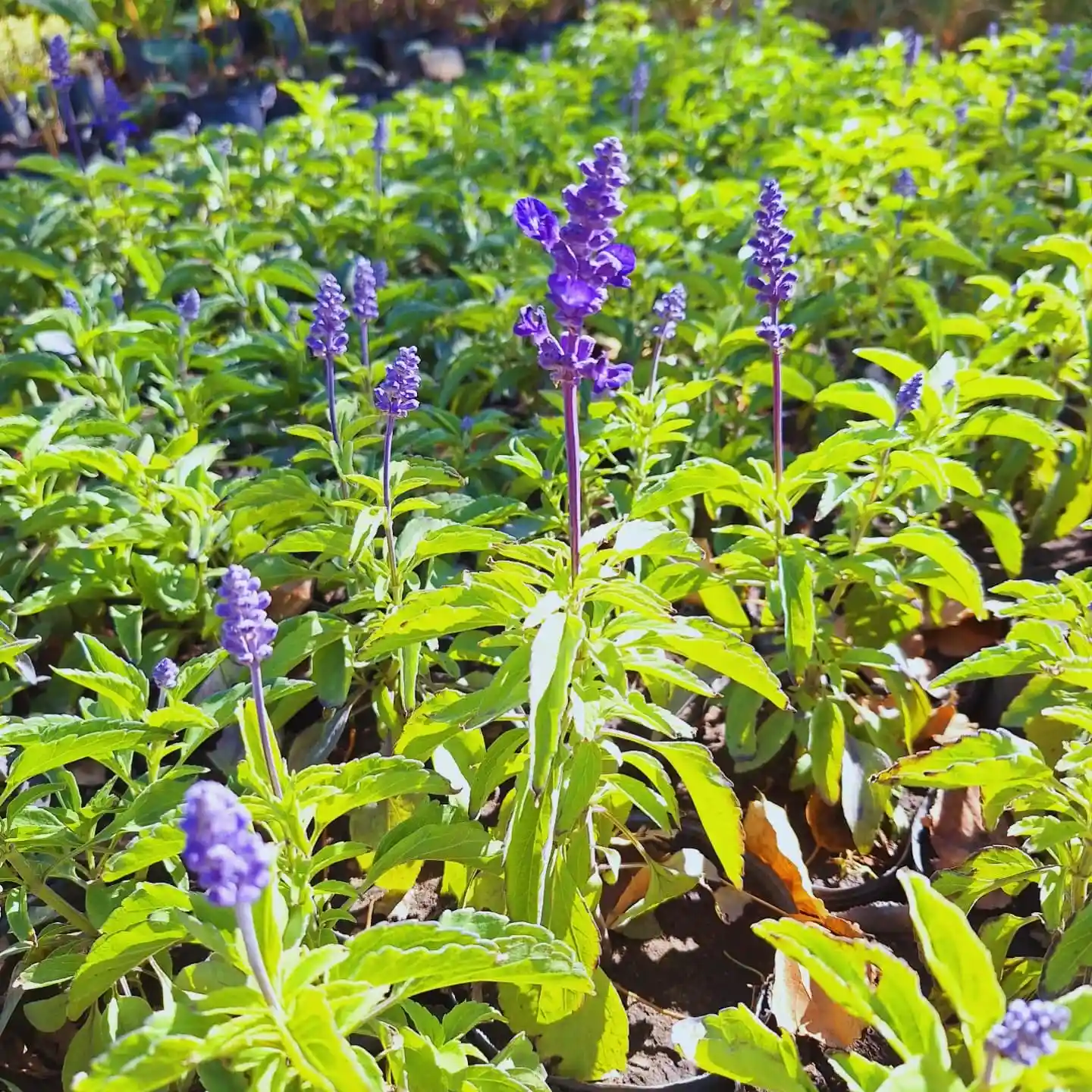
20 Easy flowers for beginners at home

If you’re starting a home garden, the easiest way to stay motivated is to choose flowers that actually grow without stress. These easy flowers for beginners at home are perfect for small spaces, balconies, windows, or simple pots.
They don’t need expert care, expensive tools, or perfect timing. Most of them grow fast, bloom quickly, and handle small mistakes without dying on you.
If you want a space that feels fresh, colorful, and alive without putting in too much effort, this list will help you start the right way.
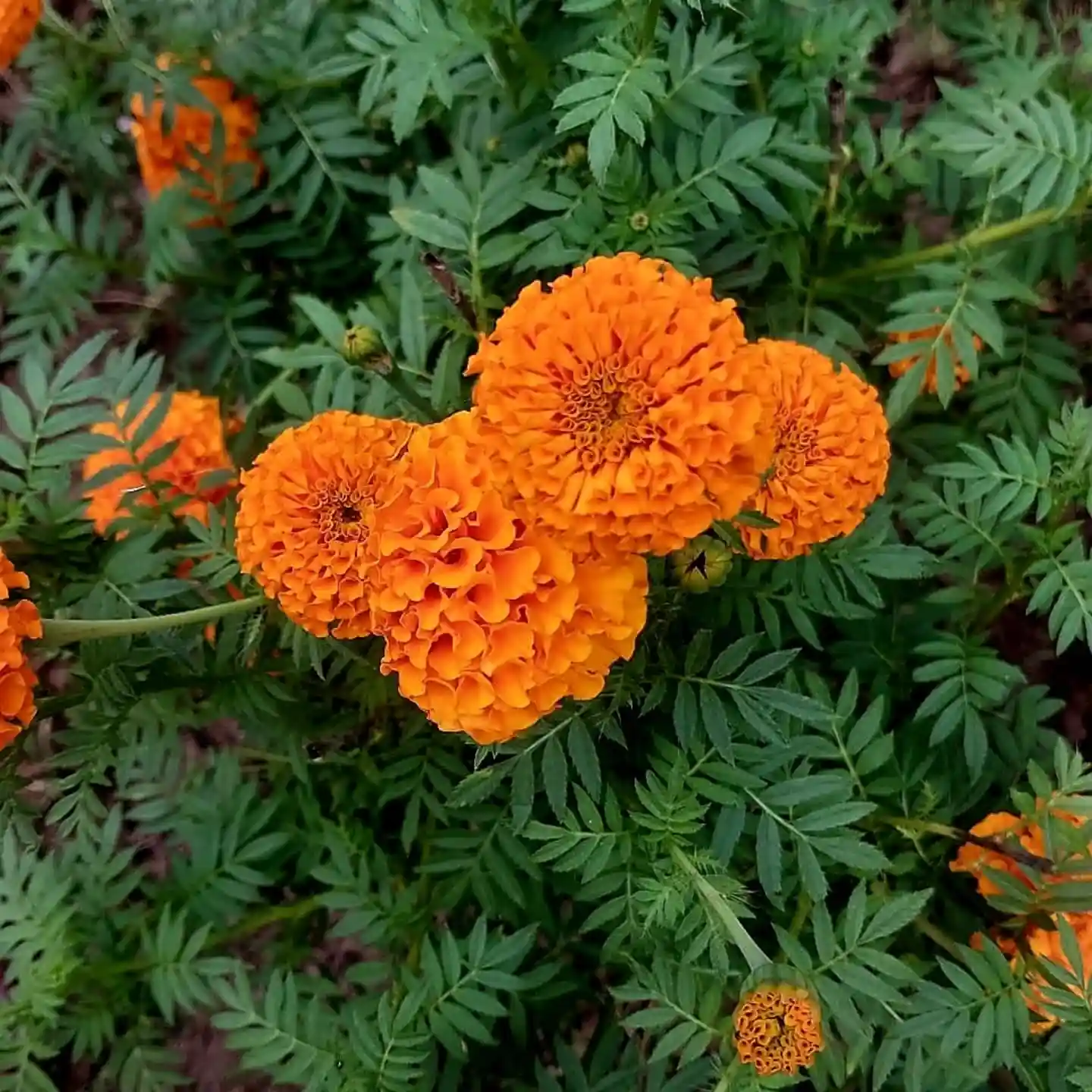
1. Marigolds
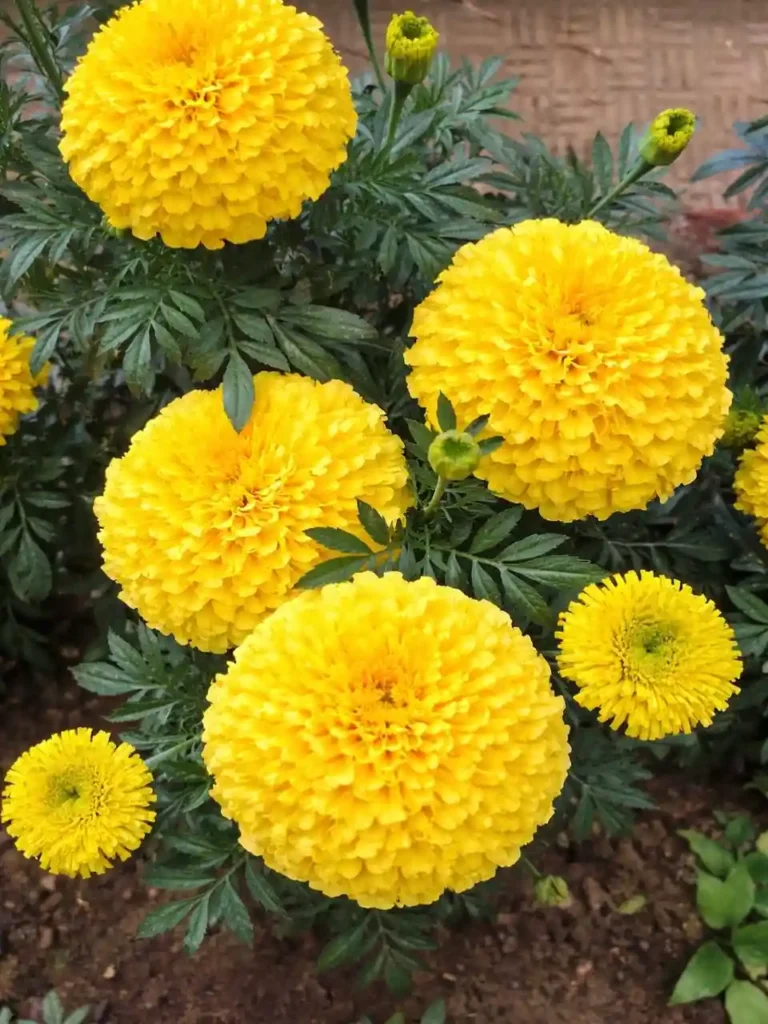
Marigolds are one of the easiest flowers you can grow, especially if you’re just starting out. They bloom quickly and keep producing bright orange and yellow flowers for months.
You’ll notice they handle heat really well and don’t complain if you forget watering once in a while. They’re also great for mixing into vegetable gardens because they naturally help keep pests away.
If you want something low effort but still vibrant and full, marigolds are honestly a safe first choice.
Why they’re great:
- Grow in almost any soil
- Full sun friendly
- Natural pest repellent
- Long blooming season
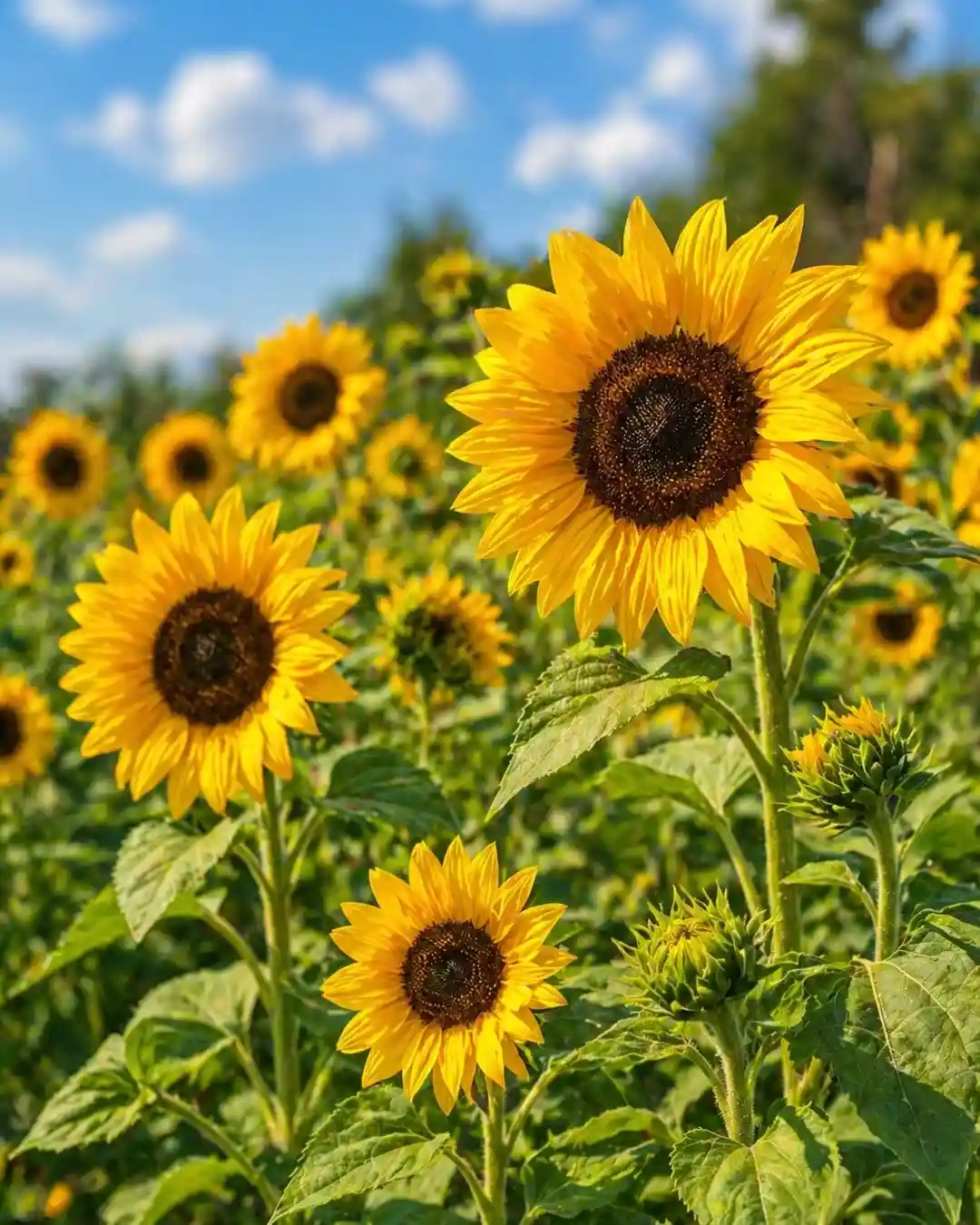
2. Sunflowers
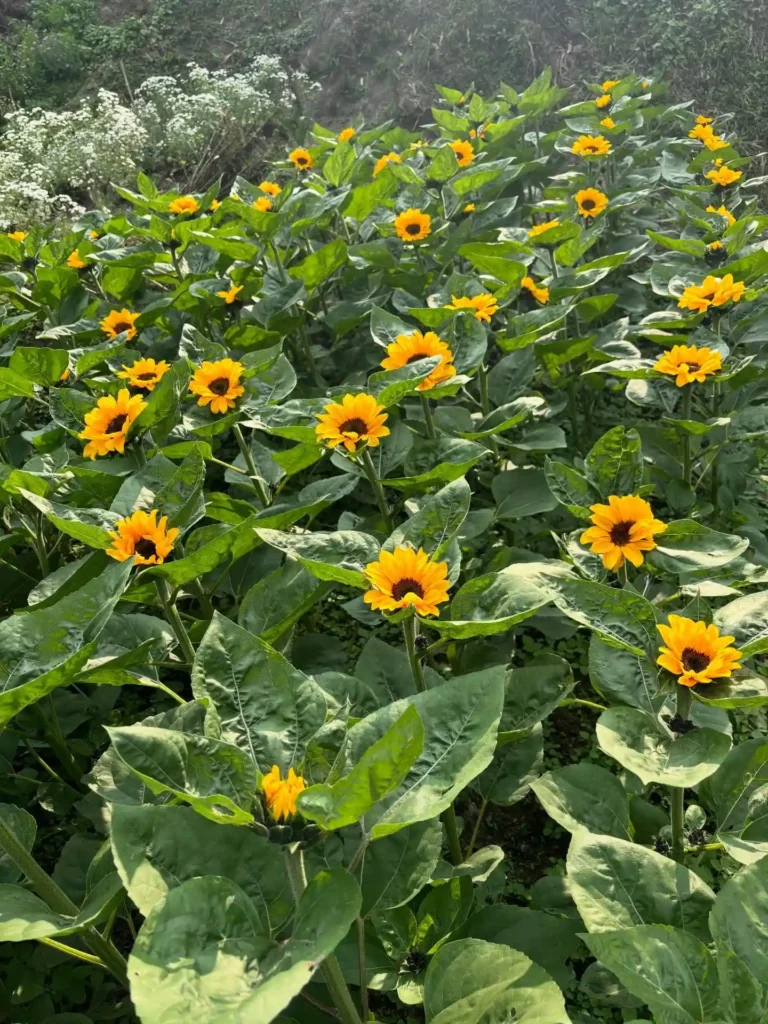
Sunflowers are one of those plants that make gardening feel fun instantly. They grow fast, stretch tall, and give you that satisfying progress within weeks.
You don’t need to babysit them much. Just plant them in a sunny spot and give them space to grow. Watching them turn toward the sun every day is surprisingly rewarding.
Even beginners who’ve never planted anything before can get great results with sunflowers.
Why they’re great:
- Fast-growing and tall
- Very beginner-friendly
- Needs minimal care
- Attracts bees and birds
3. Zinnias
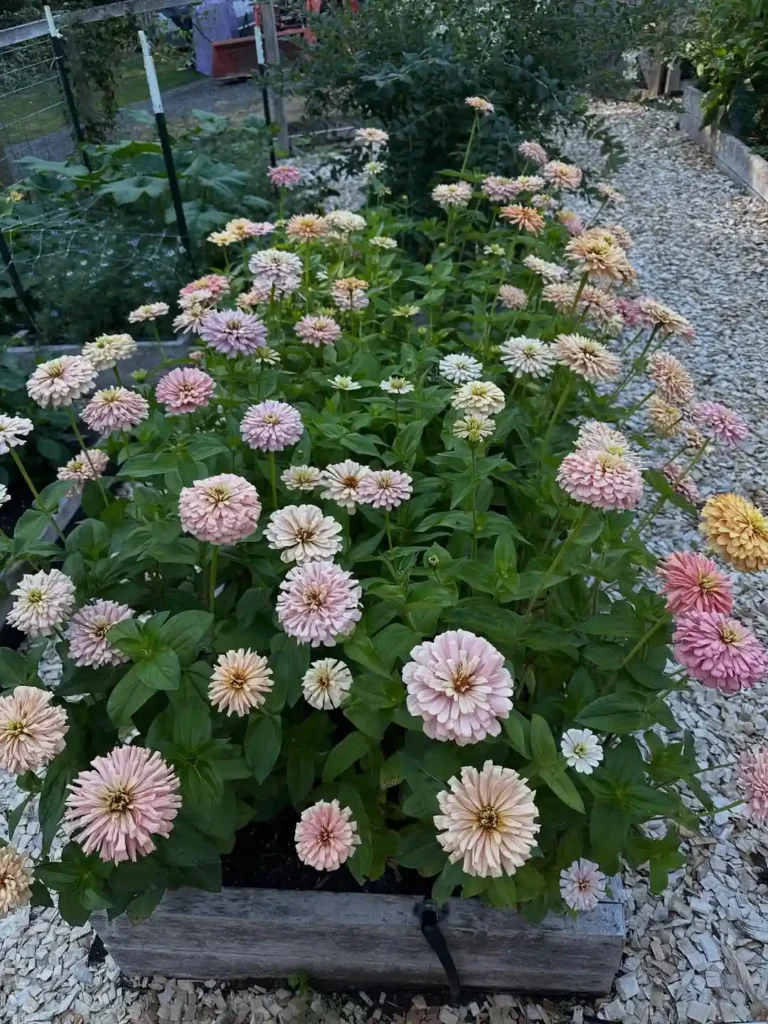
Zinnias are perfect if you want colorful flowers without waiting too long. They grow easily from seeds and start blooming quickly in warm weather.
The best part is, the more flowers you cut, the more they grow. So you can actually use them in vases without worrying about losing blooms.
They handle heat really well and don’t need constant attention, which makes them ideal for beginners who want consistent color.
Why they’re great:
- Easy to grow from seed
- Long blooming period
- Great for cut flowers
- Heat-tolerant
Related article:
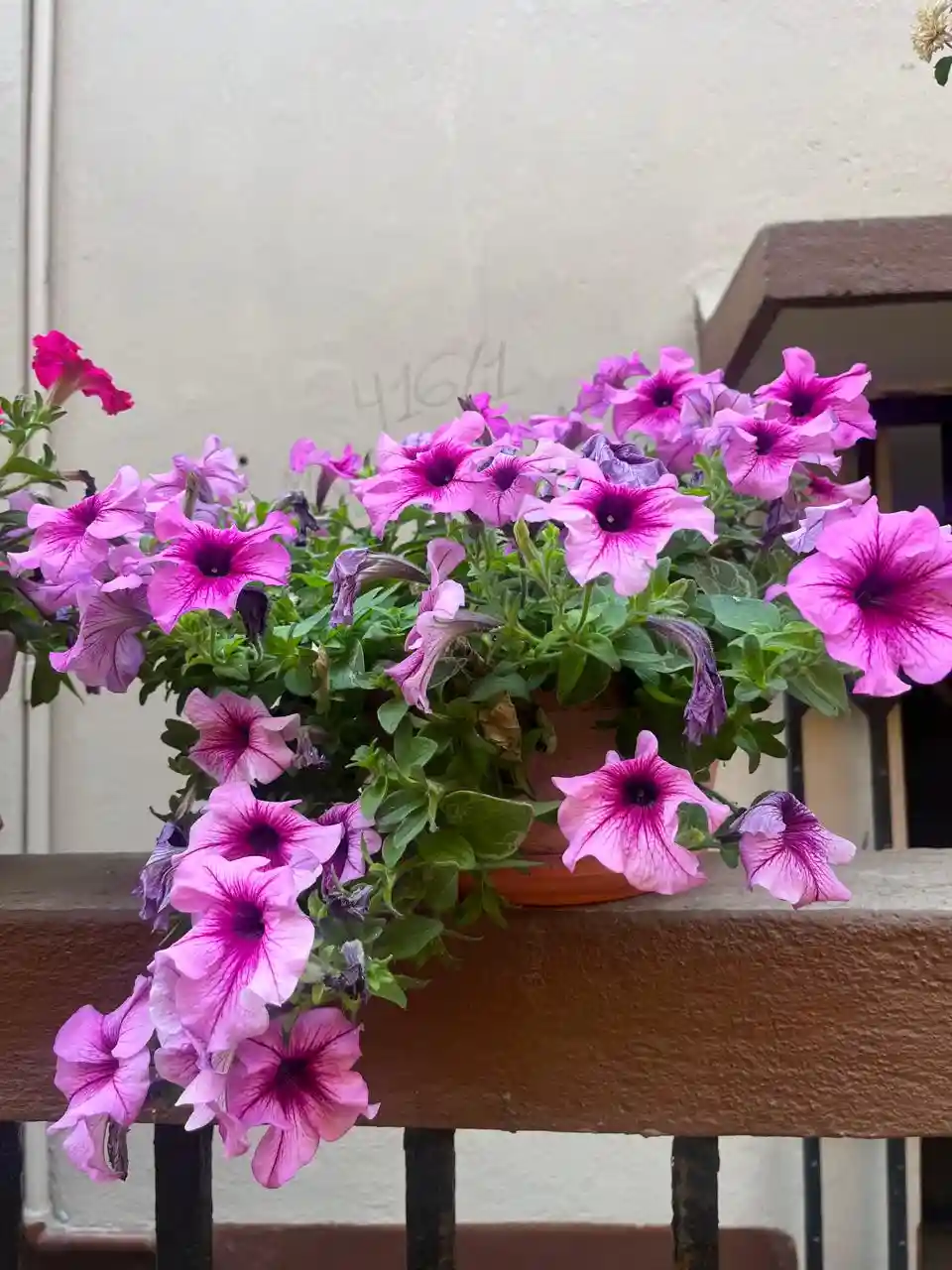
4. Petunias
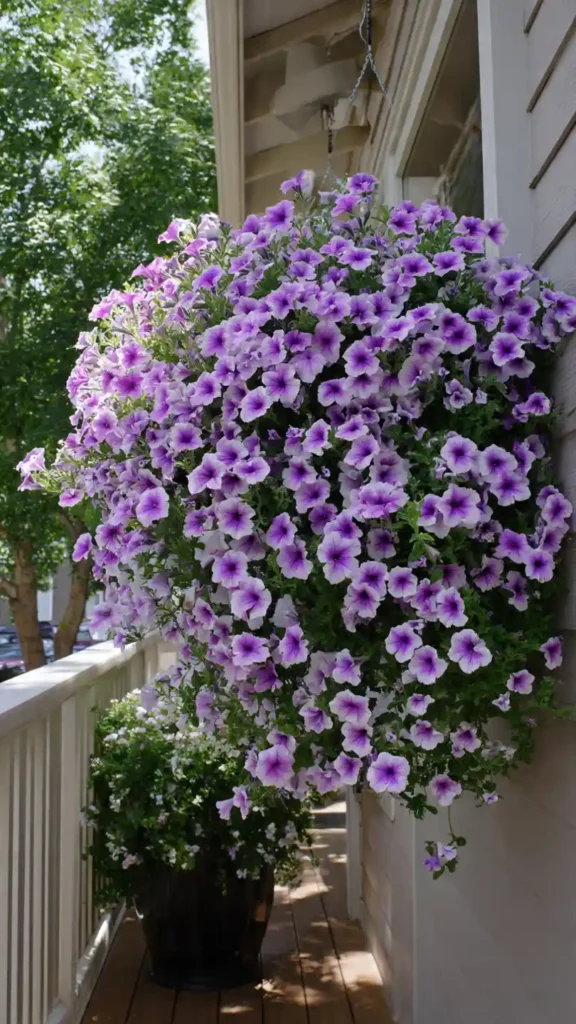
Petunias are a go-to option if you’re working with pots, balconies, or hanging baskets. They spread out nicely and create a soft, full look without much effort.
They bloom continuously and come in a wide range of colors, so you can match any style. As long as you water them regularly, they stay fresh and full.
If you want something that fills space quickly and looks lush, petunias are a solid pick.
Why they’re great:
- Perfect for containers
- Continuous blooms
- Wide color variety
- Easy to manage
5. Cosmos
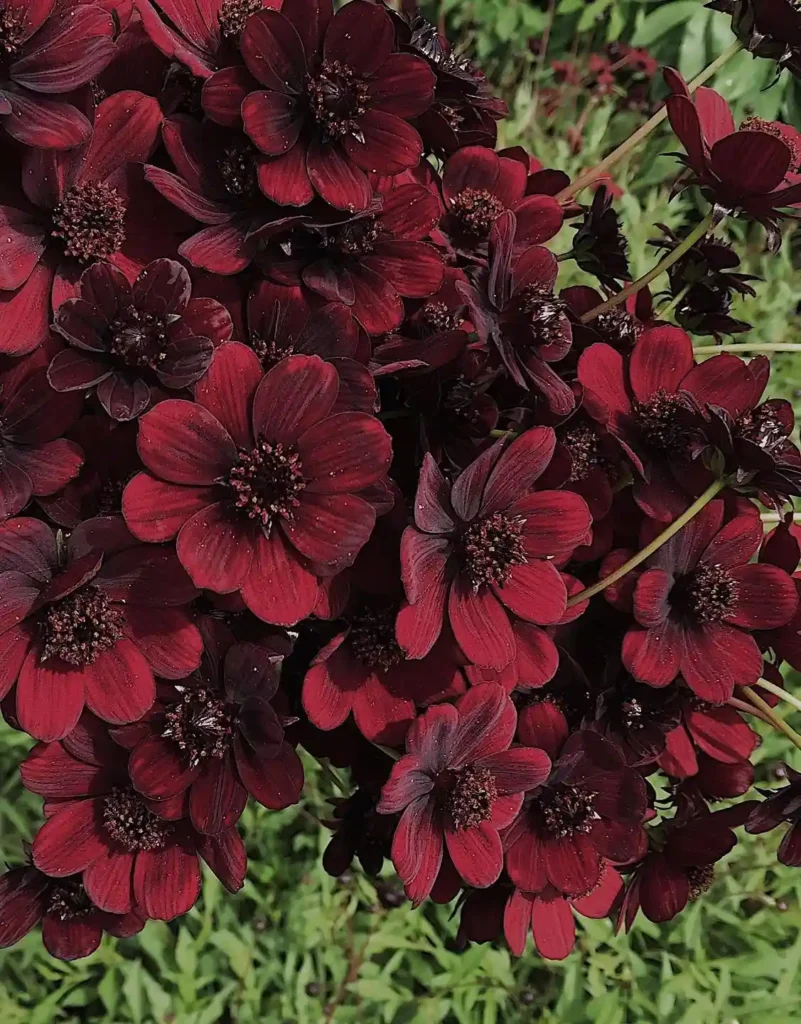
Cosmos are one of those flowers that thrive even when you don’t try too hard. They grow tall, airy, and add a relaxed, natural feel to your garden.
What makes them beginner-friendly is that they actually prefer poor soil, so you don’t need to worry about fertilizers or perfect conditions.
They also attract butterflies, which makes your garden feel more alive without any extra work.
Why they’re great:
- Grow in poor soil
- Low maintenance
- Attract butterflies
- Drought-tolerant
6. Nasturtiums
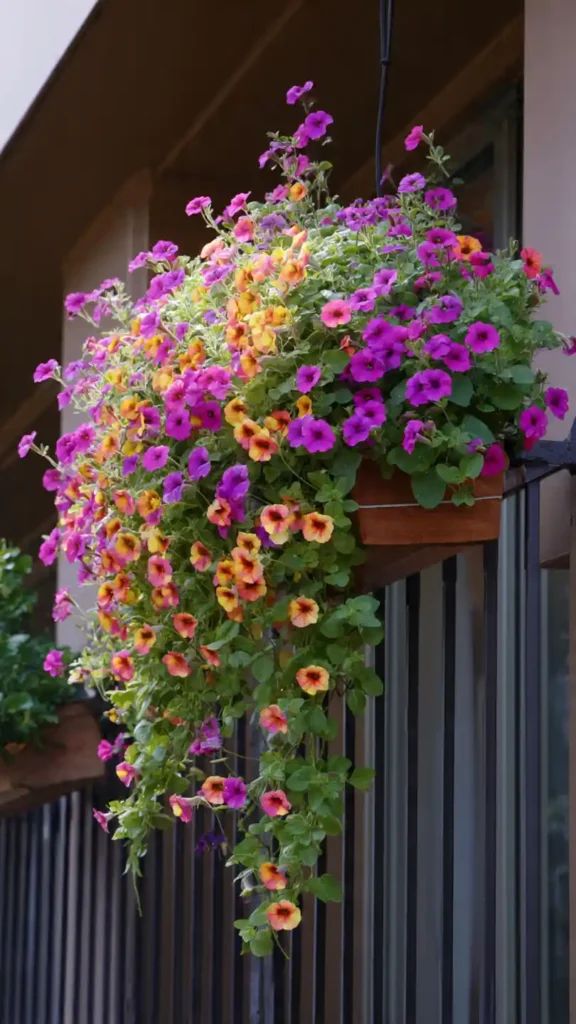
Nasturtiums are one of the most rewarding flowers for beginners because they grow quickly and don’t need rich soil to thrive. In fact, they do better in slightly poor conditions, which makes them super low effort.
They spread nicely across garden beds or spill beautifully from pots. The round leaves and bright flowers give a unique look that stands out from typical blooms.
You also get a bonus both the leaves and flowers are edible, which makes them even more useful.
Why they’re great:
- Grow in poor soil
- Edible flowers and leaves
- Fast spreading
- Natural pest control
7. Pansy (Pansies)
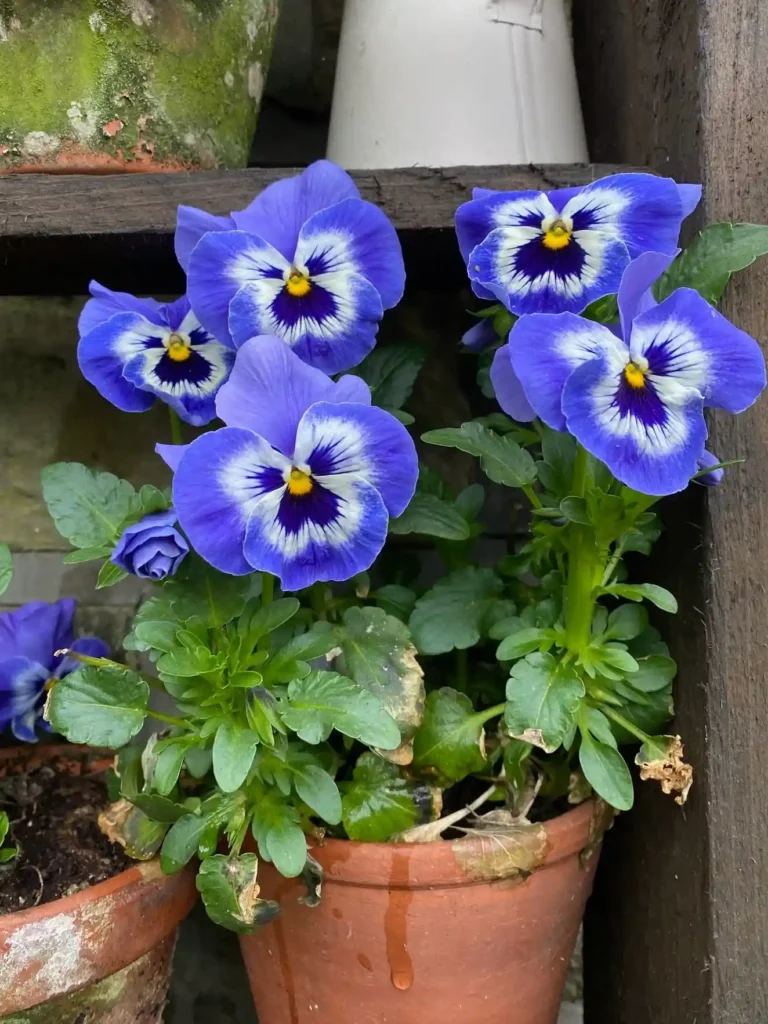
Pansies are perfect if you want early color in cooler weather. They bloom when many other flowers are still struggling, which makes them great for extending your garden season.
Their soft, velvety petals come in beautiful color combinations that instantly make pots and borders look more finished. They stay compact and neat, so you don’t have to manage overgrowth.
If you’re gardening in spring or fall, pansies are one of the easiest ways to get reliable blooms.
Why they’re great:
- Thrive in cool weather
- Compact and tidy growth
- Great for pots and borders
- Easy to care for
8. Calendula
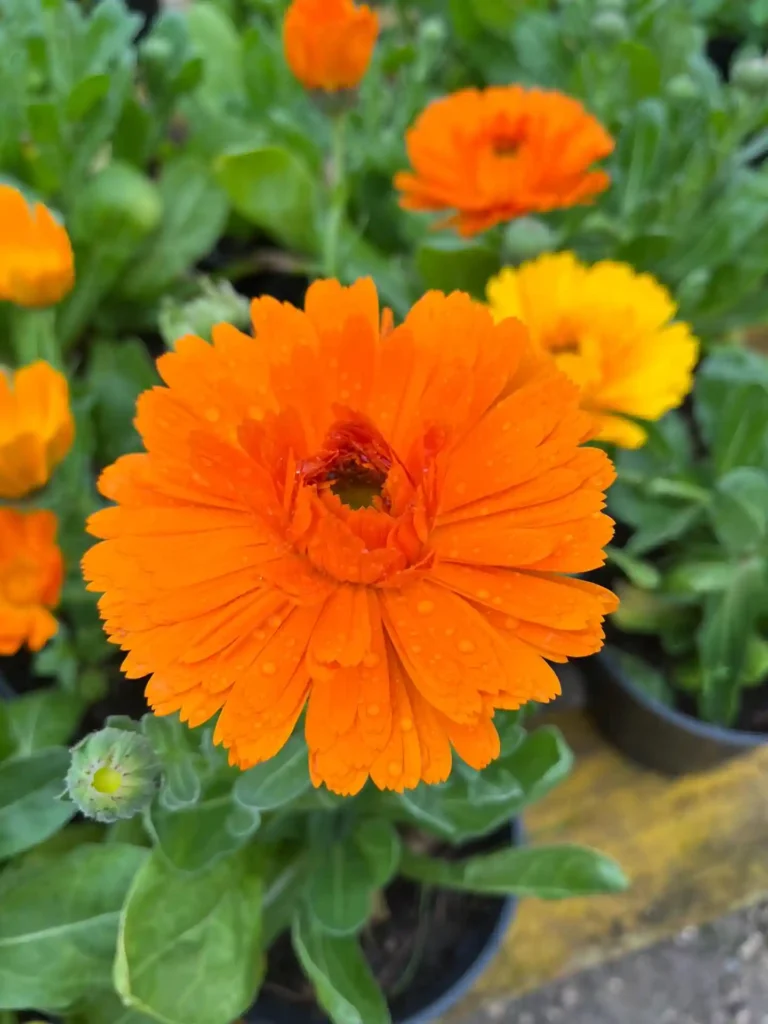
Calendula is often called pot marigold, but it has a softer, more relaxed look. It grows easily from seed and starts blooming quickly without needing much attention.
The warm orange and yellow flowers add a gentle glow to your garden, and they continue blooming with basic care. Many people also grow it for simple herbal uses.
If you want something easy but slightly different from typical garden flowers, calendula is a great choice.
Why they’re great:
- Easy from seed
- Low maintenance
- Soft, warm colors
- Useful for herbal gardens
9. Geraniums
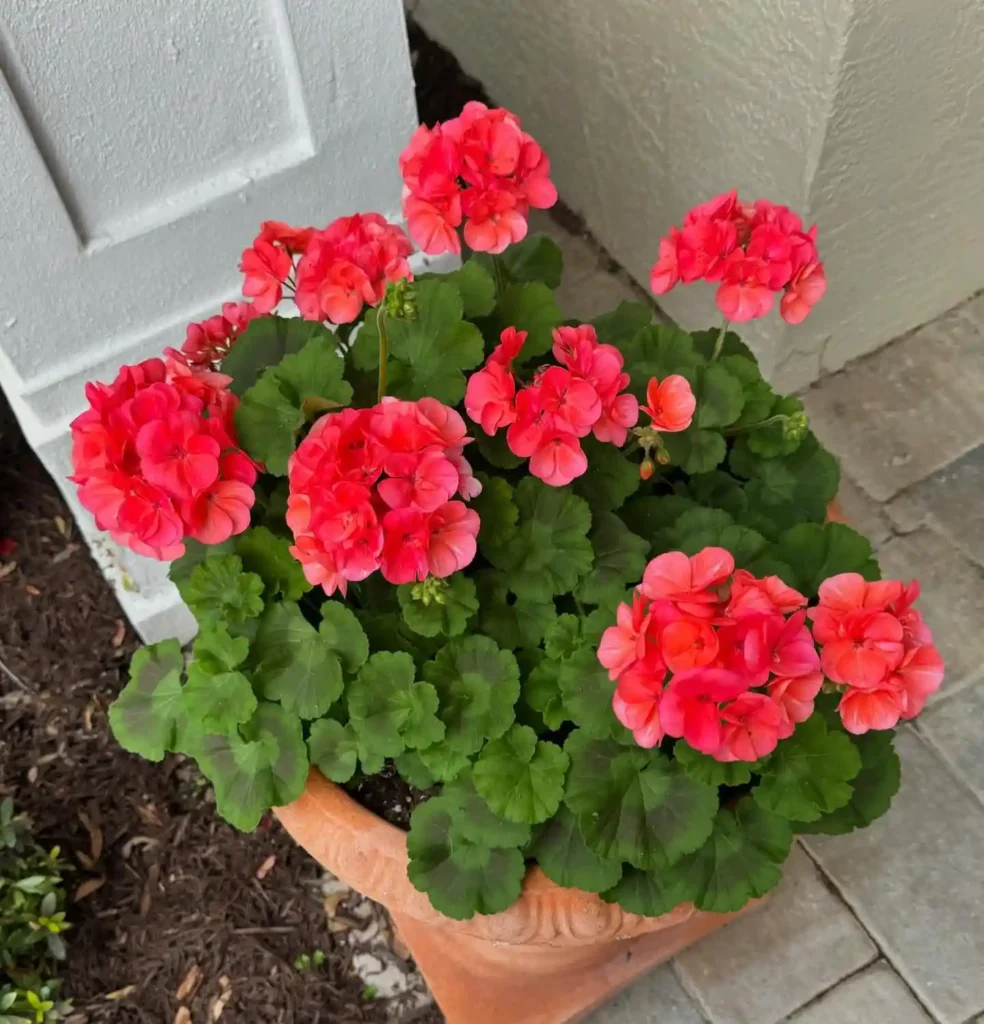
Geraniums are a strong, reliable option, especially if you’re growing flowers in containers. They handle heat well and don’t need constant watering, which makes them ideal for busy beginners.
Their structured shape gives a clean, organized look to balconies, windows, and patios. With basic care, they keep blooming for a long time.
If you want something that looks neat without needing daily attention, geraniums are a smart pick.
Why they’re great:
- Drought-tolerant
- Perfect for containers
- Long-lasting blooms
- Easy upkeep
10. Impatiens
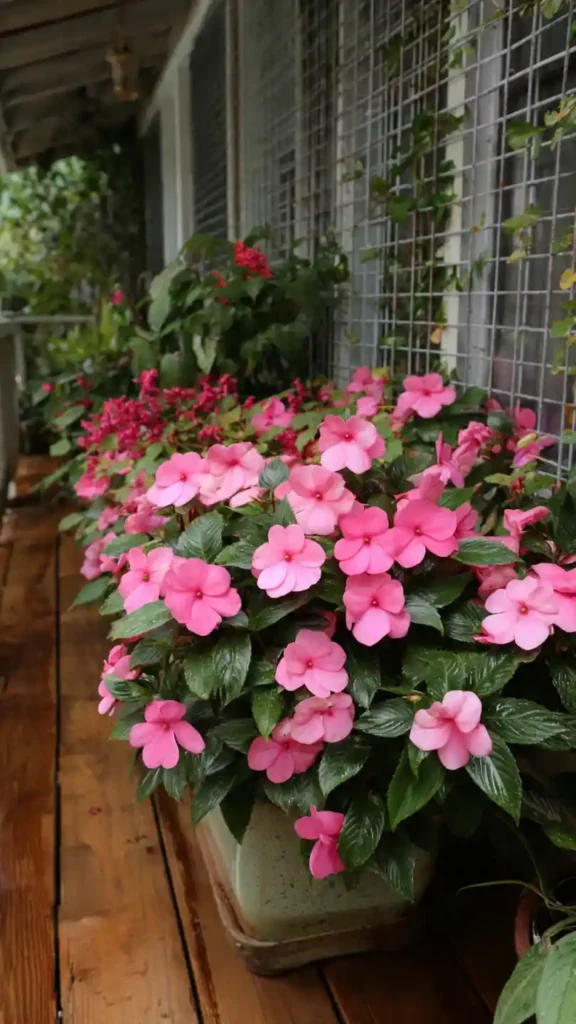
Impatiens are one of the best flowers you can grow in shaded areas. If your space doesn’t get much direct sunlight, these will still give you bright, full blooms.
They grow low and spread nicely, filling empty spaces with soft color. They do best with regular watering, but overall they’re very easy to manage.
For beginners dealing with low-light spaces, impatiens are honestly one of the safest options.
Why they’re great:
- Thrive in shade
- Bright, soft flowers
- Great for indoor/outdoor
- Beginner-friendly
11. Alyssum
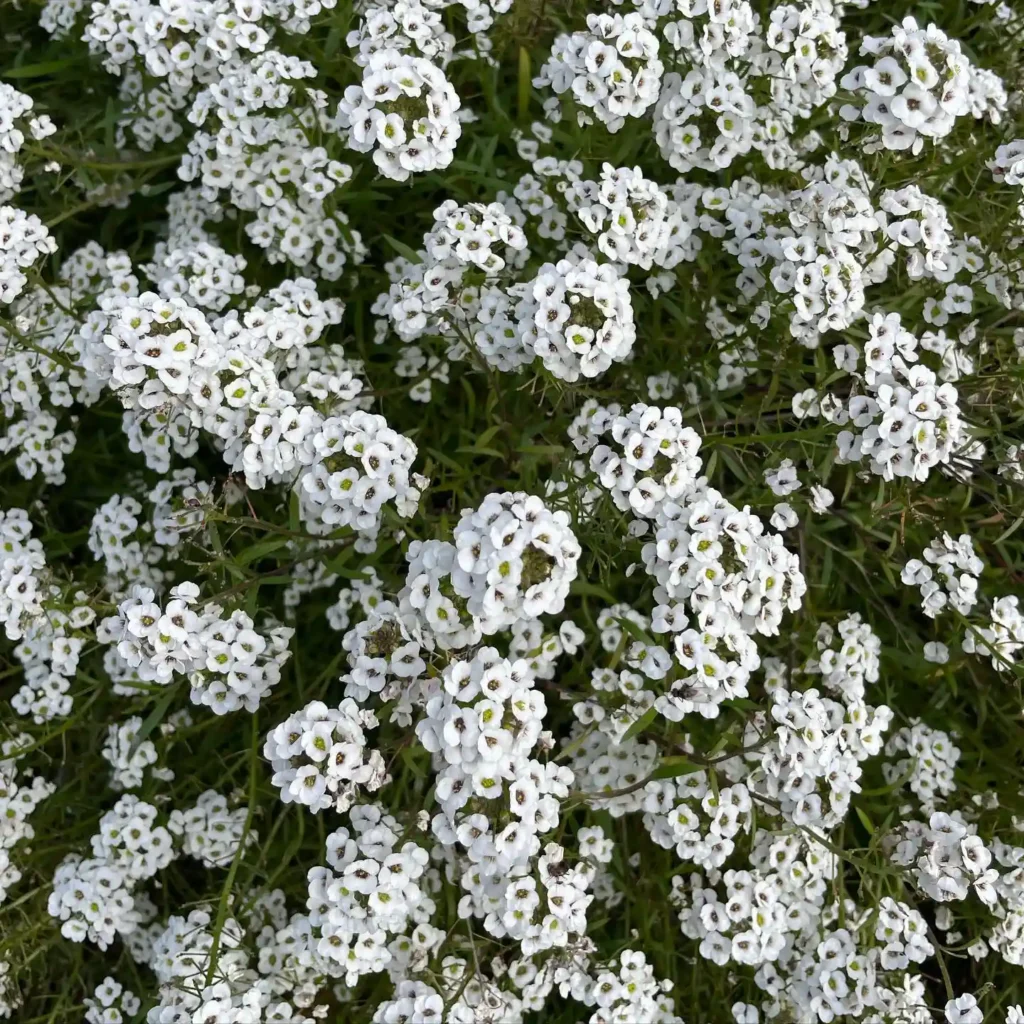
Alyssum is perfect if you want a soft, carpet-like look in your garden. It grows low and spreads quickly, filling gaps between larger plants without much effort.
The tiny clusters of flowers also have a light, sweet fragrance that you’ll notice, especially in the evening. It works beautifully along borders, pathways, or in containers.
If you want something simple that quietly makes your space feel fuller, alyssum does that really well.
Why they’re great:
- Low-growing and spreading
- Light, sweet fragrance
- Great for borders
- Very easy care
12. Coneflowers (Echinacea)
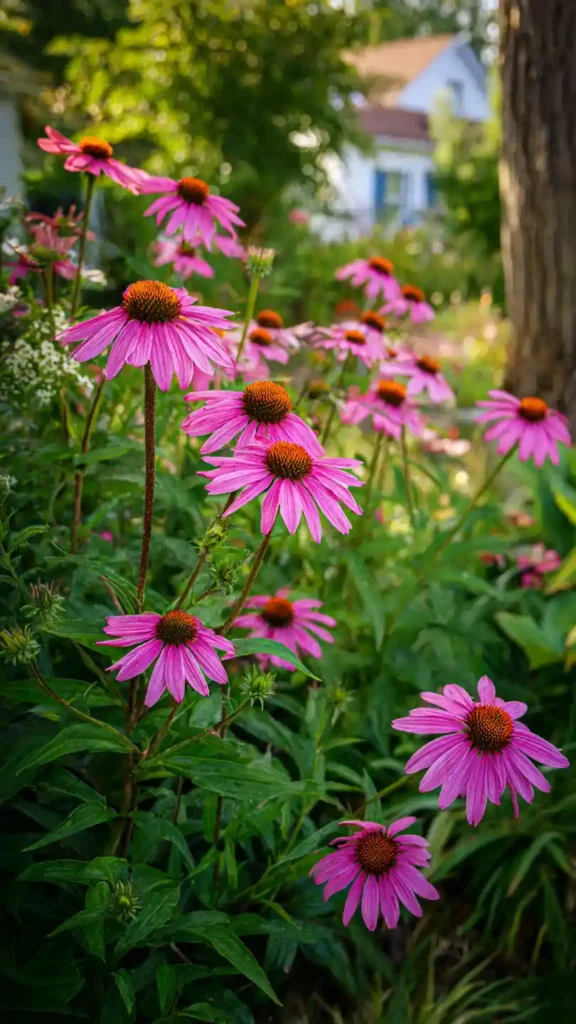
Coneflowers are one of the toughest flowers you can grow. Once they’re established, they handle heat, drought, and even a bit of neglect without any issues.
They have a strong, upright look that adds structure to your garden, and they come back year after year, so you don’t need to replant.
They also attract bees and butterflies, which helps create a more active, lively garden space.
Why they’re great:
- Perennial (comes back yearly)
- Drought-resistant
- Pollinator-friendly
- Very hardy
13. Black-Eyed Susan
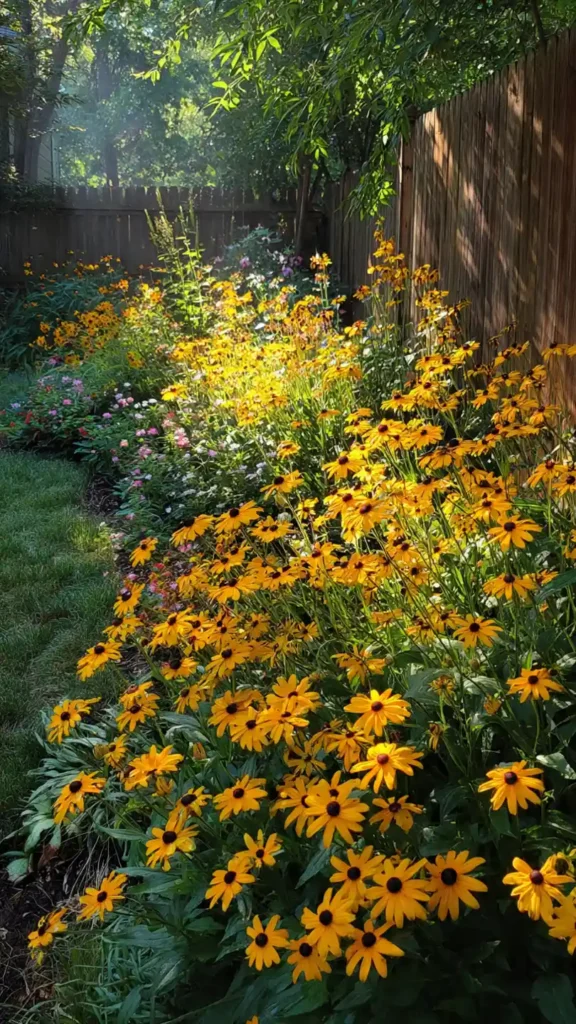
Black-Eyed Susans are bright, cheerful flowers that are almost effortless to grow. Once planted, they spread over time and keep coming back with very little input.
Their bold yellow petals make them stand out, especially in simple or natural-style gardens. They’re great if you want something reliable that fills space quickly.
For beginners who don’t want to fuss over plants, this is one of the easiest long-term options.
Why they’re great:
- Very low maintenance
- Long blooming season
- Hardy and reliable
- Spreads naturally
14. Sweet Peas
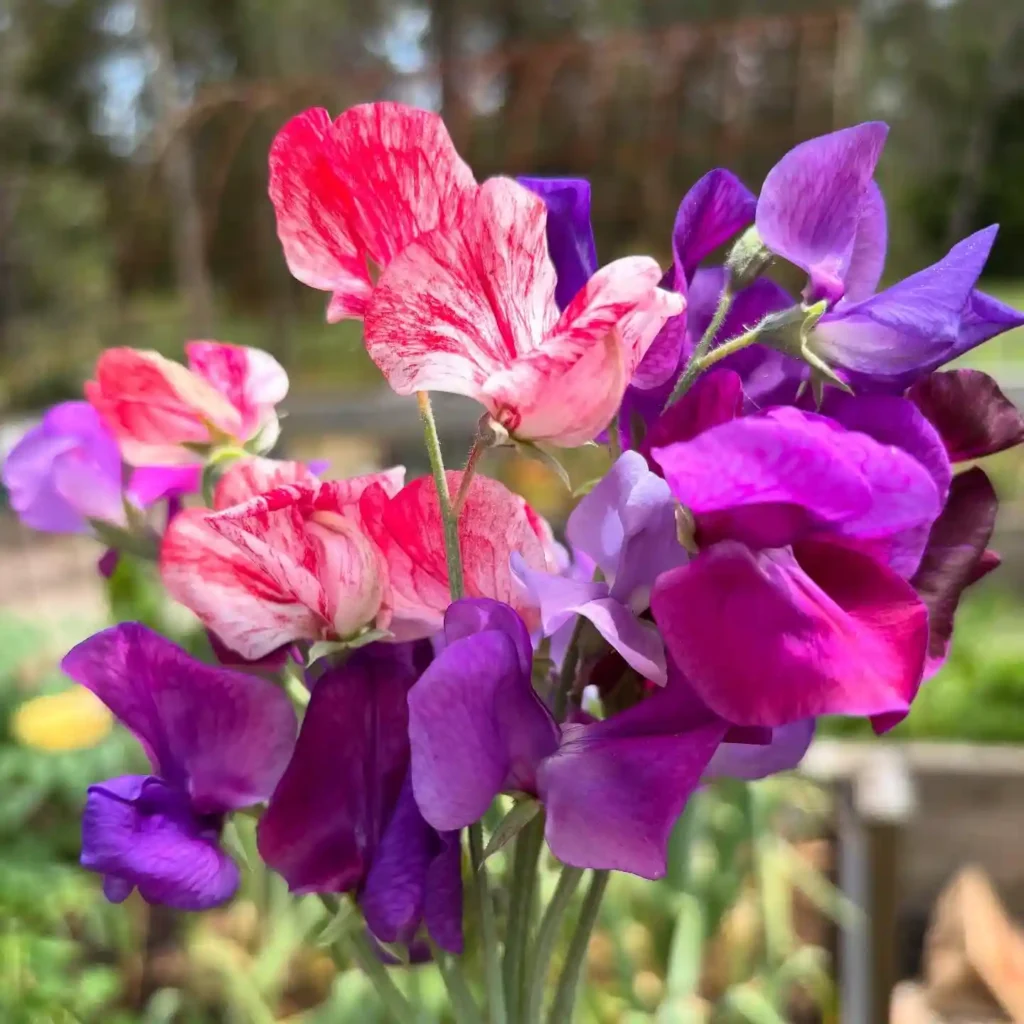
Sweet peas are loved for their soft colors and strong fragrance. They grow as climbing vines, so they’re perfect for fences, railings, or small trellises.
They do need a bit of support, but beyond that, they’re easy to manage and grow fairly quickly. The flowers feel light and delicate, which adds a softer touch to your space.
If you want both beauty and fragrance without too much effort, sweet peas are a great pick.
Why they’re great:
- Beautiful fragrance
- Climbing growth
- Soft, romantic look
- Easy to grow
15. Morning Glory
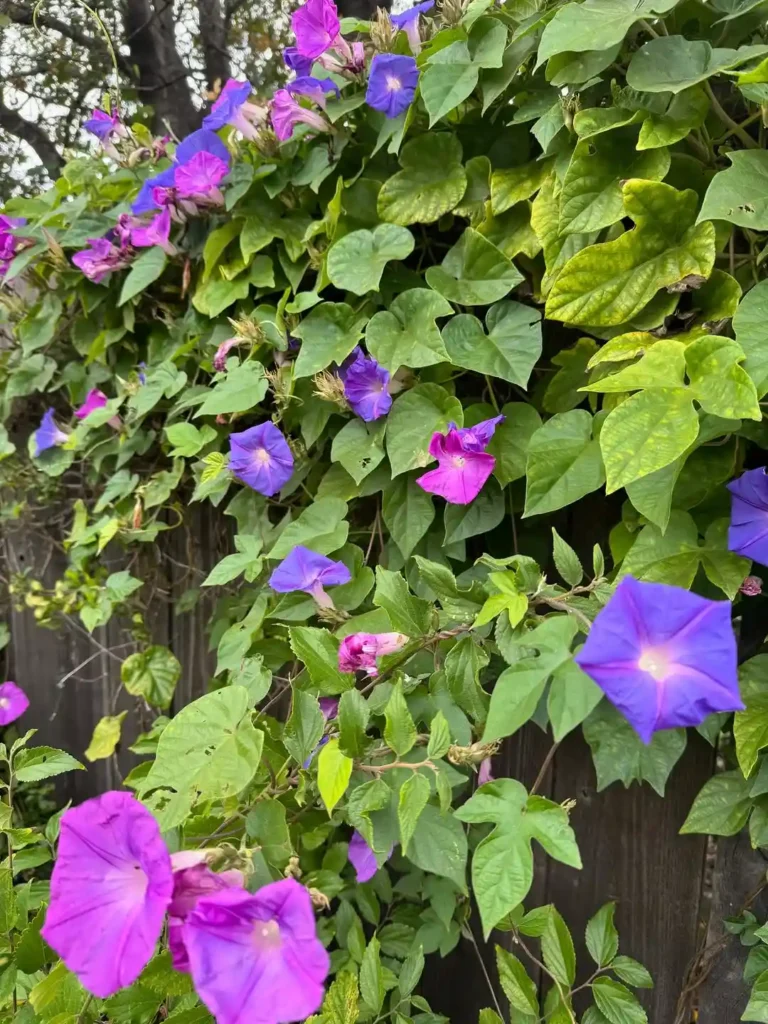
Morning glories are fast-growing vines that can cover a fence or wall in a short time. They bloom fresh flowers every morning, which keeps your garden feeling active and changing.
They grow easily from seeds and don’t need much care once established. Just give them sunlight and something to climb on.
If you want quick coverage and visible growth, morning glories are a really satisfying choice.
Why they’re great:
- Fast-growing vines
- Daily blooming
- Easy from seed
- Great for coverage
16. Lavender
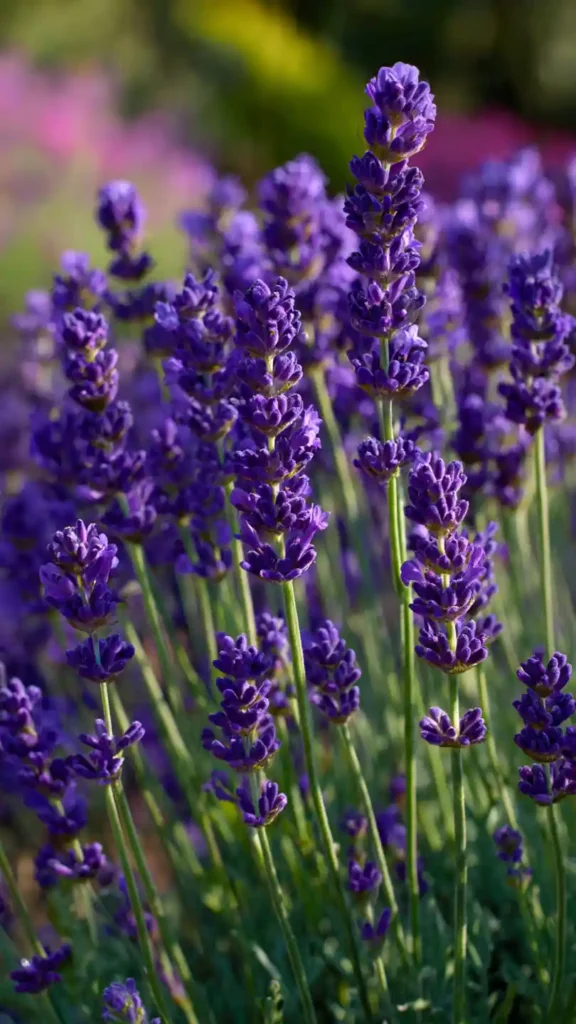
Lavender is a favorite for a reason. It looks clean, smells amazing, and doesn’t need much water once it settles in.
It grows best in sunny spots and well-drained soil, and once established, it becomes very low maintenance. It also adds a calm, relaxing feel to your space.
If you want something useful, beautiful, and easy to manage, lavender is always a solid option.
Why they’re great:
- Drought-tolerant
- Relaxing fragrance
- Low maintenance
- Great for small spaces
17. Begonias
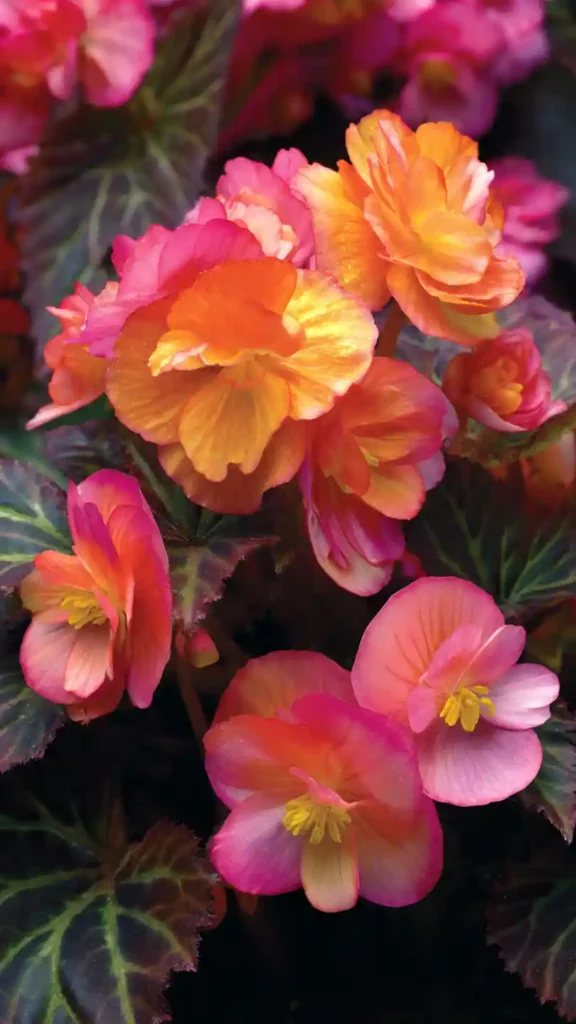
Begonias are perfect for shaded areas where many flowers struggle. They grow well indoors and outdoors, making them very flexible for beginners.
Their mix of decorative leaves and soft blooms adds texture and color without needing constant care. Just keep the soil slightly moist, and they’ll stay happy.
If you’re working with low light, begonias are one of the easiest ways to still get a full look.
Why they’re great:
- Shade-loving
- Works indoors
- Decorative foliage
- Easy care
18. Gaillardia (Blanket Flower)
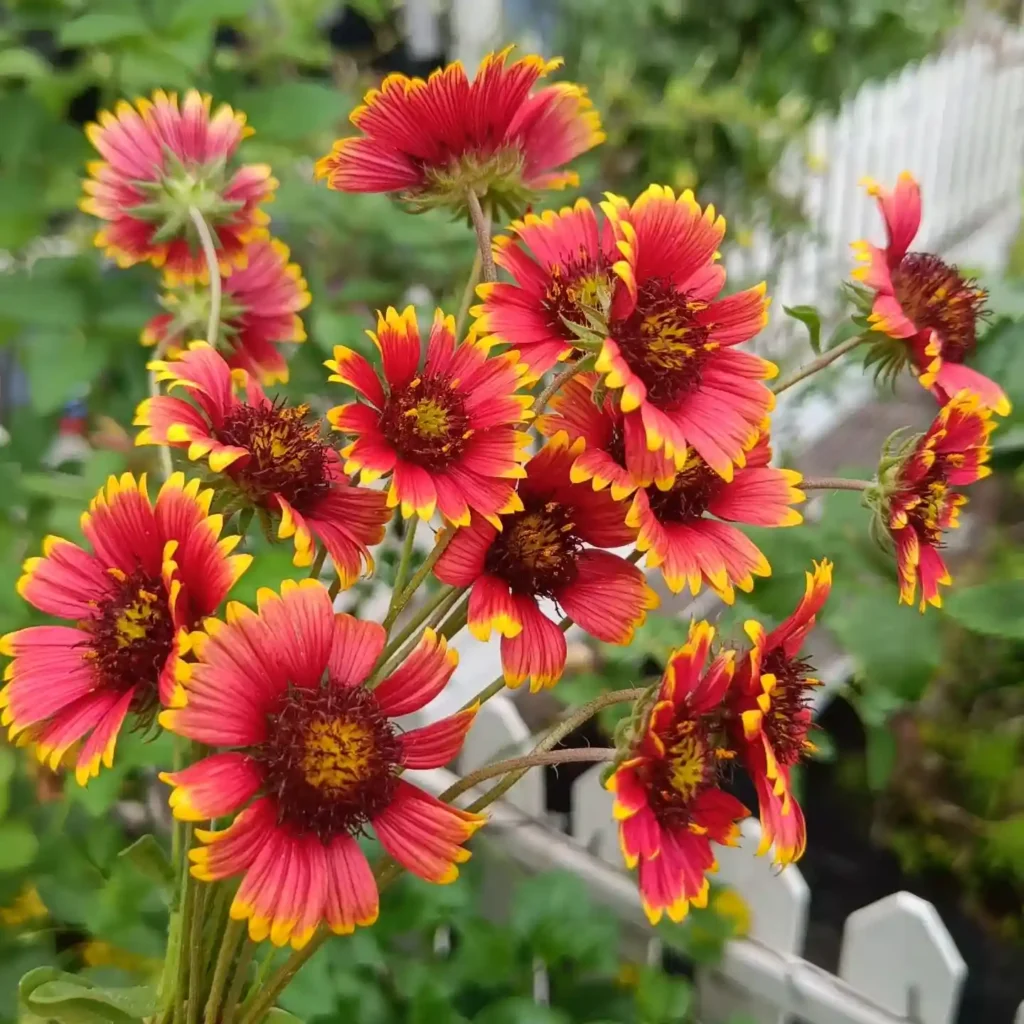
Gaillardia brings warm, bold colors like red, orange, and yellow into your garden. It thrives in hot, sunny conditions and keeps blooming for a long time.
It doesn’t need rich soil or constant watering, which makes it perfect for beginners who want color without extra effort.
If your space gets a lot of sun, this is one of those flowers that will keep performing without complaints.
Why they’re great:
- Heat-resistant
- Long bloom time
- Bright colors
- Low maintenance
19. Dianthus
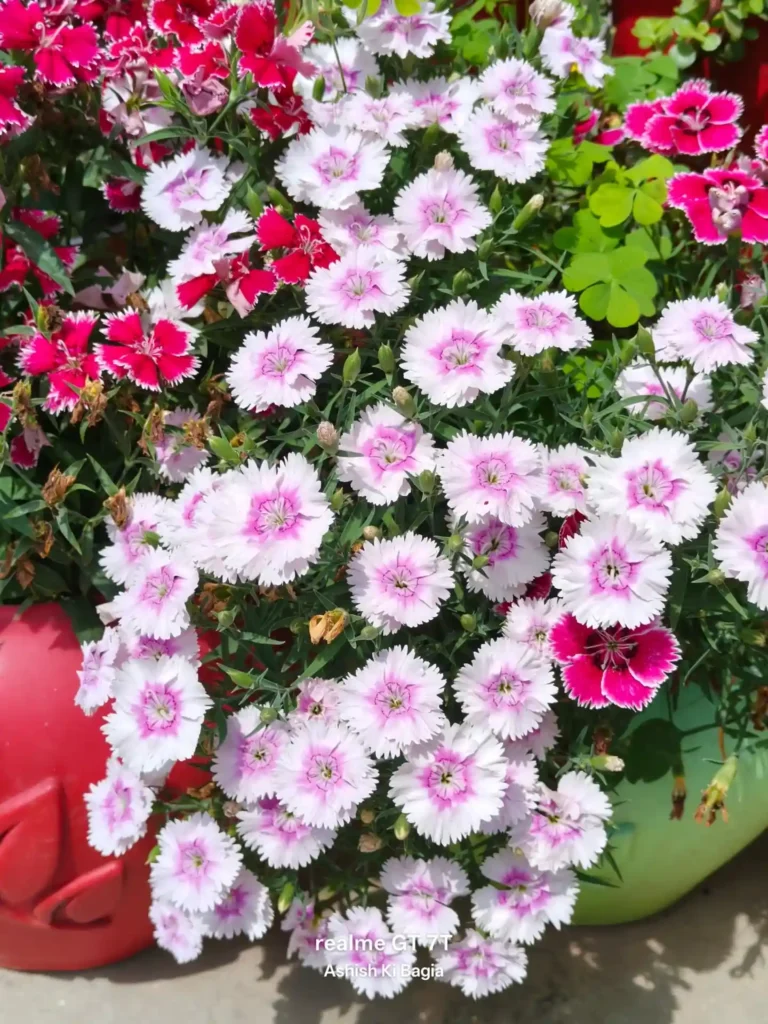
Dianthus is a compact flower that works really well in borders, small beds, or containers. It has a soft clove-like scent that adds a nice detail without being overpowering.
The plants stay neat and don’t spread aggressively, so they’re easy to manage even in small spaces.
If you want something simple, tidy, and lightly fragrant, dianthus fits perfectly.
Why they’re great:
- Light fragrance
- Compact size
- Great for edging
- Easy to maintain
20. Portulaca (Moss Rose)
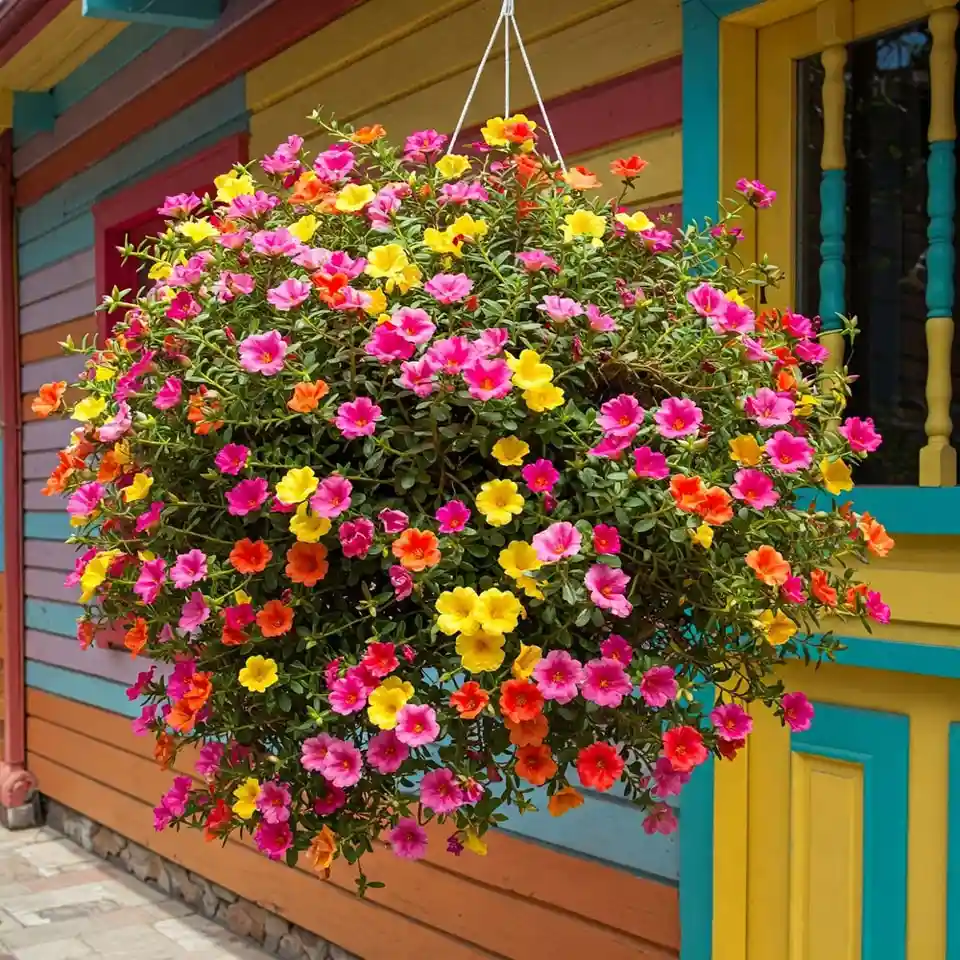
Portulaca is one of the best flowers for hot, dry conditions. It grows low to the ground and spreads out, creating a bright, colorful layer.
It thrives where many other plants struggle, especially in full sun and sandy soil. You don’t need to water it often, which makes it very beginner-friendly.
If you want a low-effort flower for tough spots, portulaca is hard to beat.
Why they’re great:
- Heat and drought-resistant
- Low-growing spread
- Bright, bold blooms
- Very low care
FAQs
What is the easiest flower to grow for beginners?
Marigolds, zinnias, and sunflowers are the easiest to start with. They grow quickly, don’t need perfect conditions, and still bloom well even if you make small mistakes.
If you want fast results without stress, these three are honestly the safest starting point.
Can I grow these flowers in pots or a balcony?
Yes, many beginner flowers grow perfectly in pots. Petunias, geraniums, begonias, and impatiens are especially good for containers.
Just make sure your pots have drainage holes and get the right amount of sunlight based on the plant. Even a small balcony can look full with the right mix.
How often should I water beginner flowers?
Most beginner flowers need watering about 2–3 times a week, but it depends on weather and soil.
A simple rule is to check the top inch of soil. If it feels dry, water it. Overwatering is actually a bigger mistake than underwatering for beginners.
Do I need fertilizer for these flowers?
You don’t always need fertilizer, especially for flowers like cosmos or nasturtiums that grow well in poor soil.
But if you want more blooms, a light liquid fertilizer every 2–3 weeks can help. Just don’t overdo it, or you’ll get more leaves than flowers.
Which flowers grow best in shade?
Impatiens and begonias are the best options for low-light areas. They still produce bright flowers even without direct sunlight.
If your space doesn’t get much sun, these two will give you the most reliable results.
How long does it take for flowers to bloom?
Fast-growing flowers like zinnias, marigolds, and sunflowers can start blooming in 6–8 weeks from seed.
Some others may take a bit longer, but most beginner-friendly flowers are chosen because they don’t make you wait too long.
Can I grow flowers from seeds as a beginner?
Yes, and it’s actually one of the easiest and cheapest ways to start. Flowers like zinnias, cosmos, and sunflowers grow very easily from seeds.
Just plant them in soil, keep it slightly moist, and give them sunlight. They’ll do most of the work on their own.
What is the biggest mistake beginners make?
The biggest mistake is overwatering and trying to do too much at once. Many beginners plant too many varieties and then struggle to manage them.
Start small with 2–3 easy flowers, learn how they grow, and then expand. That’s how you actually stick with gardening.
Do these flowers come back every year?
Some do, some don’t. Flowers like coneflowers and black-eyed Susans are perennials, so they come back yearly. Others like marigolds and zinnias are annuals, which means you replant them each season. A mix of both works best.
Which flowers bloom the longest?
Petunias, zinnias, marigolds, and portulaca are known for long blooming seasons. They keep producing flowers for months if you take basic care.
If you want a garden that stays colorful for a long time, these are your best picks.