30 Perennial Flower Plants For Your Garden
If you’re planning a garden that comes back year after year, these perennial flower plants are some of the best you can grow. They offer reliable blooms, gorgeous foliage, and less work over time.
I’ve arranged them starting with the most visually striking, statement-making plants first, then moving into versatile fillers and ground covers.
Each one adds something special color, height, texture, or pollinator appeal so you can mix and match for a layered, full-looking garden.
1. Peonies
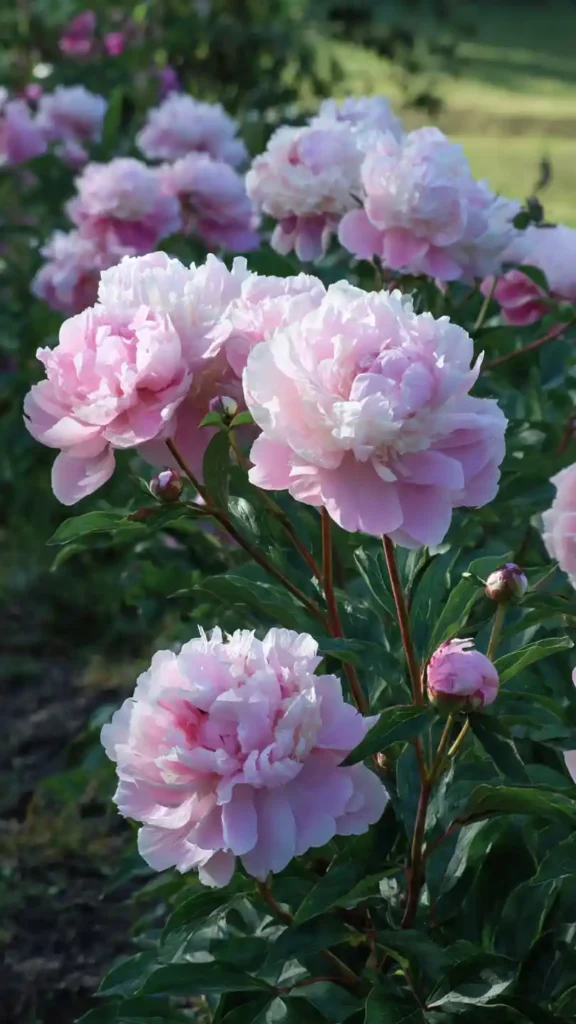
What the plant is: Large, romantic blooms in soft pinks, whites, or deep rose tones with lush, layered petals.
Where it grows: Front yard beds, cottage gardens, and mixed borders.
Light needs: Full sun to partial sun.
Bloom season: Late spring.
Why you’ll love it: Show-stopping flowers with a soft fragrance that feel luxurious and timeless.
Peonies are the kind of perennial that instantly makes a garden feel established. The blooms are huge and fluffy, almost like living bouquets on sturdy stems. Even after flowering, the glossy green foliage keeps beds looking neat. Plant them where they can stay undisturbed — they’ll reward you for decades.
2. Delphinium
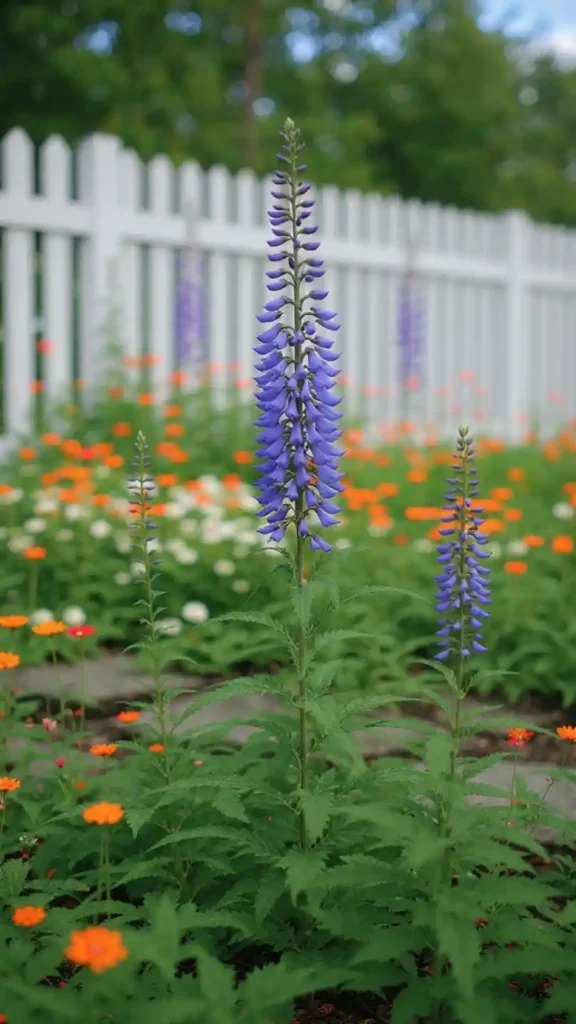
What the plant is: Tall dramatic flower spikes in blue, purple, pink, or white.
Where it grows: Back of flower beds and formal borders.
Light needs: Full sun.
Bloom season: Summer.
Why you’ll love it: Adds height and vertical drama to any layout.
Delphiniums bring instant elegance. Their towering spires rise above other plants, making them perfect for layered garden designs. I love placing them behind shorter perennials so their color stands out. They look especially beautiful paired with roses or cottage-style blooms.
For more Garden ideas:-
3. Japanese Iris
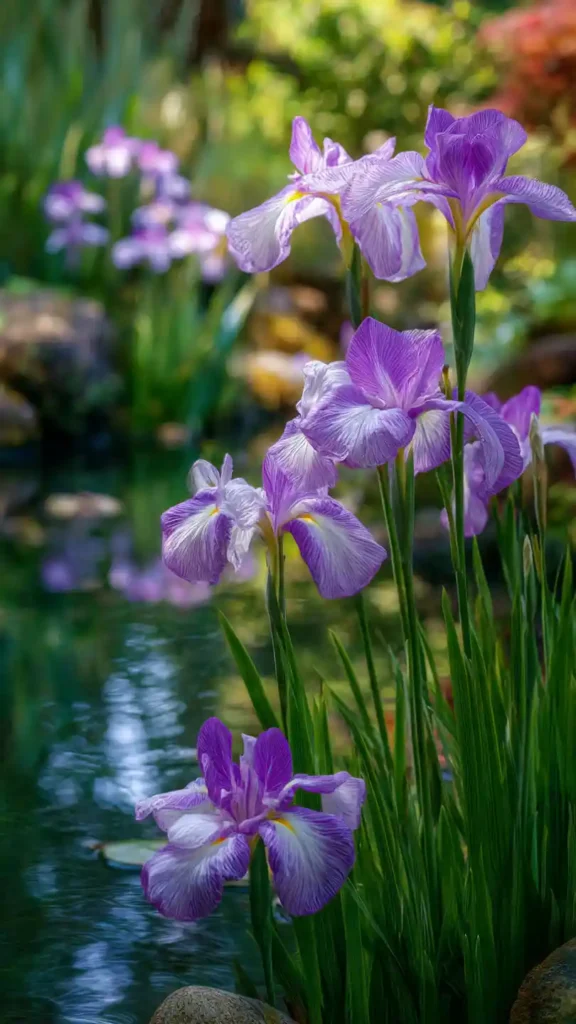
What the plant is: Large, elegant blooms with wide, dramatic petals.
Where it grows: Moist beds or near water features.
Light needs: Full sun to partial shade.
Bloom season: Late spring to early summer.
Why you’ll love it: Striking flowers that feel almost tropical.
Japanese iris creates a bold focal point, especially when planted near ponds or along damp borders. The blooms have a graceful, flowing shape that looks stunning in reflection by water. They’re perfect if you want something refined but still natural.
4. Foxglove
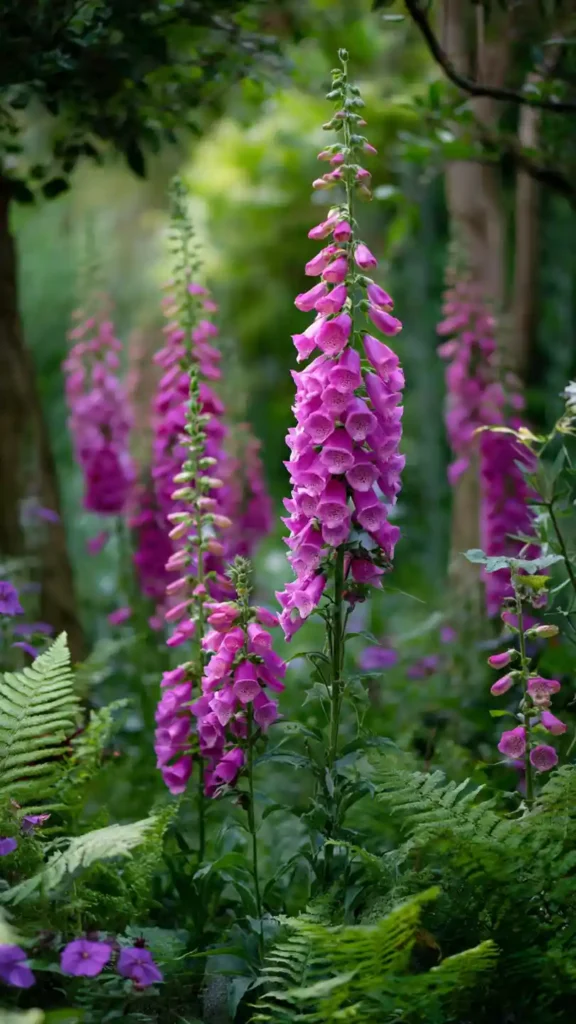
What the plant is: Tall tubular flowers arranged along vertical stems.
Where it grows: Cottage-style and woodland gardens.
Light needs: Partial shade to full sun.
Bloom season: Late spring to early summer.
Why you’ll love it: Elegant height with classic cottage charm.
Foxglove feels straight out of an English garden. The tall spires covered in bell-shaped blooms create soft vertical lines. They’re especially pretty tucked among shrubs or along fences where they can peek through greenery.
5. Lupine
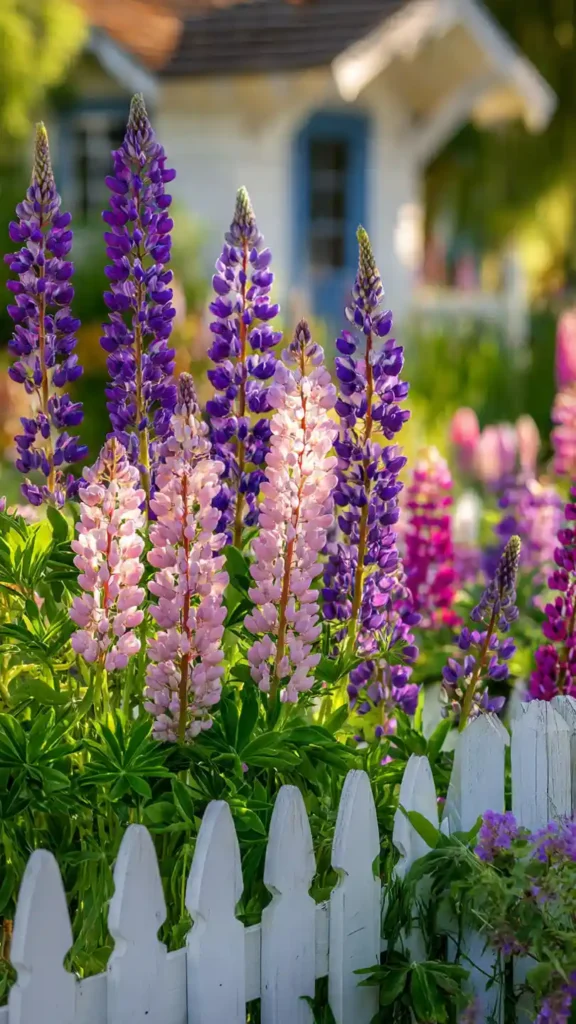
What the plant is: Tall spiky blooms in purple, pink, or blue tones.
Where it grows: Cottage gardens and back-of-border plantings.
Light needs: Full sun to partial sun.
Bloom season: Late spring to early summer.
Why you’ll love it: Bold color and vertical texture.
Lupines add strong architectural lines to your beds. The clustered flowers along tall stems create a rich block of color. They look beautiful grouped together for a meadow-style effect.
Read also: 20 Flower Bed Ideas in Front of House
6. Lavender
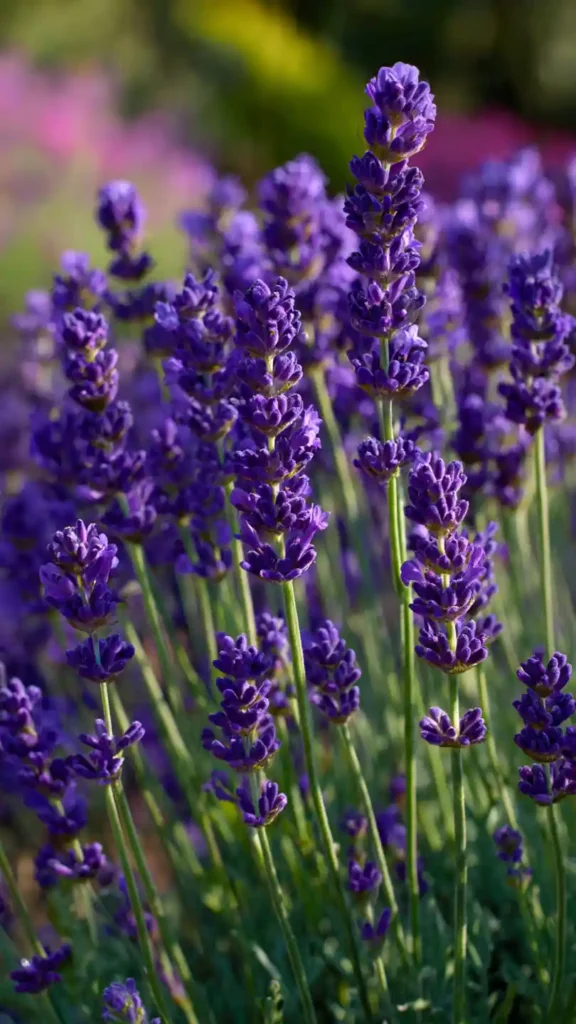
What the plant is: A fragrant perennial with purple flower spikes and silvery foliage.
Where it grows: Garden borders, walkways, and sunny beds.
Light needs: Full sun.
Bloom season: Late spring to summer.
Why you’ll love it: Low maintenance, drought-tolerant, and wonderfully scented.
Lavender is one of my favorite perennial flower plants for sunny spots. The scent alone makes it worth growing, and the soft purple tones pair beautifully with stone paths or white fencing.
7. Russian Sage
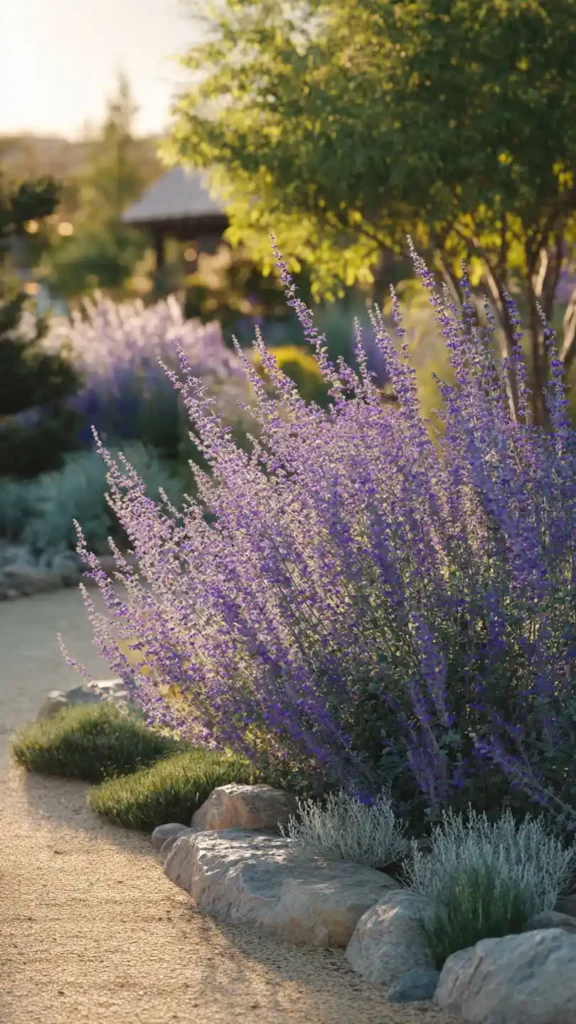
What the plant is: Tall airy purple flower spikes with silvery stems.
Where it grows: Modern landscapes and sunny borders.
Light needs: Full sun.
Bloom season: Summer to fall.
Why you’ll love it: Thrives in heat and low water conditions.
Russian sage creates a soft haze of purple that moves beautifully in the breeze. It’s perfect for adding a relaxed, modern look to wide garden beds.
8. Coneflower (Echinacea)
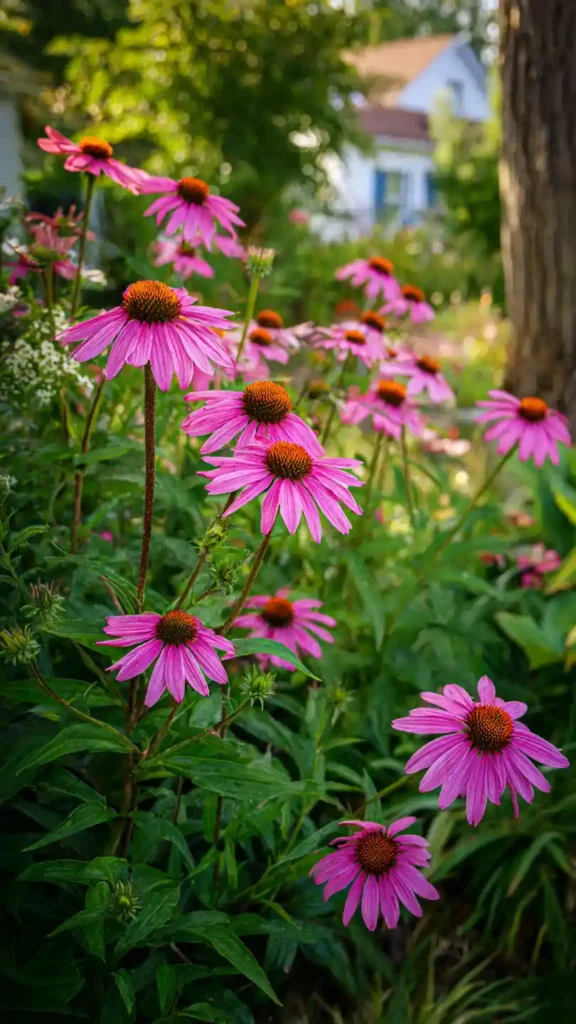
What the plant is: Daisy-like flowers with raised centers.
Where it grows: Backyard flower beds and pollinator gardens.
Light needs: Full sun.
Bloom season: Summer to early fall.
Why you’ll love it: Long blooming and butterfly friendly.
Coneflowers are sturdy and reliable. Their bold centers and colorful petals keep gardens lively through summer heat.
9. Black-Eyed Susan
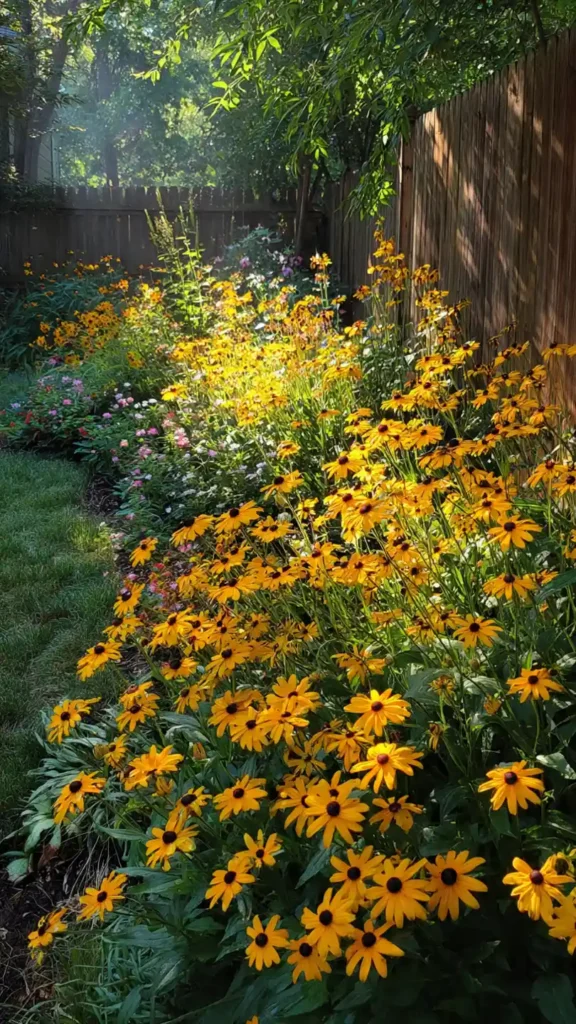
What the plant is: Bright yellow flowers with dark centers.
Where it grows: Borders and natural-style gardens.
Light needs: Full sun.
Bloom season: Summer.
Why you’ll love it: Cheerful color that’s easy to grow.
These golden blooms light up any bed. They’re perfect for filling larger spaces quickly and pair beautifully with purple perennials.
10. Shasta Daisy
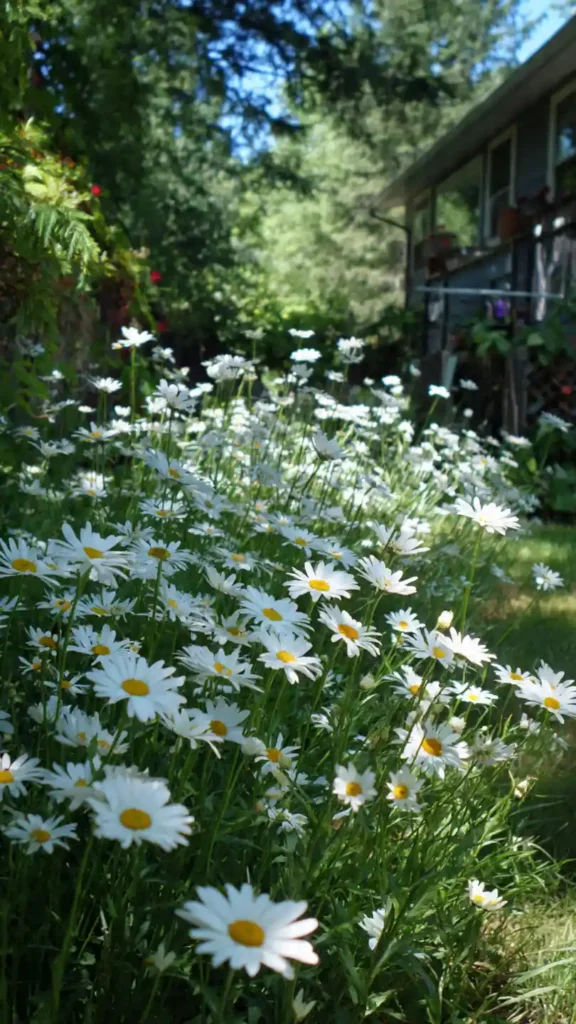
What the plant is: A classic white daisy with crisp petals and a bright yellow center.
Where it grows: Cottage gardens, traditional borders, and sunny backyard beds.
Light needs: Full sun.
Bloom season: Summer.
Why you’ll love it: Clean, timeless blooms that brighten any space.
Shasta daisies bring a fresh, simple charm that never goes out of style. The white petals almost glow in sunlight, making them perfect for brightening mixed flower beds. I love planting them in clusters so they create a soft wave of white through the garden. They’re sturdy, reliable, and pair beautifully with purple or blue perennials for a classic summer look.
11. Daylilies
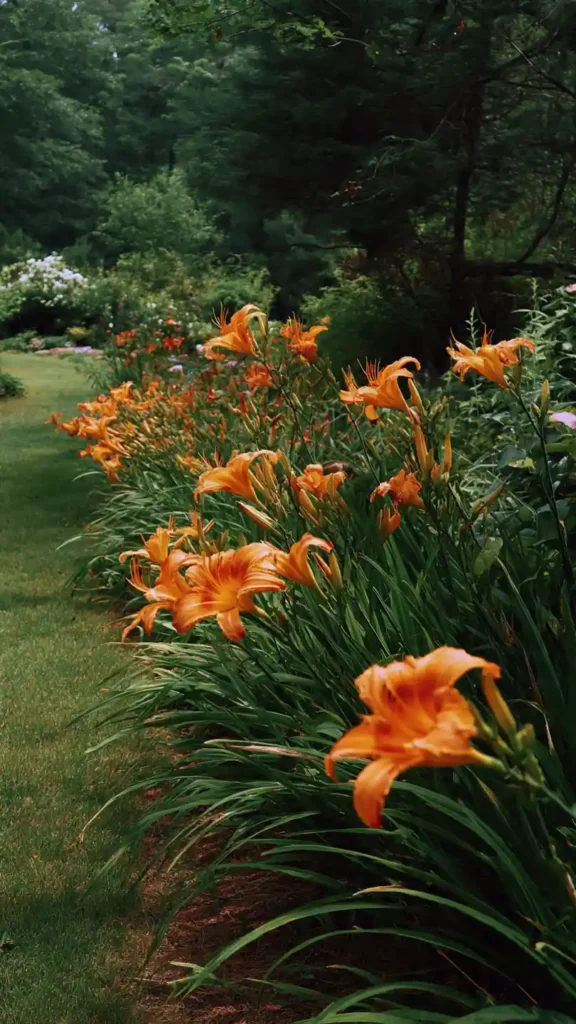
What the plant is: Hardy flowering perennial with trumpet-shaped blooms in shades of orange, yellow, red, or pink.
Where it grows: Borders, driveway edges, and mass plantings in sunny beds.
Light needs: Full sun.
Bloom season: Summer.
Why you’ll love it: Extremely low maintenance and reliable year after year.
Daylilies are one of the easiest perennial flower plants to grow. Each bloom lasts just a day, but the plant produces plenty of buds so you’ll enjoy continuous color for weeks. I love using them along fences or walkways because they quickly fill space and soften hard edges.
12. Blanket Flower (Gaillardia)
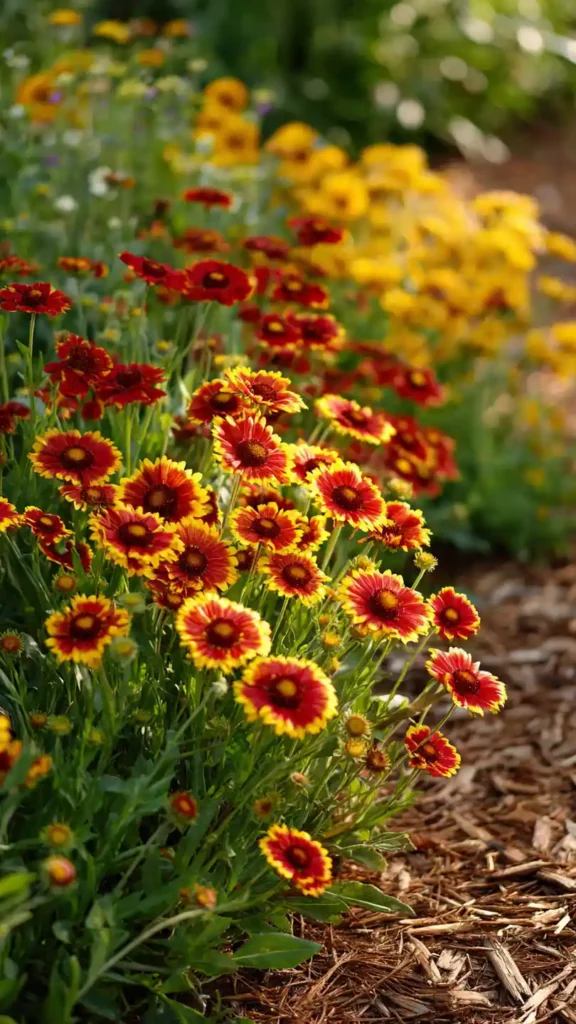
What the plant is: A vibrant perennial with red and yellow daisy-like blooms.
Where it grows: Sunny borders, rock gardens, and dry areas.
Light needs: Full sun.
Bloom season: Summer to early fall.
Why you’ll love it: Heat tolerant and long blooming.
Blanket flowers bring warm sunset tones into the garden. Their bold red centers fading into golden edges create constant color through hot months. They’re perfect if your soil is sandy or dry, since they handle tough spots better than many other perennials.
13. Salvia
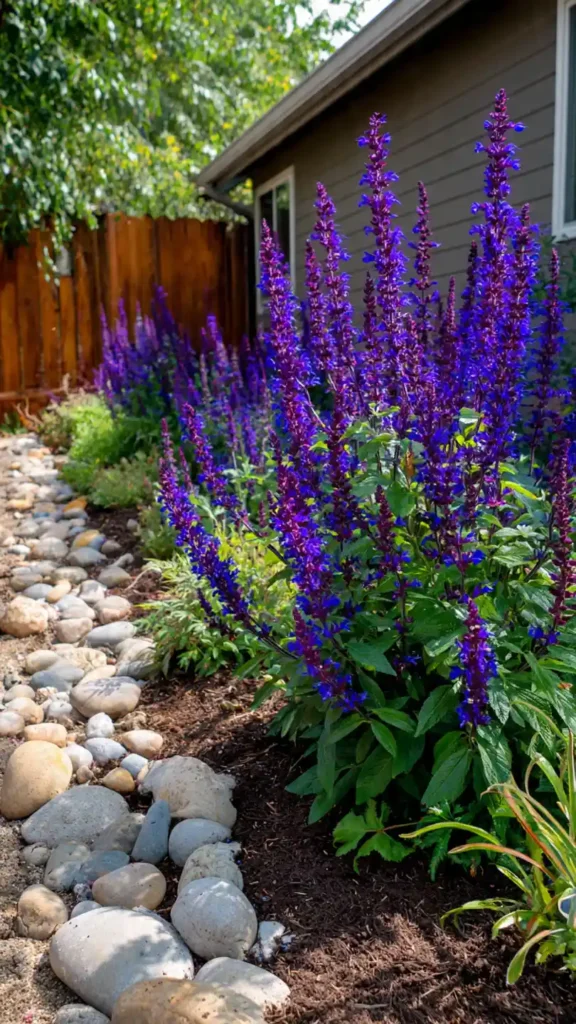
What the plant is: Upright perennial with slender purple or blue flower spikes.
Where it grows: Modern garden beds and mixed borders.
Light needs: Full sun.
Bloom season: Late spring to summer.
Why you’ll love it: Long-lasting color and pollinator friendly.
Salvia adds structure without feeling heavy. The tall spikes create clean lines that work beautifully in both cottage and contemporary gardens. I often pair it with yellow blooms for contrast — the deep blue-purple tones really pop in bright sunlight.
14. Anemone
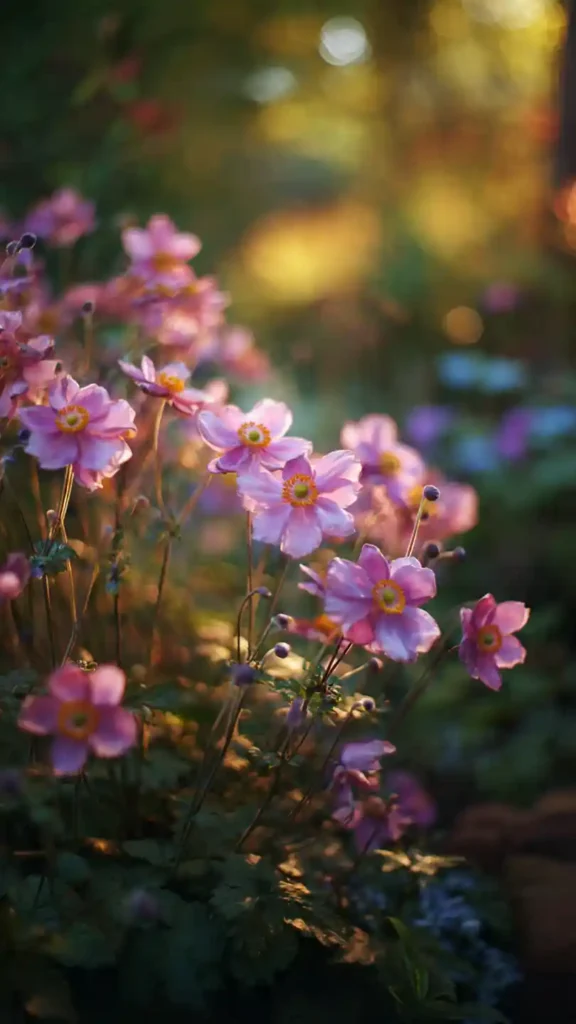
What the plant is: Elegant perennial with open-faced blooms and delicate petals.
Where it grows: Partial shade beds and woodland-style gardens.
Light needs: Partial shade.
Bloom season: Late summer to fall.
Why you’ll love it: Brings fresh color when most plants slow down.
Anemones are perfect for extending the season. Just when summer flowers begin fading, these airy blooms rise above the foliage and brighten shaded corners. They feel soft and refined, especially in pink or white varieties.
15. Veronica (Speedwell)
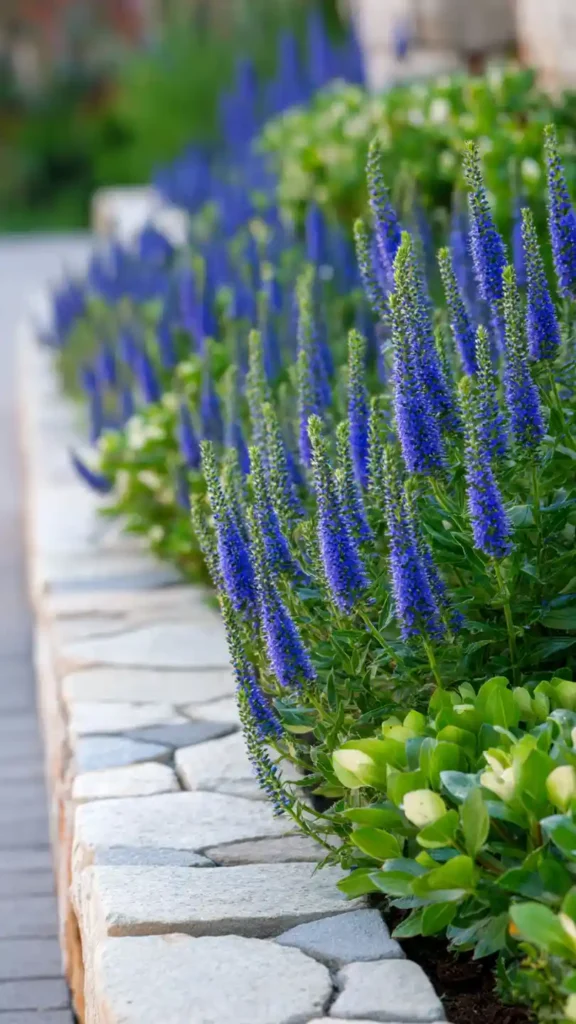
What the plant is: Compact perennial with upright spikes of blue, purple, or pink flowers.
Where it grows: Front borders and neat mixed beds.
Light needs: Full sun.
Bloom season: Early to mid-summer.
Why you’ll love it: Tidy growth and dependable blooms.
Veronica keeps garden beds looking structured. Its compact size makes it perfect for edging or planting in groups for a clean look. The flower spikes rise just above the foliage, adding texture without overwhelming nearby plants.
16. Phlox
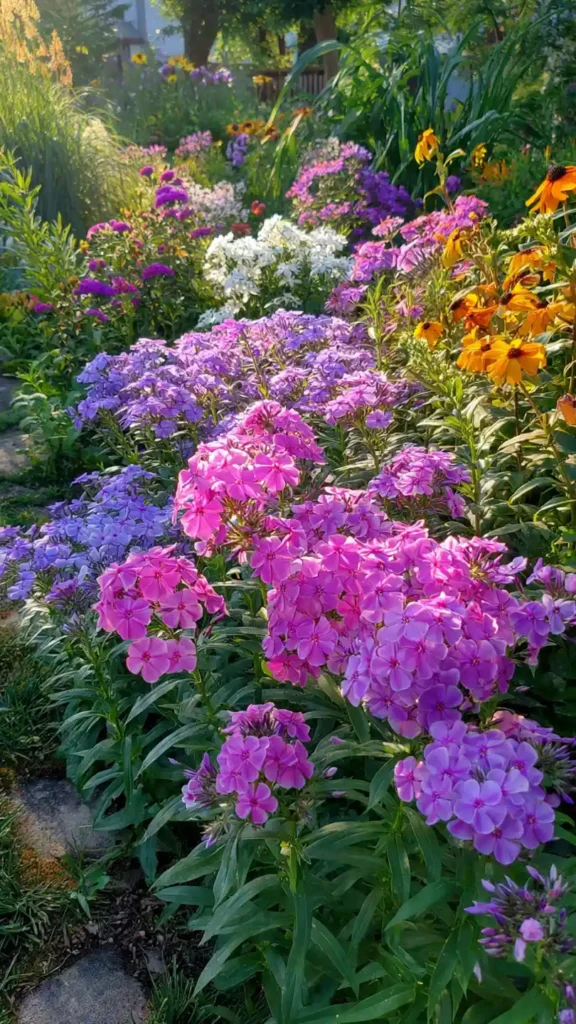
What the plant is: Clusters of small colorful blooms forming dense mounds.
Where it grows: Borders and cottage gardens.
Light needs: Full sun to partial sun.
Bloom season: Summer.
Why you’ll love it: Excellent for filling gaps with bold color.
Phlox creates thick blankets of blooms that make beds look full and lively. I love planting it near patios where you can enjoy its light fragrance. It blends beautifully with roses, daisies, or lavender.
17. Astilbe
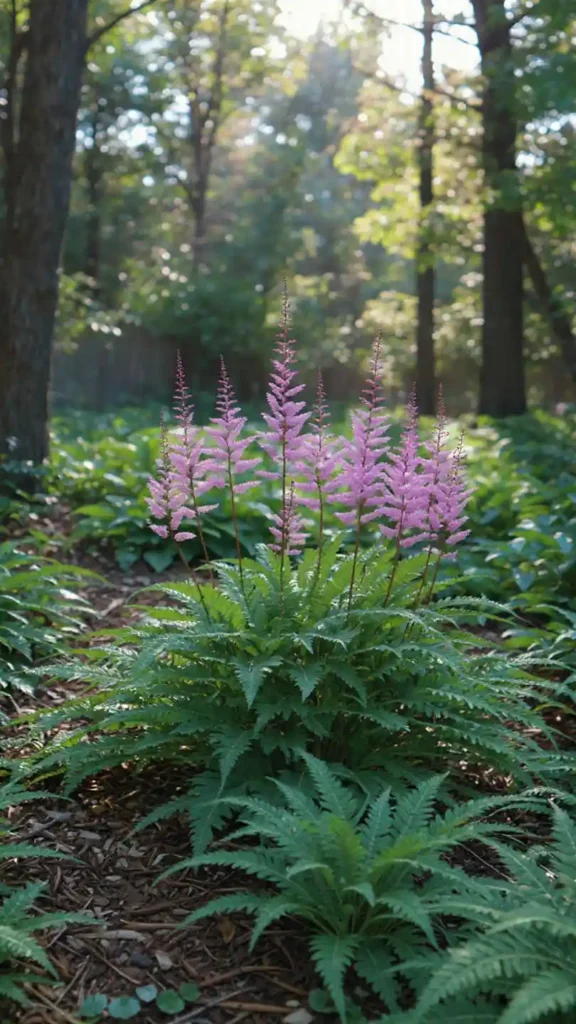
What the plant is: Feathery plume flowers rising above fern-like foliage.
Where it grows: Shaded or partially shaded gardens.
Light needs: Partial shade.
Bloom season: Late spring to summer.
Why you’ll love it: Adds texture and softness to shade.
Astilbe is a lifesaver for darker corners. The fluffy plumes in pink, white, or red create height and texture without needing full sun. It pairs beautifully with hostas and ferns.
18. Hellebores
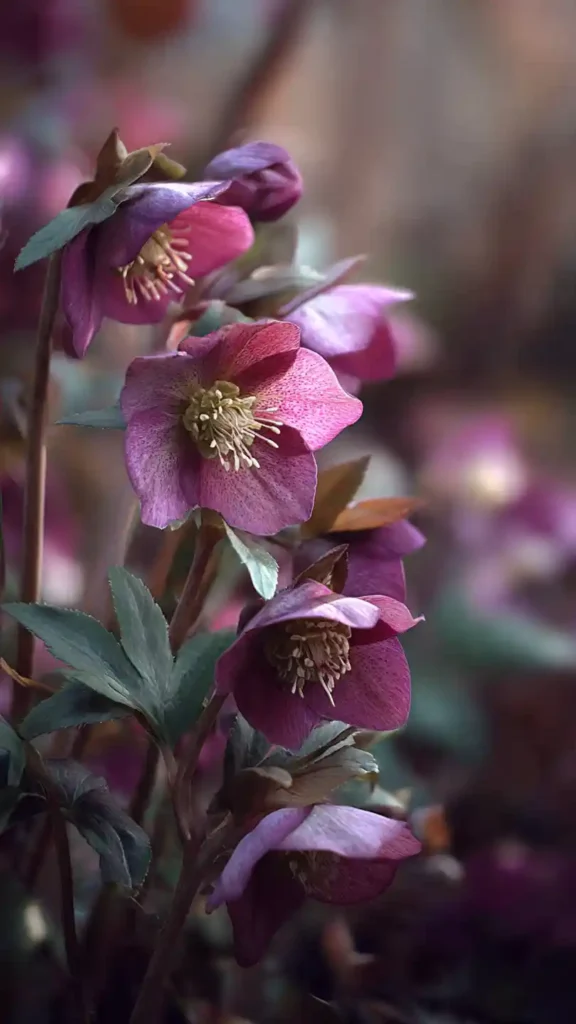
What the plant is: Early blooming perennial with nodding cup-shaped flowers.
Where it grows: Shaded garden areas under trees.
Light needs: Partial shade.
loom season: Late winter to early spring.
Why you’ll love it: Blooms when little else does.
Hellebores bring life back into the garden after winter. Their subtle, muted tones feel calm and elegant. Once planted, they require very little attention and return every year.
19. Bleeding Heart
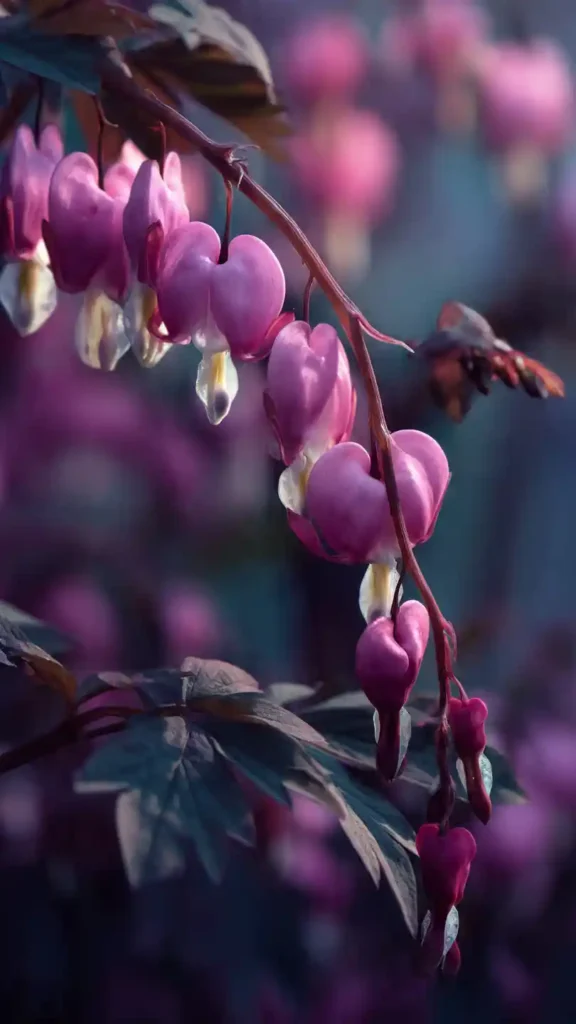
What the plant is: Unique heart-shaped pink flowers hanging from arching stems.
Where it grows: Shaded garden beds.
Light needs: Partial shade.
Bloom season: Spring.
Why you’ll love it: Romantic spring detail.
Bleeding heart adds delicate charm to woodland spaces. The soft pink hearts dangle gracefully above lush foliage, creating a gentle, storybook feel.
20. Columbine
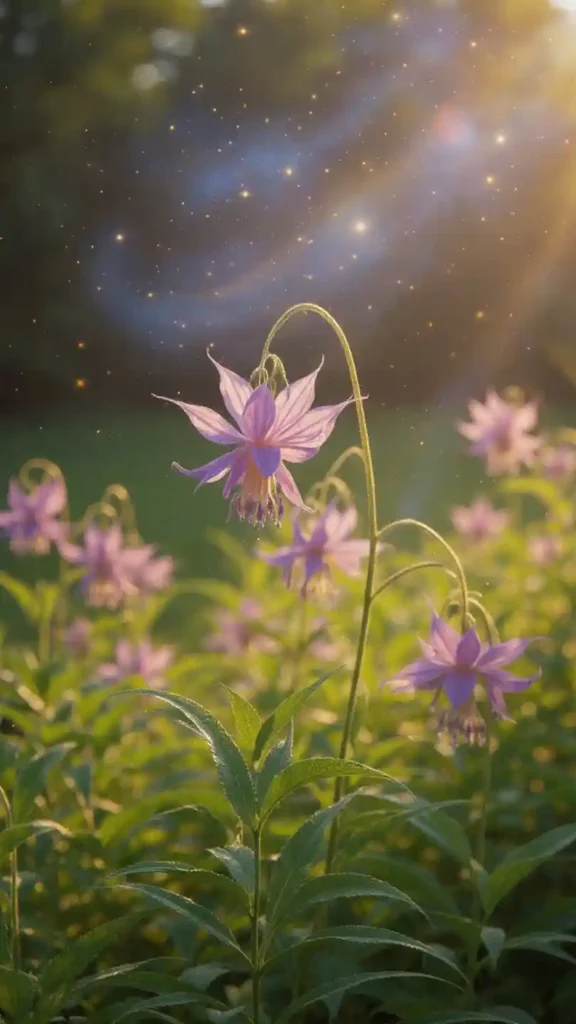
What the plant is: Delicate bell-shaped blooms with spurred petals.
Where it grows: Cottage and woodland gardens.
Light needs: Partial shade.
Bloom season: Spring.
Why you’ll love it: Unique flower shape and soft colors.
Columbine brings a whimsical touch to spring beds. The flowers look almost hand-painted, with contrasting colors and intricate details.
21. Penstemon
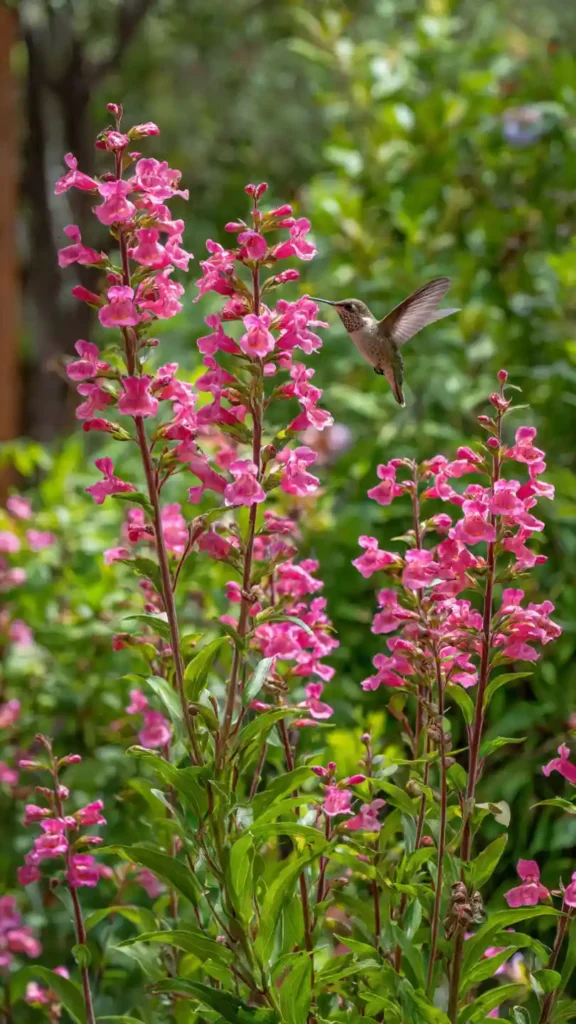
What the plant is: Tubular flowers arranged along upright stems.
Where it grows: Sunny borders and pollinator gardens.
Light needs: Full sun.
Bloom season: Late spring to summer.
Why you’ll love it: Loved by hummingbirds and bees.
Penstemon creates vertical interest while staying light and airy. It’s ideal for adding color without making beds feel crowded.
22. Bee Balm
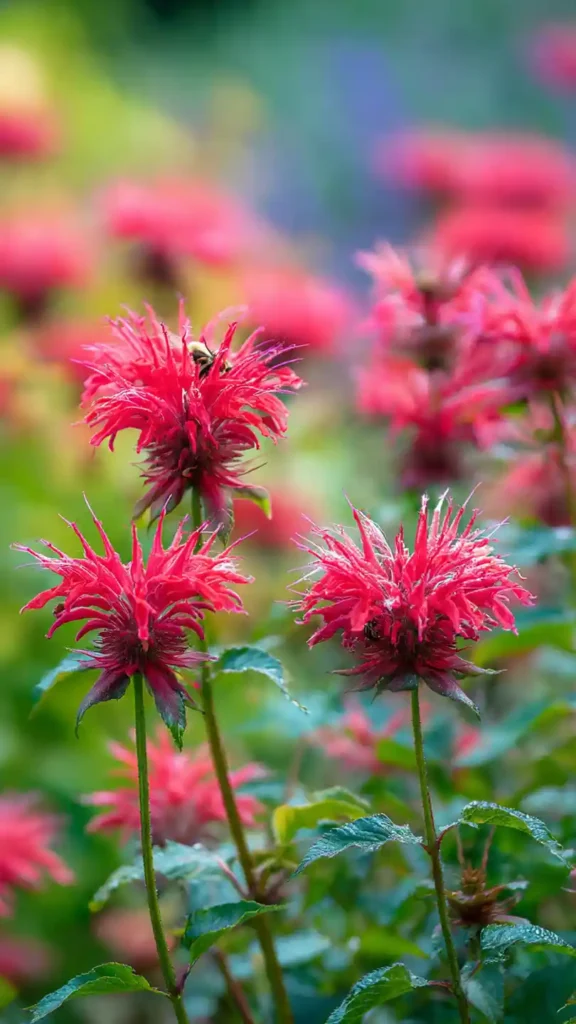
What the plant is: Bright, spiky blooms with bold texture in shades of red, pink, purple, or white.
Where it grows: Pollinator gardens, cottage borders, and sunny backyard beds.
Light needs: Full sun.
Bloom season: Summer.
Why you’ll love it: Draws butterflies, bees, and hummingbirds while adding vibrant color.
Bee balm instantly energizes a garden with its shaggy, firework-like blooms. The flowers sit on upright stems and create a soft but bold focal point in mixed beds. I like planting it in clusters so the color feels fuller and more natural. Beyond its beauty, it’s a favorite for pollinators, so your garden will feel alive all summer long with movement and activity.
23. Yarrow
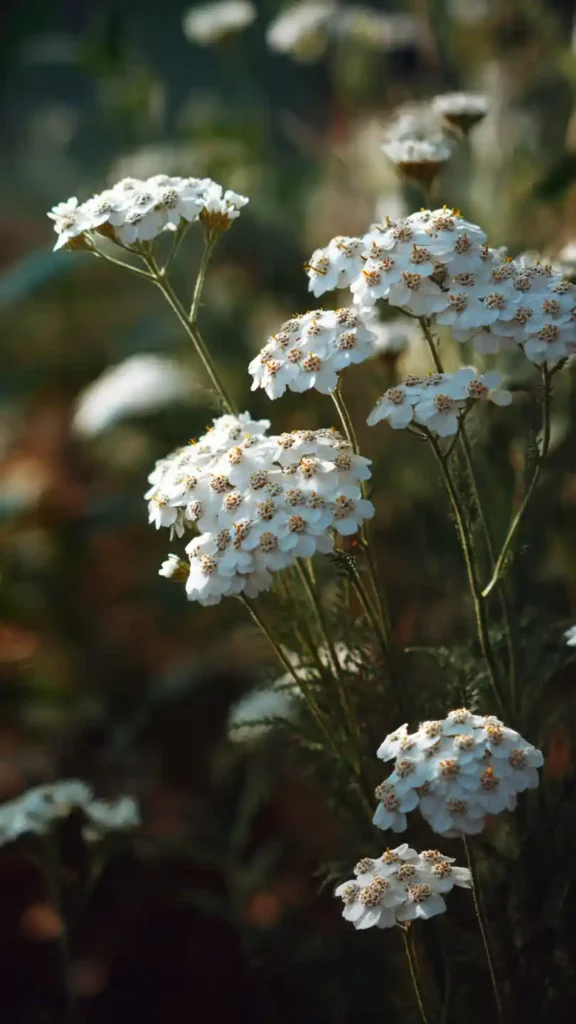
What the plant is: A hardy perennial with flat clusters of tiny flowers and soft, fern-like foliage.
Where it grows: Sunny beds, borders, and natural-style gardens.
Light needs: Full sun.
Bloom season: Summer.
Why you’ll love it: Drought tolerant and easy to grow.
Yarrow brings a soft meadow feel to garden beds. The flat flower heads float above delicate foliage, adding texture without taking over the space. It thrives in dry soil and hot conditions, making it perfect for low-water landscapes. I love pairing it with lavender or salvia for a relaxed, layered look that feels natural but still polished.
24. Coreopsis
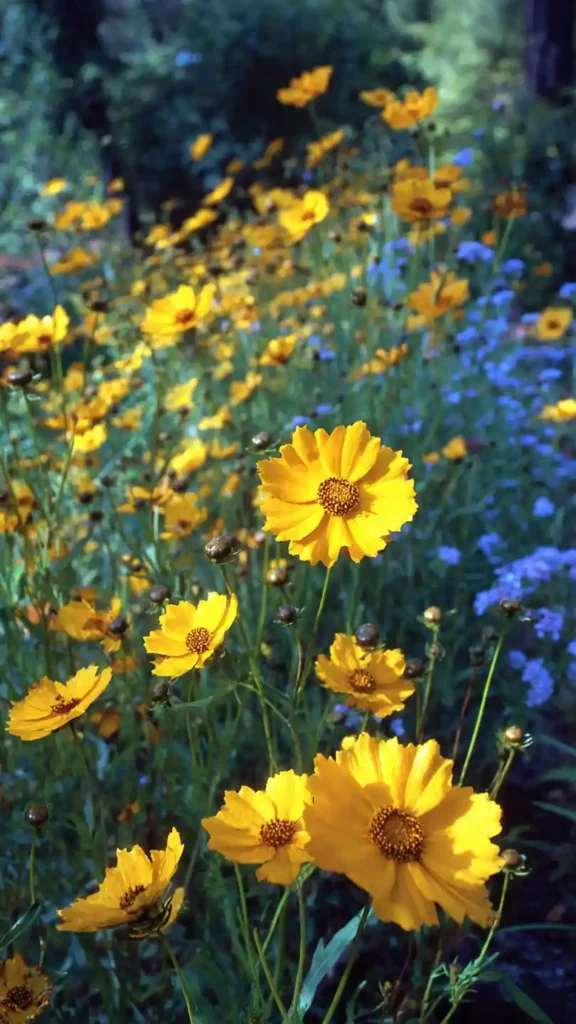
What the plant is: Cheerful daisy-like blooms in bright yellow or warm orange tones.
Where it grows: Sunny borders and open flower beds.
Light needs: Full sun.
Bloom season: Summer.
Why you’ll love it: Long blooming and incredibly vibrant.
Coreopsis keeps the garden glowing through the hottest months. The flowers are light and airy, yet they create strong blocks of color when planted in groups. It’s one of those perennials that looks happy no matter what. I often mix it with purple blooms for contrast the golden tones really stand out in bright sunlight.
25. Balloon Flower
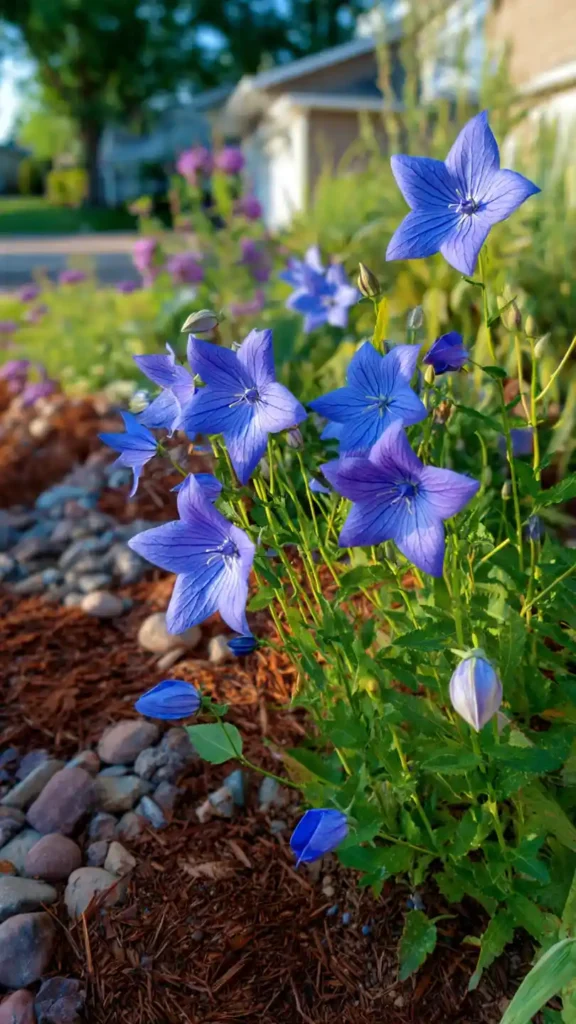
What the plant is: A charming perennial with balloon-shaped buds that open into star-like blooms.
Where it grows: Sunny flower beds and mixed borders.
Light needs: Full sun to partial sun.
Bloom season: Summer.
Why you’ll love it: Unique buds add playful detail before blooming.
Balloon flowers are fun to grow because you can actually watch the buds puff up before they open. Once they bloom, the star-shaped flowers add a soft pop of blue, purple, or white. They stay neat and upright, making them easy to tuck into smaller garden spaces.
26. Sedum
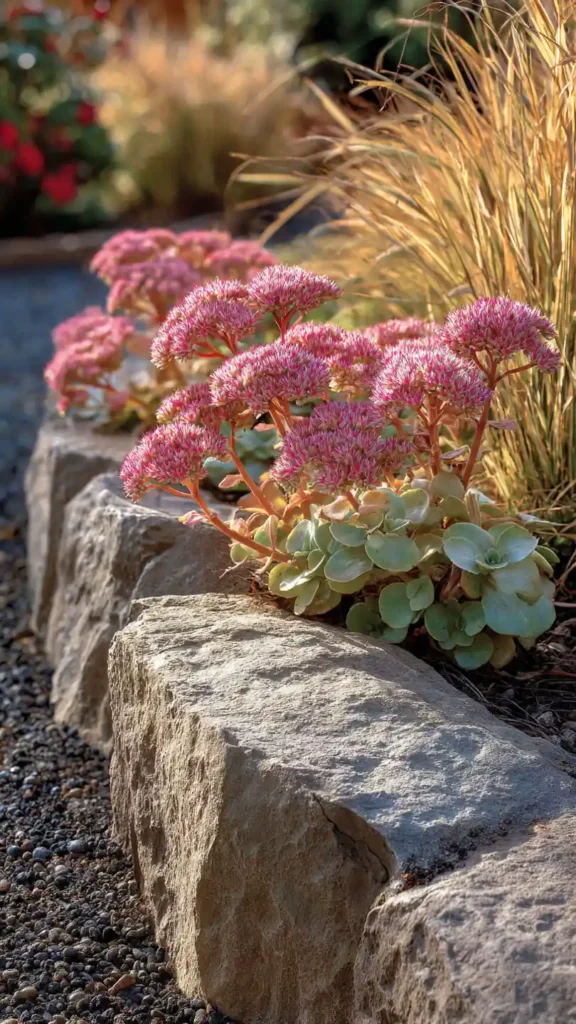
What the plant is: A succulent perennial with thick leaves and clustered late-season blooms.
Where it grows: Rock gardens, borders, and sunny beds.
Light needs: Full sun.
Bloom season: Late summer to fall.
Why you’ll love it: Extremely hardy and low water needs.
Sedum is one of the toughest perennial flower plants you can grow. Its fleshy leaves look structured and tidy all season, then clusters of tiny flowers appear in late summer when many other plants slow down. It’s ideal for edging pathways or filling rocky spots where other plants struggle.
27. Geranium (Hardy Perennial)
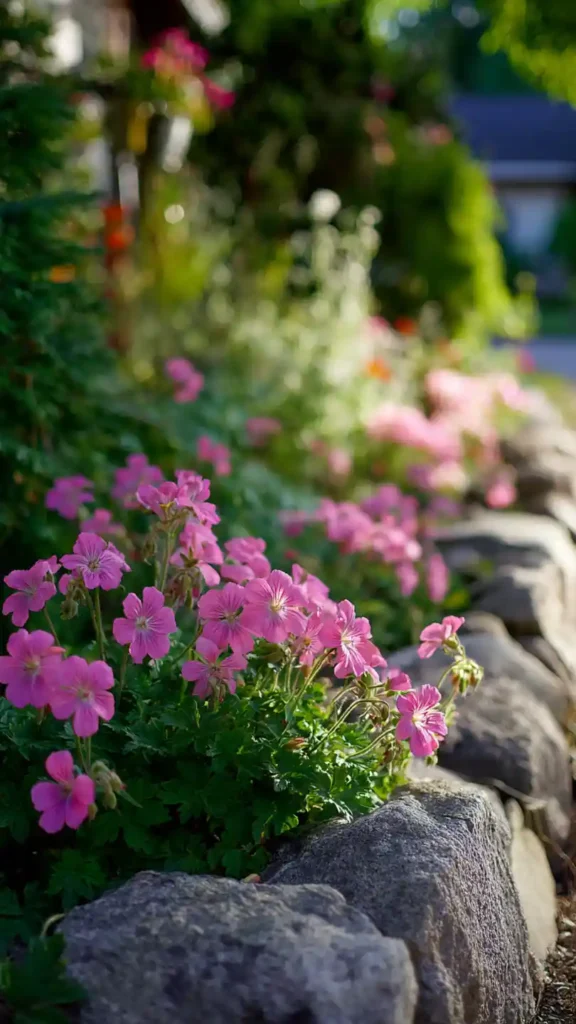
What the plant is: A low-growing flowering perennial that forms soft spreading mounds.
Where it grows: Borders, edging, and under taller plants.
Light needs: Full sun to partial shade.
Bloom season: Spring to summer.
Why you’ll love it: Reliable coverage and gentle color.
Hardy geranium quietly fills empty spaces with soft pink or purple blooms. It’s perfect for softening the front of flower beds and blending taller plants together. Once established, it spreads naturally without becoming overwhelming.
28. Gaura
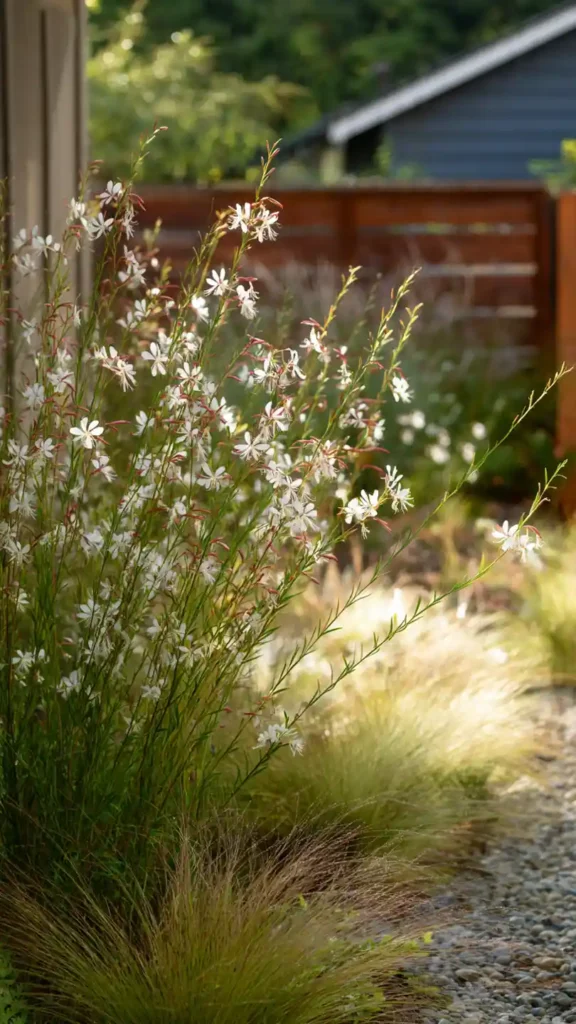
What the plant is: An airy perennial with delicate butterfly-like flowers on slender stems.
Where it grows: Sunny borders and modern landscapes.
Light needs: Full sun.
Bloom season: Summer to fall.
Why you’ll love it: Adds movement and a light, floating effect.
Gaura brings softness and motion to garden beds. The small blooms sway in the breeze, creating a relaxed, effortless look. It works beautifully mixed with structured plants like salvia or sedum to balance heavier foliage.
29. Heuchera (Coral Bells)
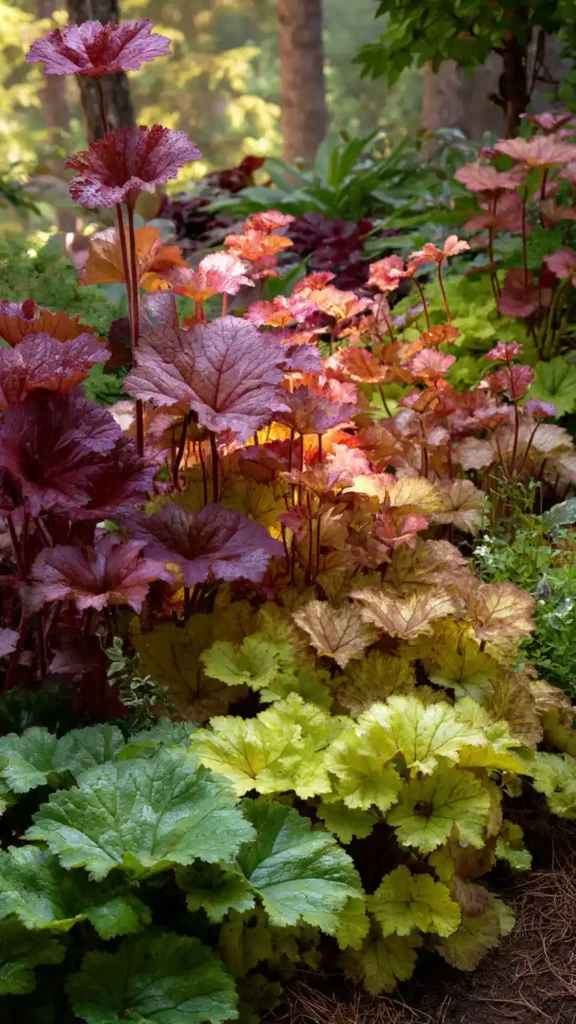
What the plant is: A foliage-focused perennial with colorful, textured leaves.
Where it grows: Shaded or partially shaded beds.
Light needs: Partial shade.
Bloom season: Late spring (small delicate blooms).
Why you’ll love it: Stunning foliage in burgundy, lime, bronze, or silver tones.
Heuchera adds color even when flowers aren’t blooming. The leaves create rich contrast in shaded spaces and pair beautifully with hostas or ferns. It’s perfect for bringing depth and variation into darker corners of the yard.
30. Hostas
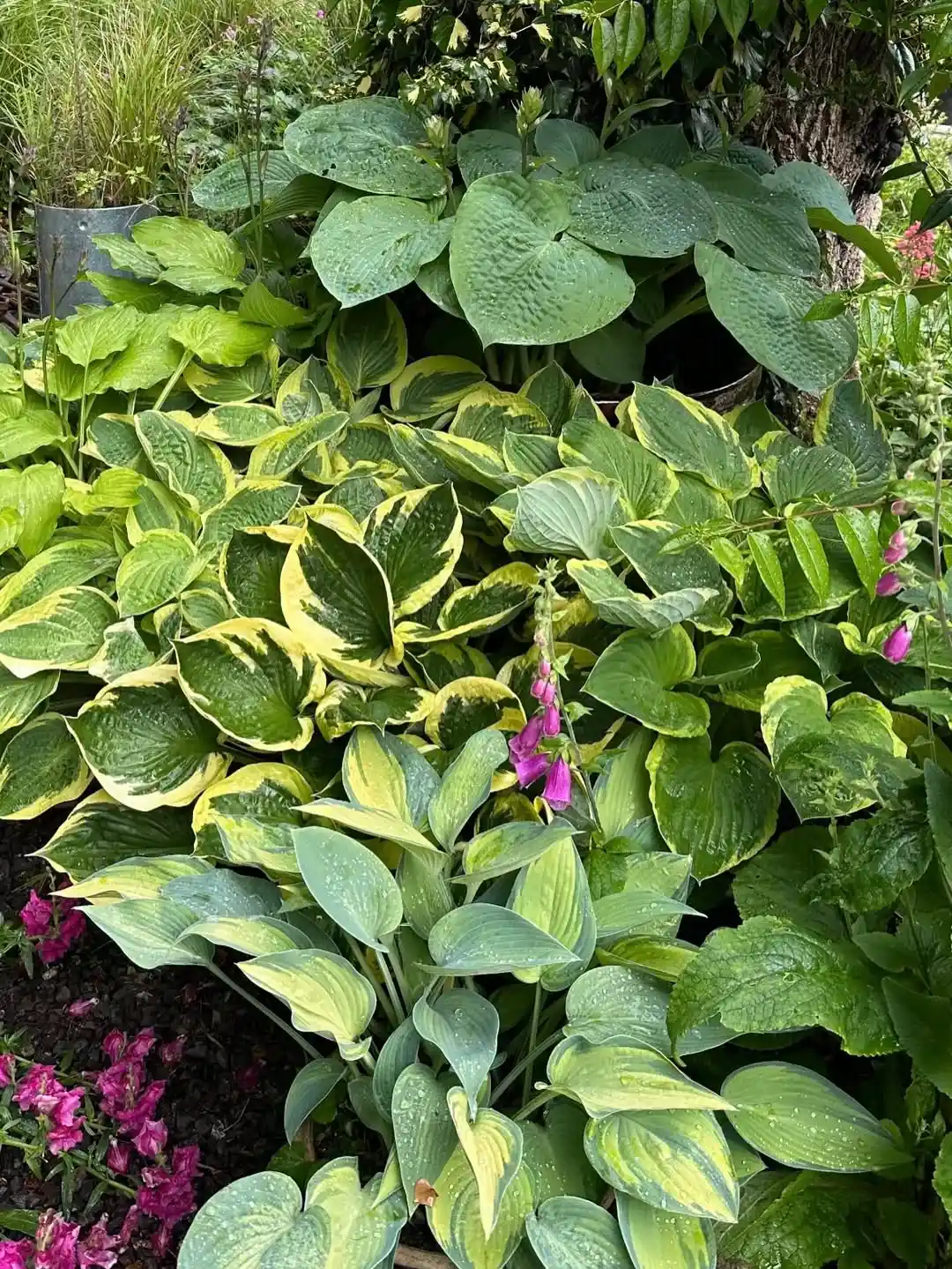
What the plant is: A lush foliage perennial known for its broad, textured leaves.
Where it grows: Shaded gardens and under tree canopies.
Light needs: Partial to full shade.
Bloom season: Summer (subtle flower spikes).
Why you’ll love it: The best solution for deep shade areas.
Hostas create fullness where many flowering plants struggle. Their layered leaves bring structure and calm to shaded spaces, and different varieties offer beautiful variations in size and color. I love mixing large-leaf hostas with finer foliage plants to create contrast and depth.
FAQ’S
What is the difference between annuals and perennials?
Short, clear answer. Beginner-friendly.
What are the easiest perennial flower plants for beginners?
Mention daylilies, coneflowers, sedum, hostas.
Which perennials bloom all summer?
Coreopsis, salvia, blanket flower, bee balm.
Do perennial flowers come back every year?
Explain dormancy simply.
How do I design a perennial flower bed layout?
Talk about layering: tall back, medium center, low front.
What perennials grow best in shade?
Hostas, astilbe, hellebores, bleeding heart.